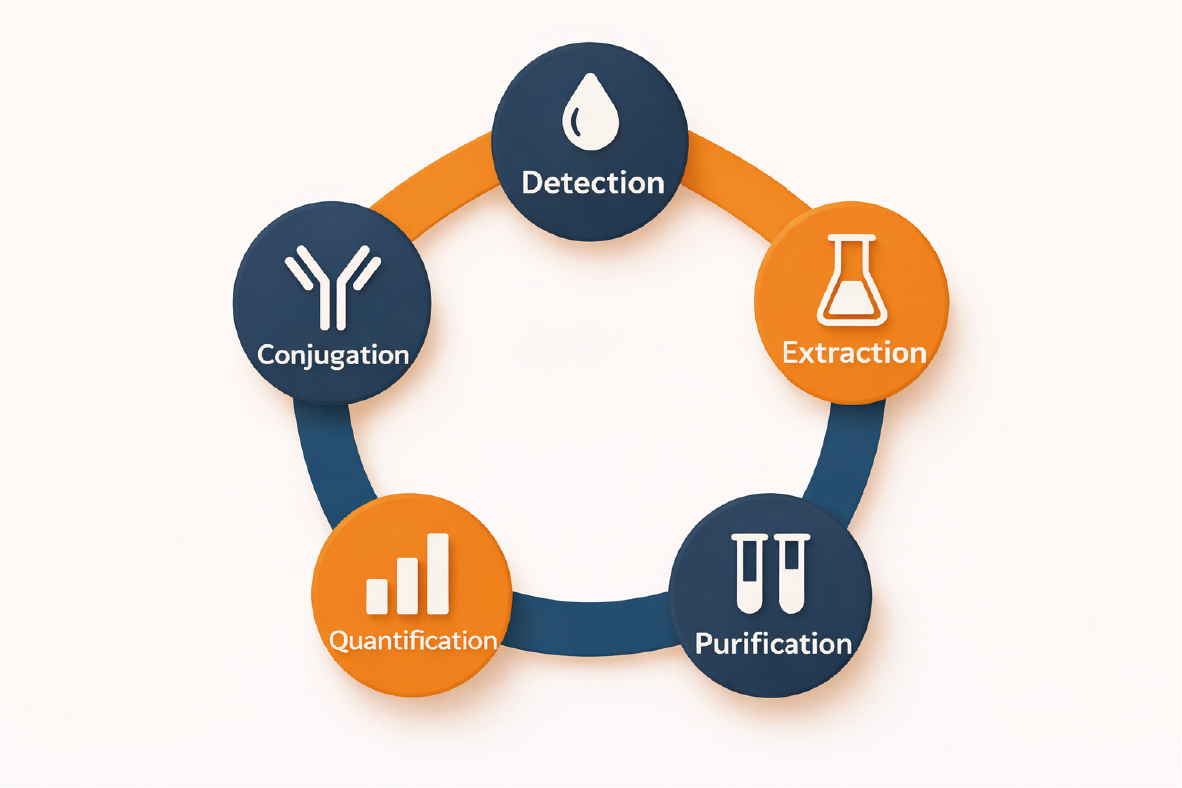
Protein Biology focuses on studying the structure, function, and roles of proteins within living organisms,
including protein expression, modification, interaction, and localization. APExBIO offers a wide range of
high-quality products essential for protein biology experiments, covering protein sample preparation,
purification, labeling, and detection — empowering your protein research every step of the way.
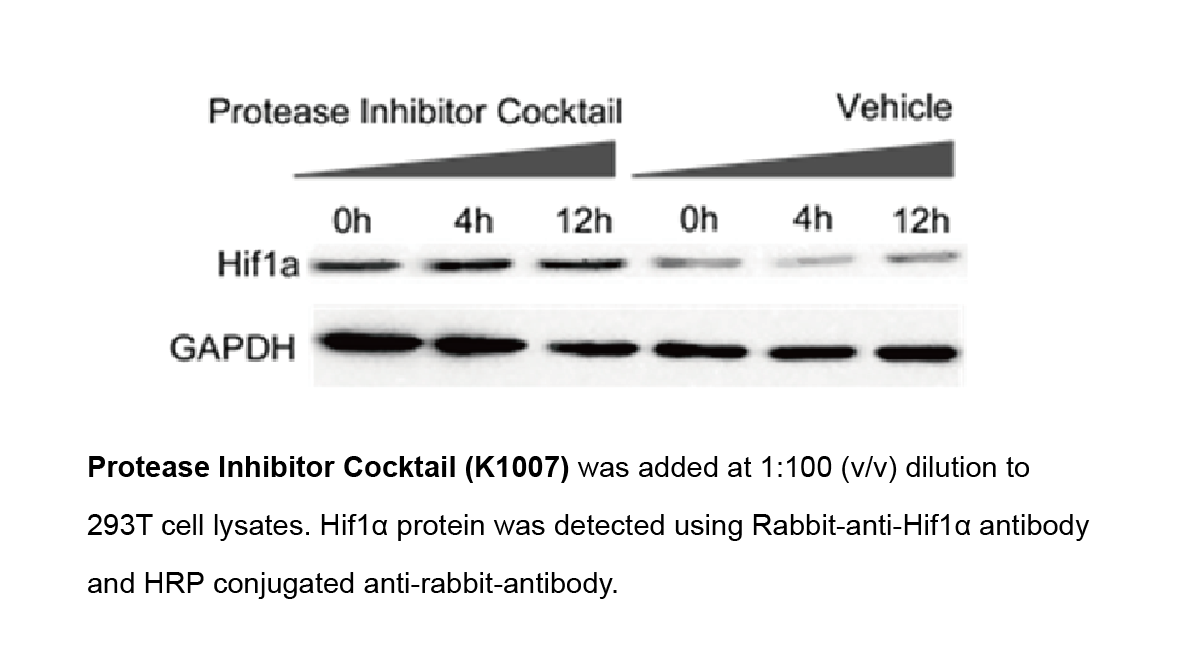
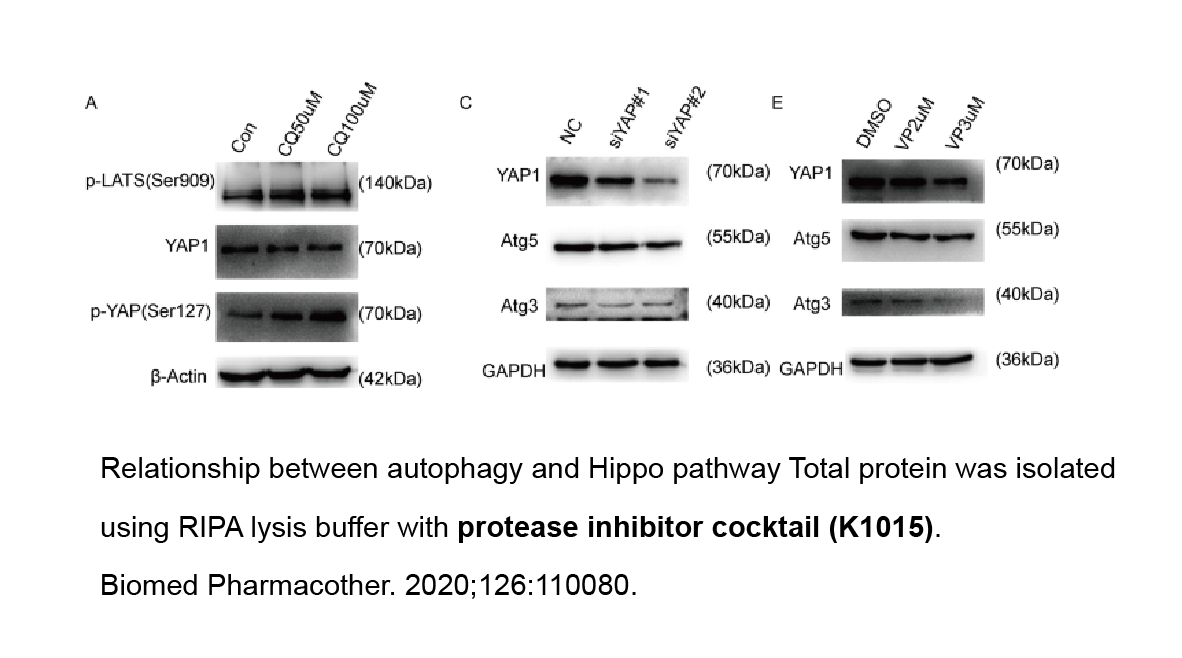
APExBIO offers a comprehensive range of inhibitor cocktails designed to protect protein integrity during
extraction and lysis. These ready-to-use formulations inhibit protease, phosphatase, and deacetylase activities,
preserving critical post-translational modifications such as phosphorylation and acetylation across diverse sample
types, including cells, tissues, yeast, and bacteria—ensuring reliable results for downstream protein analysis.
Efficient and reliable protein extraction is the foundation of all downstream protein analysis. APExBIO offers a
comprehensive range of high-performance lysis buffers and extraction reagents designed to maximize protein yield
and integrity across a wide variety of biological samples.
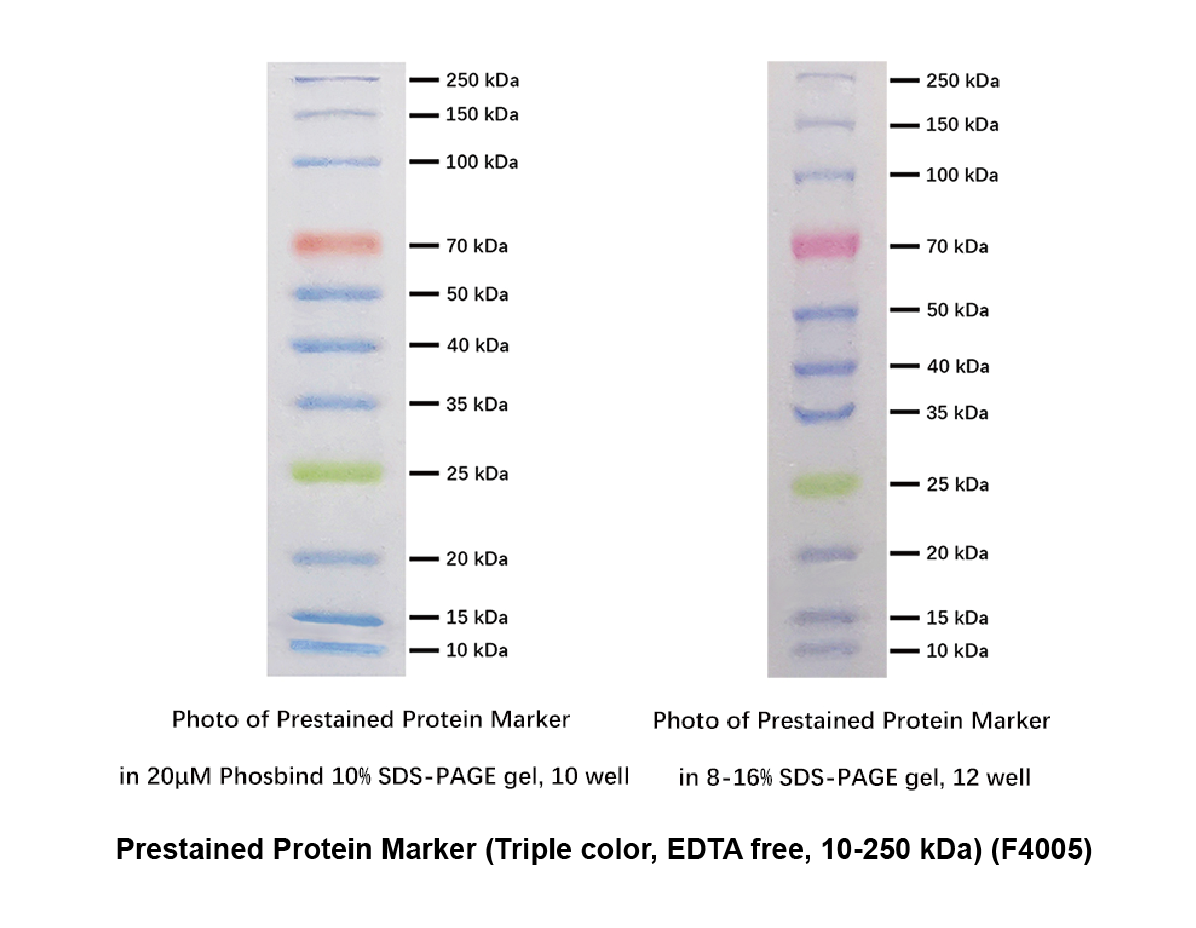
Western blotting is a protein detection technique that involves transferring electrophoretically separated
proteins from gels onto solid-phase membranes such as NC or PVDF, followed by specific antibody-based detection of
target antigens. It is widely used in studying gene expression at the protein level, assessing antibody activity,
and facilitating early disease diagnosis.
APExBIO offers a wide range of high-quality products essential for Western blot experiments, including various
buffers and protein detection reagents—empowering your protein biology research.
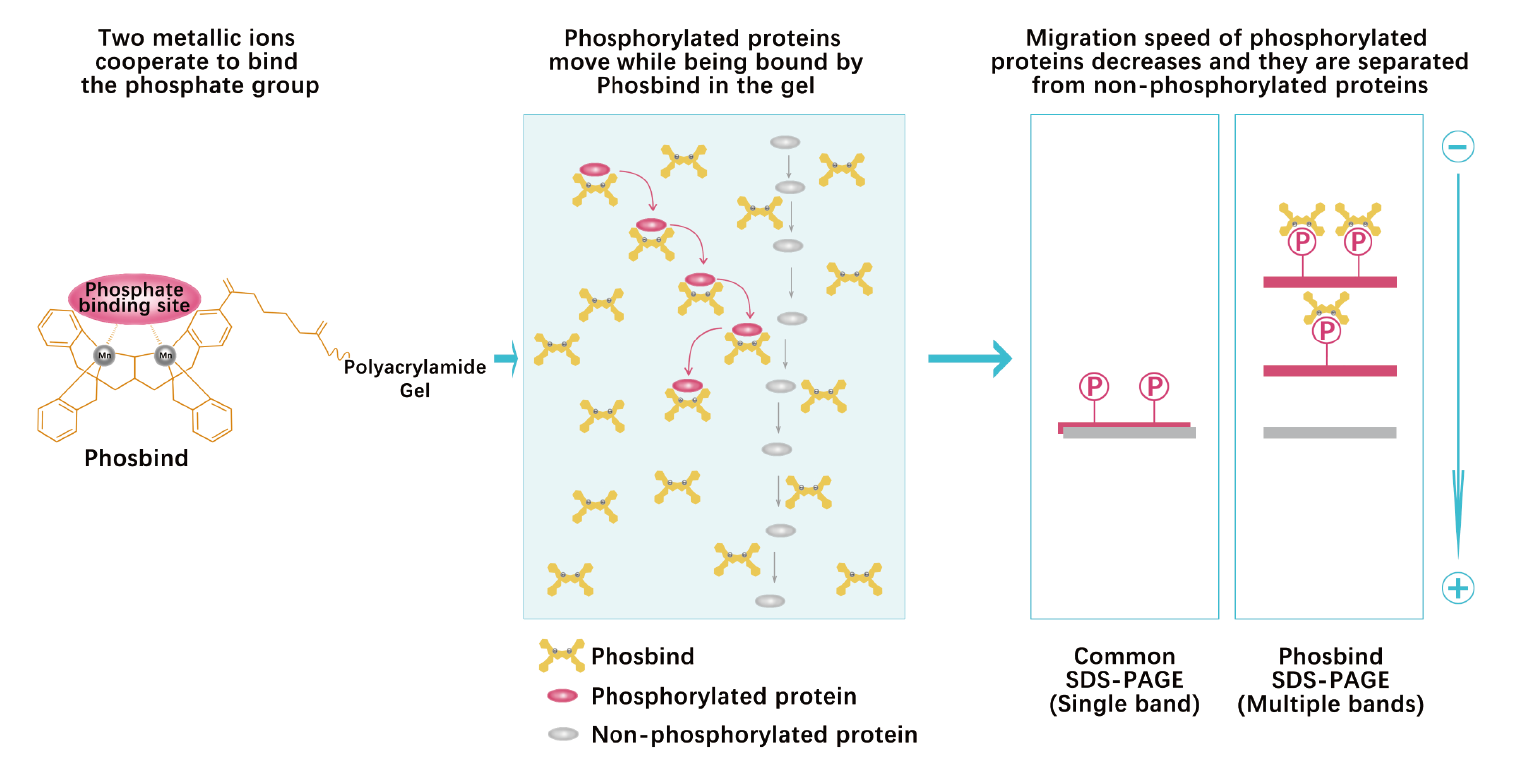
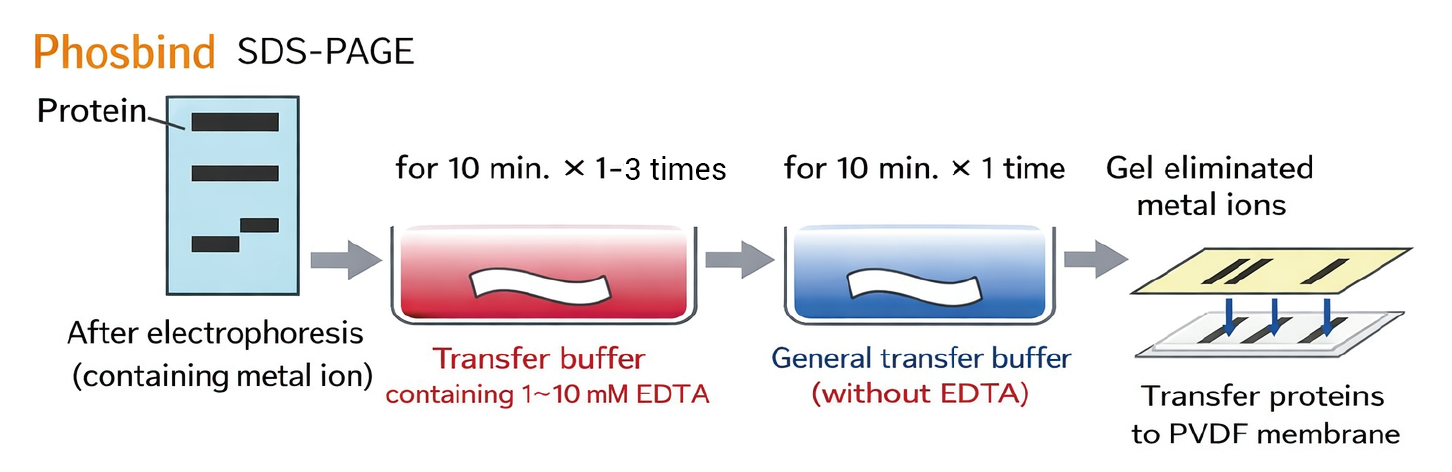
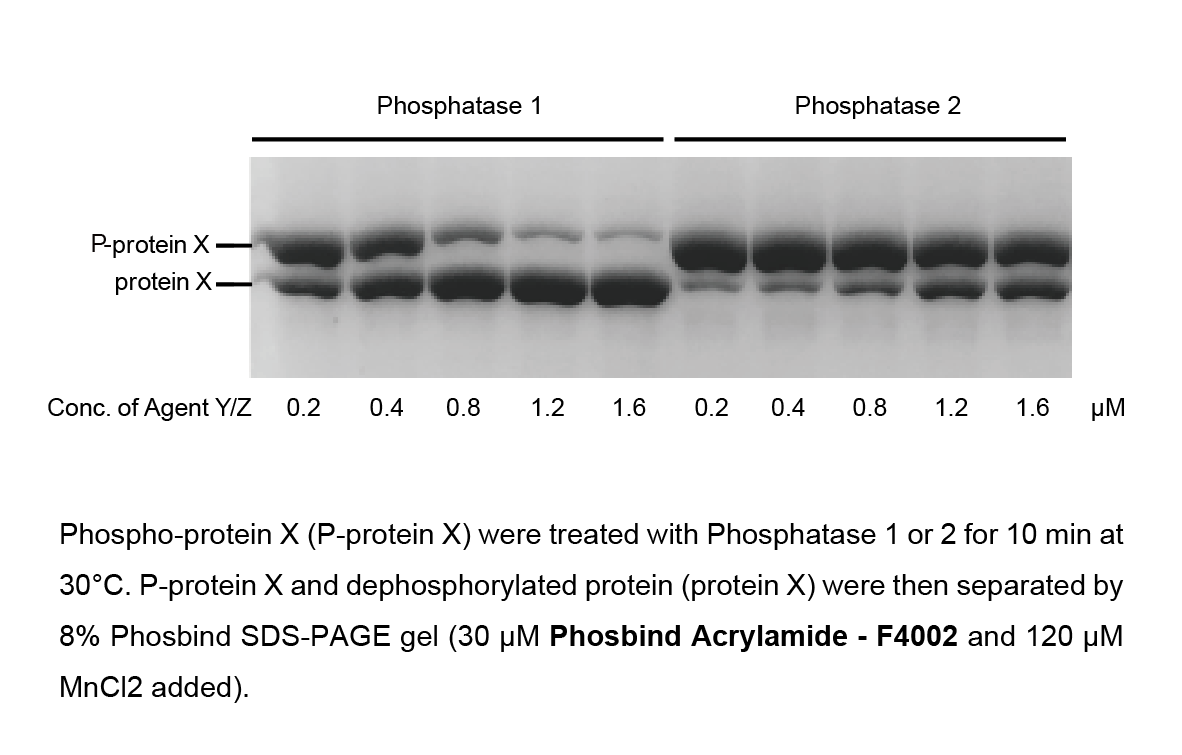
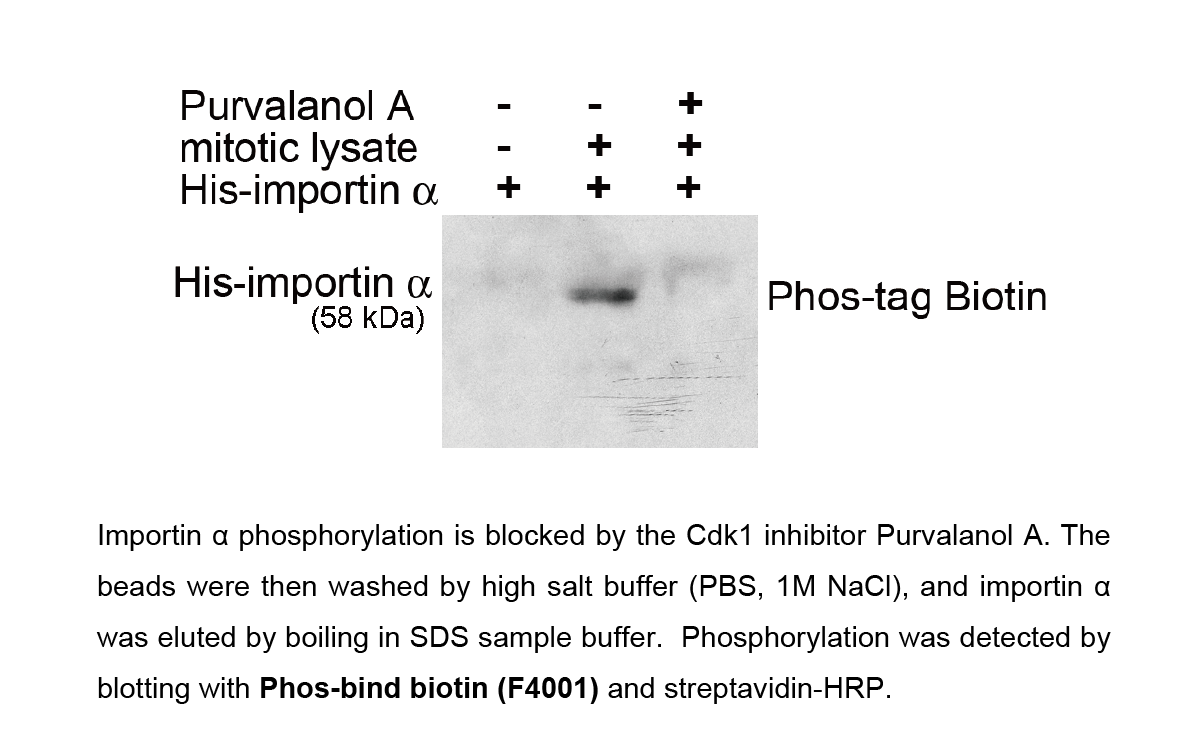
Phosbind Reagents (Catalog No. F4002) are products used for separation, purification, and detection of
phosphorylated proteins or peptides. It is a novel phosphate-binding tag and functional molecule that
specifically binds to phosphorylated ions at neutral pH (physiological pH).
> Recognition of all phosphorylated forms of Tyr/Ser/Thr.
> Followed by Western blotting and Mass analysis.
> Simultaneous detection of phosphorylated/non-phosphorylated proteins using the total antibody without the
anti phosphorylated protein.
> Simply add Phos binding reagent acrylamide and MnCl2 solution* to acrylamide solution in the preparation of
SDS-PAGE gel.
(*: Add 5.0 mM Phos binding reagent Acrylamide Aqueous Solution and 10 mM MnCl2 solution in equal amount in
the gel).
Validation
Protein Purification
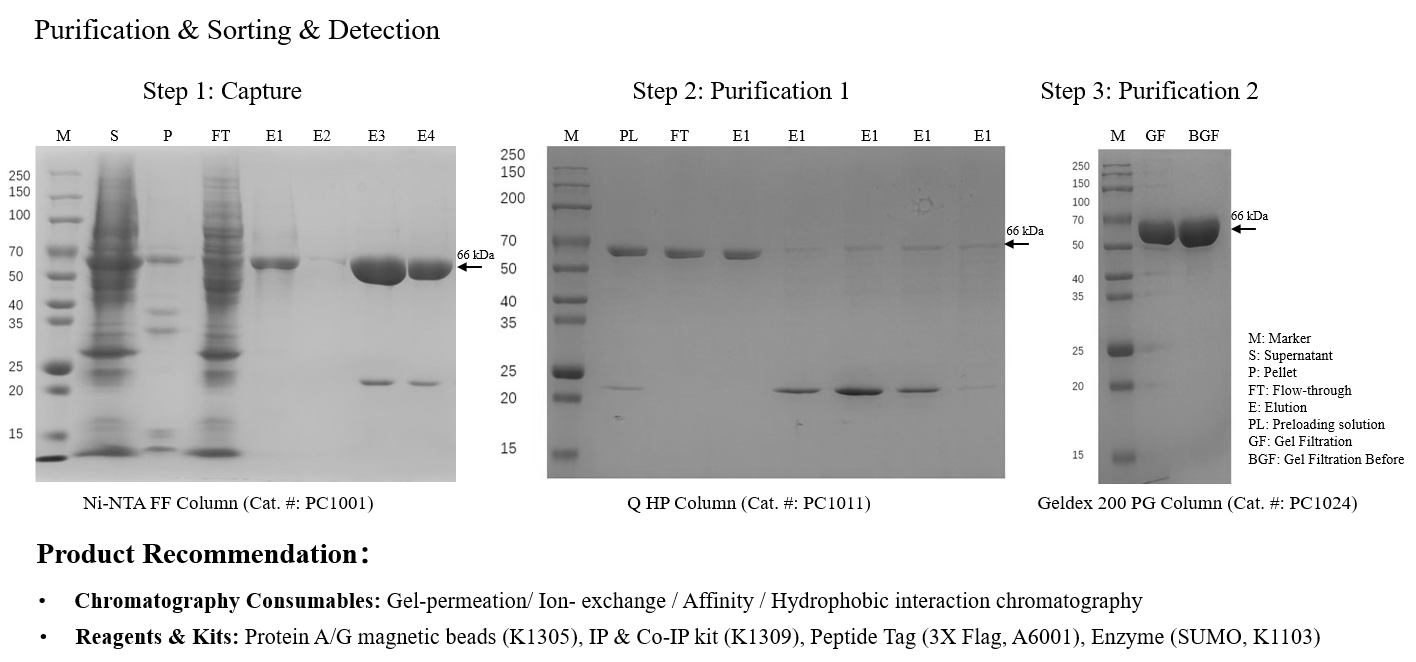
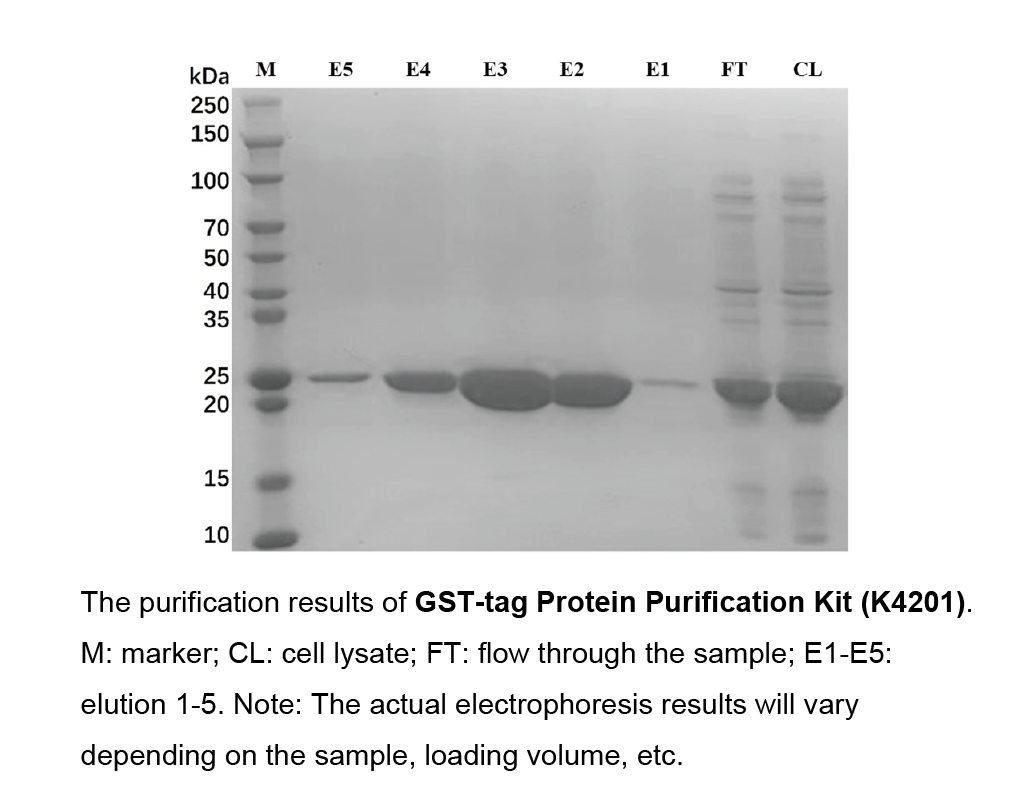
APExBIO offers a reliable range of high-efficiency tools for protein purification, designed to ensure exceptional
purity, yield, and biological activity. Our product line includes high-quality chromatography consumables and
magnetic bead-based systems suitable for various tags and protein types.
Whether you're isolating recombinant proteins, enriching native complexes, or preparing samples for structural or
functional studies, APExBIO’s purification products deliver consistent and reproducible results.
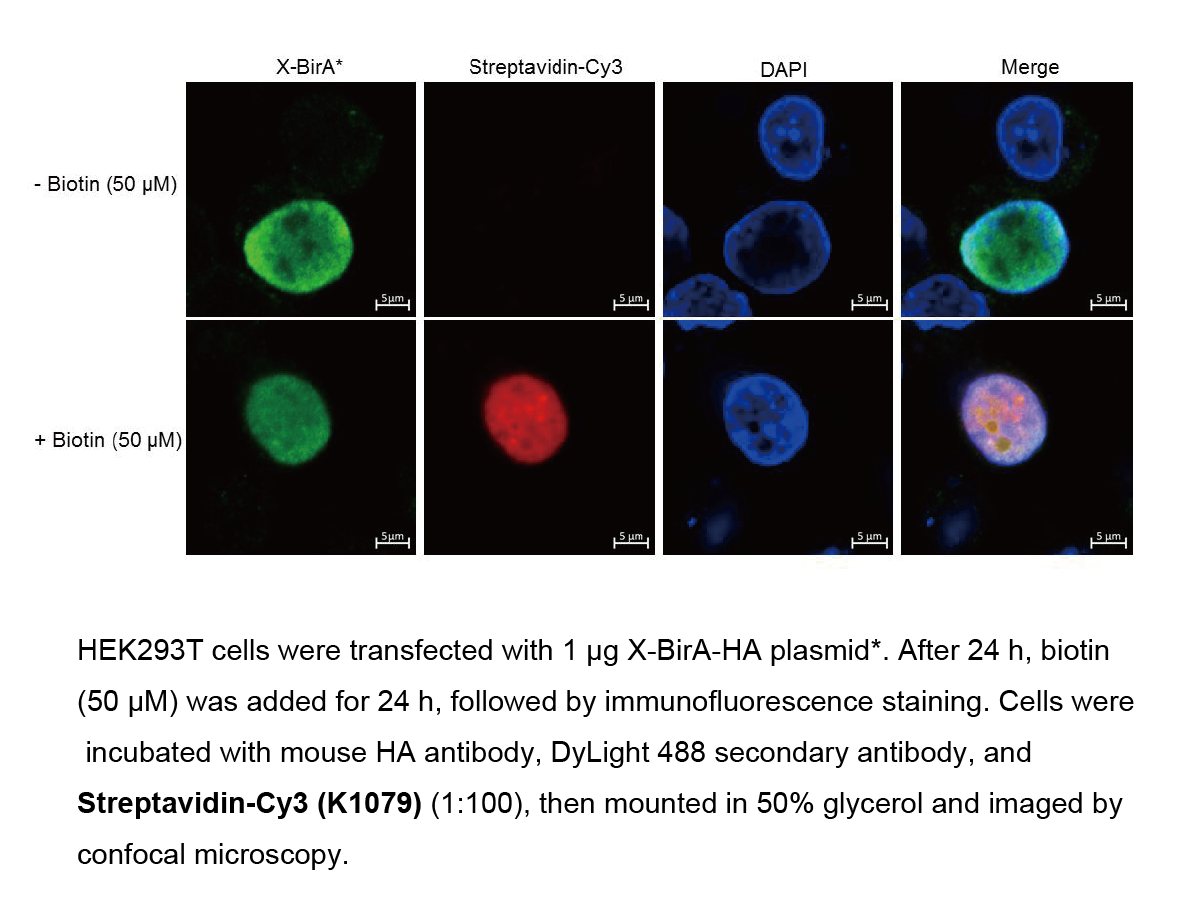
APExBIO offers a complete line of protein labeling reagents designed to enhance sensitivity and flexibility in
detection assays. Our product range includes high-efficiency biotinylation reagents, specific streptavidin binding
tools, powerful tyramide signal amplification (TSA) systems, and bright, stable cyanine dyes for fluorescent
labeling.
These reagents are ideal for applications such as Western blotting, immunofluorescence, ELISA, and in situ
hybridization. With strong binding affinity, low background, and high signal amplification, APExBIO’s protein
labeling tools provide reliable and reproducible results for protein tracking, quantification, and localization in
a wide range of research workflows.
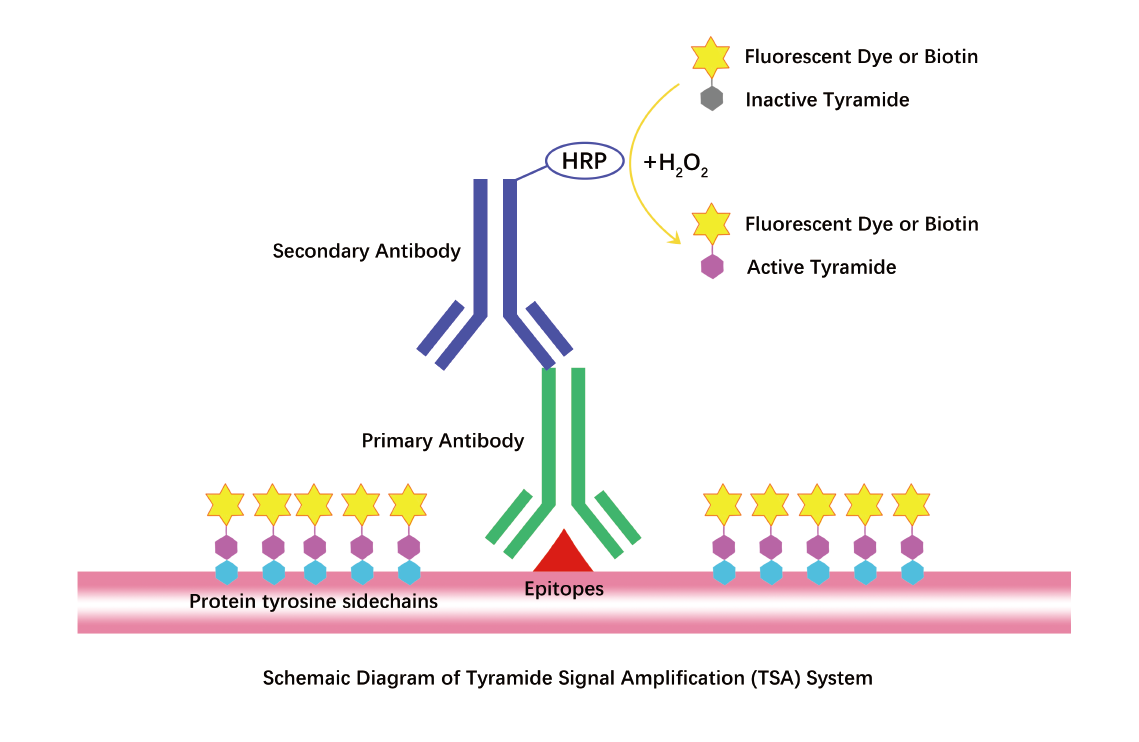
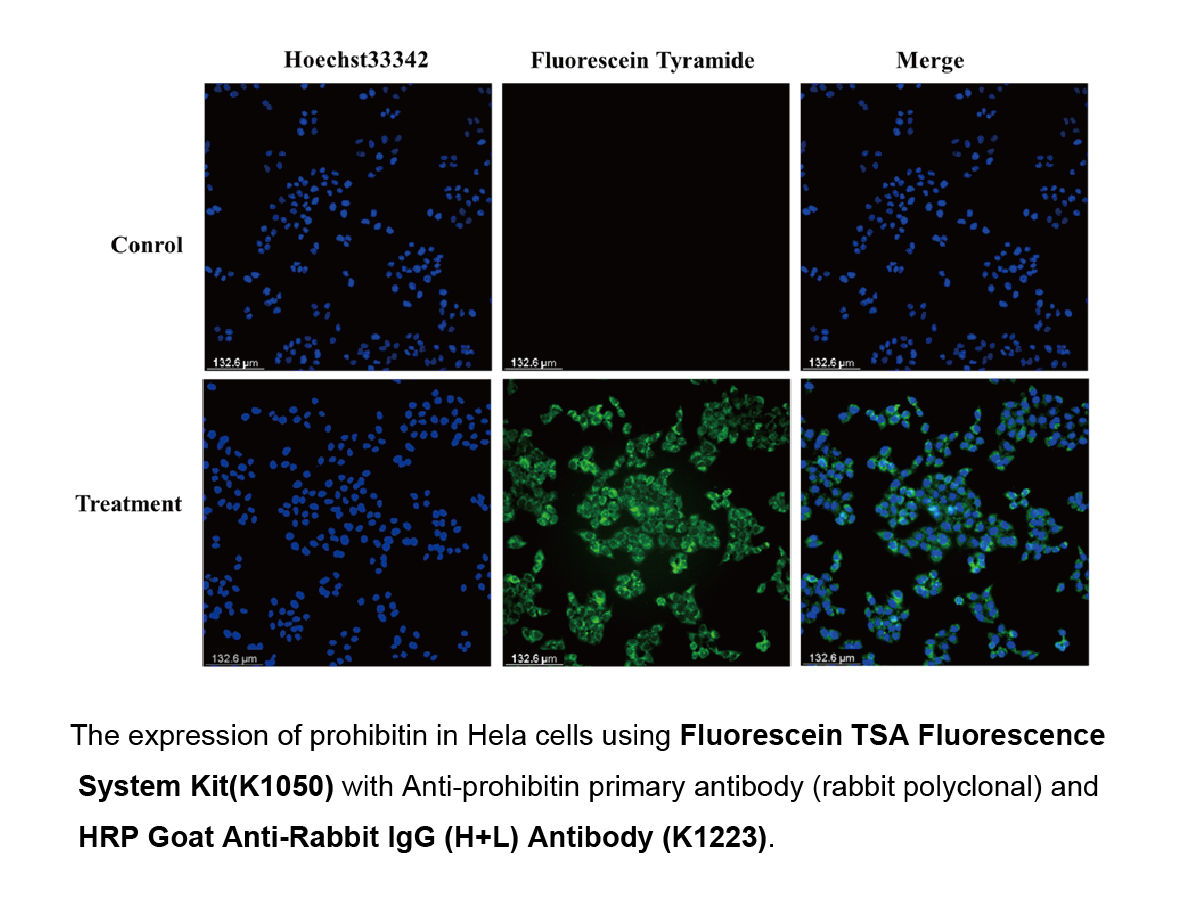
Tyramide Signal Amplification (TSA) is a highly sensitive method enabling the detection of
low-abundance
proteins or nucleic acid sequences in-situ, where tyramide, a phenolic compound, has the ability to
bind to
the
electron rich surface of the targets.TSA involves horseradish peroxidase (HRP)-catalyzed deposition of
tyramide
on and near a target protein or nucleic acid sequence in situ. Applicable to the standard cell types
and fluorescence imaging systems of ICC, IHC and FISH.
Ultra High Sensitivity:
Detect low-abundance targets that are undetectable by conventional methods.
Require simple incubation steps to generate multicolor signals.
Compatible with other amplification and traditional labeling methods.
Multiplex Fluorescence Labeling:
Support multiplex immunohistochemistry using antibodies of same host species.
Validation
Protein Immunology/Detection
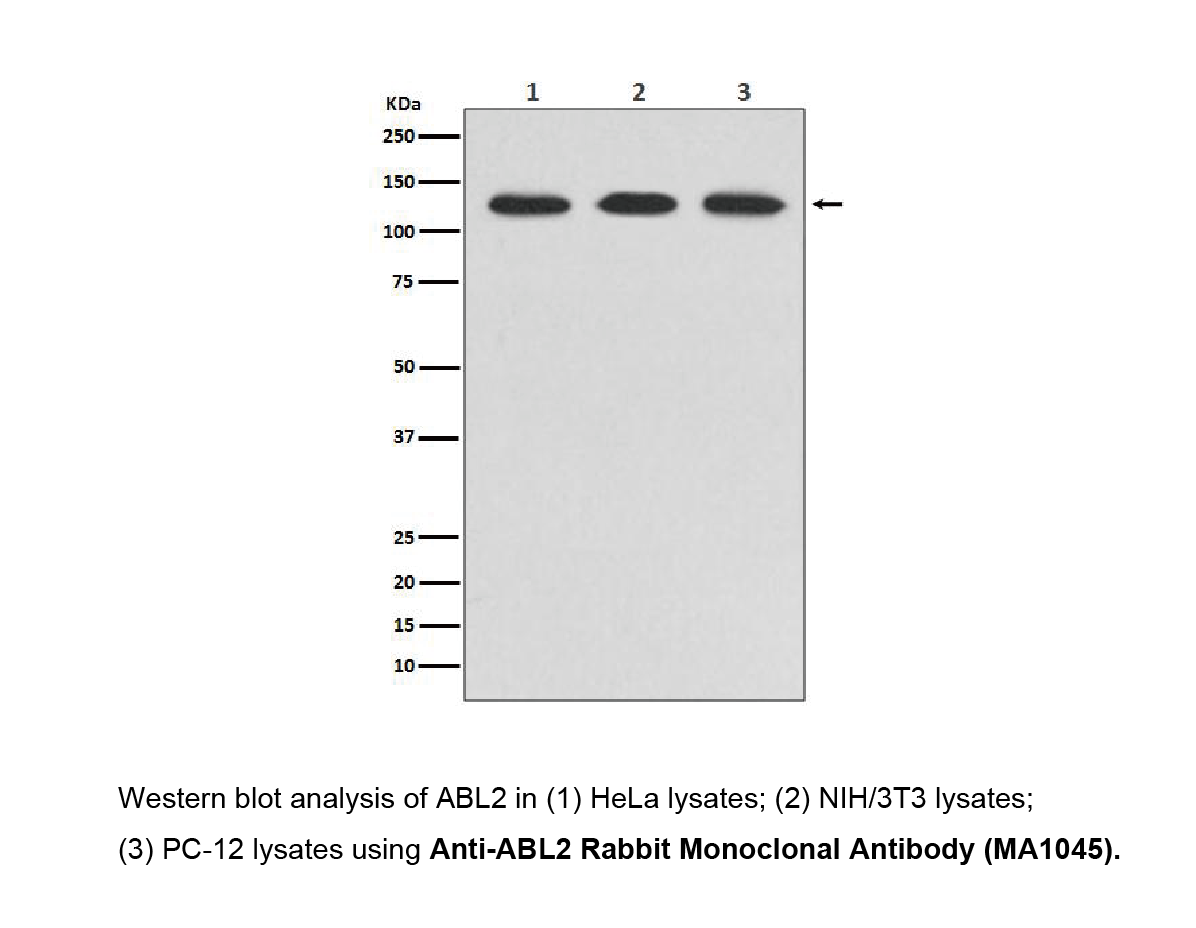
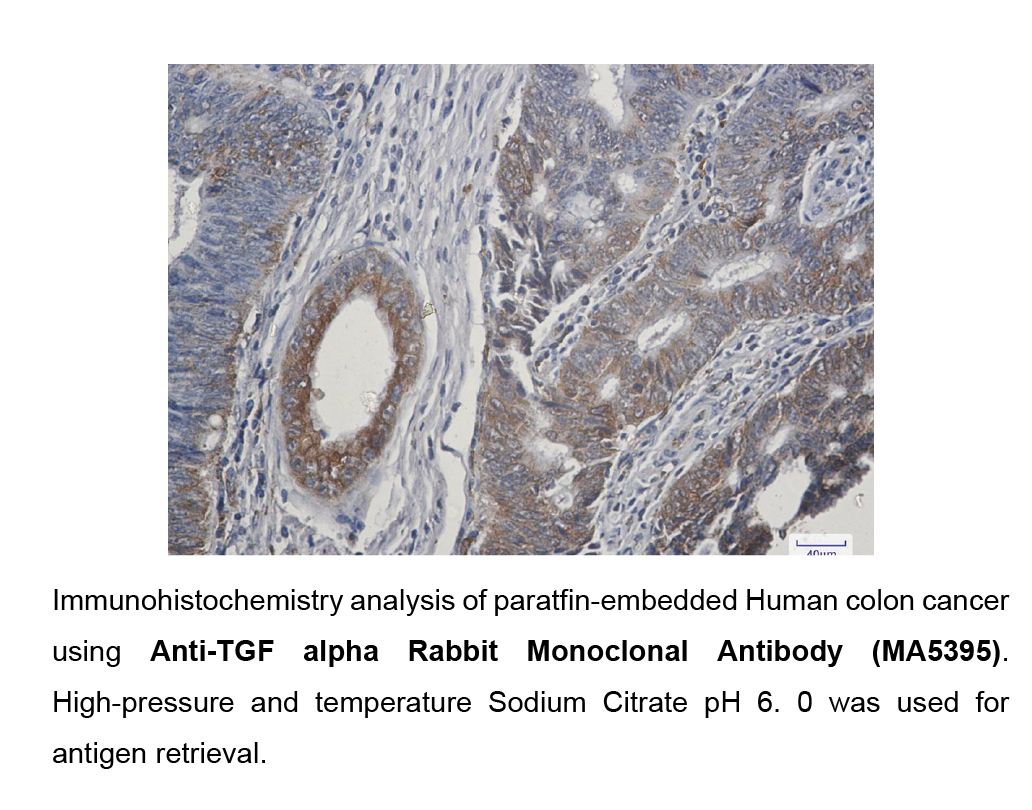
APExBIO provides a powerful and precise selection of protein detection reagents to support immunological and
proteomics research. Our product line covers a wide range of applications, including antibody, immunoprecipitation
(IP), and immunohistochemistry (IHC).
Designed for high sensitivity and specificity, these tools enable accurate quantification, localization, and
analysis of proteins in diverse sample types. Whether you're profiling biomarkers, studying protein interactions,
or analyzing tissue expression patterns, APExBIO’s protein detection solutions deliver consistent,
high-performance results for advanced biomedical research.
APExBIO offer comprehensive one-stop protein custom synthesis services—from microgram to gram scale, with advanced
synthesis platforms, stringent quality control, and high-throughput detection capabilities. APExBIO provides
full-service workflows including gene synthesis, protein expression, purification, labeling, and detection.
Customers can choose comprehensive services or individual modules.