


Cell Cycle/DNA Damage
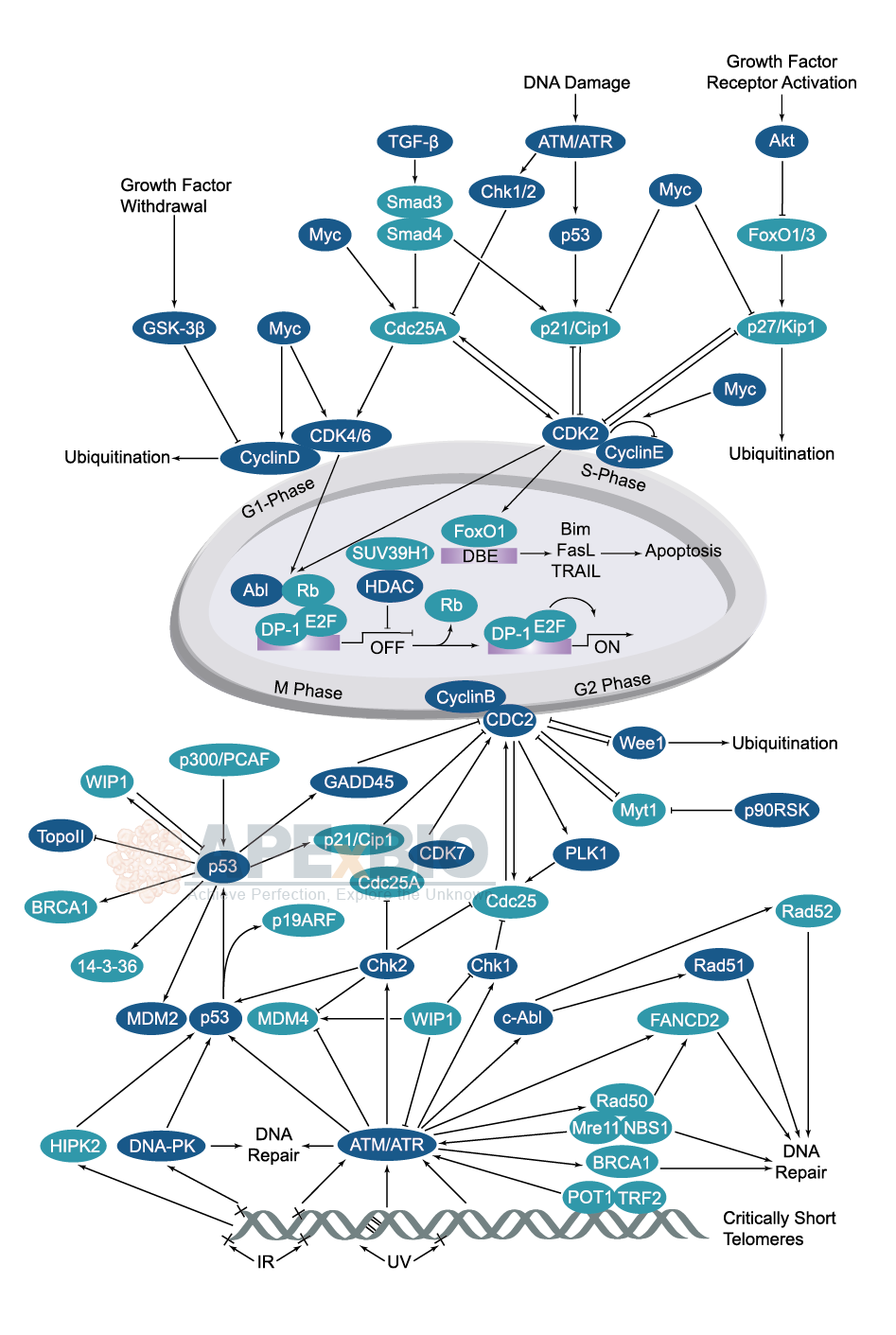
The cell cycle is consisted of 4 main phases: Gap 1 (G1), DNA replication (S), Gap 2 (G2), and mitosis (M). There are “checkpoints” mechanism regulates the transition between these phases, at the G1/S boundary, in the S-phase and during G2/M phases. Cell can only pass through these checkpoints when signaling factors are activated and free of DNA damage. Important proteins that control cell cycle events and checkpoints are cullins, cyclins, cyclin-dependent kinases (Cdks), p53 and their inhibitors etc. Cdks family (Cdk2, Cdk3, Cdk4 and Cdk6) are Ser/Thr kinases that regulate cell cycle progression in association with cyclin binding partners (cyclin D, cyclin E and cyclin A) during all four phases. p53 halts the cell cycle if the DNA is damaged and allowing time for DNA repair to progress; it can also initiate apoptosis if DNA damage is too severe to be repaired.
-
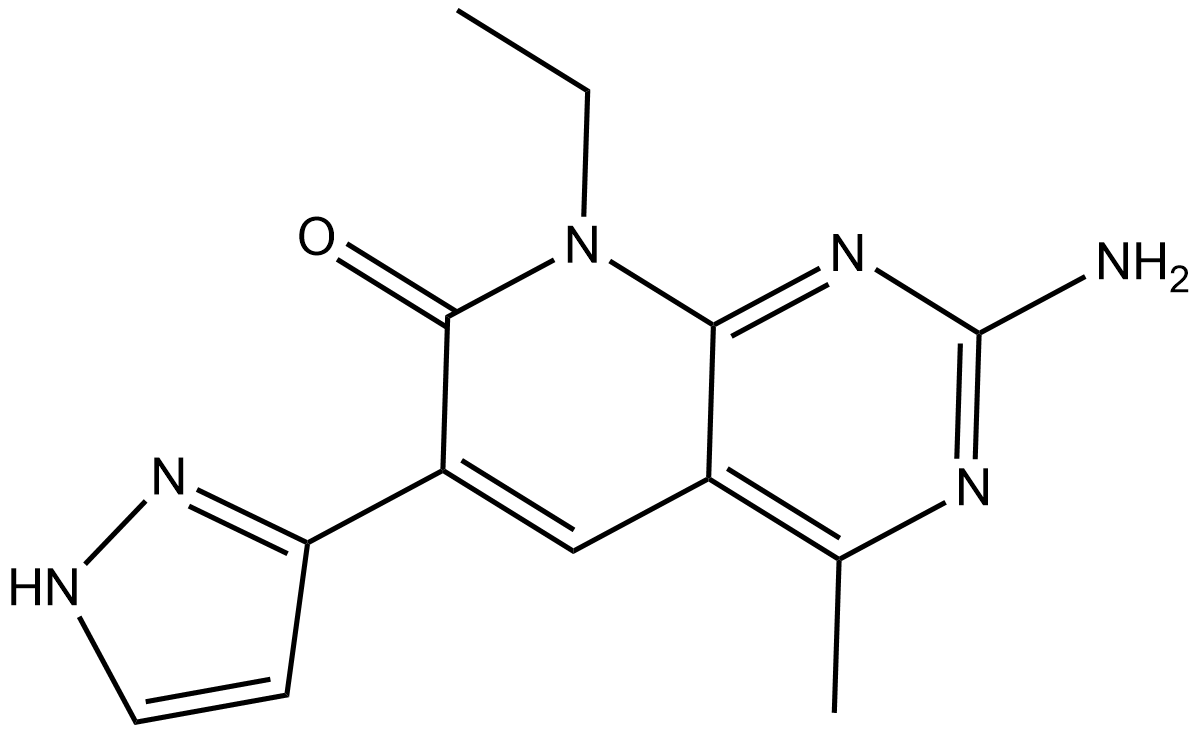 C9073 VoxtalisibSummary: A small-molecule PI3K/mTOR dual inhibitor for in vitro signal transduction research.
 -
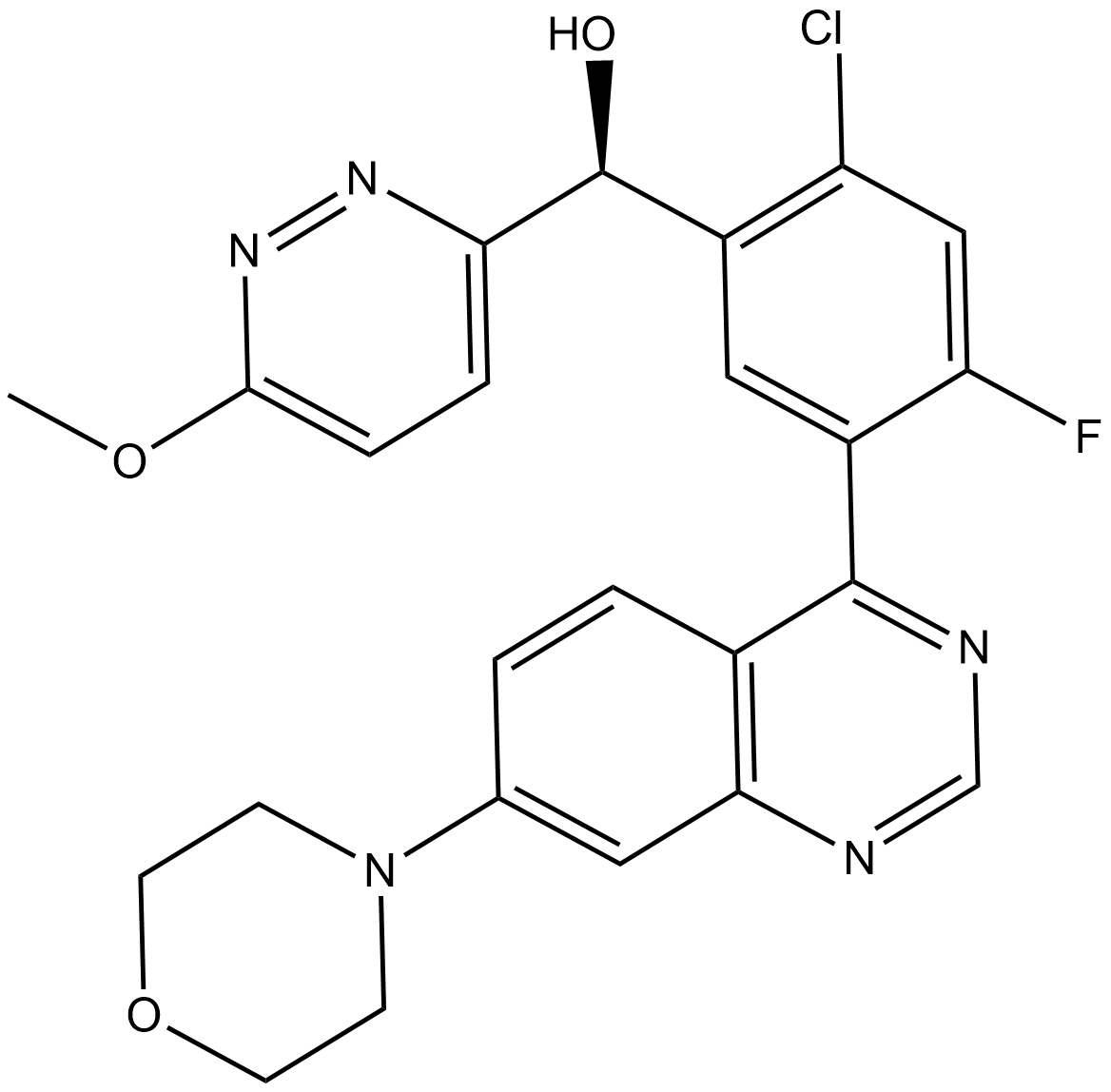 C9052 NedisertibSummary: A small-molecule DNA-PKcs inhibitor for scientific research on DNA double-strand break repair.
 -
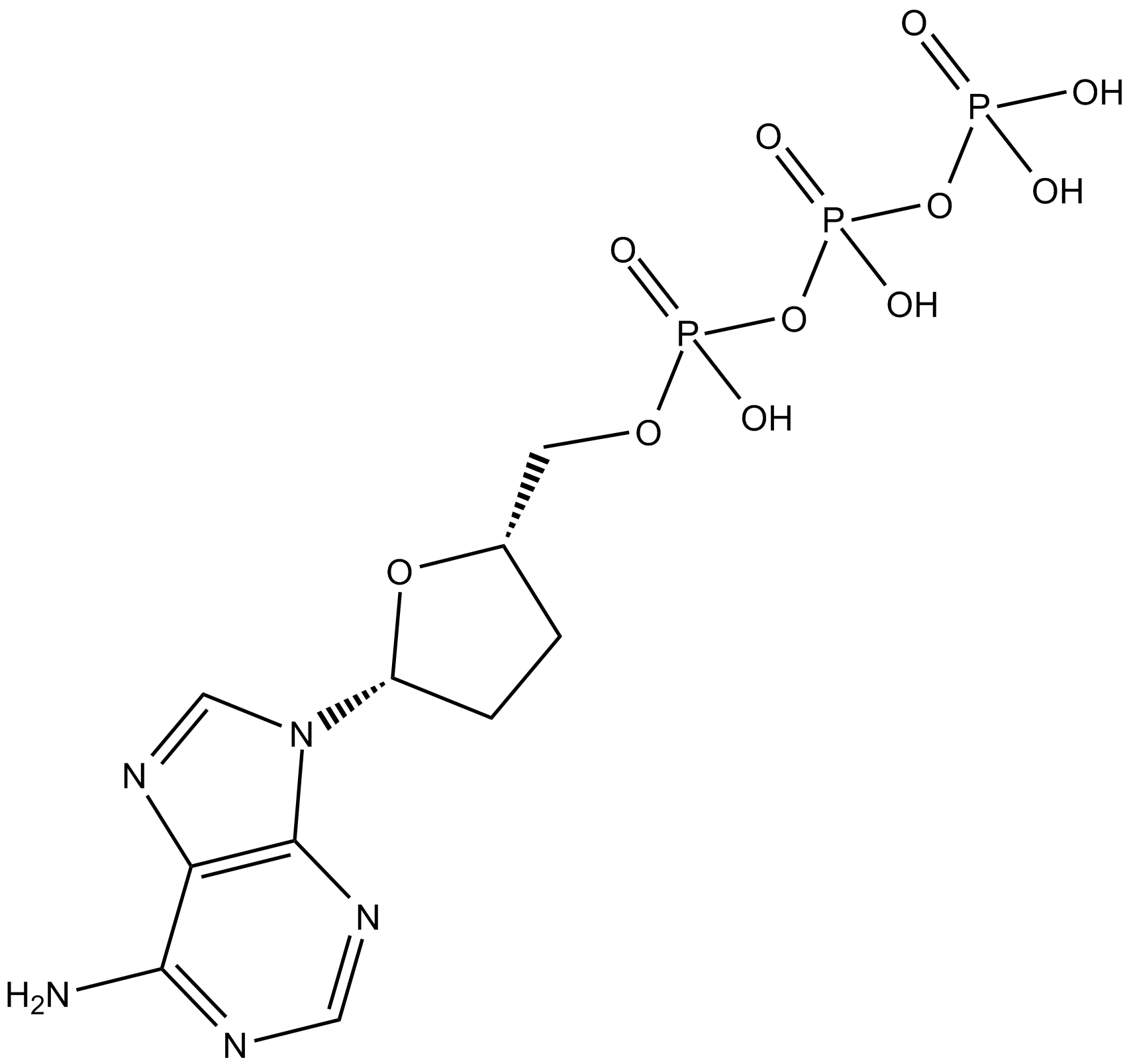 C5760 2',3'-Dideoxyadenosine 5'-triphosphateSummary: A nucleotide reagent used in Sanger sequencing to terminate DNA chain extension.
 -
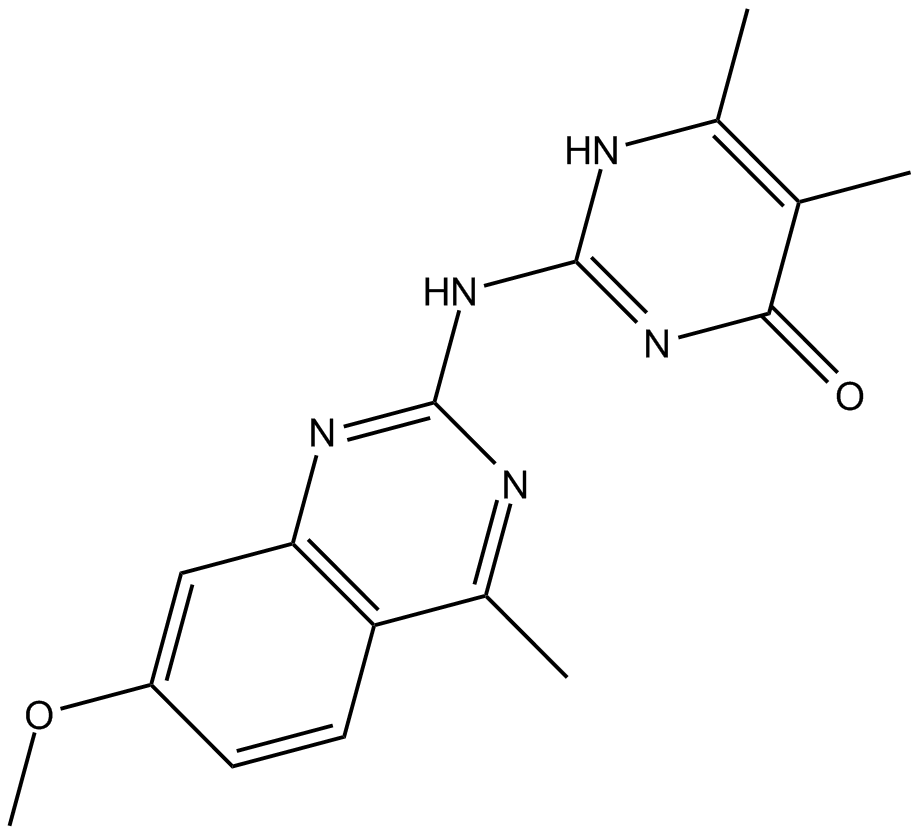 C4538 MadrasinSummary: An inhibitor that blocks early spliceosome assembly and suppresses pre-mRNA splicing.
 -
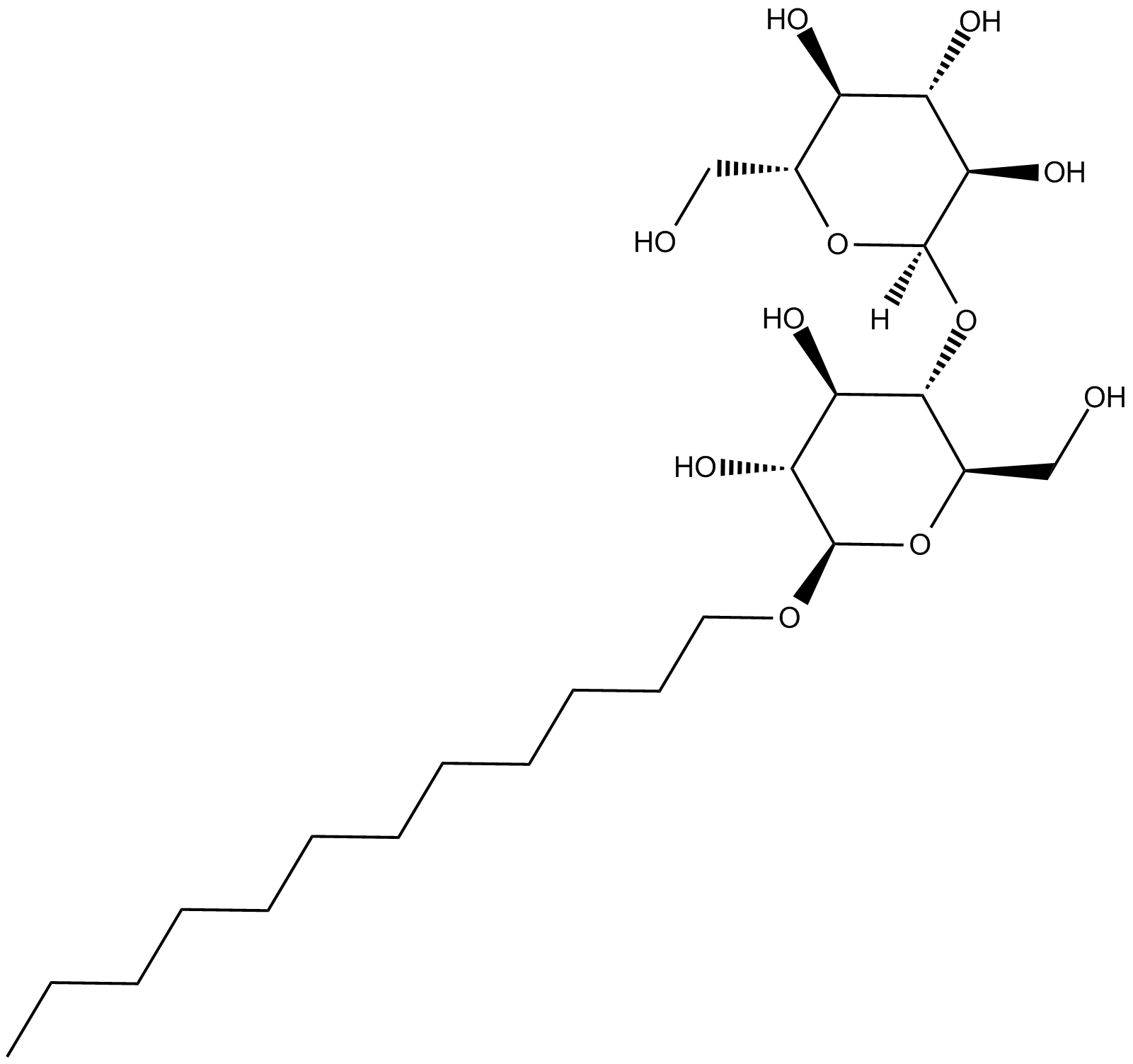 C4421 n-Dodecyl-β-D-maltosideSummary: A non-ionic detergent commonly used to solubilize membrane-associated proteins
 -
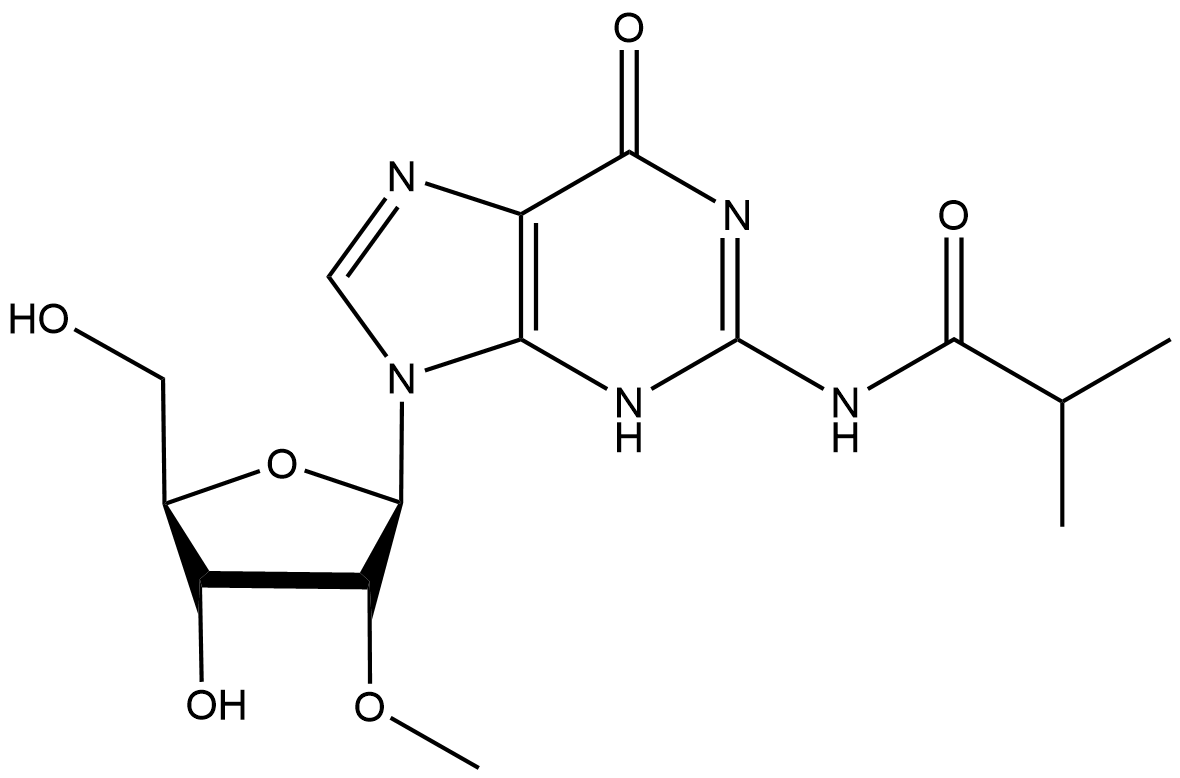 BA4304 N2-Isobutyryl-2-O-methylguanosineSummary: N2-Isobutyryl-2'-O-methylguanosine (N2-IBU-2'-OME-RG) is a purine nucleoside analog.
 -
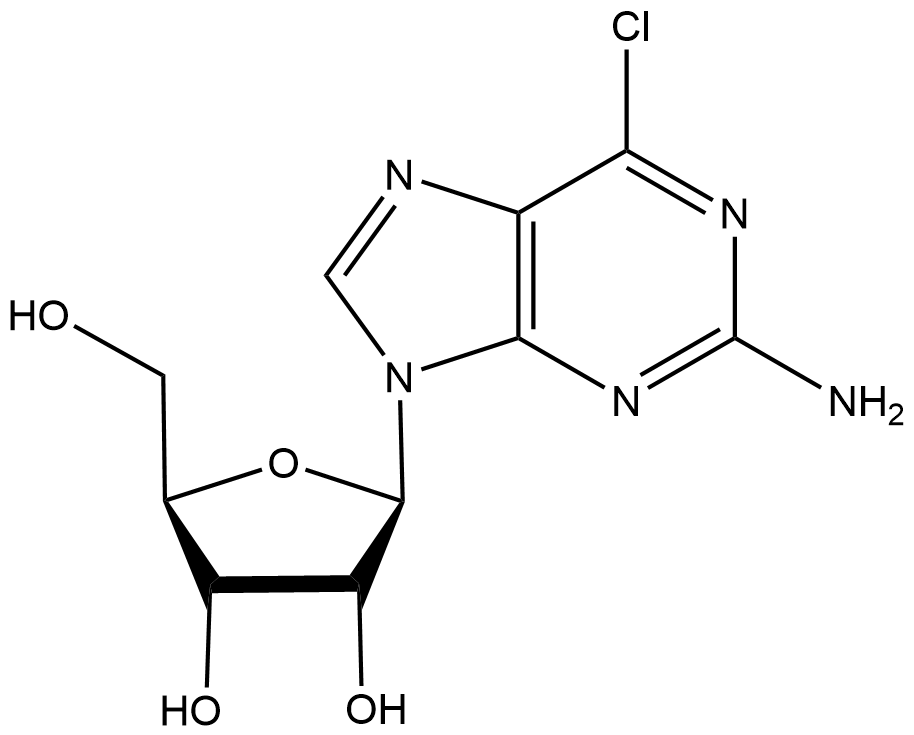 BA4303 6-ChloroguanineribosideSummary: 6-Chloroguanineriboside (6-Chloroguanosine) is a purine nucleoside analog.
 -
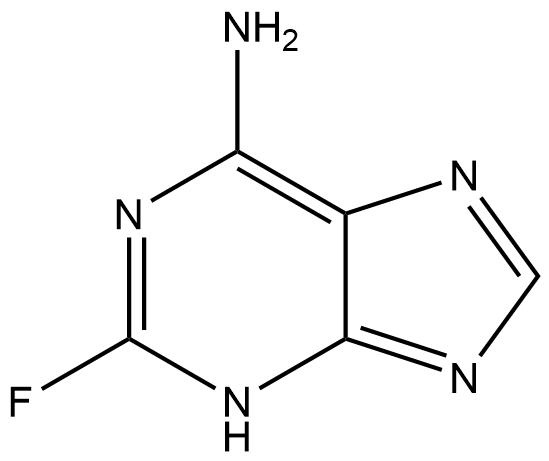 BA3989 2-FluoroadenineSummary: 2-Fluoroadenine is a toxic purine base.
 -
 BA3761 TG003Summary: A potent Clk1/Clk4 inhibitor for pre-mRNA splicing
 -
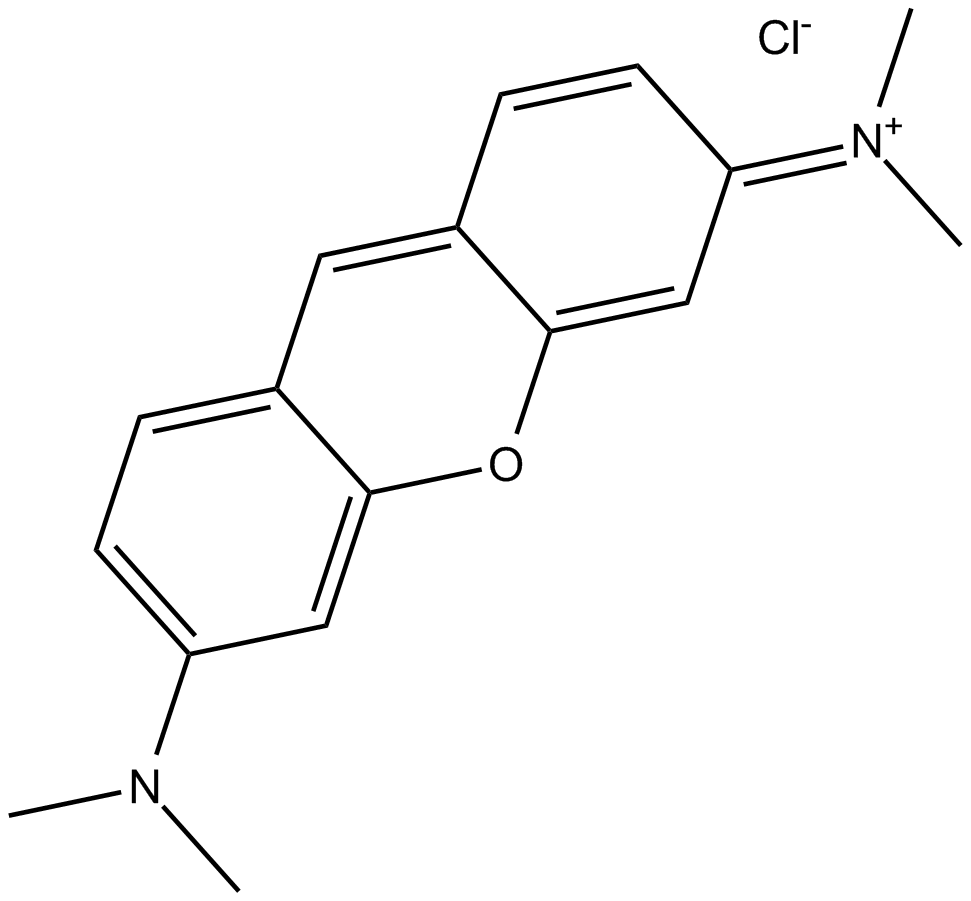 C5496 Pyronin YSummary: A fluorescent probe for dsRNA, can be used to determine the cell cycle status of stem cells