


Anti-infection
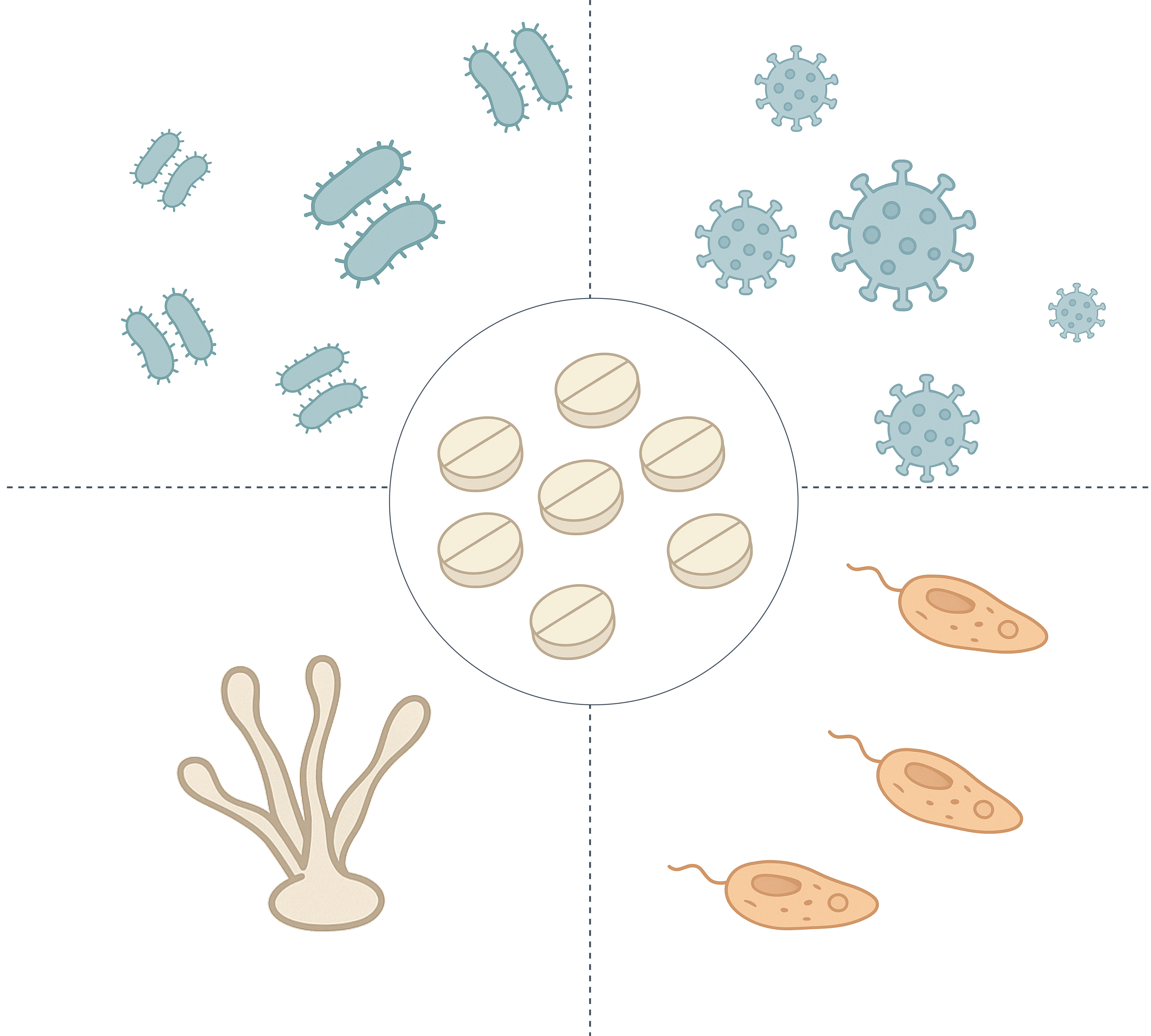
Anti-infectives are agents that eliminate or inhibit the spread of infectious organisms, encompassing antibiotics, antifungals, antivirals, and antiprotozoals.
Antibiotics are a class of antimicrobial agents specifically designed to target bacterial pathogens. They exert their effects by interfering with essential bacterial processes such as cell wall synthesis, protein synthesis, nucleic acid replication, and metabolic pathways, thereby either inhibiting bacterial growth or inducing bacterial death.
Antifungals are antimicrobial agents employed to combat fungal infections (mycoses) in humans and animals. Common antifungal classes include azoles, polyenes, echinocandins, and allylamines, which function by disrupting unique fungal structures or pathways, such as the synthesis or integrity of ergosterol-containing cell membranes and β-glucan-based cell walls, or by interfering with nucleic acid or protein synthesis.
Antivirals are compounds developed to inhibit the replication and spread of viruses within host organisms. Antivirals typically act by blocking viral entry, genome replication, protein processing, or virion assembly and release. Representative examples include nucleoside analogs, protease inhibitors, and neuraminidase inhibitors.
Antiprotozoals are drugs used to treat infections caused by protozoan parasites, including malaria, amebiasis, giardiasis, and trypanosomiasis. They act through a variety of mechanisms, including inhibition of nucleic acid synthesis, interference with mitochondrial function, and disruption of heme detoxification pathways in susceptible parasites.
-
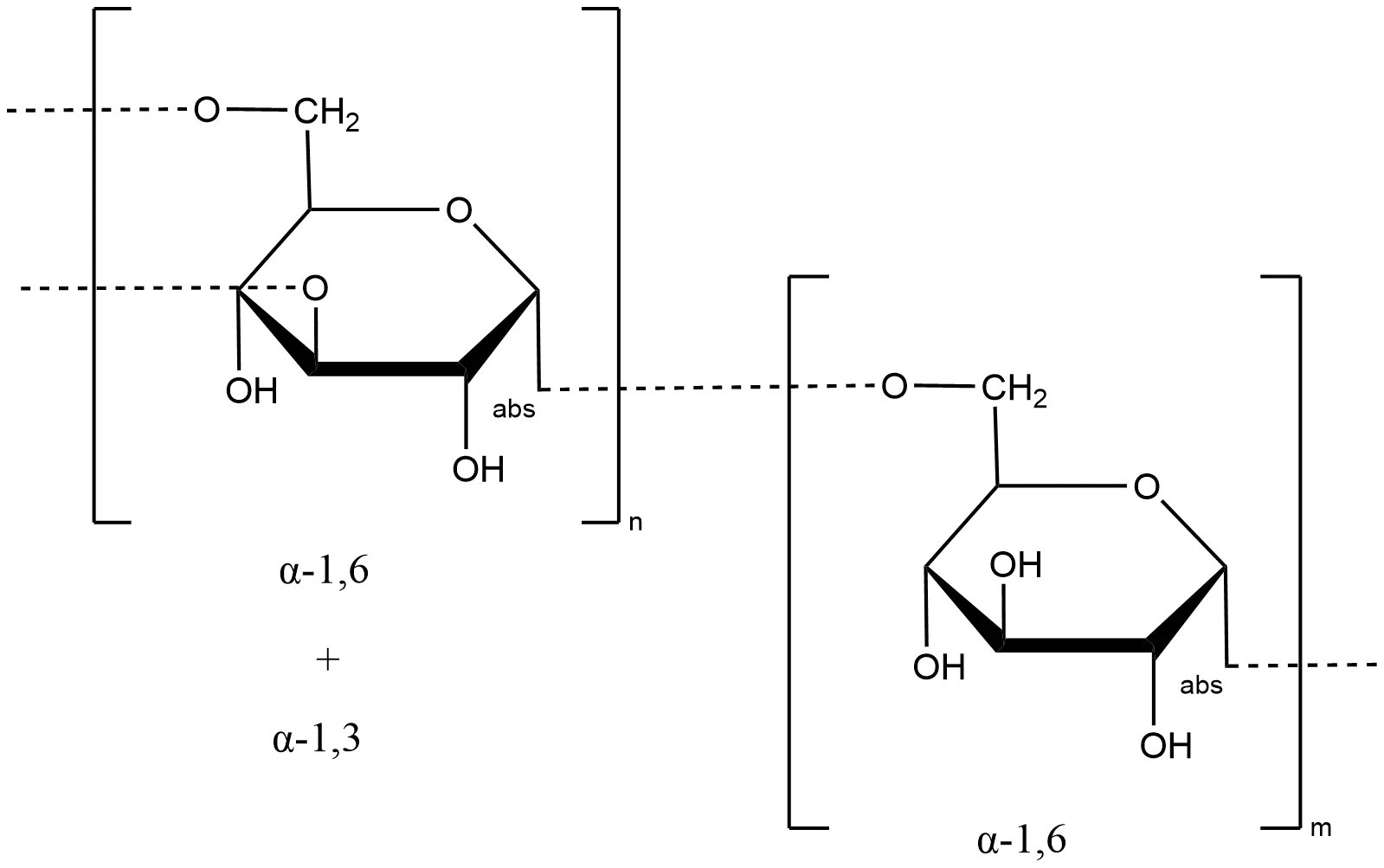 B8205 Dextran sulfate sodium salt (MW 35000-45000)7 CitationSummary: A nucleic acid hybridization accelerator for acute or chronic colitis models.
 -
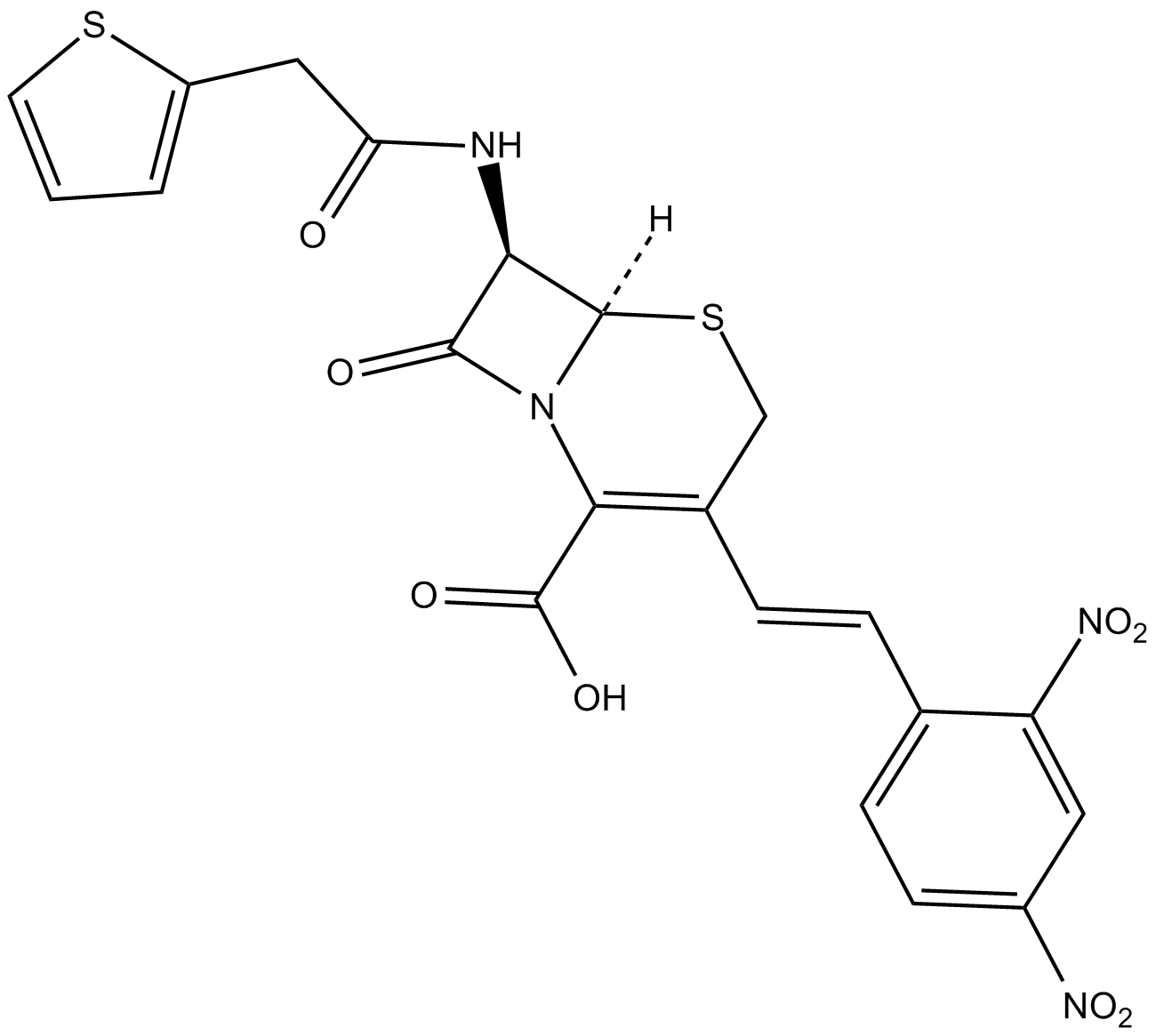 B6052 Nitrocefin3 CitationSummary: chromogenic substrate of β-lactamase enzymes
 -
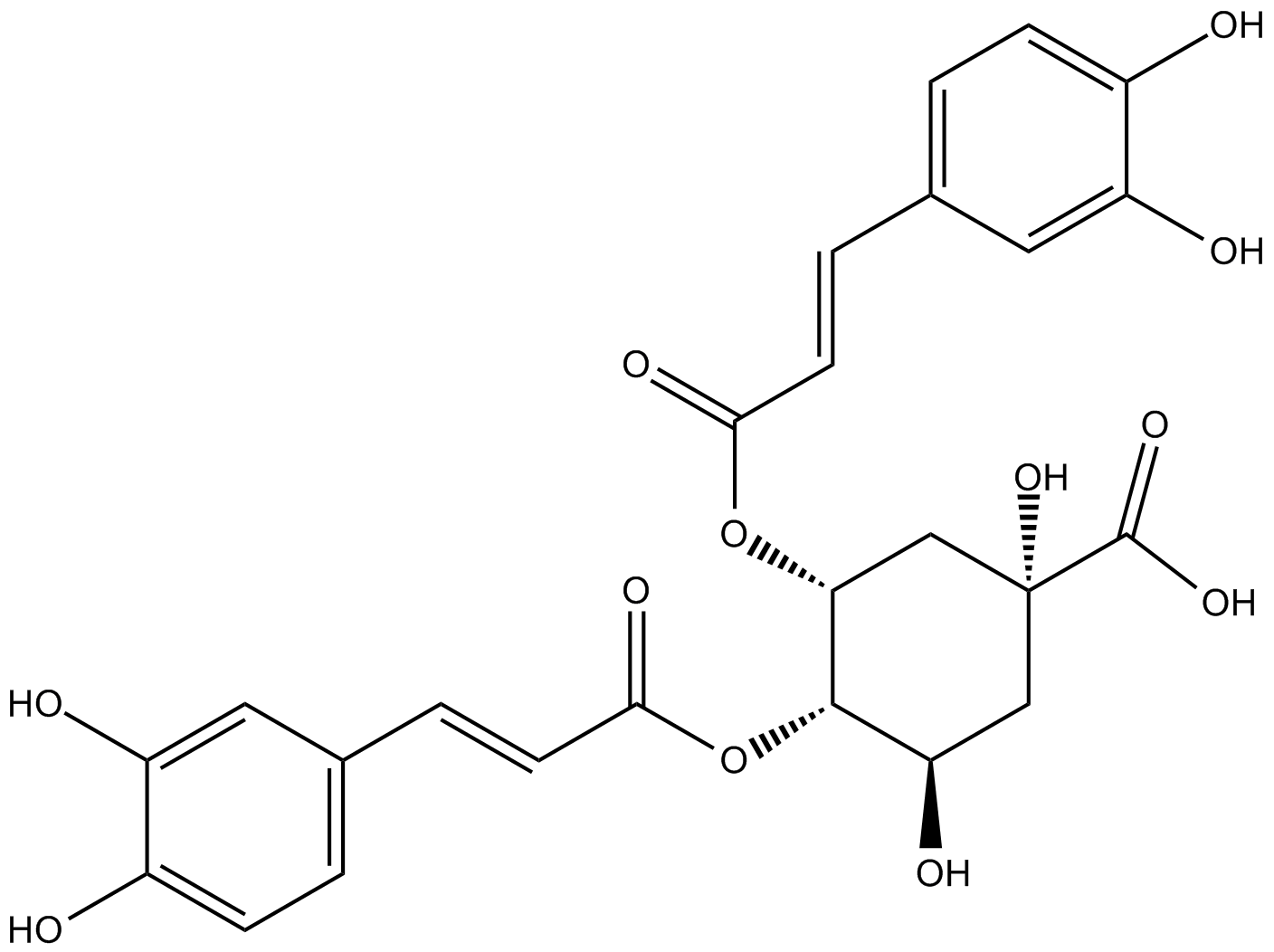 B8458 4,5-Dicaffeoylquinic acidSummary: A compound with antioxidant, anti-HBV, anti-apoptotic, and hypoglycemic activities
 -
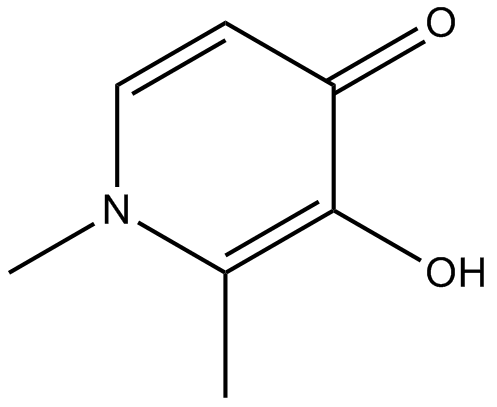 B1723 Deferiprone4 CitationSummary: Chelating agent
 -
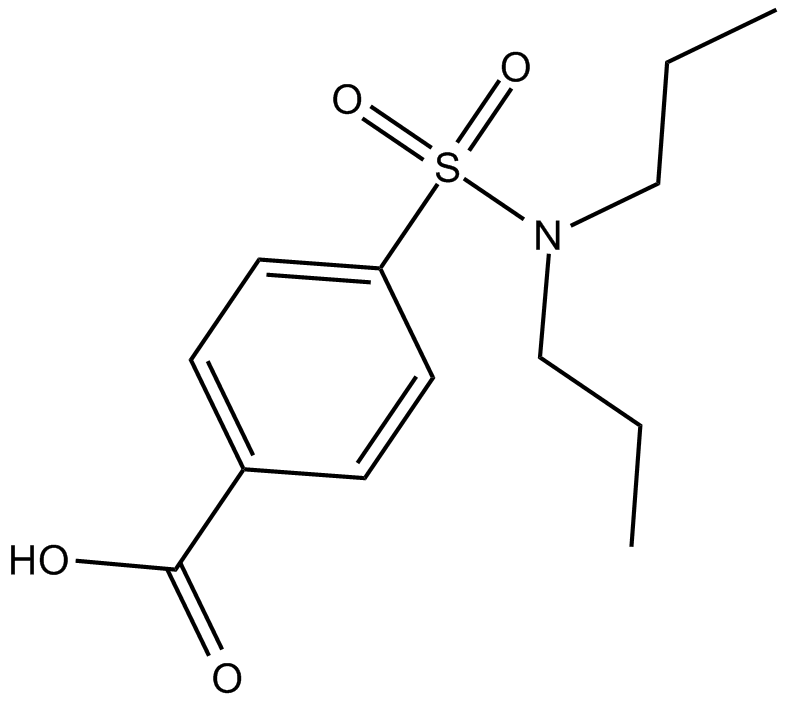 B2014 Probenecid1 CitationTarget: Organic anion transporters (OATs)|TRP ChannelSummary: inhibitor of organic anion transport, MRP and pannexin-1 channel
 -
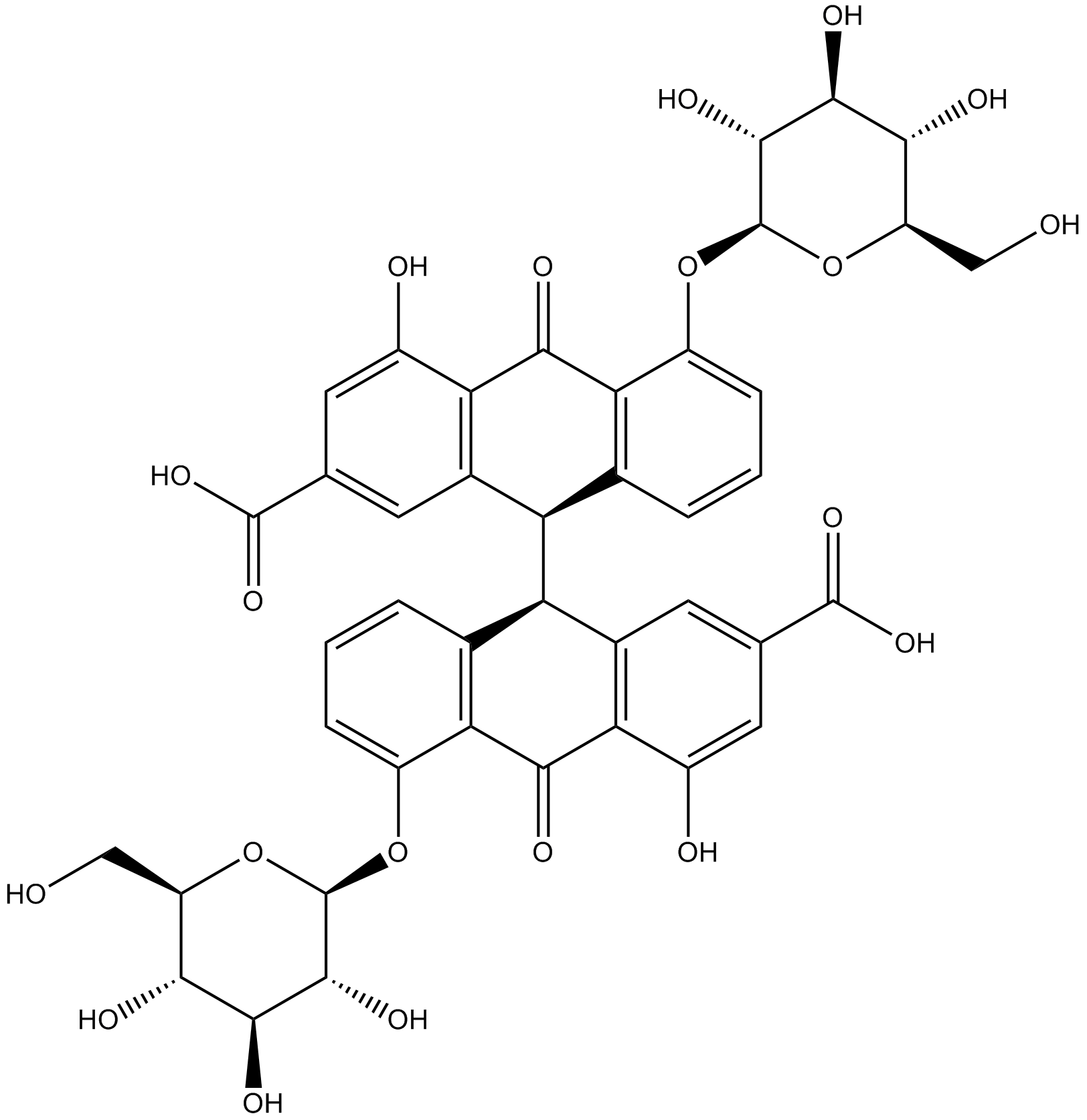 N1678 Sennoside ATarget: Monoamine oxidases (MAOs)Summary: Irritant laxative;mild MAO inhibitor
 -
 BA1177 AscamycinSummary: Ascamycin is a 5'-O-sulfonamide ribonucleoside antibiotic.
 -
BA1308 CoronatineSummary: Coronatine is a plant growth regulator produced by Pseudomonas syringae.
-
BA2266 EnoxaparinSummary: Enoxaparin (PK10169) is a low molecular heparin (LMWH) derivative.
-
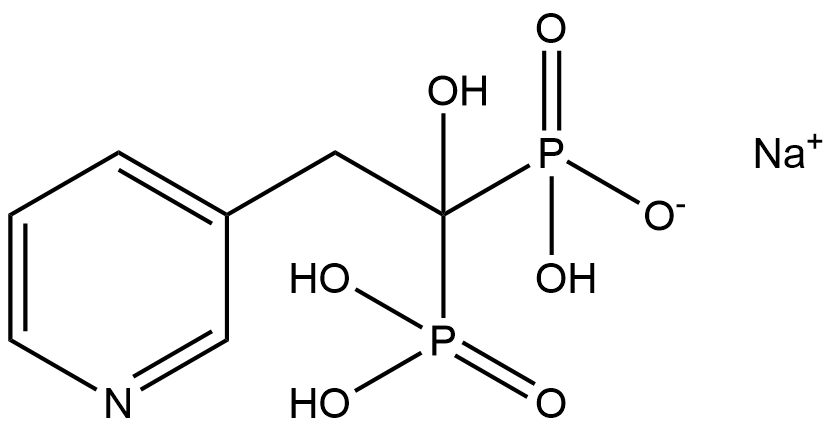 A5293 Risedronate SodiumSummary: A FPPS inhibitor