


Cancer Biology
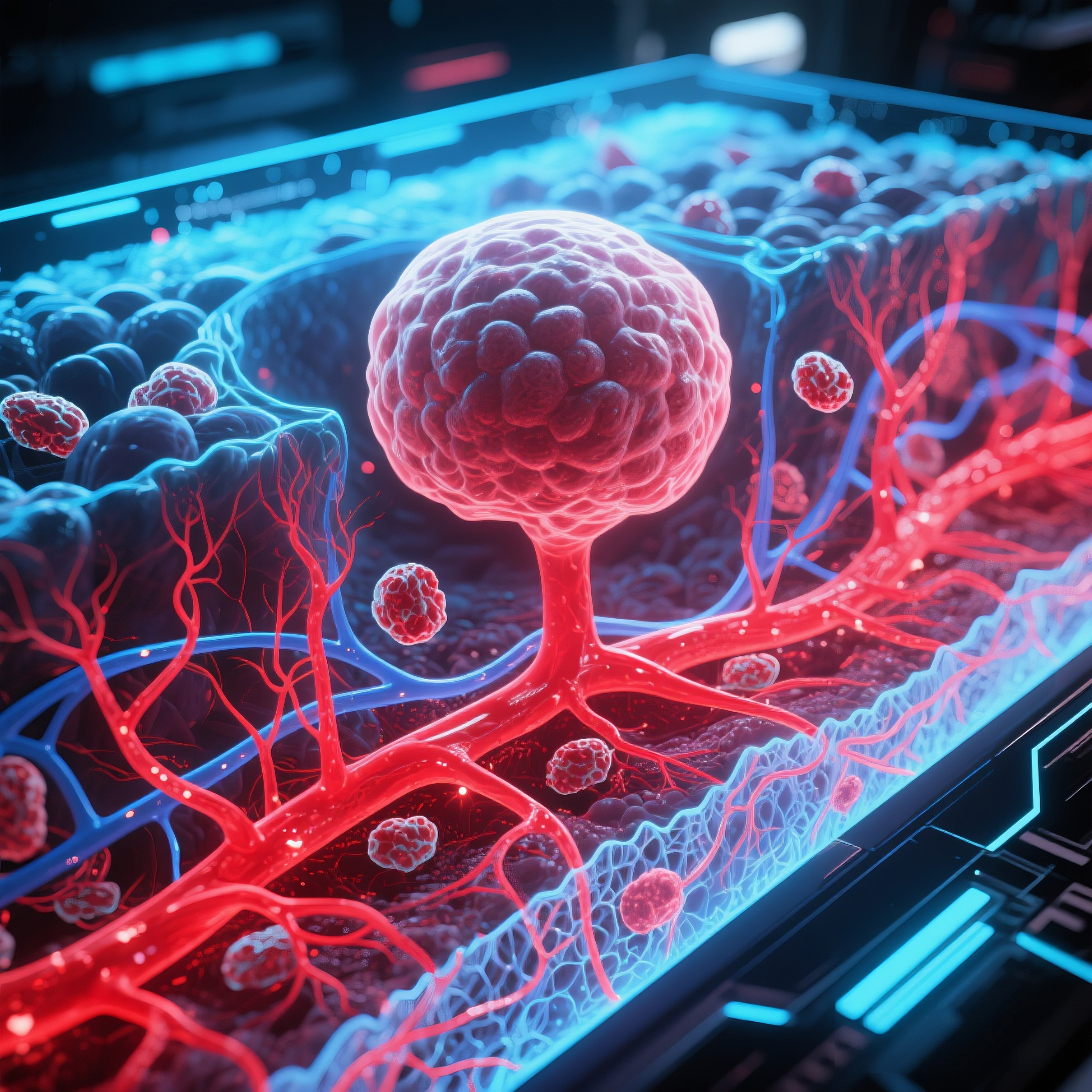
Cancer remains one of the leading causes of morbidity and mortality worldwide. A diverse array of chemical and biological compounds has been developed to target cancer cells through various mechanisms, ranging from direct cytotoxicity to modulation of specific molecular pathways.
Traditional chemotherapeutic agents, such as alkylating agents, antimetabolites, topoisomerase inhibitors, and mitotic inhibitors, exert their effects primarily by interfering with DNA replication or cell division, thereby preferentially targeting rapidly proliferating tumor cells. Targeted therapy agents, such as tyrosine kinase inhibitors and proteasome inhibitors, selectively suppress oncogenic signaling pathways, thereby offering enhanced specificity and reduced systemic toxicity. Immunotherapeutic agents, such as immune checkpoint inhibitors, harness the immune system to recognize and eliminate cancer cells. In addition, epigenetic modulators, DNA repair inhibitors, and angiogenesis-targeting compounds constitute novel therapeutic strategies.
-
 A1132 β-PompilidotoxinTarget: sodium channelsSummary: Slows Na+ channel inactivation
 -
 A1001 Adrenomedullin (1-12), humanSummary: Vasodilator
 -
 A1010 Myelopeptide-2 (MP-2)Summary: Peptide used for restoring human T lymphocytes
 -
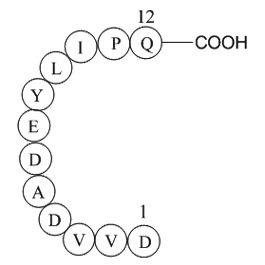 A1021 Epidermal Growth Factor Receptor Peptide (985-996)Summary: EGFR Peptide (985-996)
 -
 A1022 GTP-Binding Protein Fragment, G alphaSummary: Hydrolyzes GTP to GDP
 -
 A1023 Laminin (925-933)8 CitationSummary: Extracellular matrix glycoprotein
 -
 A1028 Cadherin Peptide, avianSummary: Role in cell adhesion
 -
 A1029 Fas C- Terminal TripeptideSummary: AC-SER-LEU-VAL-OH
 -
 A1032 AdrenorphinSummary: Endogenous μ/κ opioid agonist,potent and selective
 -
![[Ser25] Protein Kinase C (19-31)](https://www.apexbt.com/media/prod_images/a/1/a1033.png) A1033 [Ser25] Protein Kinase C (19-31)Summary: PKC substrate
A1033 [Ser25] Protein Kinase C (19-31)Summary: PKC substrate