


Cancer Biology
Cancer remains one of the leading causes of morbidity and mortality worldwide. A diverse array of chemical and biological compounds has been developed to target cancer cells through various mechanisms, ranging from direct cytotoxicity to modulation of specific molecular pathways.
Traditional chemotherapeutic agents, such as alkylating agents, antimetabolites, topoisomerase inhibitors, and mitotic inhibitors, exert their effects primarily by interfering with DNA replication or cell division, thereby preferentially targeting rapidly proliferating tumor cells. Targeted therapy agents, such as tyrosine kinase inhibitors and proteasome inhibitors, selectively suppress oncogenic signaling pathways, thereby offering enhanced specificity and reduced systemic toxicity. Immunotherapeutic agents, such as immune checkpoint inhibitors, harness the immune system to recognize and eliminate cancer cells. In addition, epigenetic modulators, DNA repair inhibitors, and angiogenesis-targeting compounds constitute novel therapeutic strategies.
-
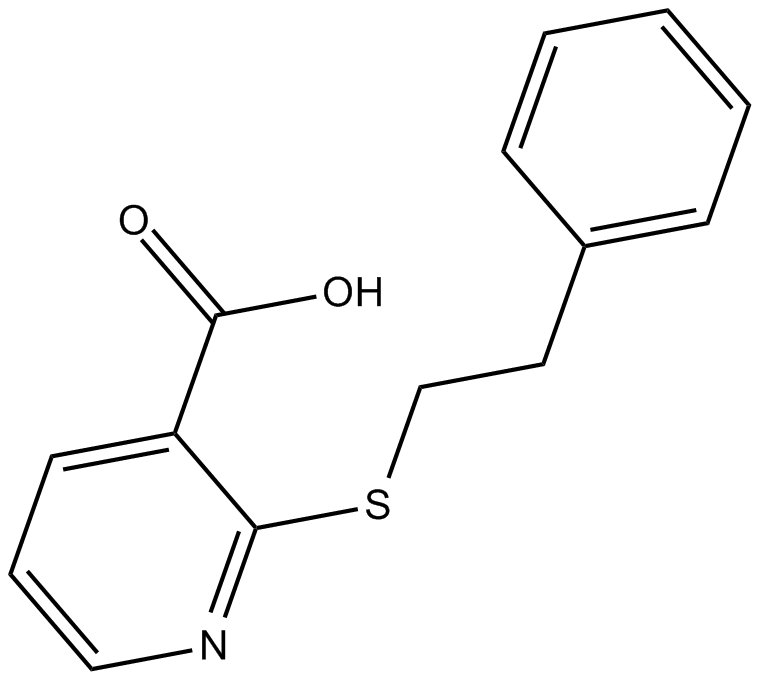 C4771 ML-099Summary: pan activator of Ras-related GTPases
 -
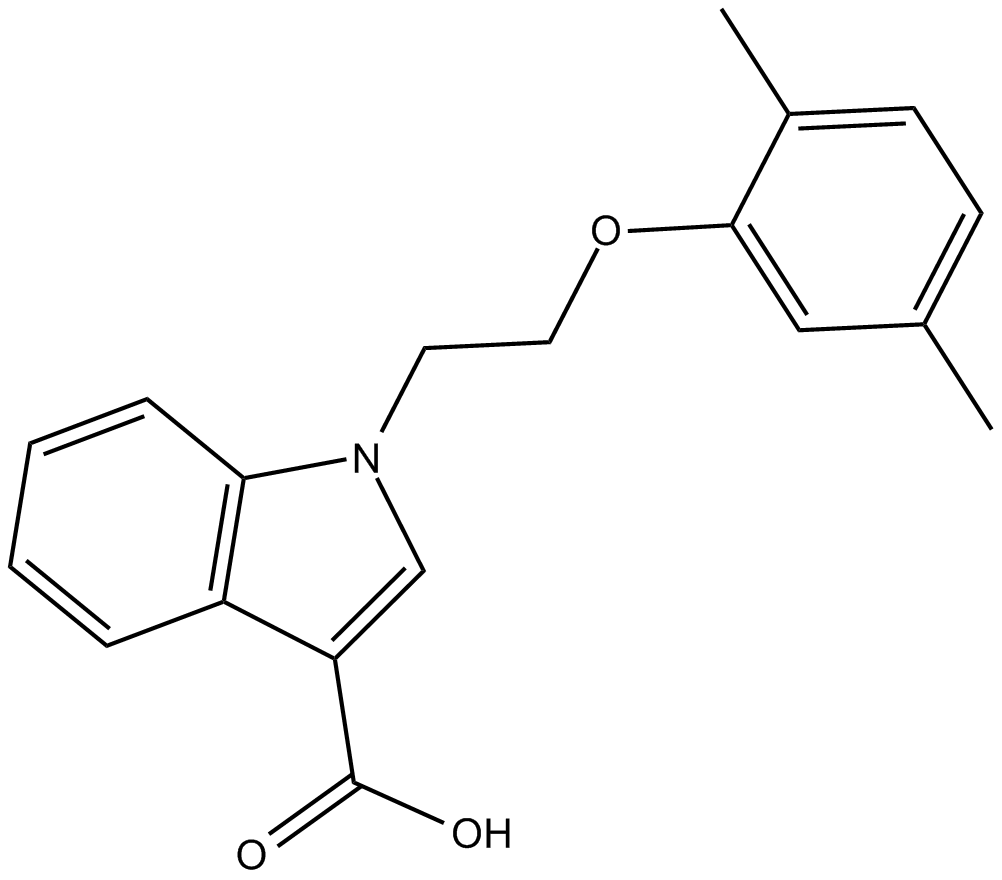 C4807 ML-098Summary: activator of the GTP-binding protein Rab7
 -
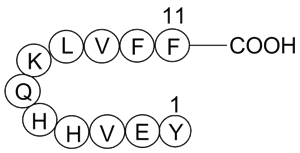 A1038 Amyloid β-Peptide (10-20) (human)Summary: Initiates neurodegeneration in Alzheimer disease
 -
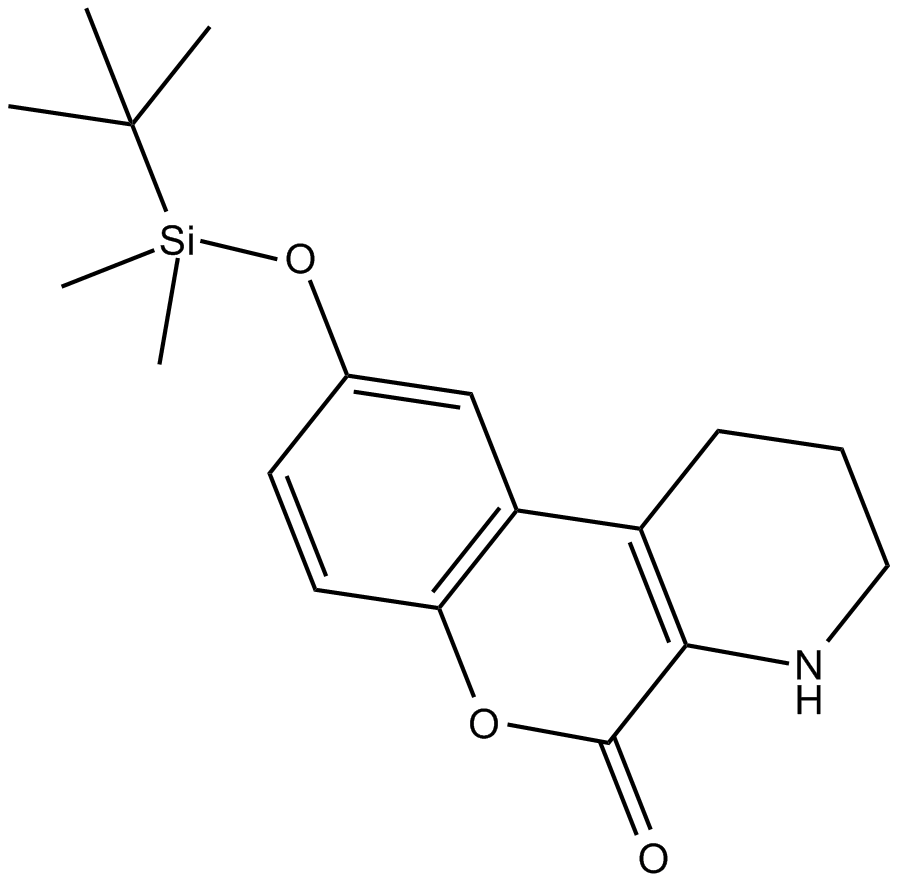 B4765 kb-NB77-78Summary: analog of CID797718
 -
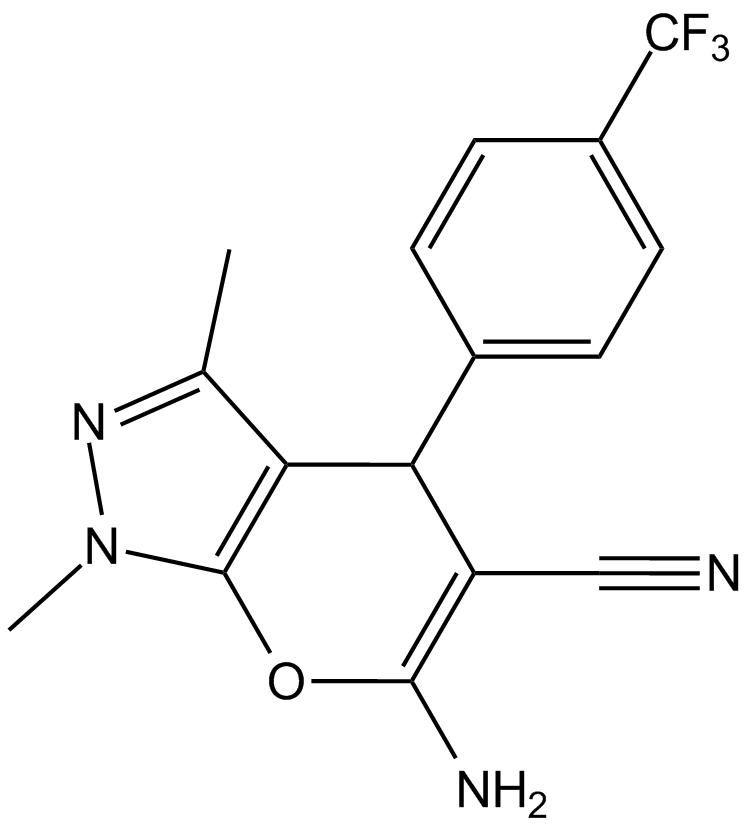 A9503 BQU57Summary: Derivative of RBC8
 -
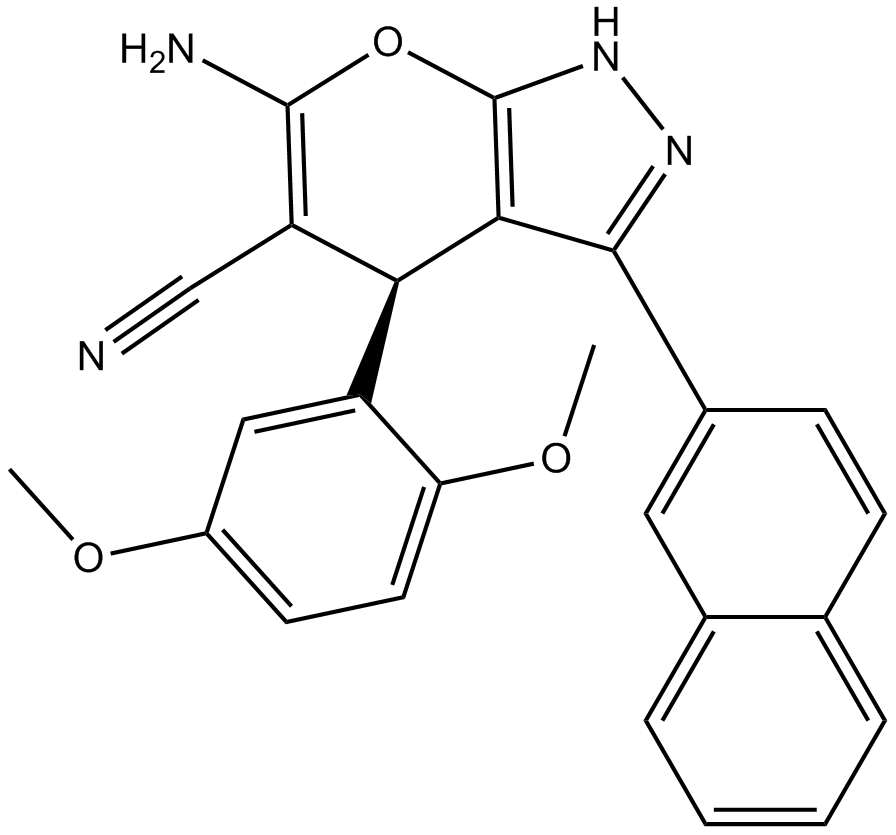 B4884 RBC8Summary: Ral GTPase inhibitor
 -
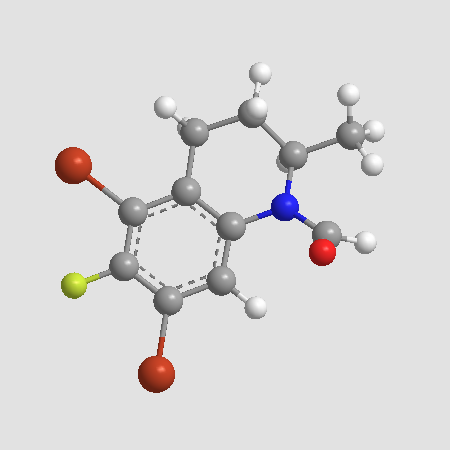 B4927 CE3F4Summary: Uncompetitive Epac1 inhibitor
 -
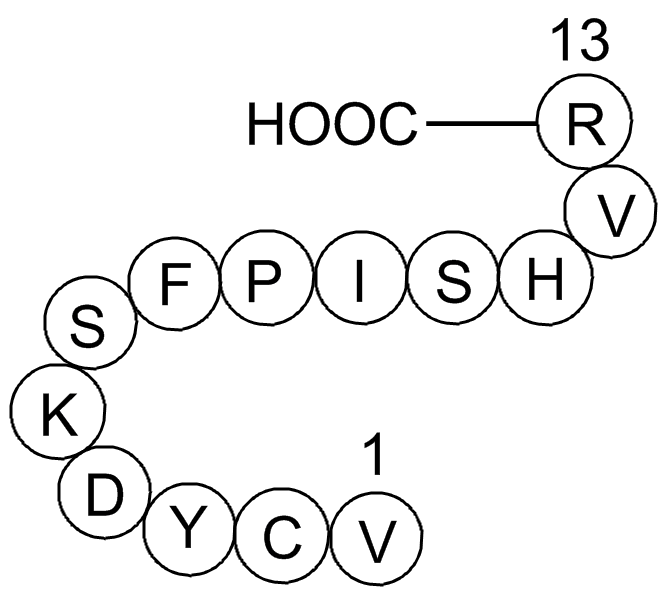 A1044 Gap 2624 CitationTarget: Gap JunctionsSummary: Gap junction blocker peptide, mapping to connexin 43 residue 63-75
 -
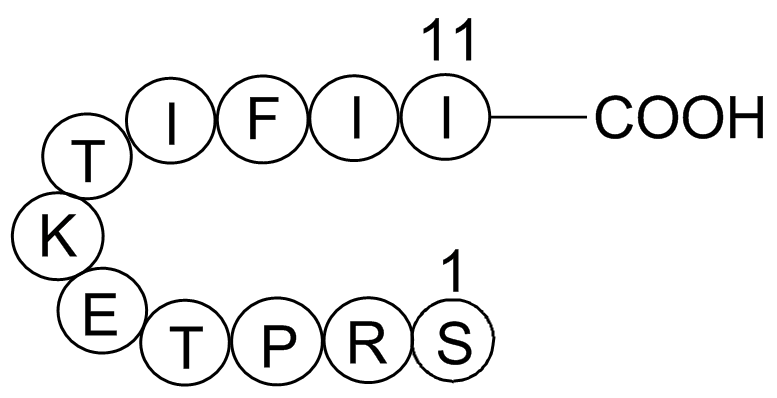 A1045 Gap 279 CitationTarget: Gap JunctionsSummary: Selective gap junction blocker
 -
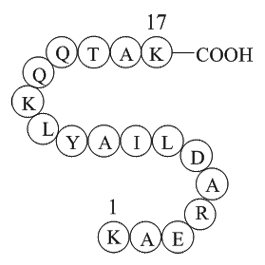 A1061 Cytochrome c - pigeon (88-104)Summary: Triggers T Cell response