


PROTAC
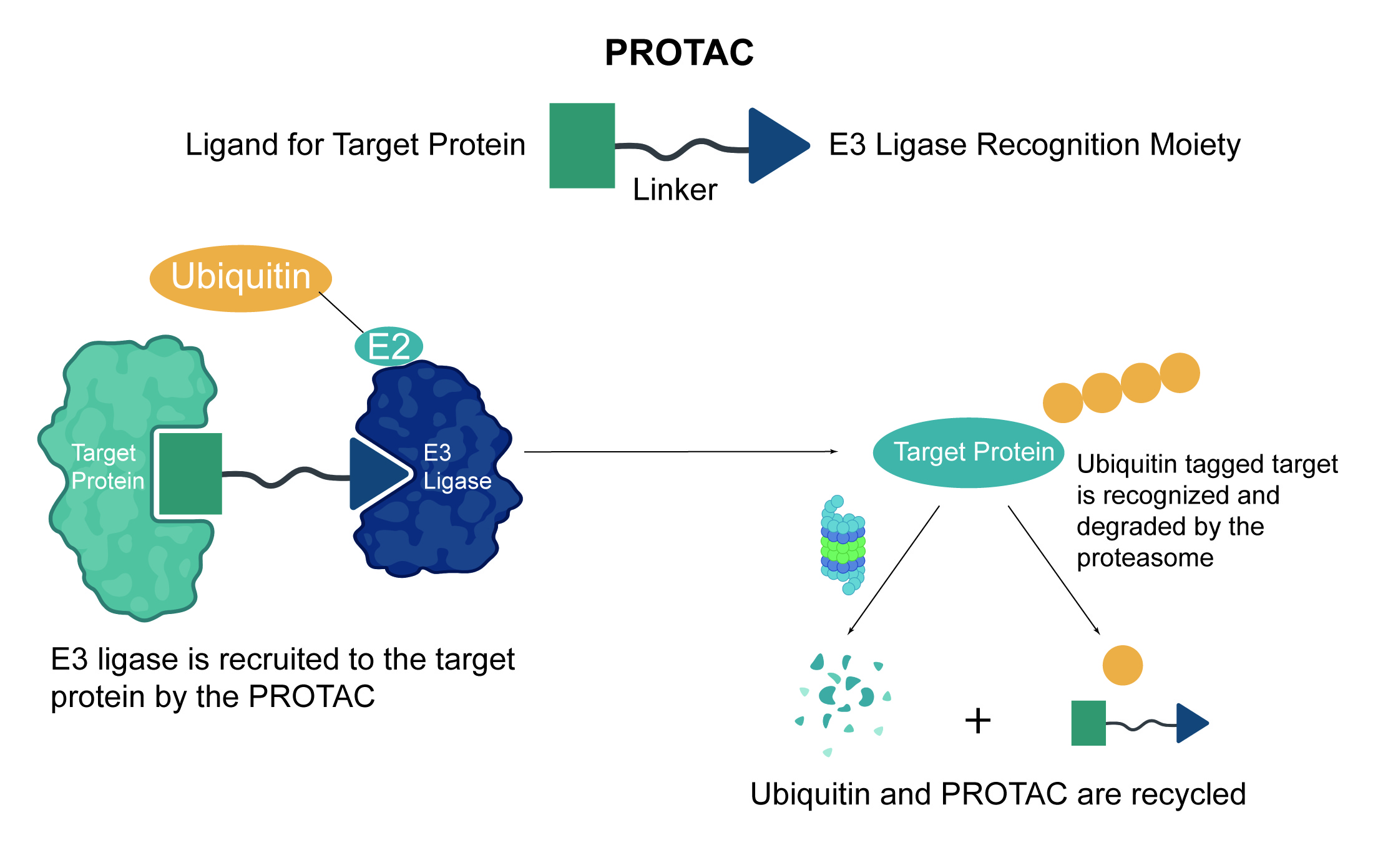
Proteolysis Targeting Chimera (PROTAC) is an innovative class of biological reagents enabling targeted protein degradation via the ubiquitin-proteasome system. As heterobifunctional molecules, they consist of a protein of interest (POI)-binding ligand, an E3 ubiquitin ligase-recruiting ligand, and a connecting linker, which mediates the formation of a ternary complex to trigger POI ubiquitination and subsequent proteasomal degradation. Characterized by a unique catalytic degradation mechanism, PROTACs do not require occupying the functional sites of proteins, thereby breaking the limitations of traditional inhibitors. They can efficiently target undruggable targets such as transcription factors and scaffolding proteins, while reducing dosage requirements and off-target toxicity. Additionally, they offer a novel solution for researching drug-resistant diseases by repurposing previously abandoned inhibitor precursors.
As core tools in drug discovery and basic research, PROTAC reagents have been extensively applied in mechanism studies and drug screening for cancer, neurodegenerative diseases, inflammation, and other fields. The next-generation PROTAC 2.0 has further integrated innovative technologies including photoactivable, hypoxia-responsive, and nano-delivery systems, achieving significant advancements in selectivity, bioavailability, and tissue targeting. Covering diverse product formats such as bivalent/trivalent PROTACs and aptamer-conjugated PROTACs, this platform empowers researchers to precisely regulate protein function, explore the value of disease-related targets, and accelerate the process from basic research to clinical translation.
-
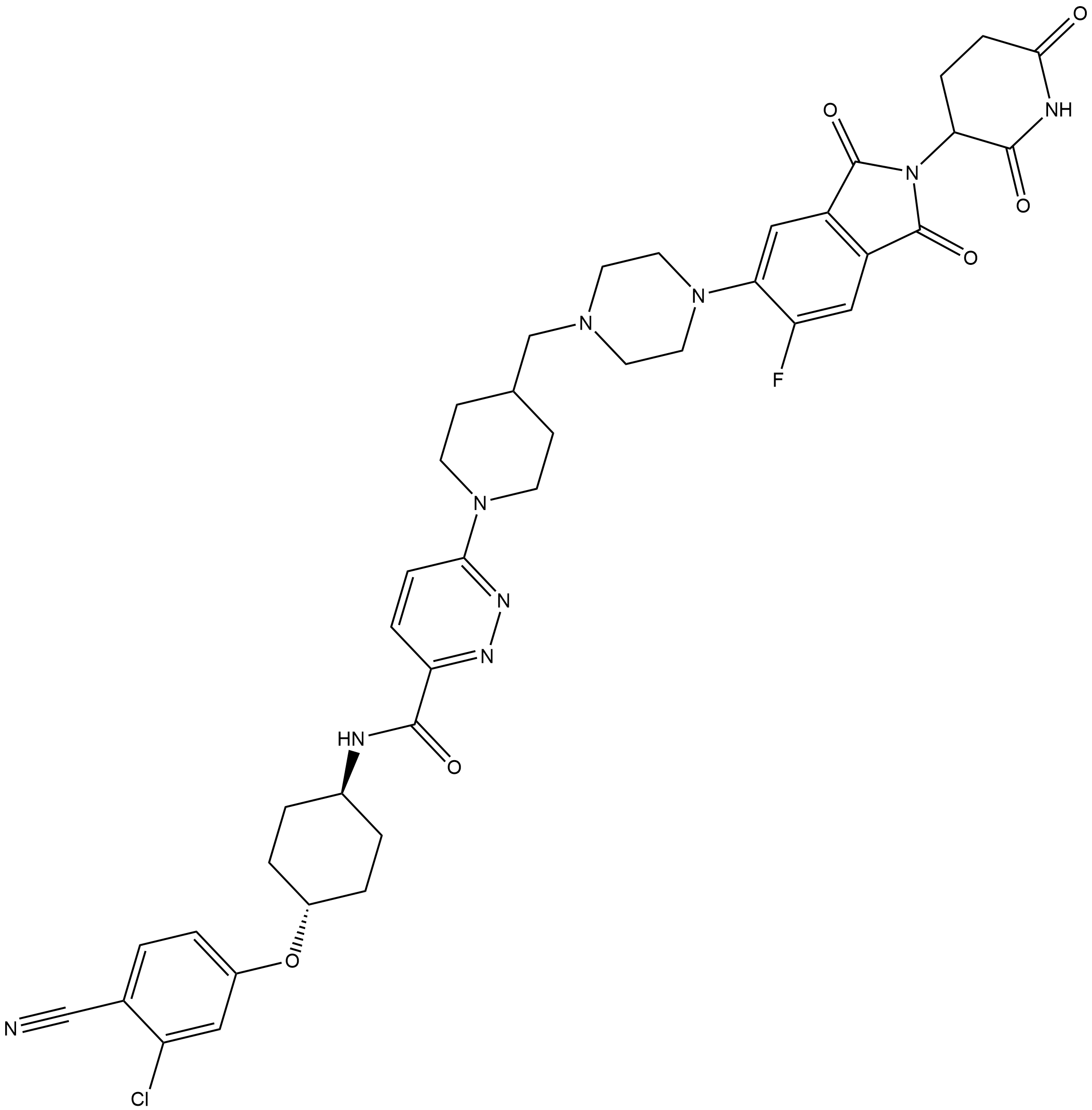 C9111 BavdegalutamideSummary: A selective androgen receptor-degrading PROTAC for in vitro and in vivo preclinical research use.
 -
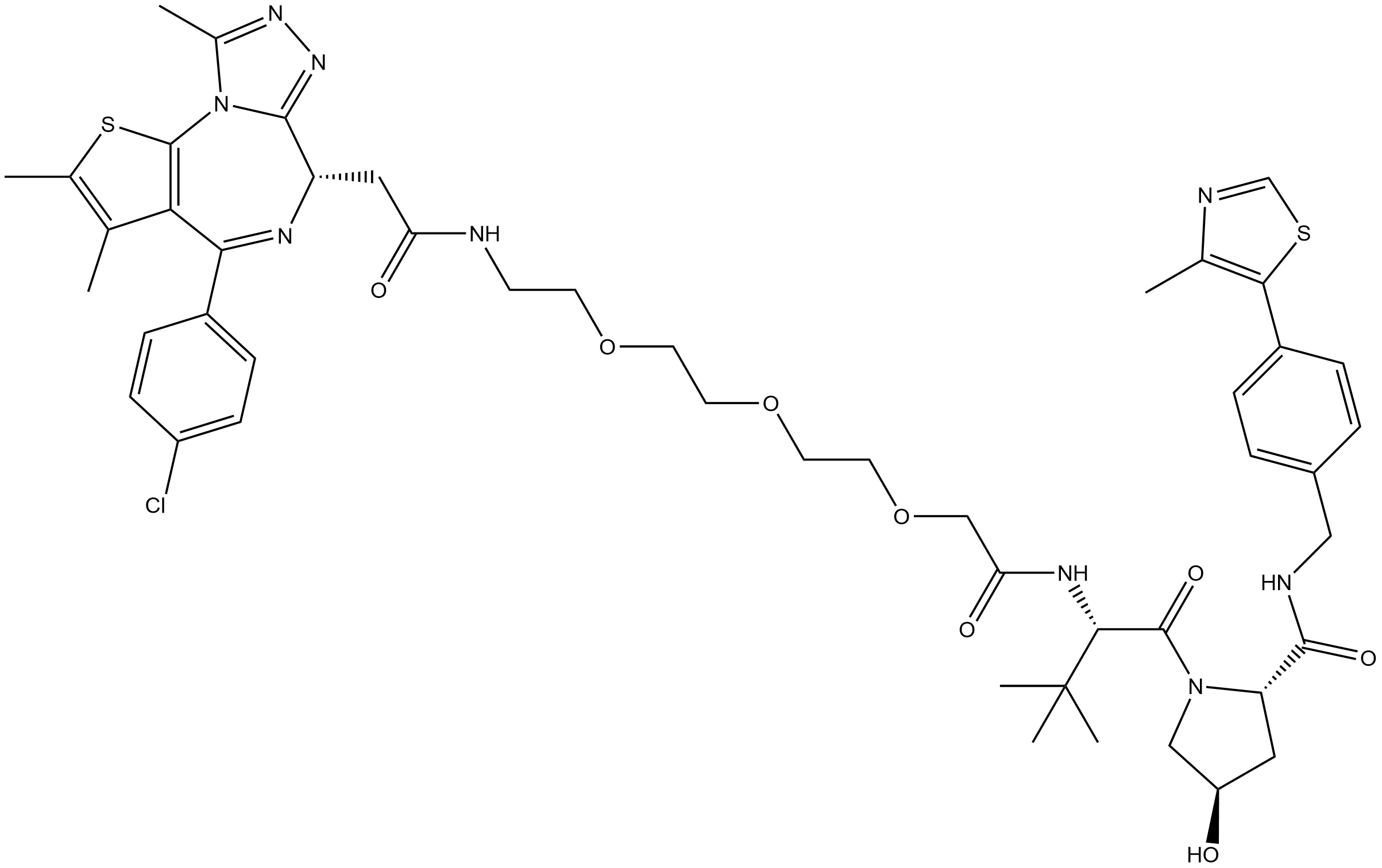 C9069 MZ-1Summary: A PROTAC-based BET degrader that selectively degrades BRD4, for in vitro research.
 -
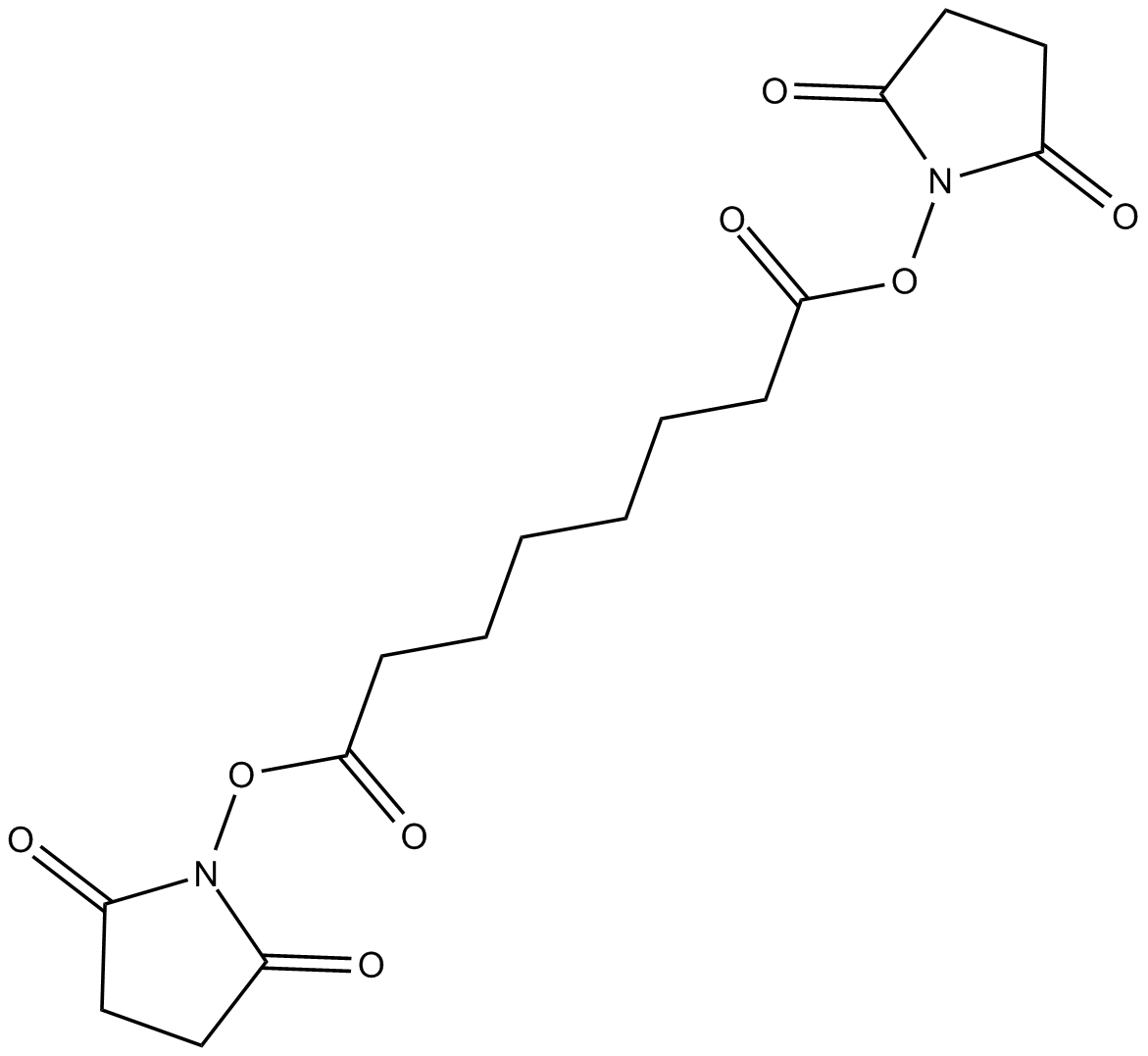 C4820 Disuccinimidyl SuberateSummary: Homobifunctional primary amine-reactive cross-linker
 -
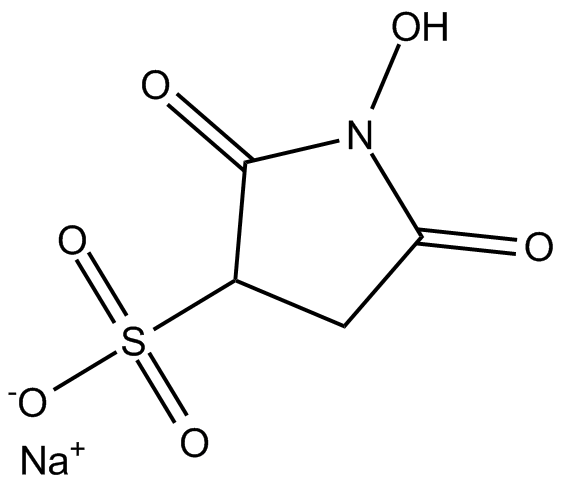 C3697 N-Hydroxysulfosuccinimide (sodium salt)Summary: A non-cleavable linker used for antibody-drug conjugate (ADC) synthesis.
 -
 C8360 TAMRA-PEG4-acidSummary: TAMRA dye derivatives containing 3 PEG units.
 -
C8238 TAMRA-Azide-PEG-biotinSummary: TAMRA-Azide-PEG-biotin is a TAMRA dye derivative.
-
BA2392 N3-PEG3-CH2CH2COOHSummary: N3-PEG3-CH2CH2COOH is a PEG-based linker that can be used to synthesize BI-3663, BI-4216 and BI-0319.
-
BA2388 sulfo-SPDBSummary: Can be used to synthesize antibody-coupled reactive molecules (ADCs).
-
BA1544 Propargyl-PEG8-acidSummary: Propargyl-PEG8-acid is a linkage bridge and belongs to the class PEG.
-
BA4667 ZXH-3-26Summary: ZXH-3-26 is a PROTAC connected by ligand and ligand.