


Microbiology & Virology

Furthermore, small molecules enable selective modulation of the microbiome, balancing interactions between beneficial and pathogenic microorganisms. Coupled with advances in high-throughput screening technologies, they continue to overcome limitations related to target specificity and drug resistance, thereby serving as a crucial bridge between basic research and clinical anti-infective practice. Collectively, small-molecule compounds offer diversified solutions to global public health challenges.
-
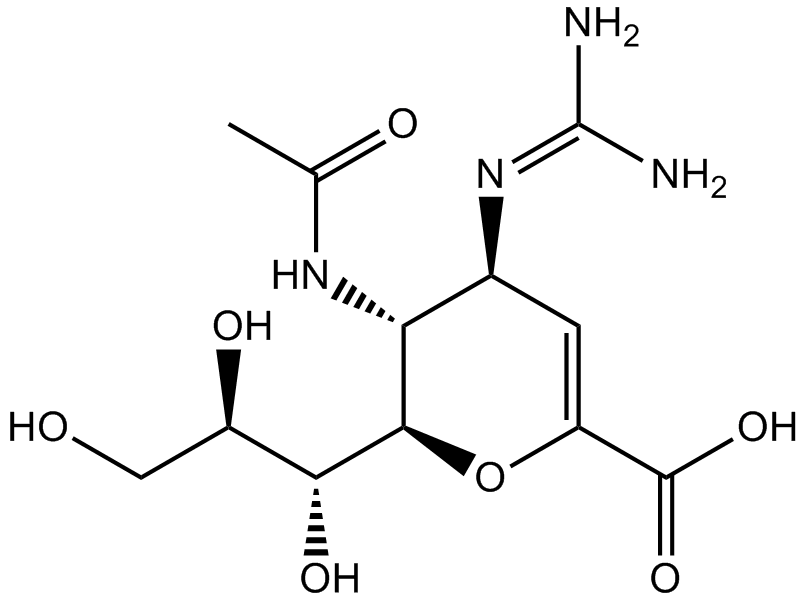 B2136 ZanamivirTarget: Influenza virusesSummary: Influenza A/B virus neuraminidases inhibitor
 -
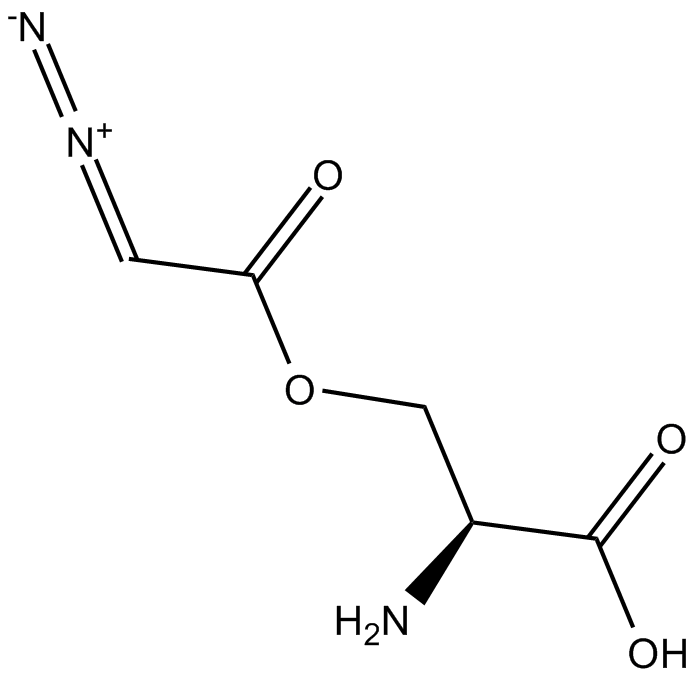 C3998 AzaserineSummary: tumor-inhibiting antibiotic
 -
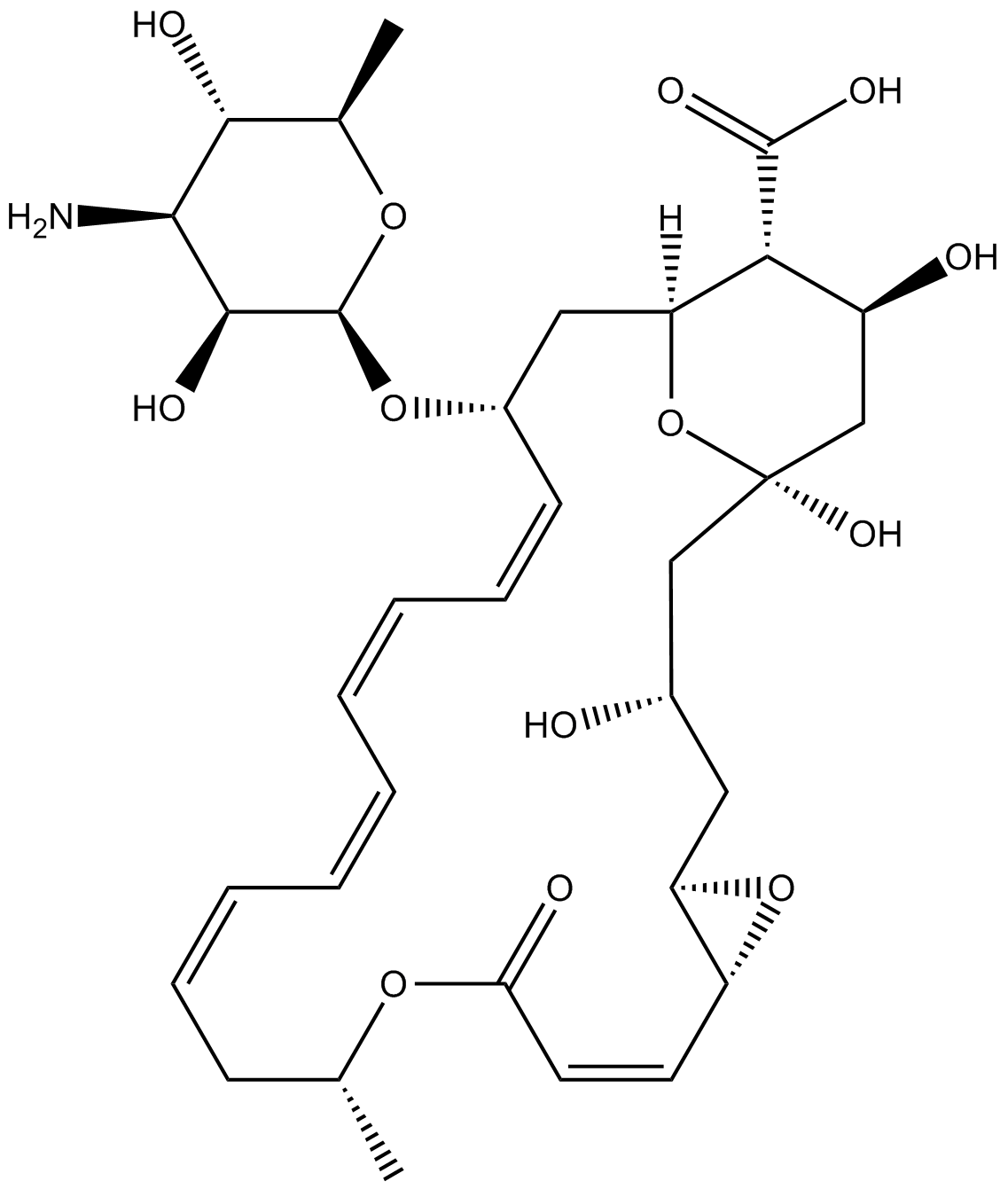 A5786 Natamycin1 CitationSummary: Antifungal macrolide polyene
 -
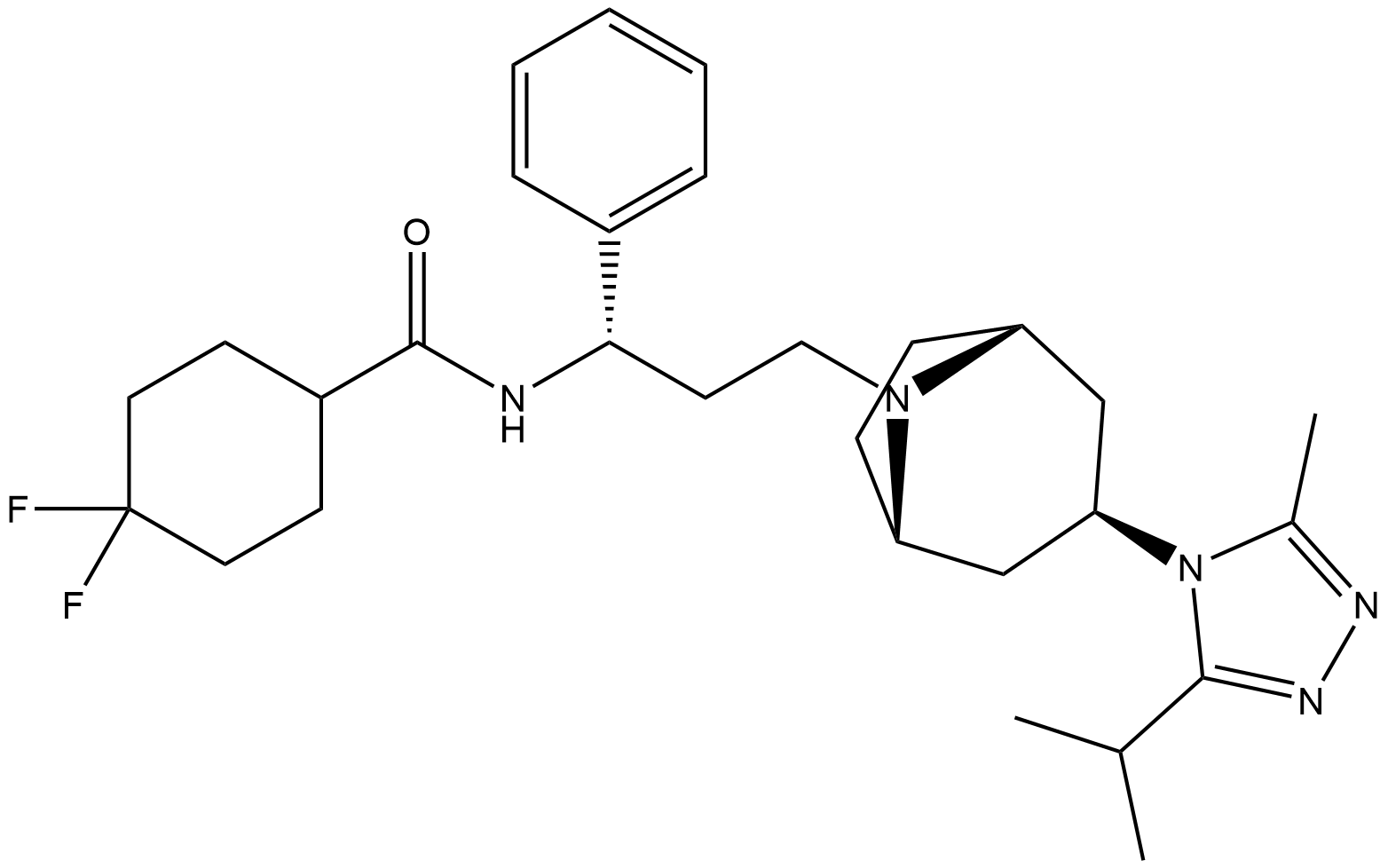 A8311 Maraviroc6 CitationTarget: CCRSummary: Selective CCR5 antagonist,antiretroviral agent
 -
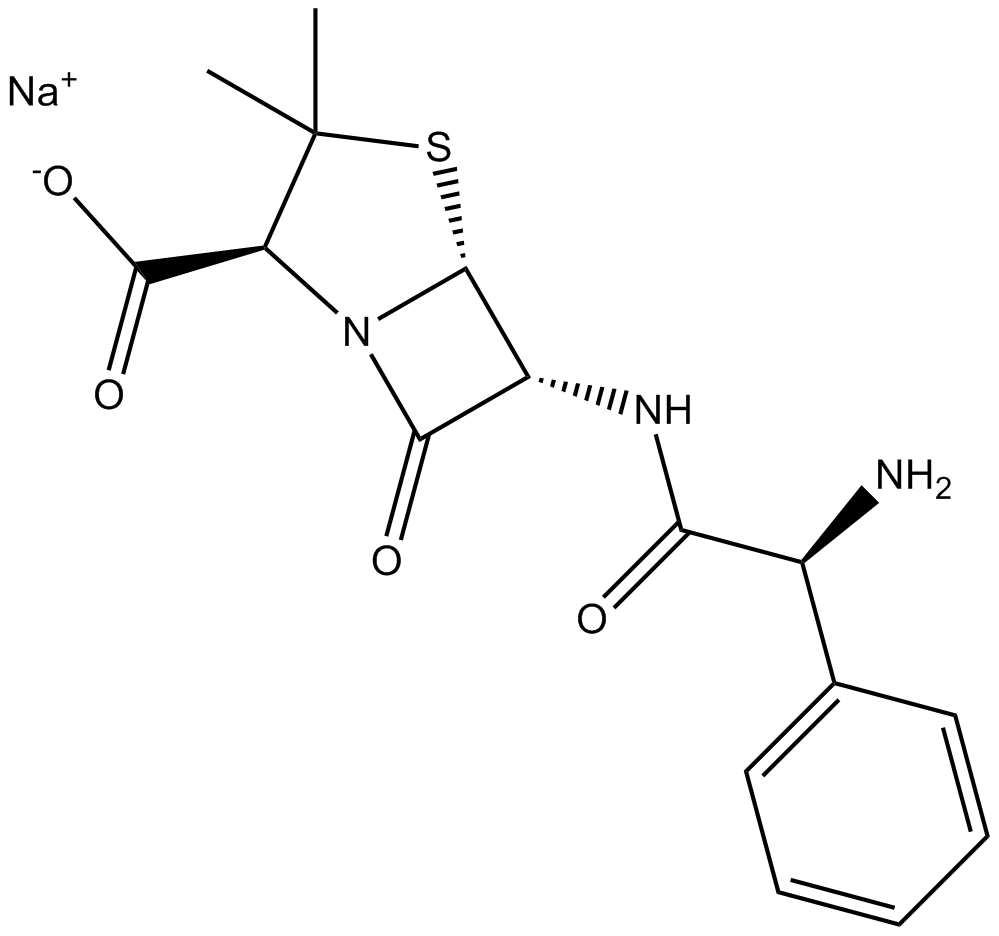 A2510 Ampicillin sodiumTarget: AntibioticSummary: β-lactam antibiotic
 -
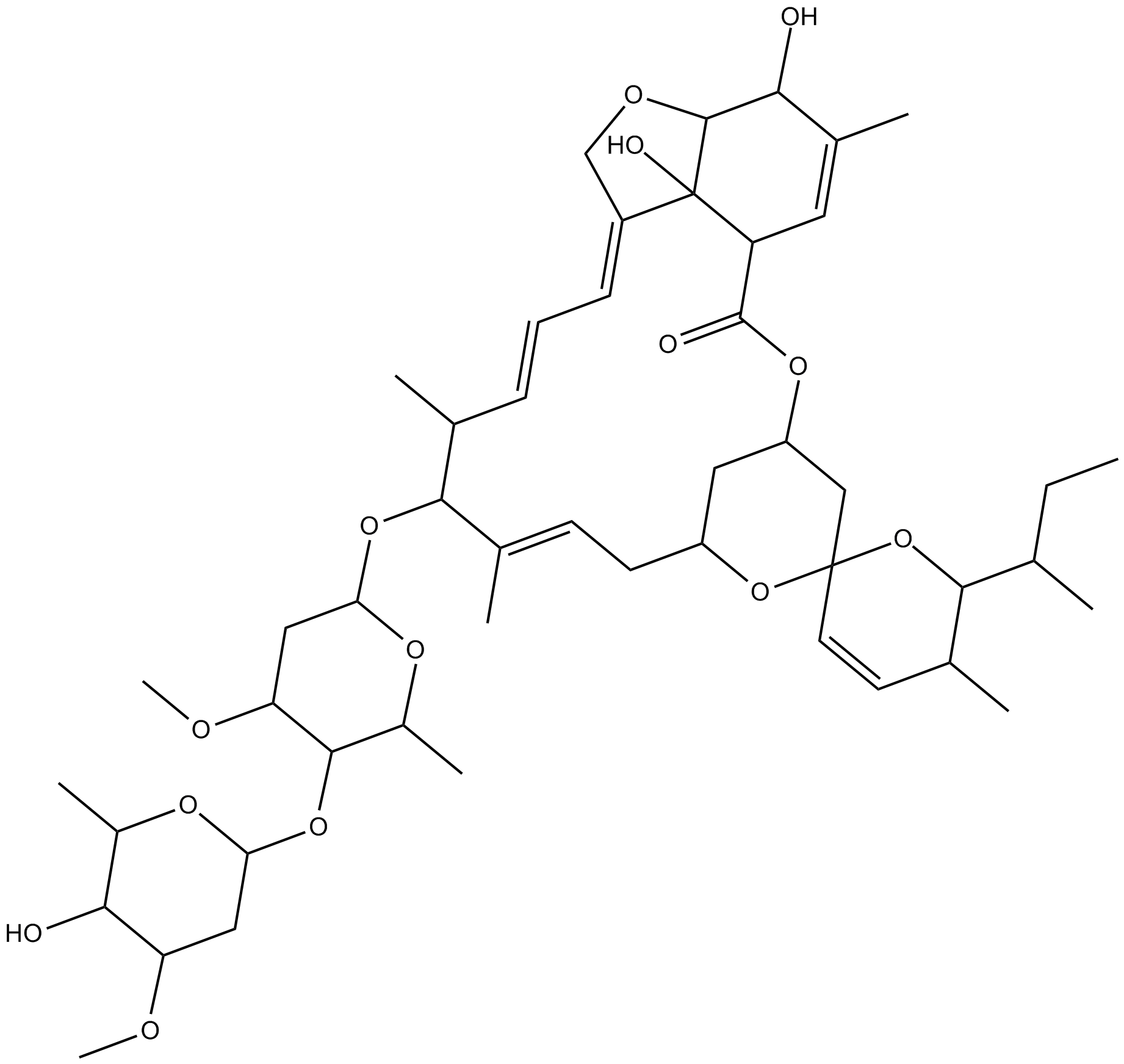 A3202 Avermectin B1Summary: Insecticide
 -
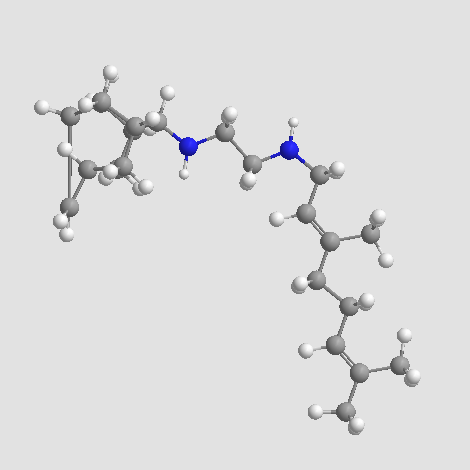 A3834 SQ1091 CitationSummary: Antibiotic for treatment of pulmonary TB
 -
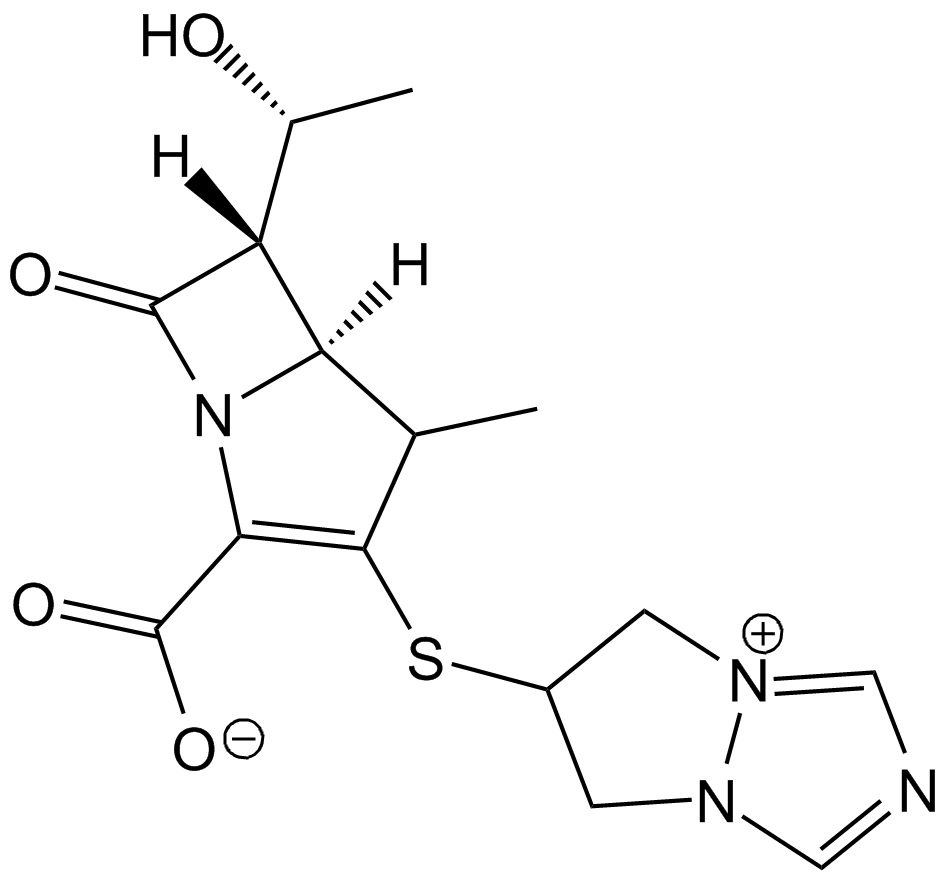 A1373 BiapenemSummary: Highly broad spectrum antibiotic agent
 -
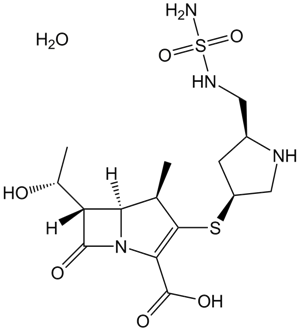 A2036 Doripenem HydrateTarget: AntibioticSummary: Injectable antibiotic,ultra-broad spectrum
 -
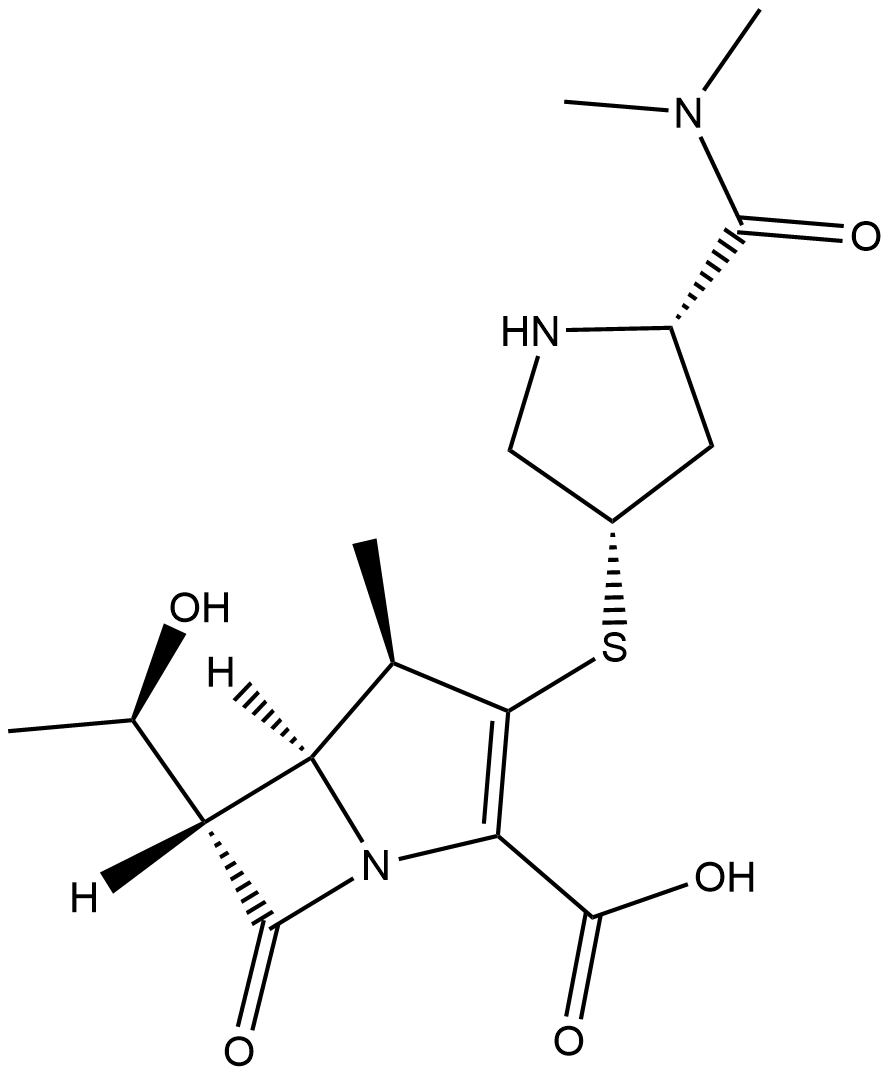 A5124 Meropenem3 CitationSummary: β-lactam antibiotic of the carbapenem subclass