


Microbiology & Virology
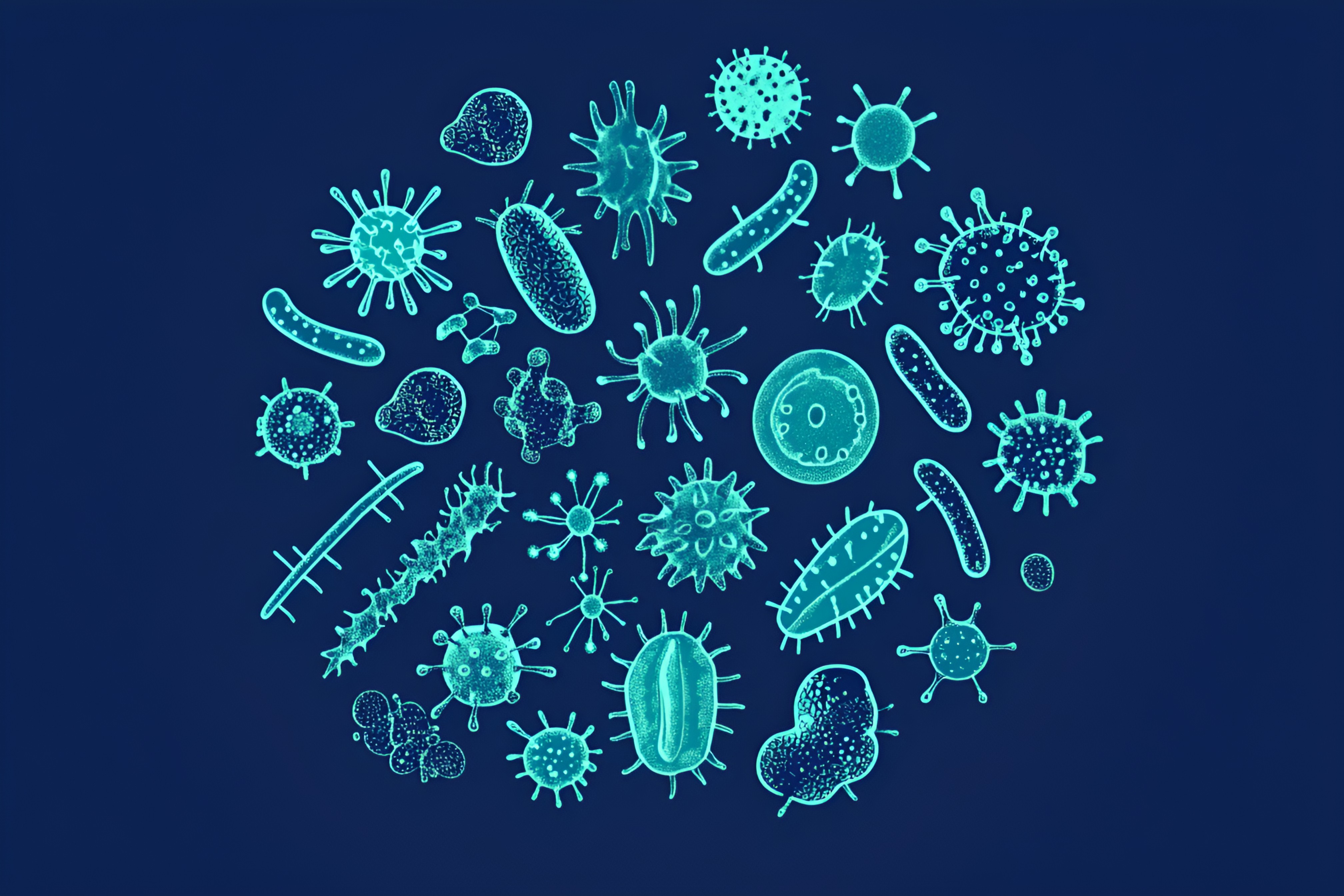
Furthermore, small molecules enable selective modulation of the microbiome, balancing interactions between beneficial and pathogenic microorganisms. Coupled with advances in high-throughput screening technologies, they continue to overcome limitations related to target specificity and drug resistance, thereby serving as a crucial bridge between basic research and clinical anti-infective practice. Collectively, small-molecule compounds offer diversified solutions to global public health challenges.
-
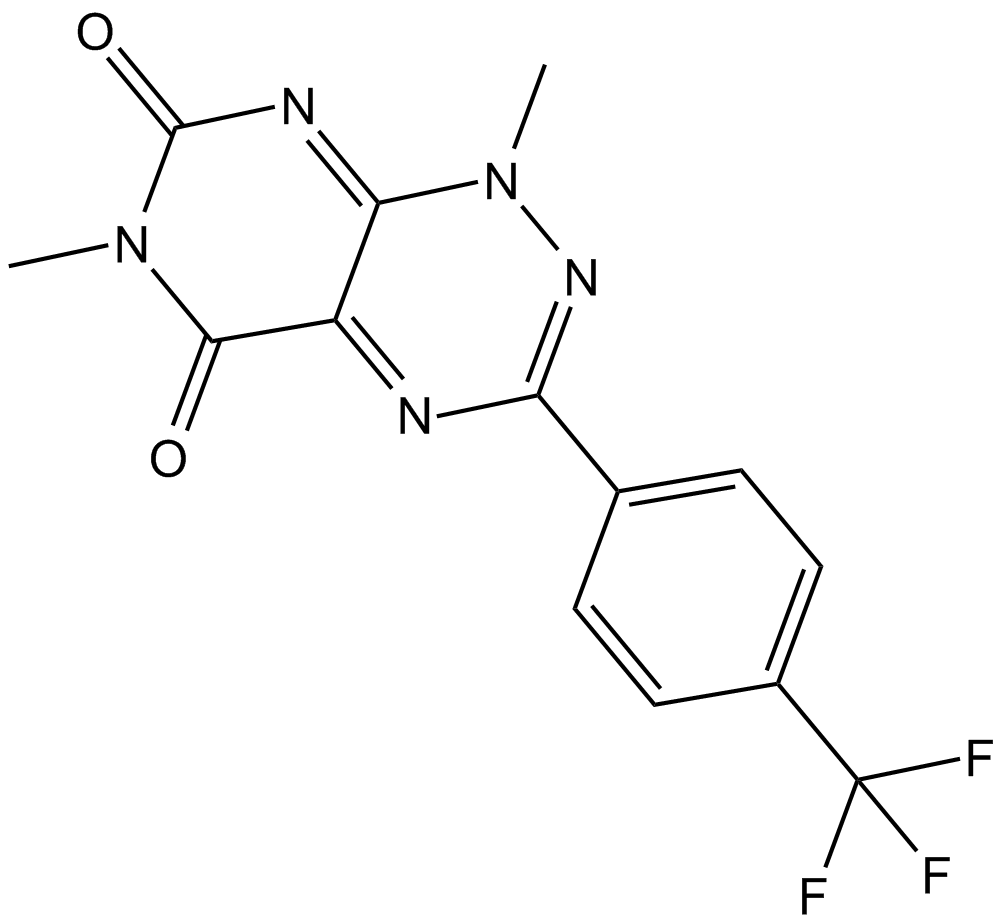 B3291 Walrycin BSummary: WalR inhibitor
 -
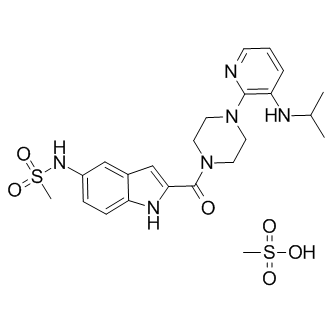 B1050 Delavirdine mesylateSummary: Non-nucleoside reverse transcriptase inhibitor
 -
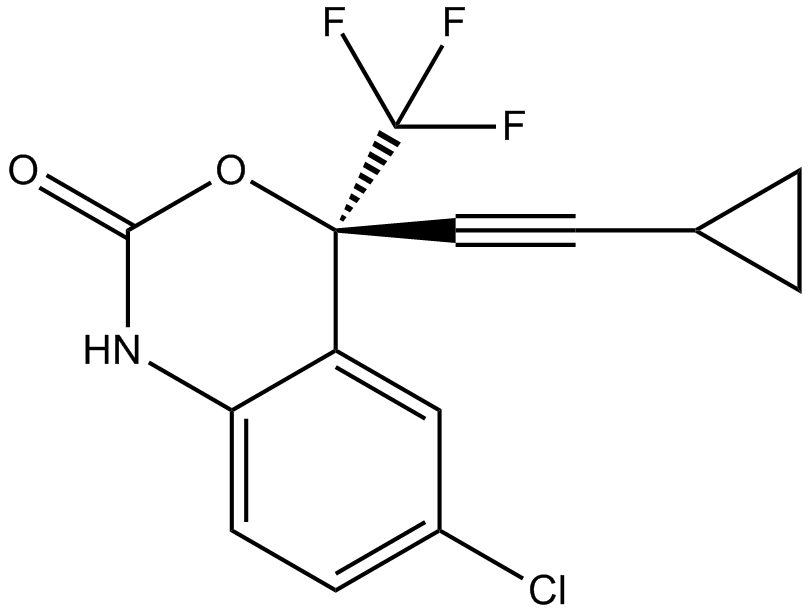 B1119 EfavirenzTarget: HIV-1 reverse transcriptaseSummary: Reverse transcriptase inhibitor
 -
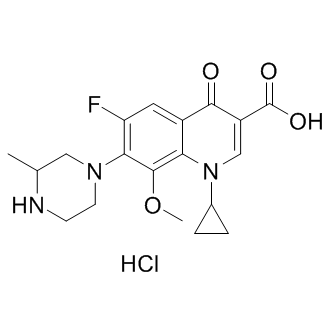 B1215 Gatifloxacin hydrochlorideSummary: Antibiotic of the fourth-generation fluoroquinolone family
 -
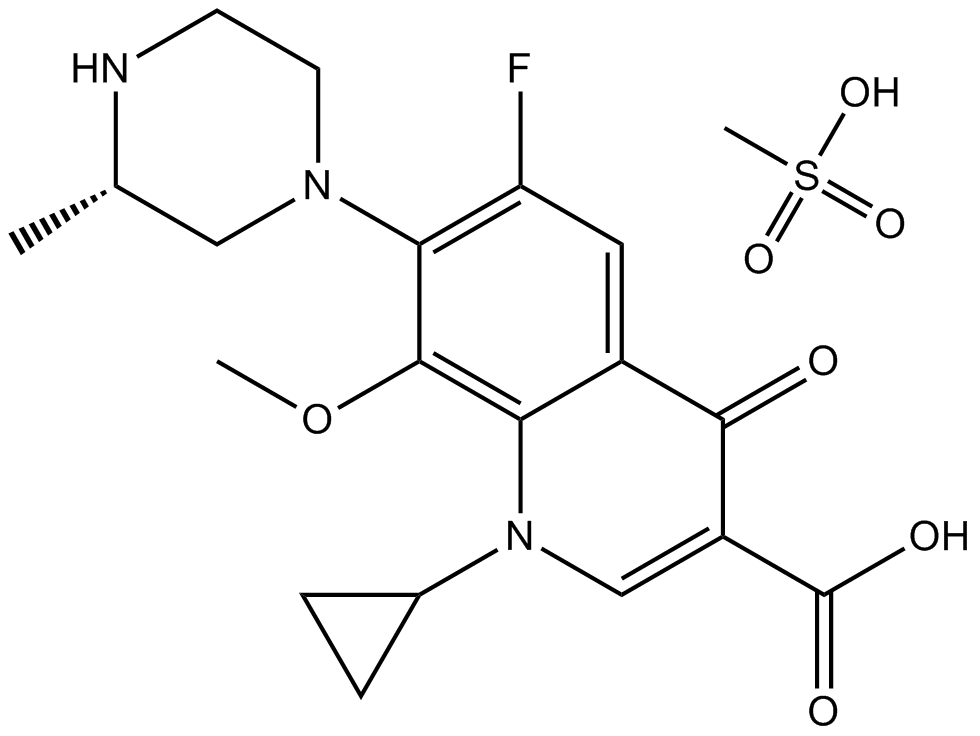 B1216 Gatifloxacin mesylateSummary: Antibiotic of the fourth-generation fluoroquinolone family
 -
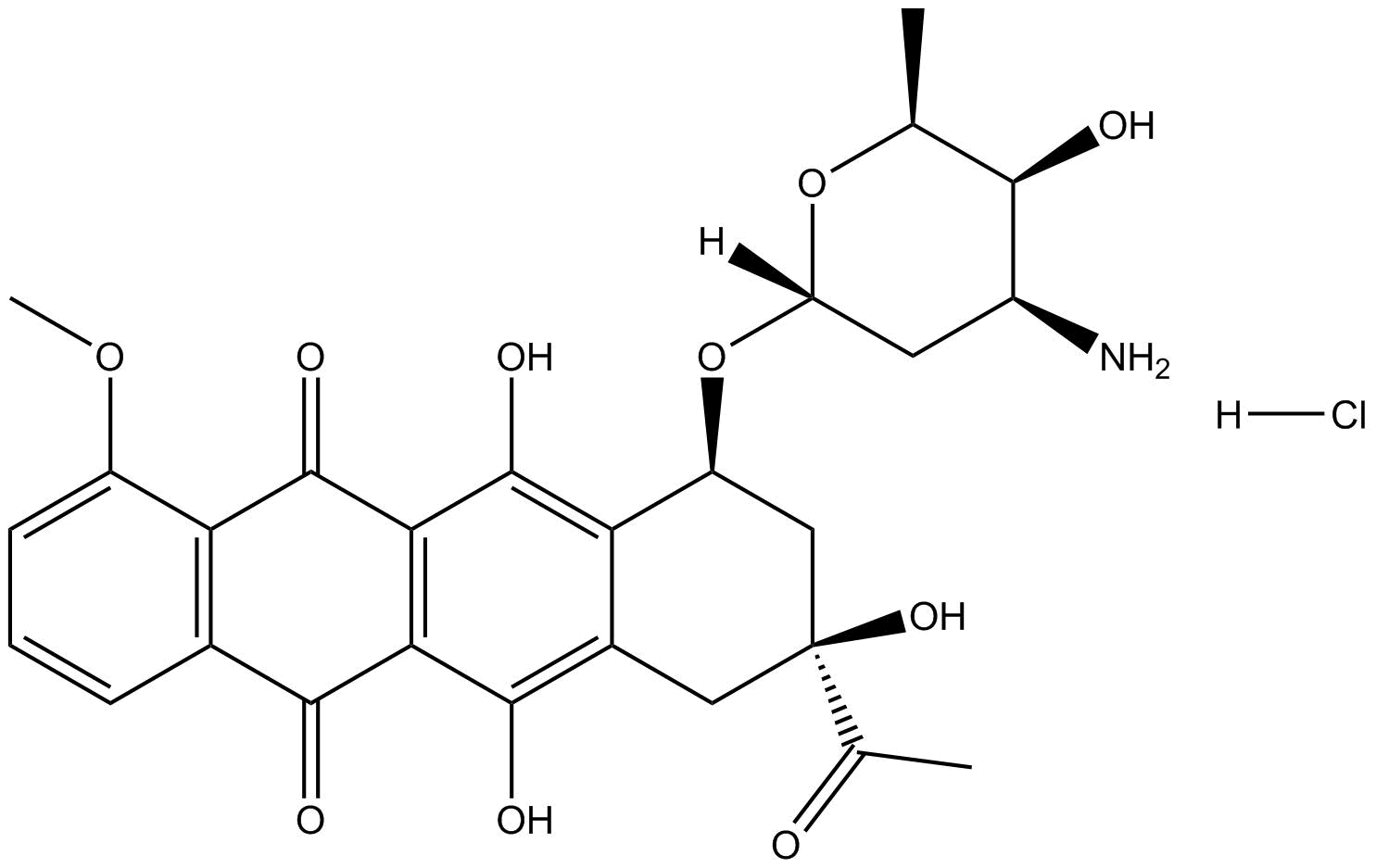 B2285 Daunorubicin HClSummary: DNA topoisomerase II inhibitor
 -
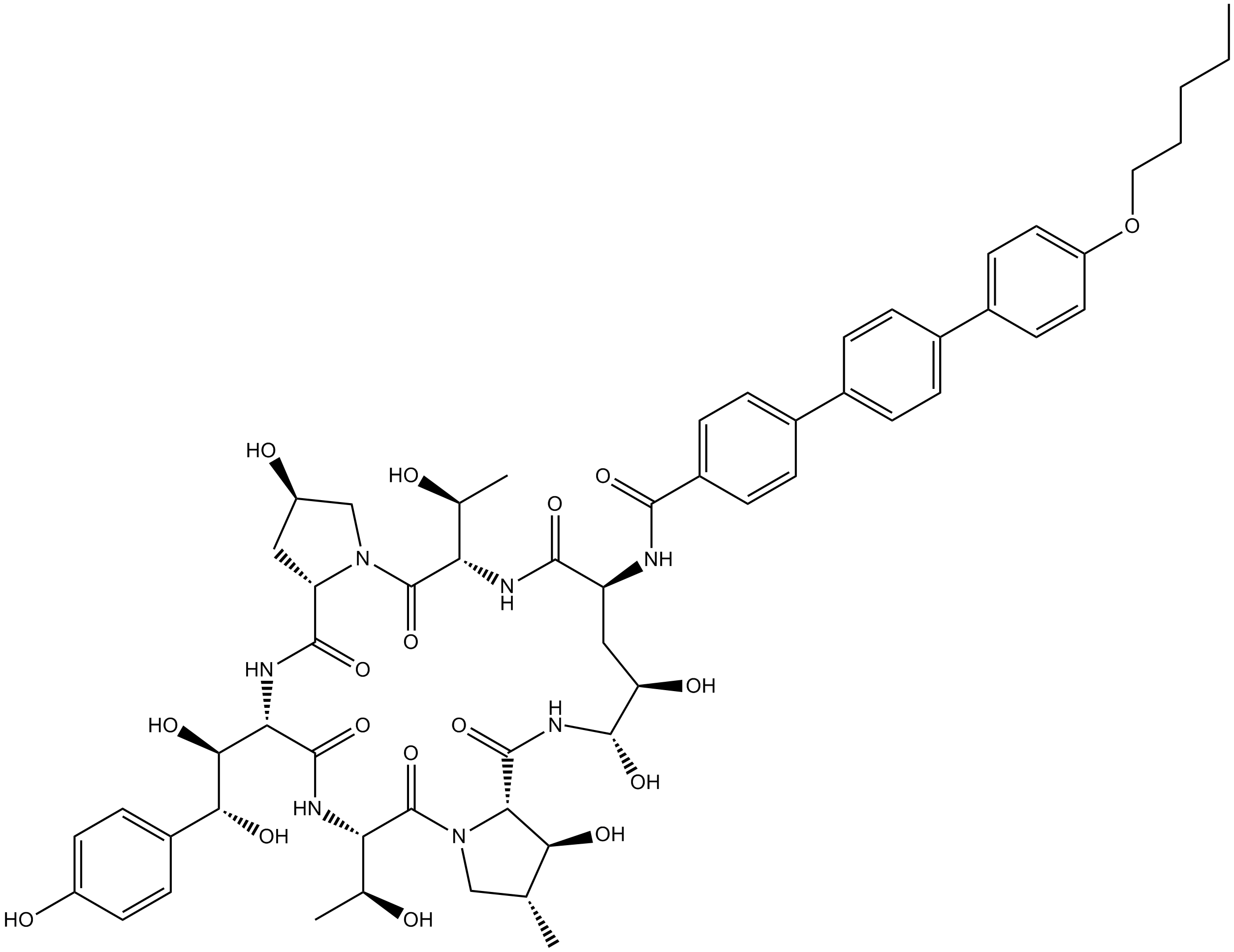 B1224 Anidulafungin1 CitationTarget: Glucan synthaseSummary: Antifungal drug
 -
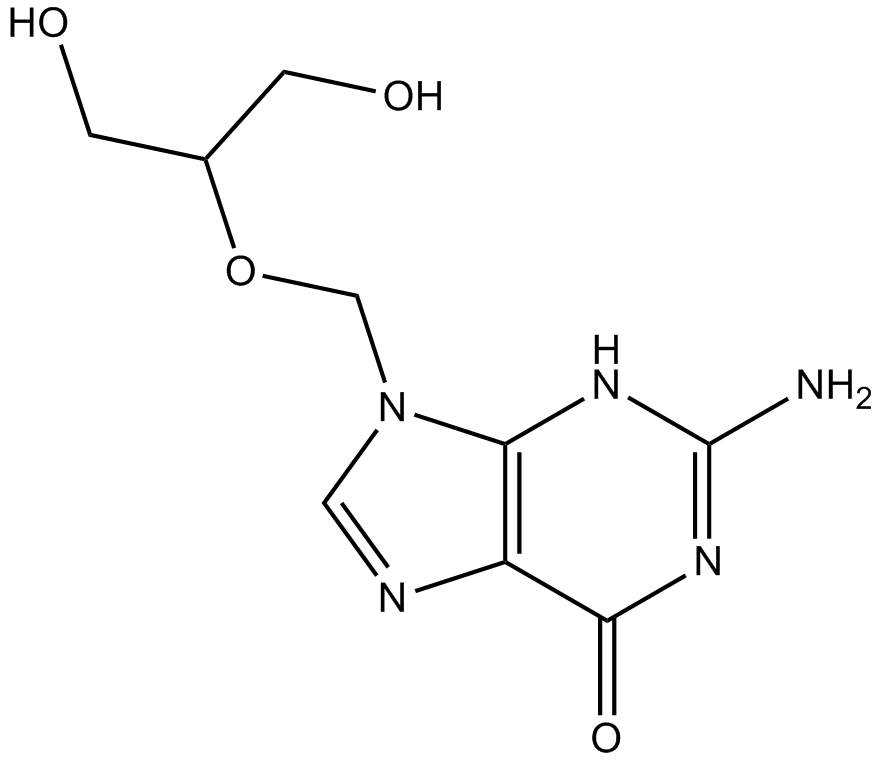 B2097 GanciclovirTarget: CMVSummary: Antiviral drug for CMV infections
 -
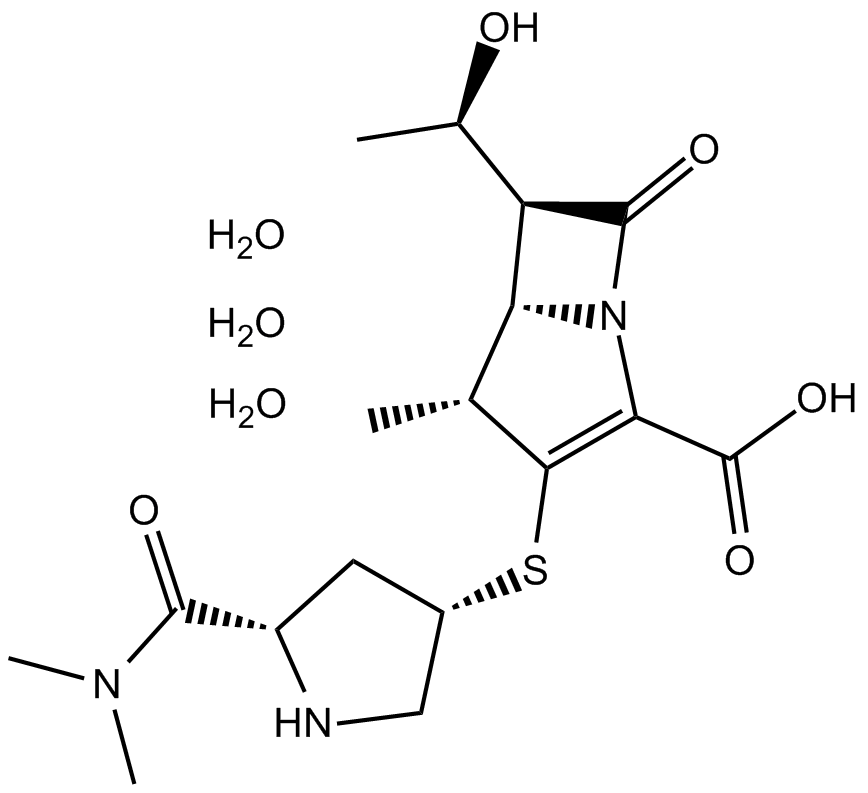 B1217 Meropenem trihydrate1 CitationSummary: Broad-spectum β-lactam antibiotic
 -
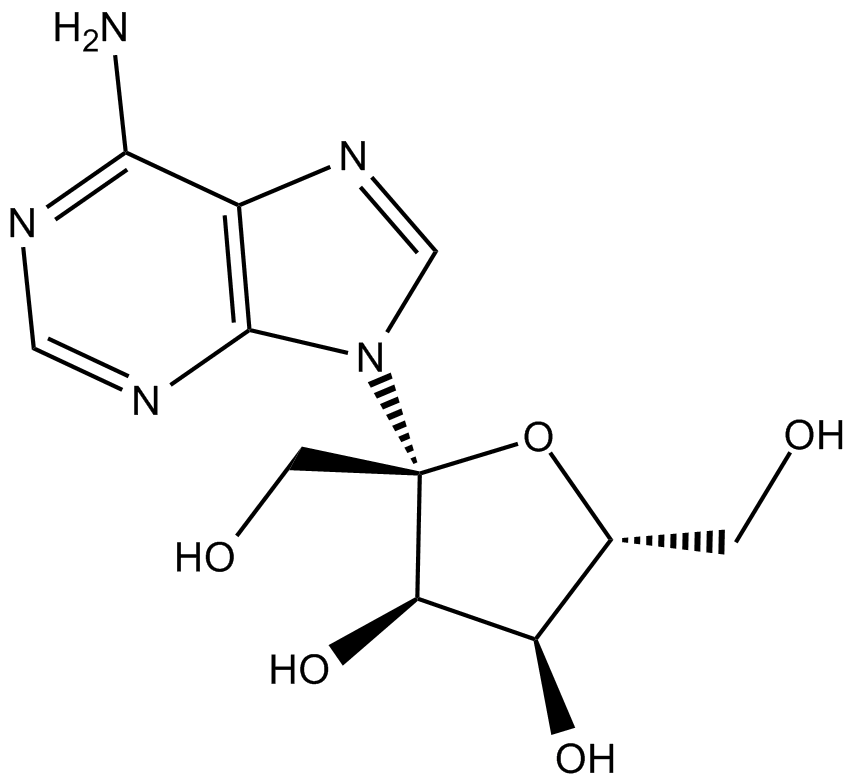 C5775 PsicofuranineSummary: inhibitor of xanthosine monophosphate (XMP) aminase