


Microbiology & Virology
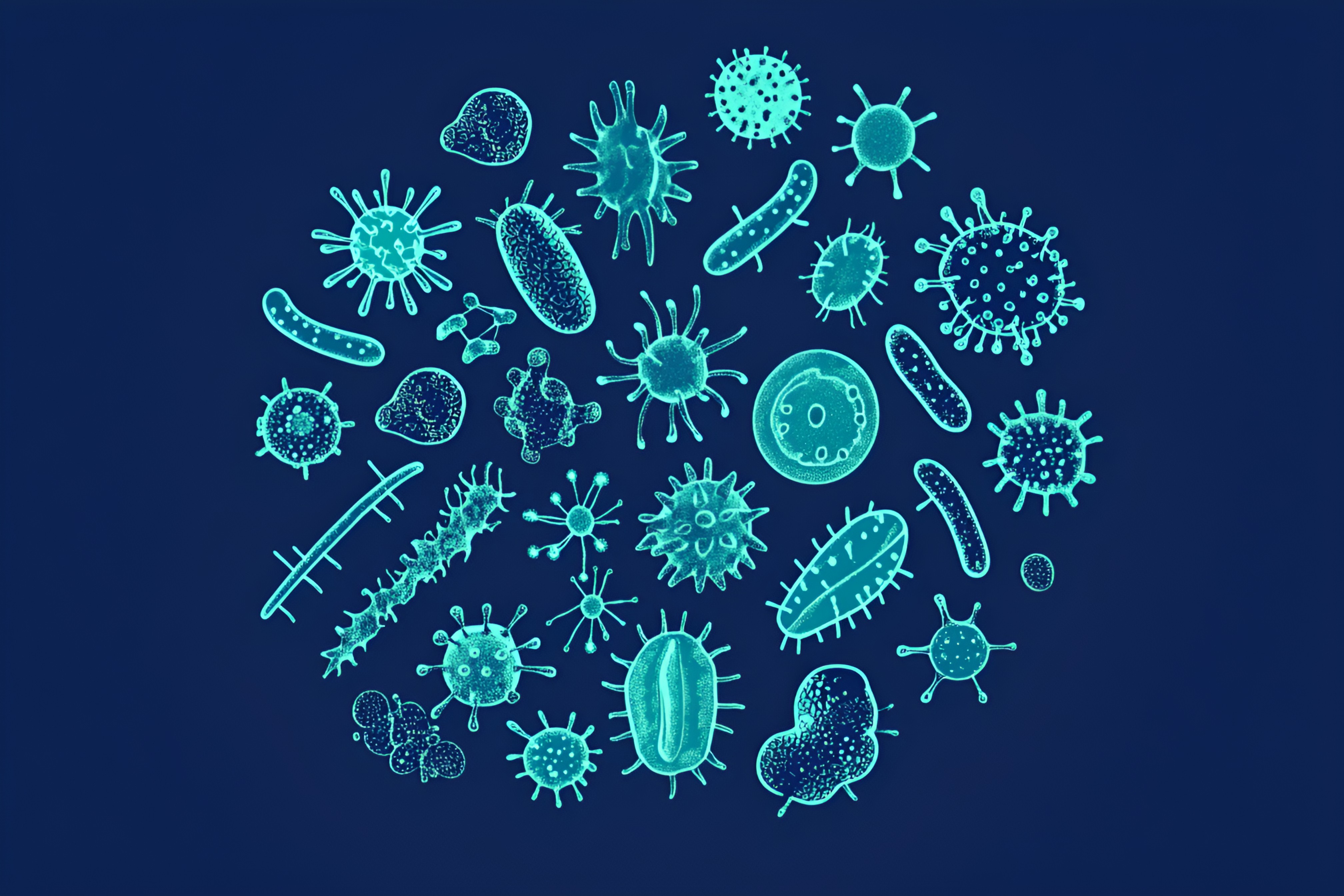
Furthermore, small molecules enable selective modulation of the microbiome, balancing interactions between beneficial and pathogenic microorganisms. Coupled with advances in high-throughput screening technologies, they continue to overcome limitations related to target specificity and drug resistance, thereby serving as a crucial bridge between basic research and clinical anti-infective practice. Collectively, small-molecule compounds offer diversified solutions to global public health challenges.
-
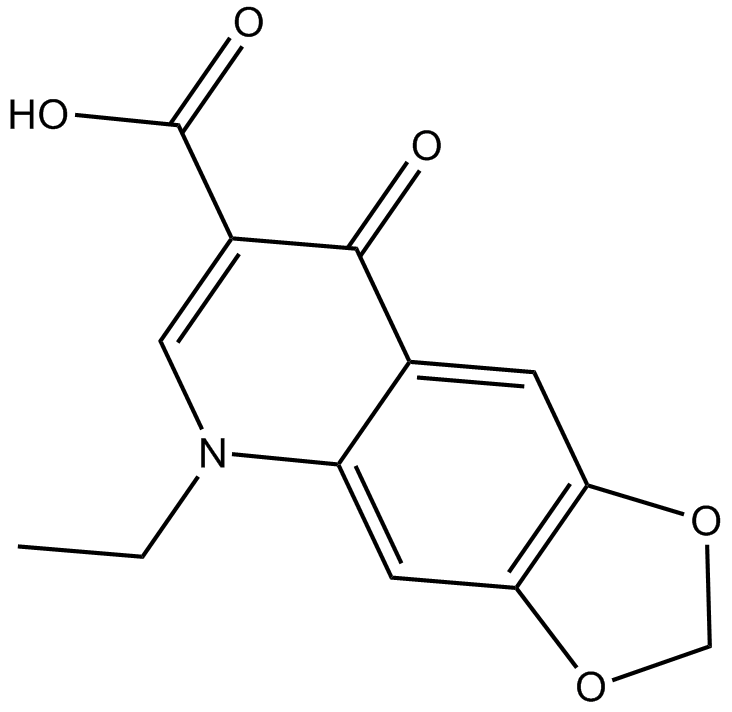 B6129 Oxolinic acidSummary: quinolone antibiotic that inhibits bacterial DNA gyrase
 -
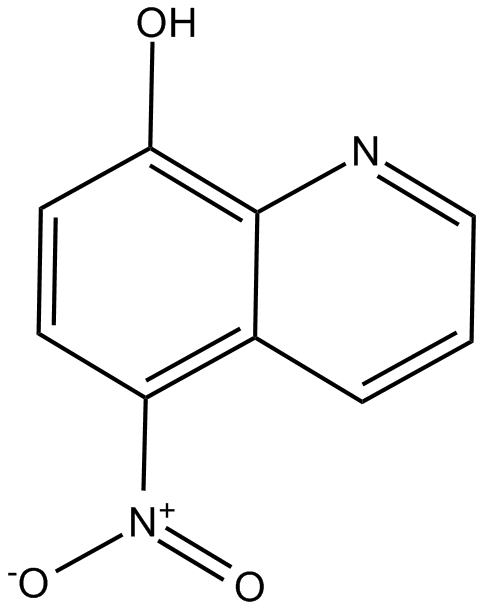 B6135 NitroxolineSummary: antibacterial agent
 -
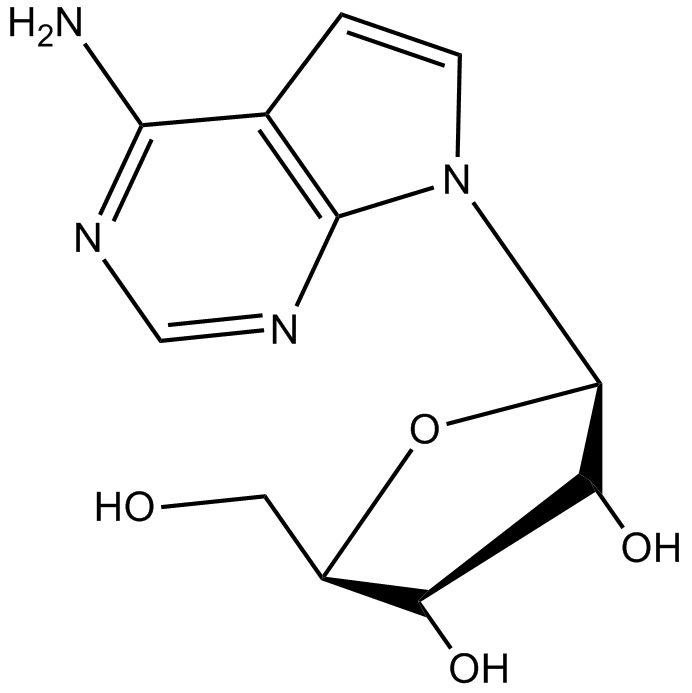 B6181 TubercidinSummary: adenosine analog antibiotic agent
 -
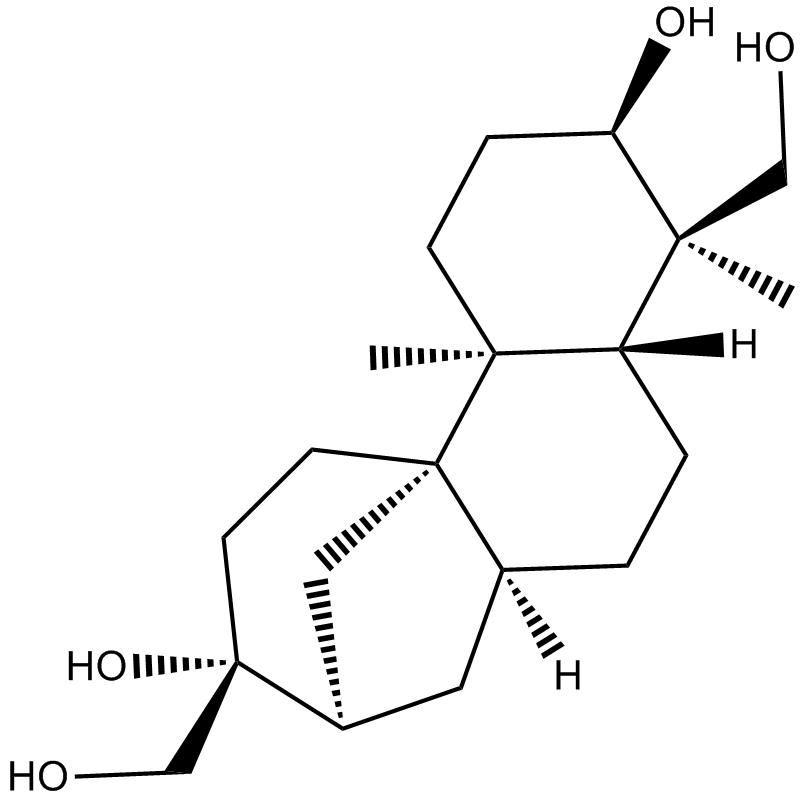 B7832 (+)-AphidicolinSummary: tetracyclic diterpene antibiotic
 -
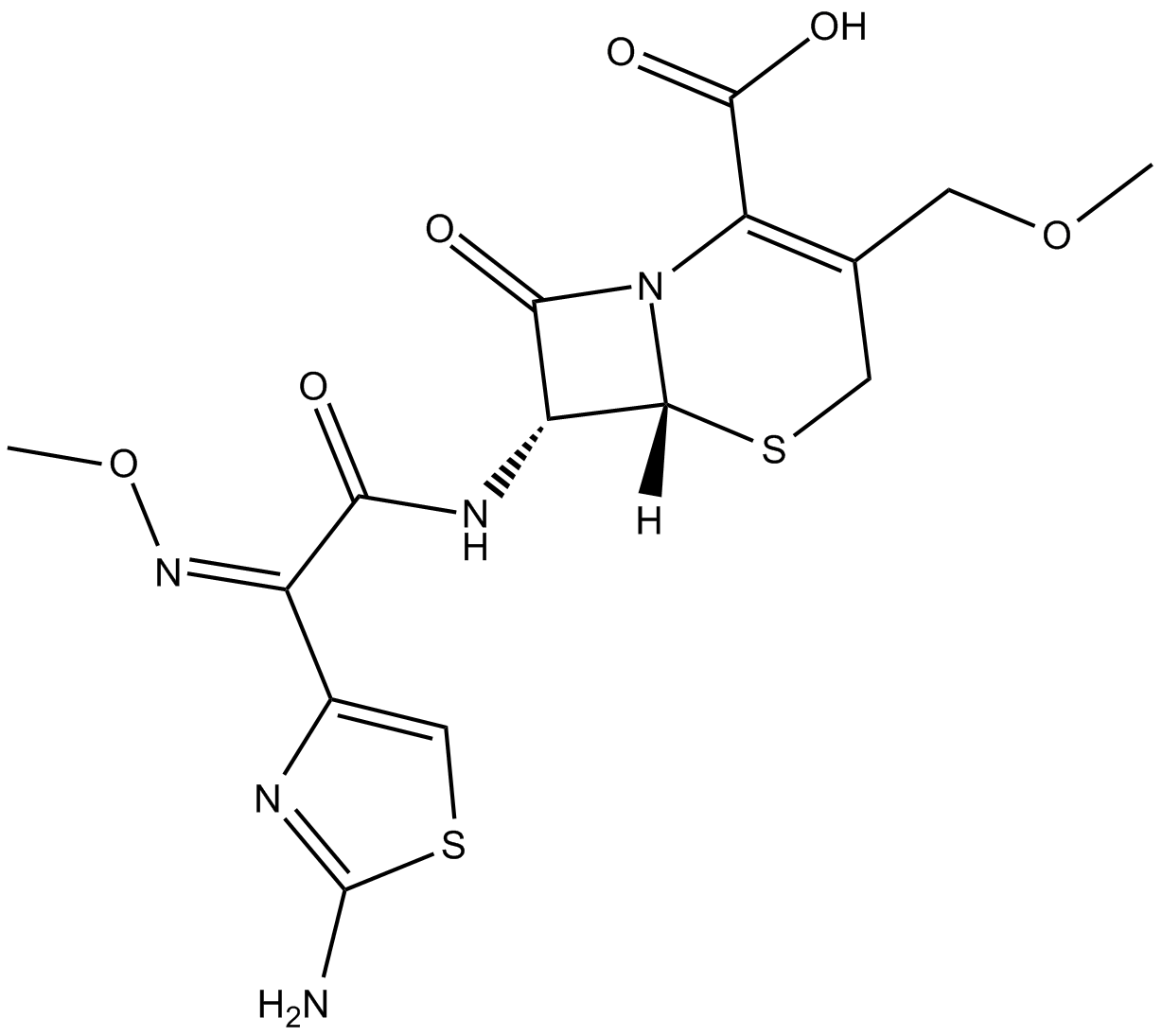 C3052 Cefpodoxime (free acid)Summary: metabolite of cefpodoxime proxetil, the oral third generation cephalosporin antibiotic.
 -
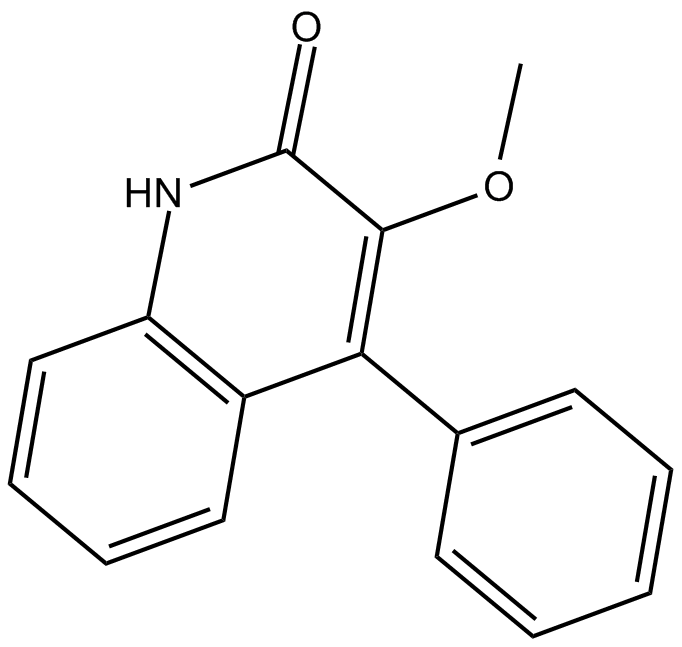 C3069 O-MethylviridicatinSummary: blocks activation of the HIV long terminal repeat by TNF-α
 -
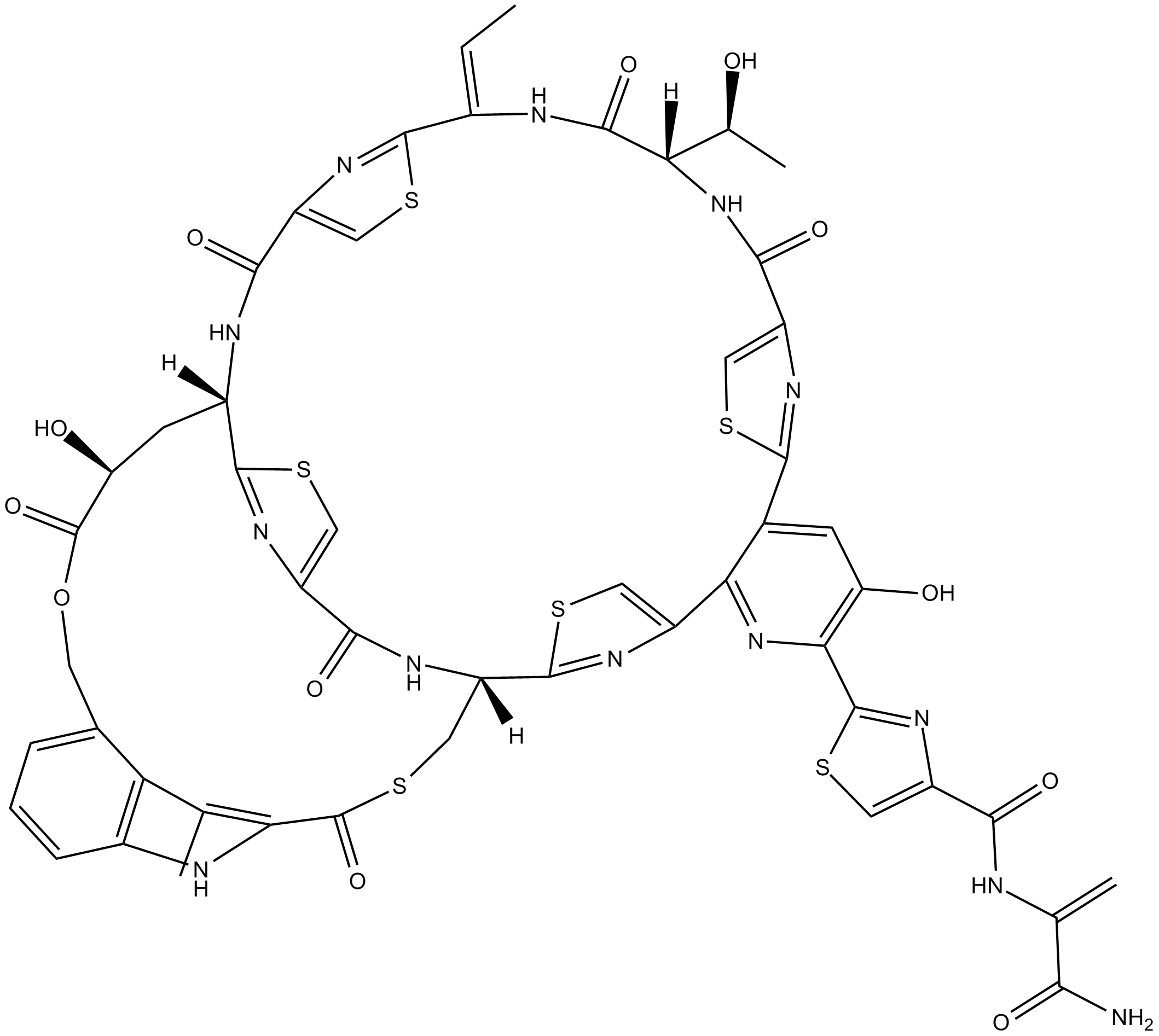 C3169 NosiheptideSummary: thiopeptide antibiotic that inhibits bacterial protein synthesis
 -
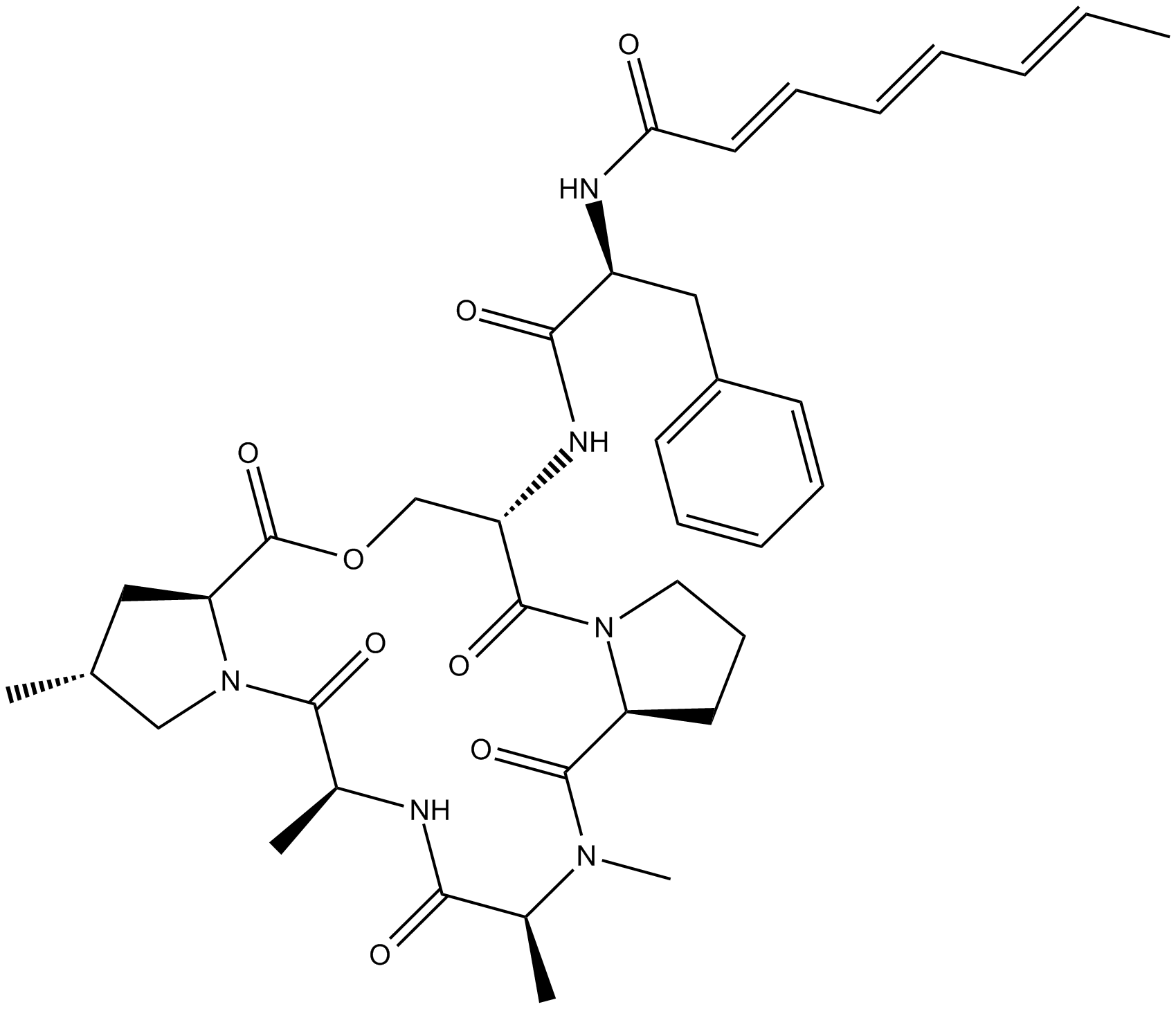 C3173 A-54556ASummary: natural acyldepsipeptide (ADEP) antibiotic
 -
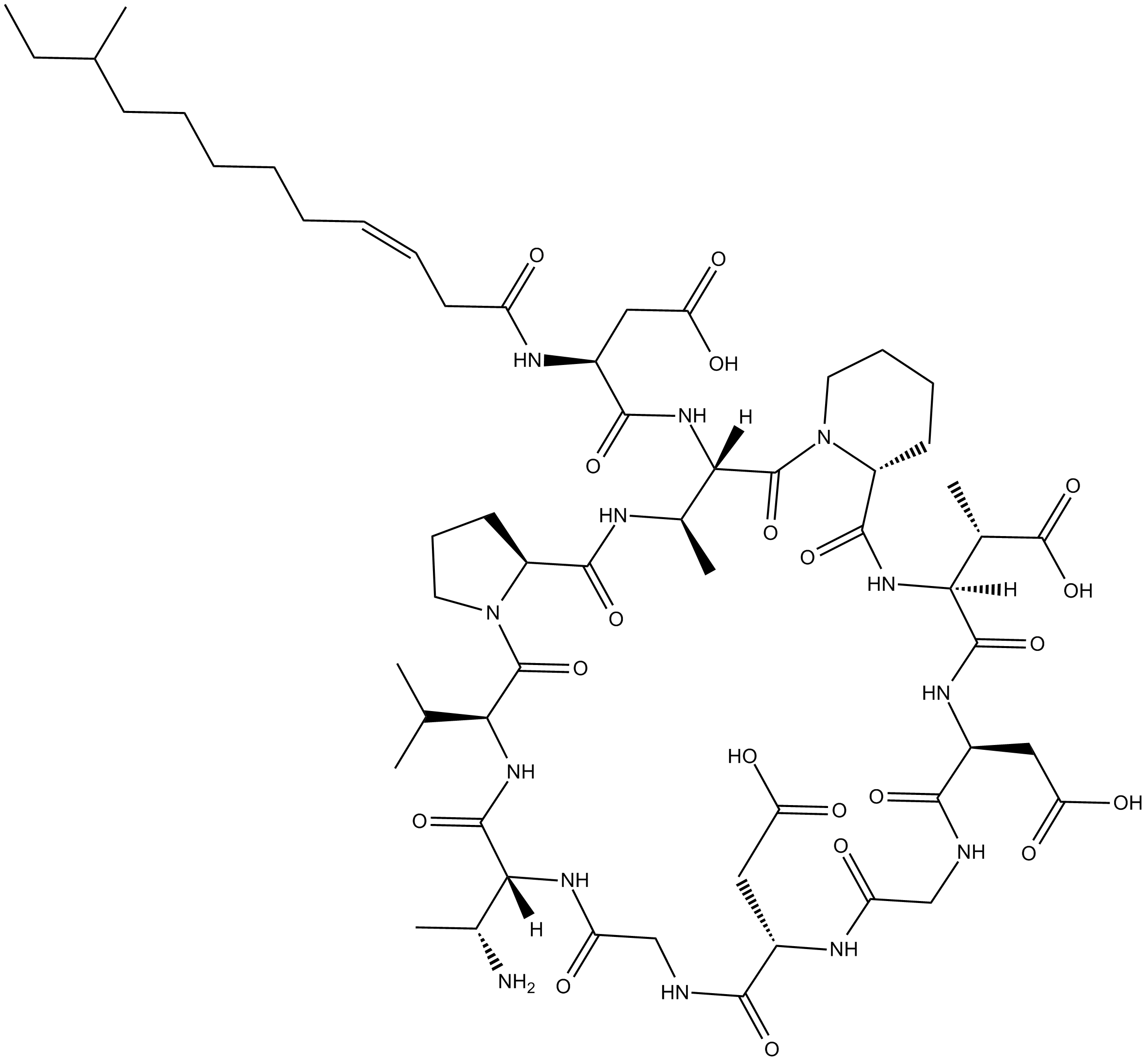 C3179 AmphomycinSummary: natural antibacterial lipopeptide
 -
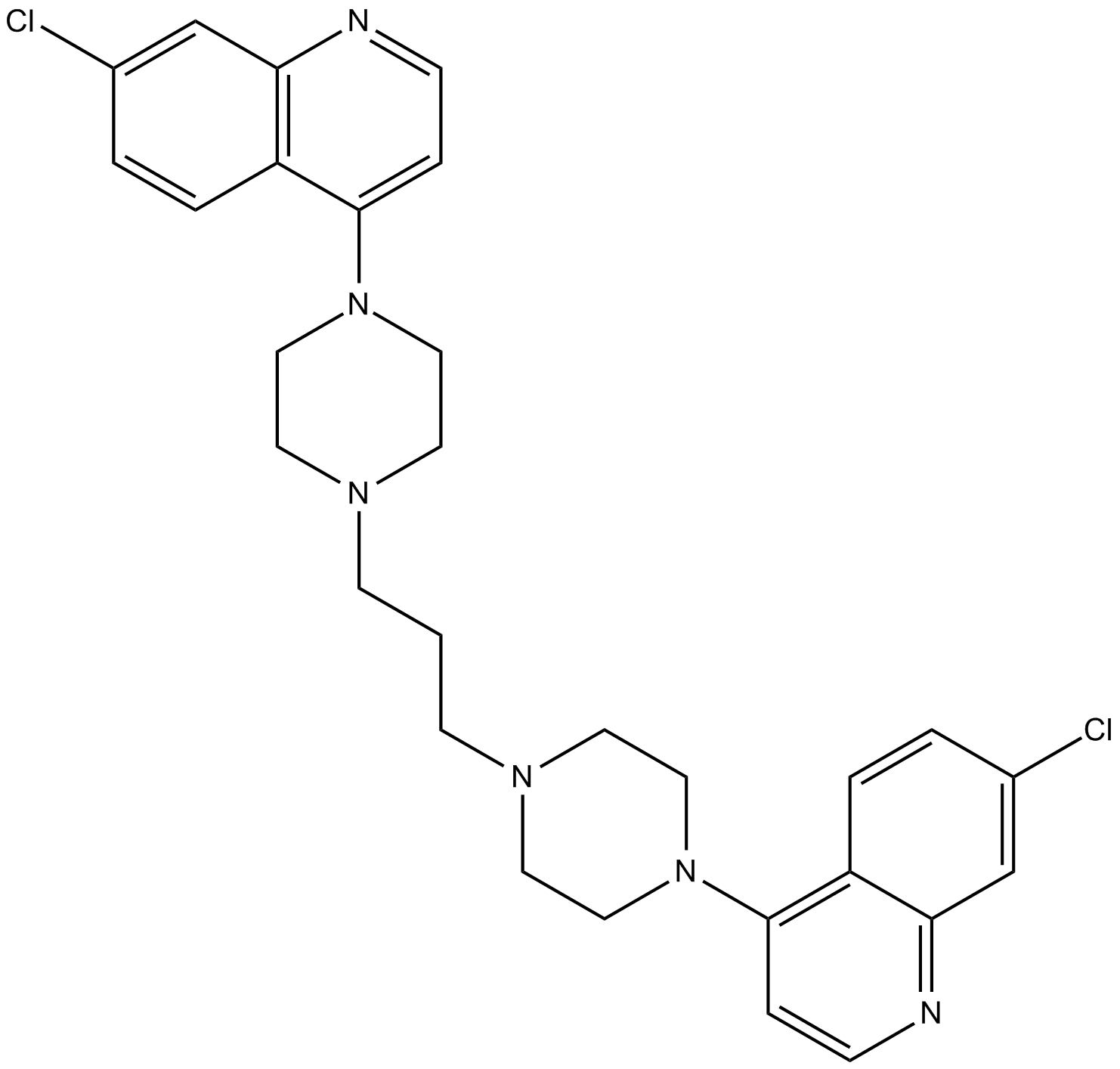 C3188 PiperaquineSummary: used in combination with artimesinin for inhibition of HIV-1 replication