


Microbiology & Virology
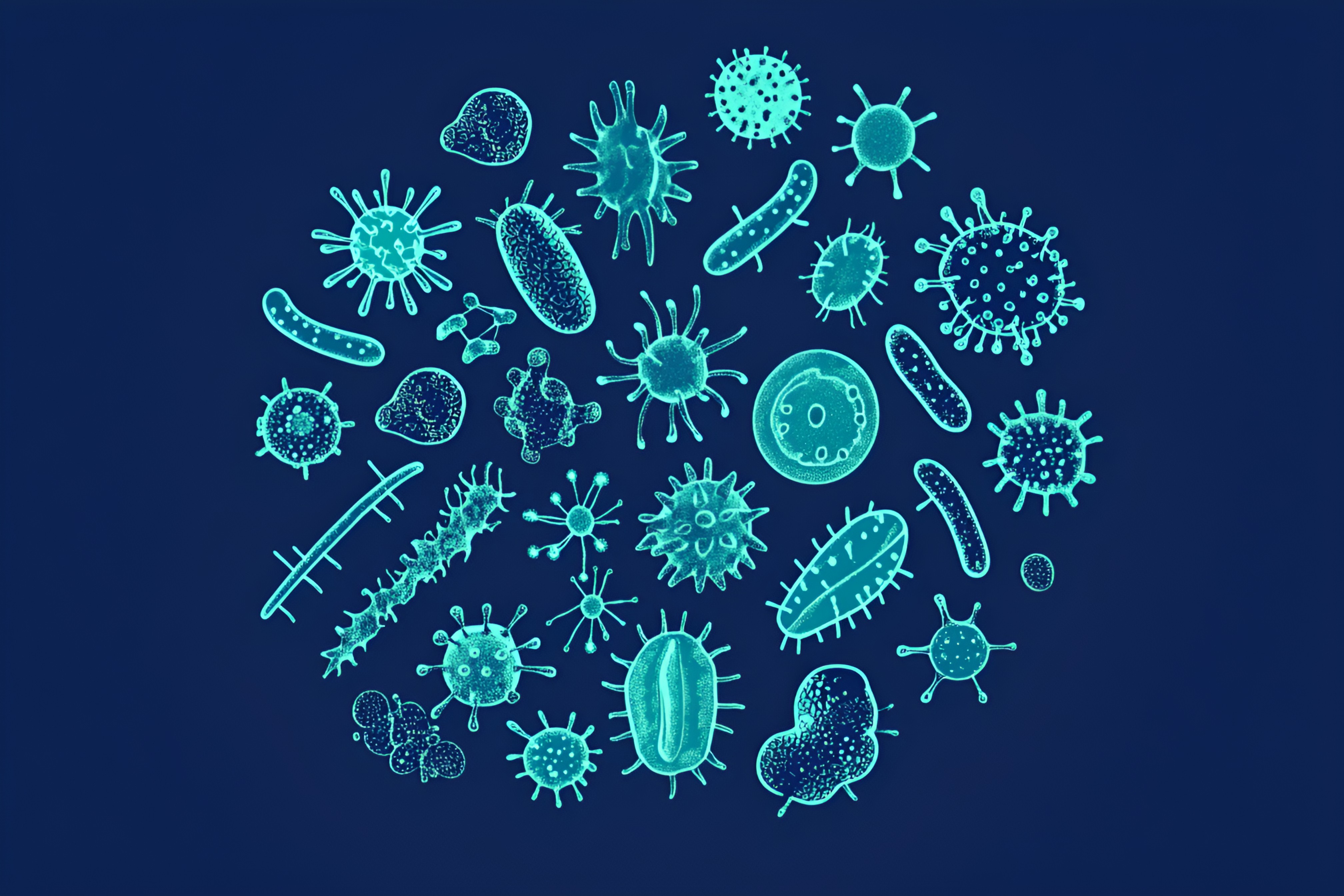
Furthermore, small molecules enable selective modulation of the microbiome, balancing interactions between beneficial and pathogenic microorganisms. Coupled with advances in high-throughput screening technologies, they continue to overcome limitations related to target specificity and drug resistance, thereby serving as a crucial bridge between basic research and clinical anti-infective practice. Collectively, small-molecule compounds offer diversified solutions to global public health challenges.
-
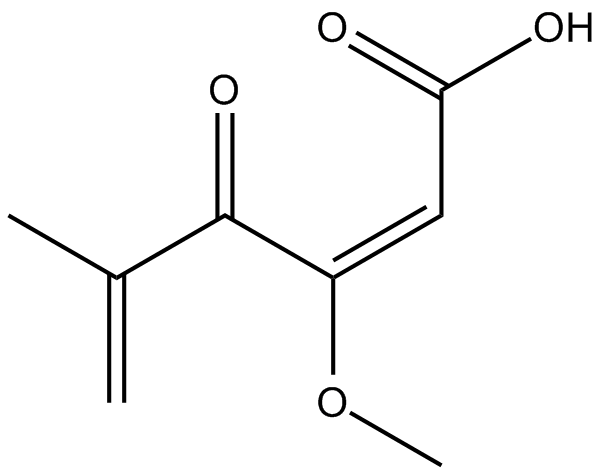 C3438 Penicillic AcidSummary: mycotoxin
 -
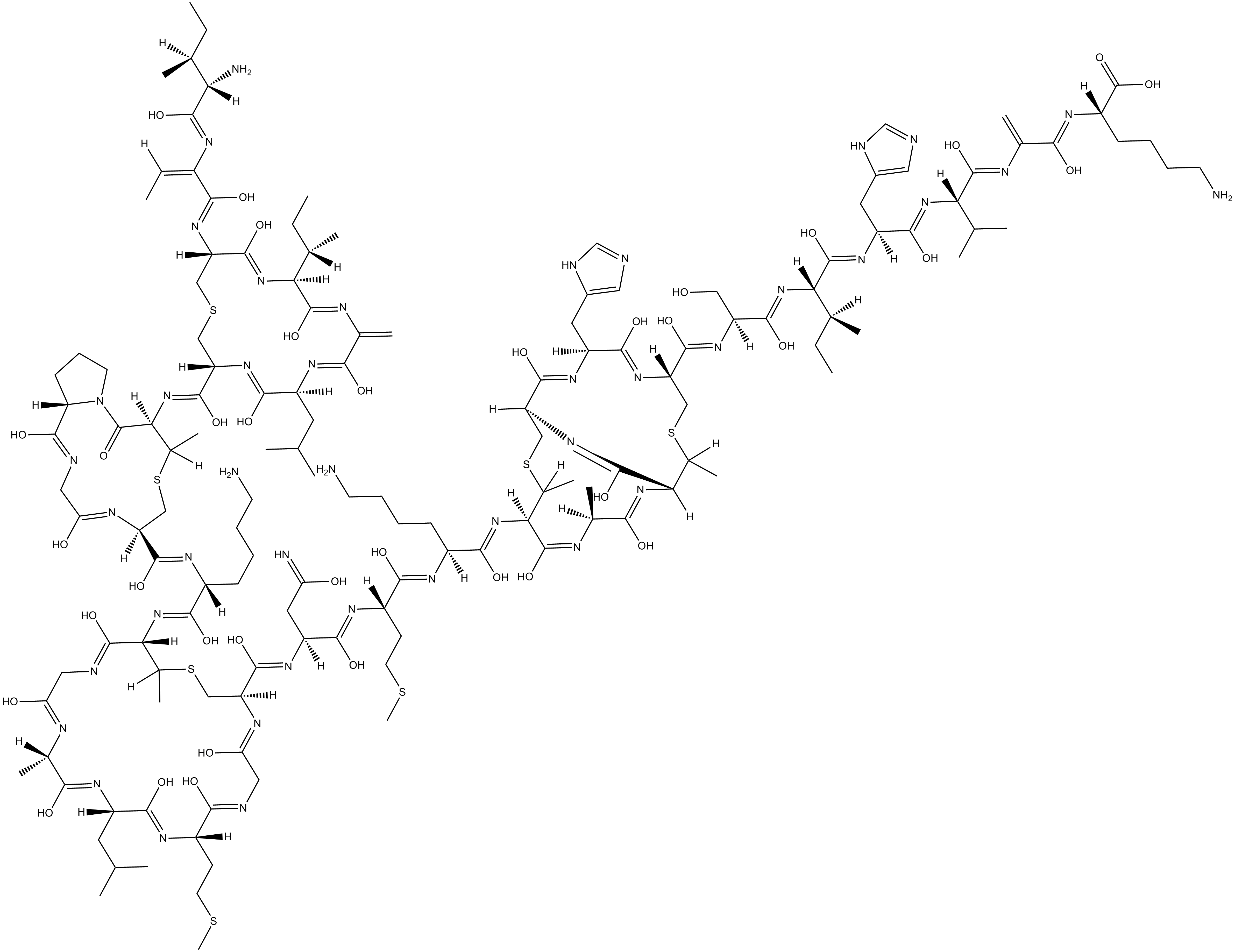 C3531 NisinSummary: antibacterial peptide
 -
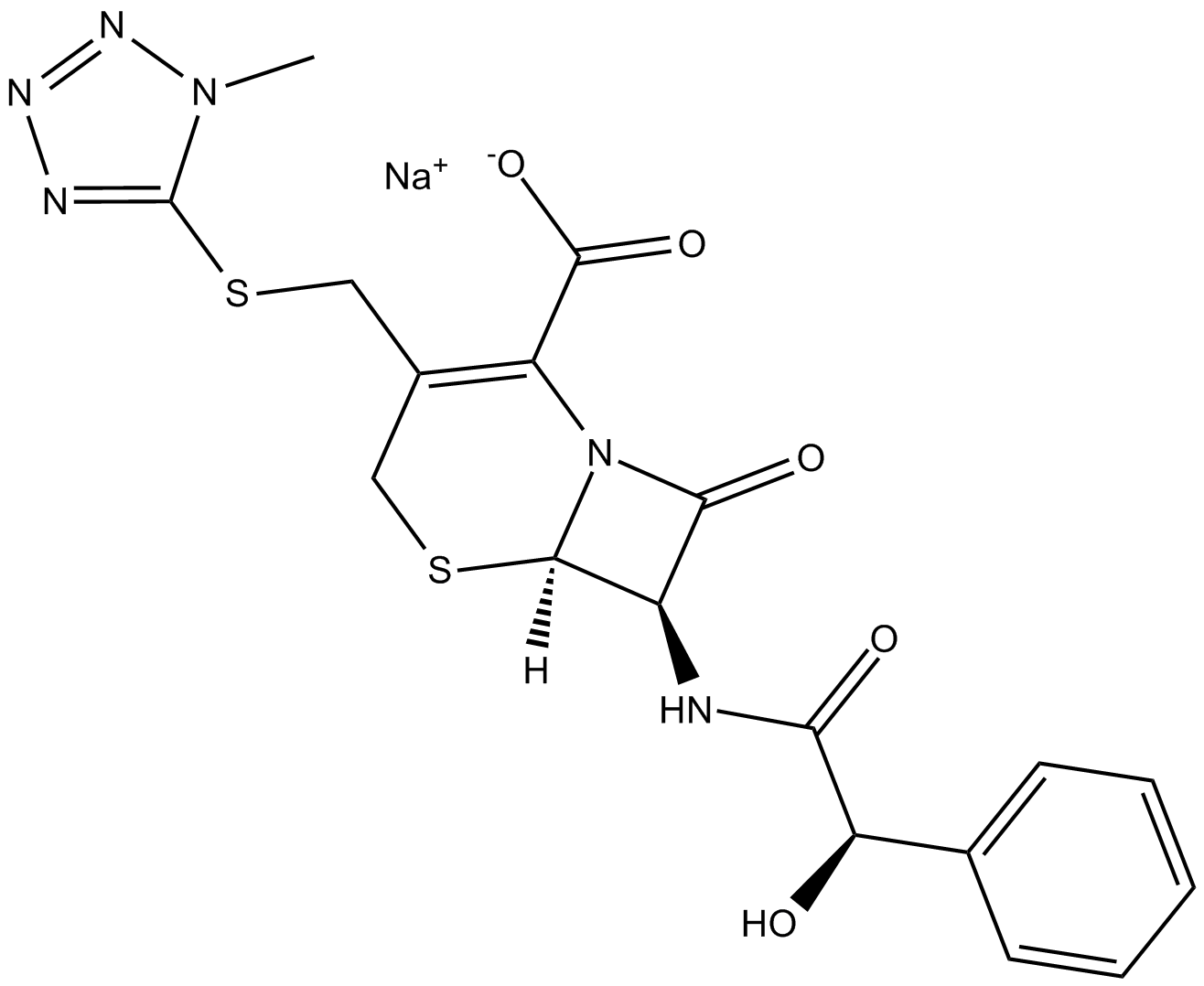 C3541 Cefamandole (sodium salt)Summary: cephalosporin antibiotic
 -
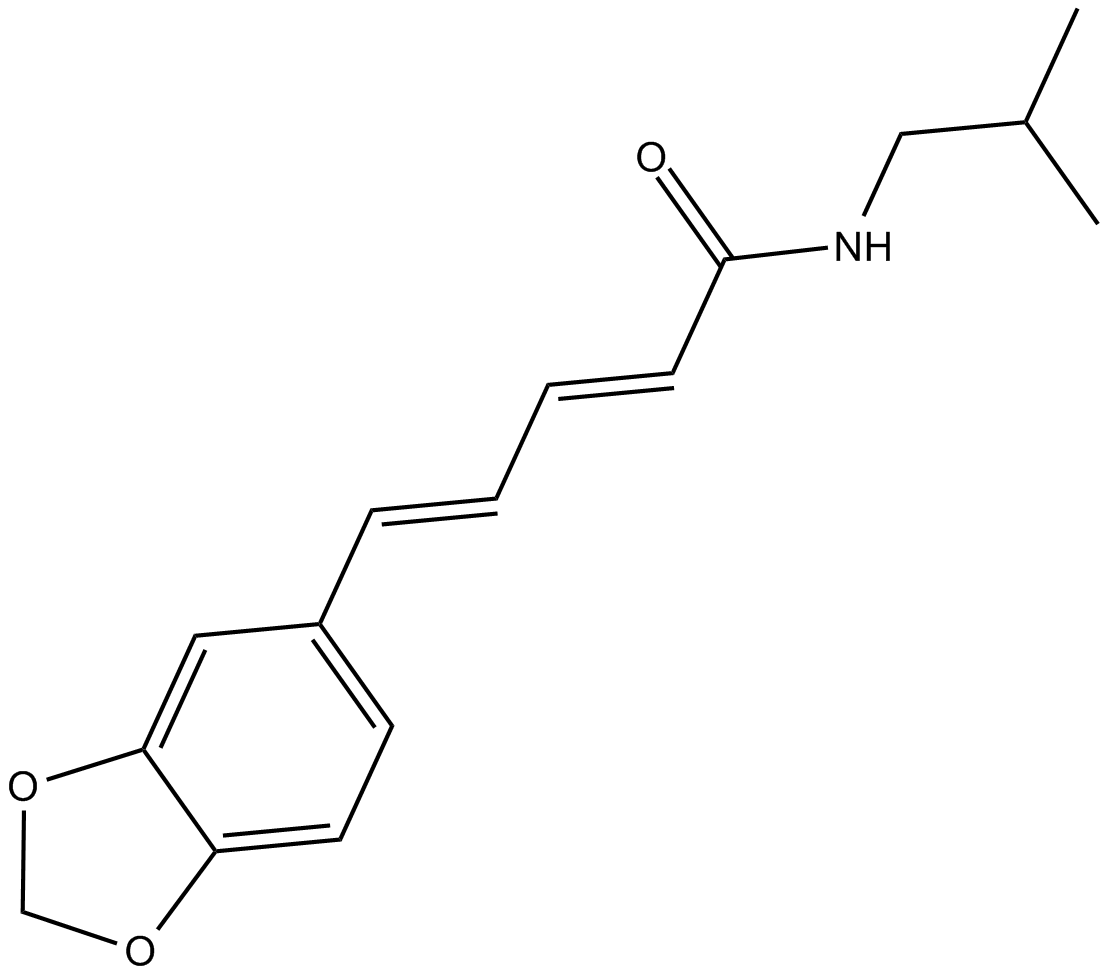 C3508 PiperlonguminineSummary: antifungal, anticancer, antihyperlipidemic, and anti-inflammatory properties.
 -
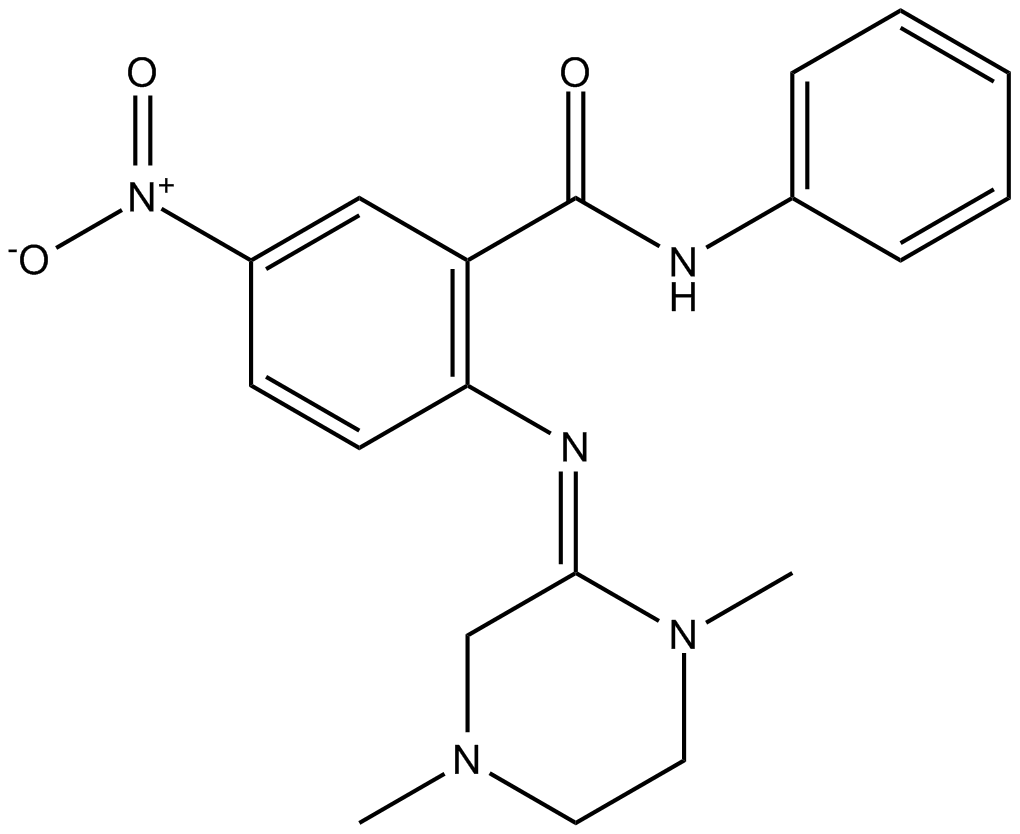 C3581 ML-336Summary: inhibit a VEEV-induced cytopathic effect
 -
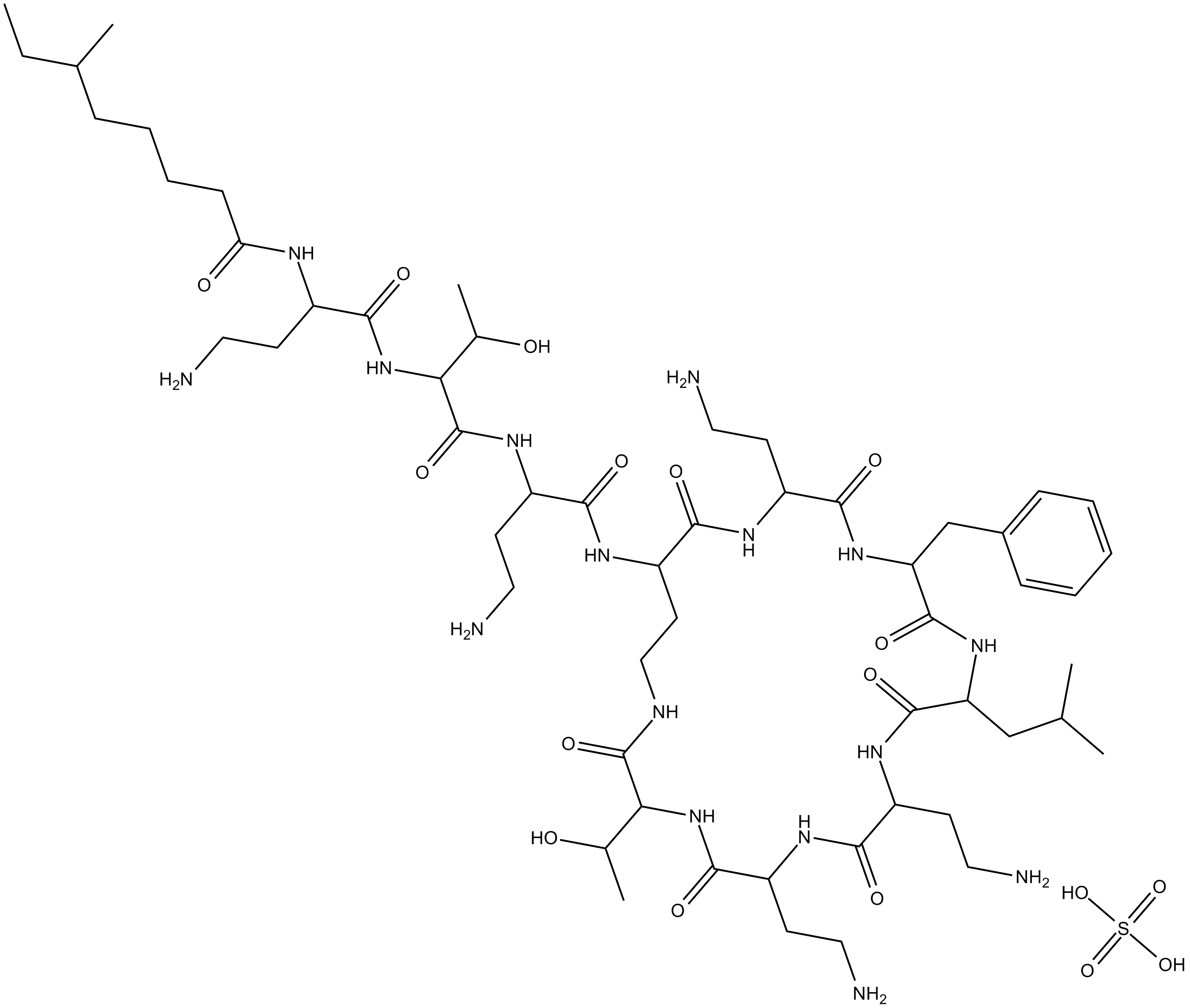 C3090 Polymyxin B (sulfate)4 CitationSummary: bactericidal activity against major multidrug-resistant Gram-negative bacteria.
 -
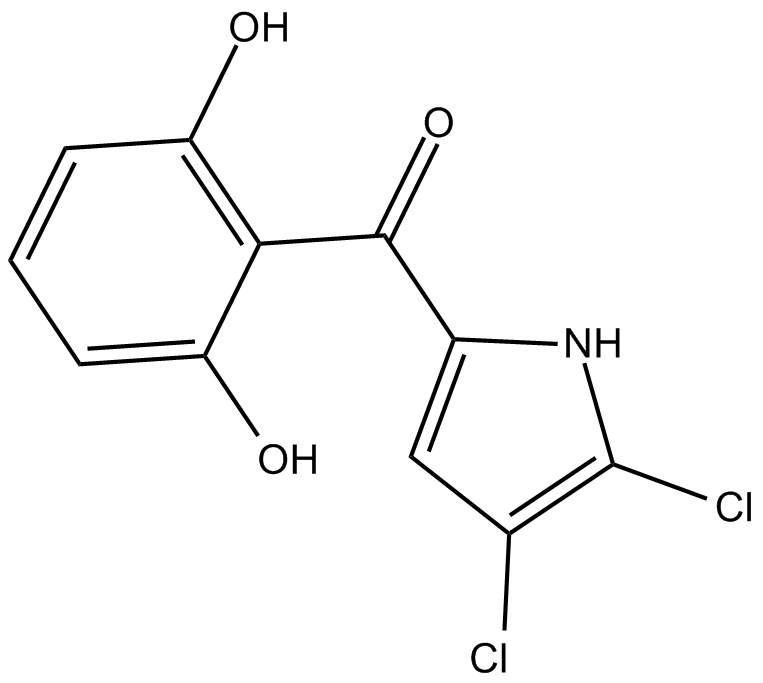 C4039 PyoluteorinSummary: antibiotic, antifungal, and herbicidal activity
 -
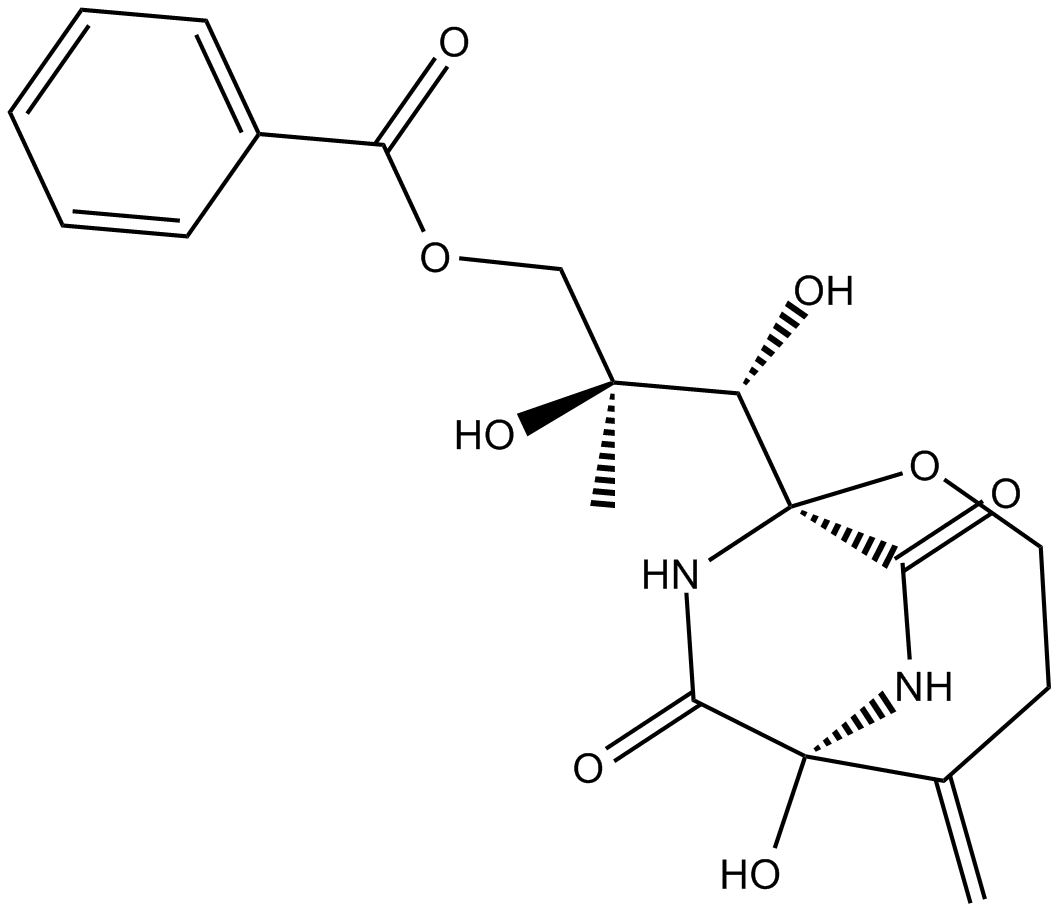 C3933 Bicyclomycin BenzoateSummary: antibiotic
 -
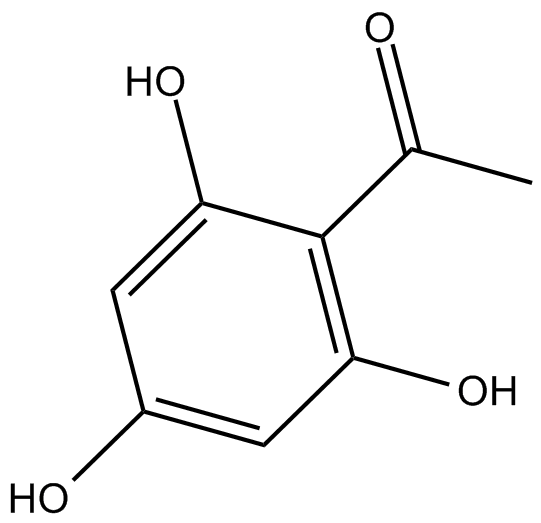 C3086 MonoacetylphloroglucinolSummary: broad range of antibiotic activity with fairly weak potency
 -
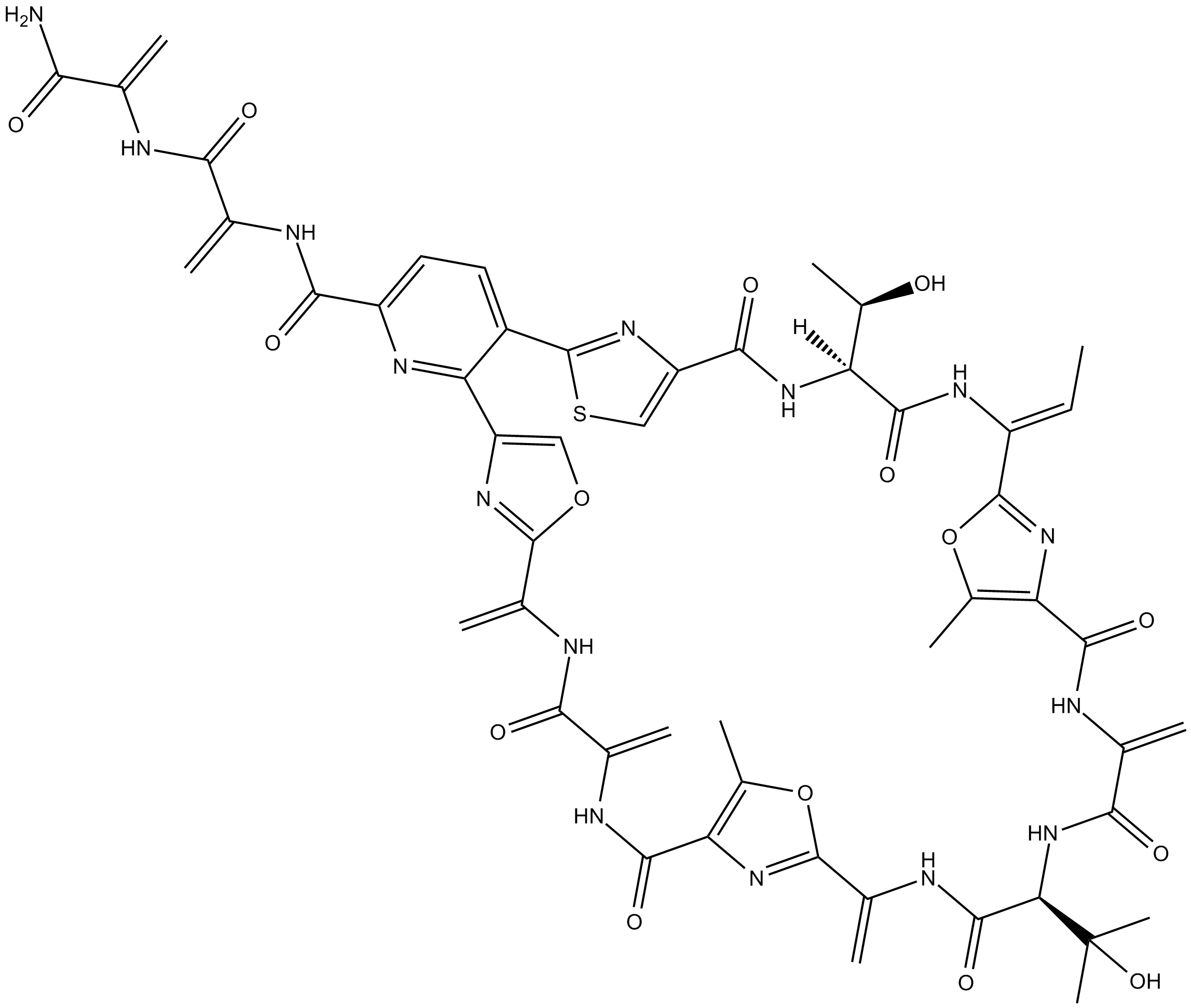 C3906 Berninamycin ASummary: cyclic thiopeptide antibiotic