


Microbiology & Virology
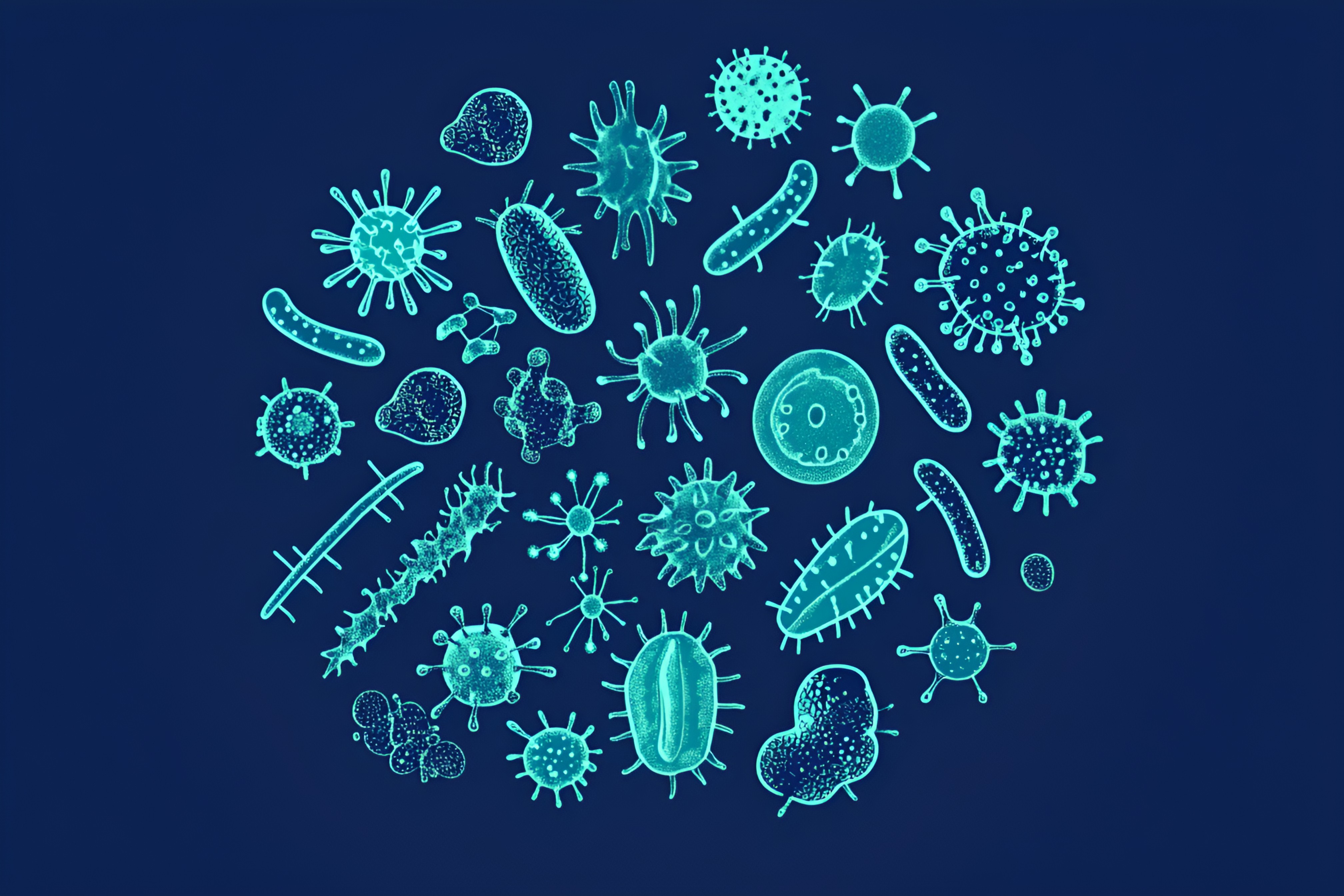
Furthermore, small molecules enable selective modulation of the microbiome, balancing interactions between beneficial and pathogenic microorganisms. Coupled with advances in high-throughput screening technologies, they continue to overcome limitations related to target specificity and drug resistance, thereby serving as a crucial bridge between basic research and clinical anti-infective practice. Collectively, small-molecule compounds offer diversified solutions to global public health challenges.
-
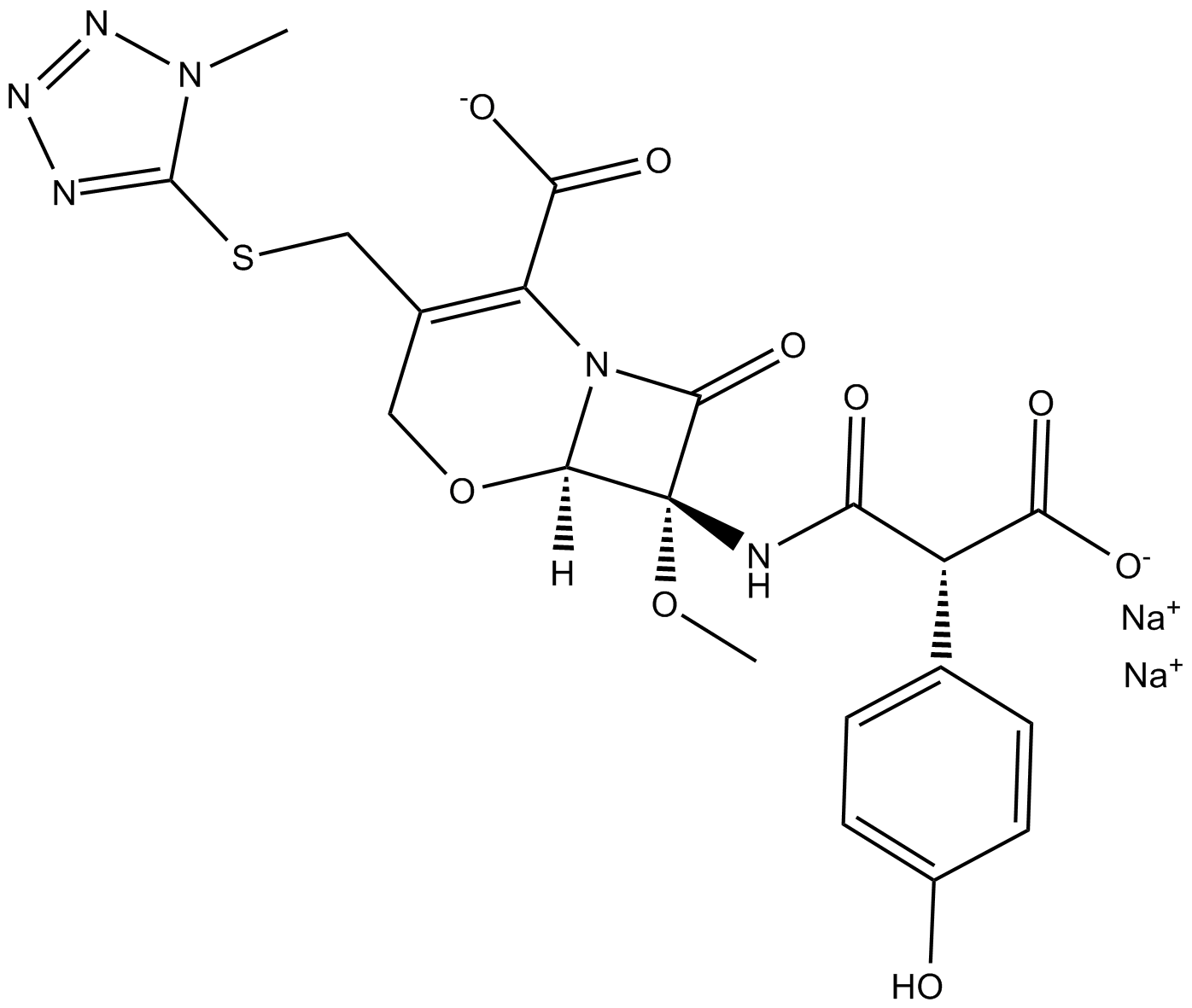 C4121 Moxalactam (sodium salt)Summary: β-lactam antibiotic
 -
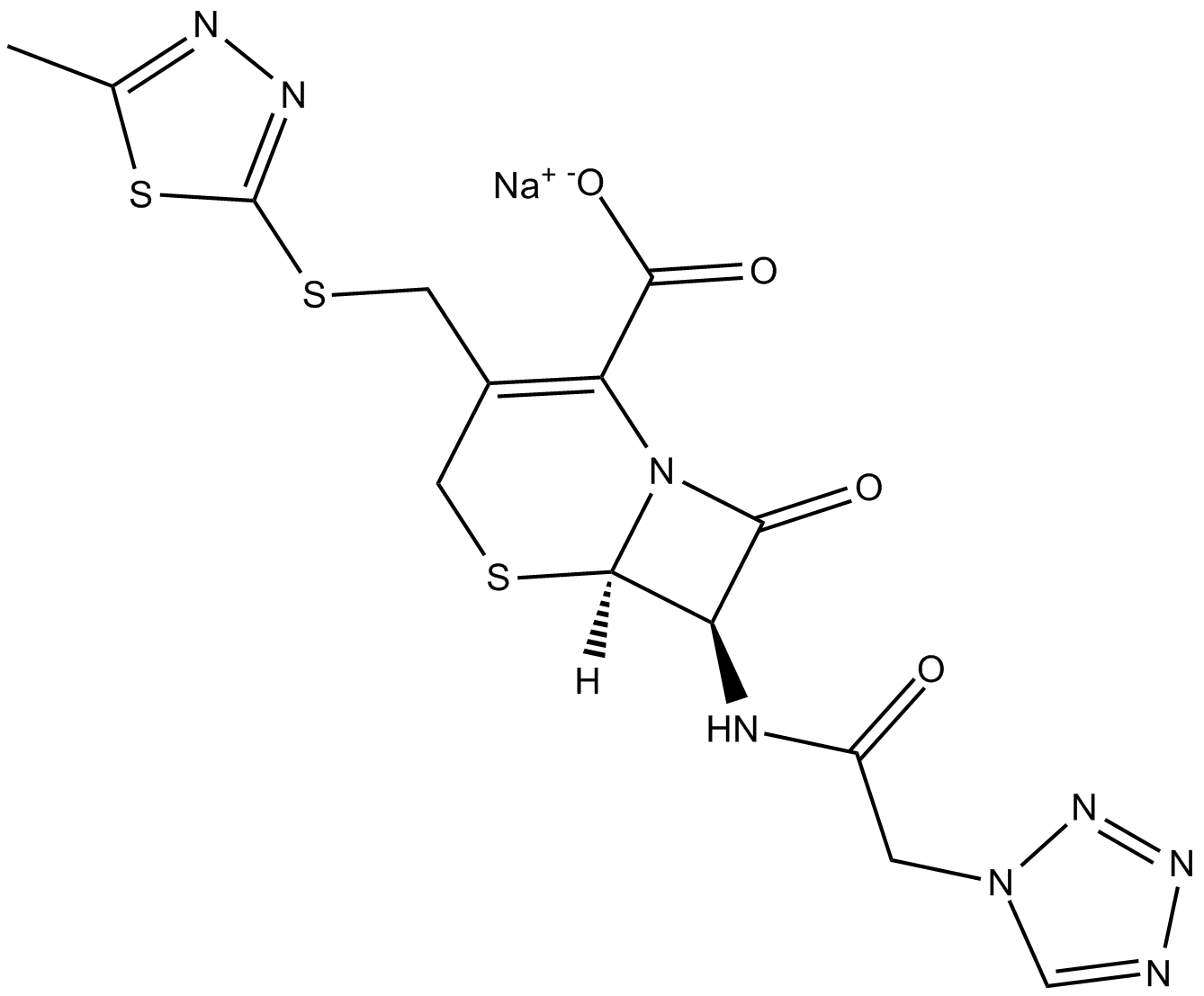 C4183 Cefazolin (sodium salt)Summary: broad-spectrum, first-generation cephalosporin antibiotic
 -
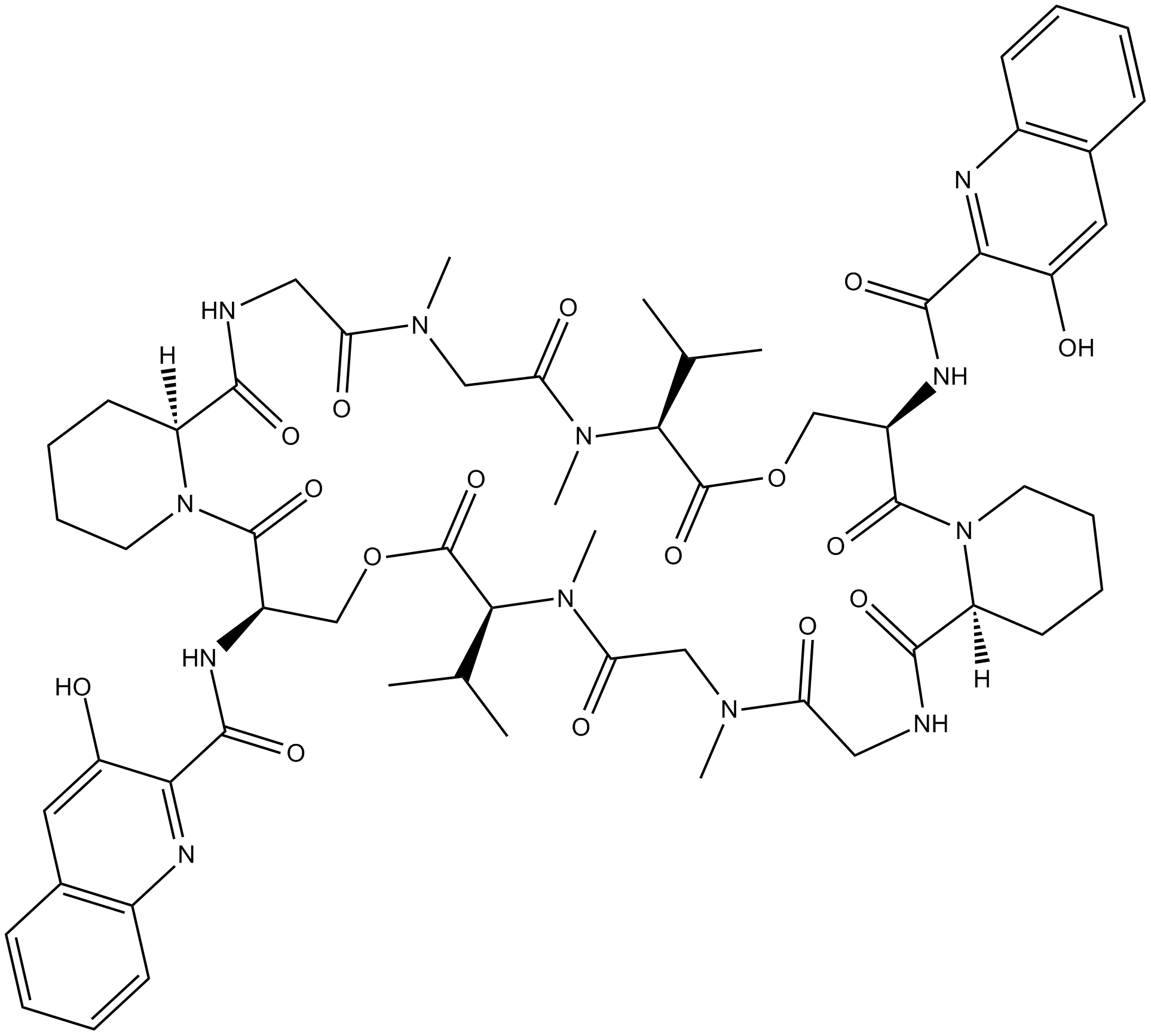 C4235 SandramycinSummary: cyclic depsipeptide antibiotic
 -
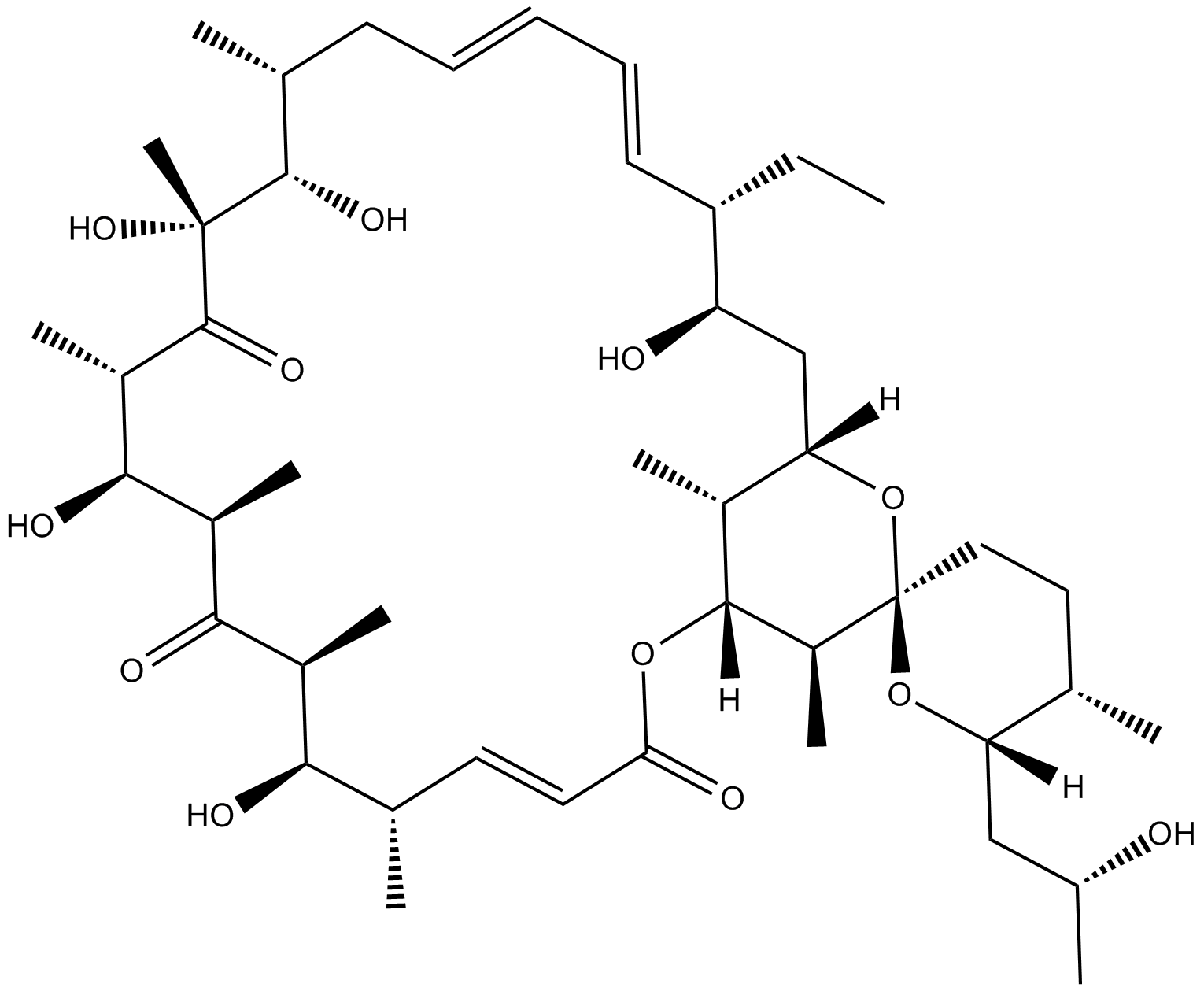 C4205 21-hydroxy Oligomycin ASummary: antibiotic
 -
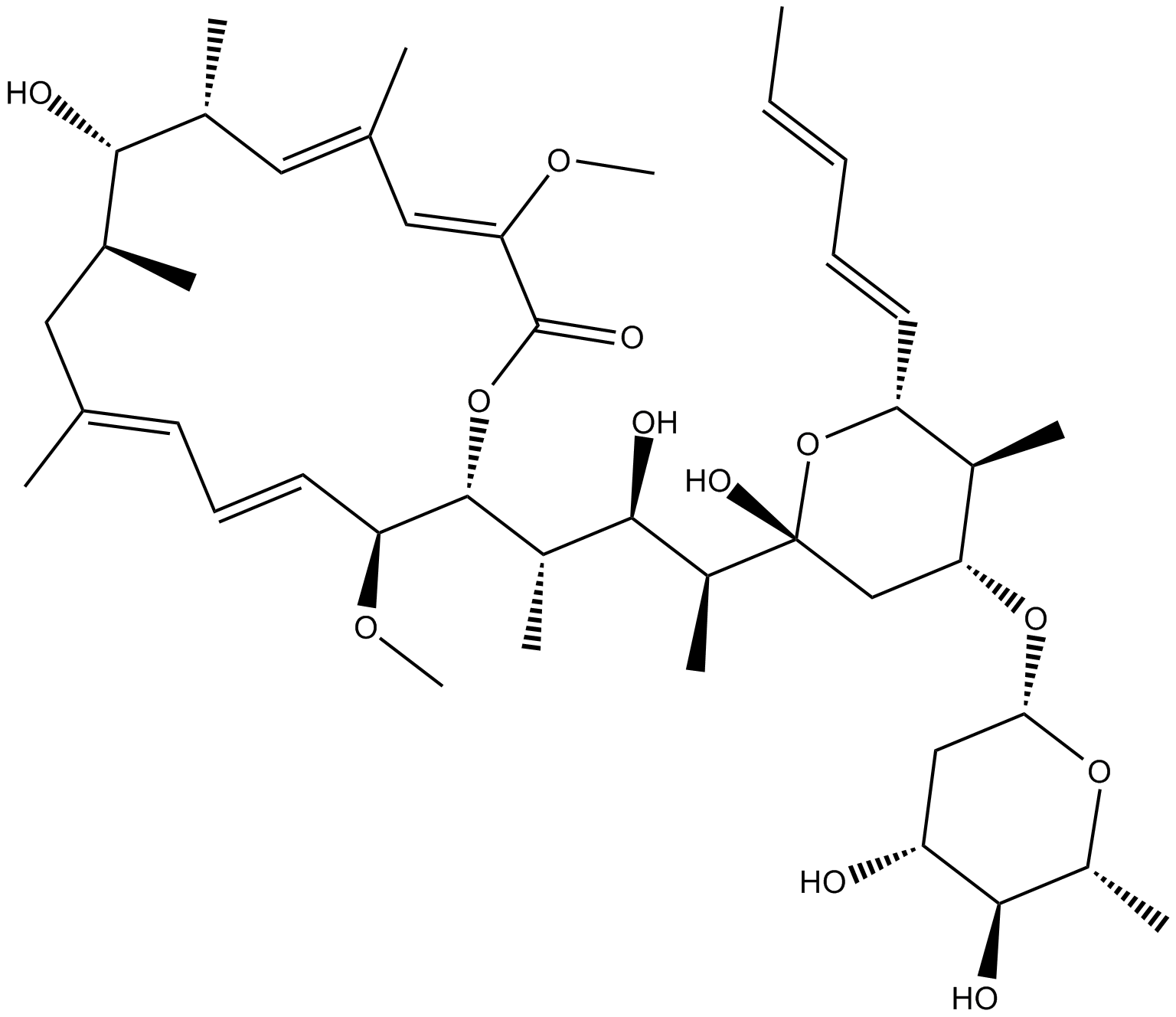 C4269 PC-766BSummary: macrolide antibiotic
 -
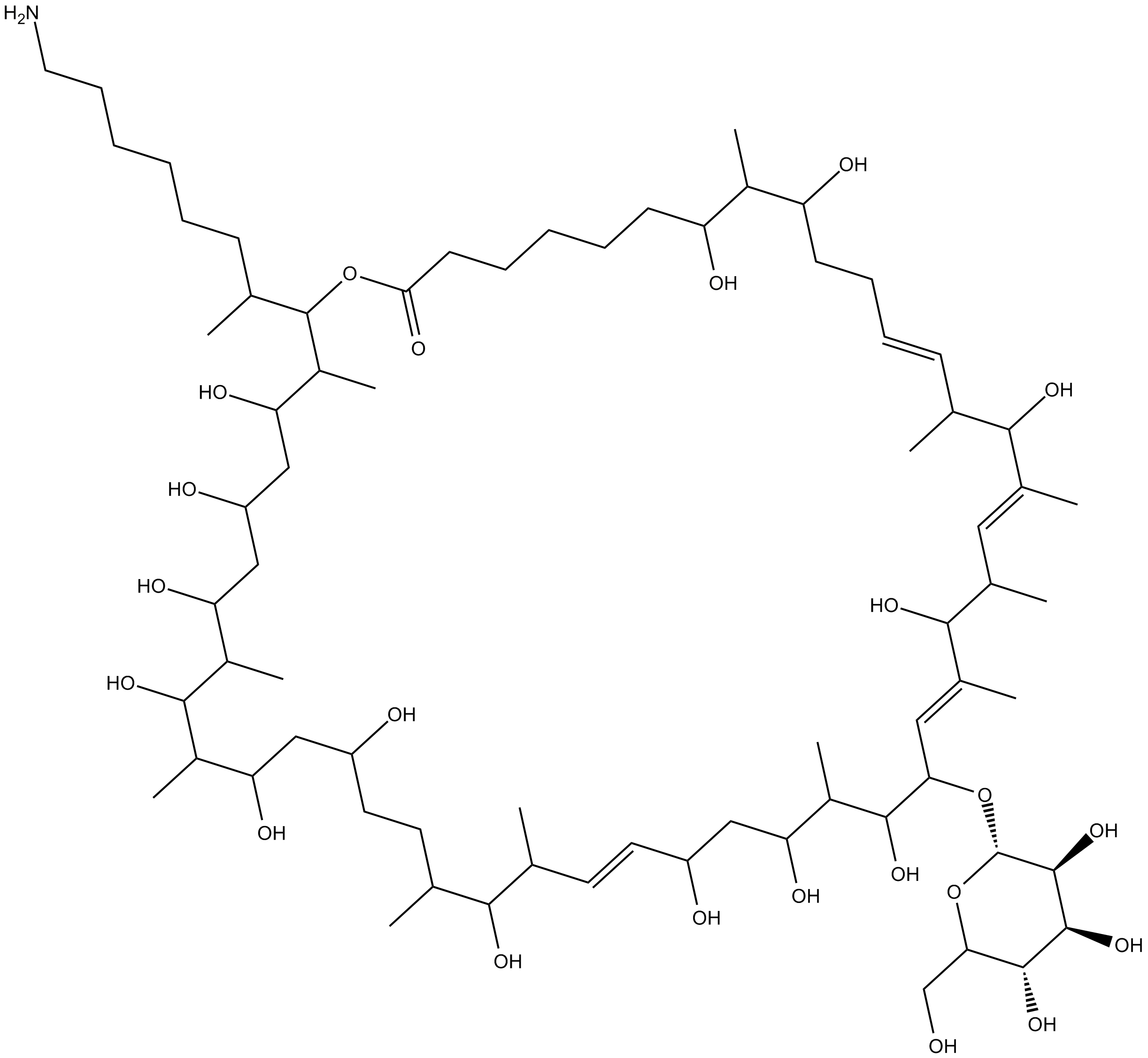 C4200 MonazomycinSummary: macrocyclic polyol lactone that is active against Gram-positive bacteria
 -
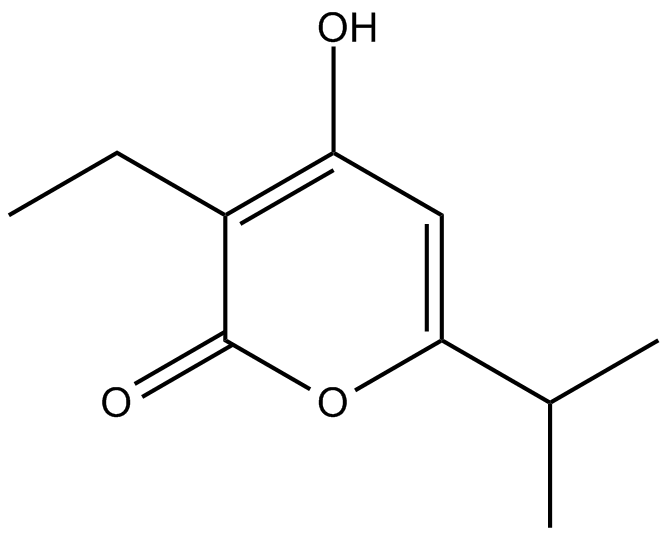 C4203 Germicidin BSummary: pyranone antibiotic
 -
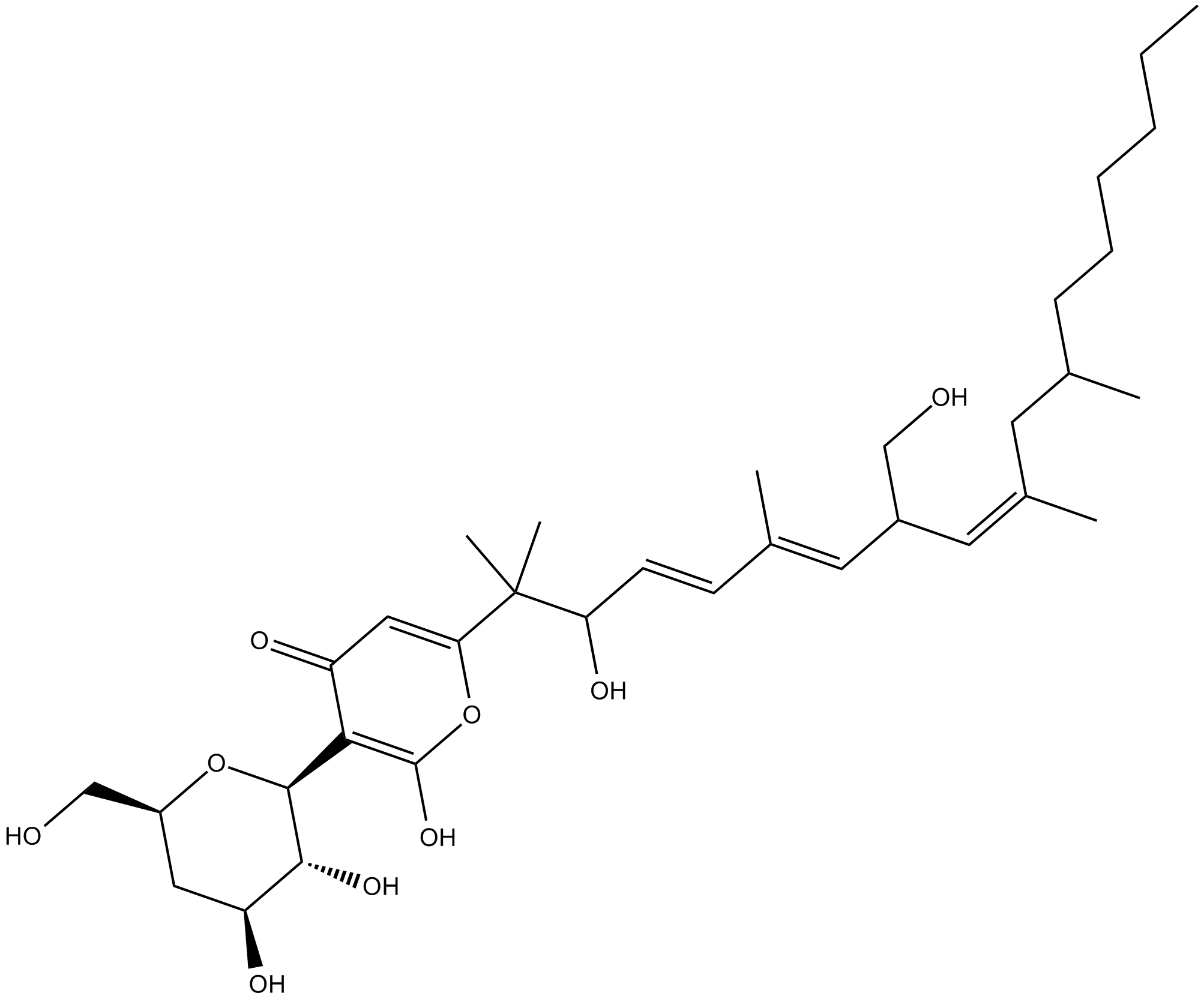 C4047 FusapyroneSummary: broad-spectrum antifungal metabolite
 -
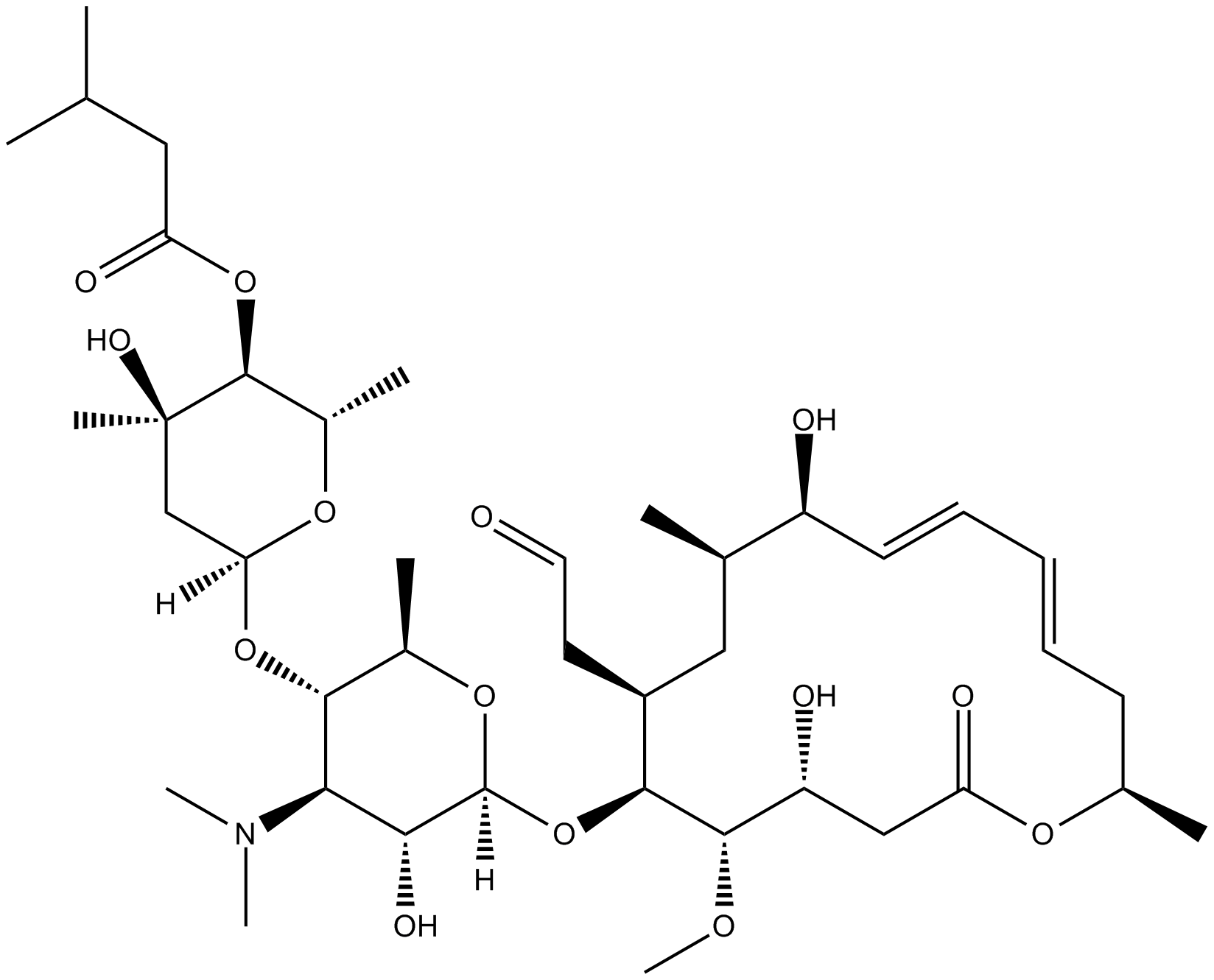 C4182 Leucomycin A1Summary: major metabolite of macrolide antibiotics
 -
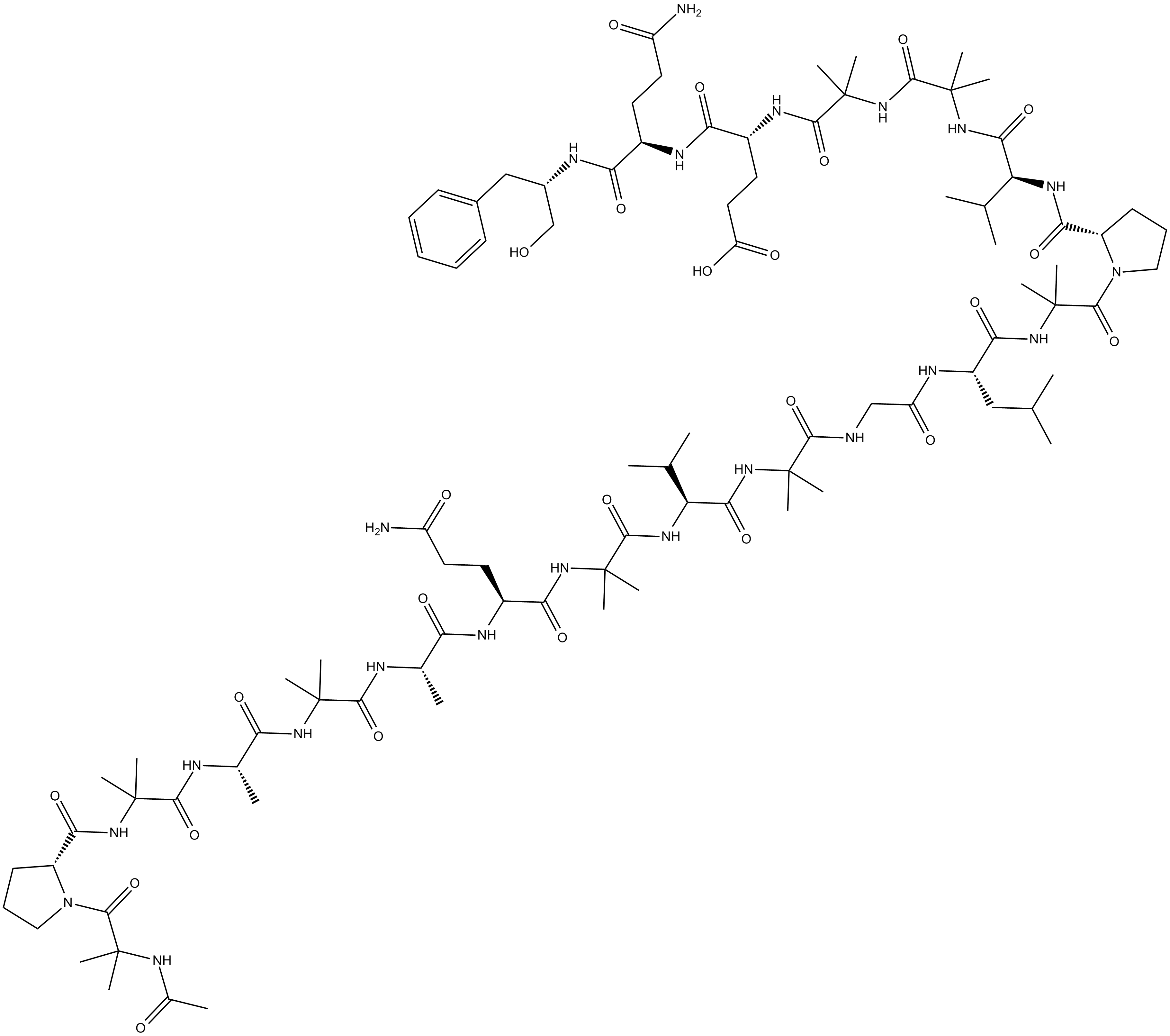 C4395 AlamethicinSummary: antibiotic peptide