


Angiogenesis
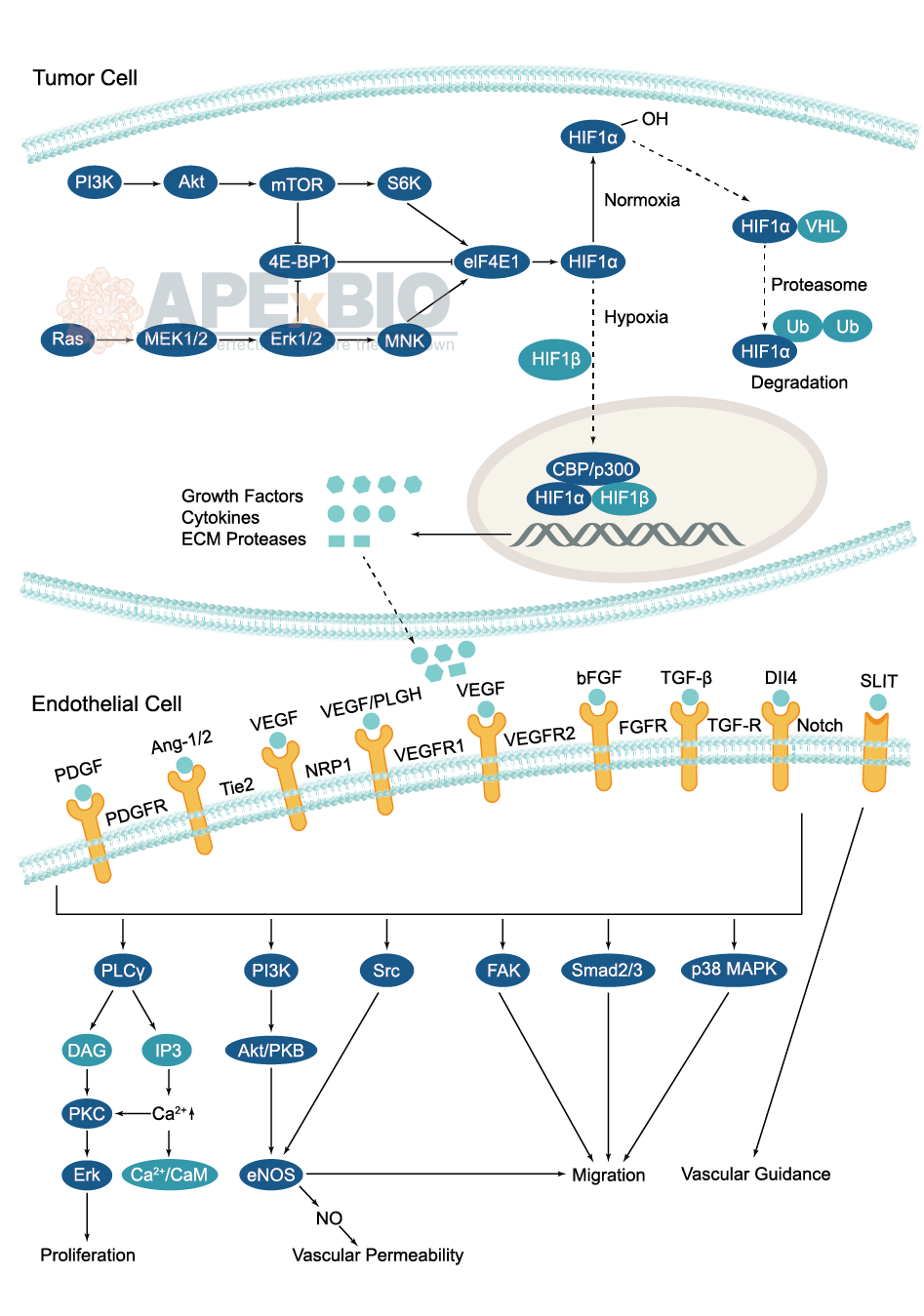
During tumor angiogenesis, cancer cells stimulate formation of new blood vessel for delivering oxygen and nutrients to a tumor. As the tumor grows, cells at the center of the mass become starved of oxygen, causing hypoxia. It stabilizes the expression of a transcription factor, HIF-1α (hypoxia inducible factor-1), which binds HIF-1β to upregulate the expression of several angiogenesis-promoting genes. Moreover, growth factor signaling also stimulates HIF-1 activity in order to maintain oxygen homeostasis for growing cells.
-
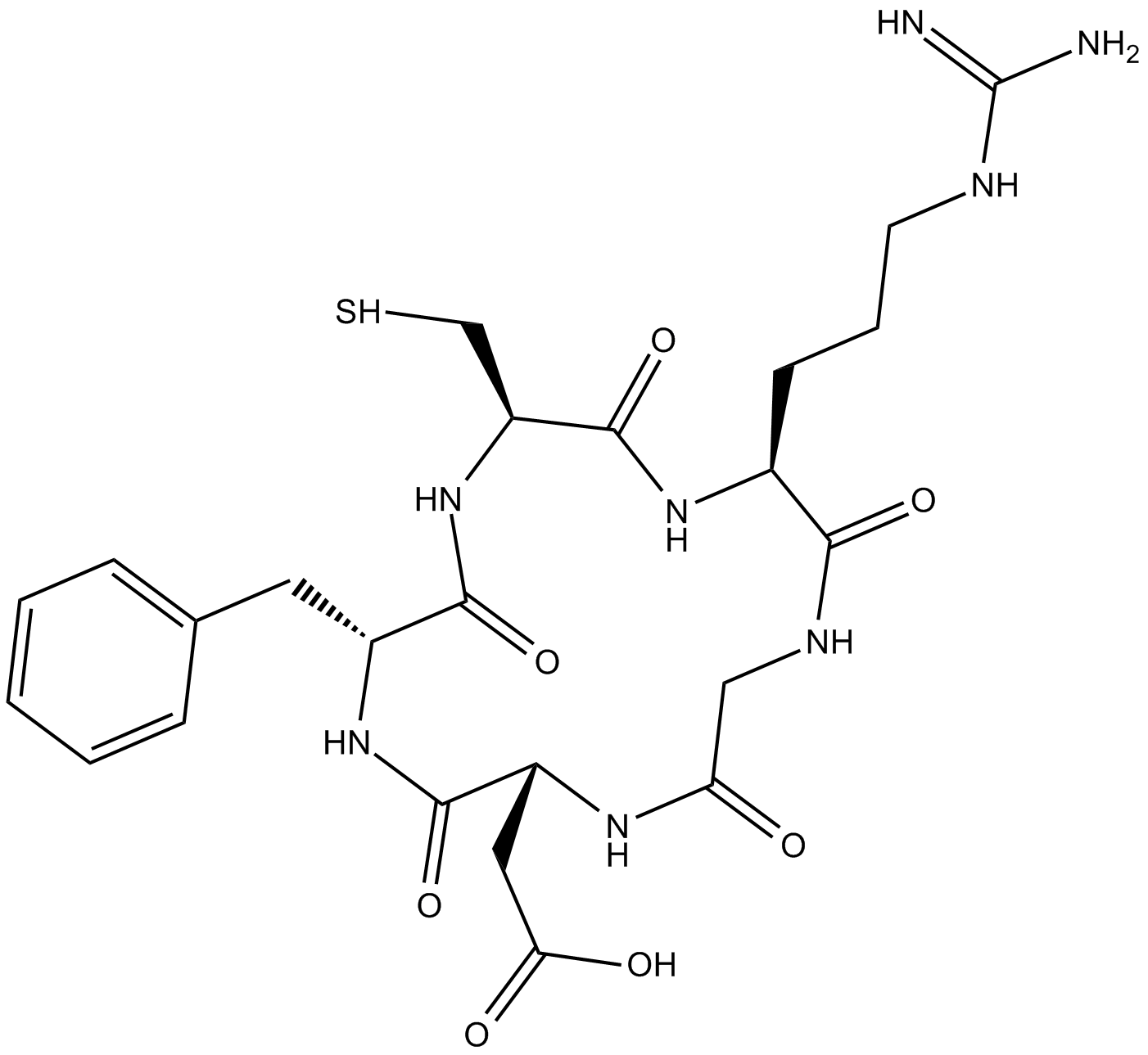 A8790 Cyclo (-RGDfC)2 CitationSummary: A cyclic RGD peptide with high affinity for alphavbeta3 that disrupts cell integrin interactions
-
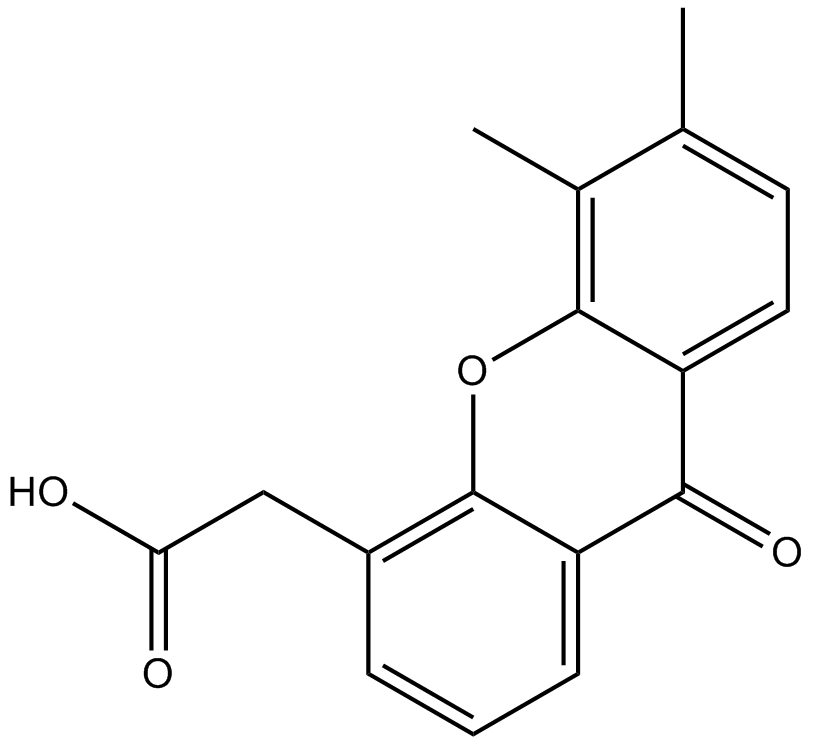 A8233 DMXAA (Vadimezan)7 CitationTarget: DT-diaphorasesSummary: Tumnor vascular disrupting agent, apoptosis inducer
-
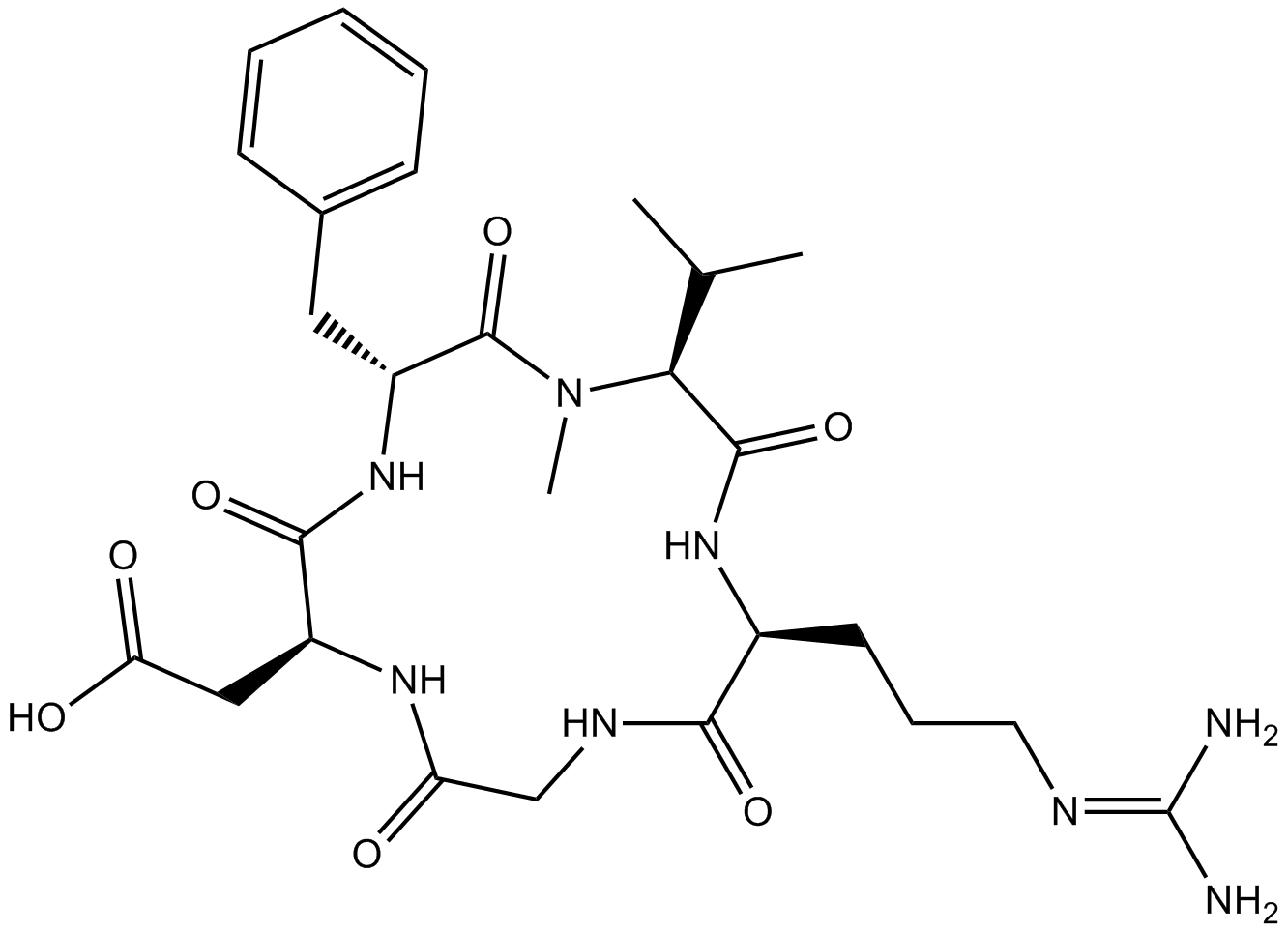 A8660 Cilengitide5 CitationTarget: IntegrinsSummary: Integrin inhibitor for αvβ3 and αvβ5
-
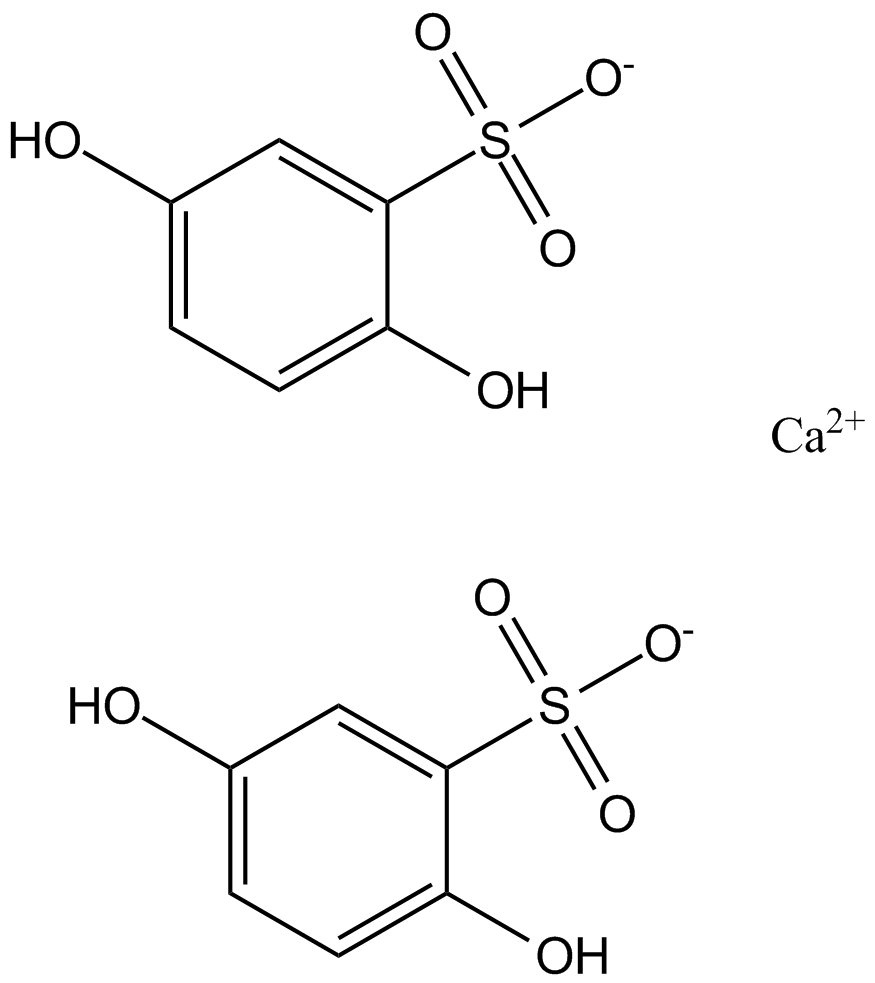 C6371 Calcium dobesilateSummary: A vascular protectant for diabetic retinopathy and chronic venous disease
-
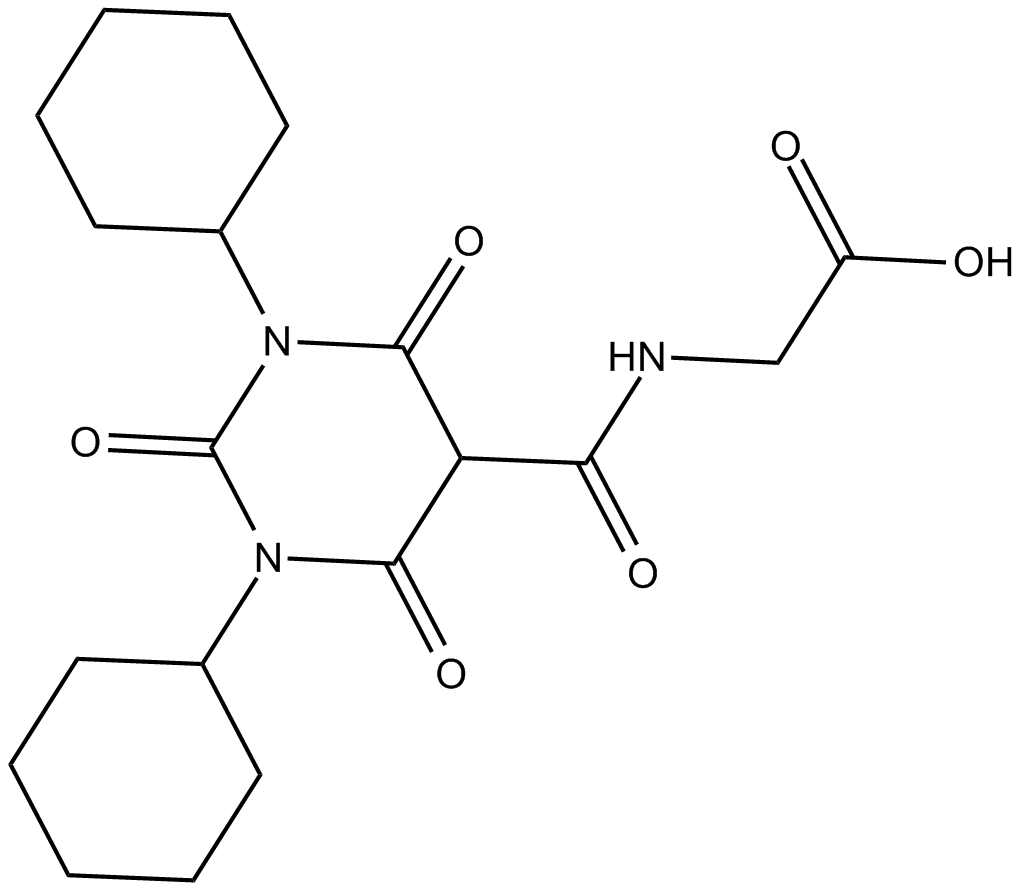 B6106 Daprodustat(GSK1278863)Summary: HIF-prolyl hydroxylase inhibitor
-
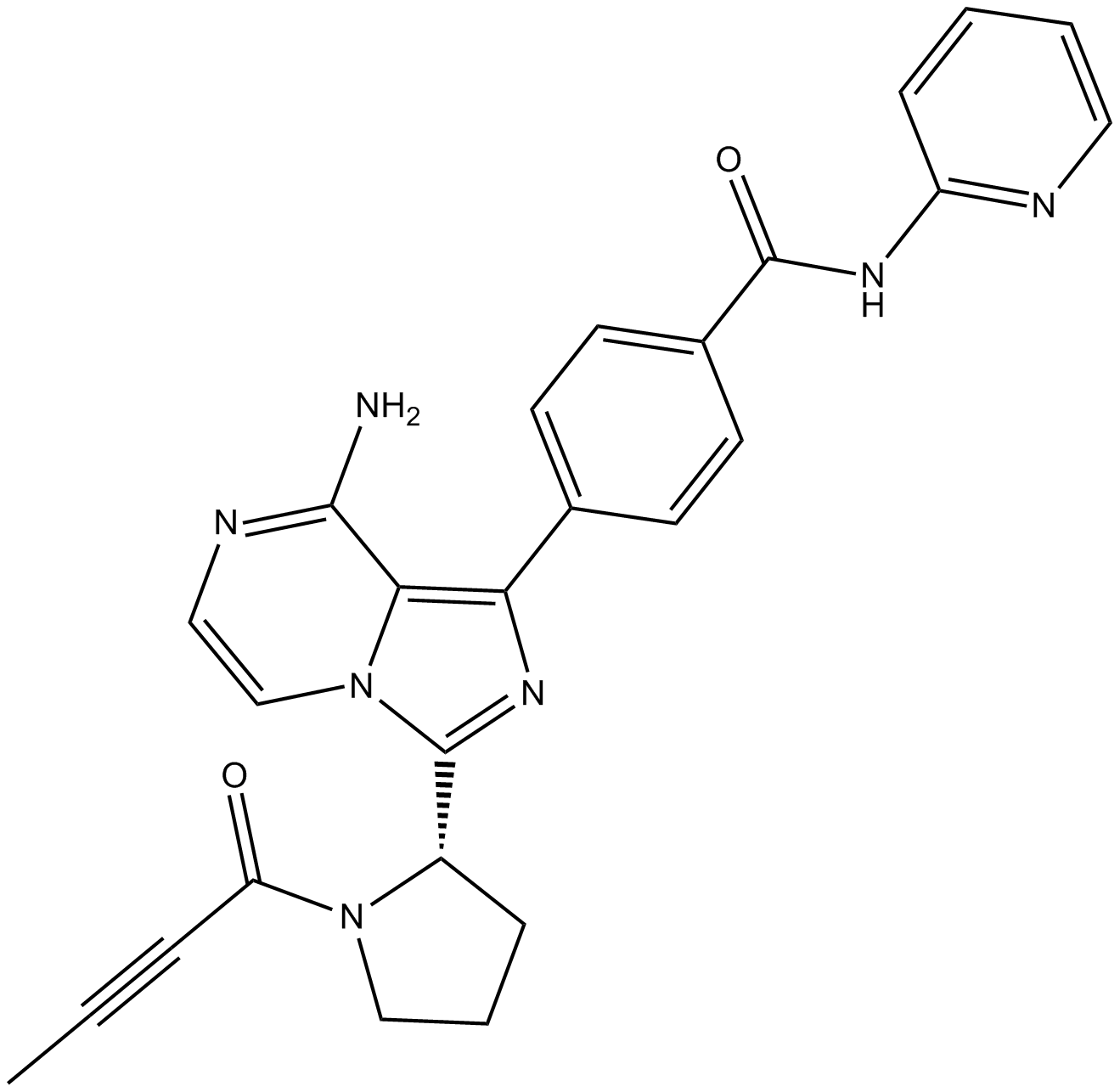 B6185 ACP-196Target: BTKSummary: irreversible BTK inhibitor
-
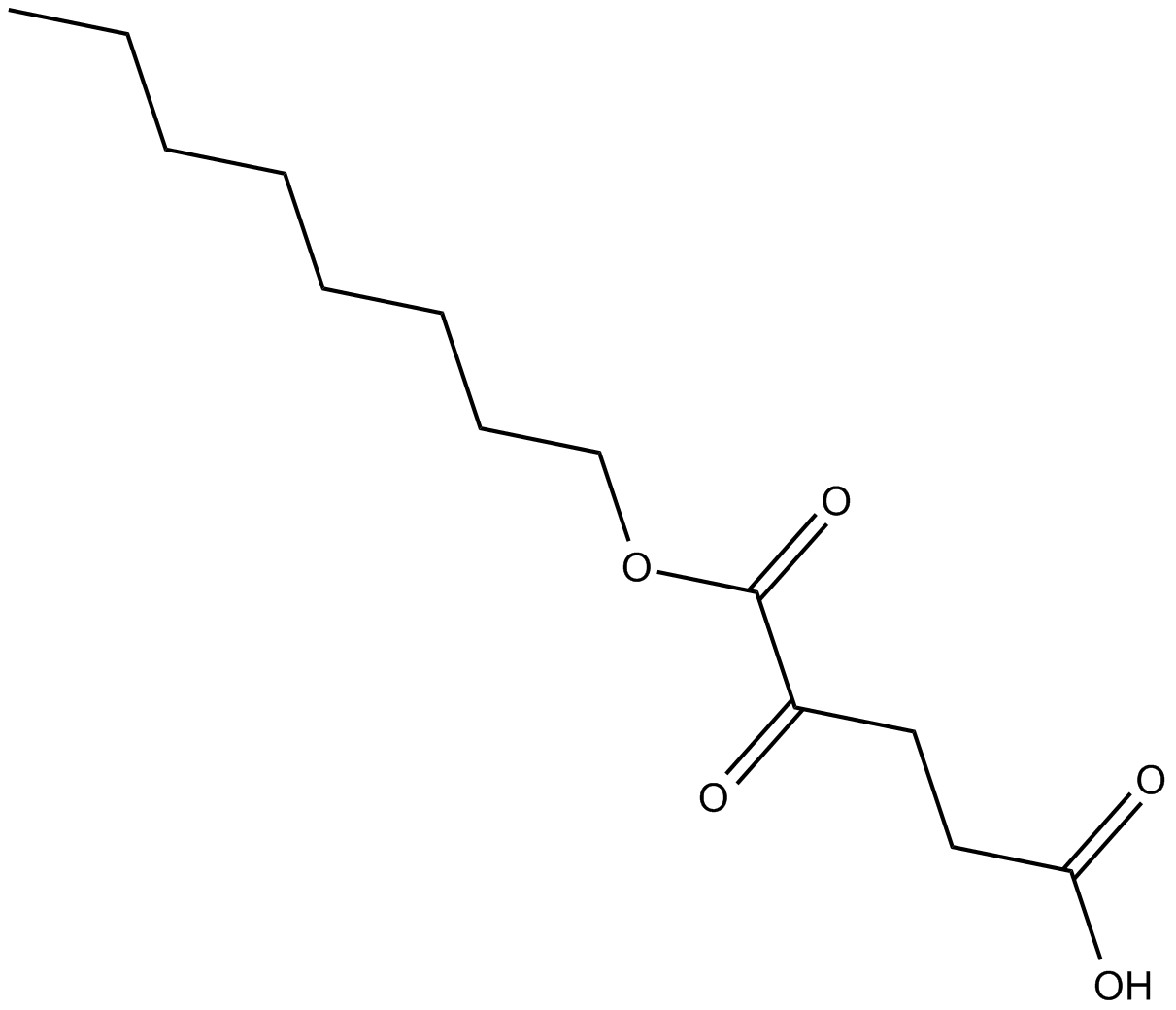 C4321 Octyl-α-ketoglutarateSummary: prolyl hydroxylases (PHD) activator
-
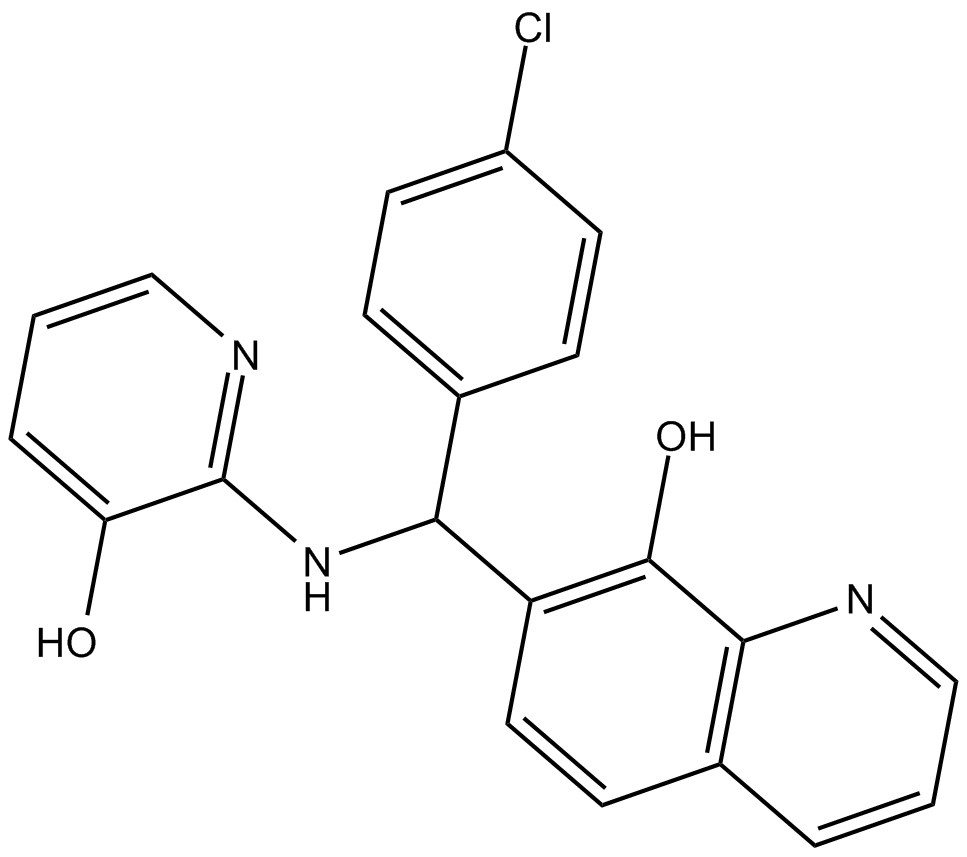 C4377 Adaptaquin1 CitationSummary: HIF-prolyl hydroxylase-2 (PHD2) inhibitor
-
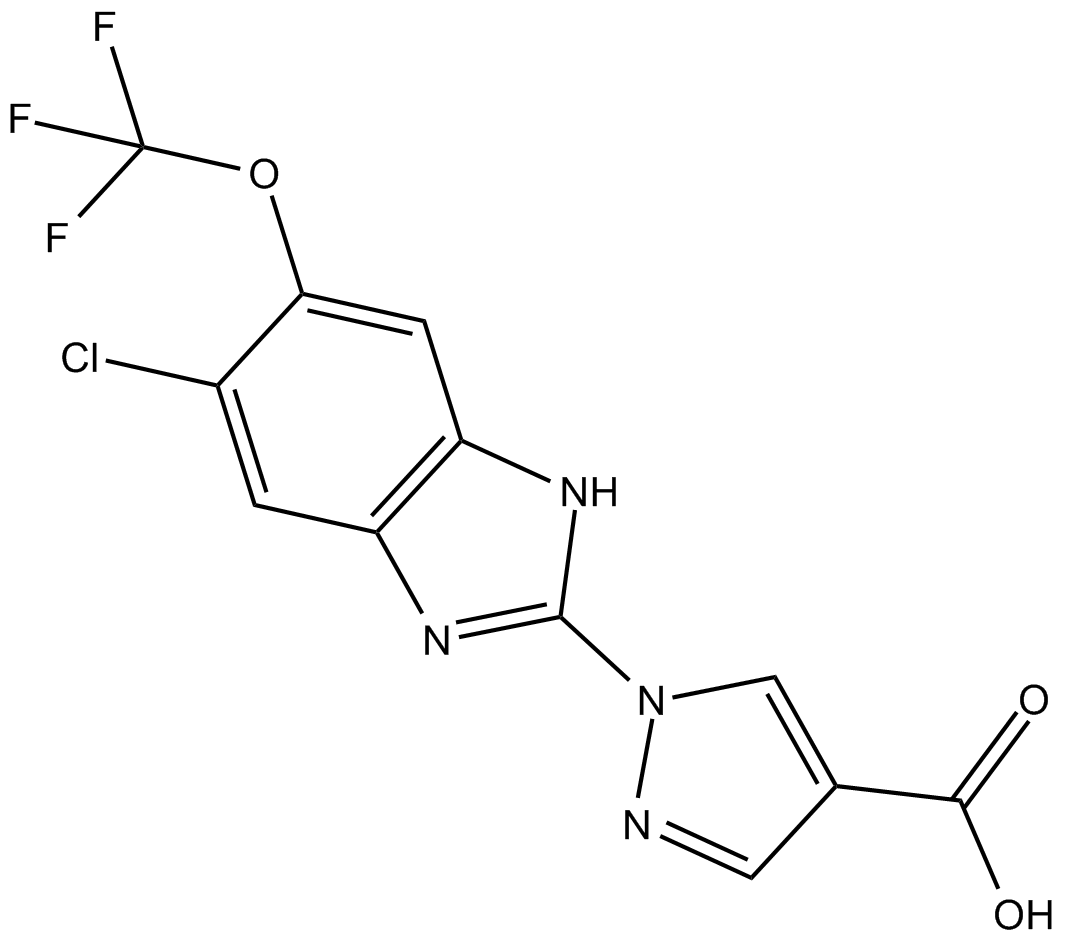 C4752 JNJ-42041935Summary: Hypoxia-inducible factor (HIF) prolyl hydroxylase (PHD) inhibitor
-
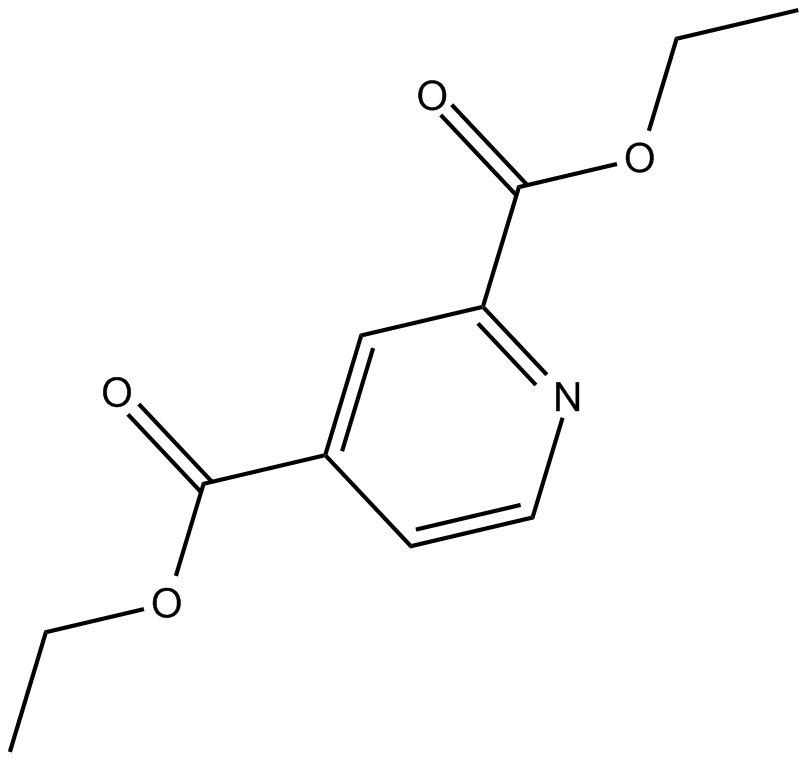 C4887 2,4-DPDSummary: cell permeable, competitive inhibitor of HIF-PH