


Neuroscience
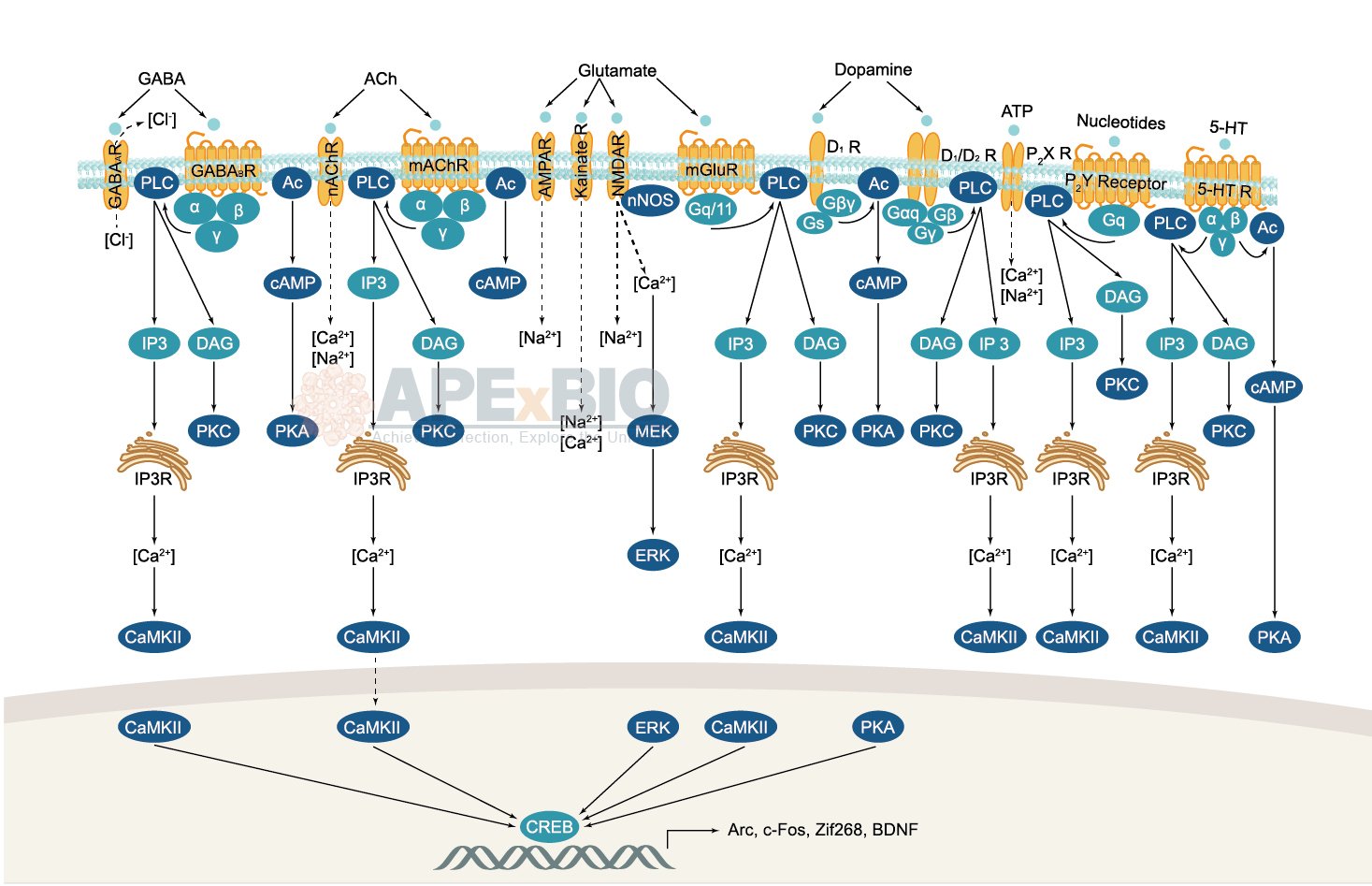
Neurons are the foundations of the sophisticated neural networks. Neurotransmitters such as dopamine, glutamate, and GABA, are crucial signaling molecules for the delivery of neuronal signals. Neurons synthesize/import neurotransmitters, and store them in presynaptic vesicles. A neuronal impulse is propagated by the vesicles released from presynaptic neurons.
Neurotransmitter receptors function via various G-protein coupled and G-protein independent mechanisms that activate downstream intracellular signaling pathways such as cAMP/PKA, PI3K/AKT, phospholipase A2, and phospholipase C pathways. For instance, dopamine receptors act through adenylate cyclase to activate PKA and other signaling molecules, thereby mediate gene expression through the actions of CREB and other transcription factors. Other neurotransmitters such as NMDAR or AMPAR are associated with ion channels that control flux of Ca2+ and Na+, thus propagating the action potential across the post-synaptic neuron.
Dysfunctions in GABAergic/glutamatergic/serotonergic/dopaminergic pathways result in a broad range of neurological disorders such as chronic pain, neurodegenerative diseases, and insomnia, as well as mental disorders including schizophrenia, bipolar disorder, depression, and addiction.
-
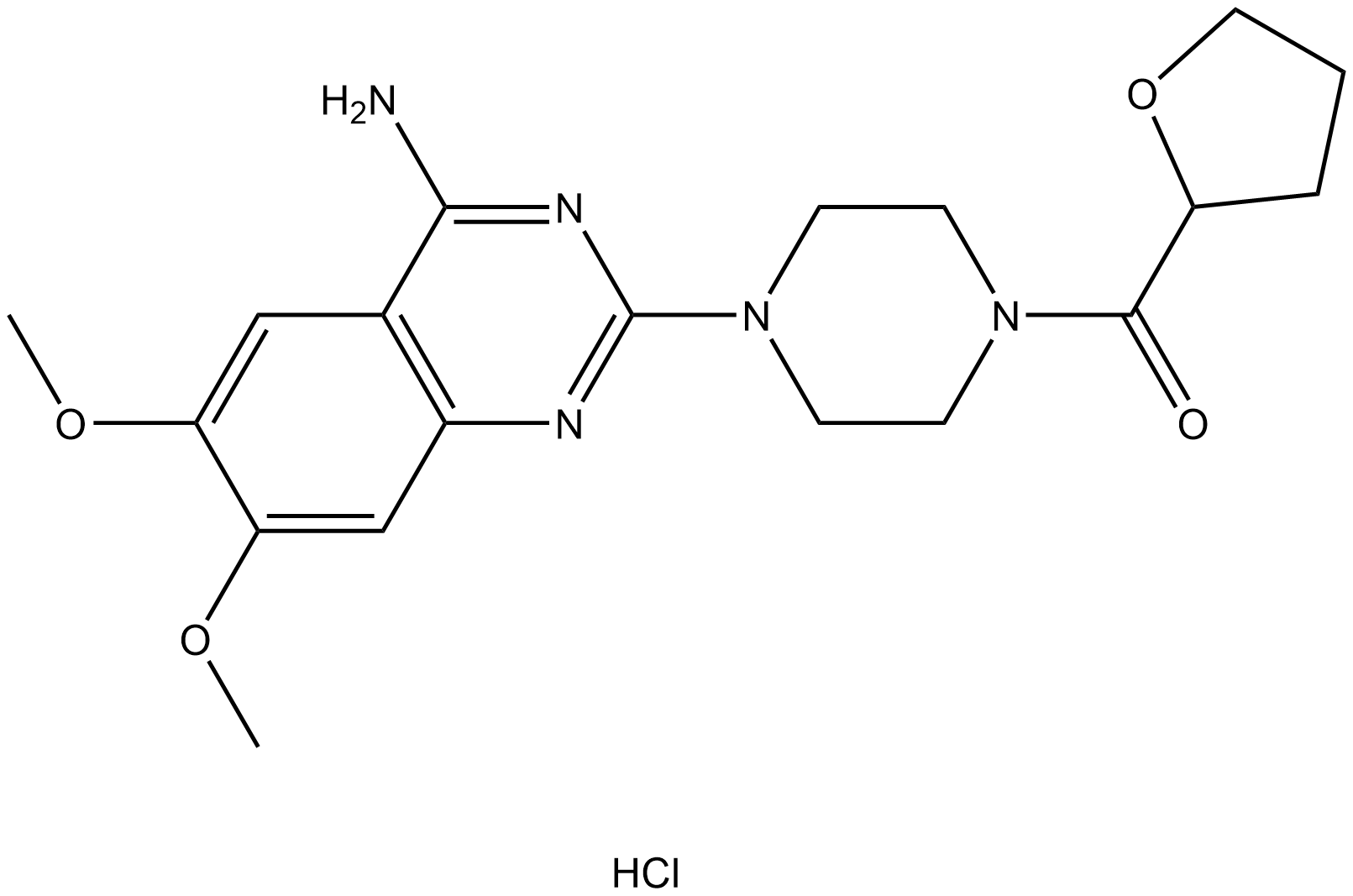 C9121 Terazosin HClSummary: A highly selective α1 adrenergic receptor antagonist for in vitro and in vivo receptor pharmacology and smooth muscle research.
 -
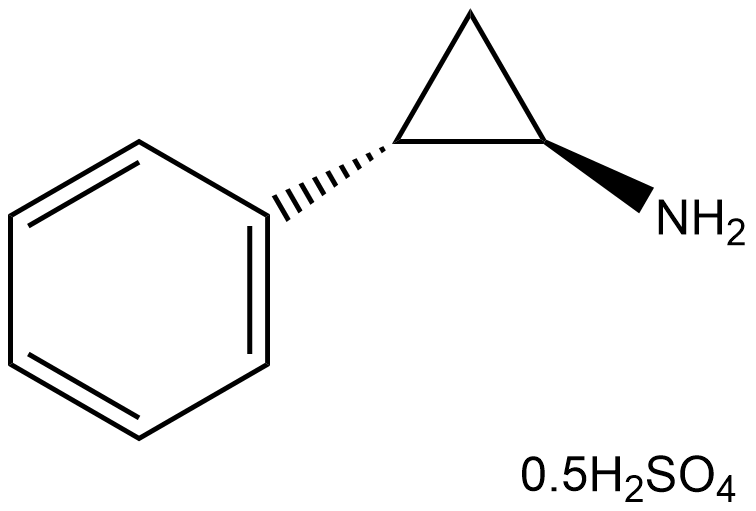 C9088 Tranylcypromine SulfateSummary: An irreversible dual MAO and LSD1 inhibitor for experimental research in cell and animal models.
 -
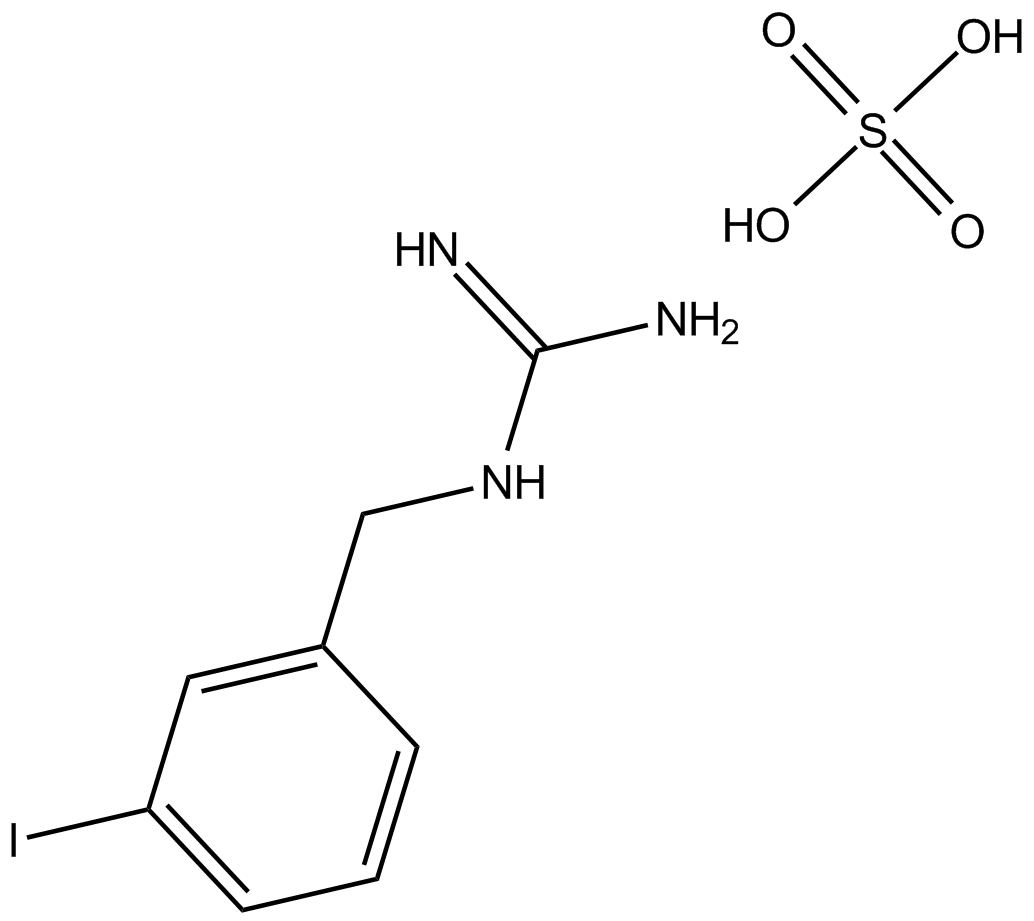 C5256 m-Iodobenzylguanidine (hemisulfate)Summary: A synthetic norepinephrine analog with selective tumor accumulation and cell growth inhibitory activity.
 -
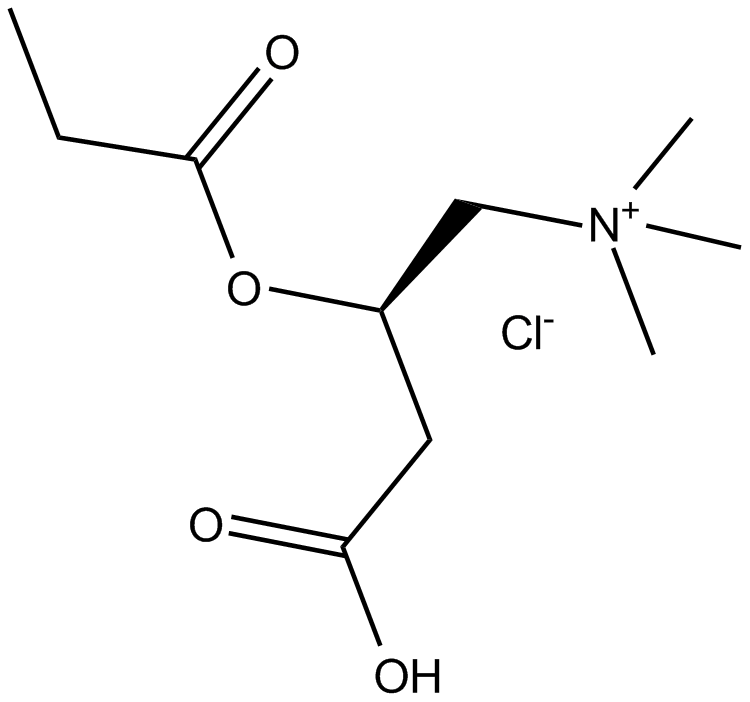 C4661 L-Propionylcarnitine (chloride)Summary: A carnitine derivative that modulates prostaglandin release and reduces reactive oxygen species generation.
 -
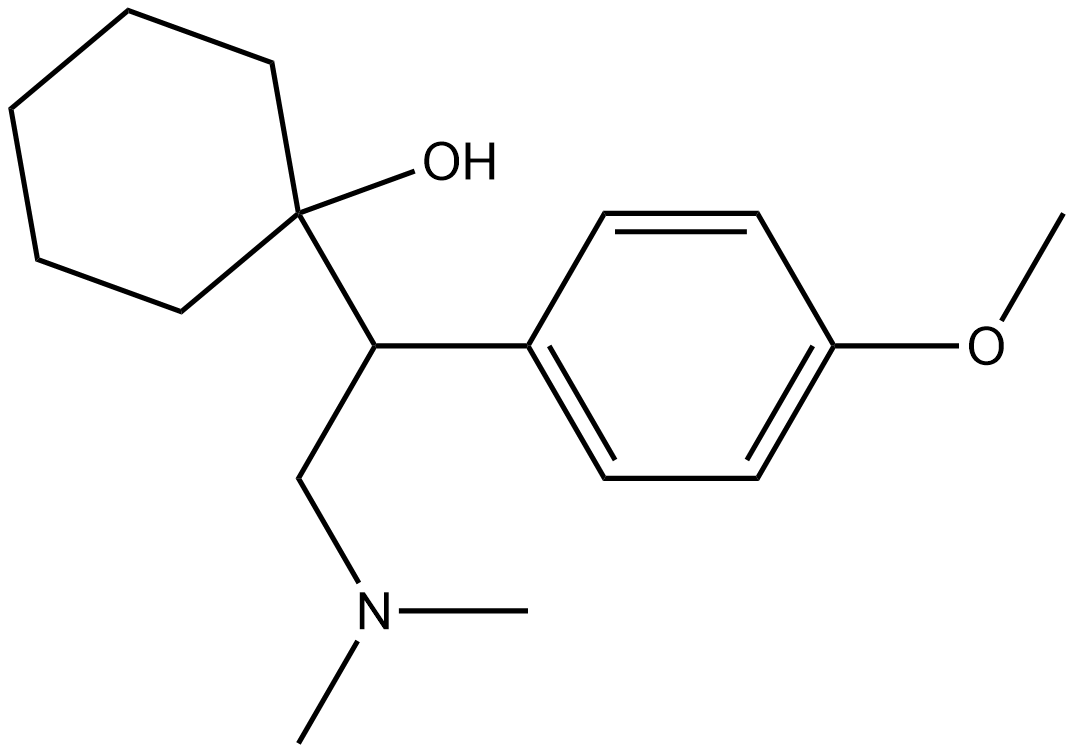 BA8546 VenlafaxineSummary: An arylalkanolamine serotonin-norepinephrine reuptake inhibitor (SNRI).
 -
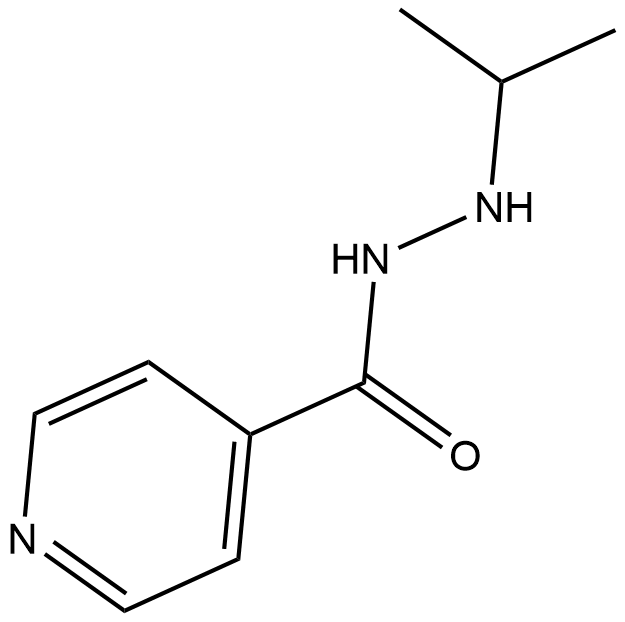 BA8500 IproniazidSummary: An orally active, nonselective irreversible monoamine oxidase (MAO) inhibitor.
 -
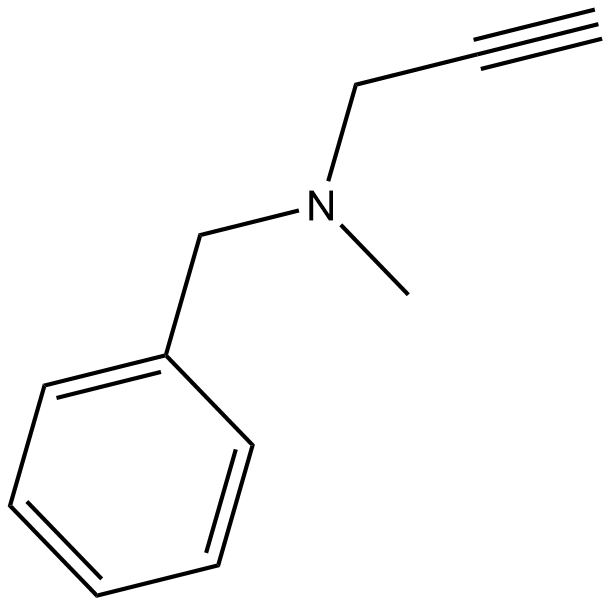 BA8498 PargylineSummary: A selective irreversible monoamine oxidase B (MAO-B) inhibitor.
 -
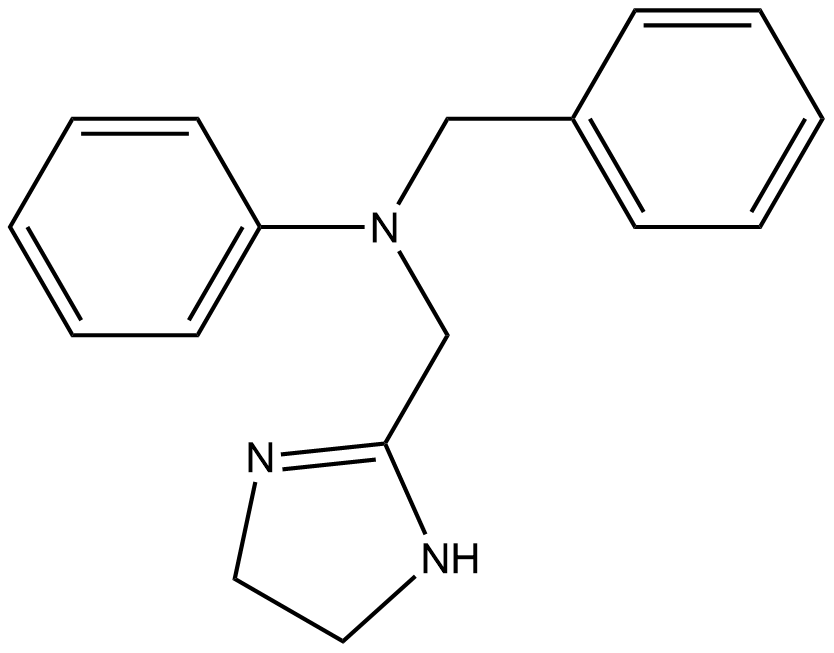 BA5430 AntazolineSummary: A histamine H1 receptor antagonist with anticholinergic and antiviral activities.
 -
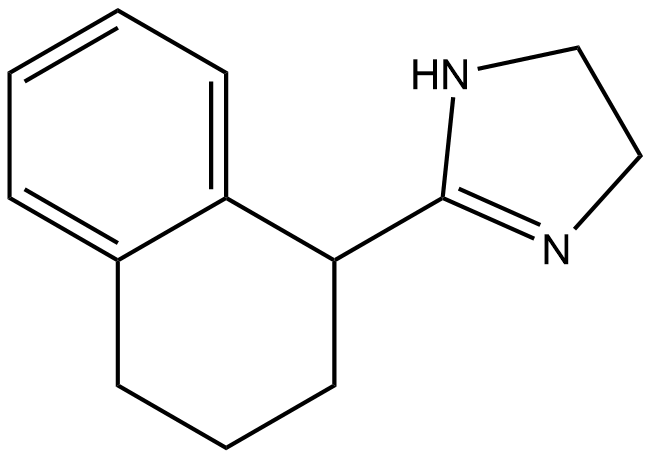 BA5175 TetrahydrozolineSummary: An imidazoline derivative α-adrenergic receptor agonist with vasoconstrictive activity.
 -
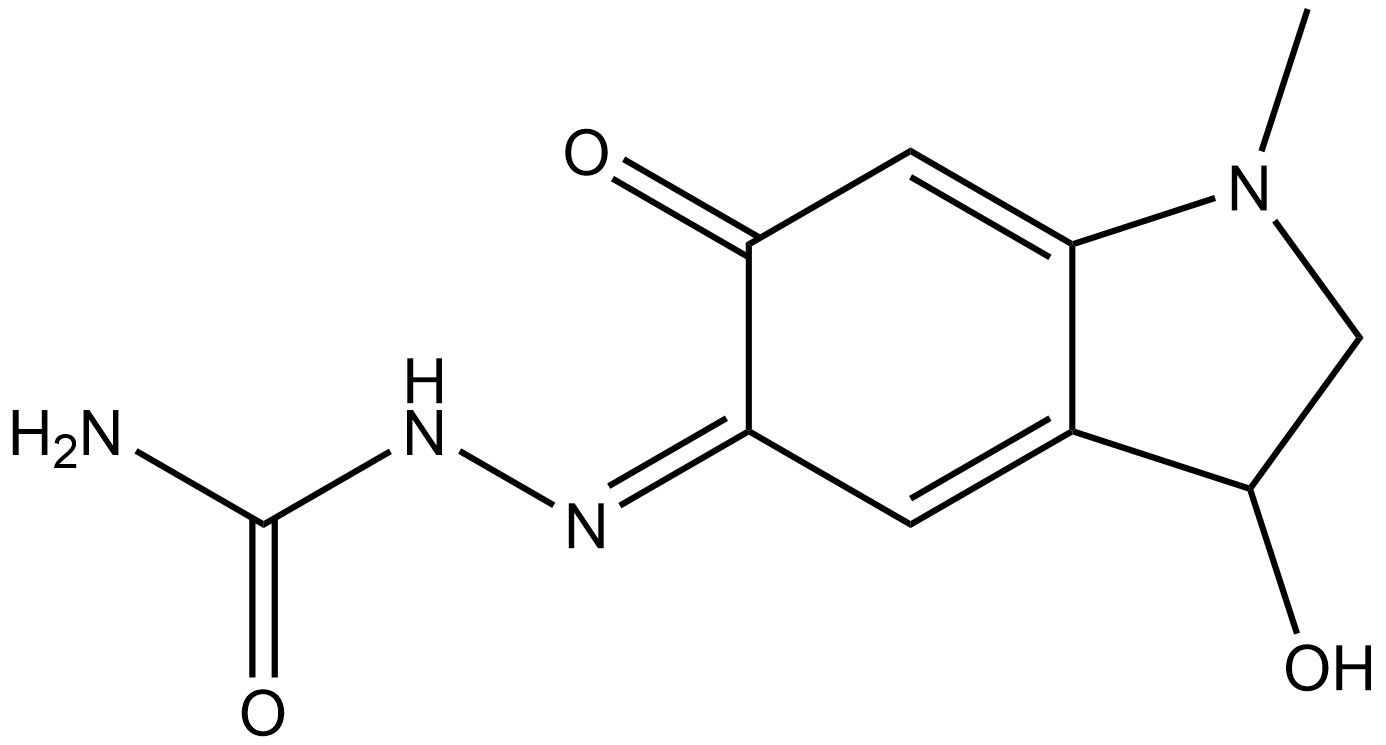 BA5136 CarbazochromeSummary: An antihemorrhagic agent for hemostasis research that promotes platelet aggregation and adhesion.