


Neuroscience
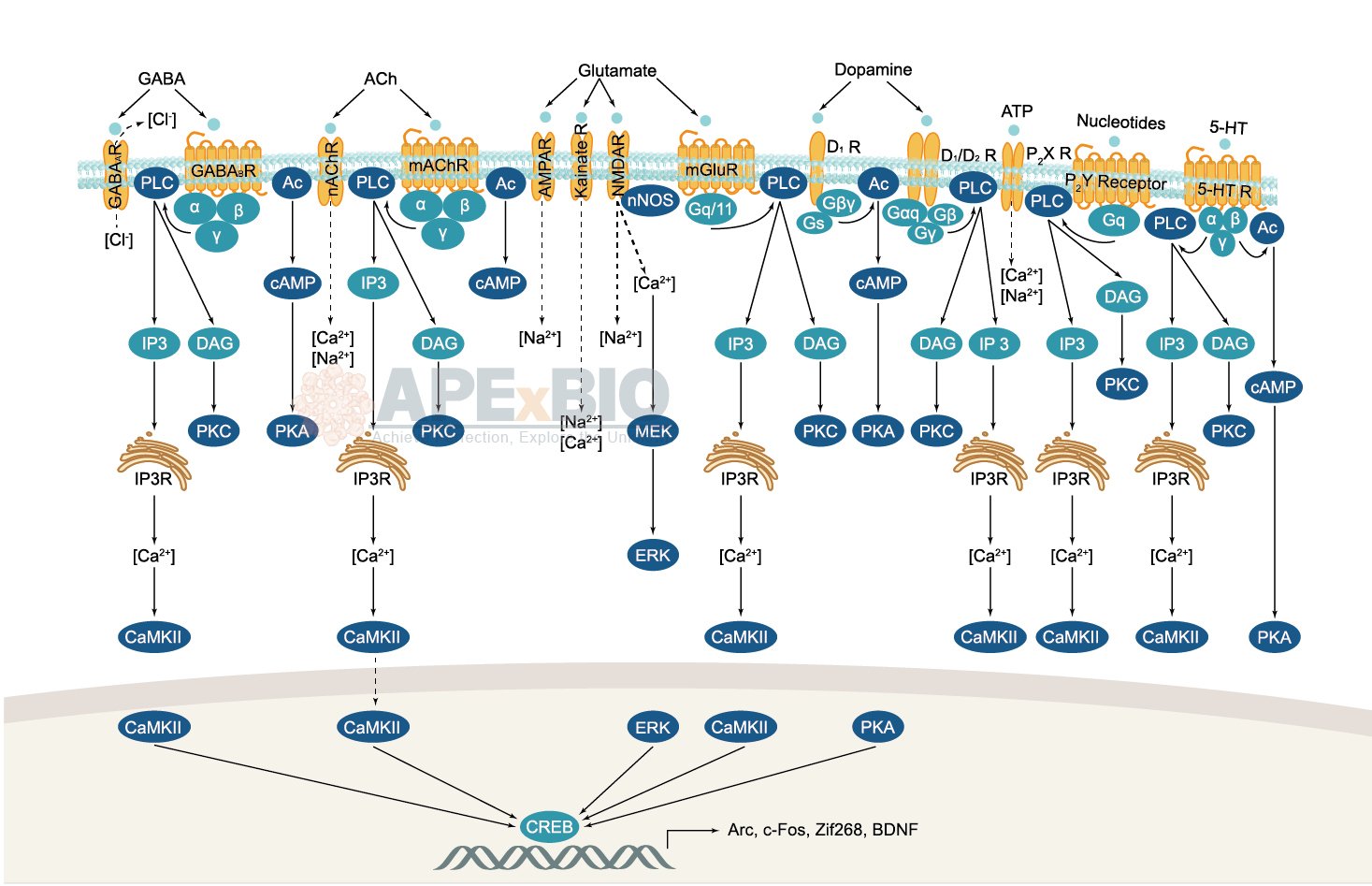
Neurons are the foundations of the sophisticated neural networks. Neurotransmitters such as dopamine, glutamate, and GABA, are crucial signaling molecules for the delivery of neuronal signals. Neurons synthesize/import neurotransmitters, and store them in presynaptic vesicles. A neuronal impulse is propagated by the vesicles released from presynaptic neurons.
Neurotransmitter receptors function via various G-protein coupled and G-protein independent mechanisms that activate downstream intracellular signaling pathways such as cAMP/PKA, PI3K/AKT, phospholipase A2, and phospholipase C pathways. For instance, dopamine receptors act through adenylate cyclase to activate PKA and other signaling molecules, thereby mediate gene expression through the actions of CREB and other transcription factors. Other neurotransmitters such as NMDAR or AMPAR are associated with ion channels that control flux of Ca2+ and Na+, thus propagating the action potential across the post-synaptic neuron.
Dysfunctions in GABAergic/glutamatergic/serotonergic/dopaminergic pathways result in a broad range of neurological disorders such as chronic pain, neurodegenerative diseases, and insomnia, as well as mental disorders including schizophrenia, bipolar disorder, depression, and addiction.
-
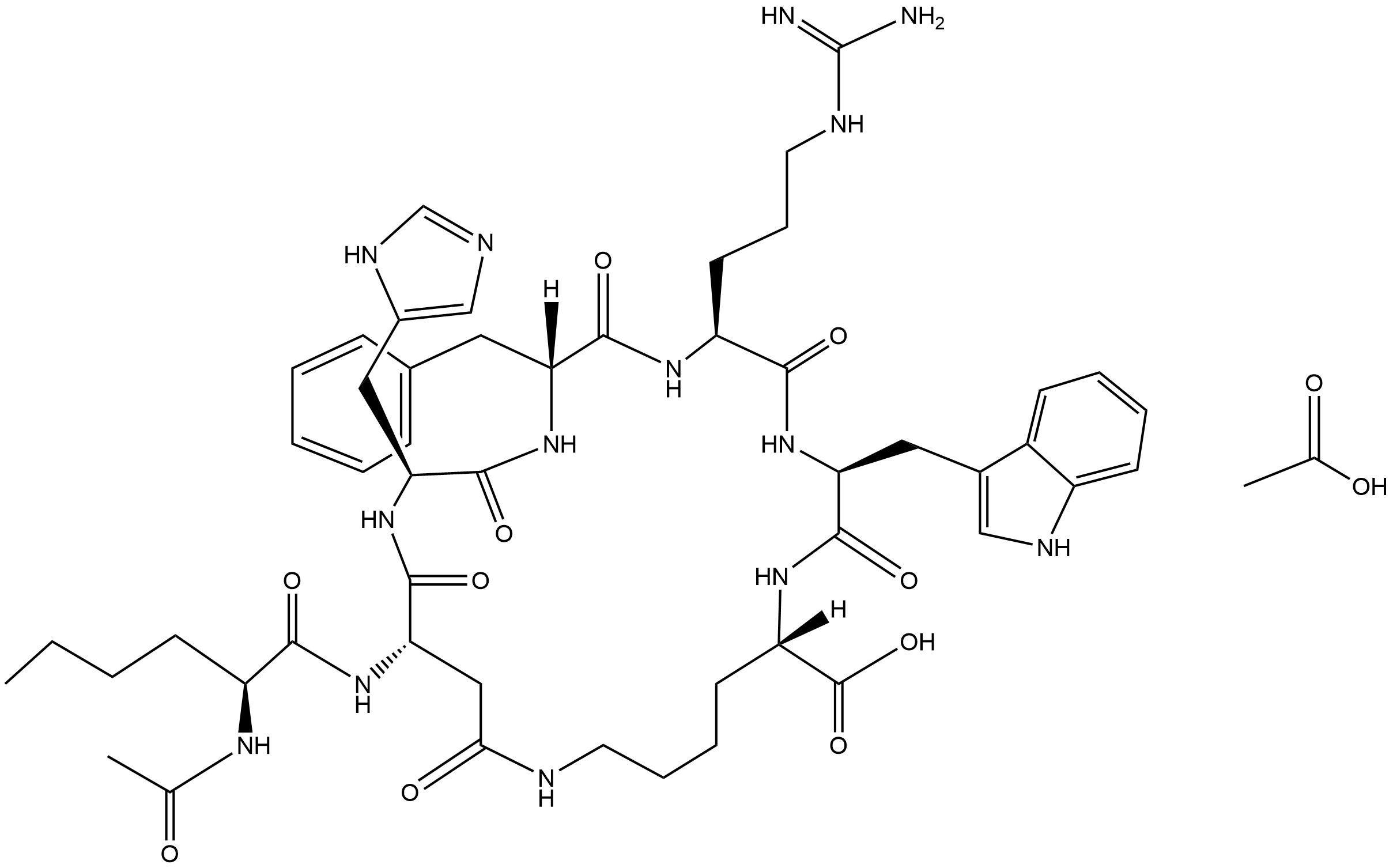 C8973 Bremelanotide AcetateSummary: Bremelanotide Acetate is a synthetic melanocortin receptor agonist targeting MC3R and MC4R, widely utilized in neuroendocrine signaling and receptor pharmacology research.
 -
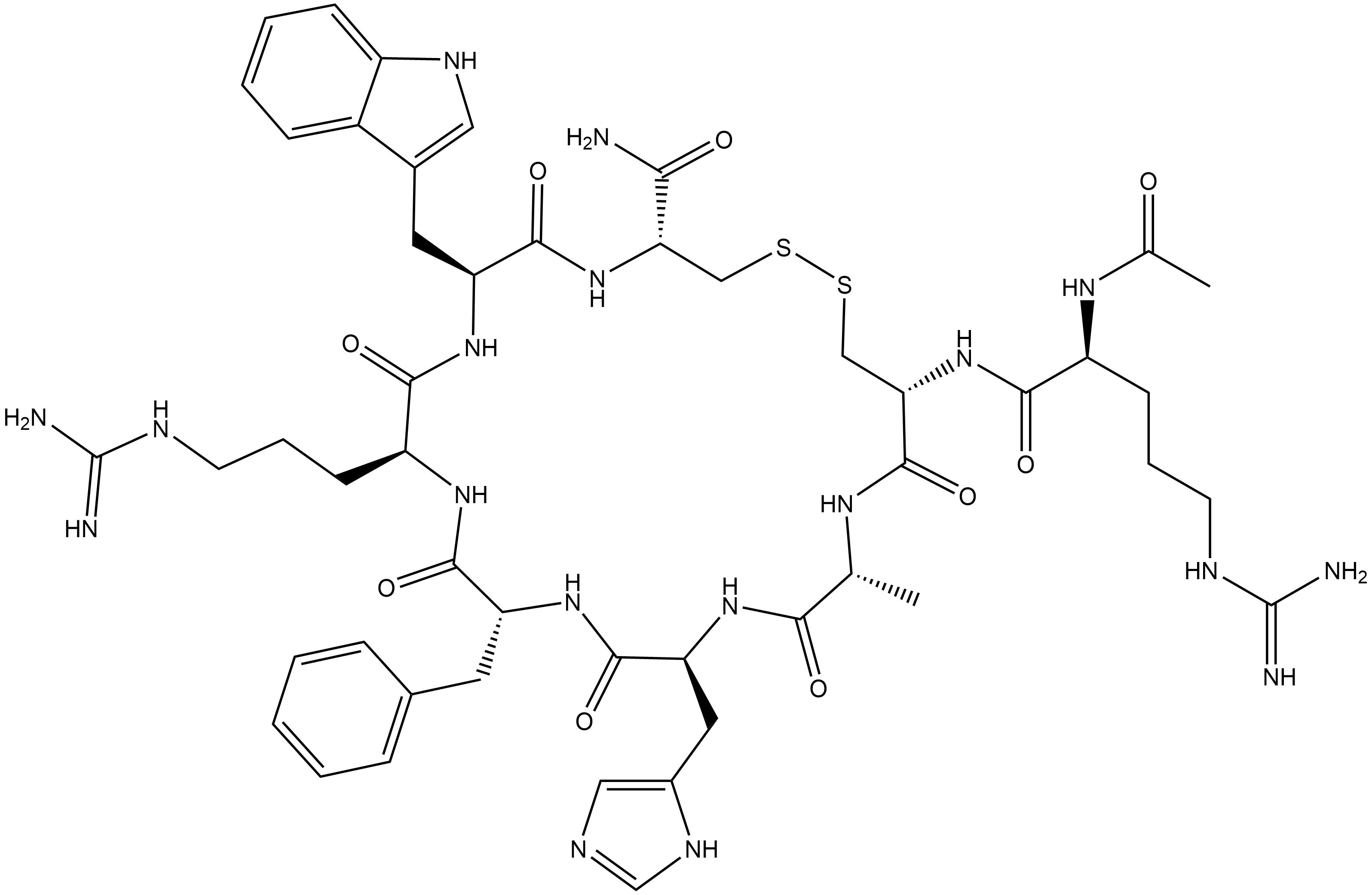 C8966 Setmelanotide (RM-493)Summary: Setmelanotide (RM-493) is a selective melanocortin-4 receptor agonist used to investigate melanocortin signaling pathways in metabolic and neuroendocrine research.
 -
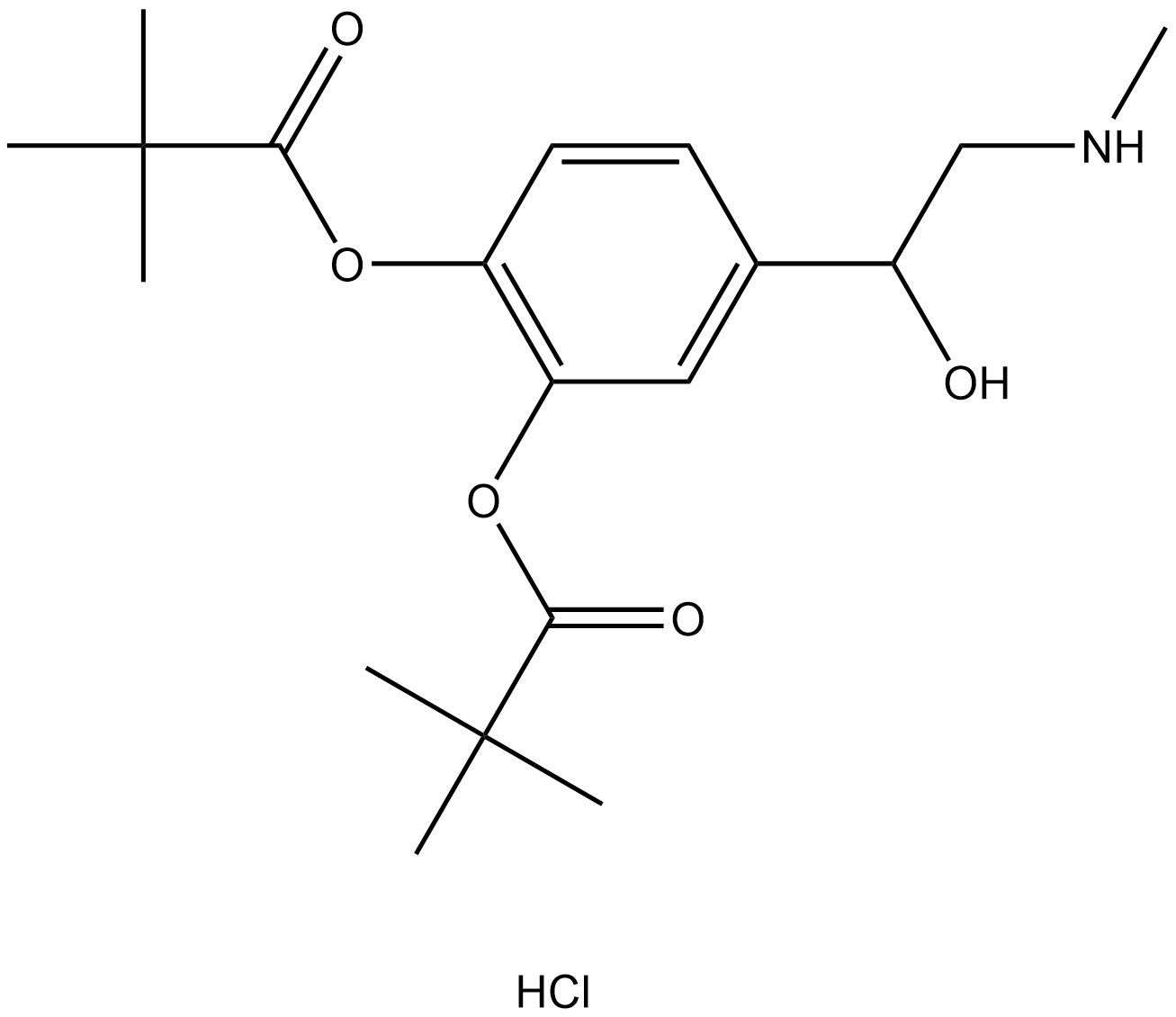 C8961 Dipivefrin HydrochlorideSummary: Dipivefrin Hydrochloride is an adrenergic prodrug and nonselective alpha/beta receptor agonist used to investigate catecholaminergic signaling in ophthalmic pharmacology and receptor biology research.
 -
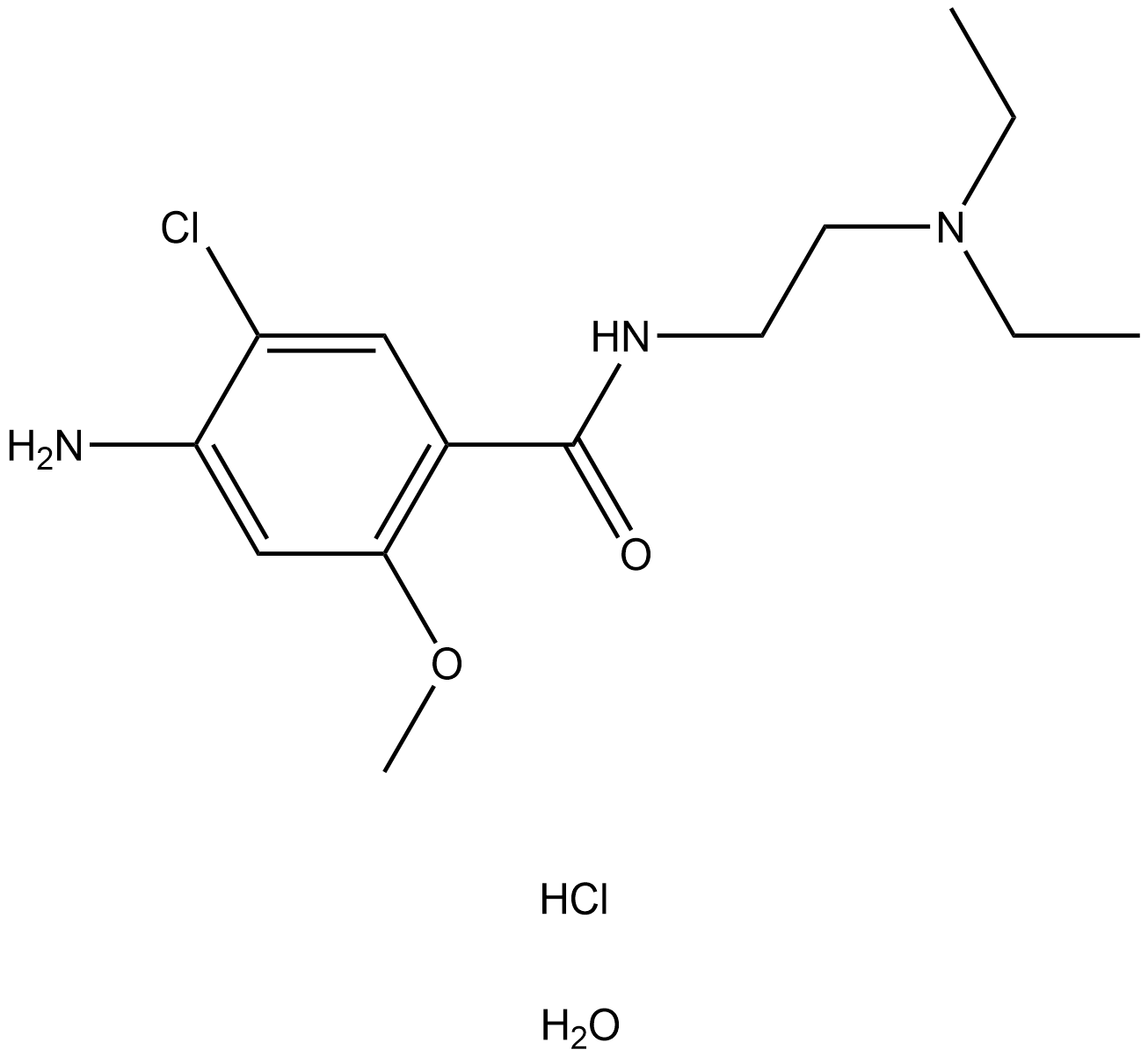 C8952 Metoclopramide hydrochloride hydrateSummary: Metoclopramide hydrochloride hydrate is a dopamine D2 receptor antagonist and serotonergic modulator used as a pharmacological tool in neuropharmacology and gastrointestinal motility research.
 -
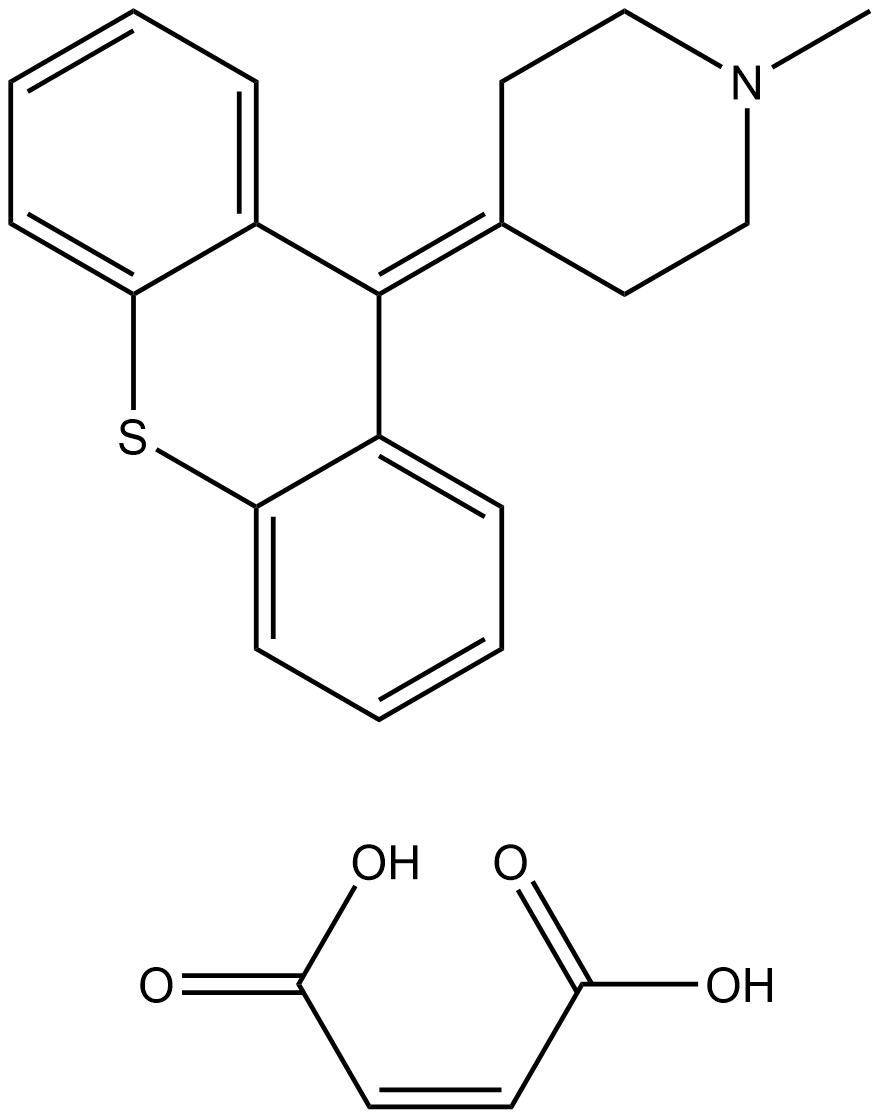 C8941 Pimethixene maleateSummary: Pimethixene maleate is a phenothiazine derivative with antihistaminic and anticholinergic activity, widely utilized as a reference compound in neuropharmacology and receptor-signaling research.
 -
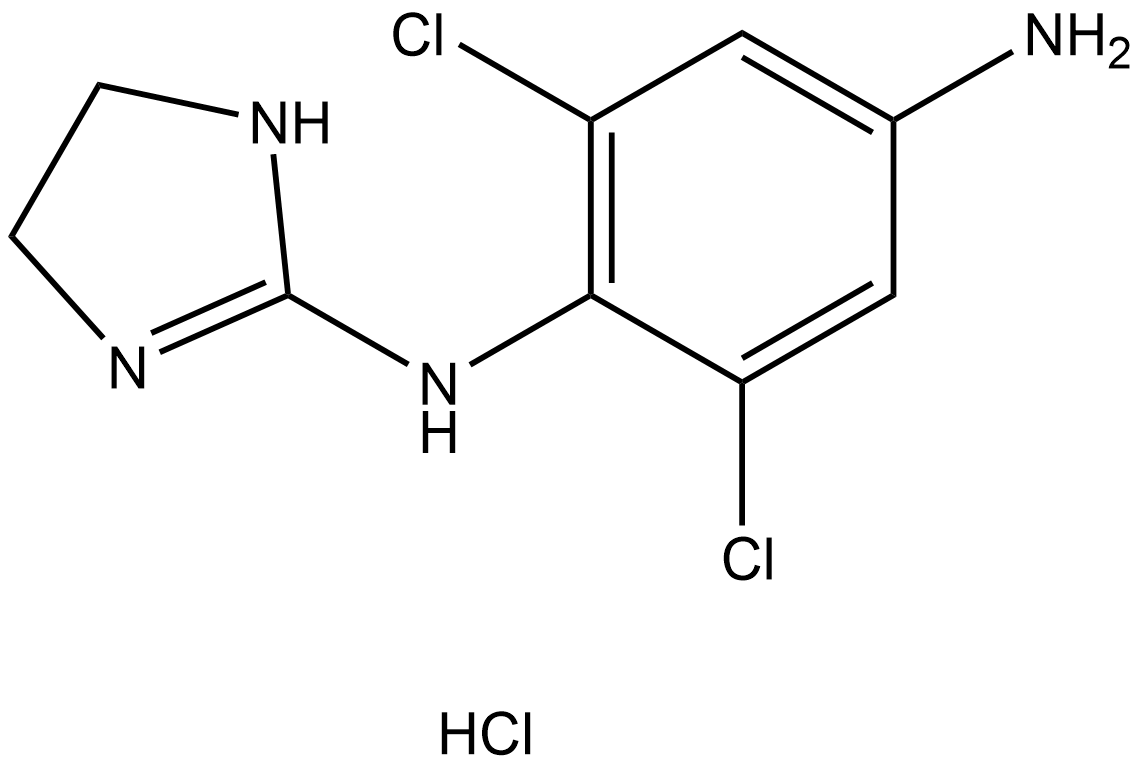 C8930 Apraclonidine HClSummary: Apraclonidine HCl is a selective α2-adrenergic receptor agonist used to investigate adrenergic signaling pathways in neuropharmacology and ocular physiology research.
 -
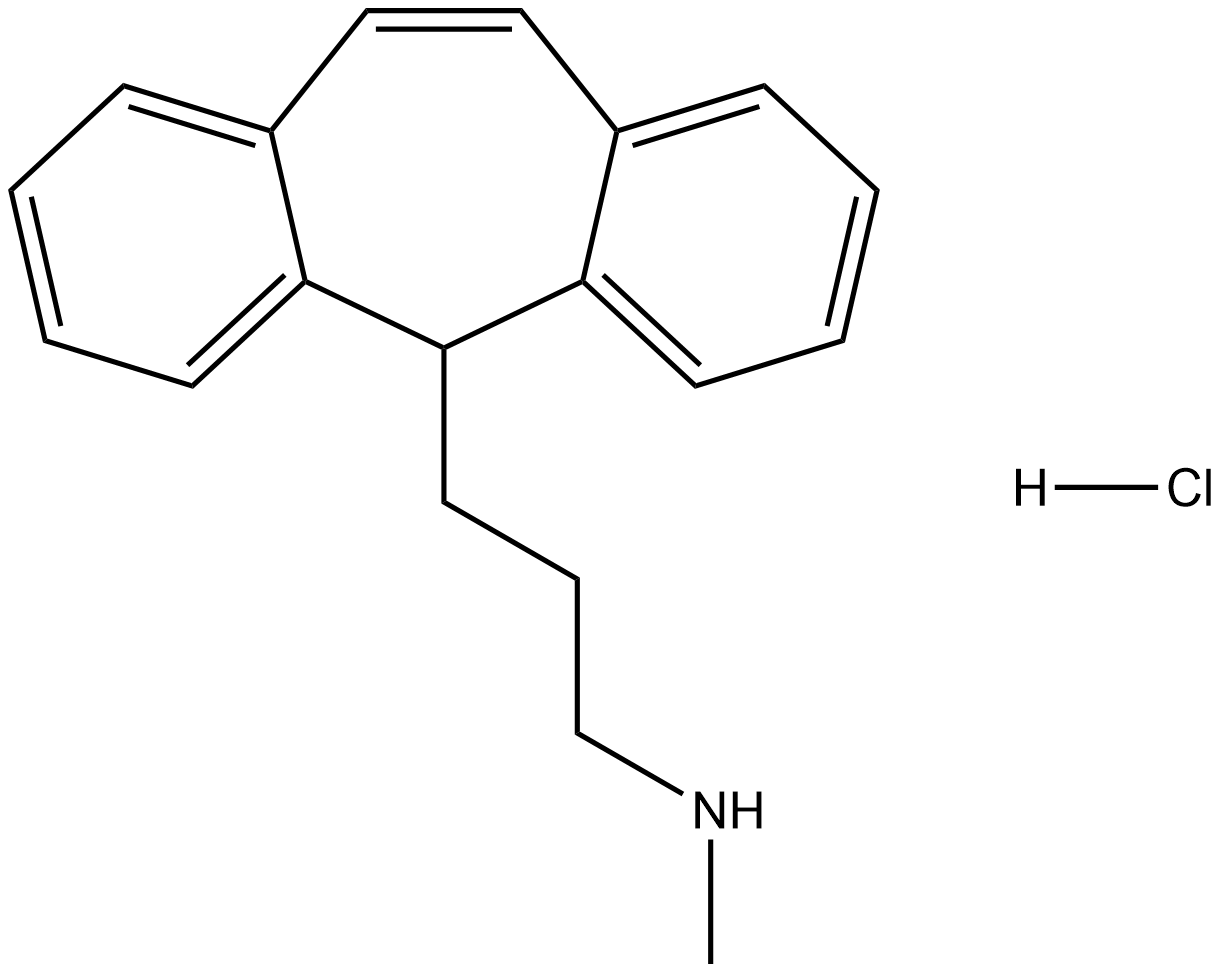 C8929 Protriptyline hydrochlorideSummary: Protriptyline hydrochloride is a tricyclic amine that modulates norepinephrine and serotonin transporter activity, serving as a reference compound in neuropharmacology research.
 -
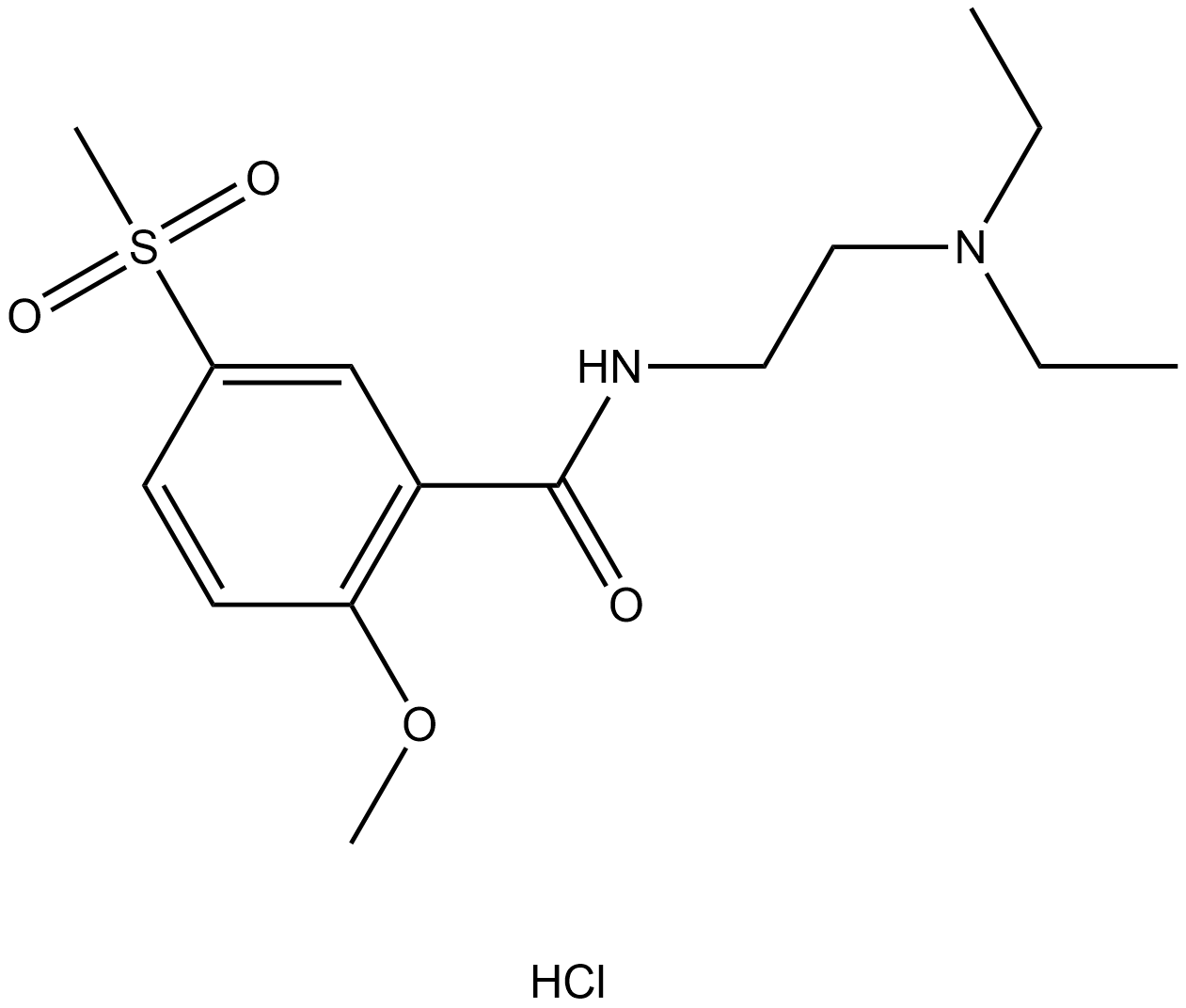 C8928 Tiapride HydrochlorideSummary: Tiapride Hydrochloride is a substituted benzamide and selective dopamine D2 receptor antagonist widely utilized as a pharmacological tool in neuropharmacology and behavioral neuroscience research.
 -
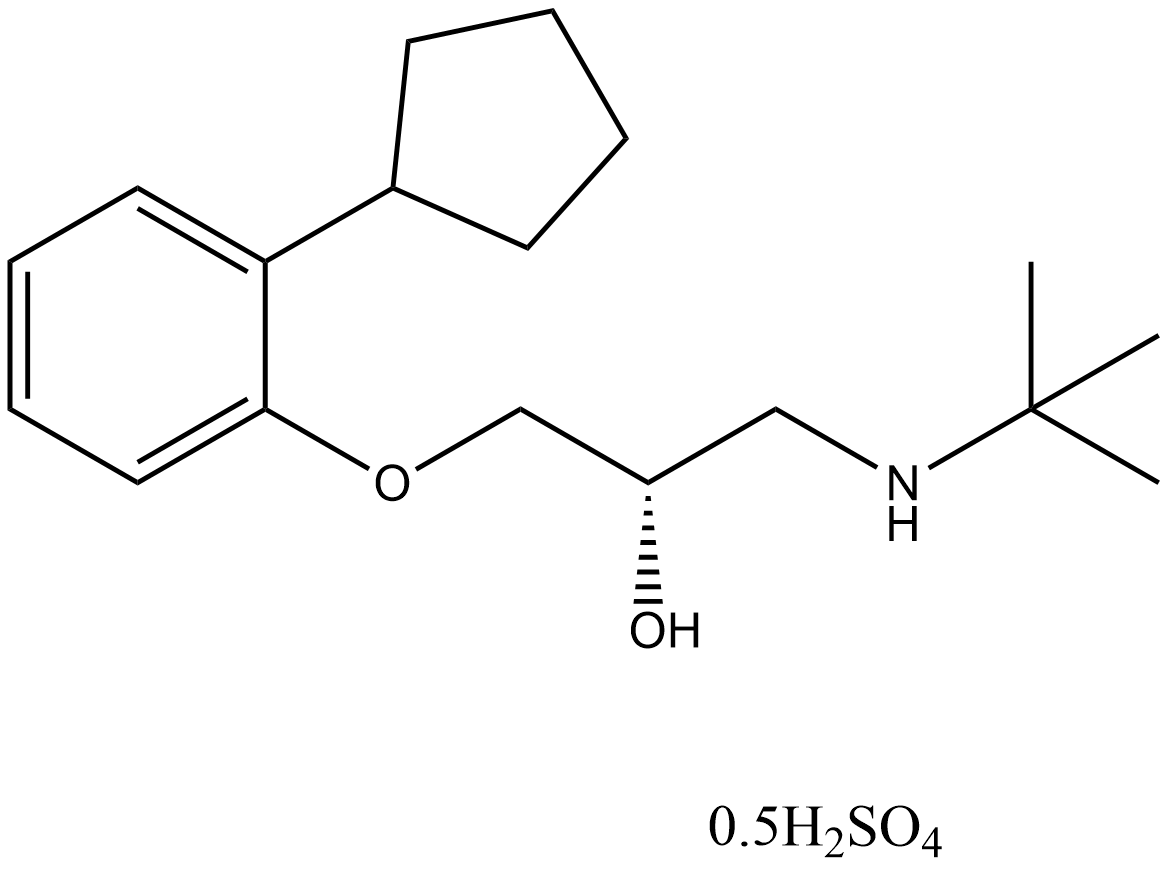 C8926 Penbutolol SulfateSummary: Penbutolol sulfate is a nonselective beta-adrenergic receptor antagonist targeting β1/β2 signaling, widely utilized as a pharmacological probe in cardiovascular and adrenergic pathway research.
 -
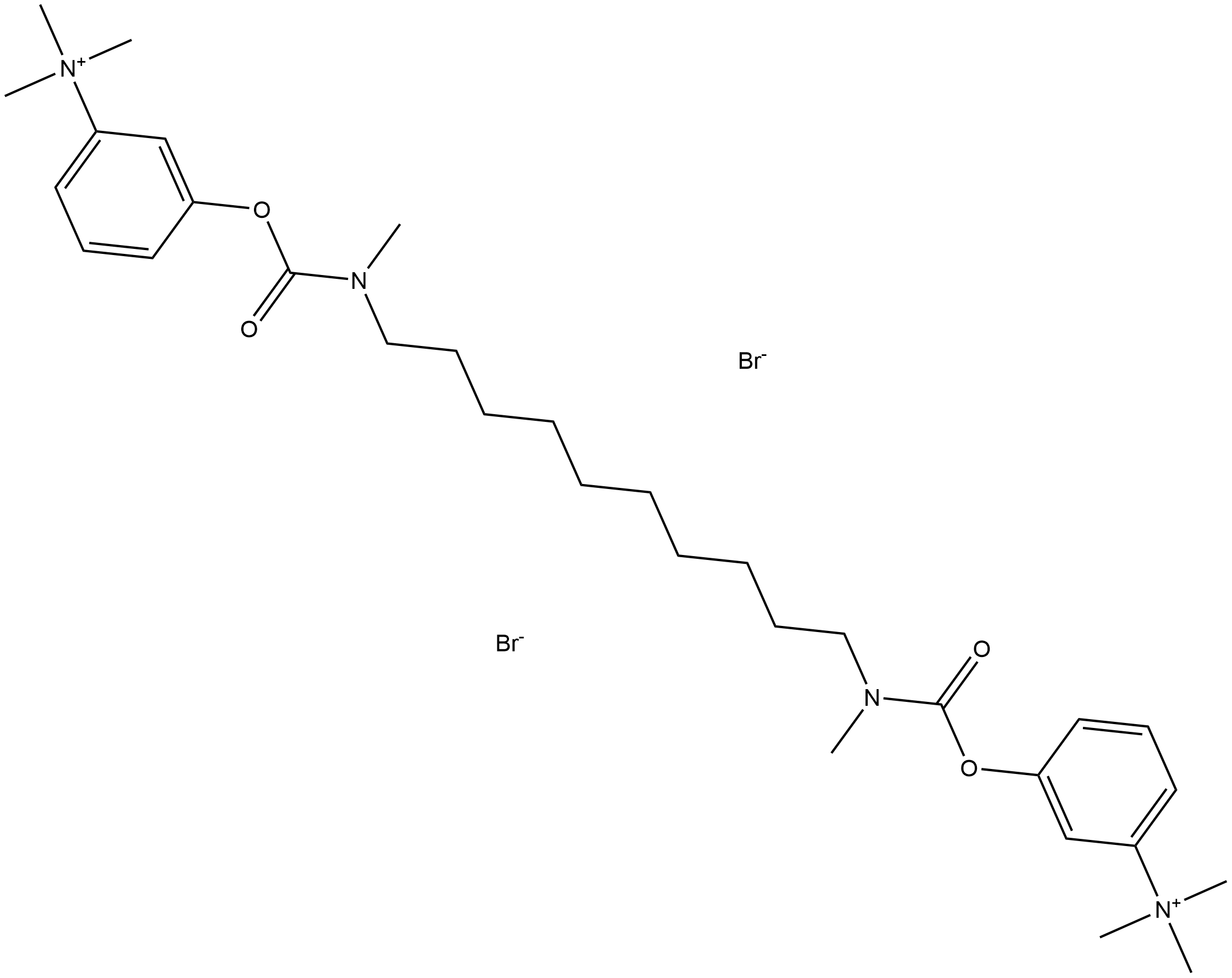 C8925 Demecarium BromideSummary: Demecarium bromide is a bisquaternary carbamate acetylcholinesterase inhibitor targeting cholinergic signaling, widely utilized in neuropharmacology and synaptic transmission research.