


Metabolism
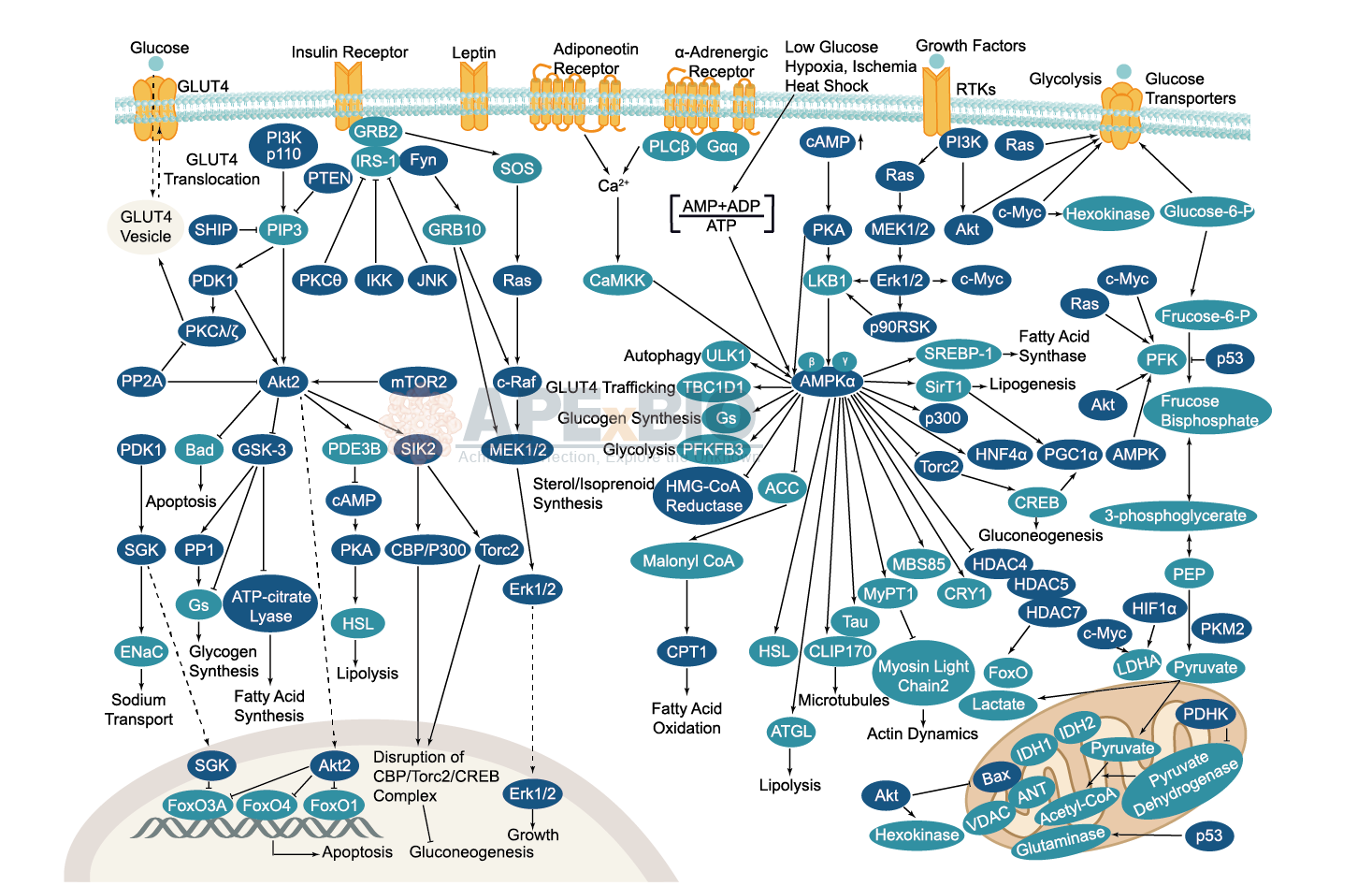
Serine/threonine kinase AMPK upregulates glucose uptake by promoting the expression and function of glucose transporters. AMPK is activated by increased AMP/ATP ratio, resulting from cellular and environmental stress, e.g. low glucose, heat shock, hypoxia and ischemia. AMPK activation positively modulates signaling transductions that refill ATP levels. Moreover, it also stimulates catabolic processes such as fatty acid oxidation and glycolysis through inhibition of ACC and activation of PFK2. AMPK negatively regulates various proteins which are important to ATP-consuming mechanisms, e.g. mTORC2, glycogen synthase, SREBP-1, and TSC2, causing the downregulation/inhibition of gluconeogenesis and glycogen, lipid and protein synthesis.
-
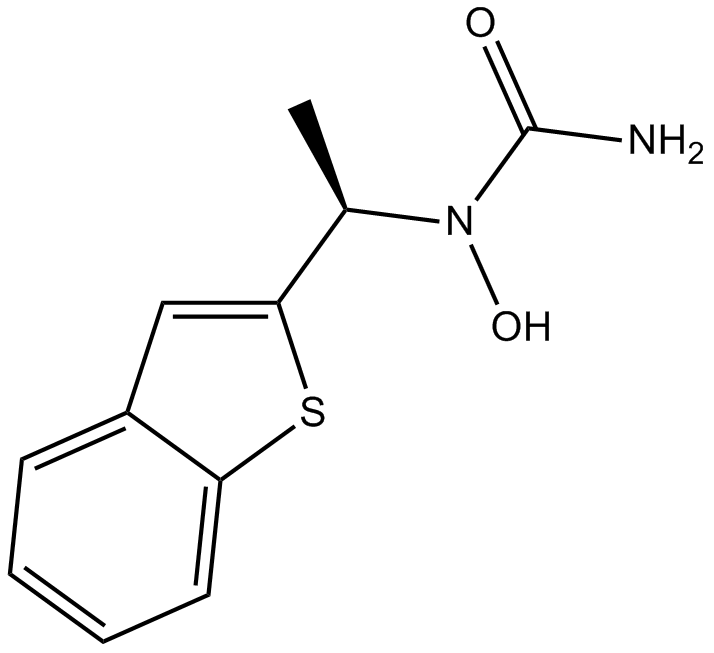 A5384 Zileuton1 CitationSummary: 5-lipoxygenase (5-LOX) inhibitor, orally active
 -
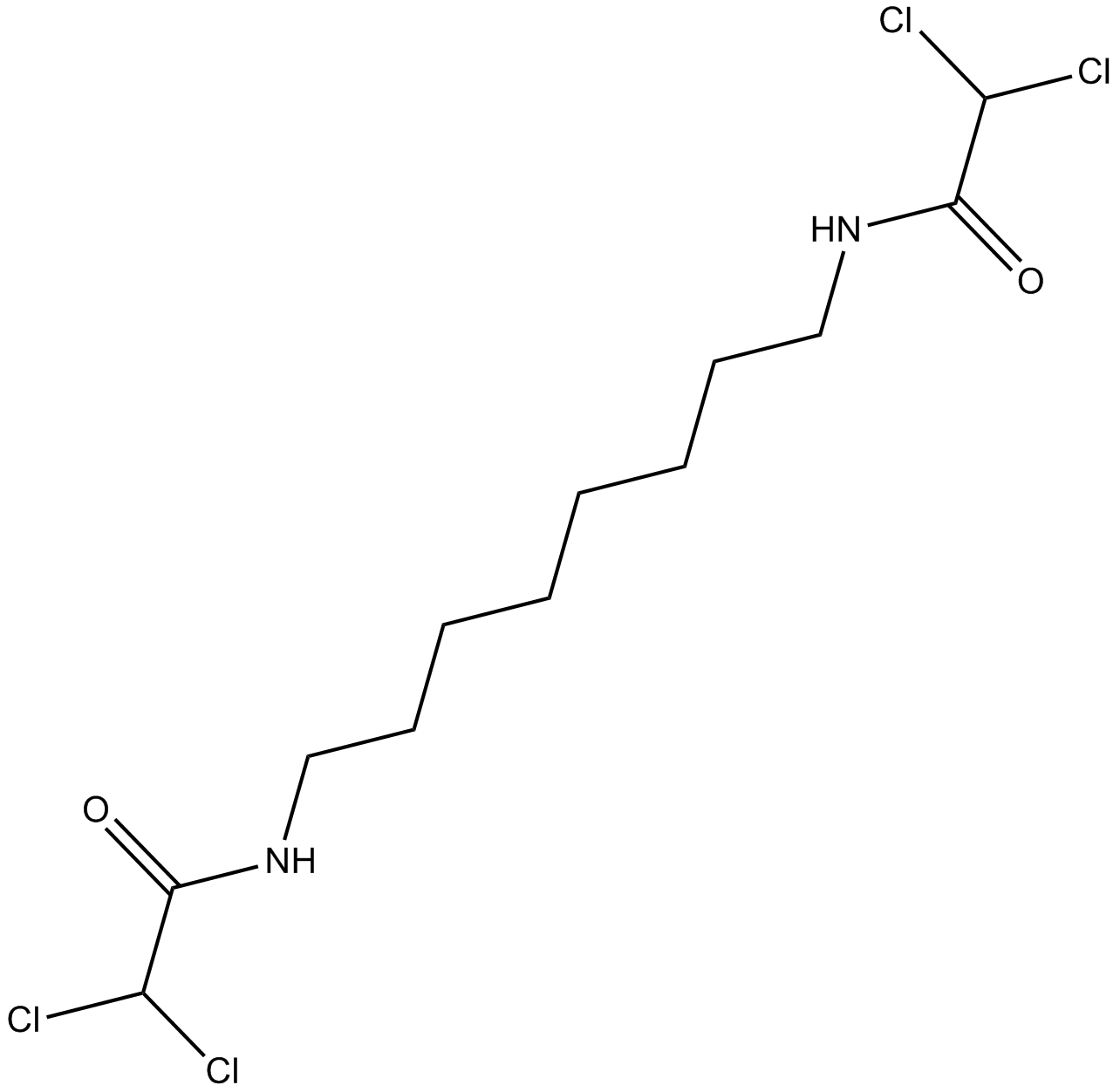 B5697 WIN 18446Summary: inhibitor of aldehyde dehydrogenase 1a2 (ALDH1a2)
 -
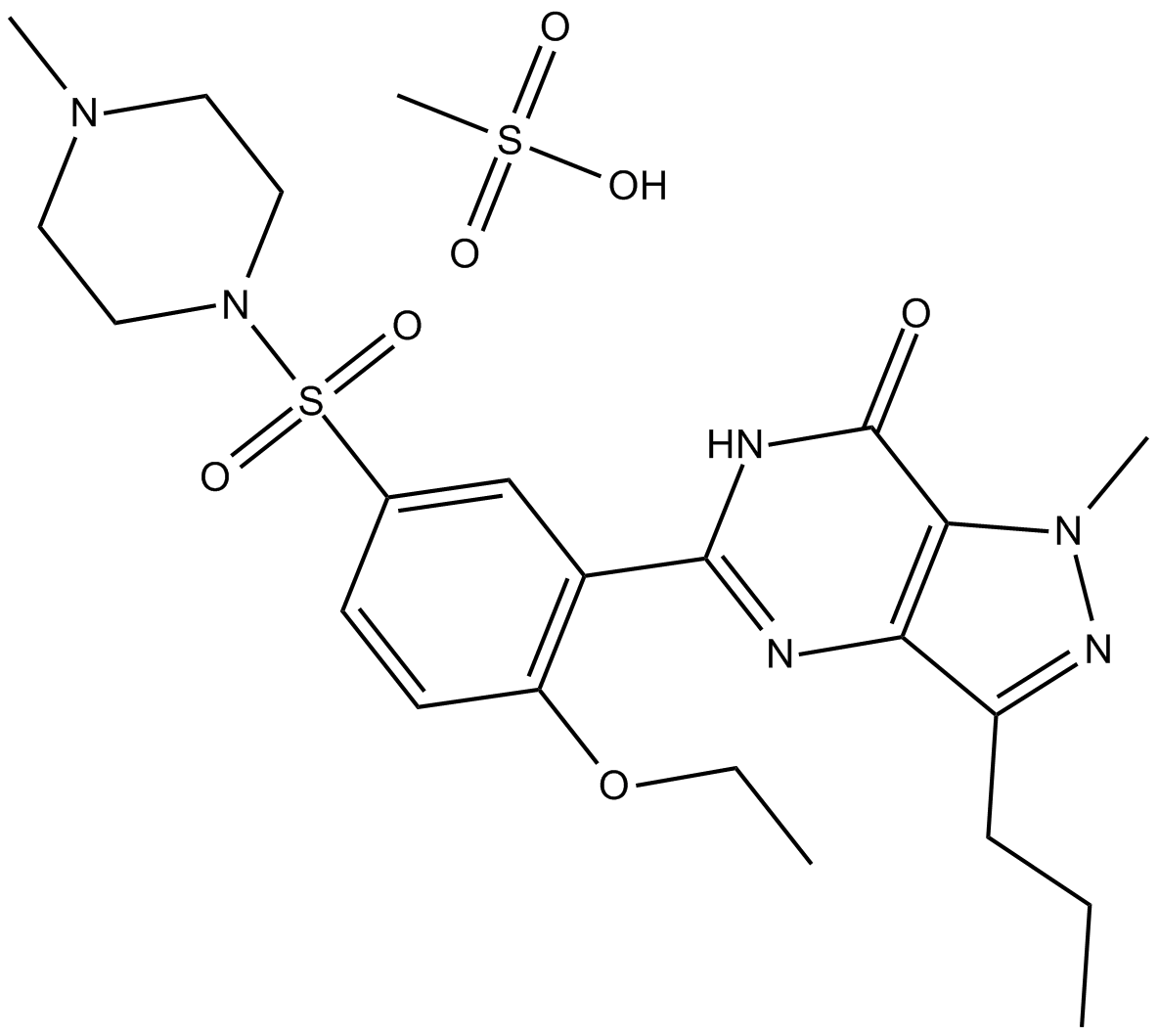 B6073 Sildenafil mesylateSummary: PDE5 inhibitor
 -
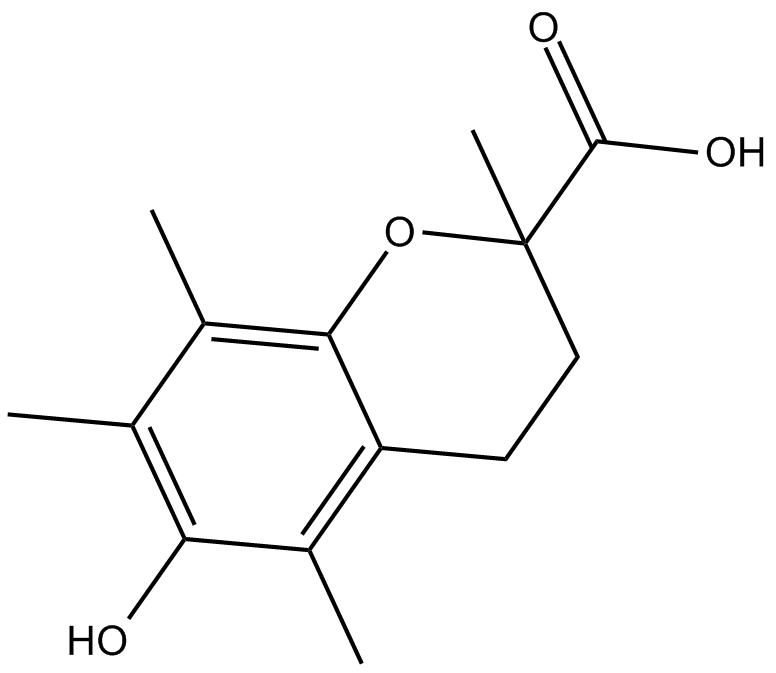 C3183 Trolox1 CitationSummary: A derivative of vitamin E, used as a standard or positive control in antioxidant assays
 -
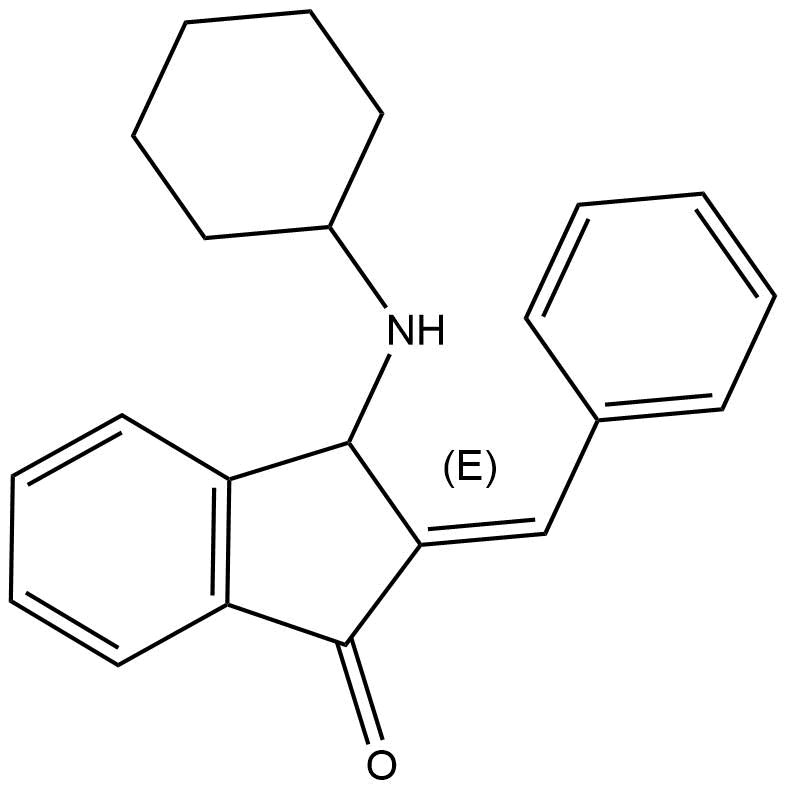 B8554 BCISummary: Allosteric inhibitor of dual-specificity phosphatases (DUSPs)
 -
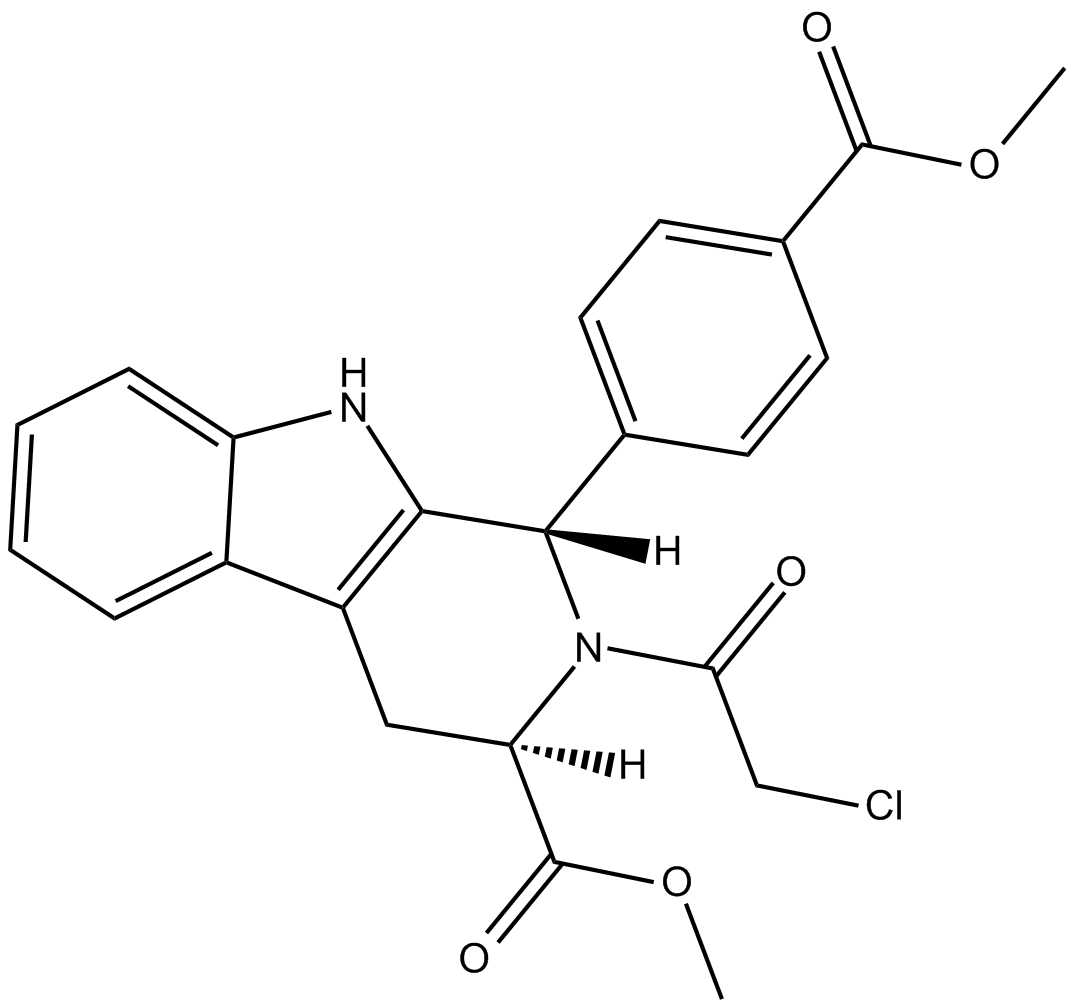 B6095 RSL326 CitationTarget: glutathione peroxidase 4Summary: glutathione peroxidase 4 inhibitor
 -
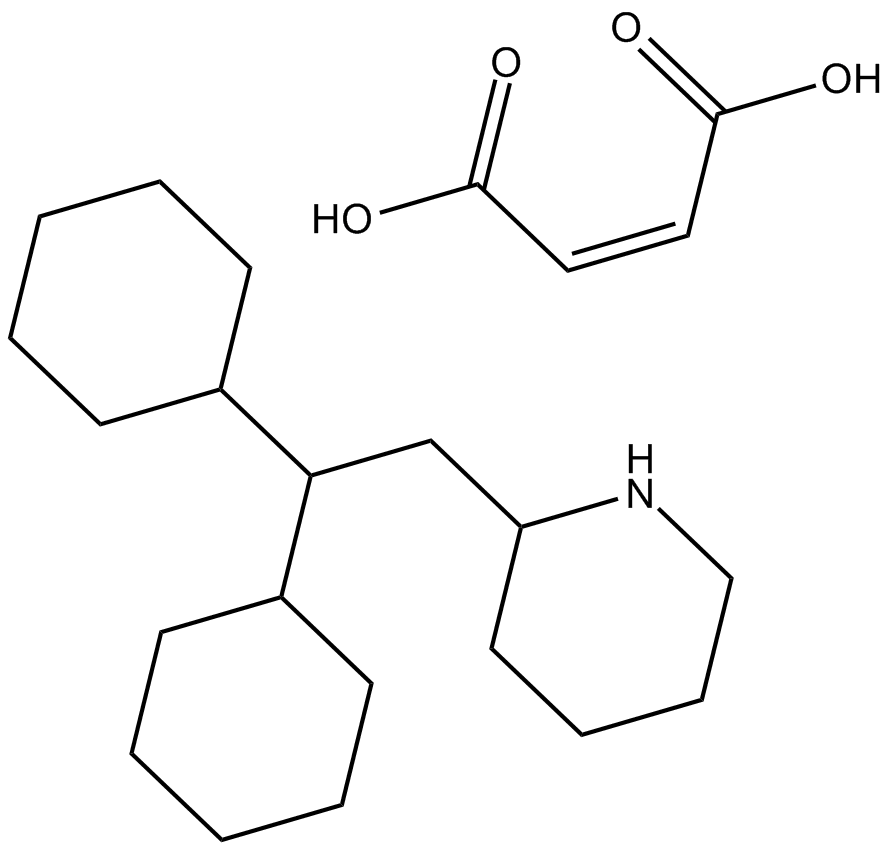 C4945 Perhexiline (maleate)Summary: CPT1 and CPT2 inhibitor
 -
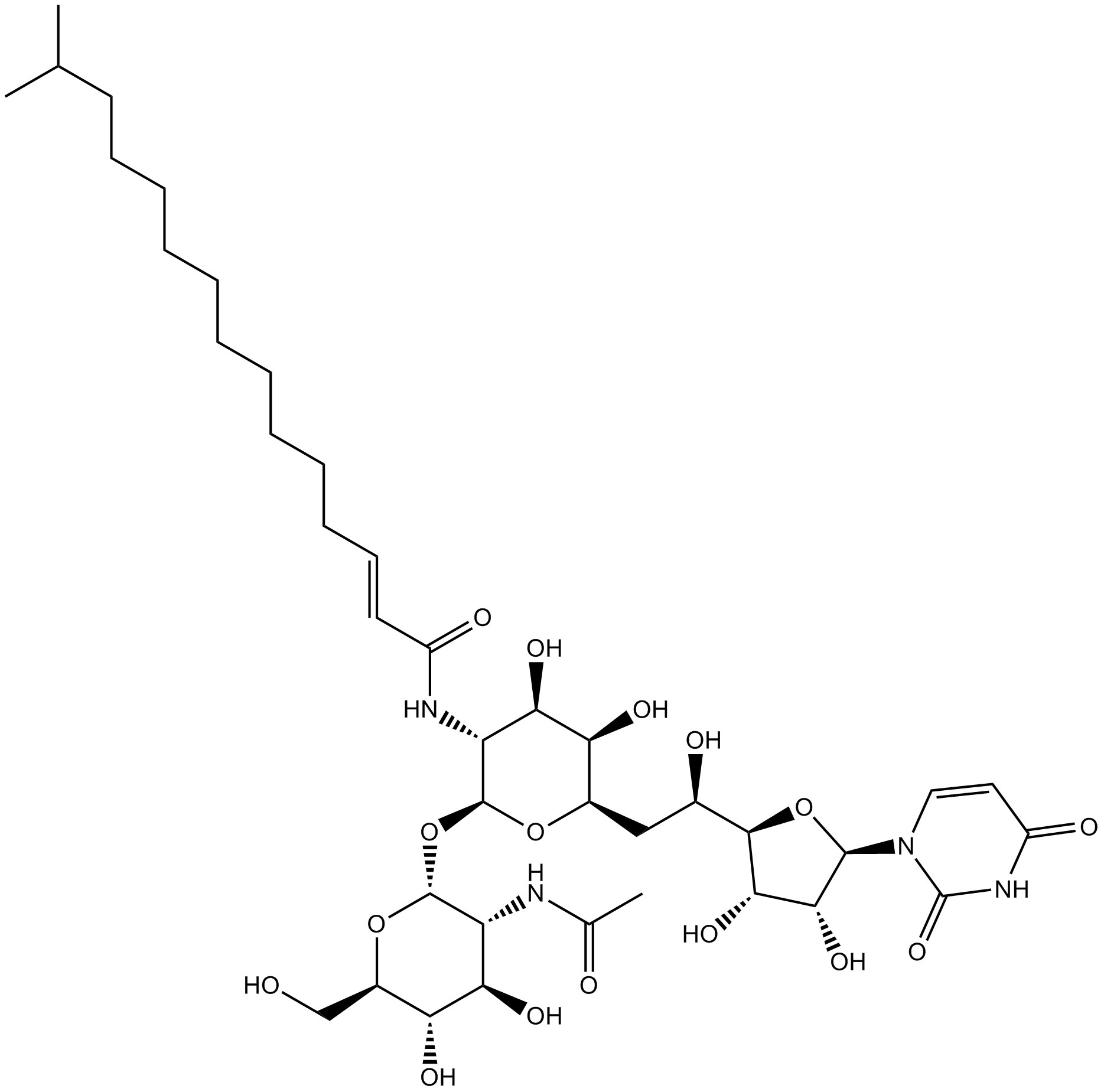 B7417 Tunicamycin21 CitationSummary: antibiotic,inhibits GlcNAc phosphotransferase (GPT)
 -
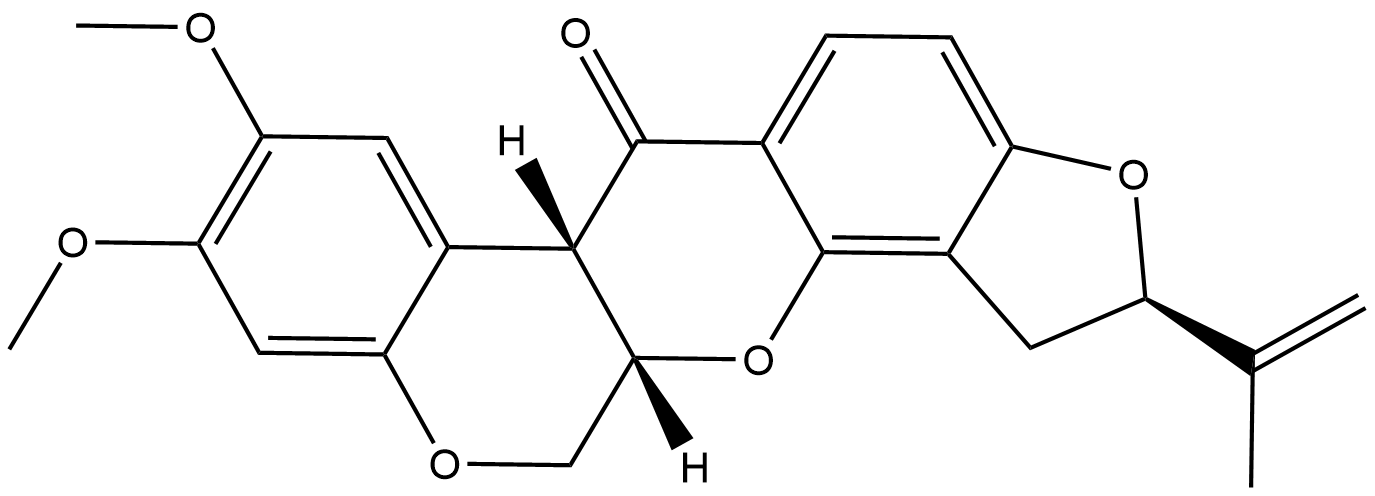 B5462 Rotenone11 CitationTarget: complex I of the mitochondrial electron transport chainSummary: mitochondrial Complex I inhibitor
 -
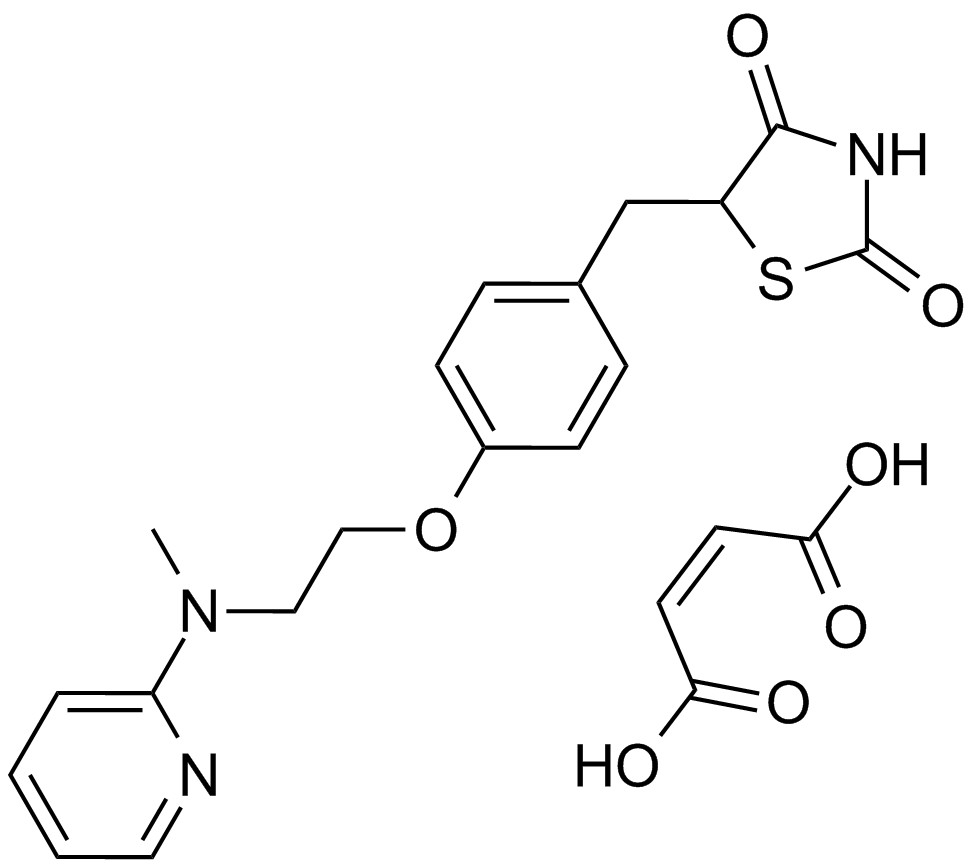 A4302 Rosiglitazone maleateTarget: Insulin and Insulin-like ReceptorsSummary: PPARγ agonist,high-affinity and selective,potent insulin sensitizer