


Metabolism
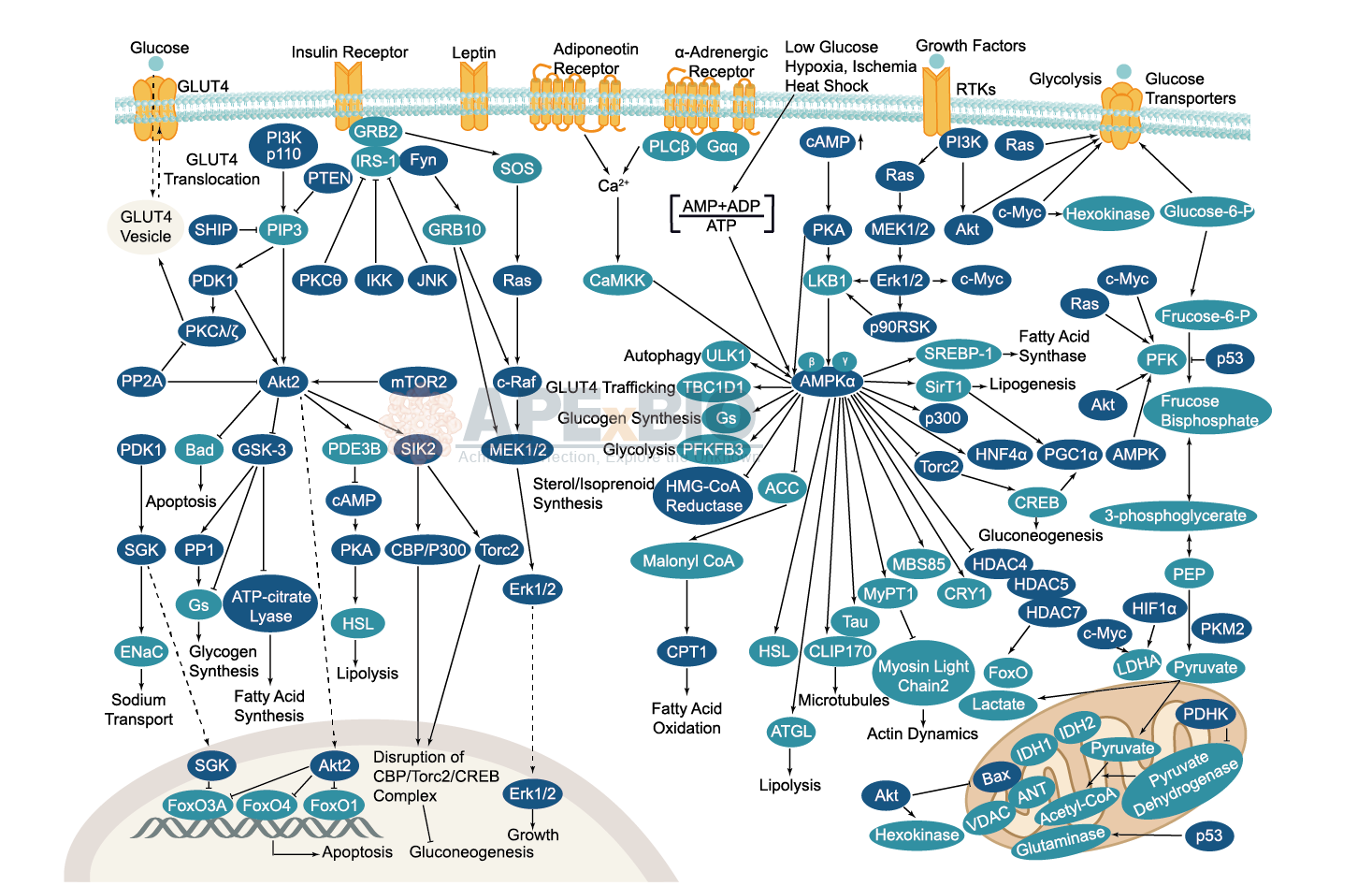
Serine/threonine kinase AMPK upregulates glucose uptake by promoting the expression and function of glucose transporters. AMPK is activated by increased AMP/ATP ratio, resulting from cellular and environmental stress, e.g. low glucose, heat shock, hypoxia and ischemia. AMPK activation positively modulates signaling transductions that refill ATP levels. Moreover, it also stimulates catabolic processes such as fatty acid oxidation and glycolysis through inhibition of ACC and activation of PFK2. AMPK negatively regulates various proteins which are important to ATP-consuming mechanisms, e.g. mTORC2, glycogen synthase, SREBP-1, and TSC2, causing the downregulation/inhibition of gluconeogenesis and glycogen, lipid and protein synthesis.
-
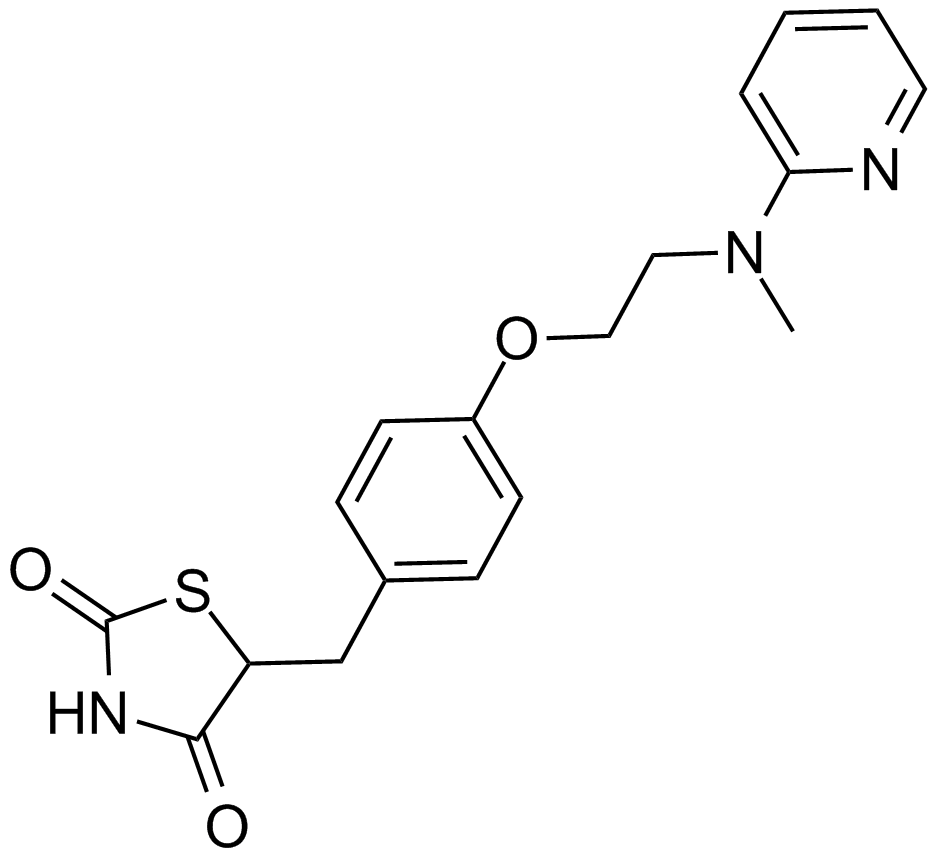 A4304 Rosiglitazone8 CitationSummary: Potent PPARγ agonist
 -
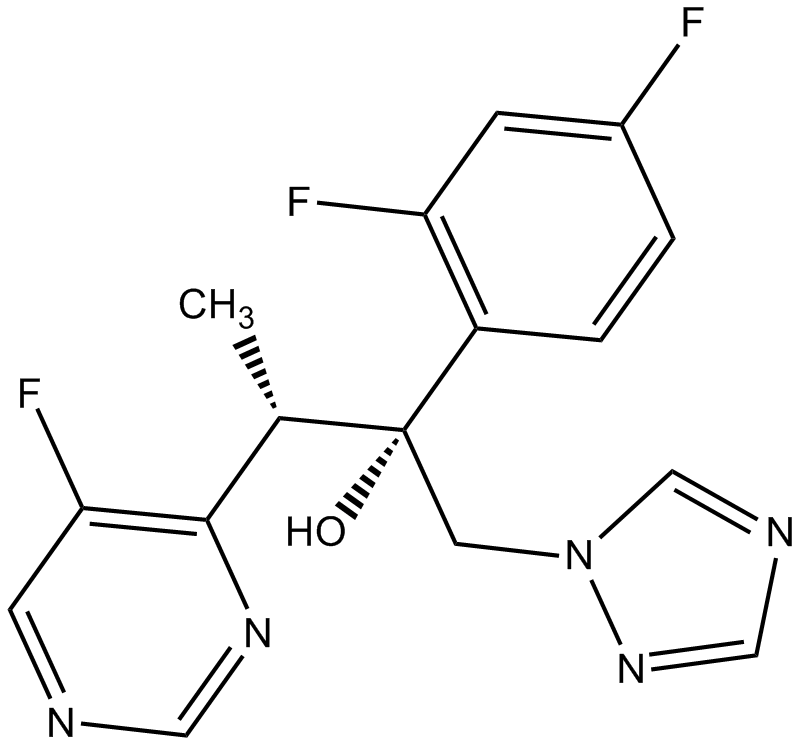 A4320 VoriconazoleSummary: CYP51 inhibitor
 -
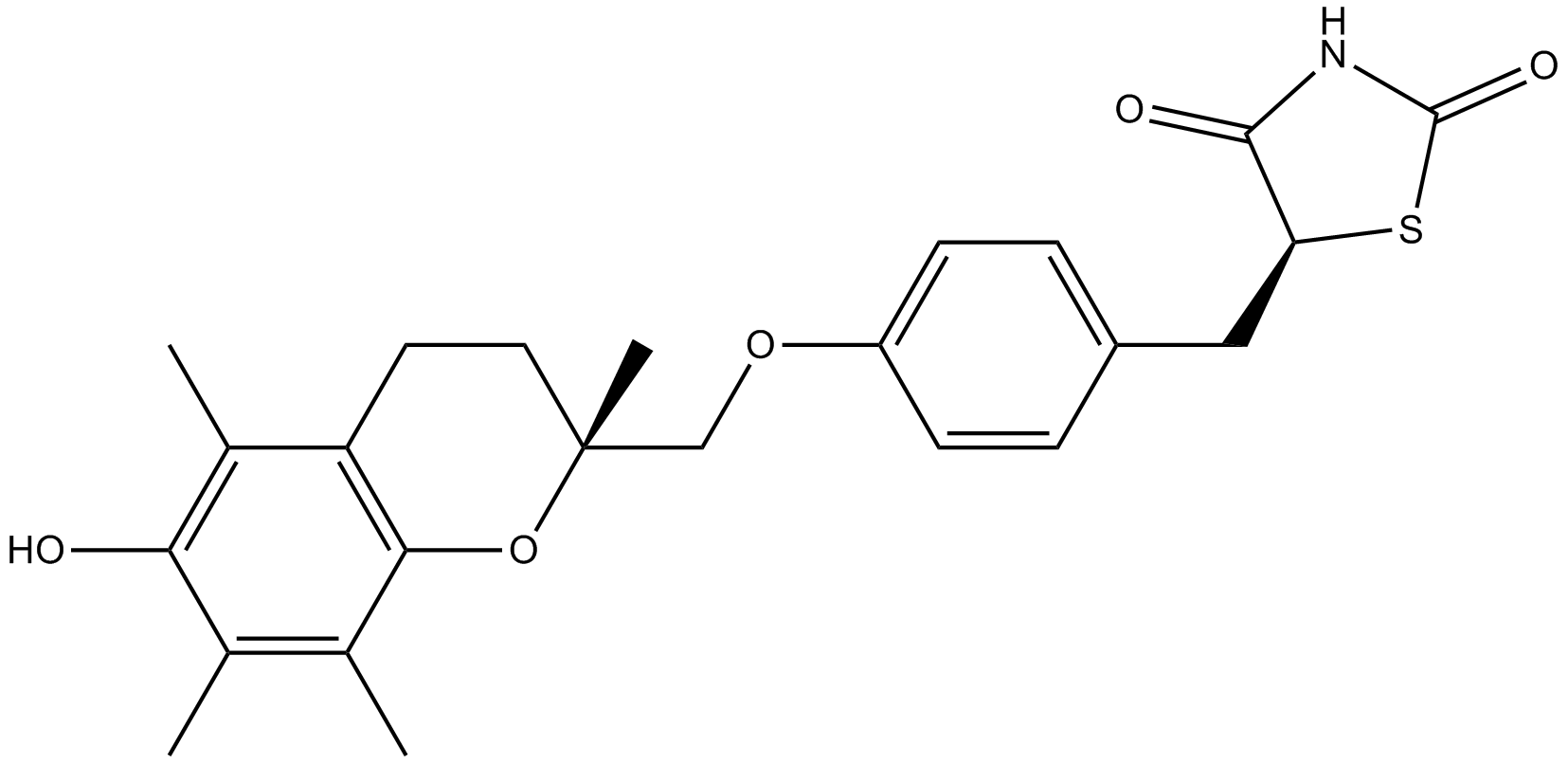 A3893 TroglitazoneTarget: PPARSummary: Selective PPARγ agonist
 -
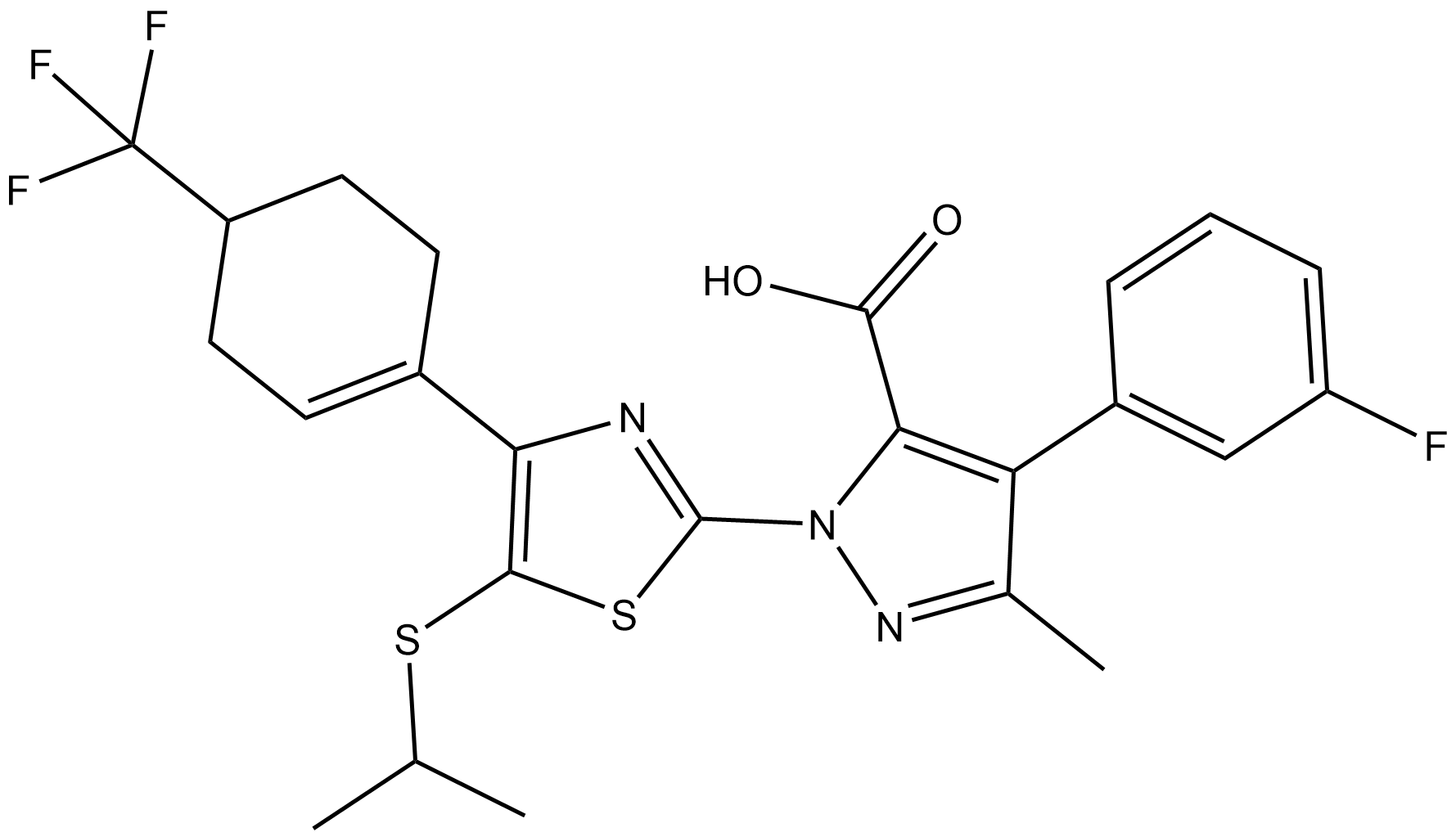 BA2988 BTM-3566Summary: BTM-3566 is an activator.
 -
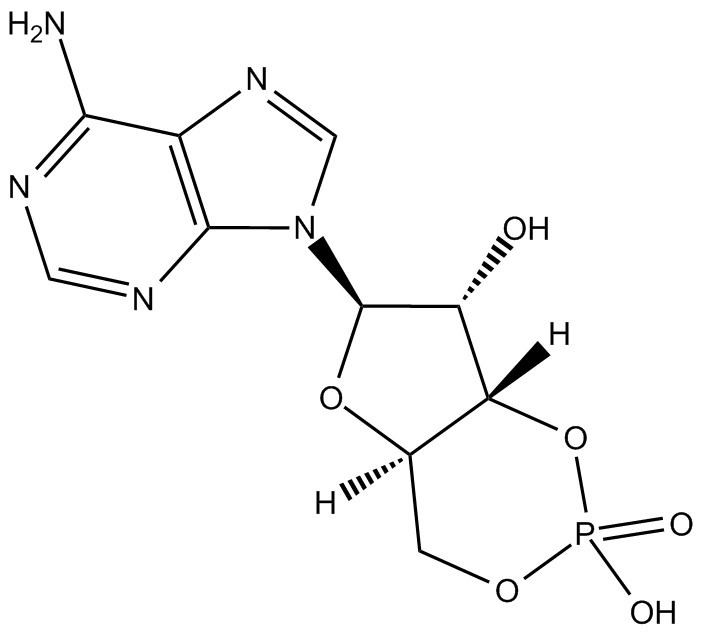 C3088 Cyclic AMPSummary: A reagent used to inhibit Ras-dependent Raf activation and the ERK pathway.
 -
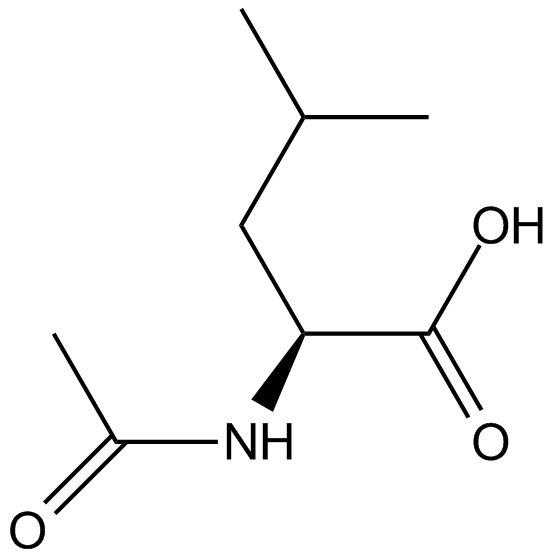 C6159 N-Acetyl-L-leucineSummary: An orally available endogenous metabolite used to improve neuroinflammation and metabolic disorders.
 -
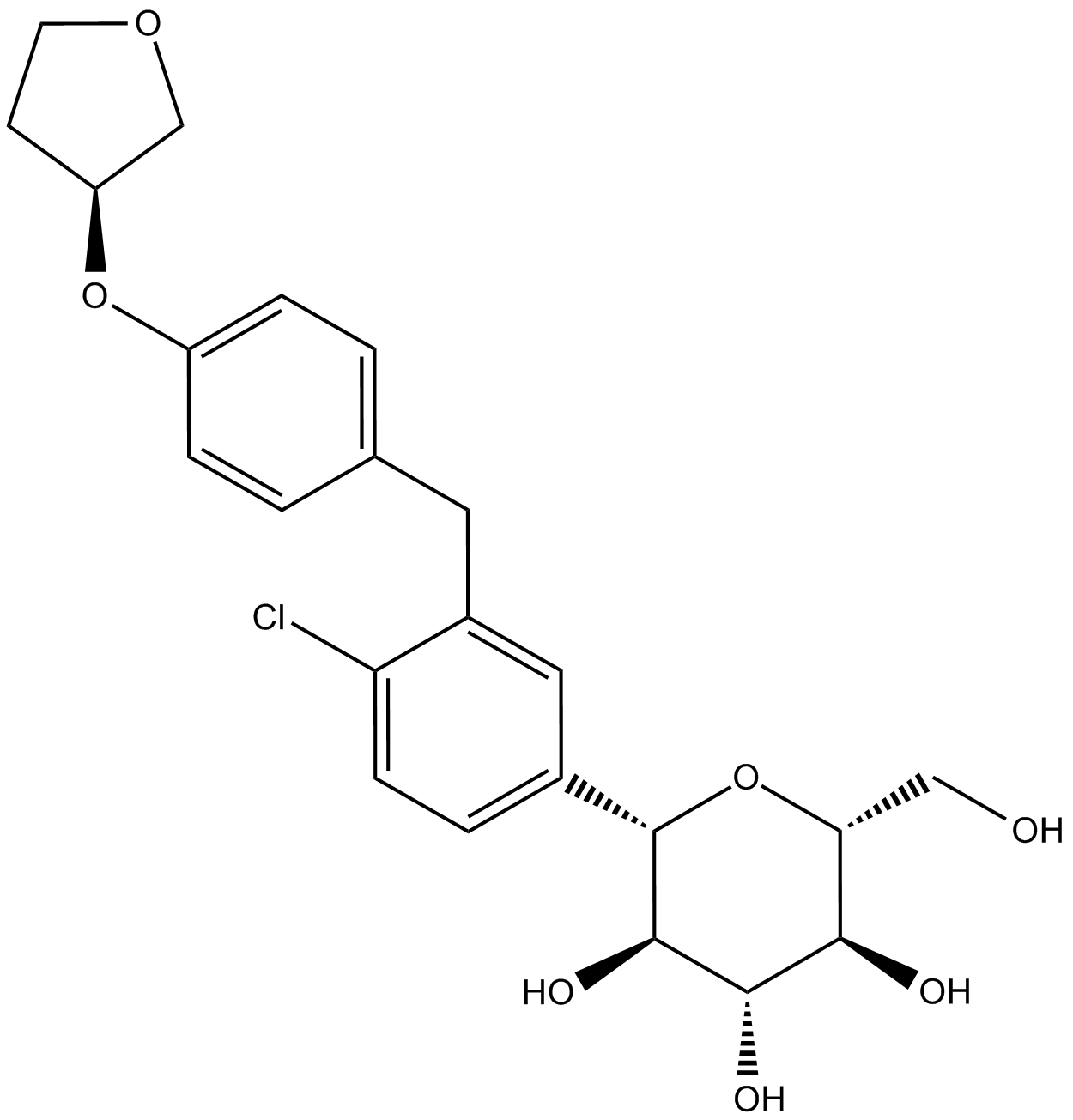 A4601 Empagliflozin (BI 10773)5 CitationSummary: SGLT-2 inhibitor for oral treatment of type 2 diabetes
 -
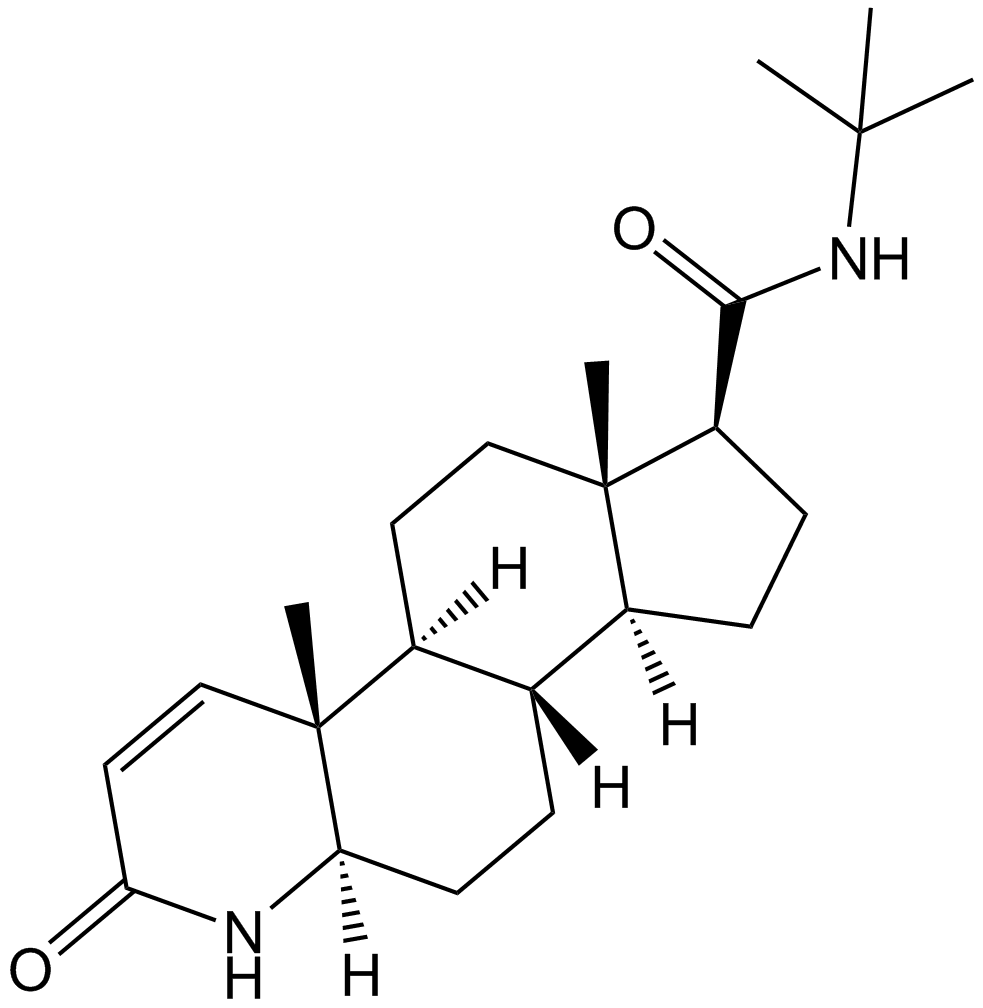 A5143 FinasterideSummary: Inhibitor of Type II 5α-reductase
 -
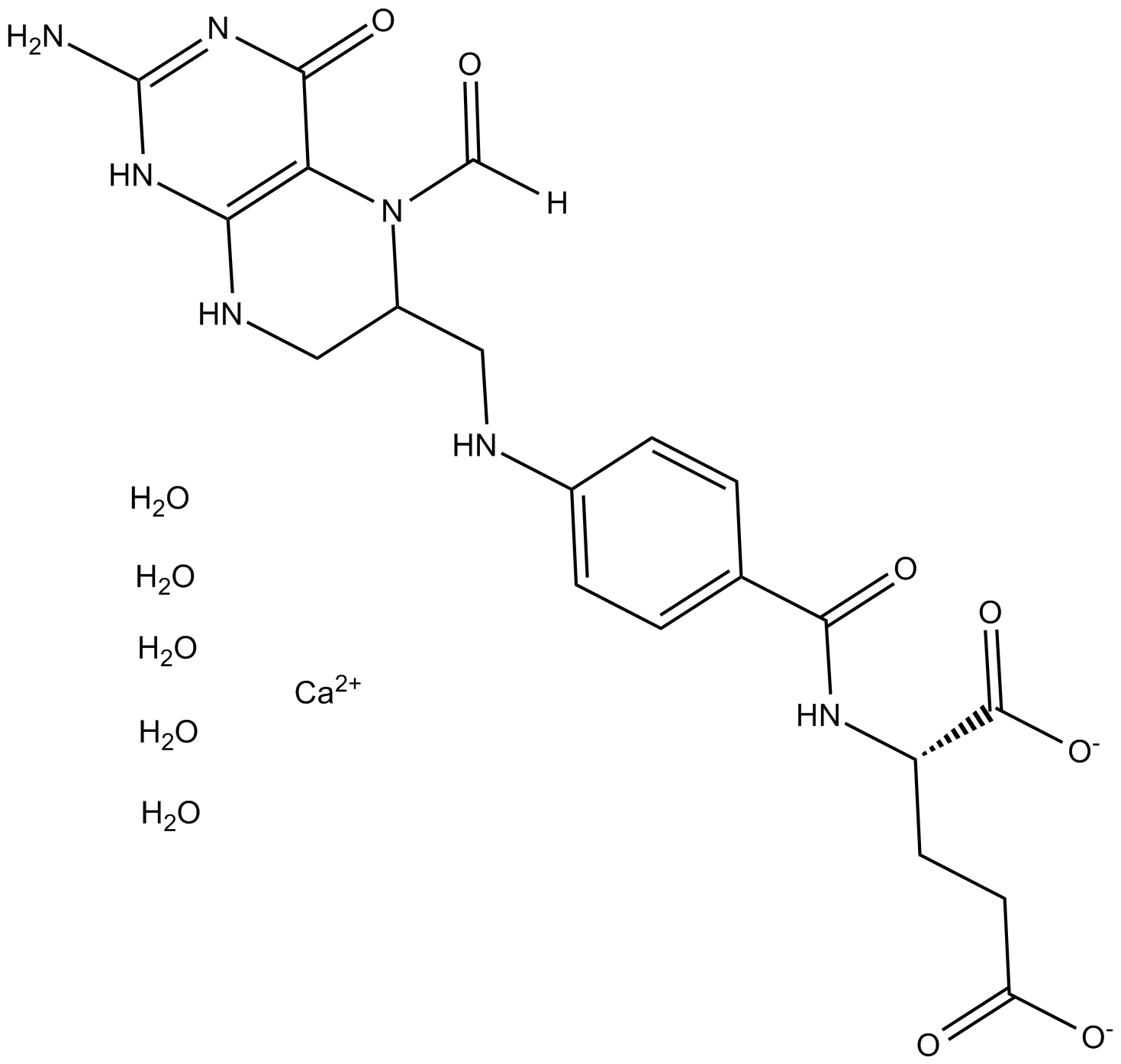 A2489 Leucovorin CalciumSummary: Derivative of folic acid
 -
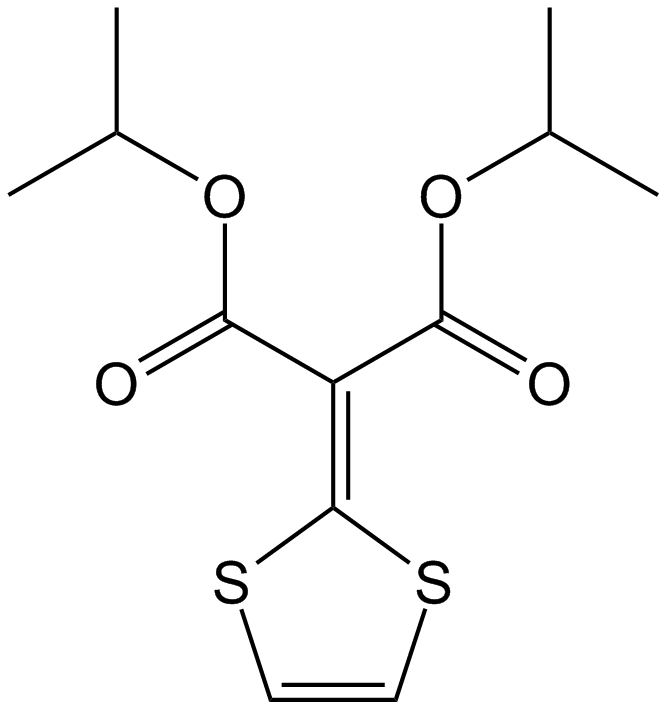 A2486 MalotilateSummary: Stimulates hepatocyte regeneration