


Metabolism
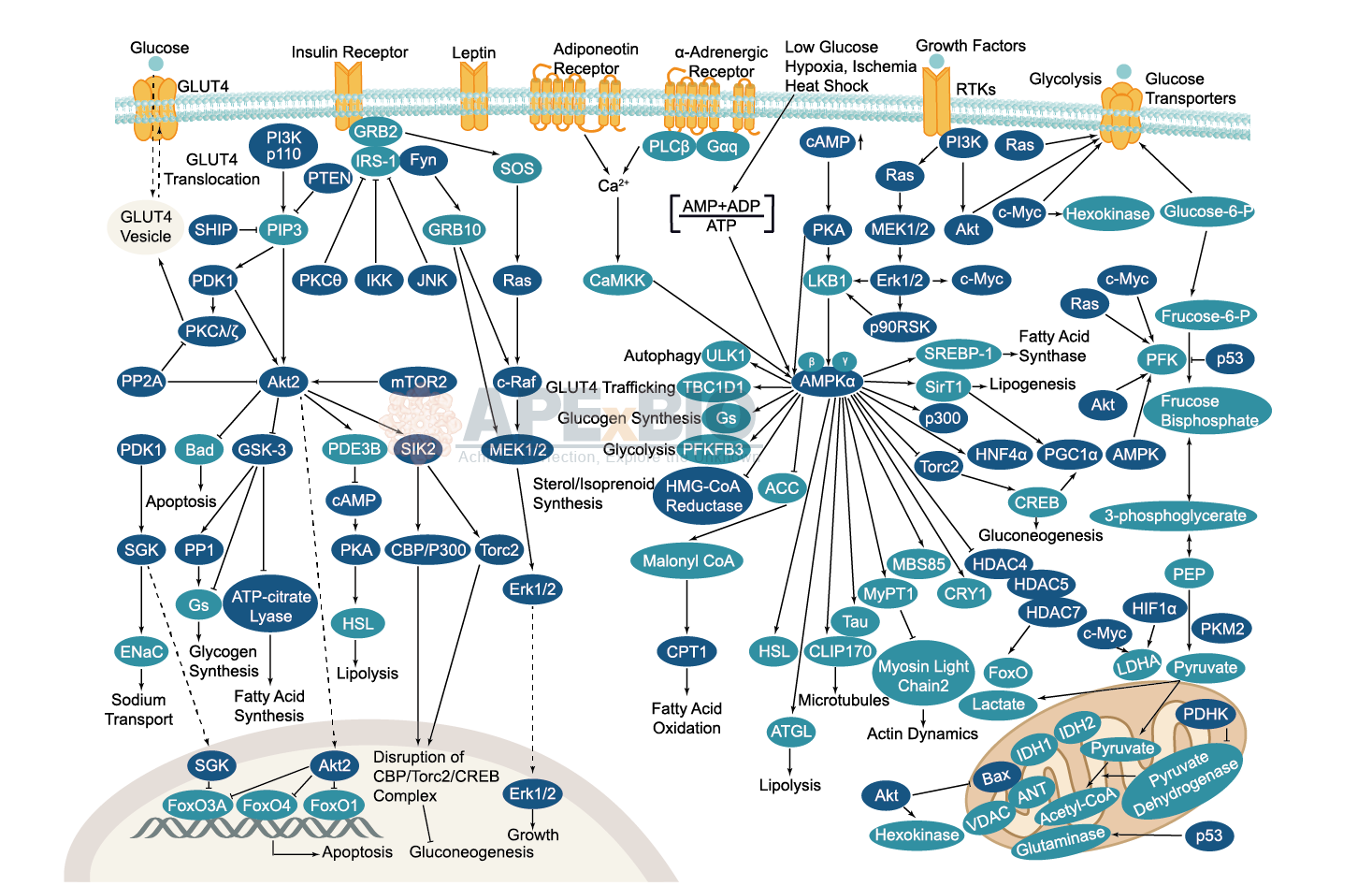
Serine/threonine kinase AMPK upregulates glucose uptake by promoting the expression and function of glucose transporters. AMPK is activated by increased AMP/ATP ratio, resulting from cellular and environmental stress, e.g. low glucose, heat shock, hypoxia and ischemia. AMPK activation positively modulates signaling transductions that refill ATP levels. Moreover, it also stimulates catabolic processes such as fatty acid oxidation and glycolysis through inhibition of ACC and activation of PFK2. AMPK negatively regulates various proteins which are important to ATP-consuming mechanisms, e.g. mTORC2, glycogen synthase, SREBP-1, and TSC2, causing the downregulation/inhibition of gluconeogenesis and glycogen, lipid and protein synthesis.
-
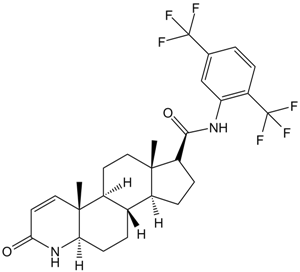 A1659 Dutasteride2 CitationTarget: 5-alpha ReductasesSummary: 5-alpha-reductase inhibitor
 -
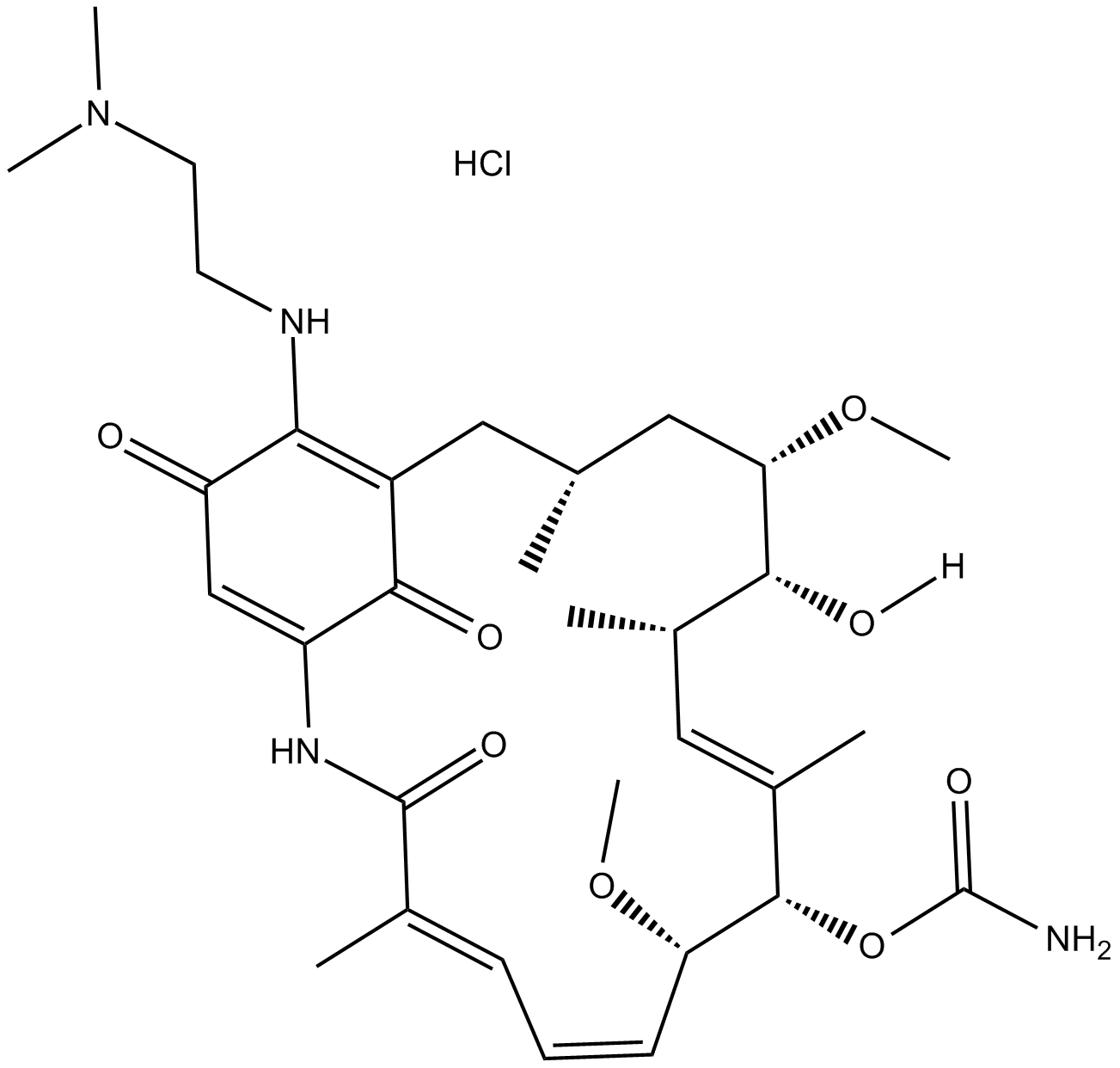 A2213 17-DMAG (Alvespimycin) HCl1 CitationTarget: HSP90Summary: Hsp90 inhibitor
 -
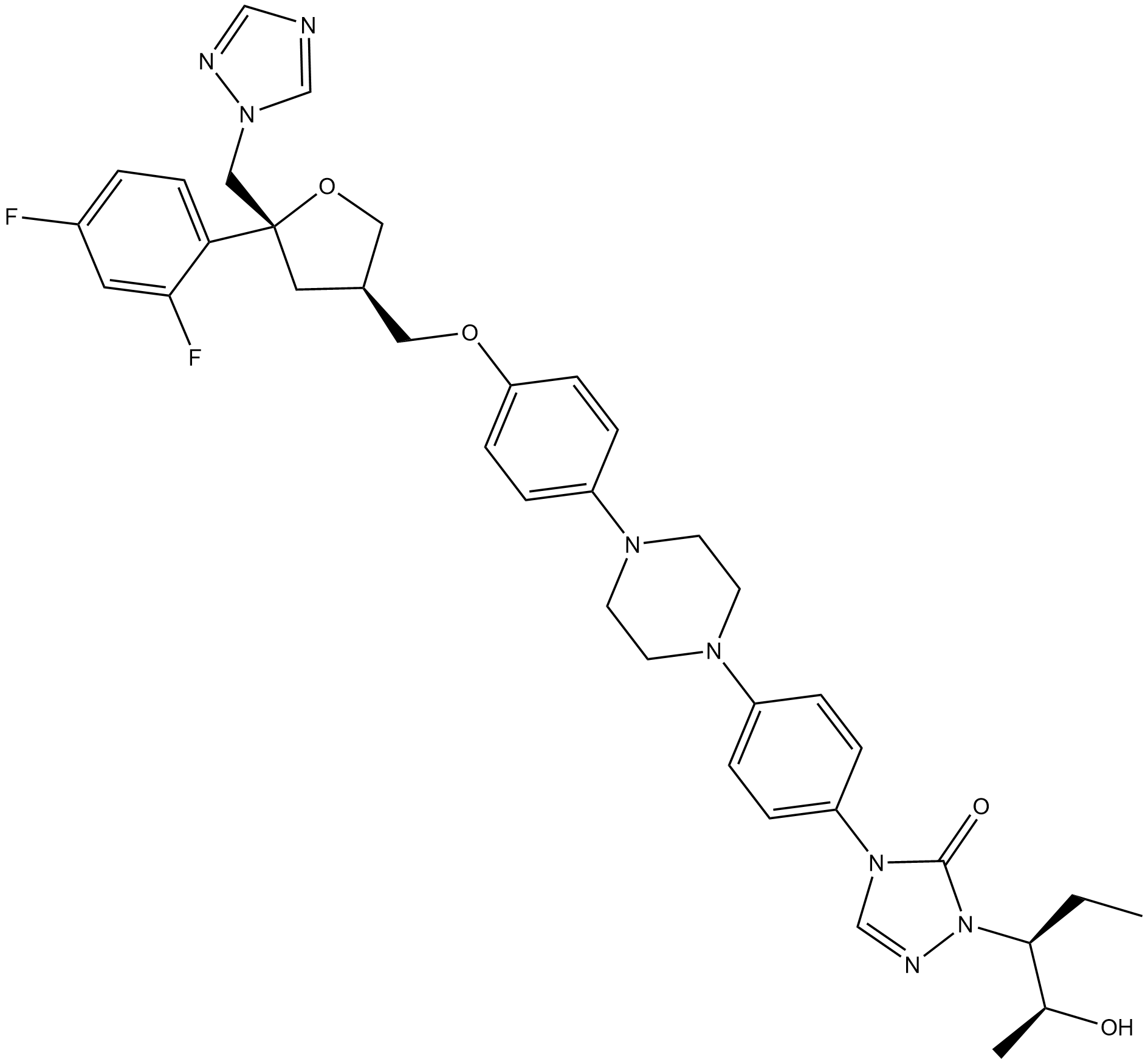 A1718 PosaconazoleTarget: Cytochrome P450 (CYP450)|sterol demethylaseSummary: Sterol C14ɑ demethylase inhibitor
 -
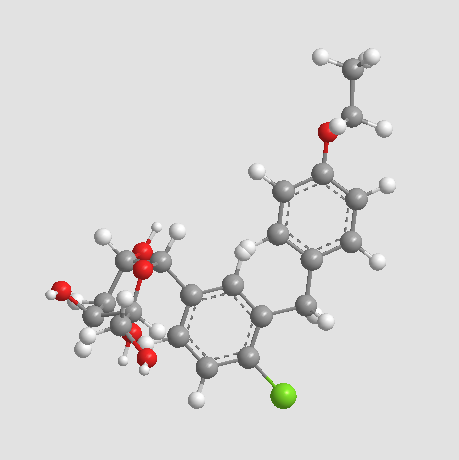 A5854 Dapagliflozin1 CitationSummary: SGLT2 inhibitor,potent and selective
 -
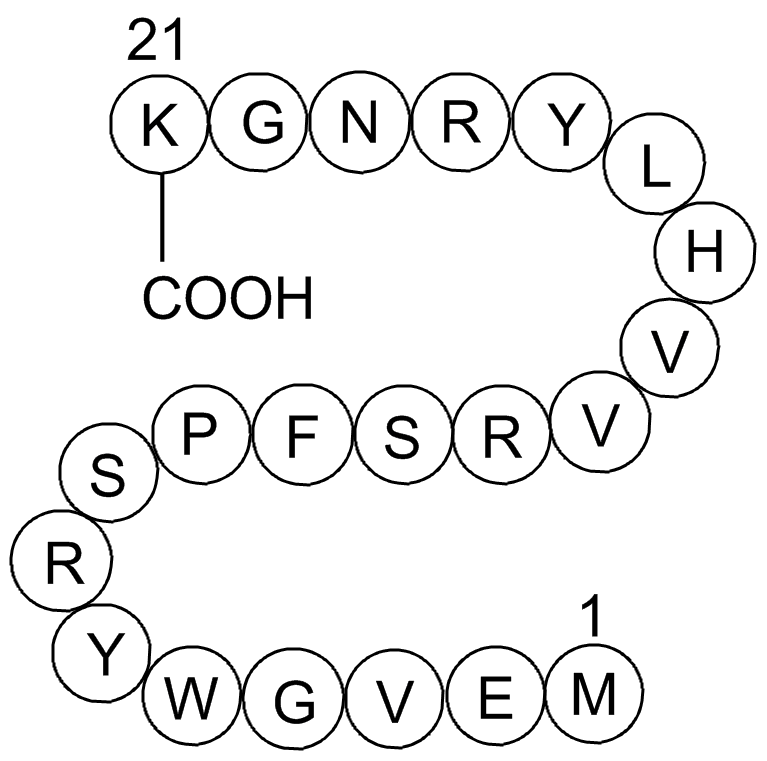 A8306 MOG (35-55)5 CitationSummary: Minor component of CNS myelin
 -
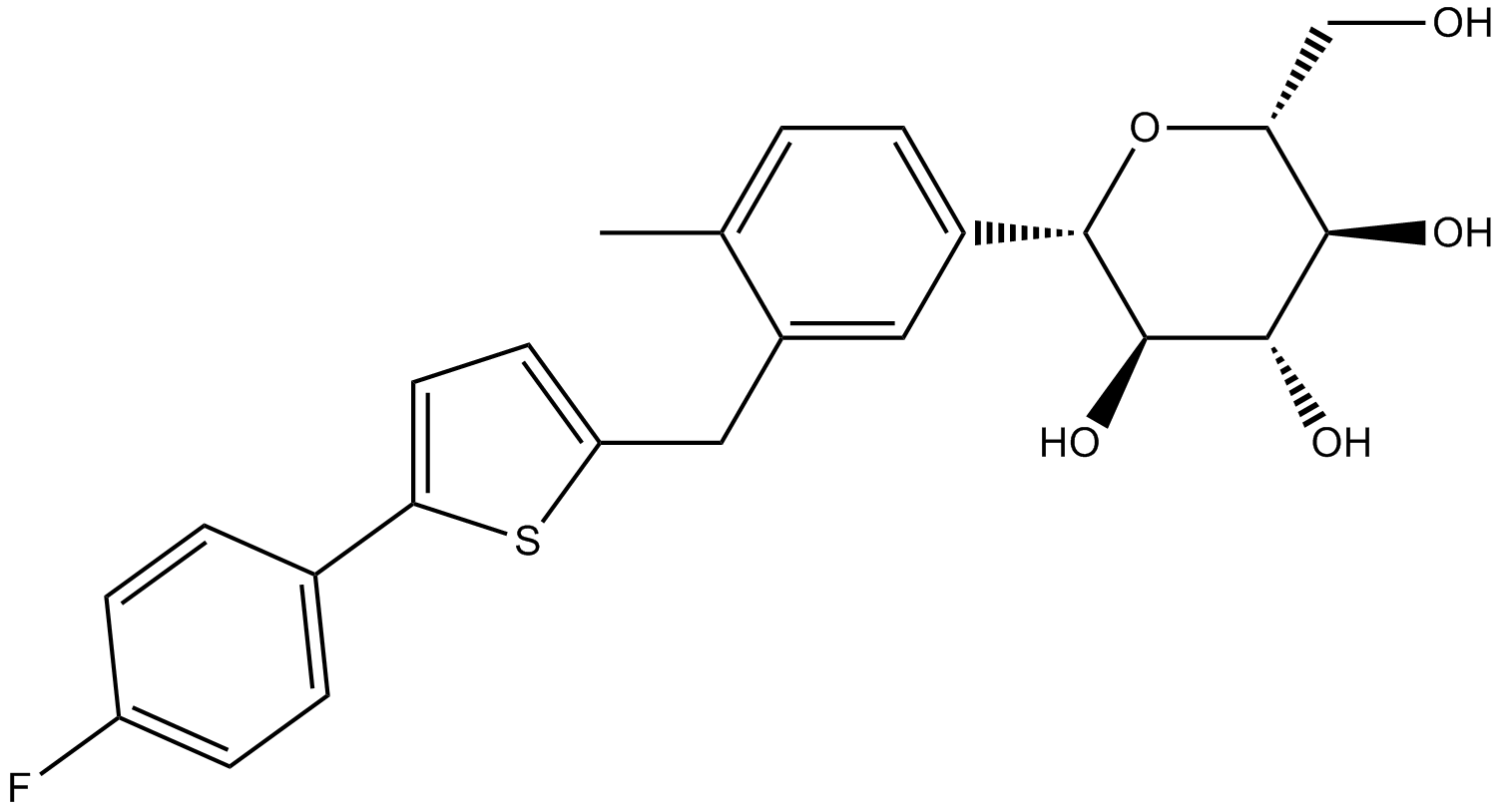 A8333 Canagliflozin5 CitationTarget: SGLTSummary: SGLT2 inhibitor,potent and selective
 -
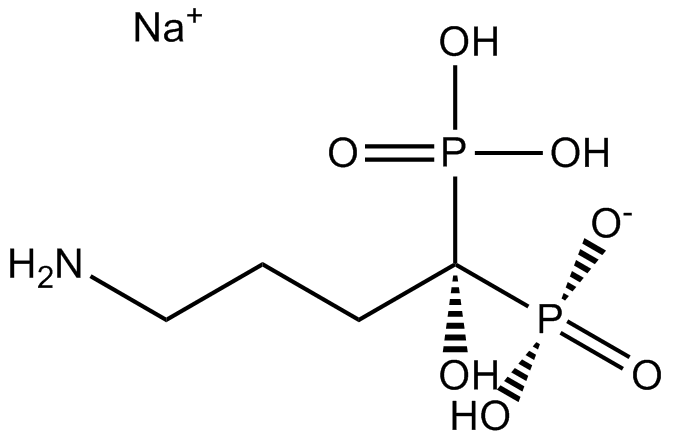 A8359 Alendronate sodiumSummary: Osteoclast-mediated bone resorption inhibitor
 -
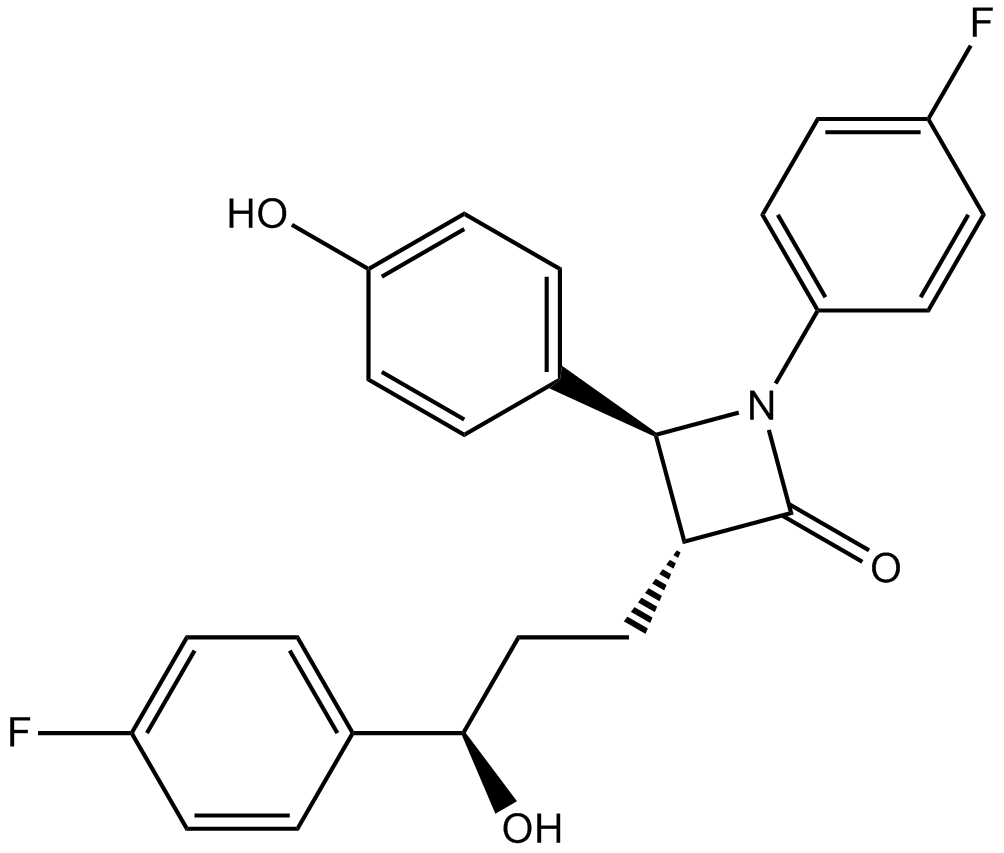 A8430 Ezetimibe1 CitationTarget: Cholesterol absorptionSummary: Cholesterol transport inhibitor
 -
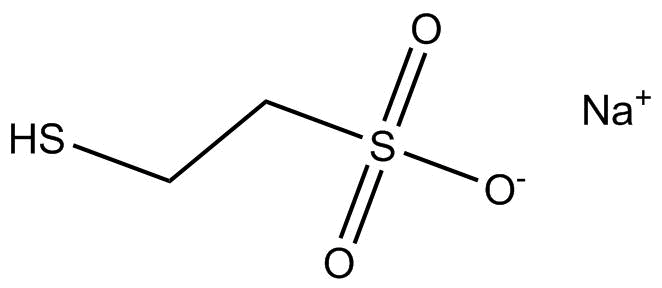 A8469 MesnaSummary: Chemotherapy adjuvant;potential antioxidant
 -
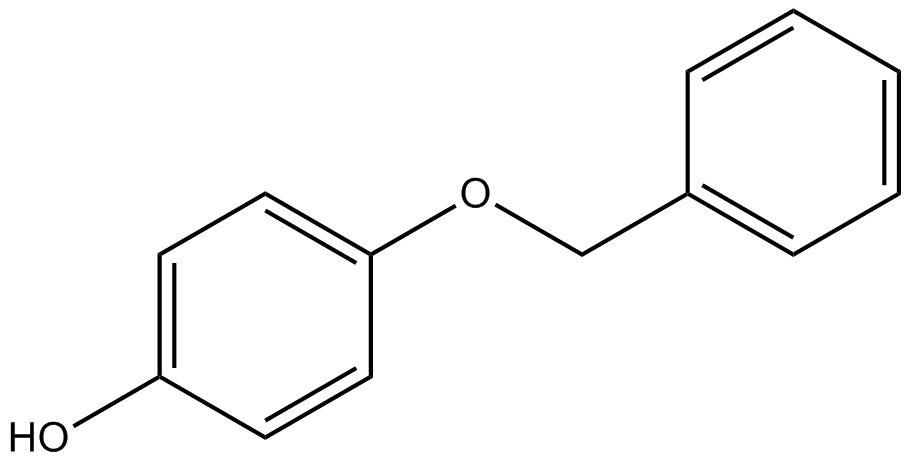 A8478 MonobenzoneSummary: Skin depigmenting agent