


Metabolism
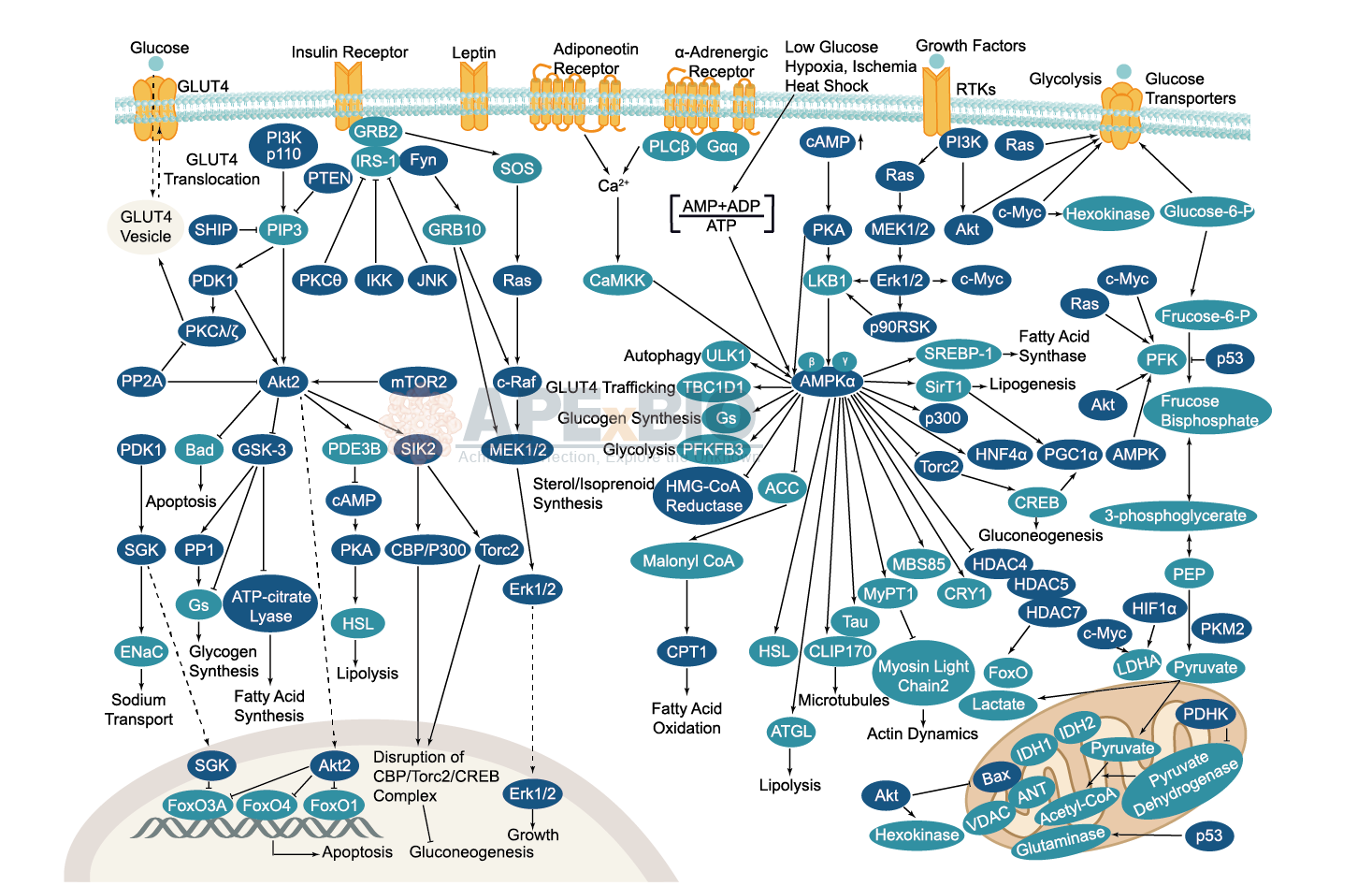
Serine/threonine kinase AMPK upregulates glucose uptake by promoting the expression and function of glucose transporters. AMPK is activated by increased AMP/ATP ratio, resulting from cellular and environmental stress, e.g. low glucose, heat shock, hypoxia and ischemia. AMPK activation positively modulates signaling transductions that refill ATP levels. Moreover, it also stimulates catabolic processes such as fatty acid oxidation and glycolysis through inhibition of ACC and activation of PFK2. AMPK negatively regulates various proteins which are important to ATP-consuming mechanisms, e.g. mTORC2, glycogen synthase, SREBP-1, and TSC2, causing the downregulation/inhibition of gluconeogenesis and glycogen, lipid and protein synthesis.
-
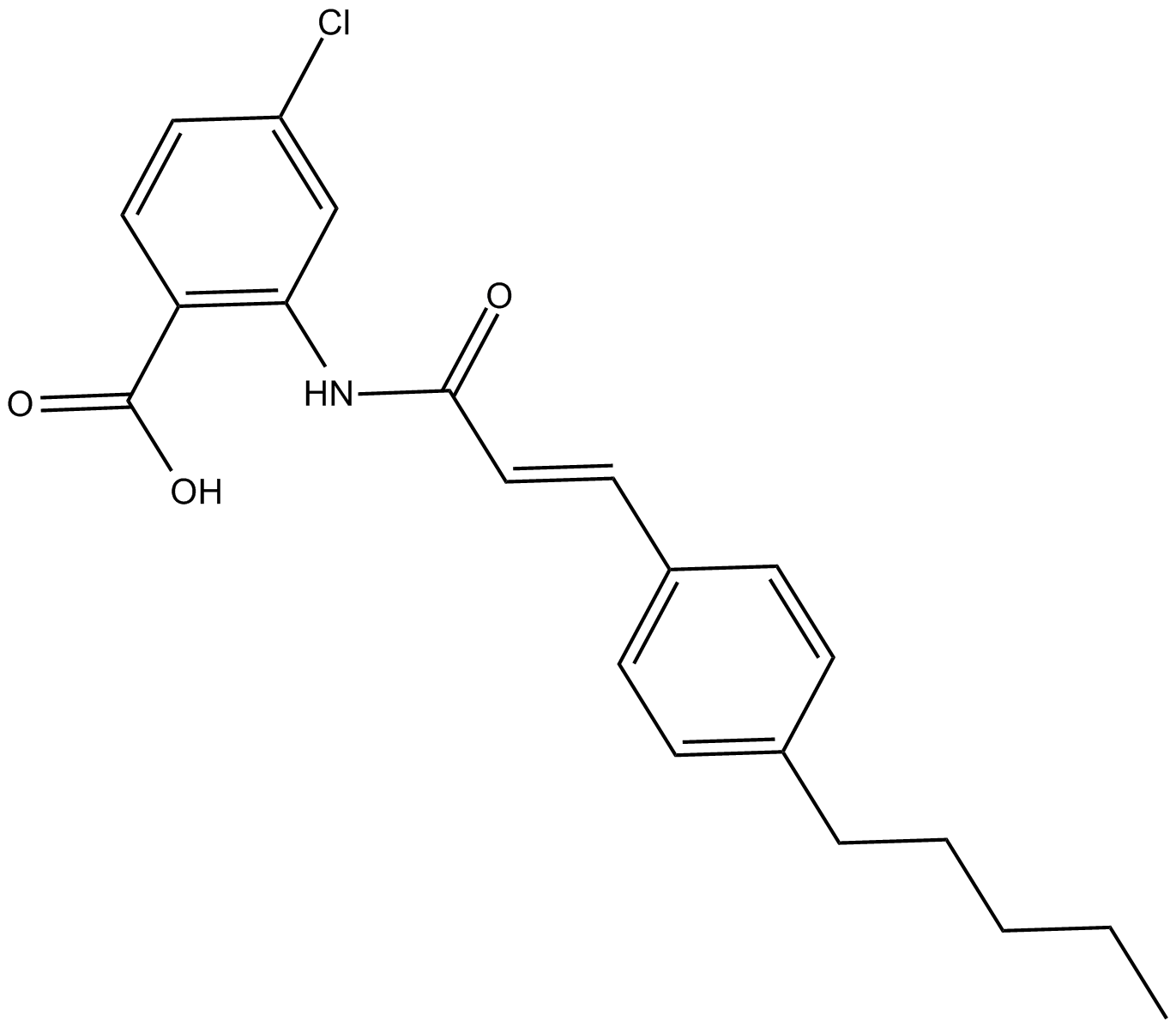 C5625 ONO-RS-082Summary: reversible inhibitor of Ca2+-independent phospholipase A2
 -
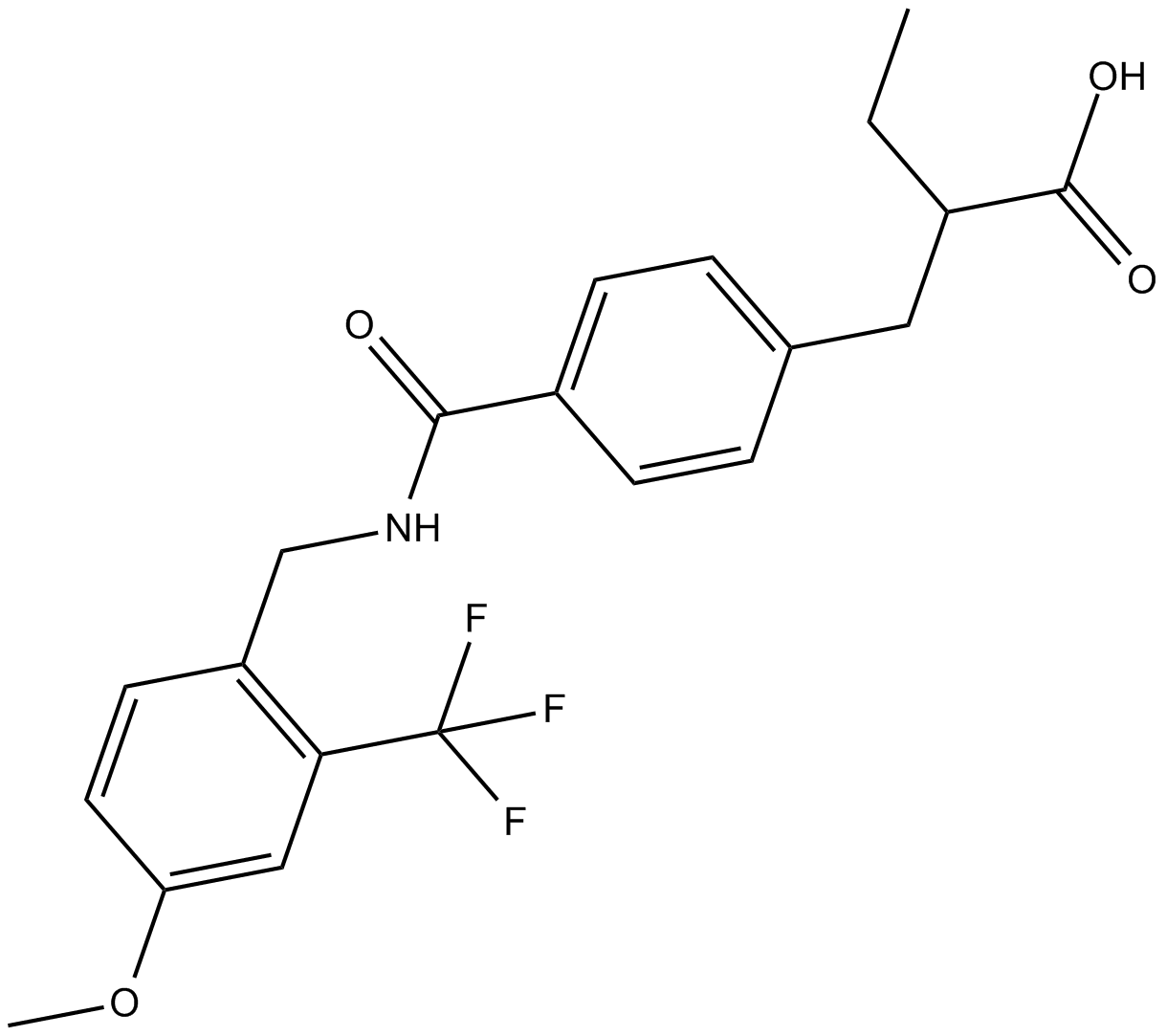 C5671 RB394Summary: dual modulator of soluble epoxide hydrolase (sEH) and PPARγ
 -
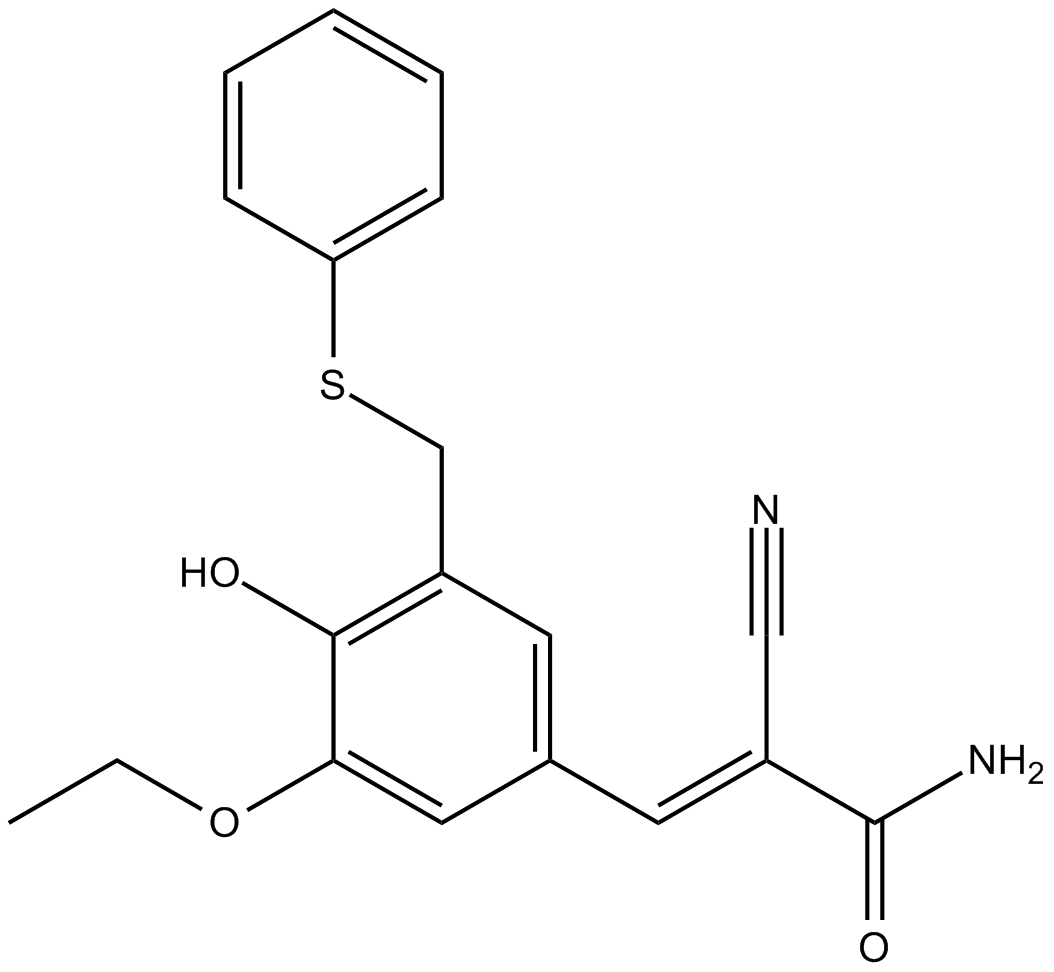 C5678 ST638Summary: tyrosine kinase inhibitor and PLD inhibitor
 -
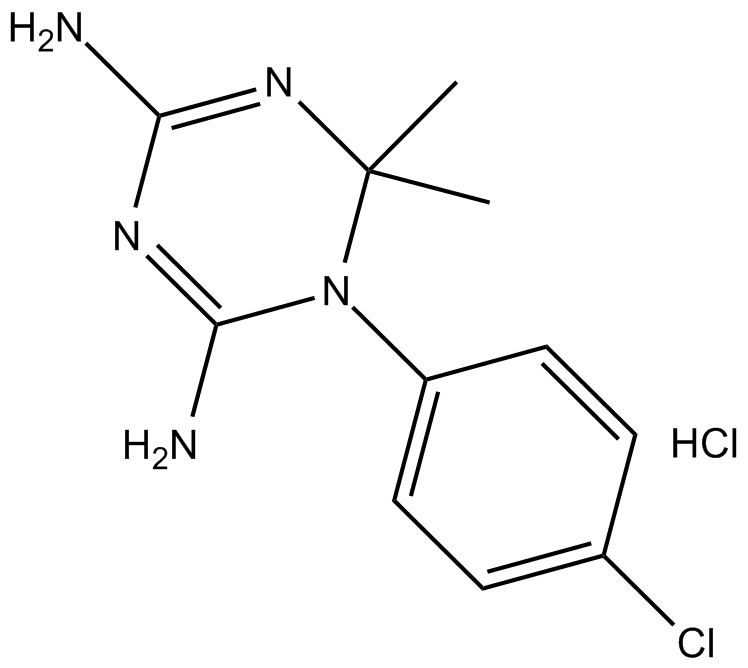 C5763 Cycloguanil (hydrochloride)Summary: inhibitor of dihydrofolate reductase (DHFR)
 -
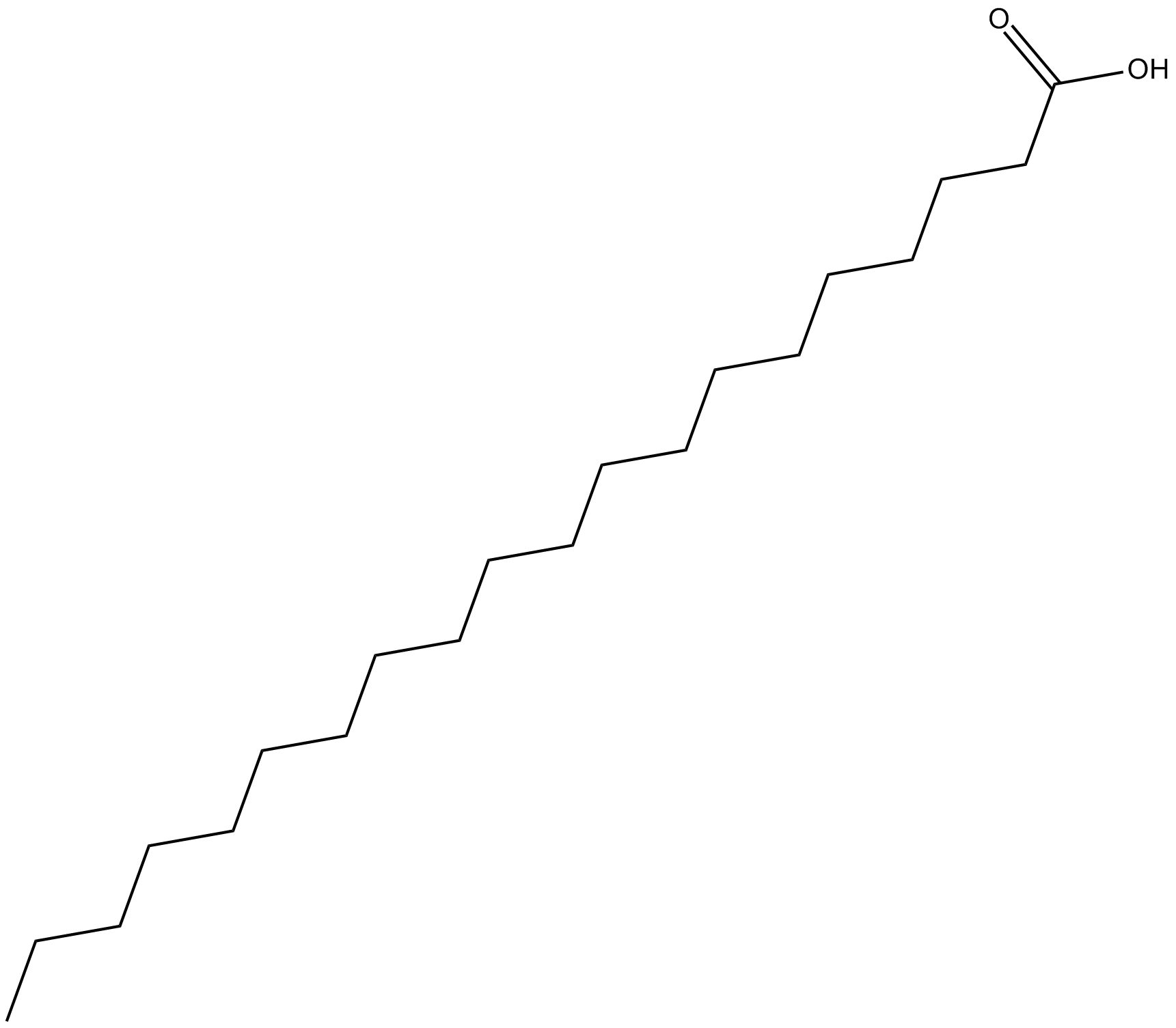 C5811 5,8,11-Eicosatriynoic AcidSummary: nonselective inhibitor of lipoxygenases (12-LO)
 -
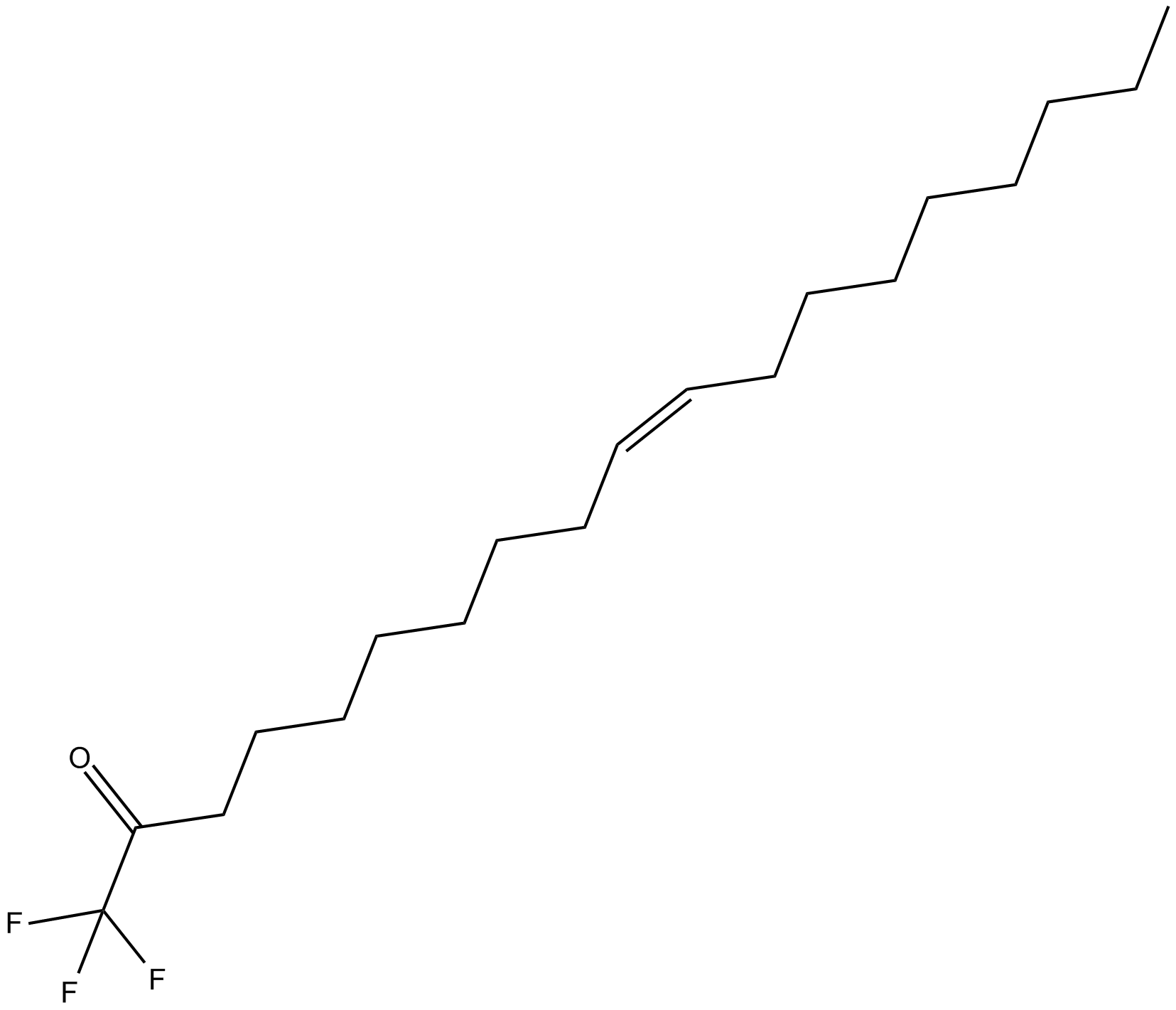 C5719 Oleyl Trifluoromethyl KetoneSummary: potent inhibitor of FAAH
 -
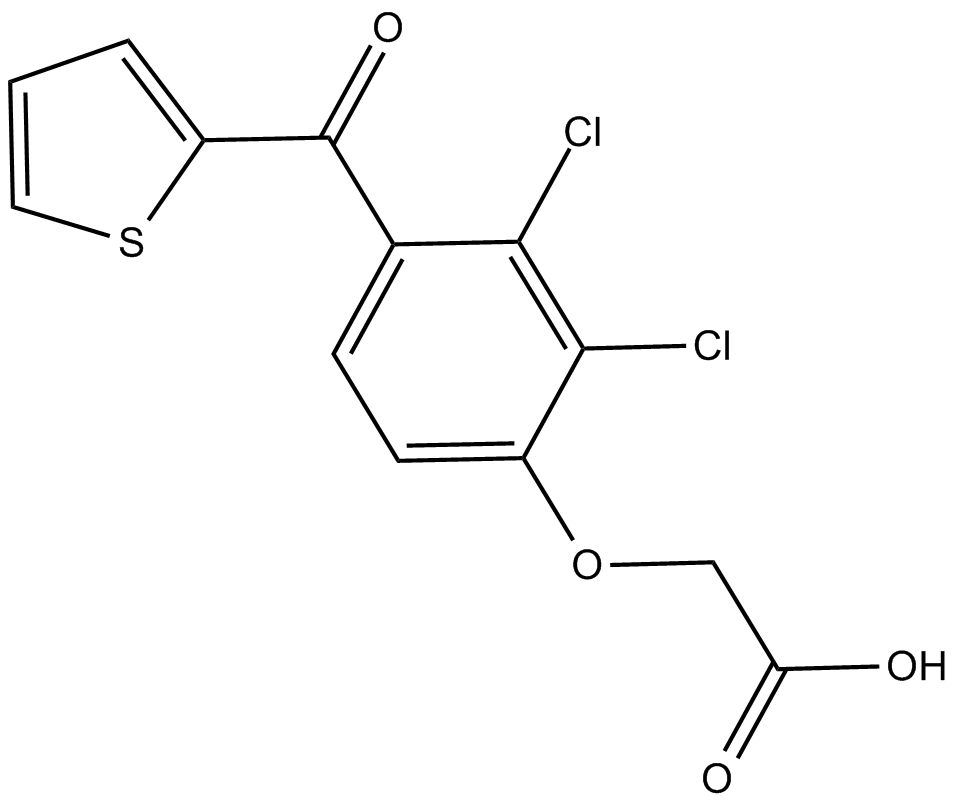 B7928 Tienilic AcidSummary: A compound with diuretic and antihypertensive effects that mediates hepatotoxicity via CYP metabolism
 -
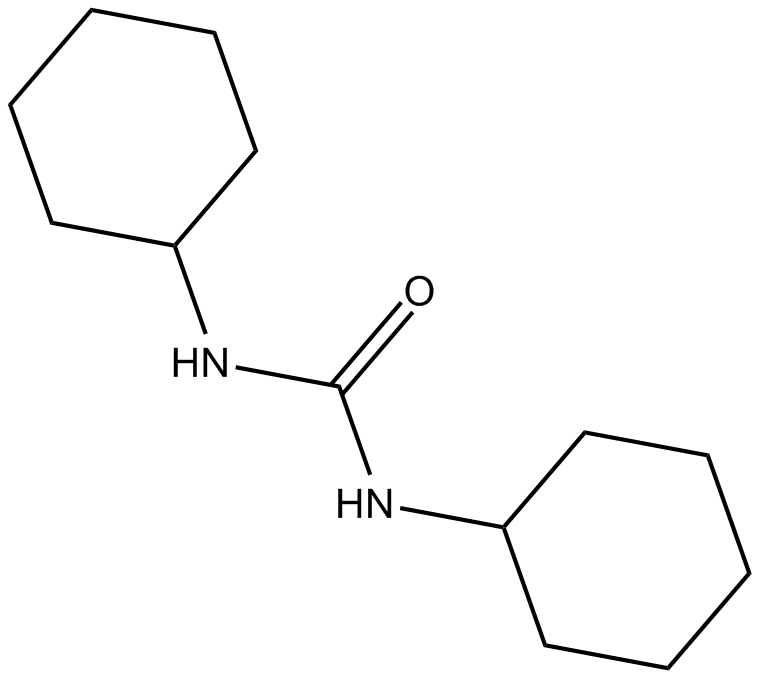 C3458 N,N'-DicyclohexylureaSummary: soluble epoxide hydrolase (sEH) inhibitor
 -
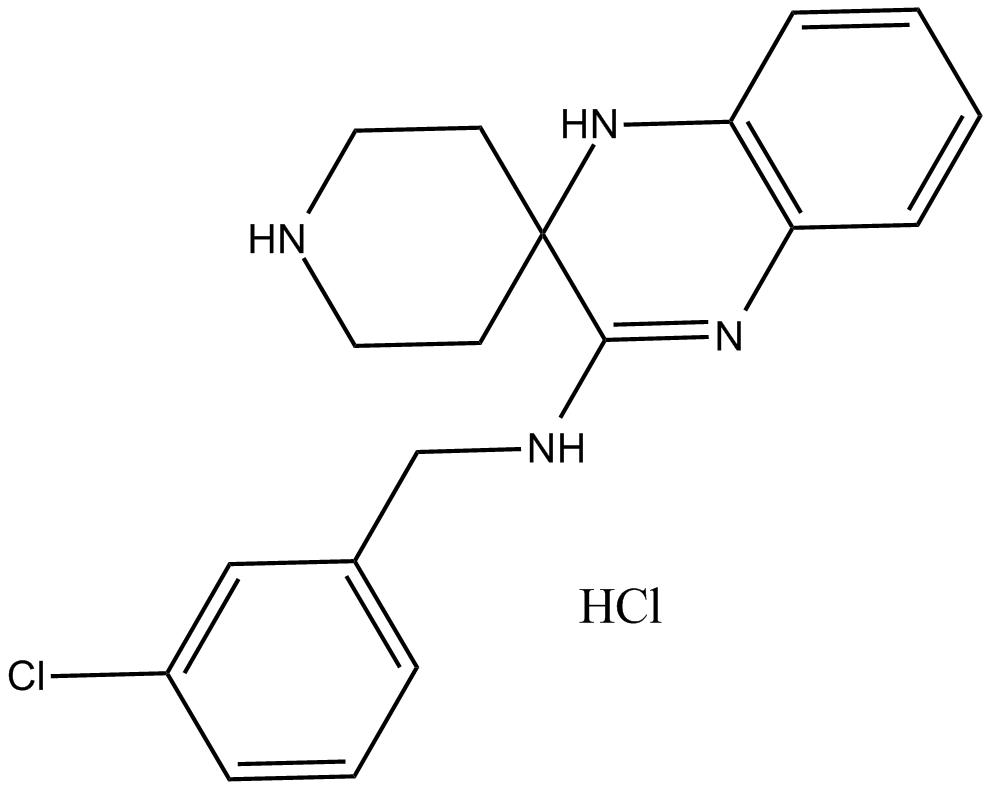 B8221 Liproxstatin-1 HCl2 CitationSummary: A potent ferroptosis inhibitor
 -
 B8229 Methylmalonyl Coenzyme A