


Metabolism
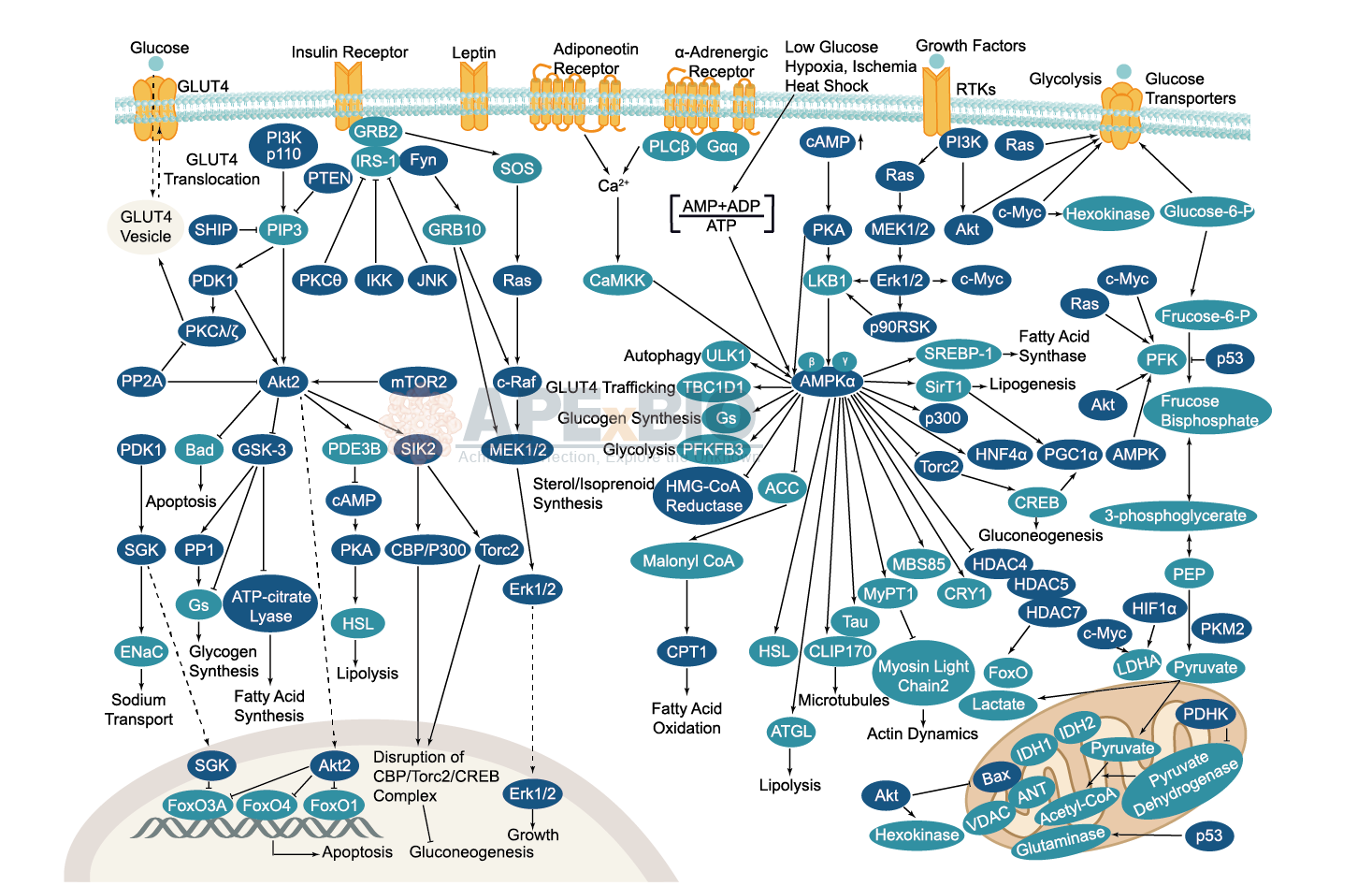
Serine/threonine kinase AMPK upregulates glucose uptake by promoting the expression and function of glucose transporters. AMPK is activated by increased AMP/ATP ratio, resulting from cellular and environmental stress, e.g. low glucose, heat shock, hypoxia and ischemia. AMPK activation positively modulates signaling transductions that refill ATP levels. Moreover, it also stimulates catabolic processes such as fatty acid oxidation and glycolysis through inhibition of ACC and activation of PFK2. AMPK negatively regulates various proteins which are important to ATP-consuming mechanisms, e.g. mTORC2, glycogen synthase, SREBP-1, and TSC2, causing the downregulation/inhibition of gluconeogenesis and glycogen, lipid and protein synthesis.
-
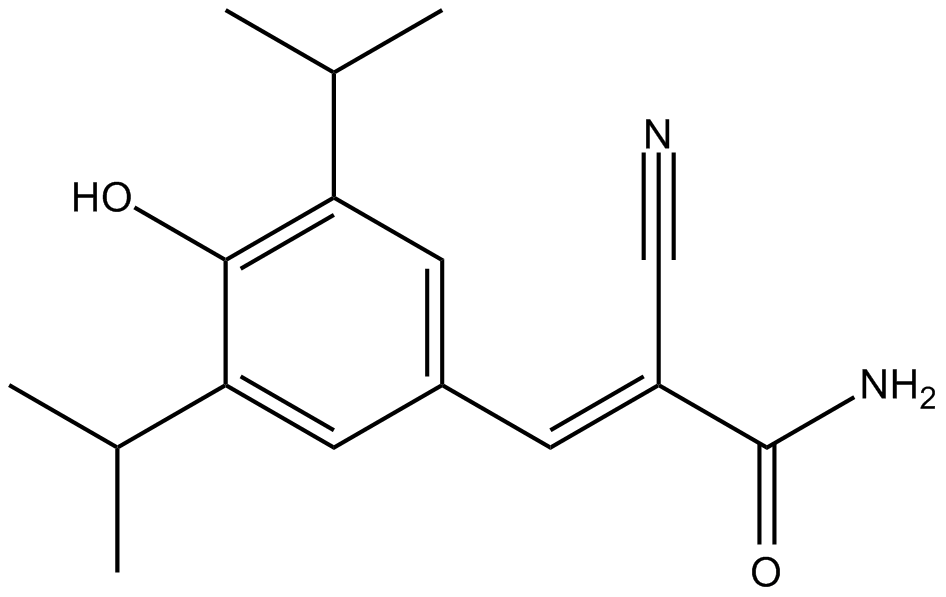 B8517 ST271Summary: An effective protein tyrosine kinase (PTK) inhibitor
 -
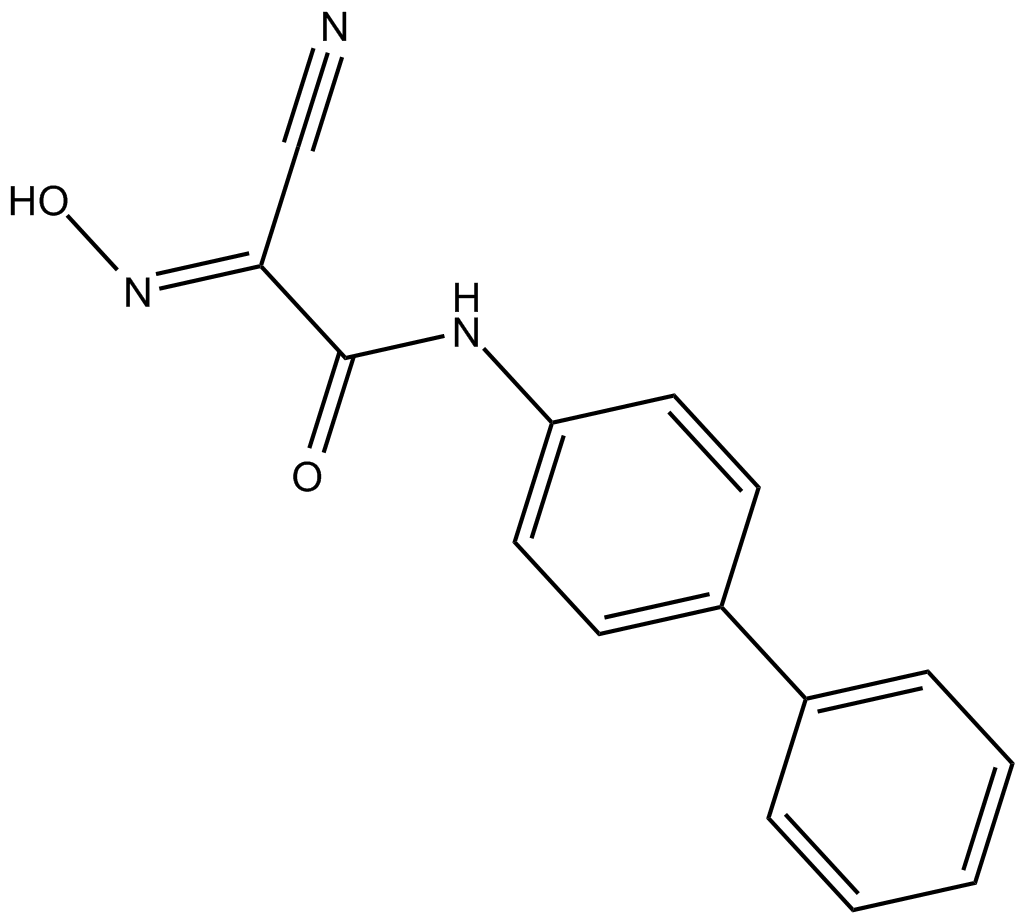 B8523 DHODH-IN-11Summary: A weak inhibitor of dihydroorotate dehydrogenase (DHODH)
 -
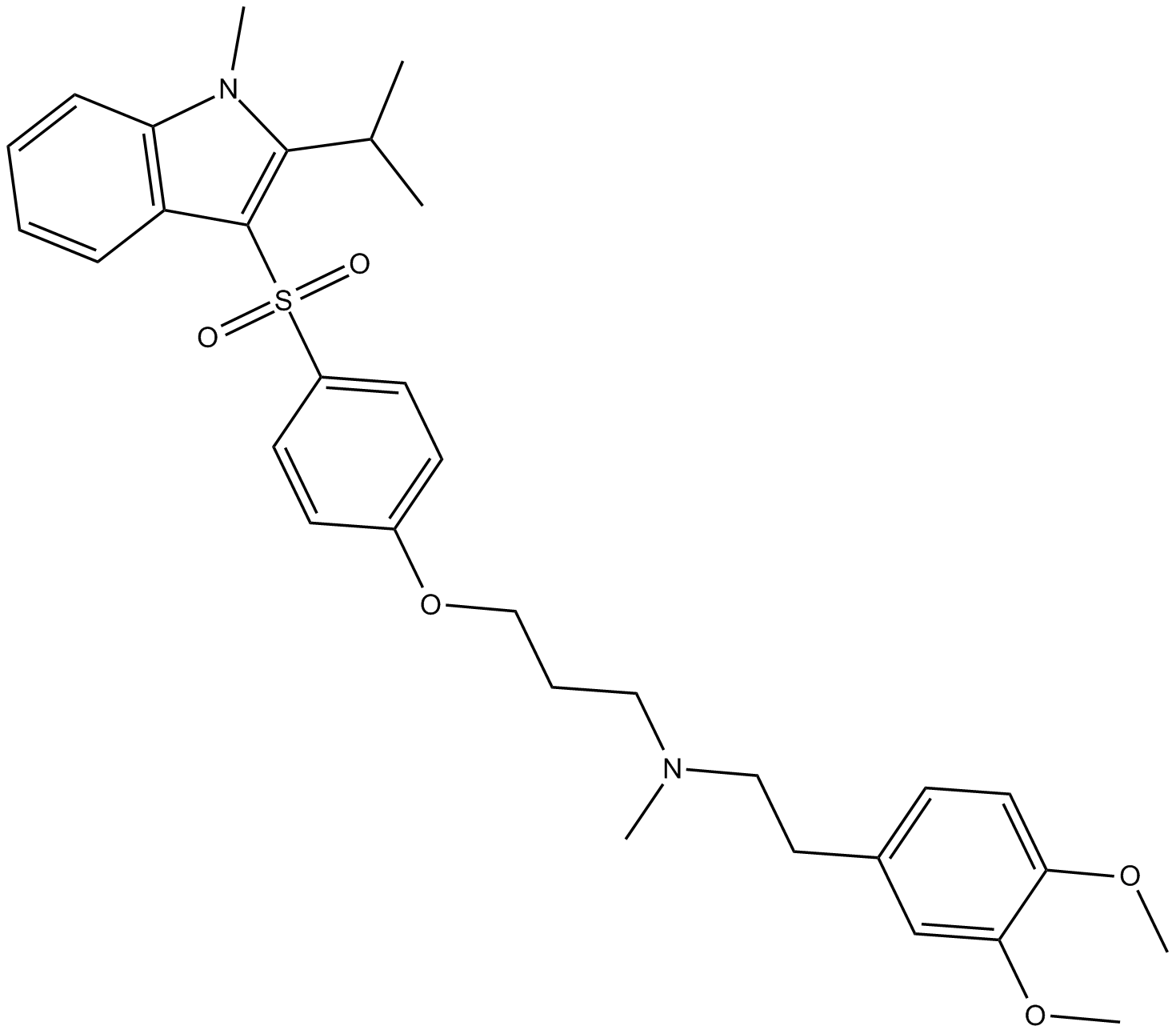 B8552 SR33805Summary: An effective Ca2+ channel blocker
 -
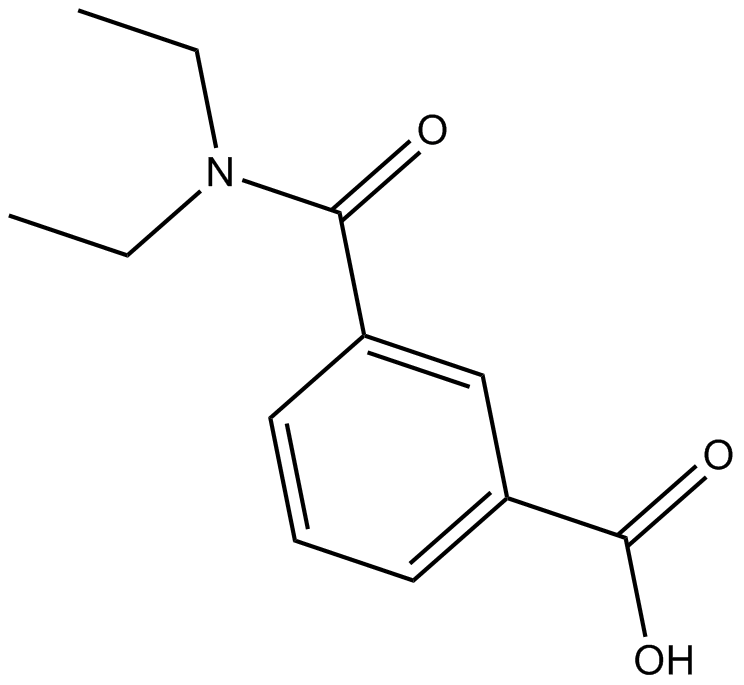 B8553 DCBASummary: Metabolite of the insect repellent N,N-diethyl-m-toluamide (DEET)
 -
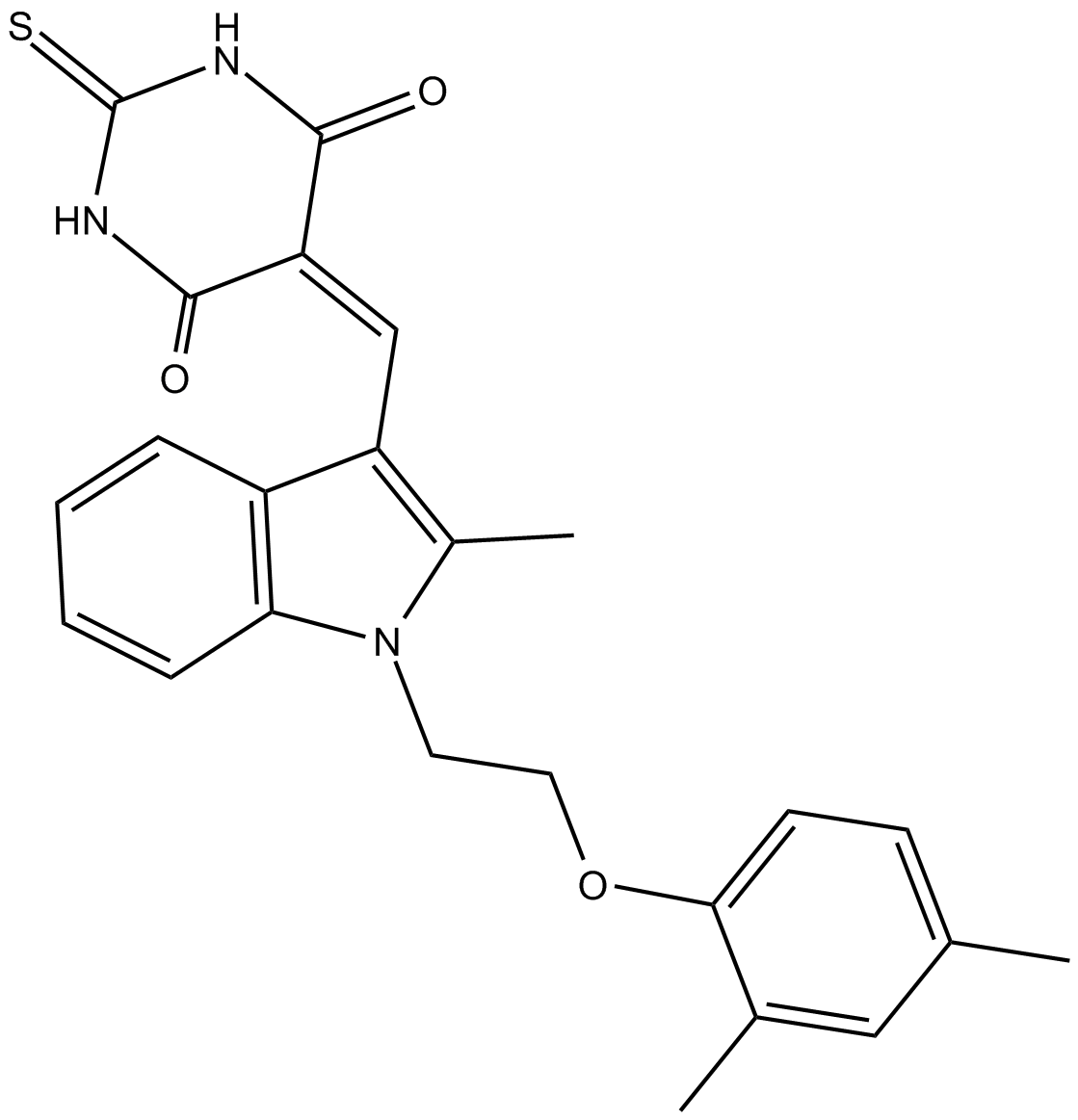 B8555 ZLDI-8Summary: Inhibitor of Notch activation/sheddase ADAM-17
 -
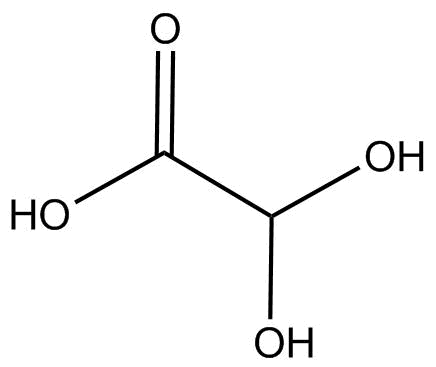 C6529 2,2-Dihydroxyacetic acidSummary: An intermediate used for cell signaling pathway research and chemiluminescence detection.
 -
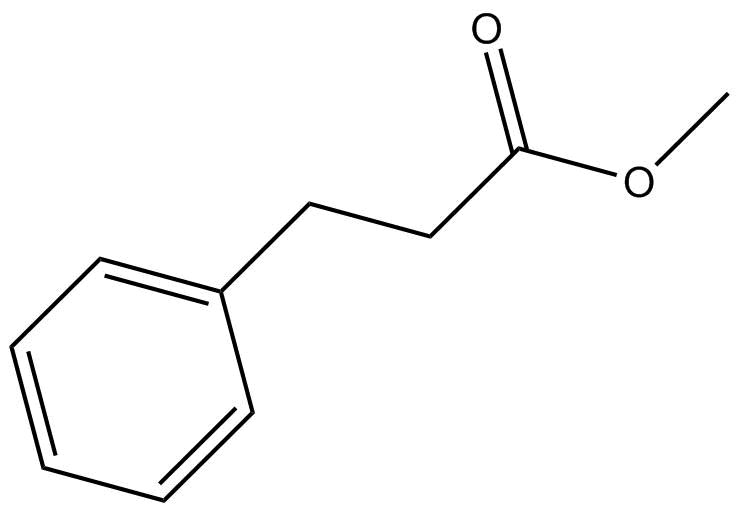 C6533 Methyl 3-phenylpropanoateSummary: An endogenous intermediate in phenylalanine metabolism, used for metabolomics research.
 -
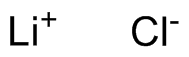 B6083 LiClSummary: used to precipitate RNA
 -
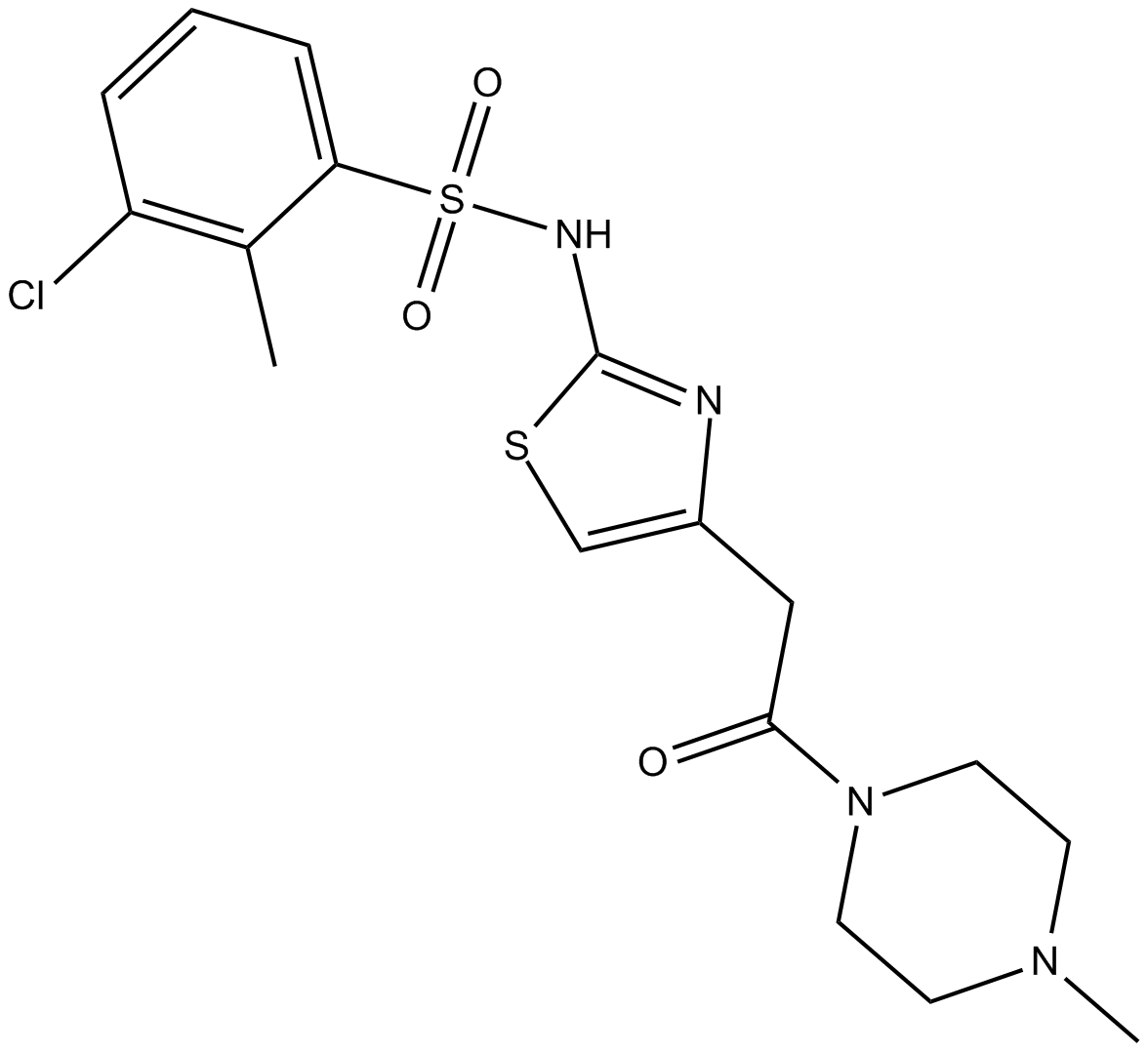 B6104 BVT 2733Summary: 11beta-hydroxysteroid dehydrogenase type 1 (11β-HSD1) inhibitor
 -
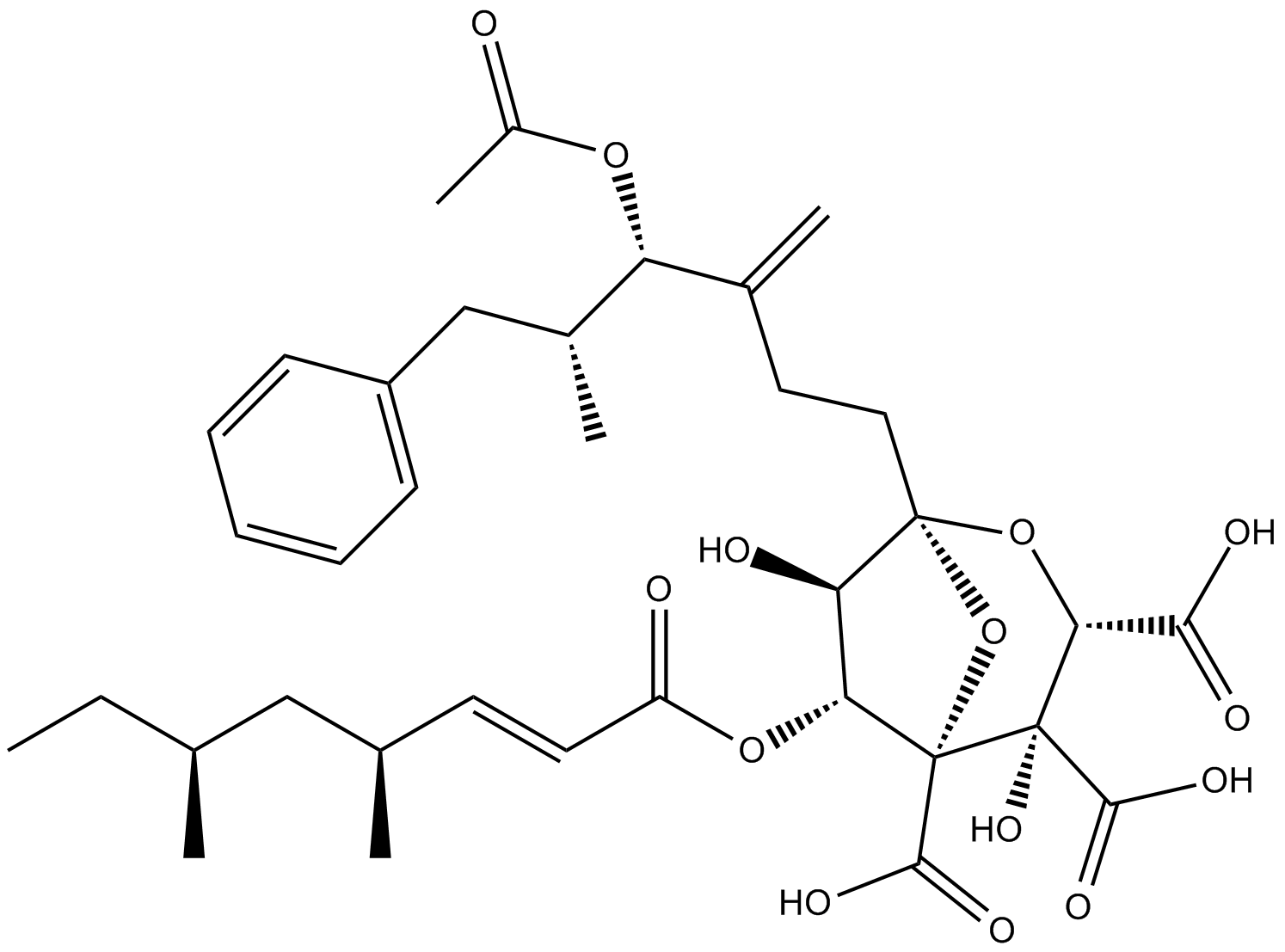 A1624 Zaragozic Acid ASummary: rat liver squalene synthase inhibitor