


Metabolism
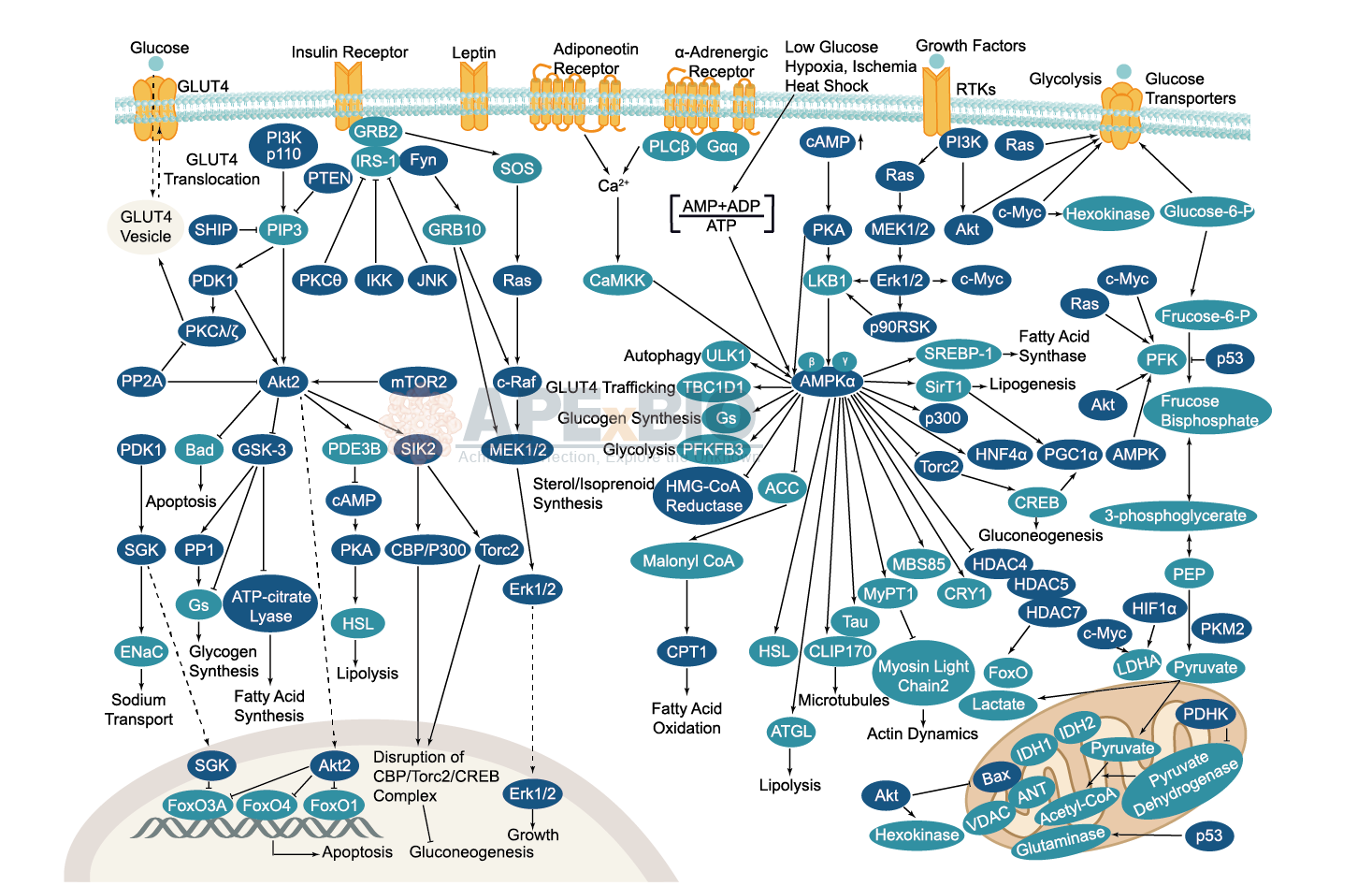
Serine/threonine kinase AMPK upregulates glucose uptake by promoting the expression and function of glucose transporters. AMPK is activated by increased AMP/ATP ratio, resulting from cellular and environmental stress, e.g. low glucose, heat shock, hypoxia and ischemia. AMPK activation positively modulates signaling transductions that refill ATP levels. Moreover, it also stimulates catabolic processes such as fatty acid oxidation and glycolysis through inhibition of ACC and activation of PFK2. AMPK negatively regulates various proteins which are important to ATP-consuming mechanisms, e.g. mTORC2, glycogen synthase, SREBP-1, and TSC2, causing the downregulation/inhibition of gluconeogenesis and glycogen, lipid and protein synthesis.
-
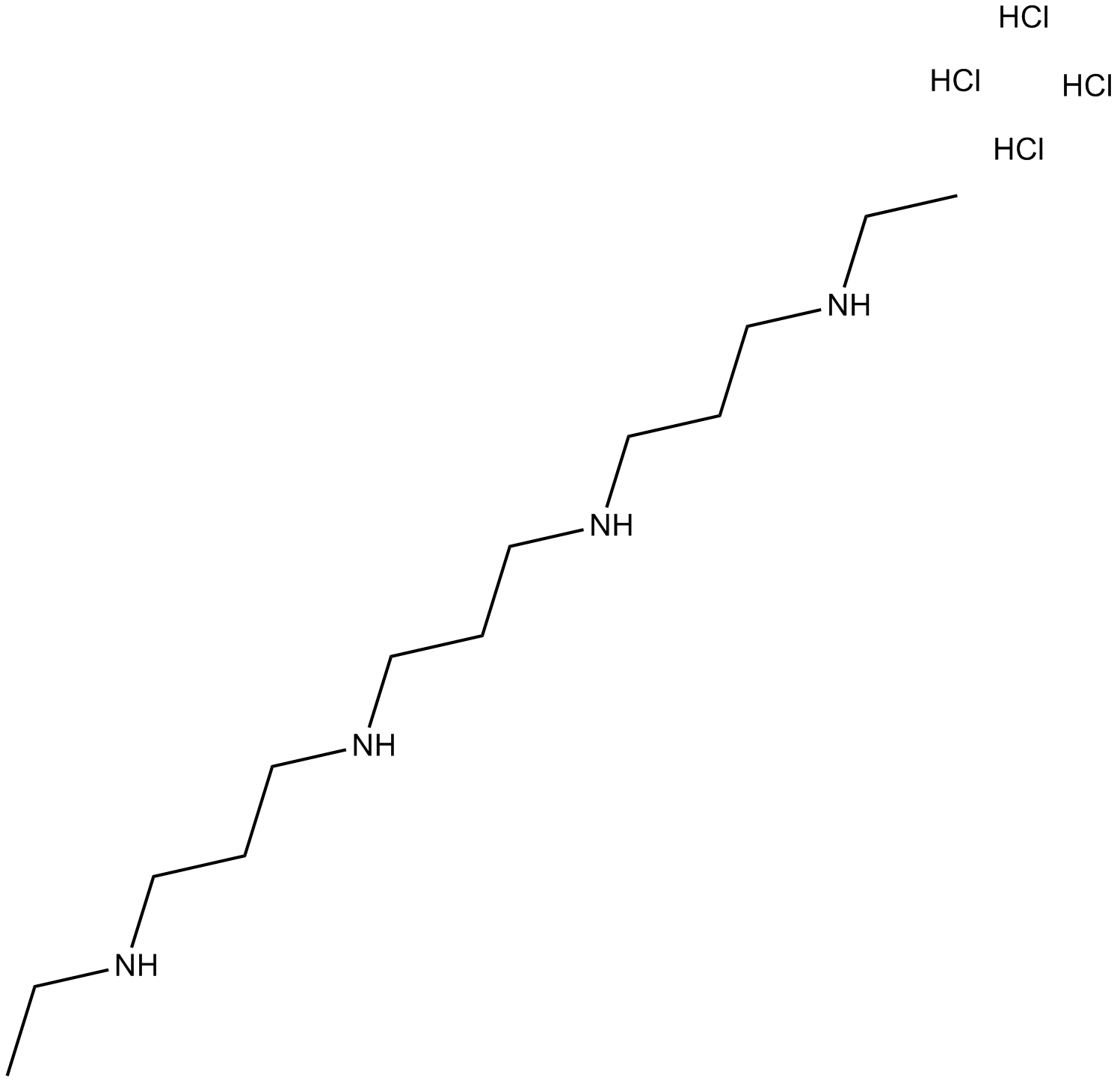 B8304 N1,N11-Diethylnorspermine tetrahydrochloride
 -
 B8354 PapainSummary: A cysteine protease of the peptidase C1 family
 -
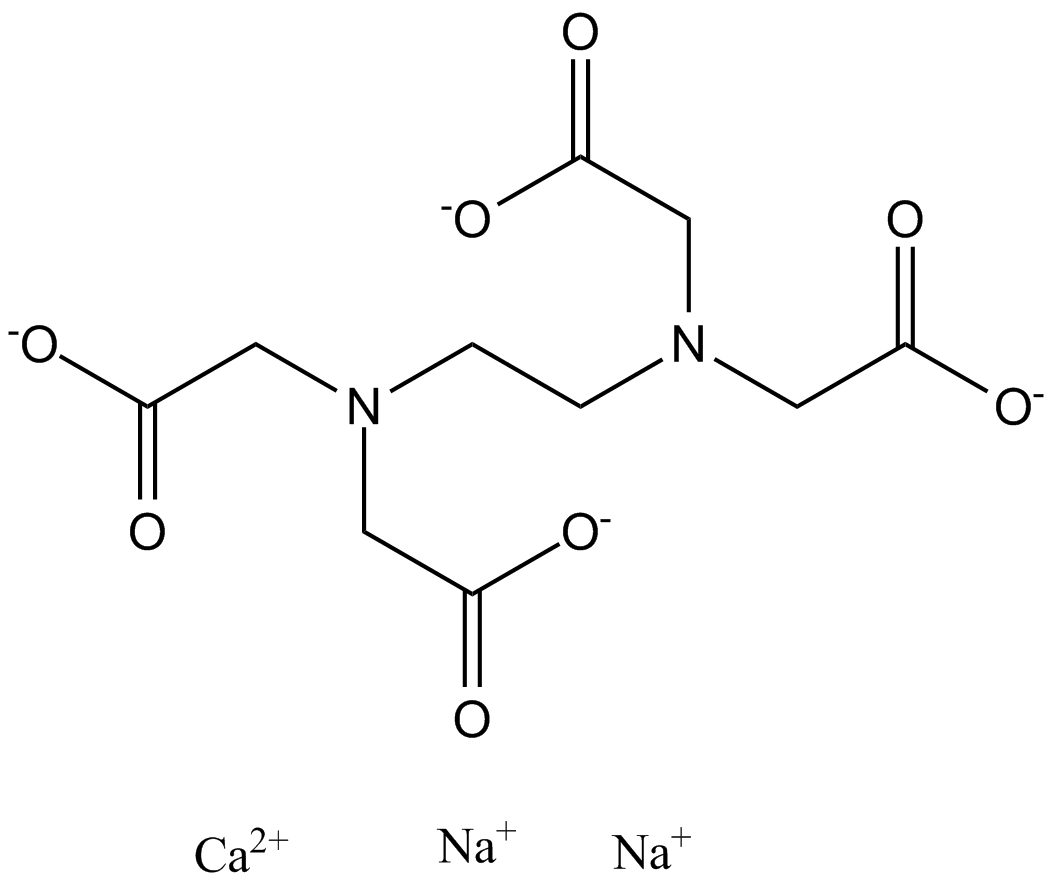 C6406 edetate calcium disodiumSummary: A reagent for chelating metal ions in the treatment of lead poisoning
 -
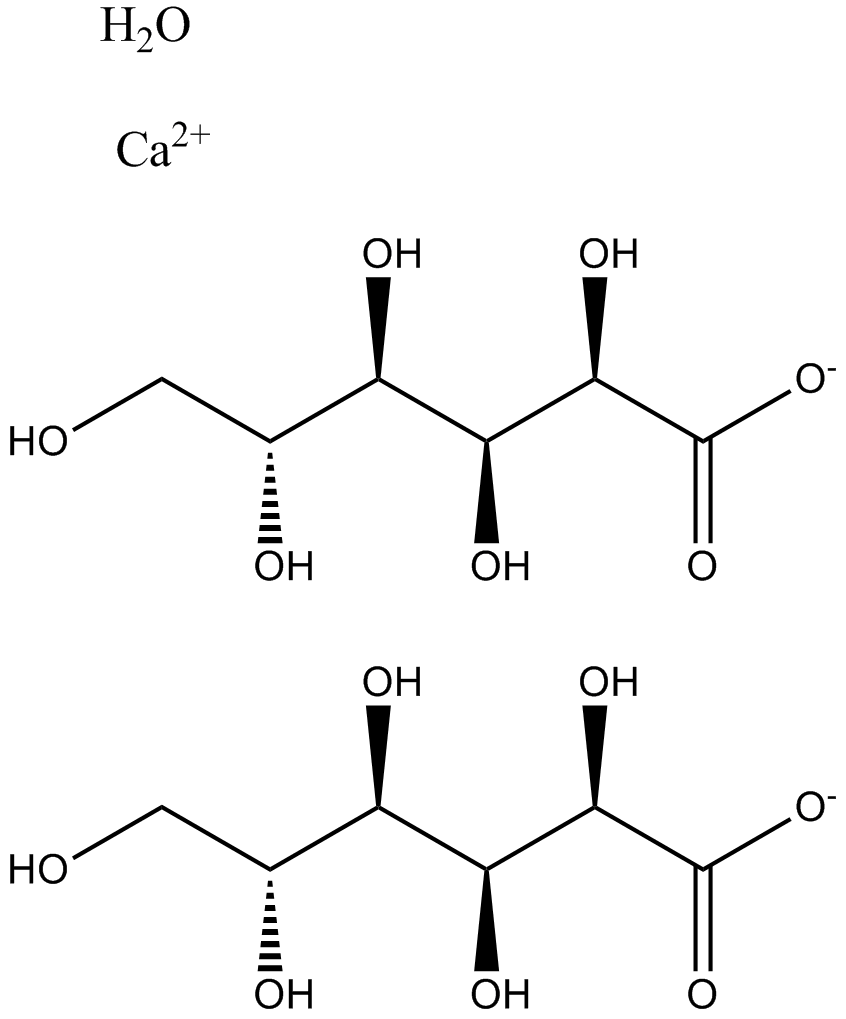 C6461 Calcium gluconateSummary: A calcium salt for the treatment of calcium-deficiency-related disorders and for physiological functions
 -
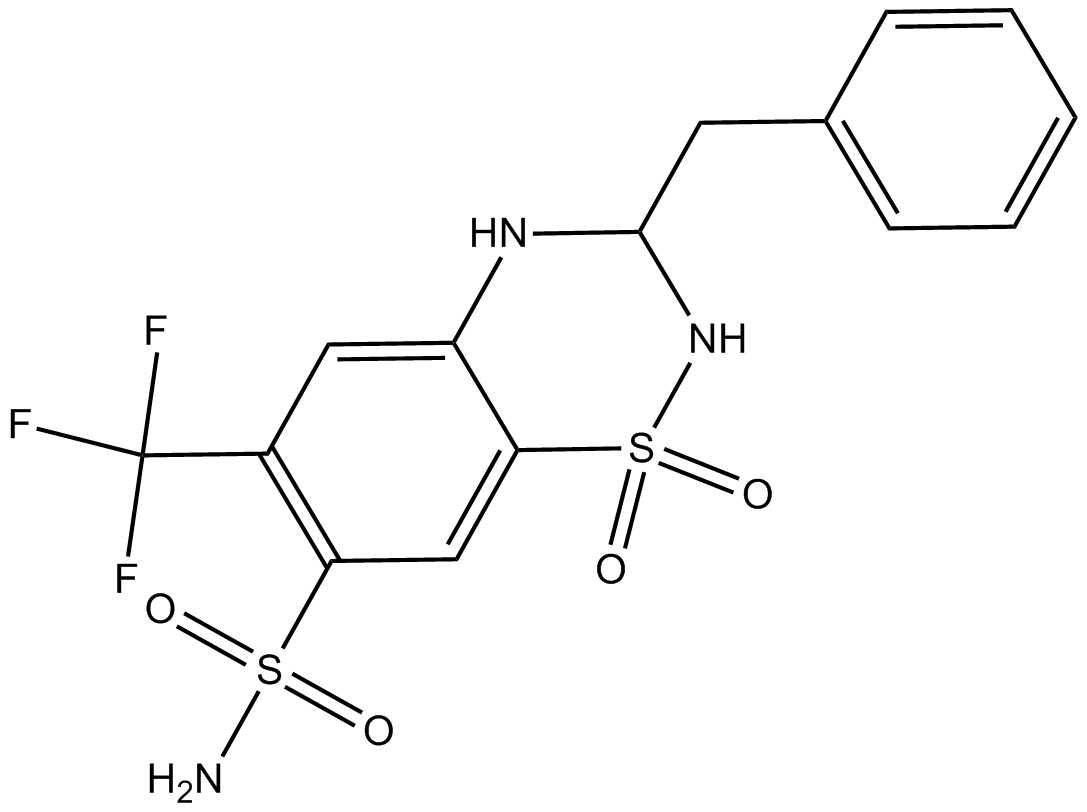 C6468 BendroflumethiazideSummary: An orally active diuretic for hypertension
 -
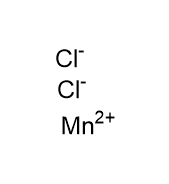 C6480 Manganese chlorideSummary: A reagent for tumors and MRI liver imaging
 -
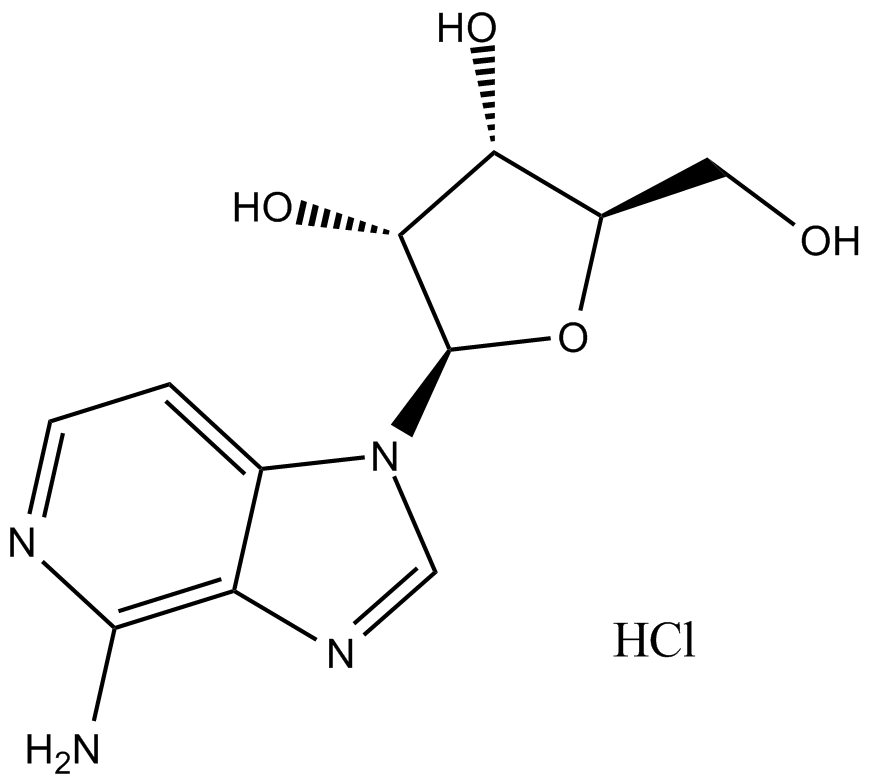 B8470 3-Deazaadenosine hydrochloride1 CitationSummary: A selective SAHH inhibitor with anti-inflammatory, antiproliferative, and anti-HIV activity
 -
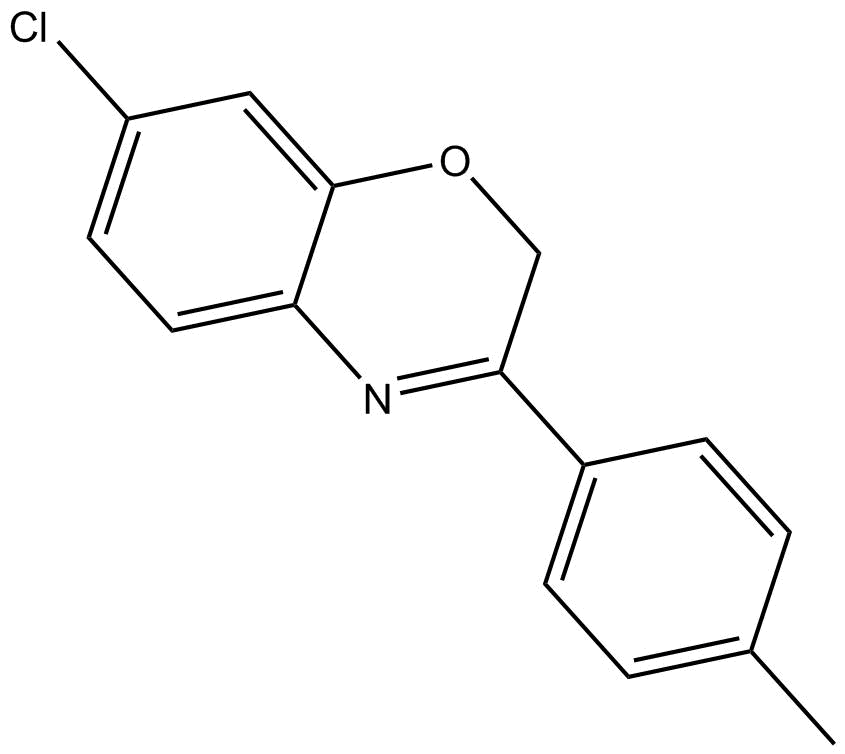 B8477 AR7Summary: Atypical RARA/RARα (retinoic acid receptor α) antagonist
 -
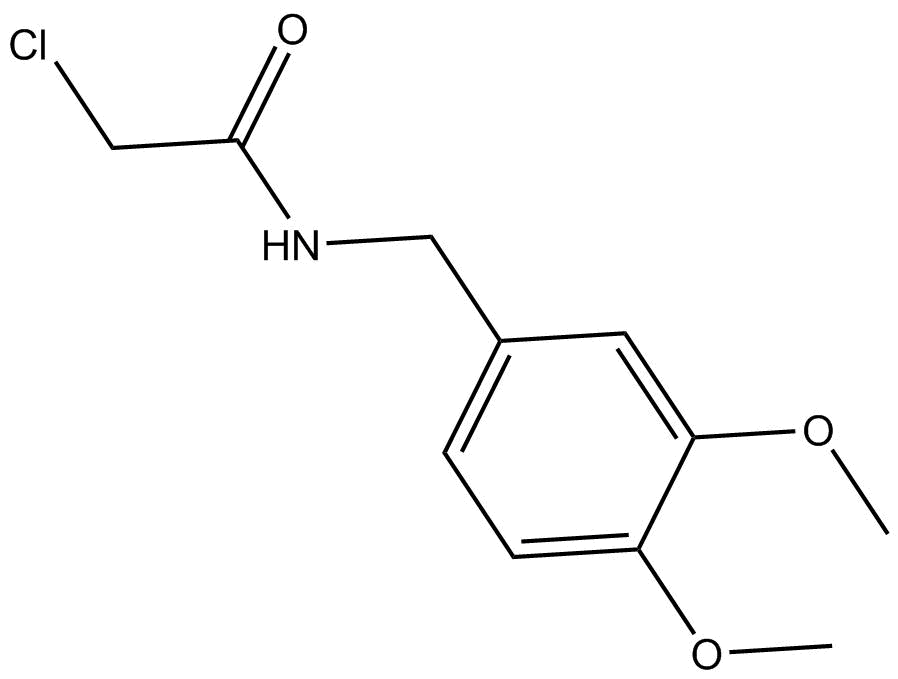 B8503 DKM 2-93Summary: A selective UBA5 inhibitor
 -
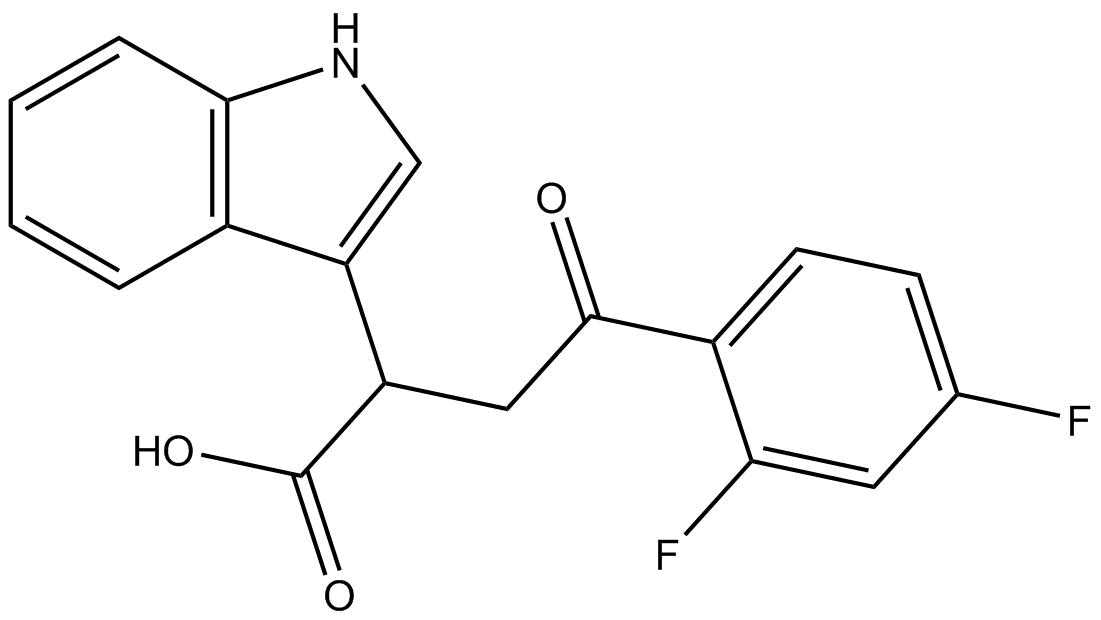 B8504 Mitochonic acid 5Summary: Binds to mitochondria and improves damage to renal tubular and cardiomyocyte cells