


Metabolism
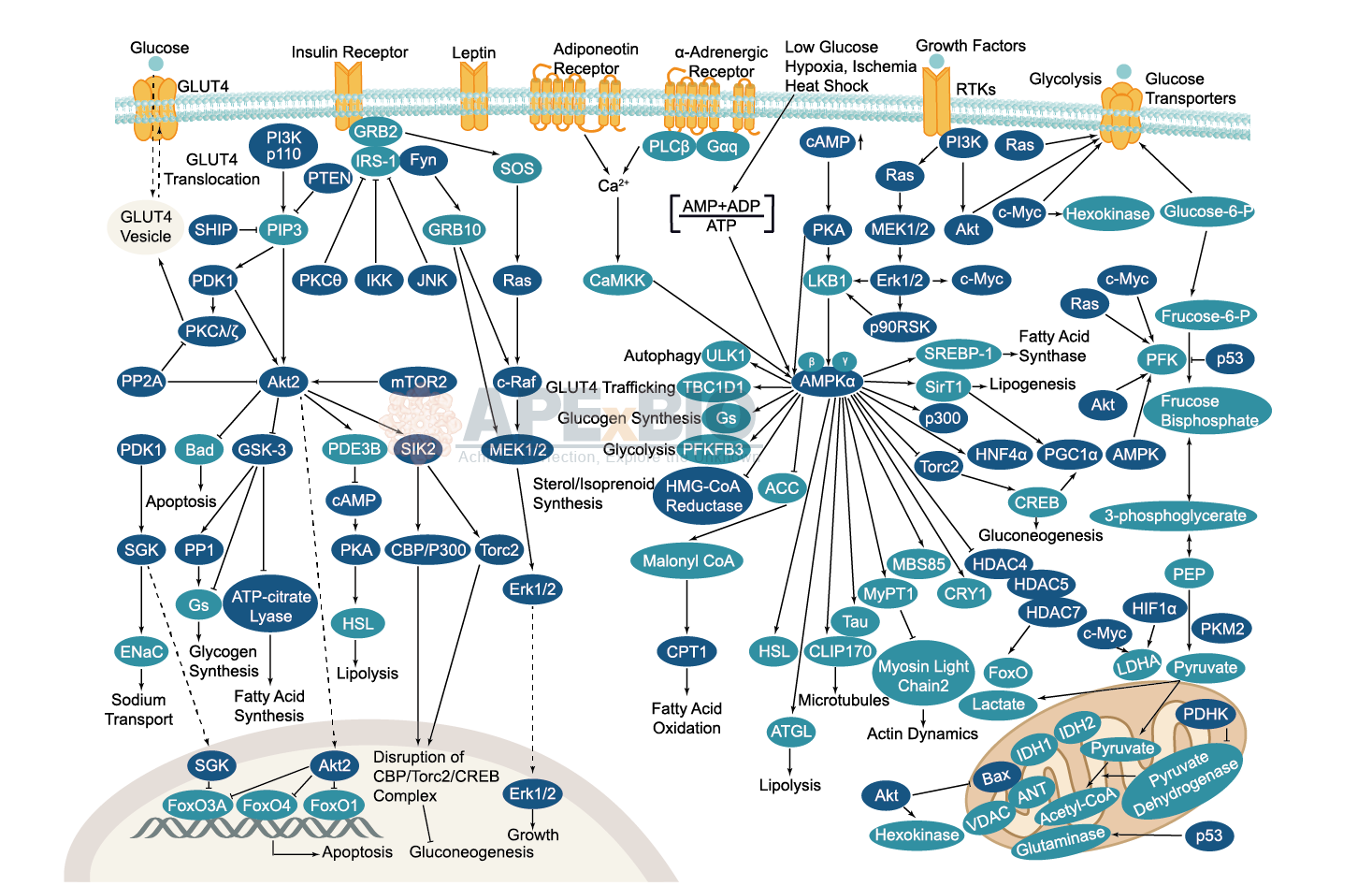
Serine/threonine kinase AMPK upregulates glucose uptake by promoting the expression and function of glucose transporters. AMPK is activated by increased AMP/ATP ratio, resulting from cellular and environmental stress, e.g. low glucose, heat shock, hypoxia and ischemia. AMPK activation positively modulates signaling transductions that refill ATP levels. Moreover, it also stimulates catabolic processes such as fatty acid oxidation and glycolysis through inhibition of ACC and activation of PFK2. AMPK negatively regulates various proteins which are important to ATP-consuming mechanisms, e.g. mTORC2, glycogen synthase, SREBP-1, and TSC2, causing the downregulation/inhibition of gluconeogenesis and glycogen, lipid and protein synthesis.
-
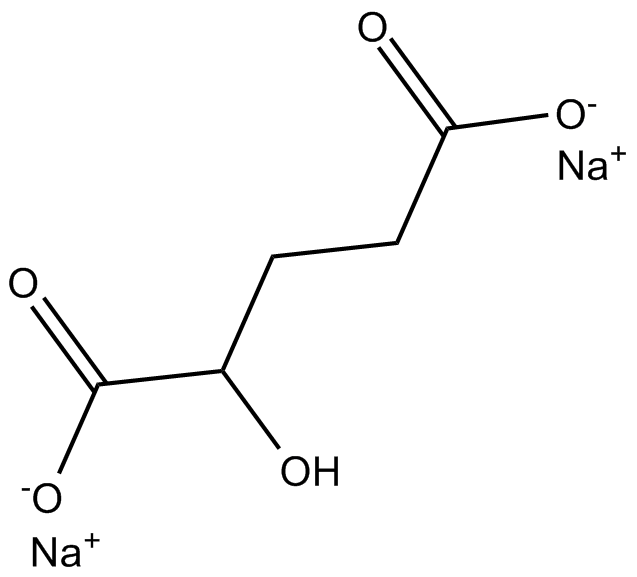 A3837 DL-α-Hydroxyglutaric acid disodium saltSummary: alpha hydroxy acid
 -
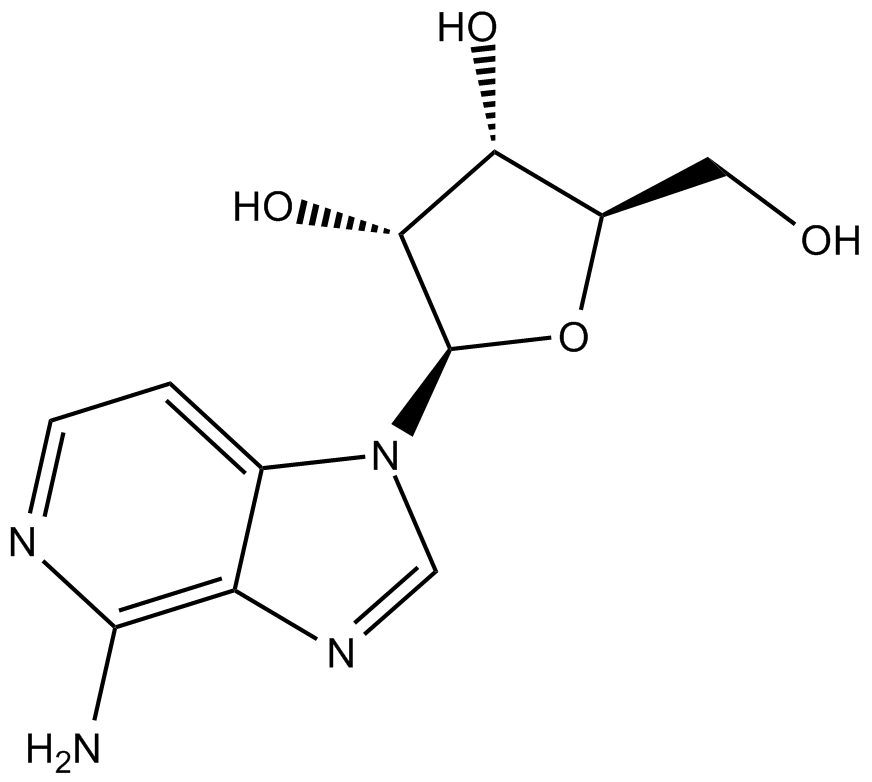 B6121 3-Deazaadenosine8 CitationTarget: S-adenosylhomocysteine hydrolaseSummary: S-Adenosylhomocysteine (SAH) hydrolase inhibitor
 -
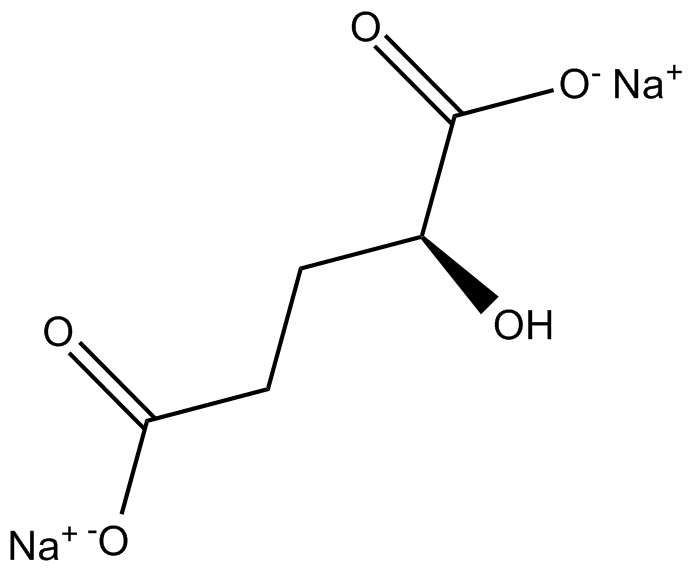 A1606 L-a-Hydroxyglutaric acid disodium saltSummary: salt form of L-α-Hydroxyglutaric acid
 -
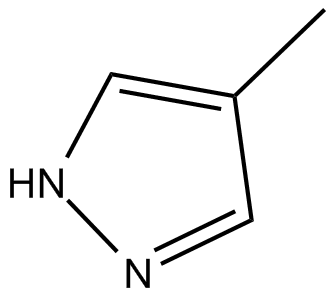 B6124 FomepizoleSummary: competitive inhibitor of the enzyme alcohol dehydrogenase
 -
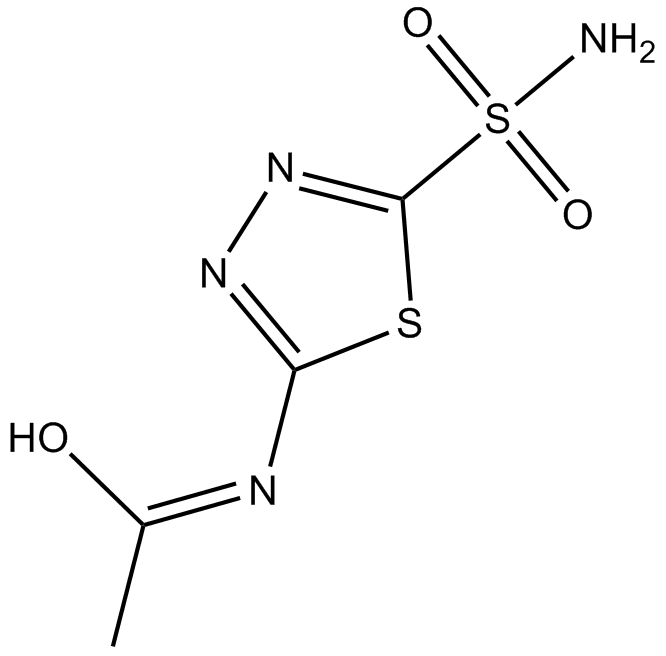 B6125 Acetazolamide2 CitationSummary: carbonic anhydrase (CA) inhibitor
 -
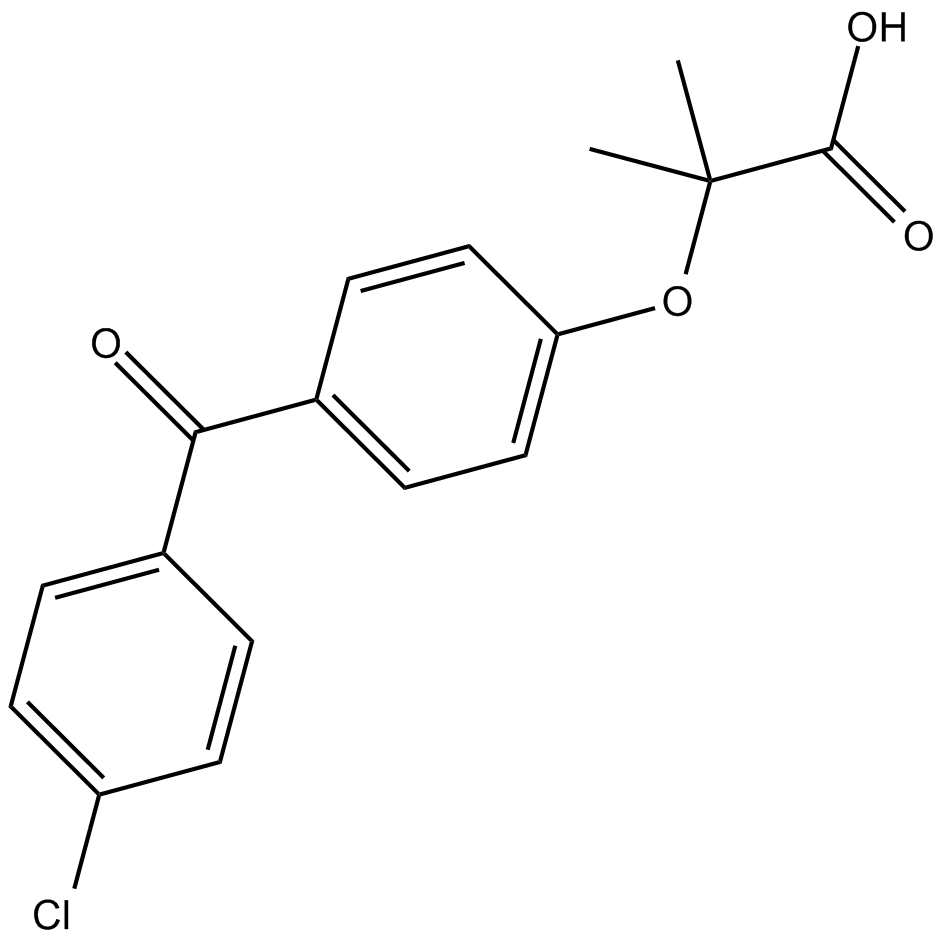 B6128 Fenofibric acidSummary: ppar inhibitor, lipid-lowering agent
 -
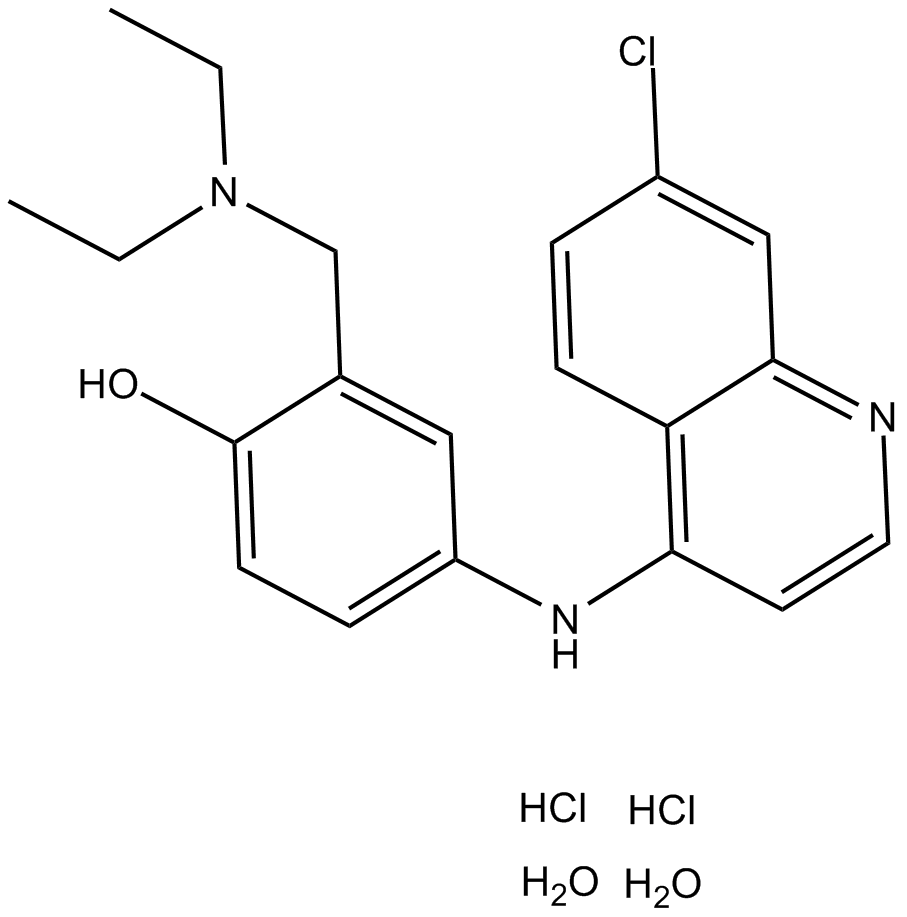 B6134 Amodiaquine dihydrochloride dihydrateSummary: histamine N-methyl transferase inhibitor
 -
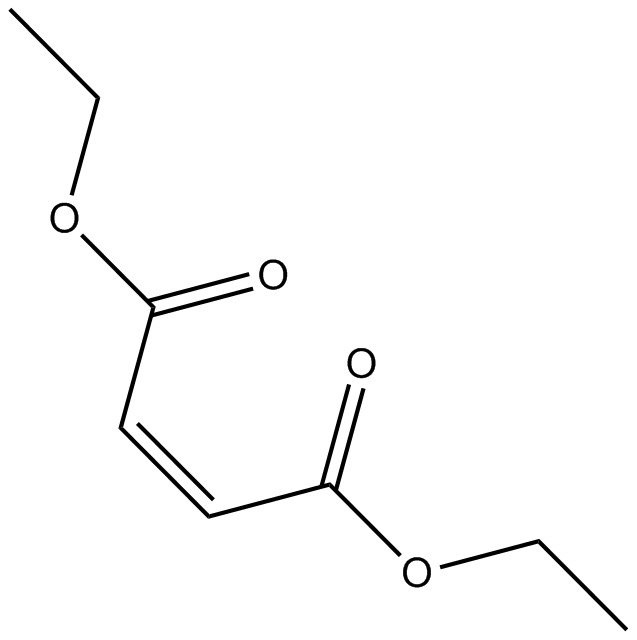 B6151 Diethylmaleate1 CitationSummary: Maleic acid diethyl ester
 -
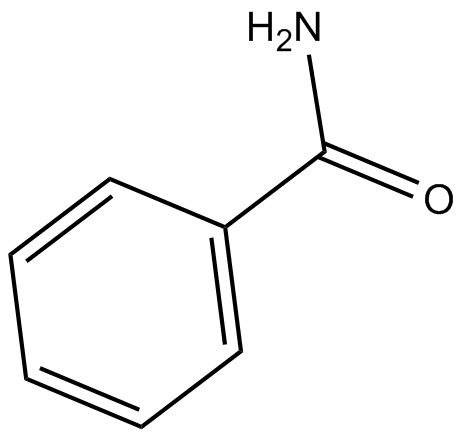 B6152 BenzamideSummary: Effectively inhibits PARP activity, provides neuroprotective effects, and regulates DNA repair.
 -
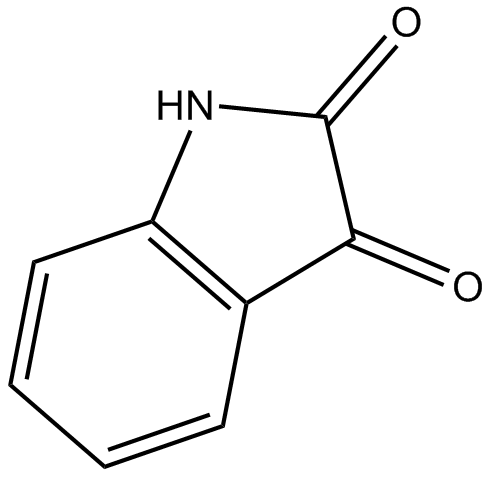 B6153 IsatinSummary: endogenous monoamine oxidase inhibitor