


Angiogenesis
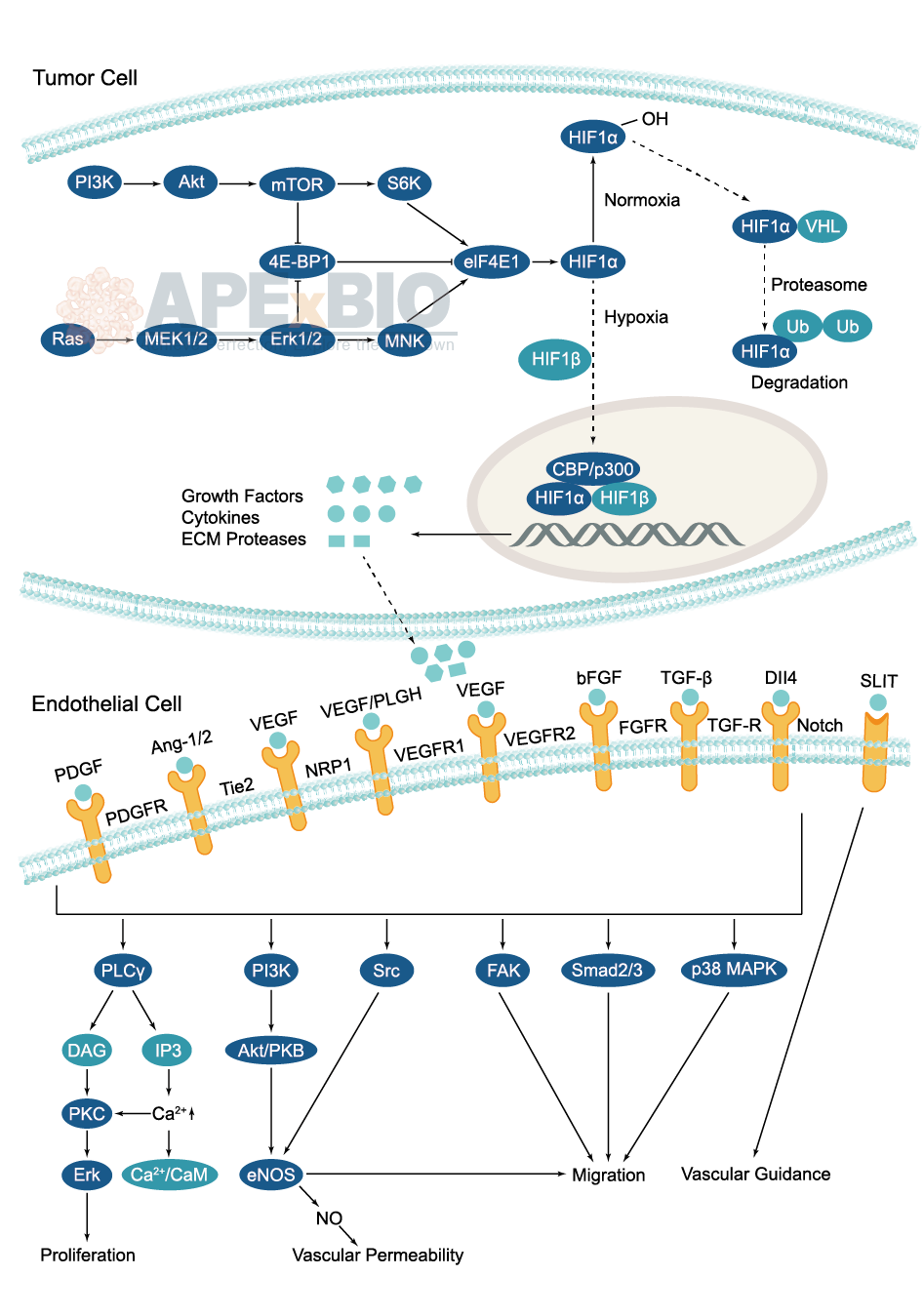
During tumor angiogenesis, cancer cells stimulate formation of new blood vessel for delivering oxygen and nutrients to a tumor. As the tumor grows, cells at the center of the mass become starved of oxygen, causing hypoxia. It stabilizes the expression of a transcription factor, HIF-1α (hypoxia inducible factor-1), which binds HIF-1β to upregulate the expression of several angiogenesis-promoting genes. Moreover, growth factor signaling also stimulates HIF-1 activity in order to maintain oxygen homeostasis for growing cells.
-
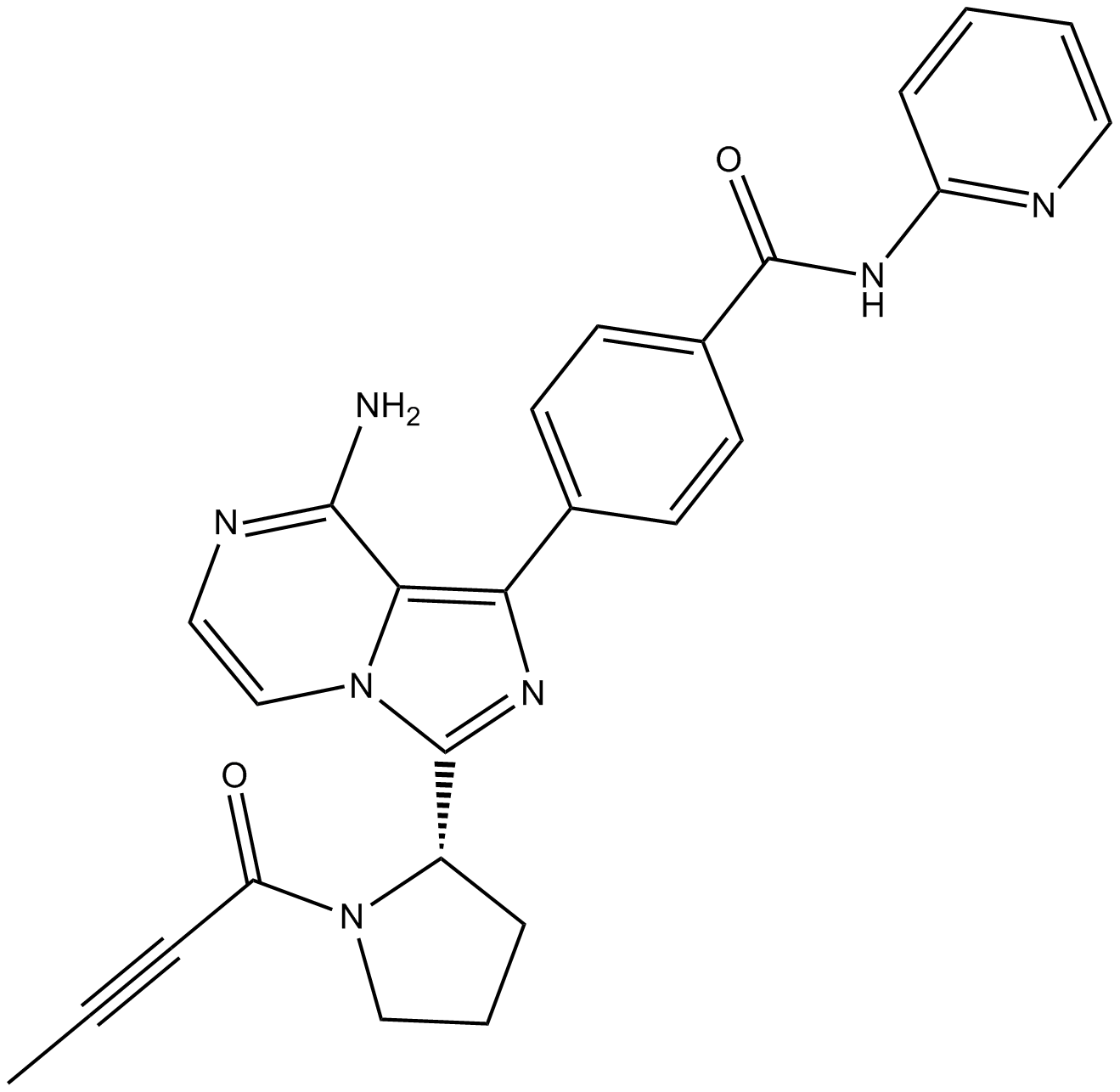 B6185 ACP-196Target: BTKSummary: irreversible BTK inhibitor
 -
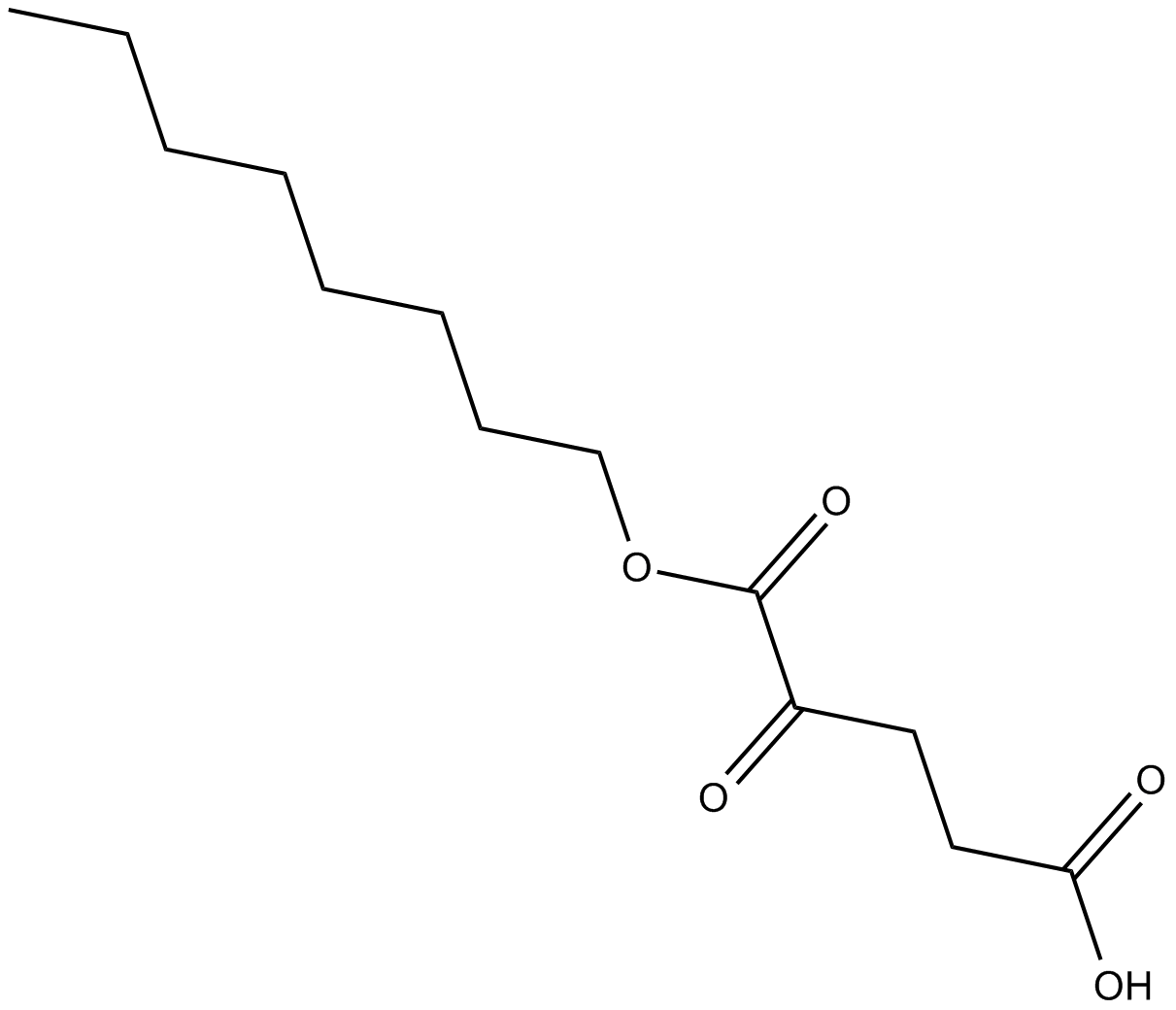 C4321 Octyl-α-ketoglutarateSummary: prolyl hydroxylases (PHD) activator
 -
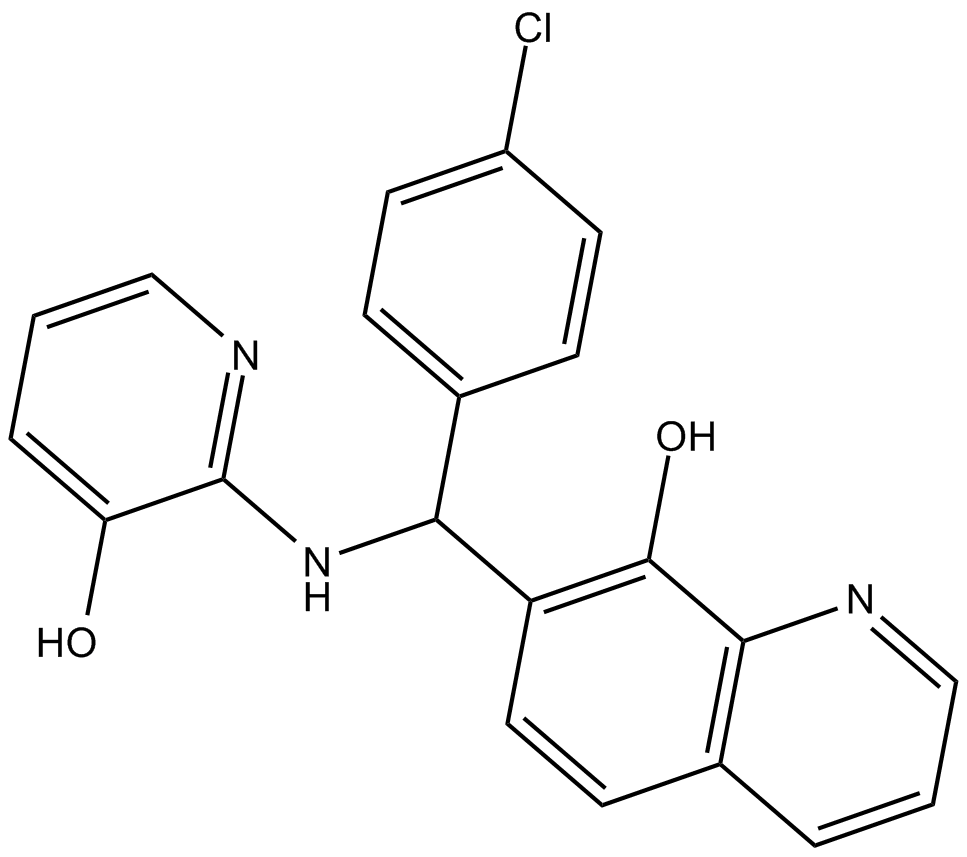 C4377 Adaptaquin1 CitationSummary: HIF-prolyl hydroxylase-2 (PHD2) inhibitor
 -
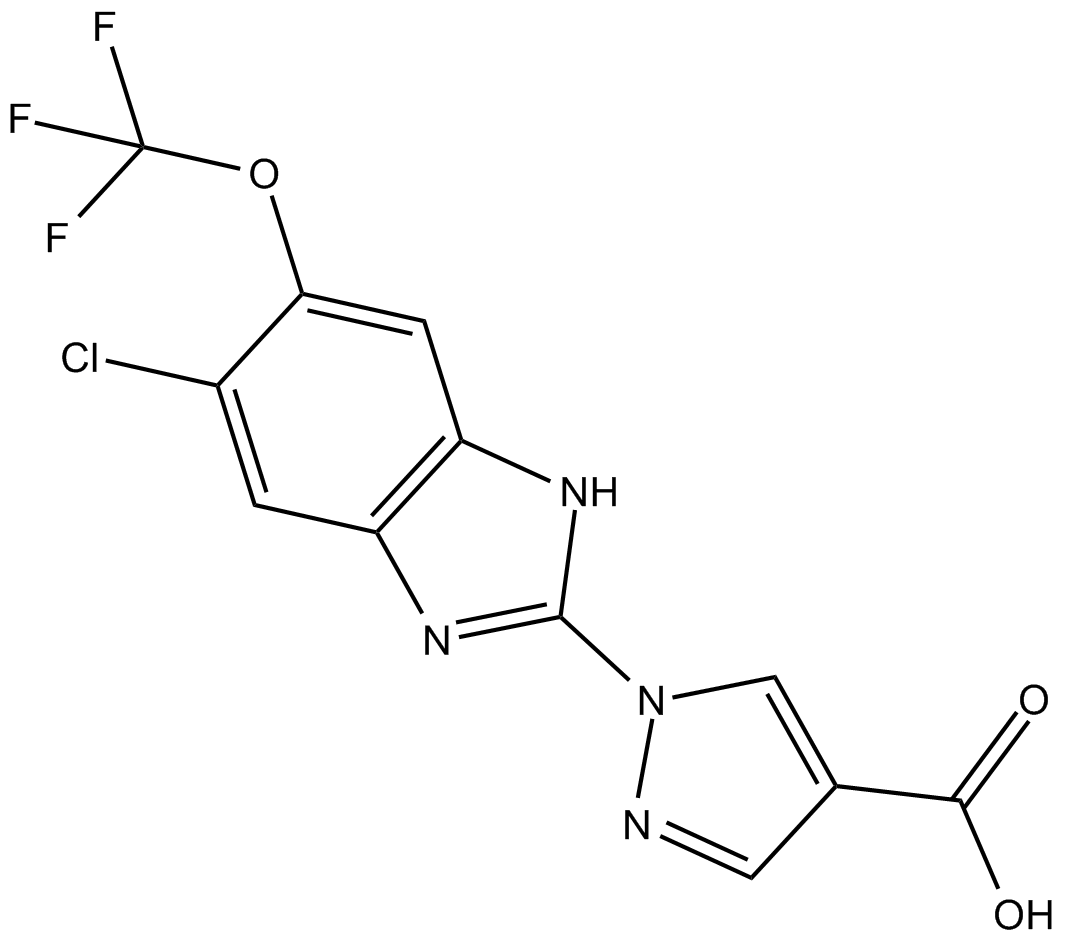 C4752 JNJ-42041935Summary: Hypoxia-inducible factor (HIF) prolyl hydroxylase (PHD) inhibitor
 -
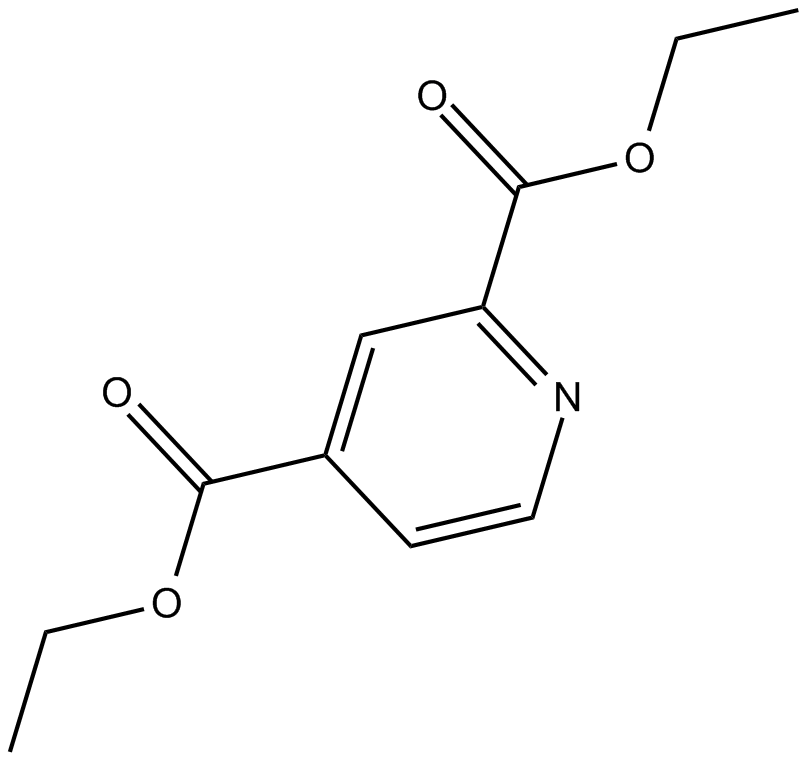 C4887 2,4-DPDSummary: cell permeable, competitive inhibitor of HIF-PH
 -
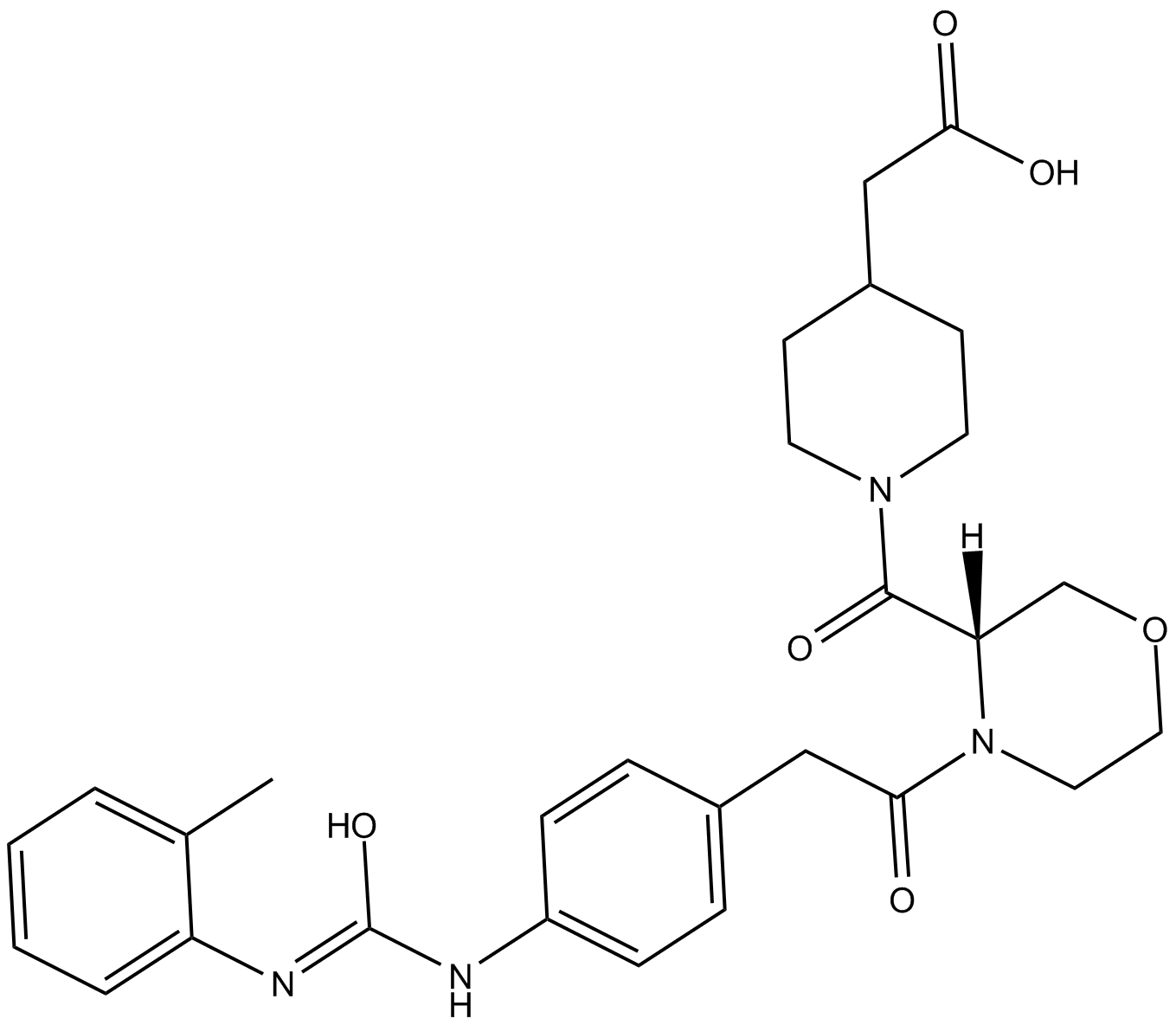 B5492 TCS 2314Summary: integrin very late antigen-4 (VLA-4; α4β1) antagonist
 -
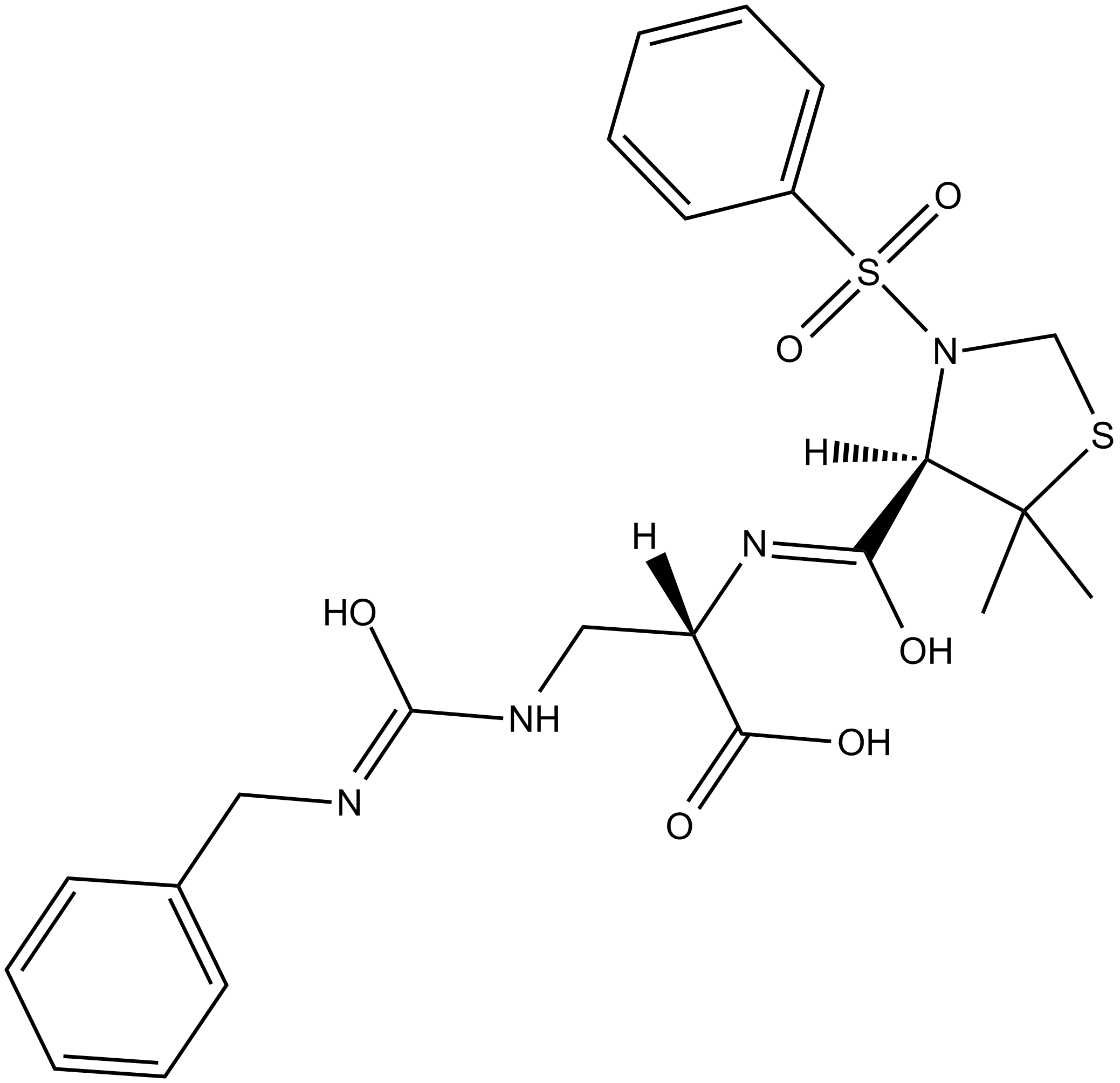 B5631 TC-I 15Summary: α2β1 integrin inhibitor
 -
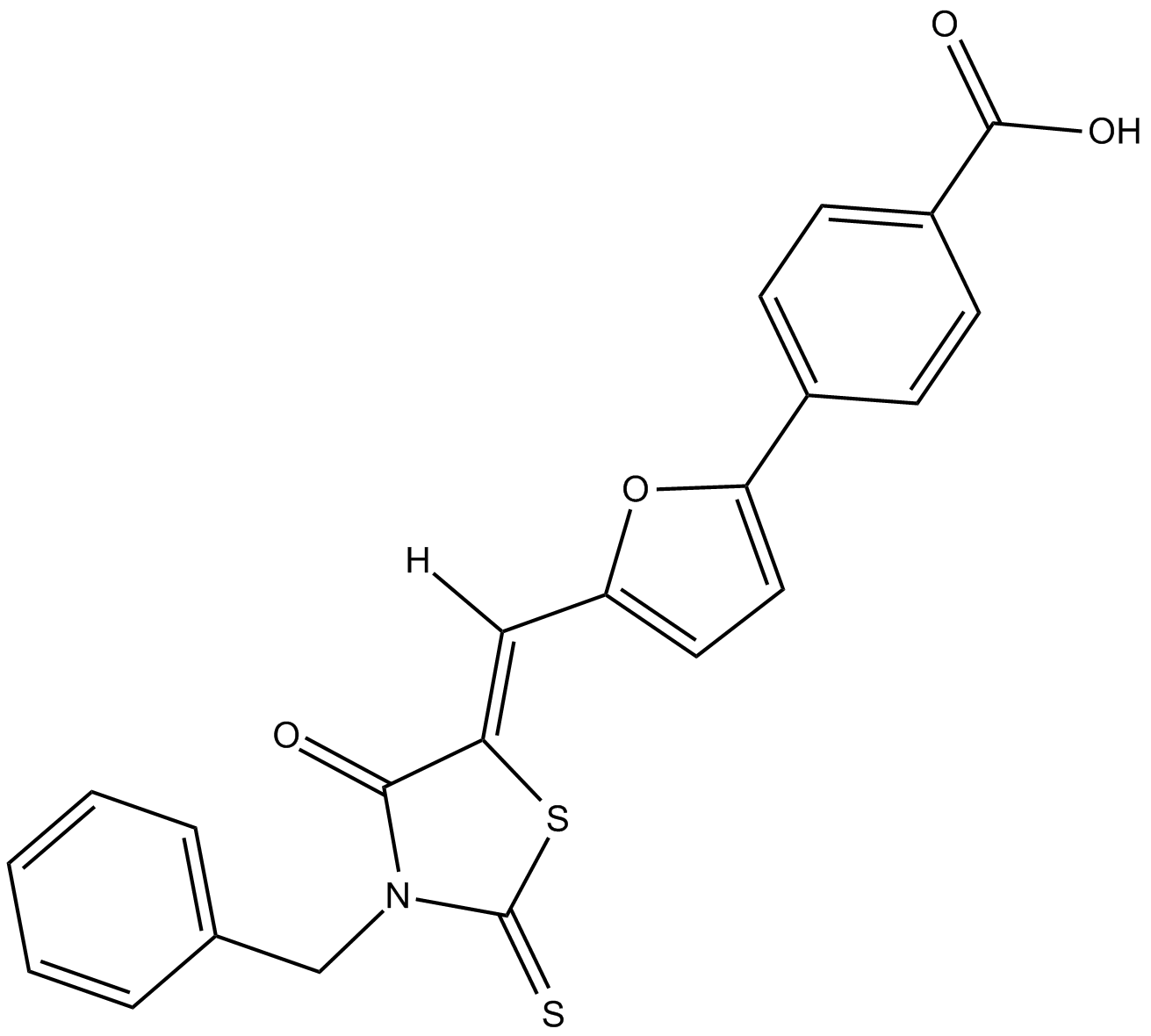 B5770 Leukadherin 1Summary: CD11b/CD18 activator
 -
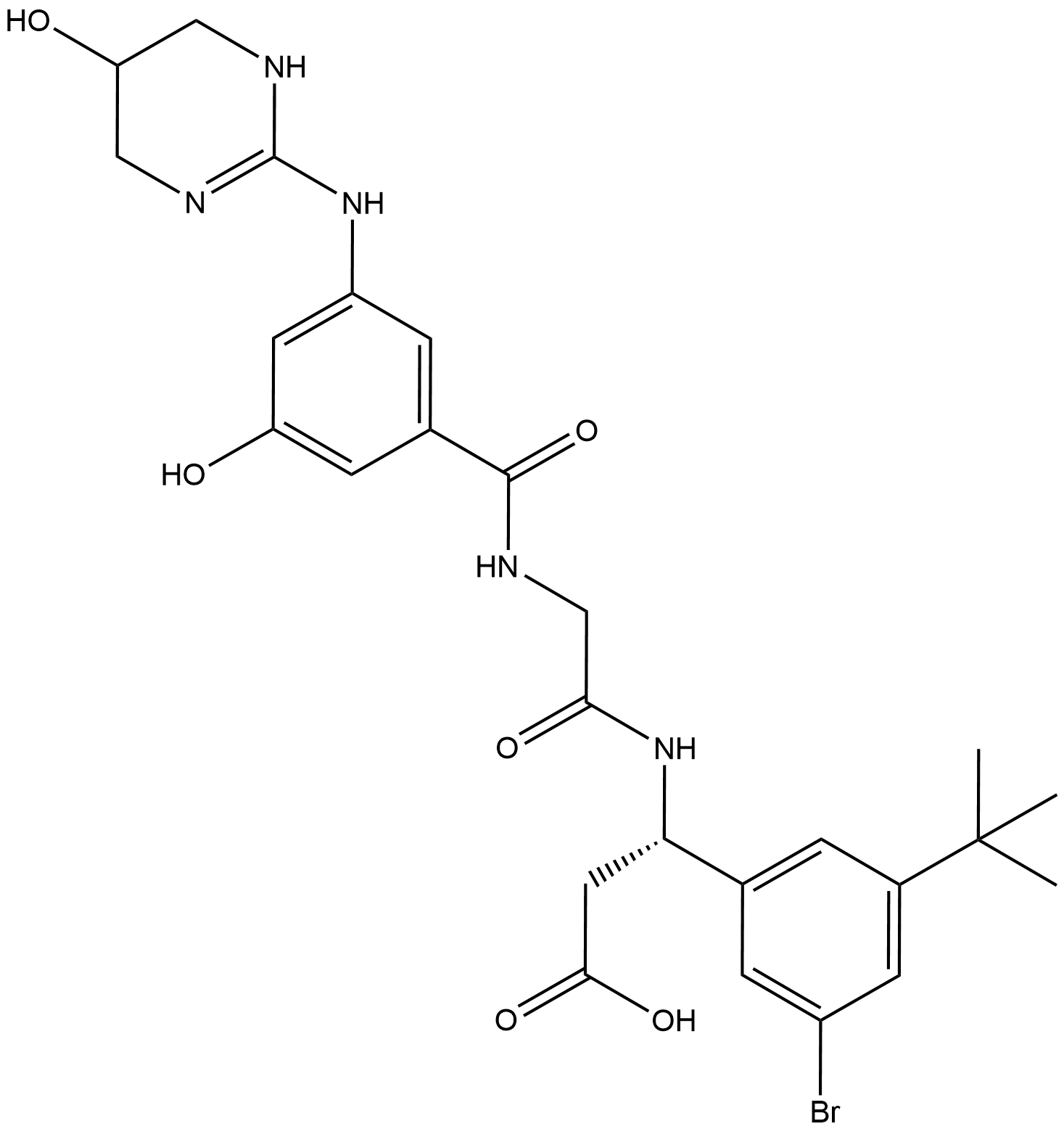 B4862 CWHM-12Summary: inhibitor of αV integrins
 -
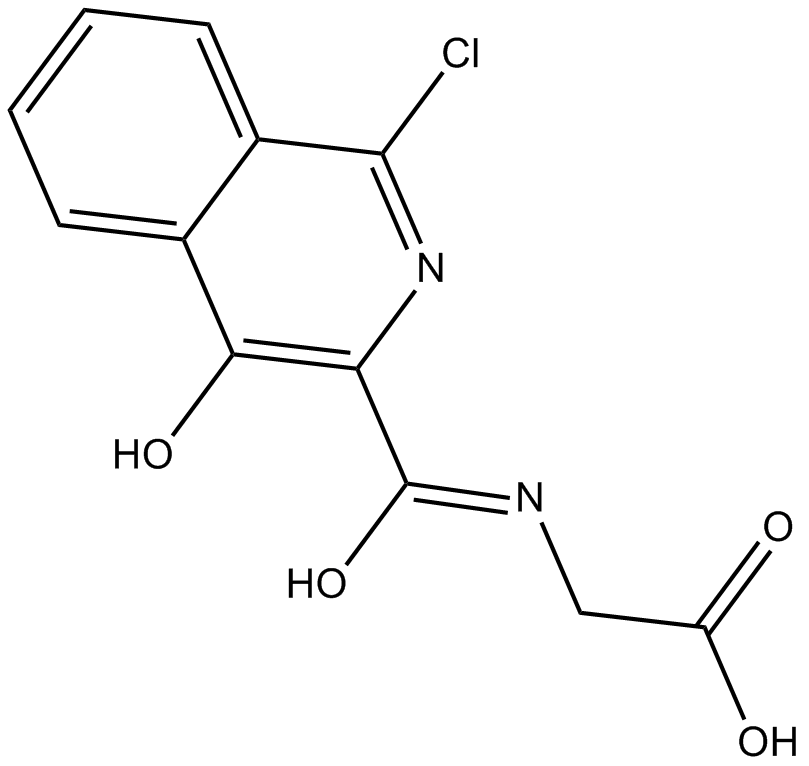 B5851 FG2216Target: Pyruvate dehydrogenases (PDH)Summary: HIF-prolyl hydroxylase inhibitor