


Angiogenesis
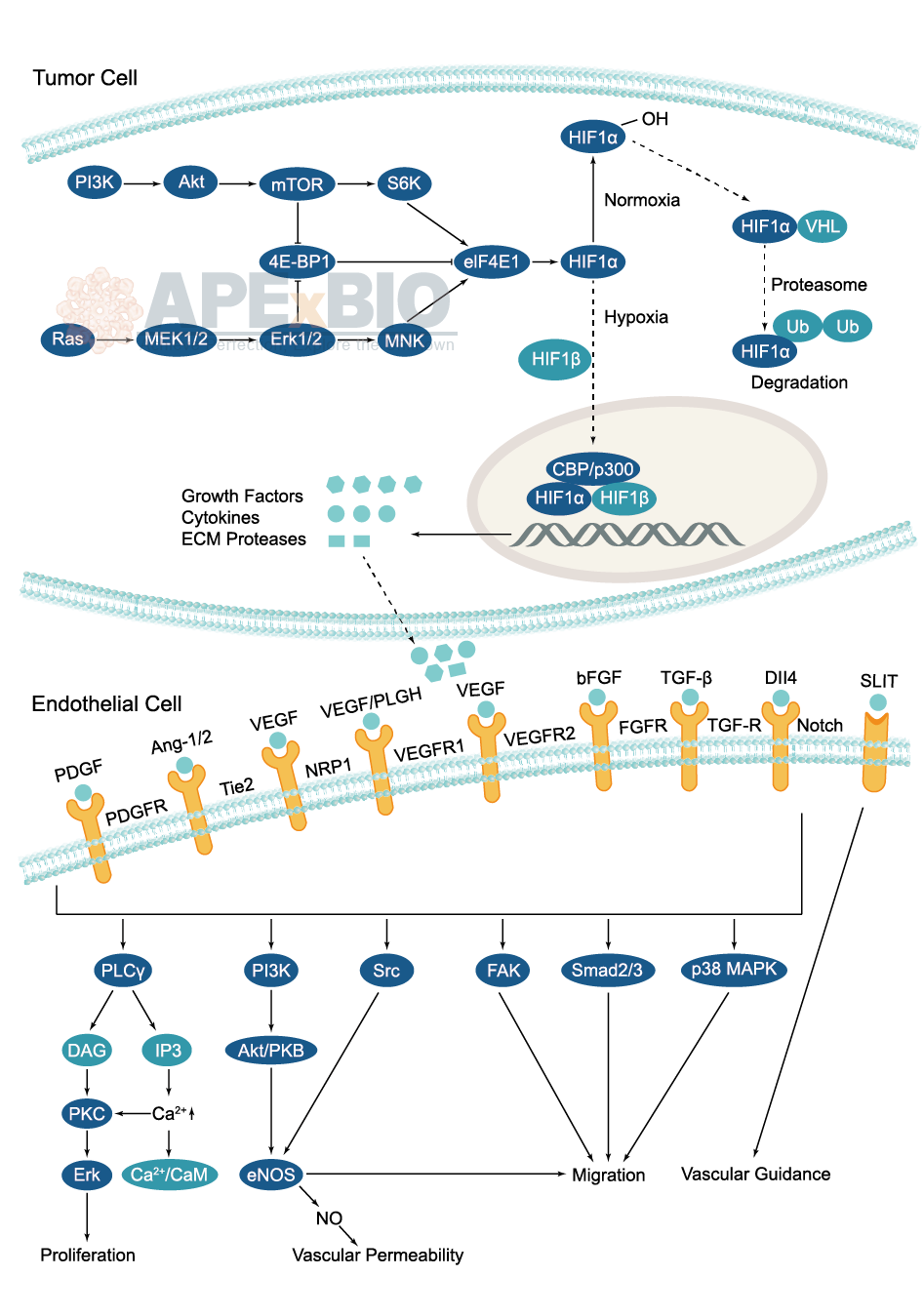
During tumor angiogenesis, cancer cells stimulate formation of new blood vessel for delivering oxygen and nutrients to a tumor. As the tumor grows, cells at the center of the mass become starved of oxygen, causing hypoxia. It stabilizes the expression of a transcription factor, HIF-1α (hypoxia inducible factor-1), which binds HIF-1β to upregulate the expression of several angiogenesis-promoting genes. Moreover, growth factor signaling also stimulates HIF-1 activity in order to maintain oxygen homeostasis for growing cells.
-
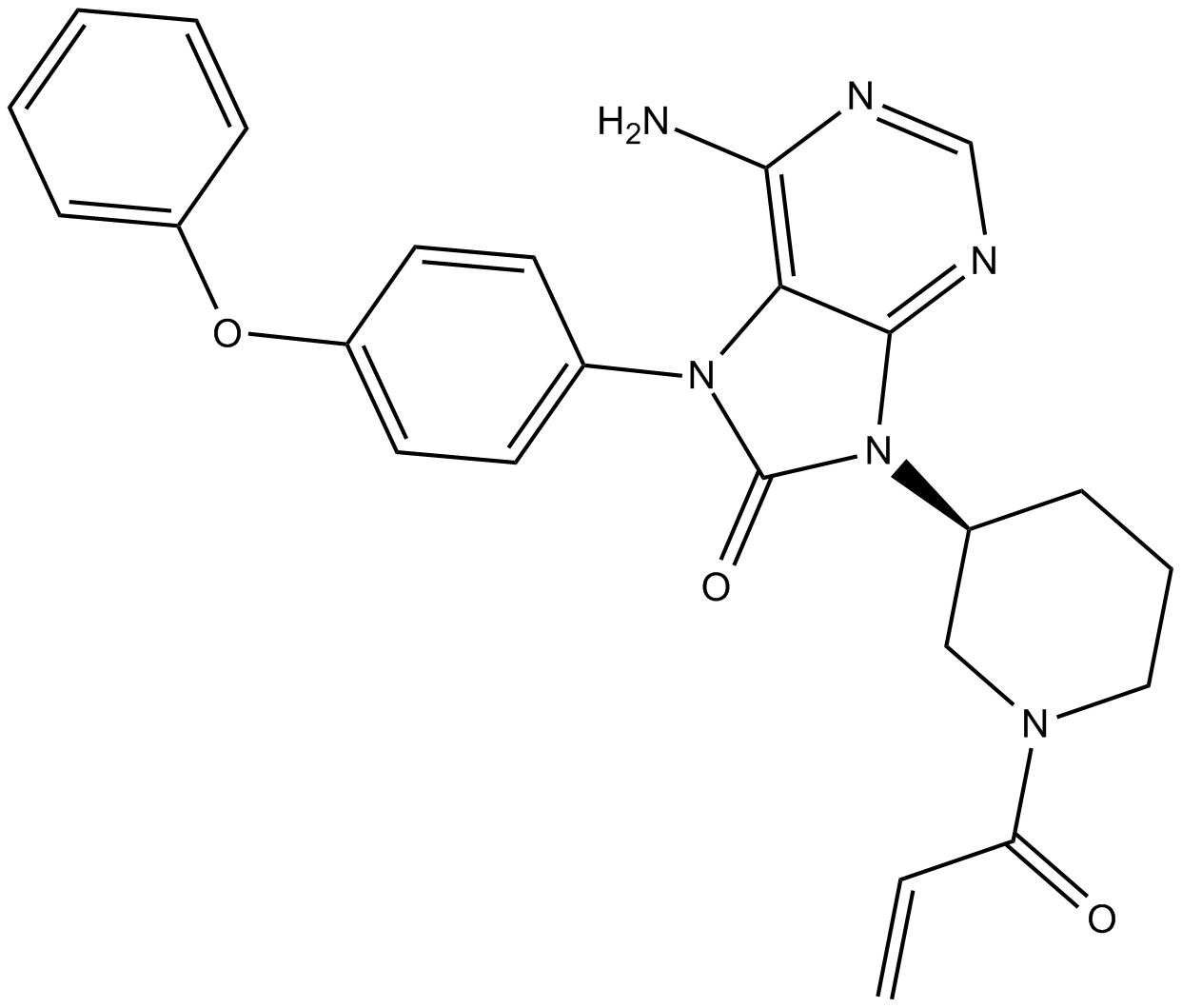 B5941 ONO-4059Summary: Highly potent and selective oral Btk inhibitor
 -
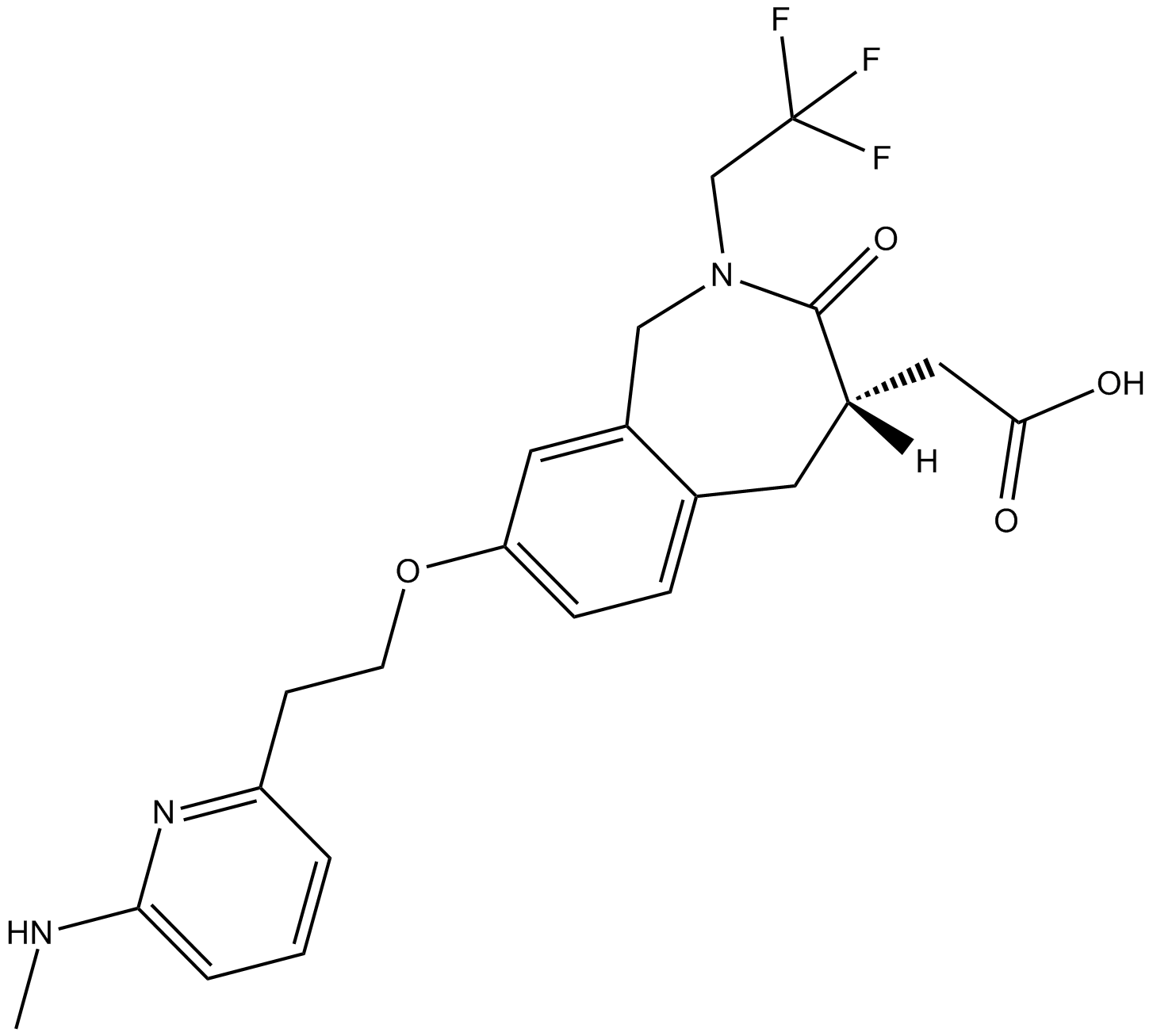 B6003 SB273005Summary: αvβ3 antagonist
 -
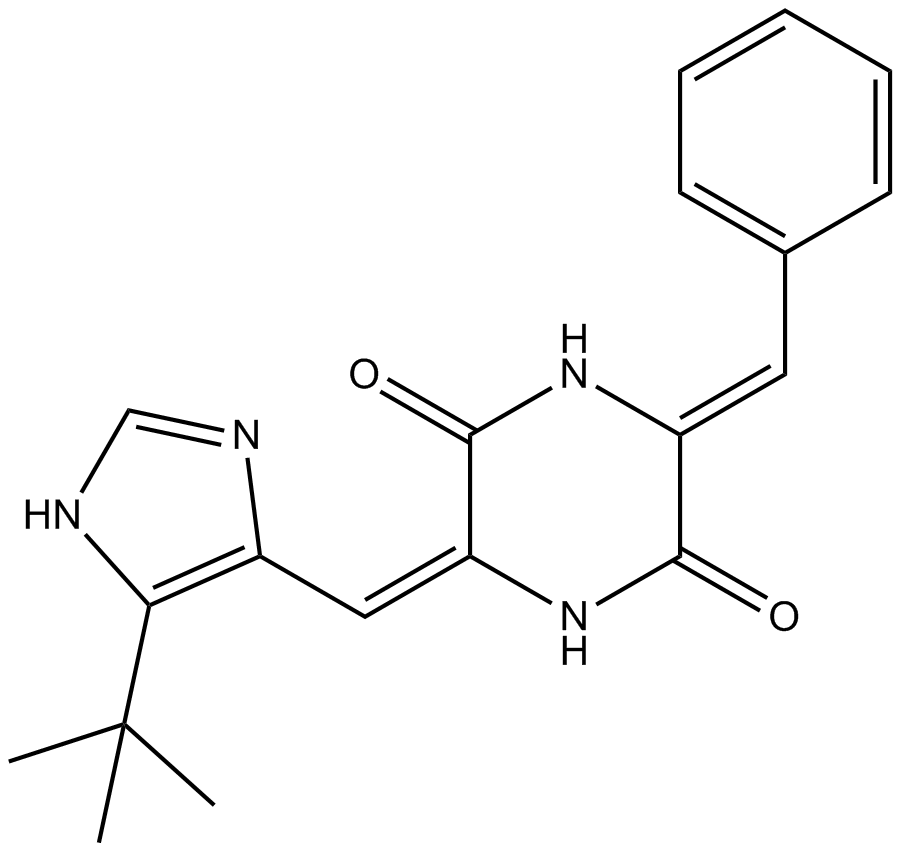 B2298 Plinabulin (NPI-2358)Target: Vascular Disrupting Agents (VDA)Summary: vascular disrupting agent
 -
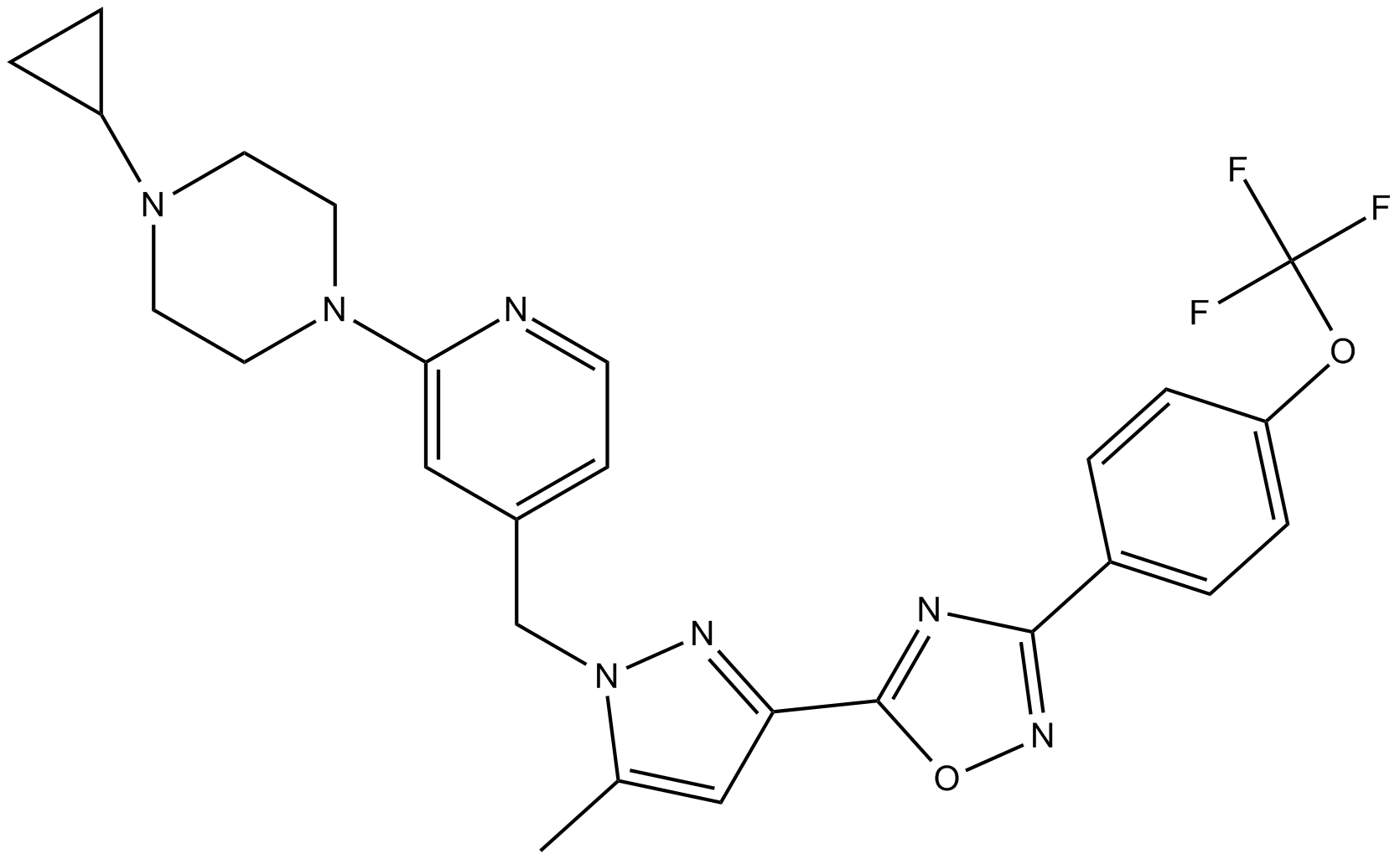 B1115 BAY 87-2243Target: Hypoxia Inducible Factors (HIFs)Summary: HIF-1 inhibitor,potent and selective
 -
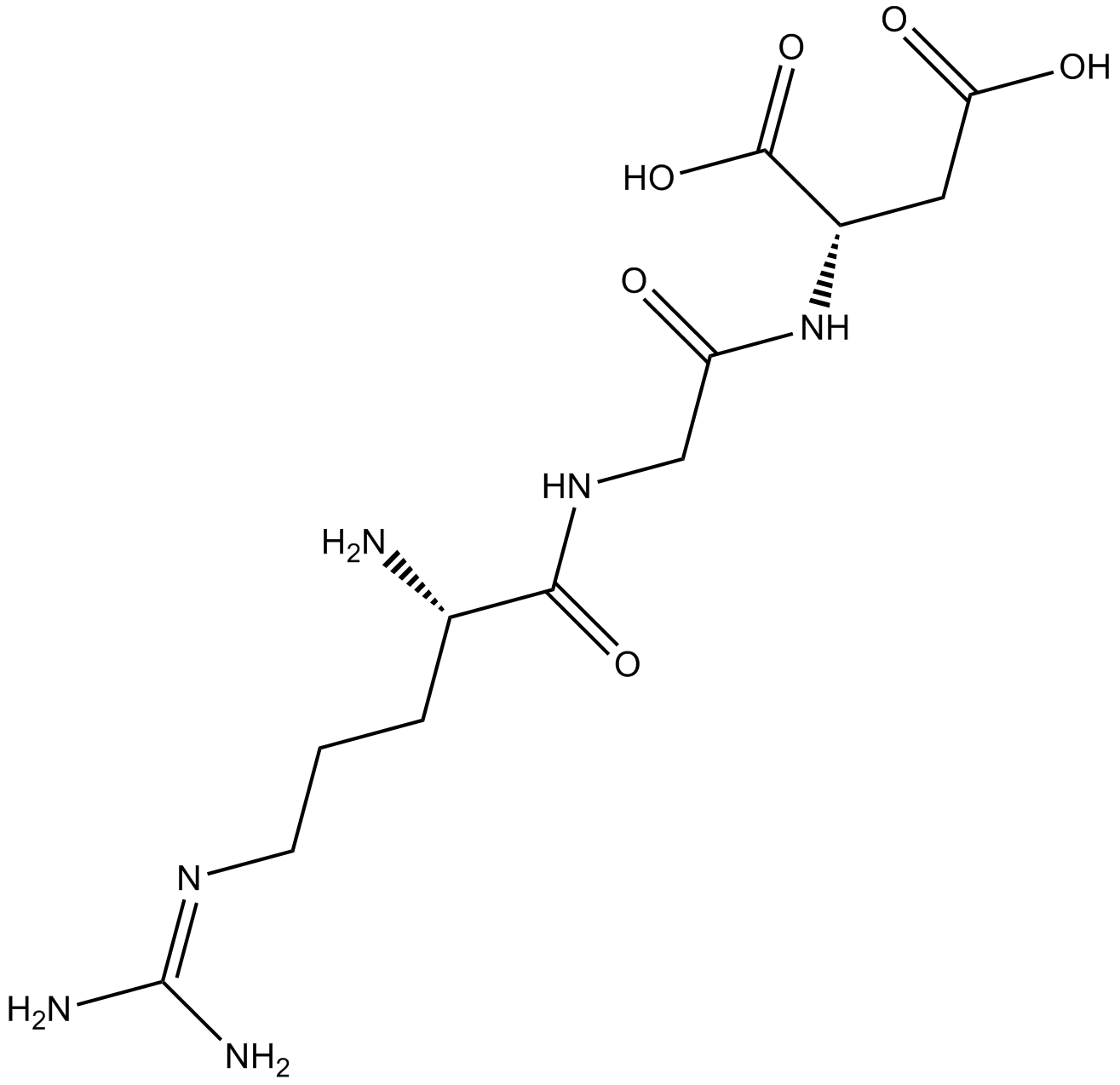 B3708 RGD (Arg-Gly-Asp) Peptides2 CitationTarget: Integrin-ligand interactionsSummary: Inhibits integrin binding to RGD motifs
 -
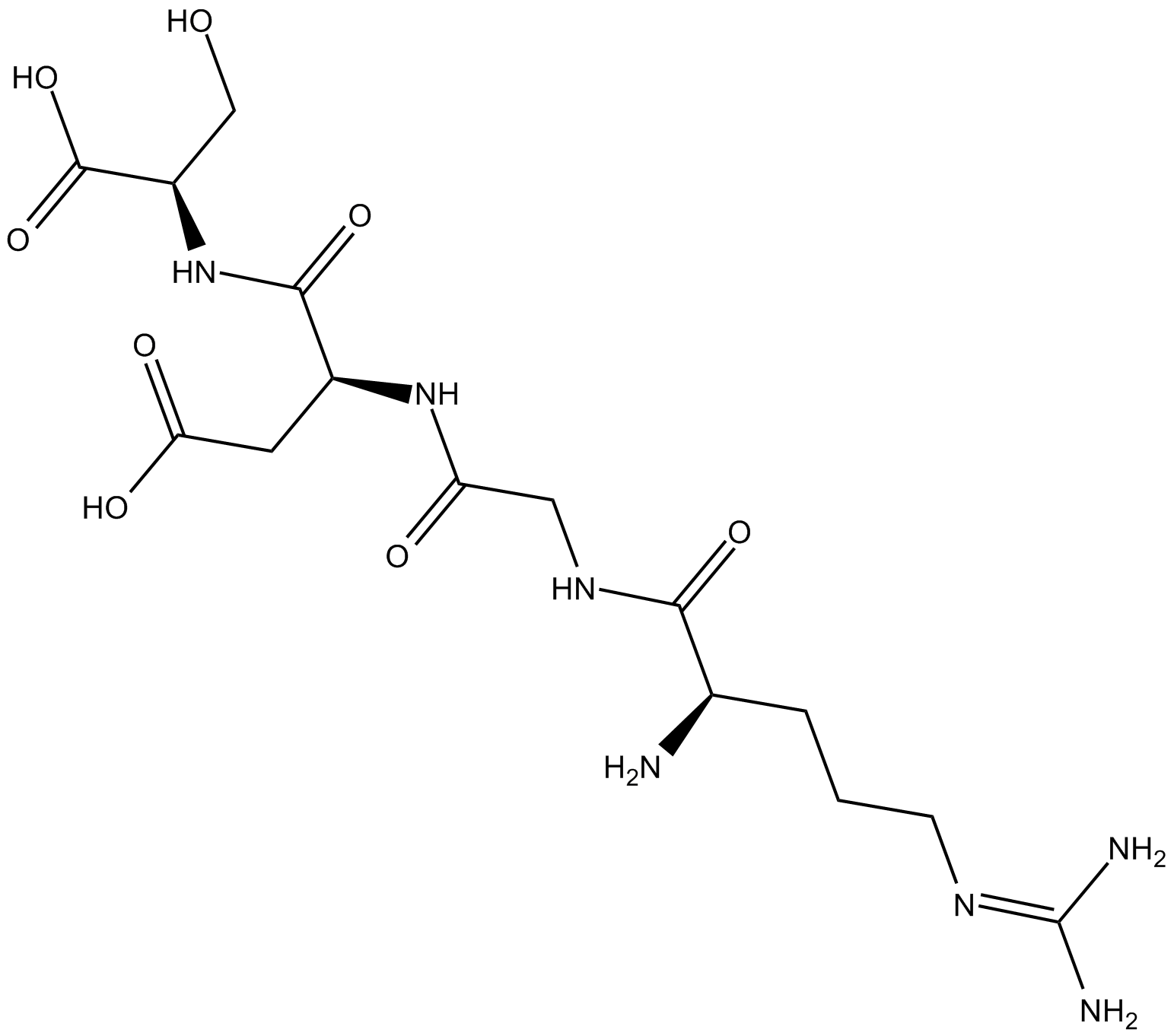 B7412 RGDS peptideSummary: Integrin binding sequence that inhibits integrin receptor function
 -
 B5391 Echistatin, α1 isoformSummary: Potent irreversible αVβ3 integrin antagonist
 -
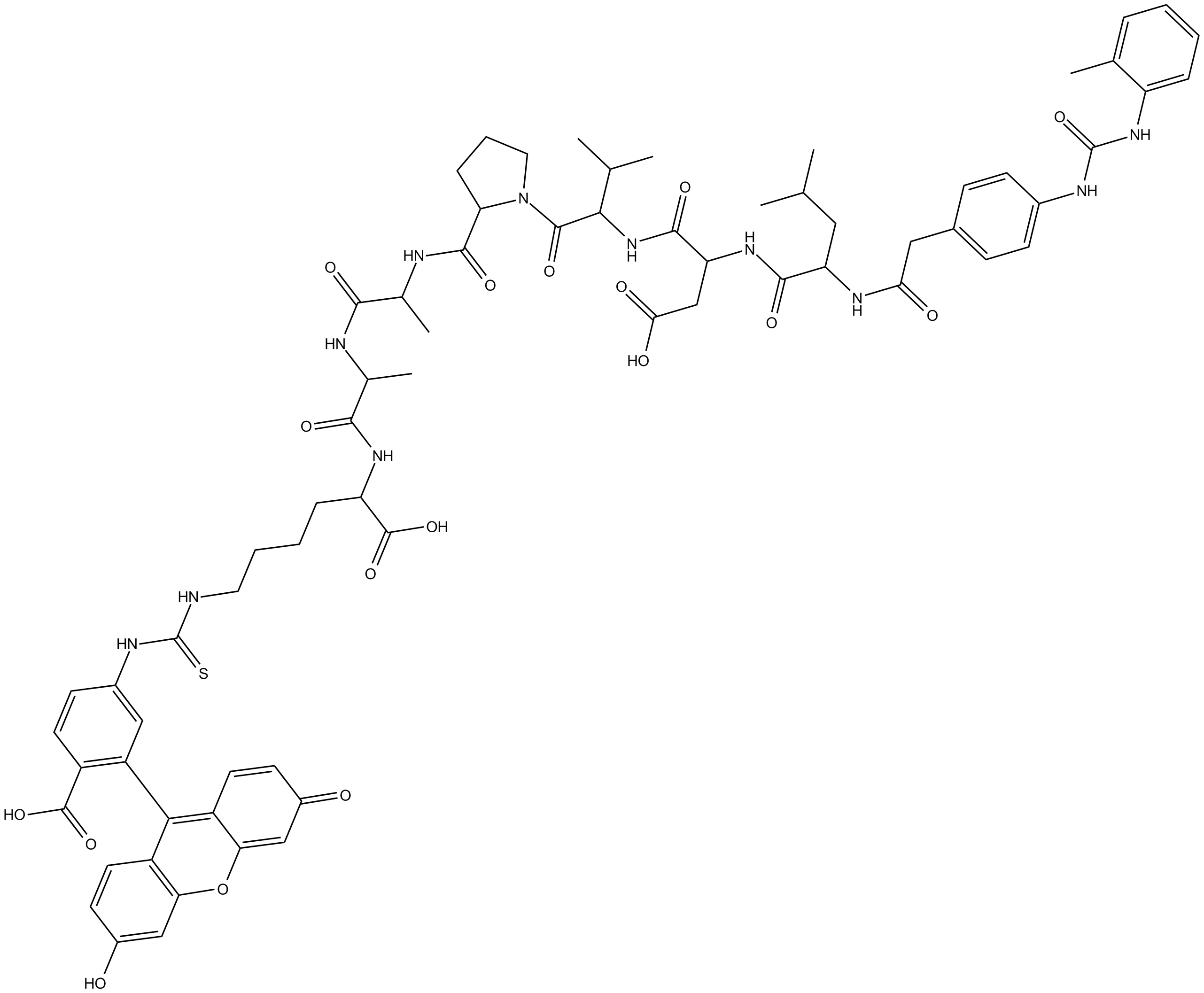 B5644 LDV FITCSummary: fluorescent ligand that binds to the α4β1 integrin (VLA-4)
 -
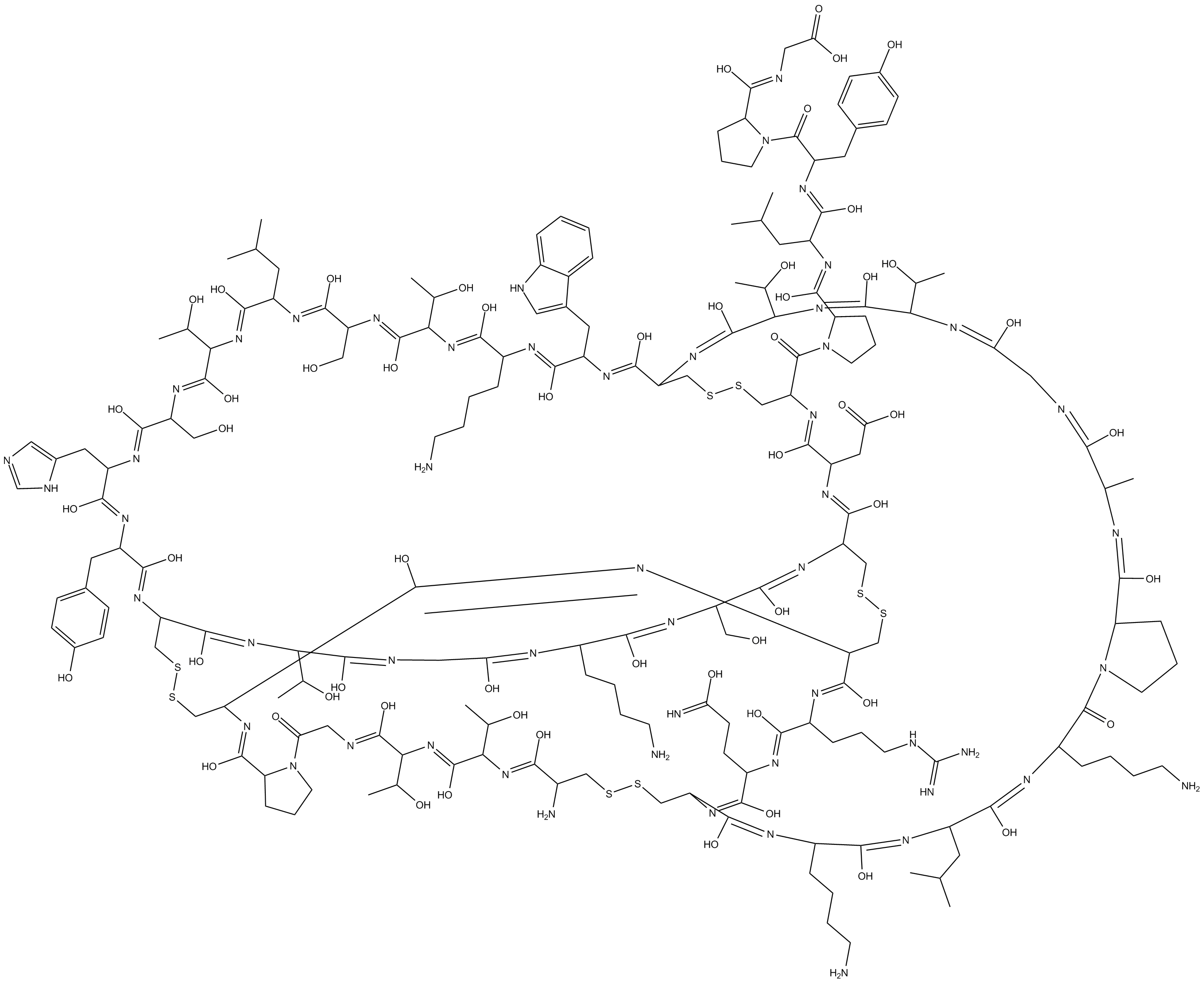 B5675 ObtustatinSummary: integrin α1β1 inhibitor
 -
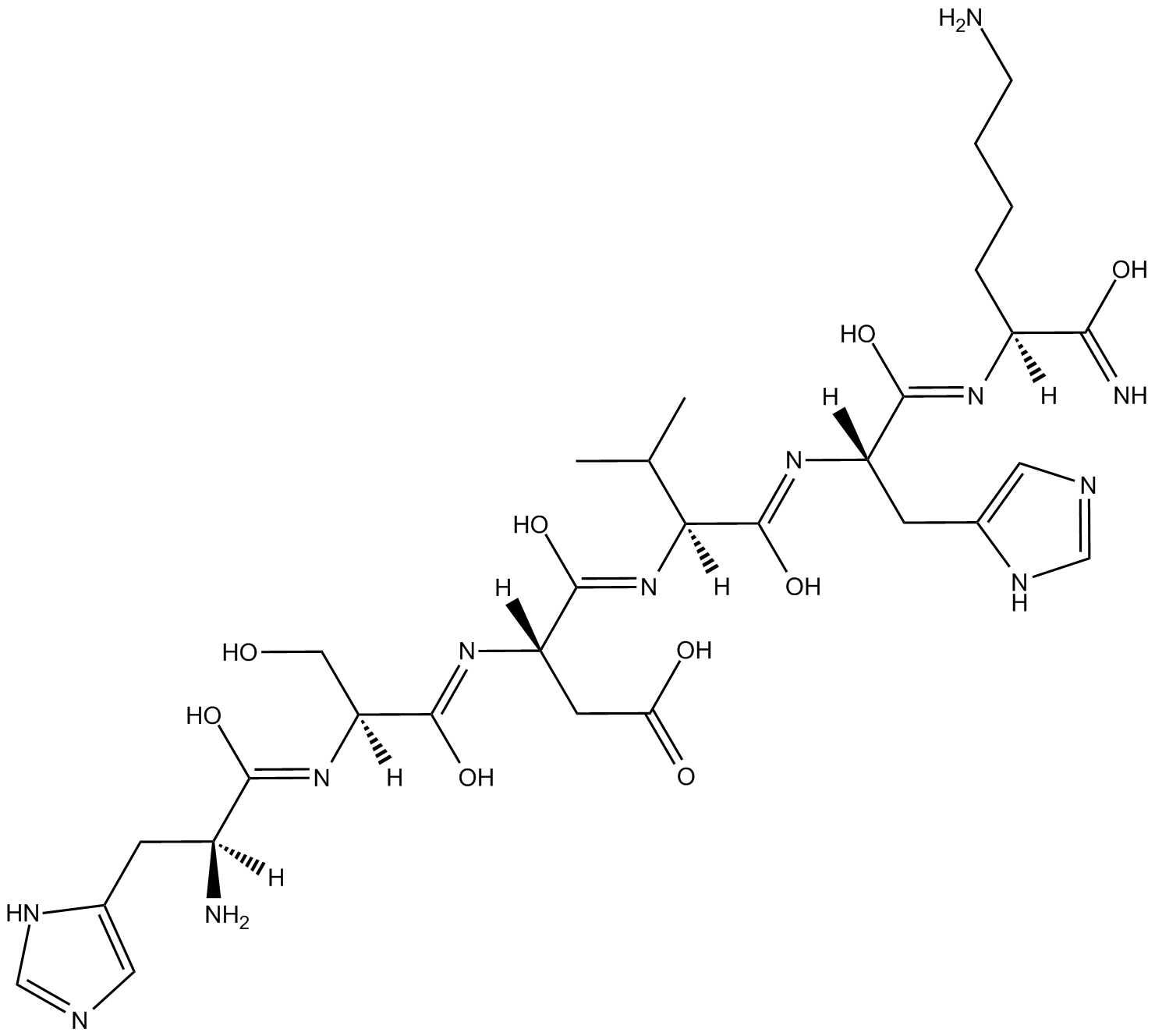 B5699 P11Summary: antagonist of the integrin αvβ3-vitronectin interaction