


Microbiology & Virology

Furthermore, small molecules enable selective modulation of the microbiome, balancing interactions between beneficial and pathogenic microorganisms. Coupled with advances in high-throughput screening technologies, they continue to overcome limitations related to target specificity and drug resistance, thereby serving as a crucial bridge between basic research and clinical anti-infective practice. Collectively, small-molecule compounds offer diversified solutions to global public health challenges.
-
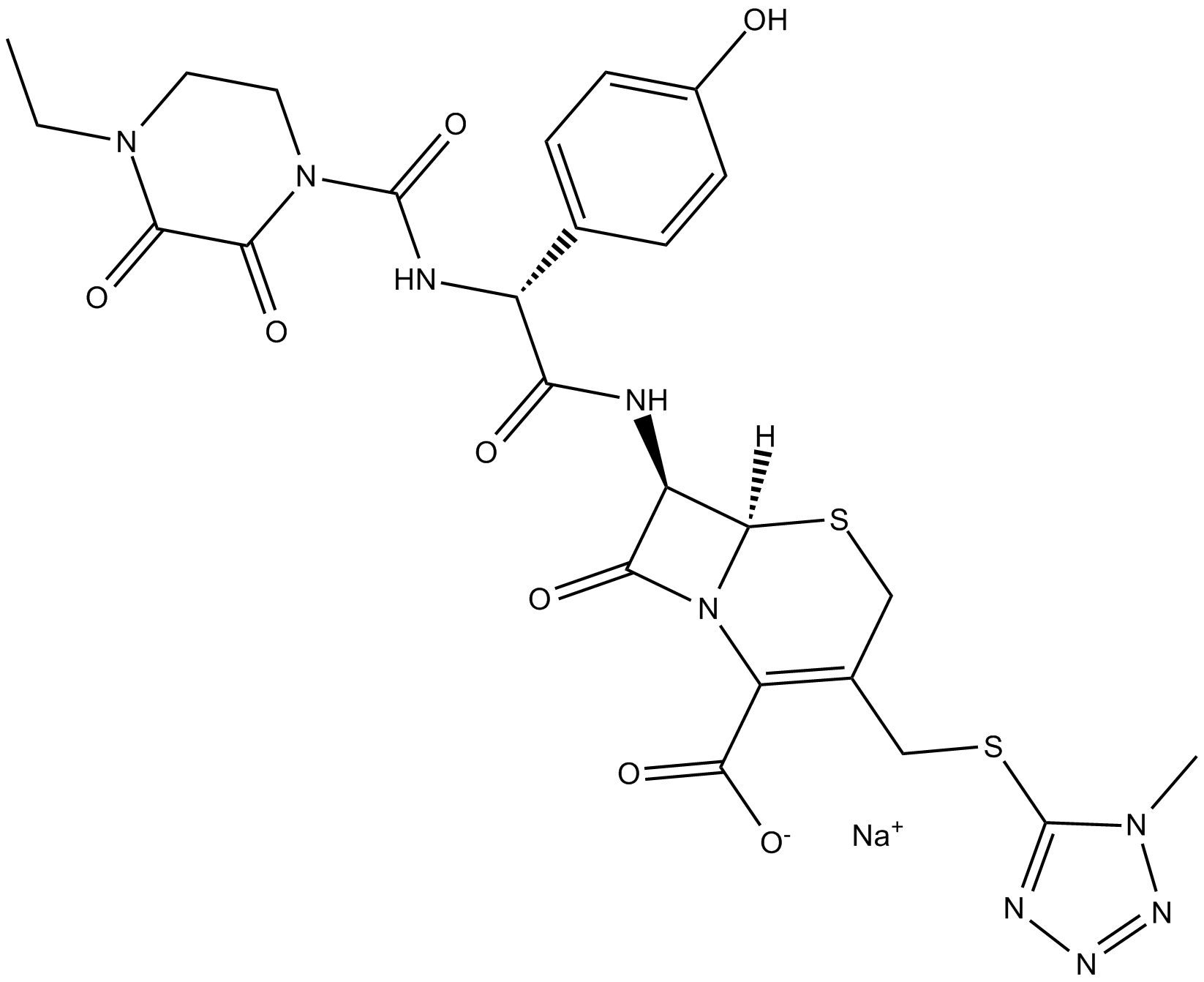 C3913 Cefoperazone (sodium salt)Summary: cephalosporin antibiotic
 -
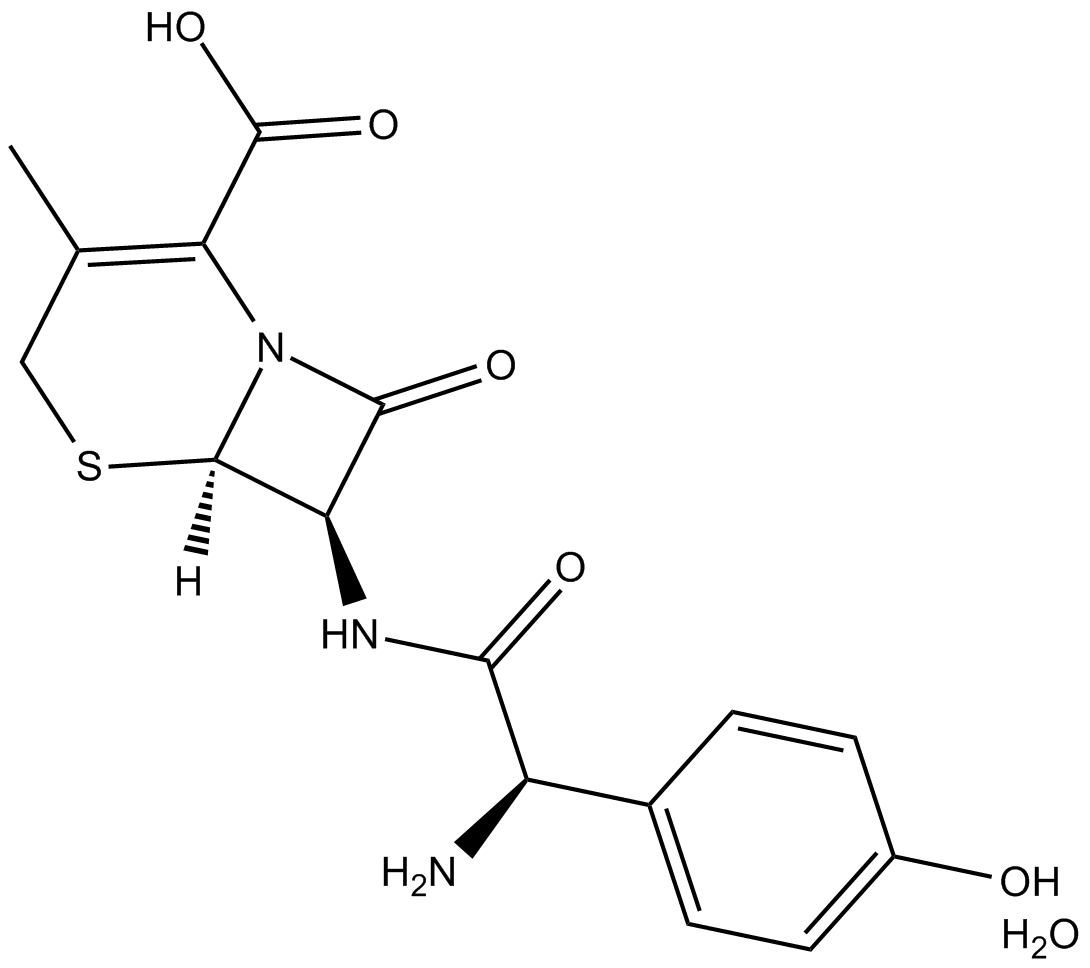 C3991 Cefadroxil (hydrate)Summary: broad-spectrum antibiotic
 -
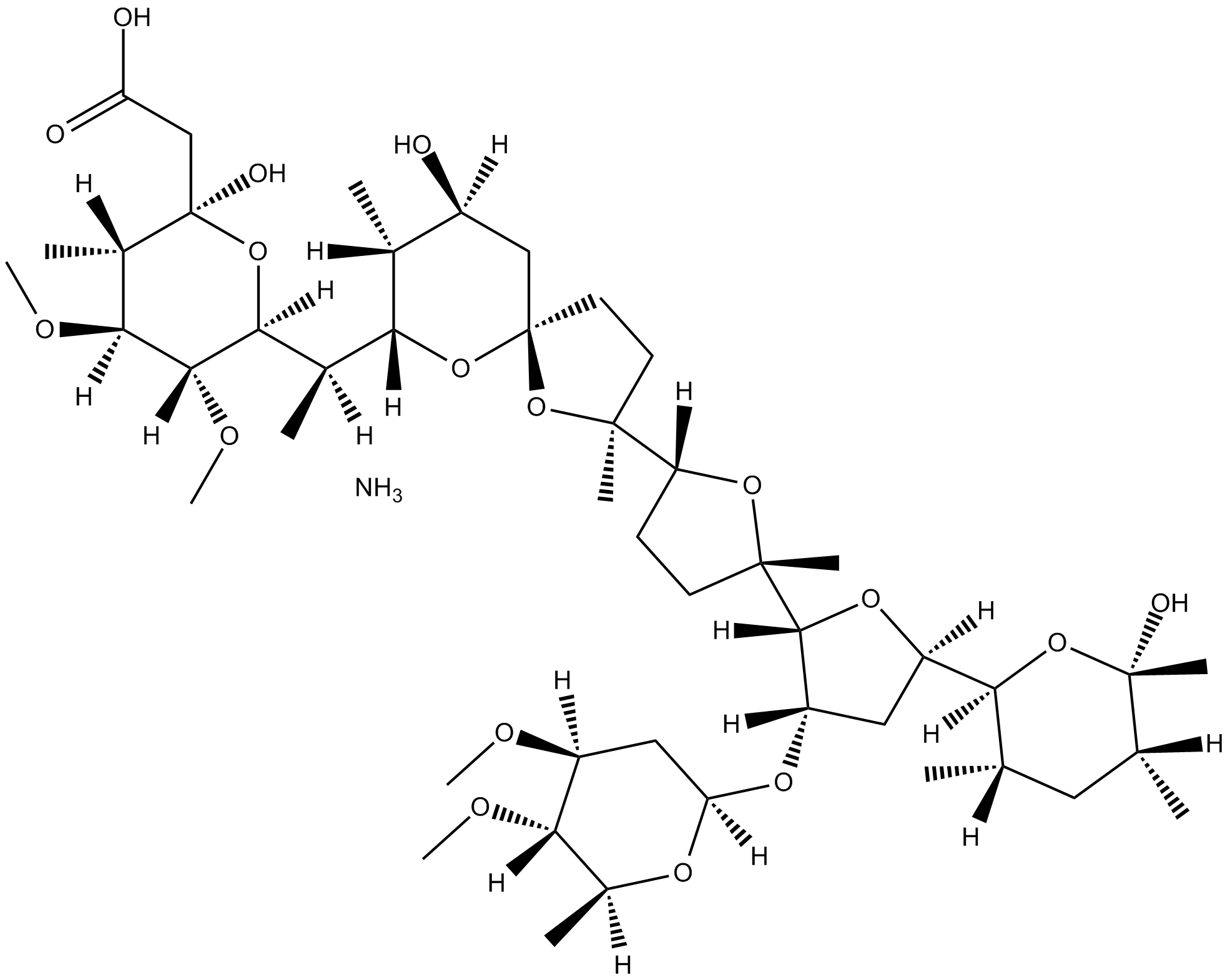 C4086 MaduramicinSummary: polyether ionophore antibiotic
 -
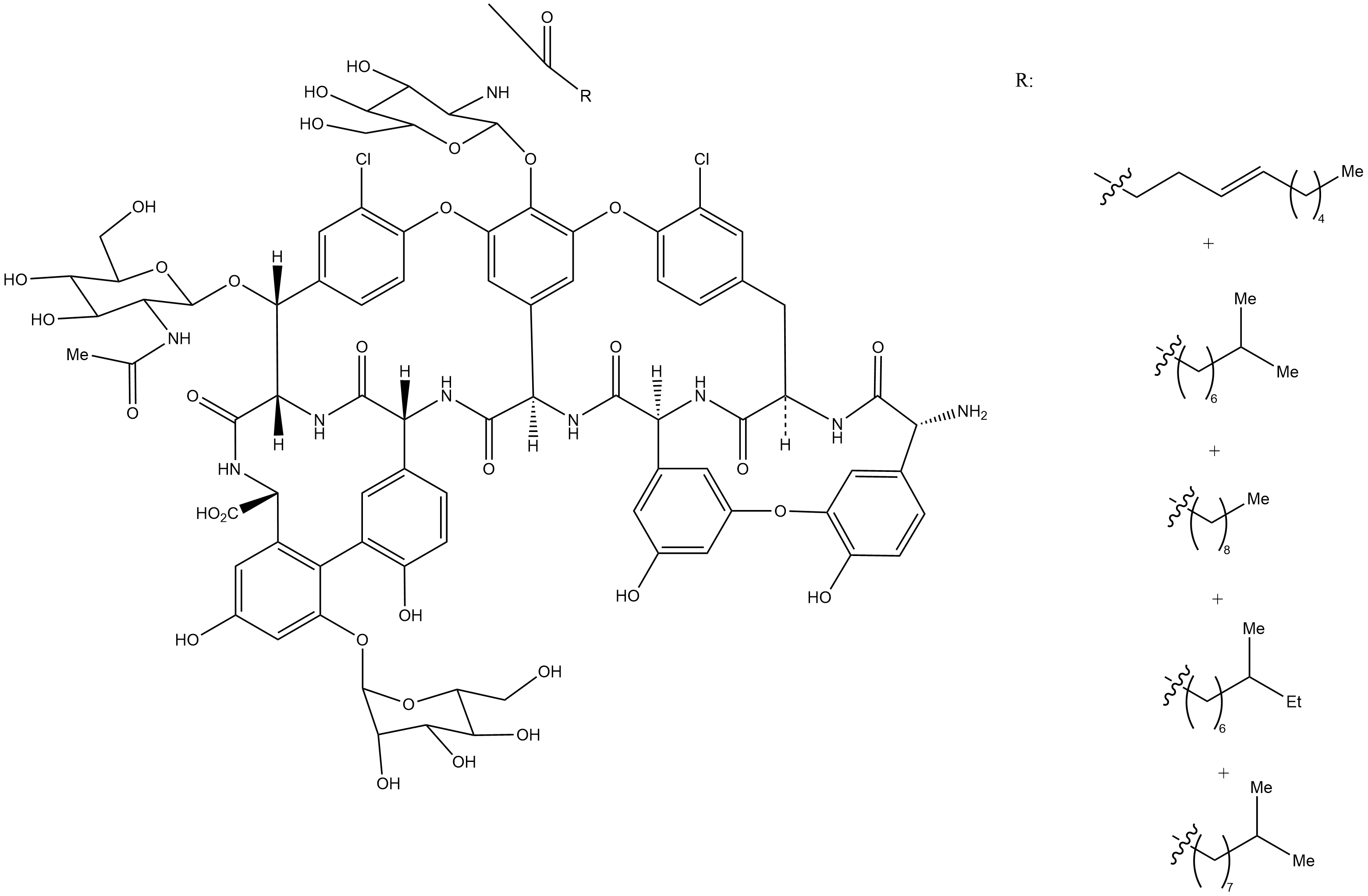 C3940 Teicoplanin A2Summary: glycopeptide antibiotic
 -
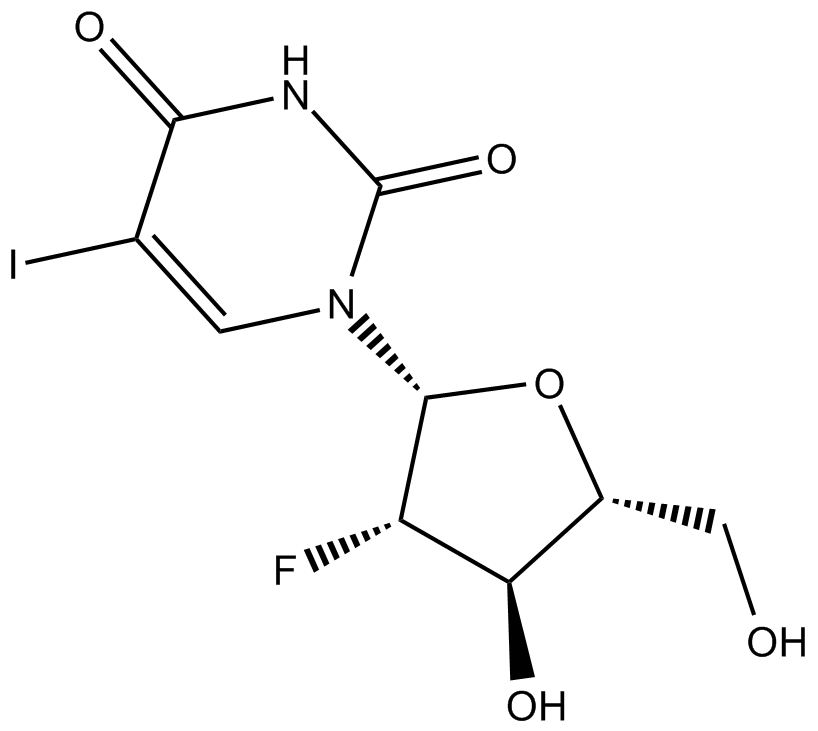 C3688 FialuridineSummary: nucleoside analog with antiviral activity
 -
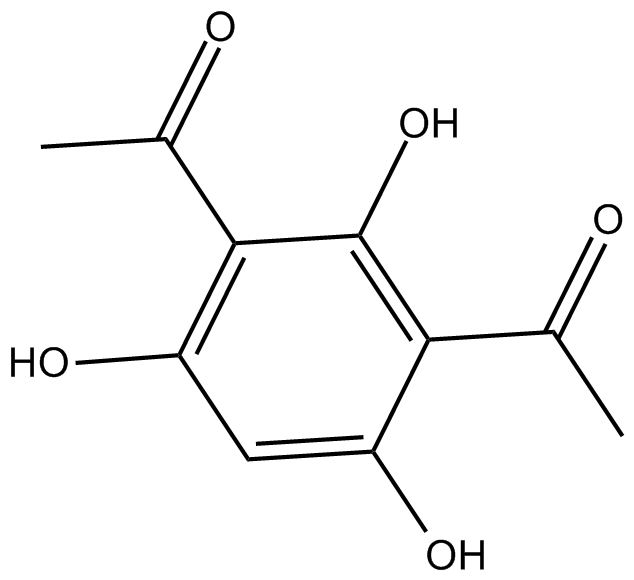 C3761 2,4-DiacetylphloroglucinolSummary: active against numerous plant pathogenic fungi, viruses, bacteria, and nematodes
 -
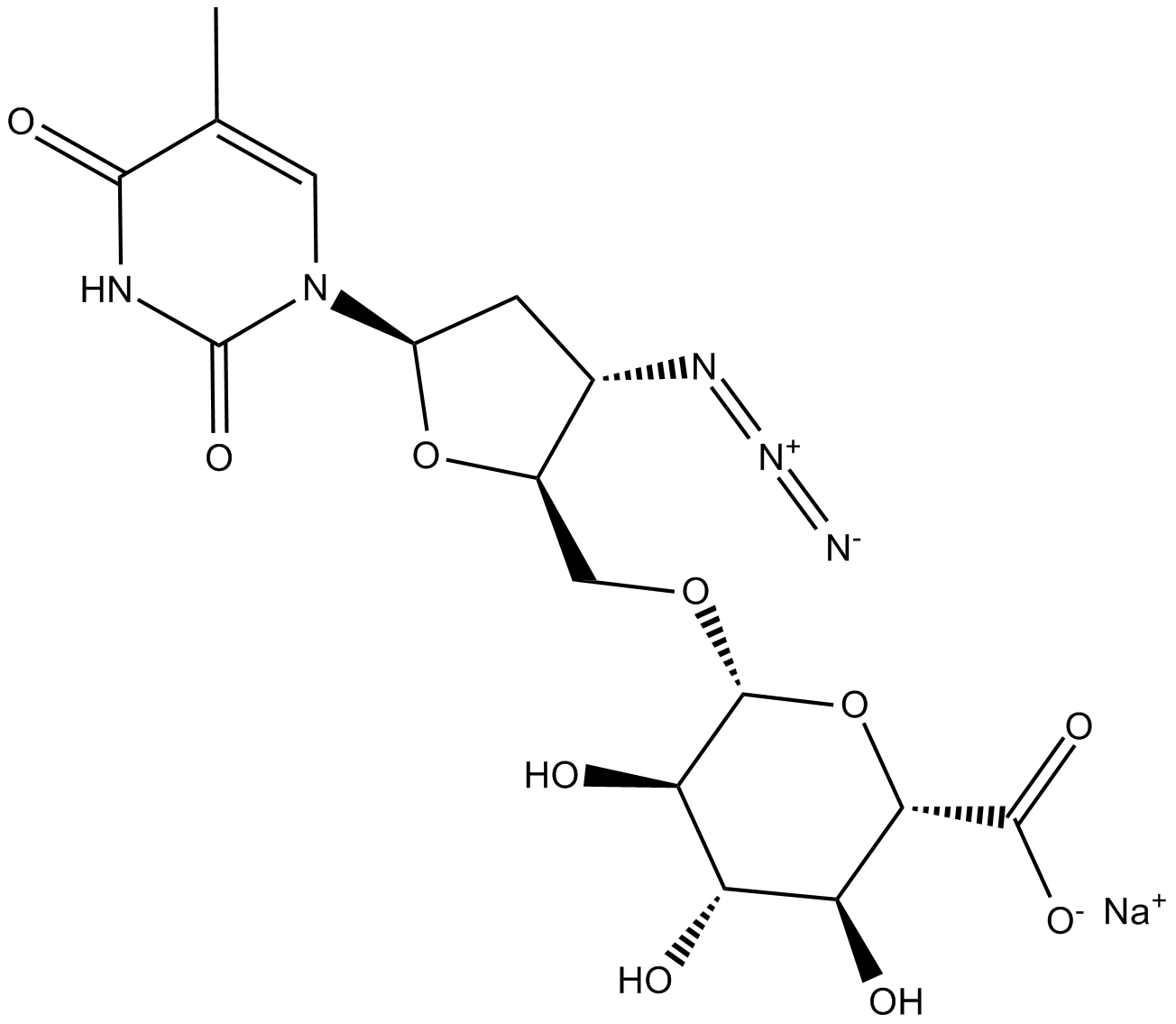 C3806 3'-Azido-3'-deoxythymidine β-D-glucuronide (sodium salt)Summary: metabolite of the nucleoside reverse transcriptase inhibitor, zidovudine
 -
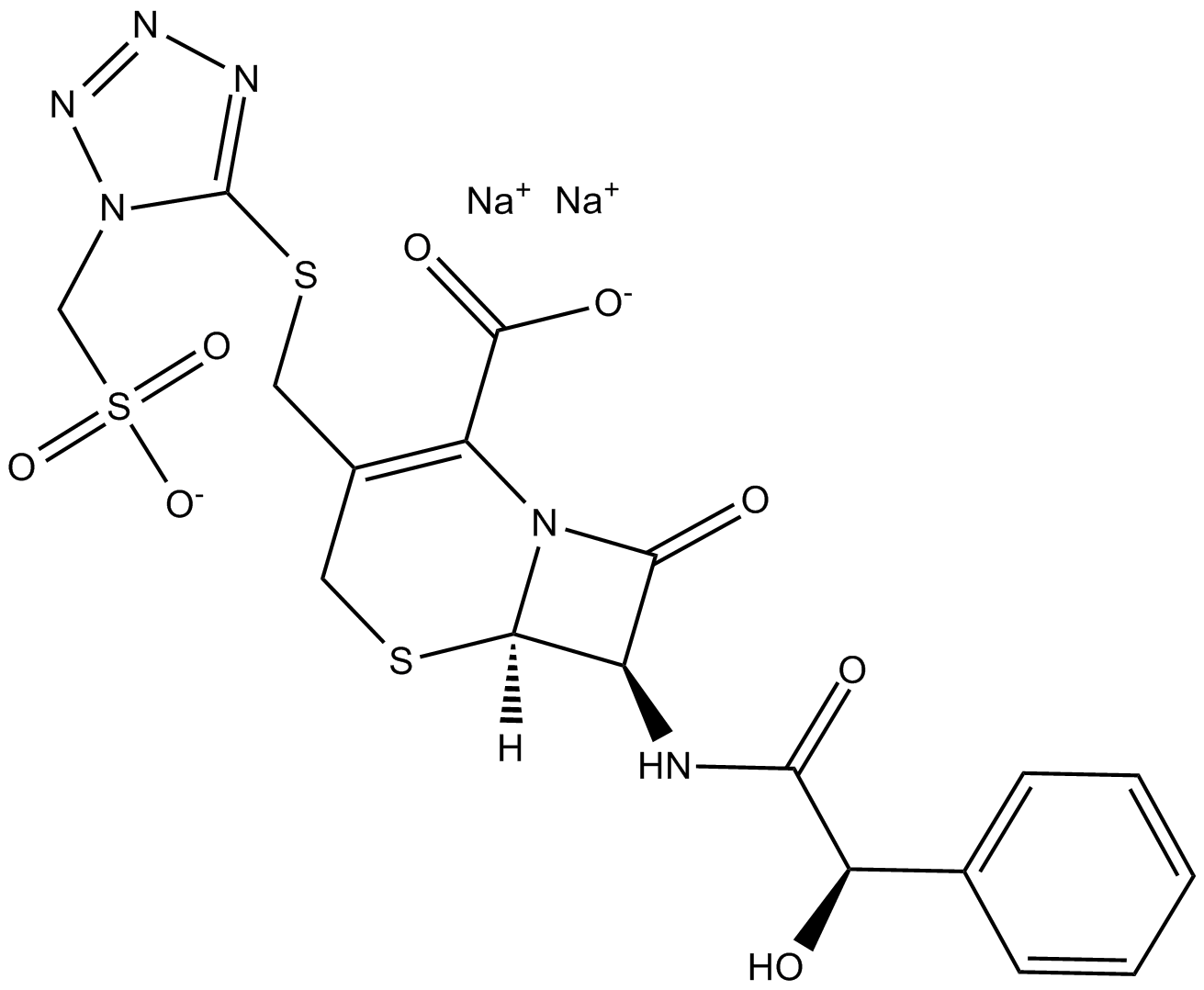 C3812 Cefonicid (sodium salt)Summary: second-generation cephalosporin antibiotic
 -
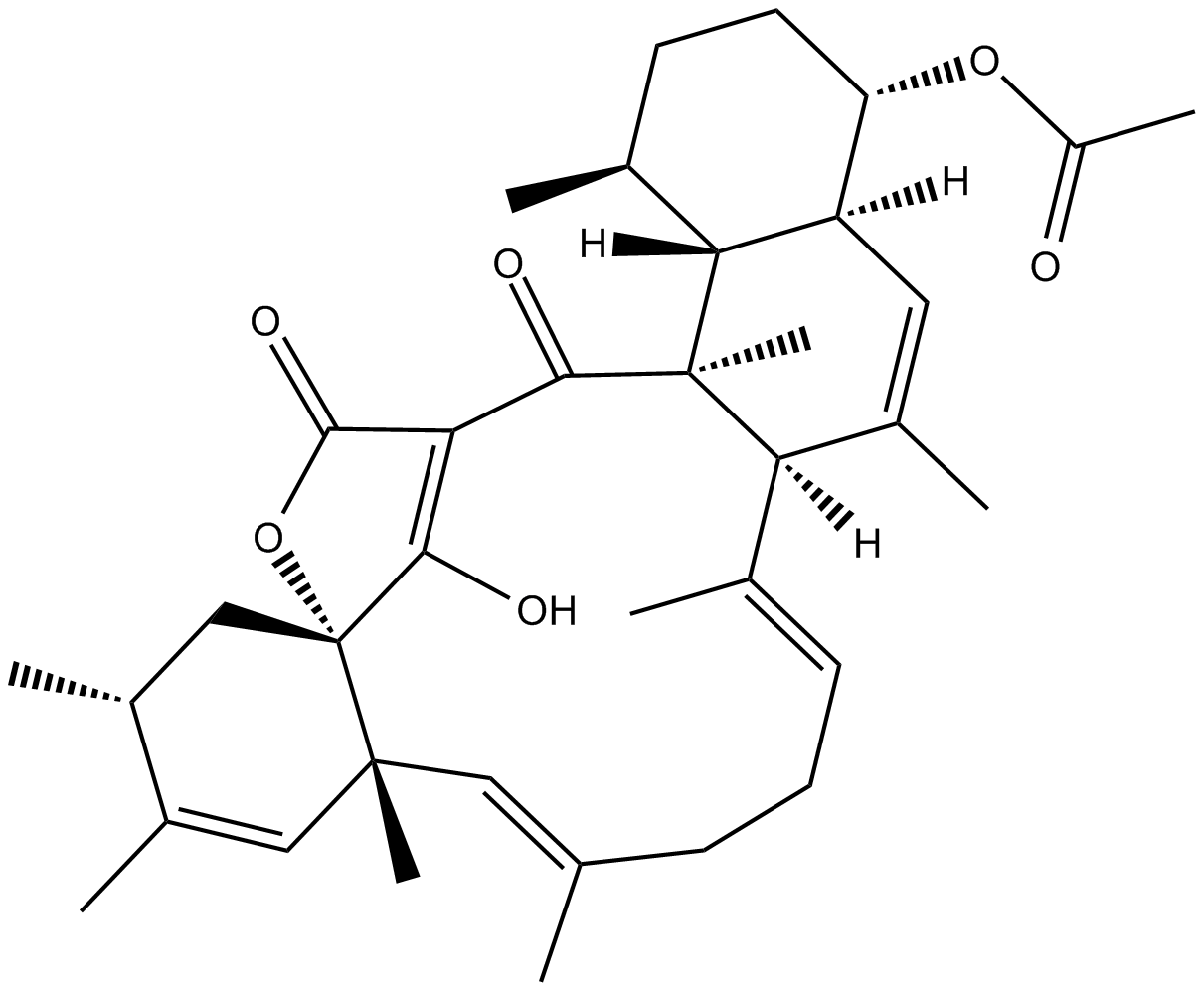 C4029 Tetromycin ASummary: tetronic acid-based antibiotic
 -
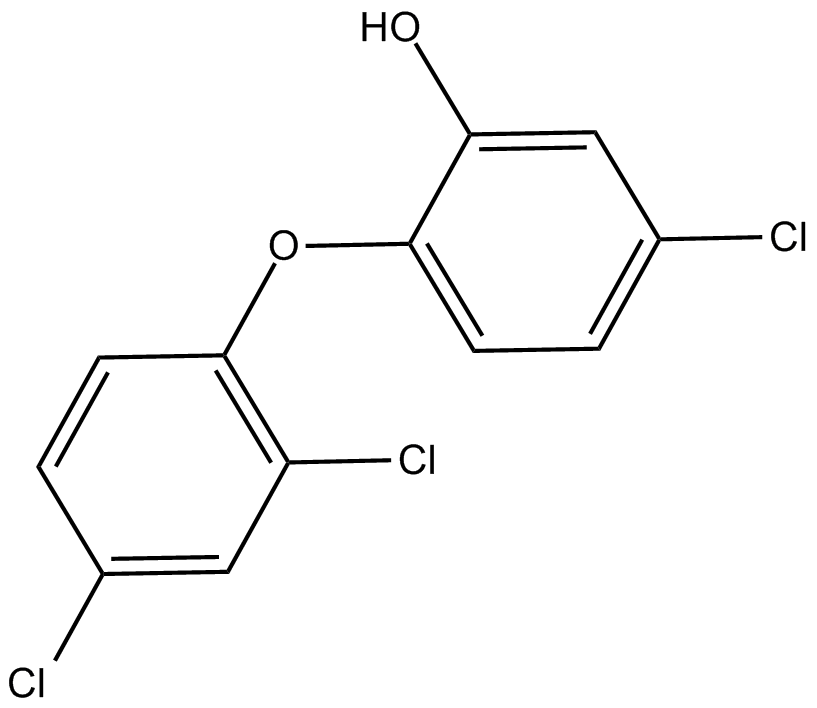 C4035 TriclosanSummary: broad-spectrum antibacterial agent