


Microbiology & Virology
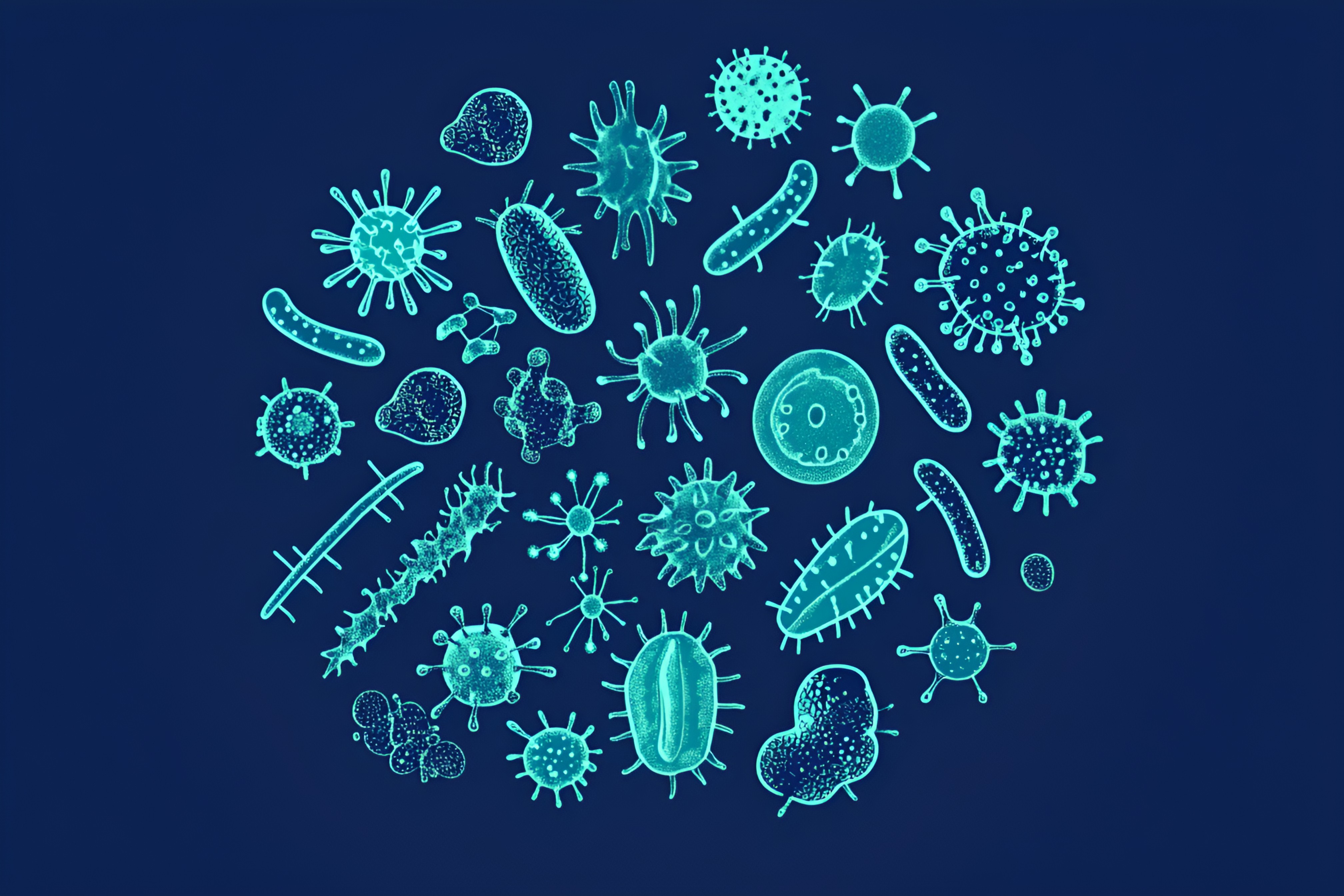
Furthermore, small molecules enable selective modulation of the microbiome, balancing interactions between beneficial and pathogenic microorganisms. Coupled with advances in high-throughput screening technologies, they continue to overcome limitations related to target specificity and drug resistance, thereby serving as a crucial bridge between basic research and clinical anti-infective practice. Collectively, small-molecule compounds offer diversified solutions to global public health challenges.
-
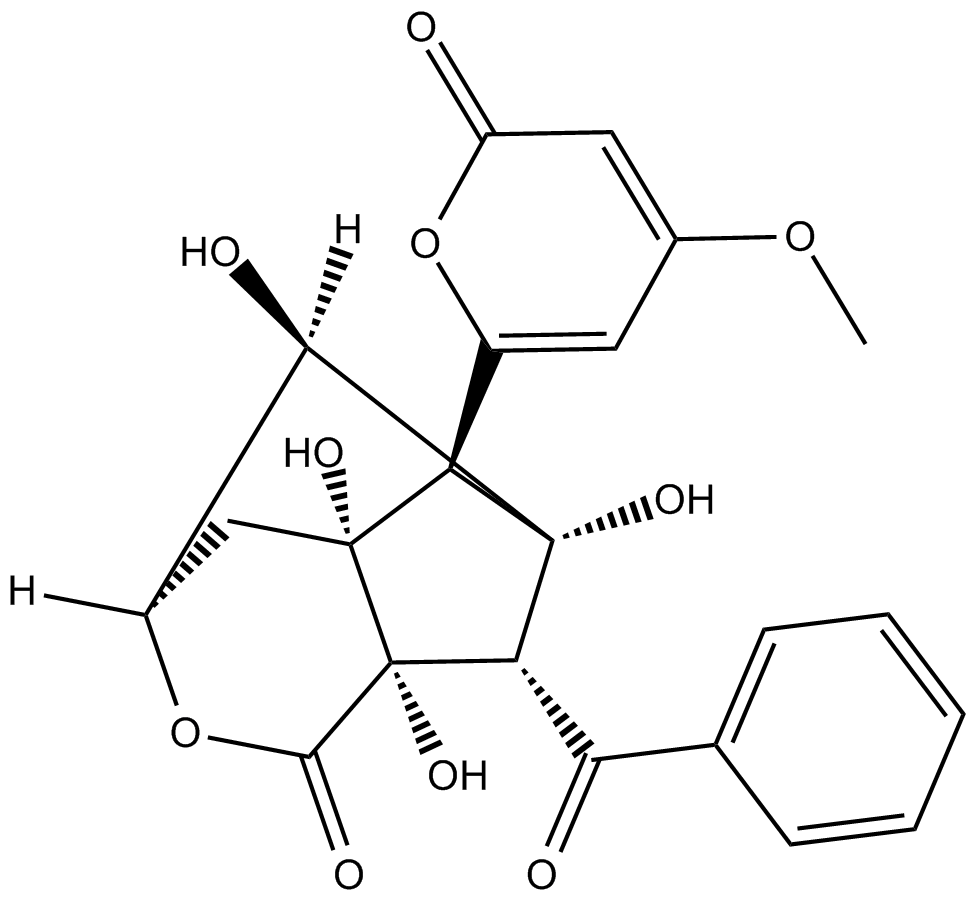 C4213 EnterocinSummary: antibiotic
 -
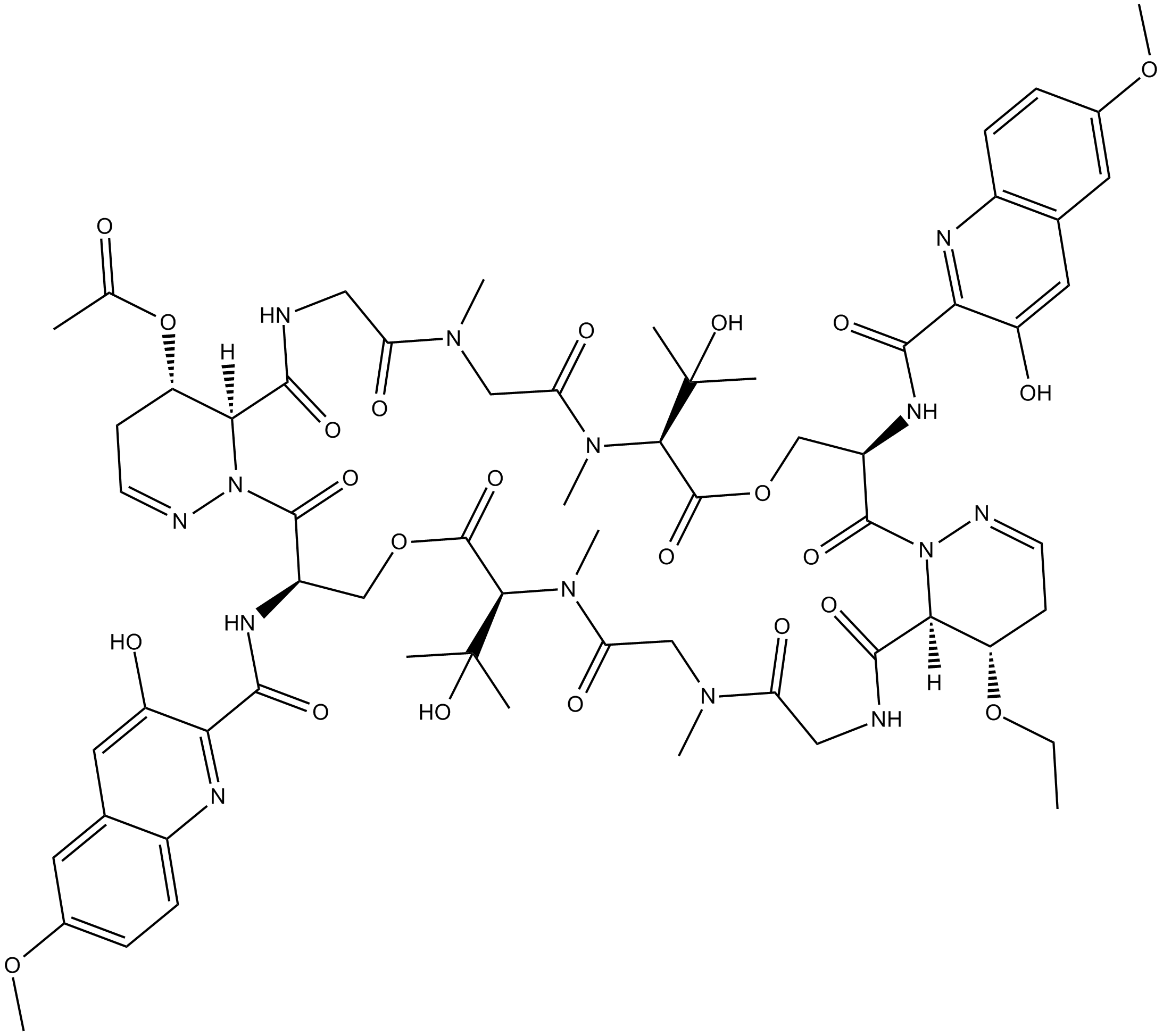 C4392 Luzopeptin ASummary: cyclic depsipeptide antibiotic
 -
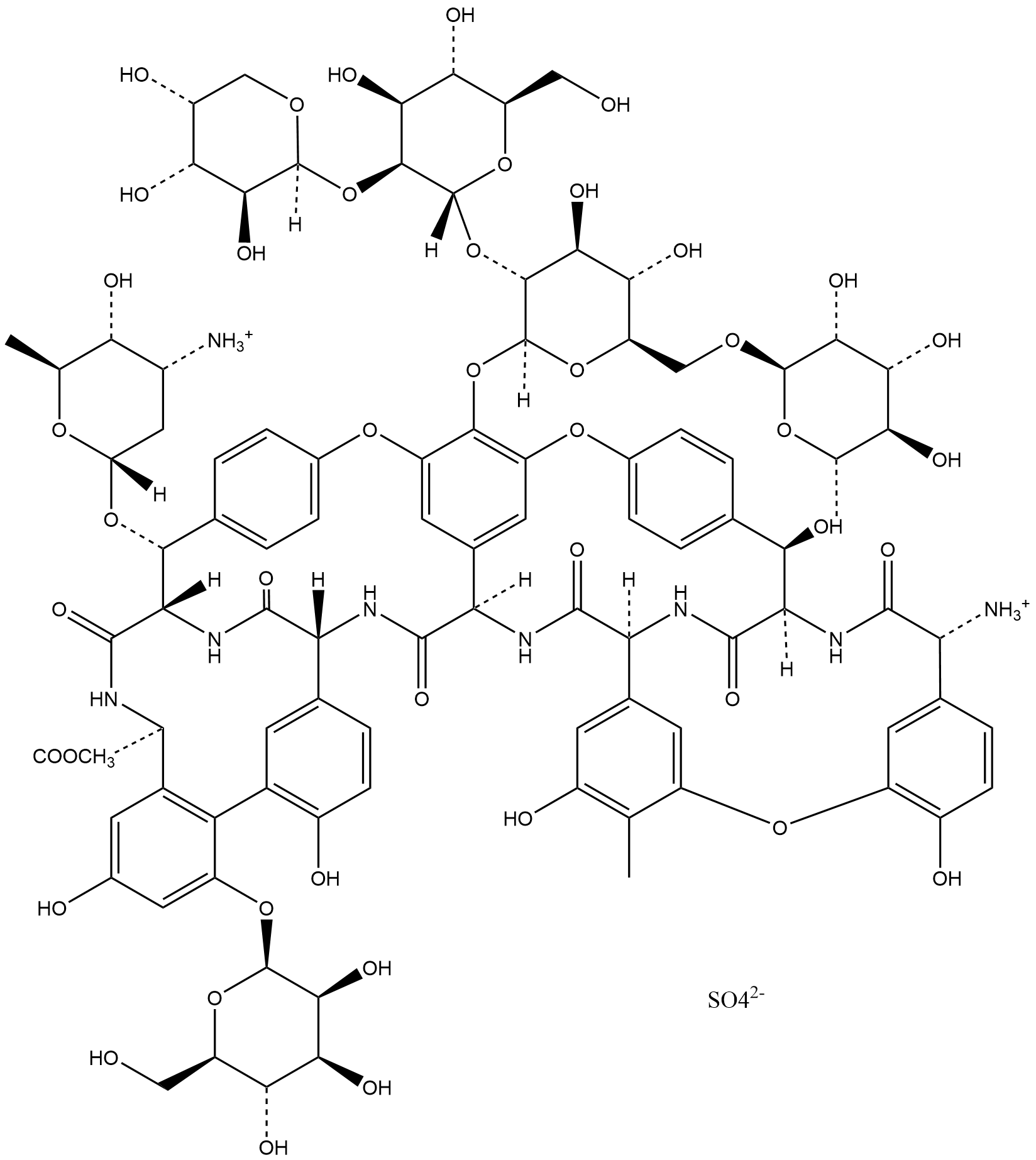 C4176 Ristocetin A (sulfate)Summary: antibiotic that was used to treat staphylococcal infections
 -
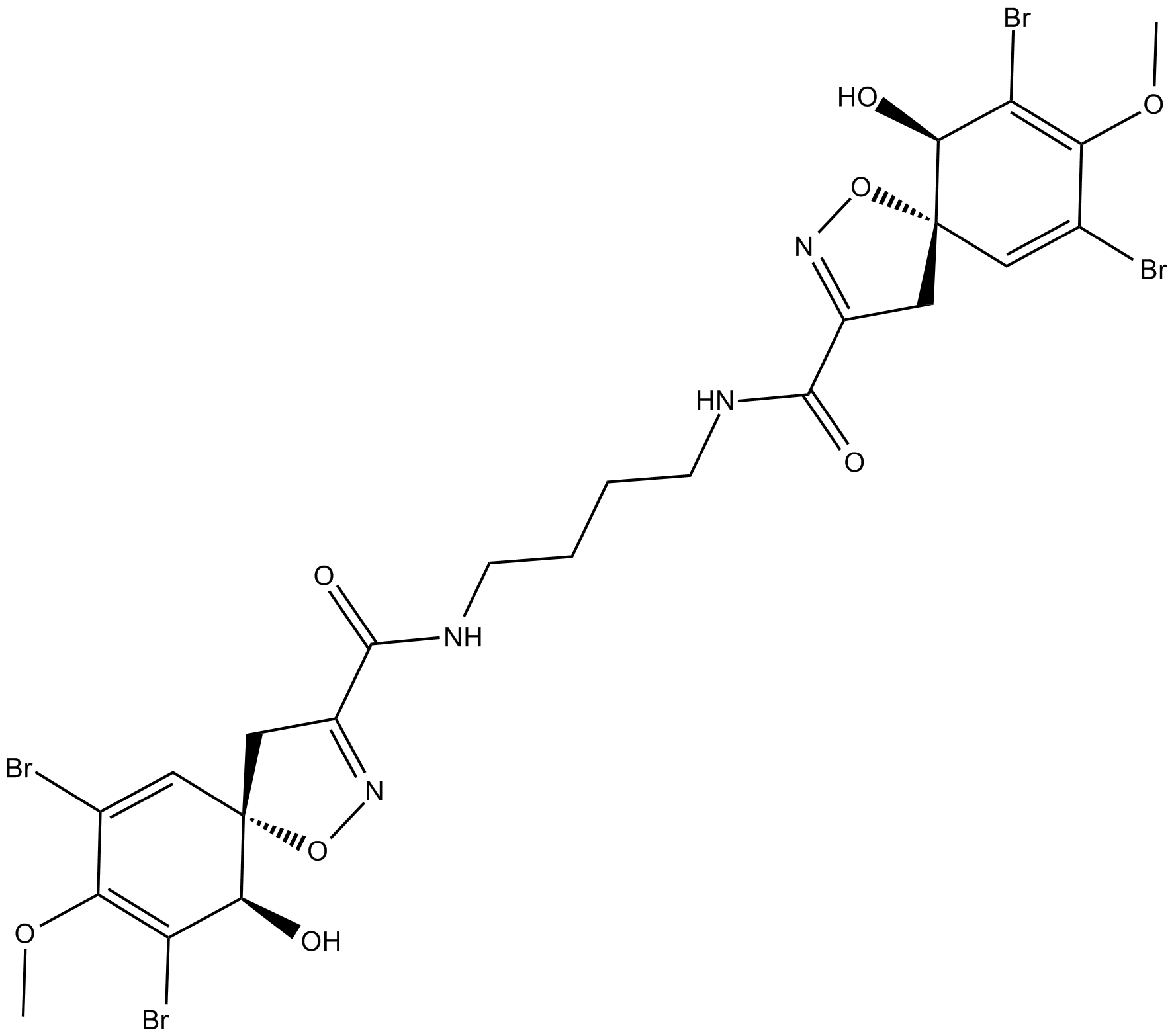 C4405 AerothioninSummary: antimycobacterial activity
 -
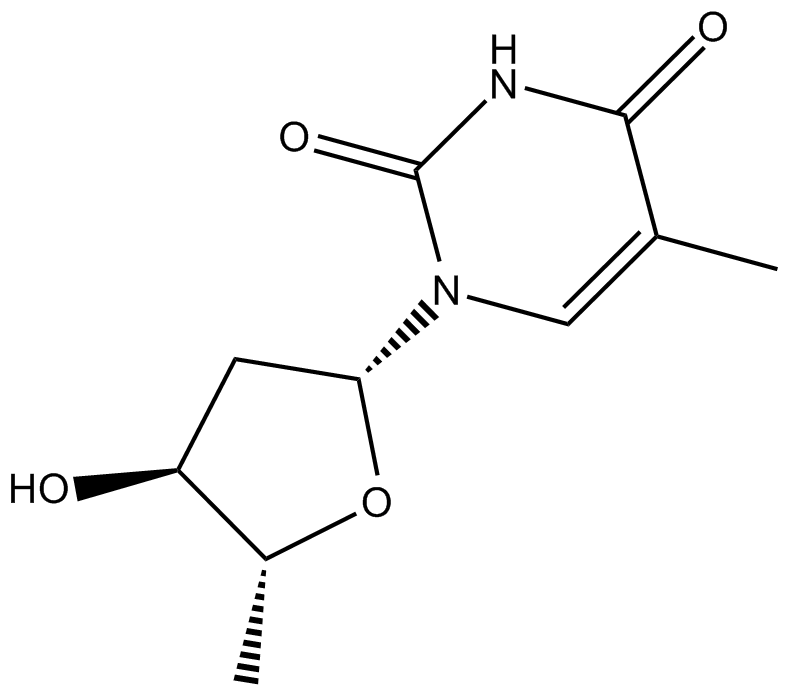 C4692 5'-deoxy ThymidineSummary: antibacterial activity
 -
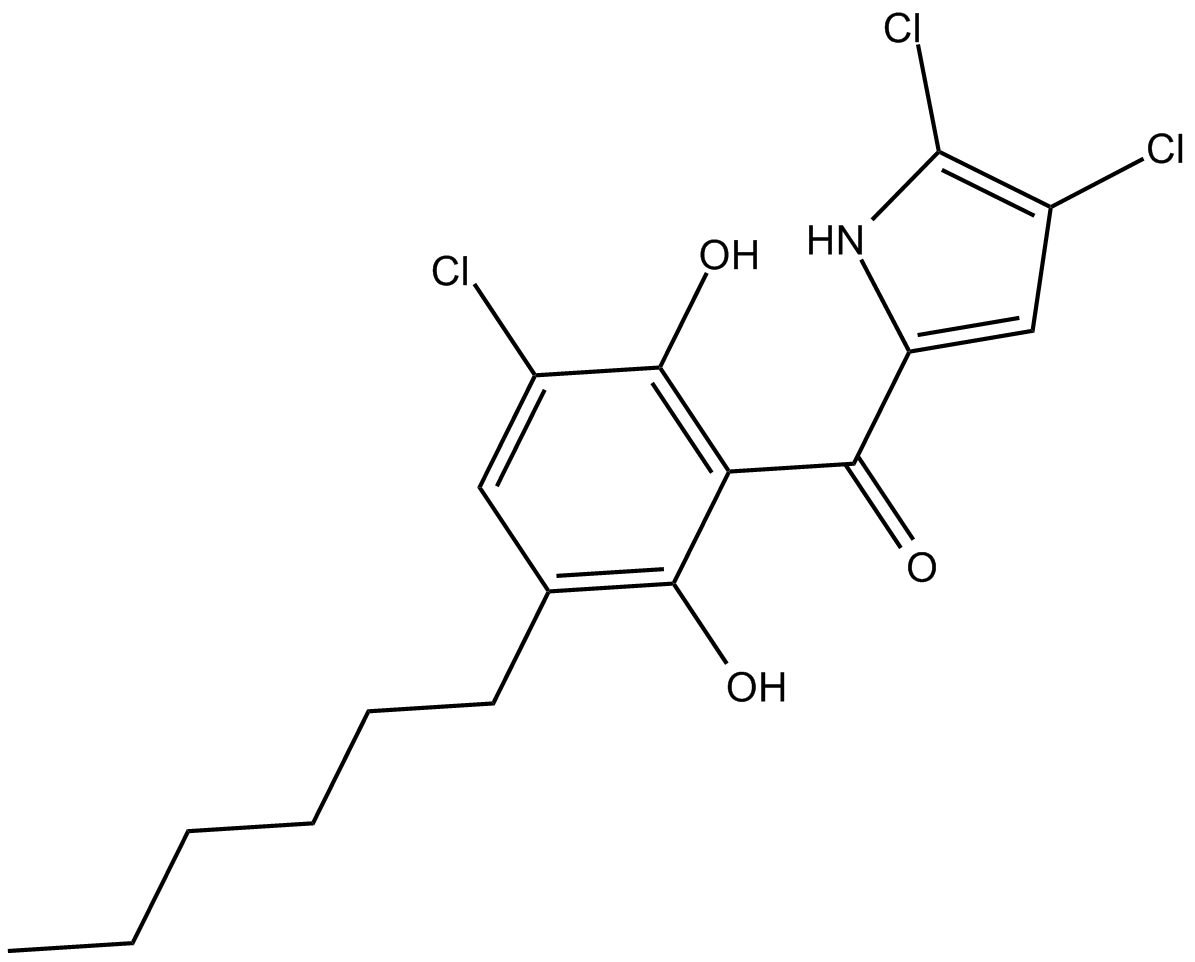 C4242 Celastramycin ASummary: inhibits the growth of bacteria and mycobacteria
 -
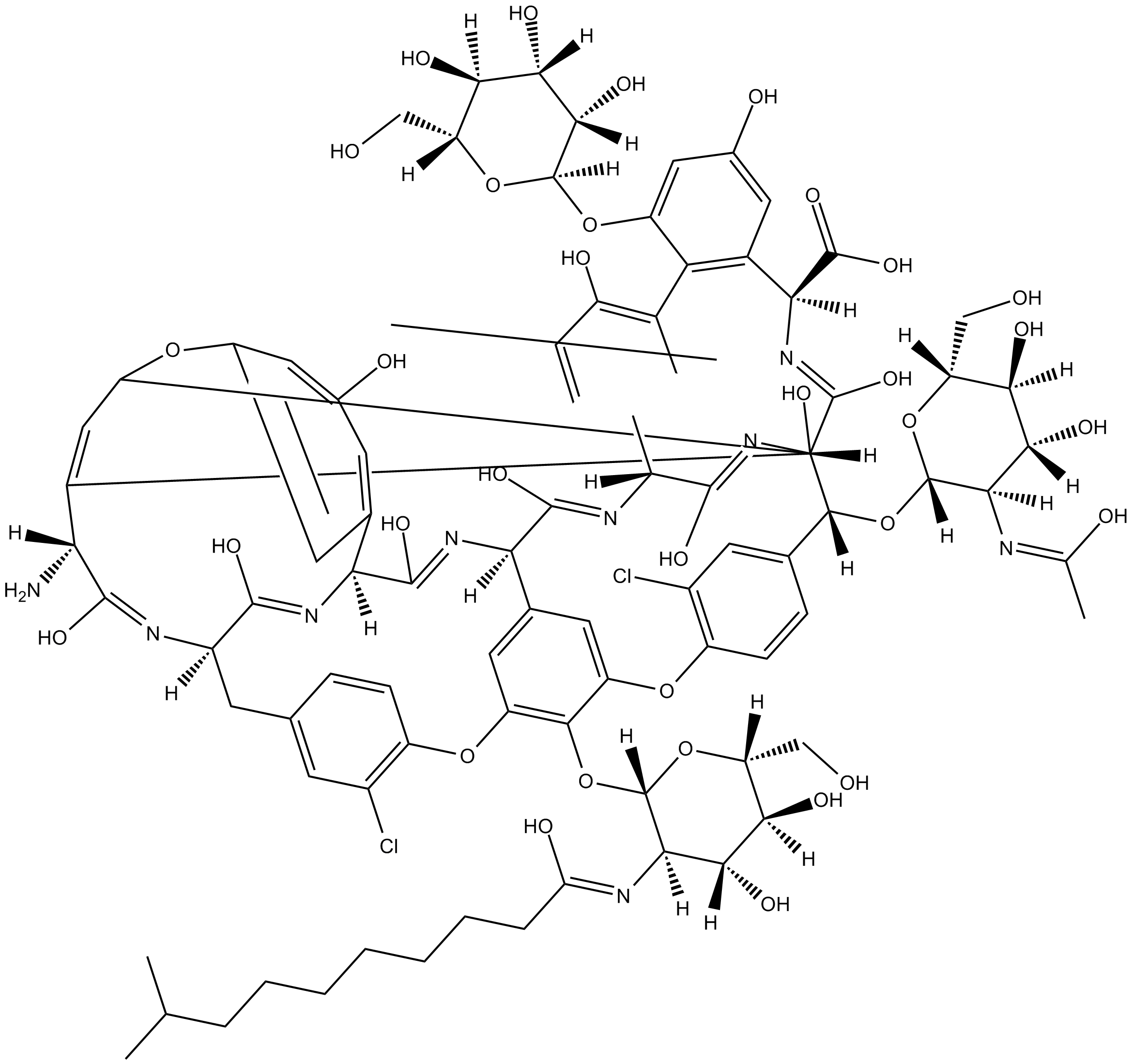 C4938 Teicoplanin A2-5Summary: glycopeptide antibiotic
 -
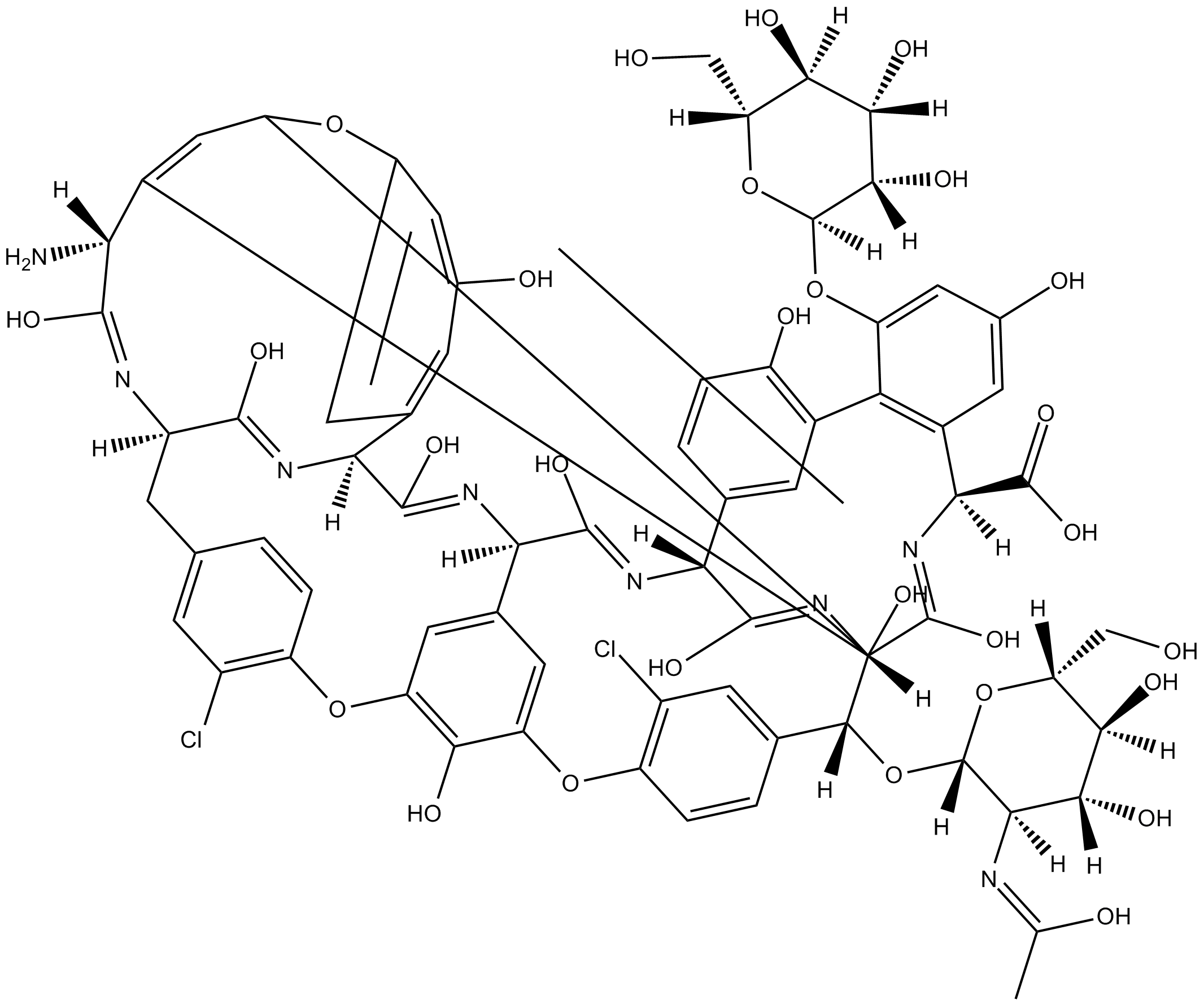 C4943 Teicoplanin A3-1Summary: glycopeptide antibiotic
 -
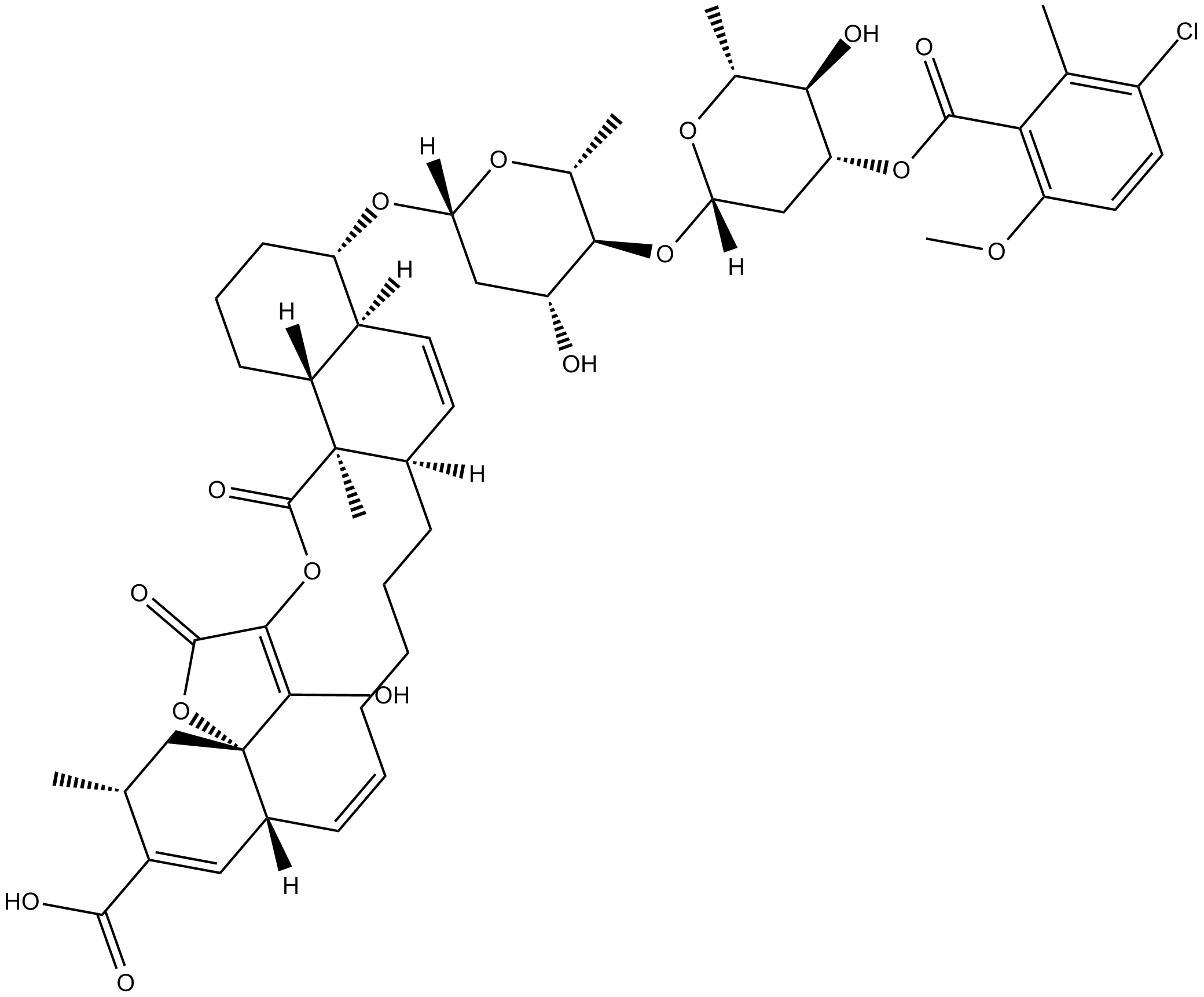 C4515 ChlorothricinSummary: macrolide-type antibiotic
 -
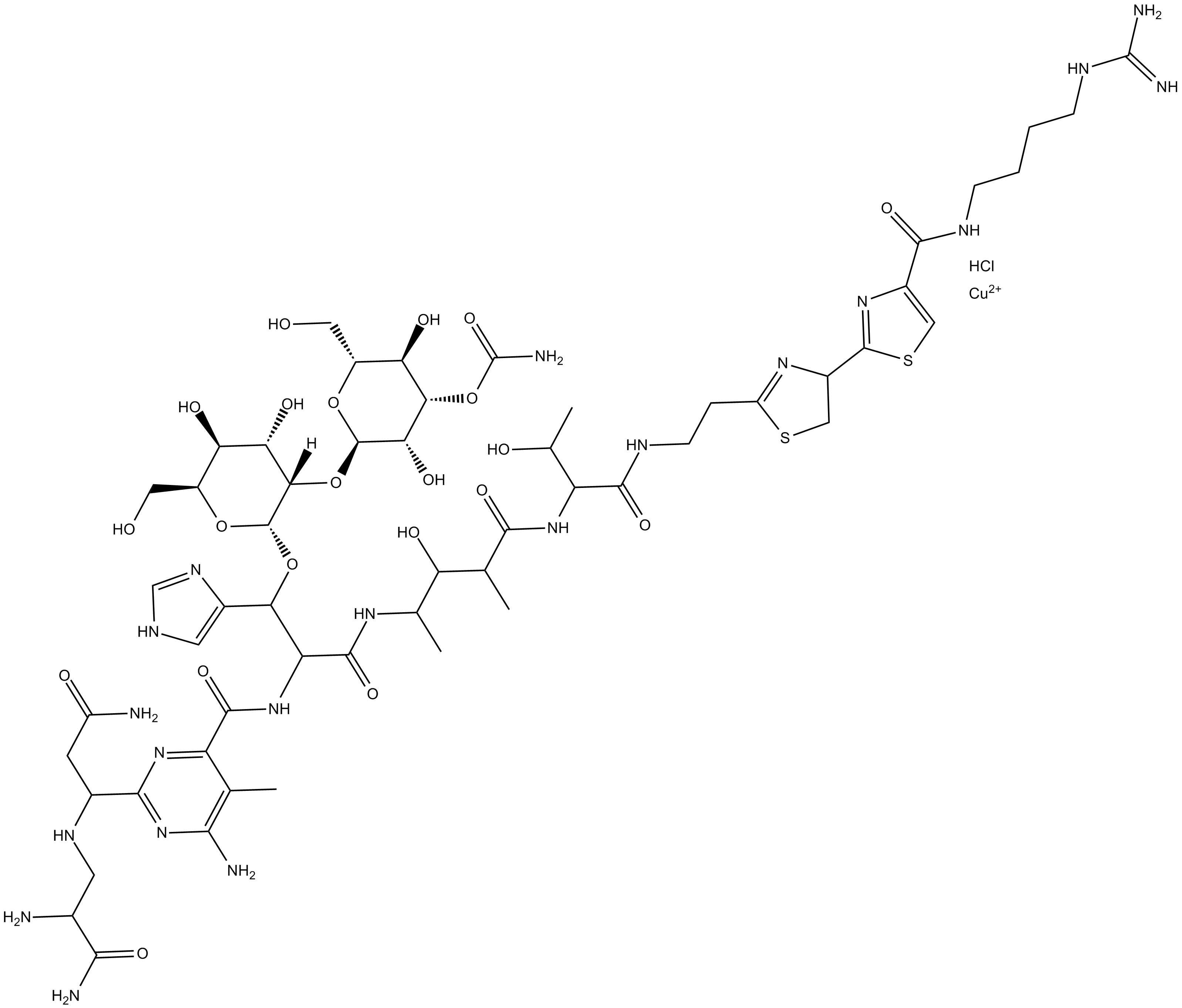 C4556 PhleomycinSummary: glycopeptide antibiotic