


Microbiology & Virology
Furthermore, small molecules enable selective modulation of the microbiome, balancing interactions between beneficial and pathogenic microorganisms. Coupled with advances in high-throughput screening technologies, they continue to overcome limitations related to target specificity and drug resistance, thereby serving as a crucial bridge between basic research and clinical anti-infective practice. Collectively, small-molecule compounds offer diversified solutions to global public health challenges.
-
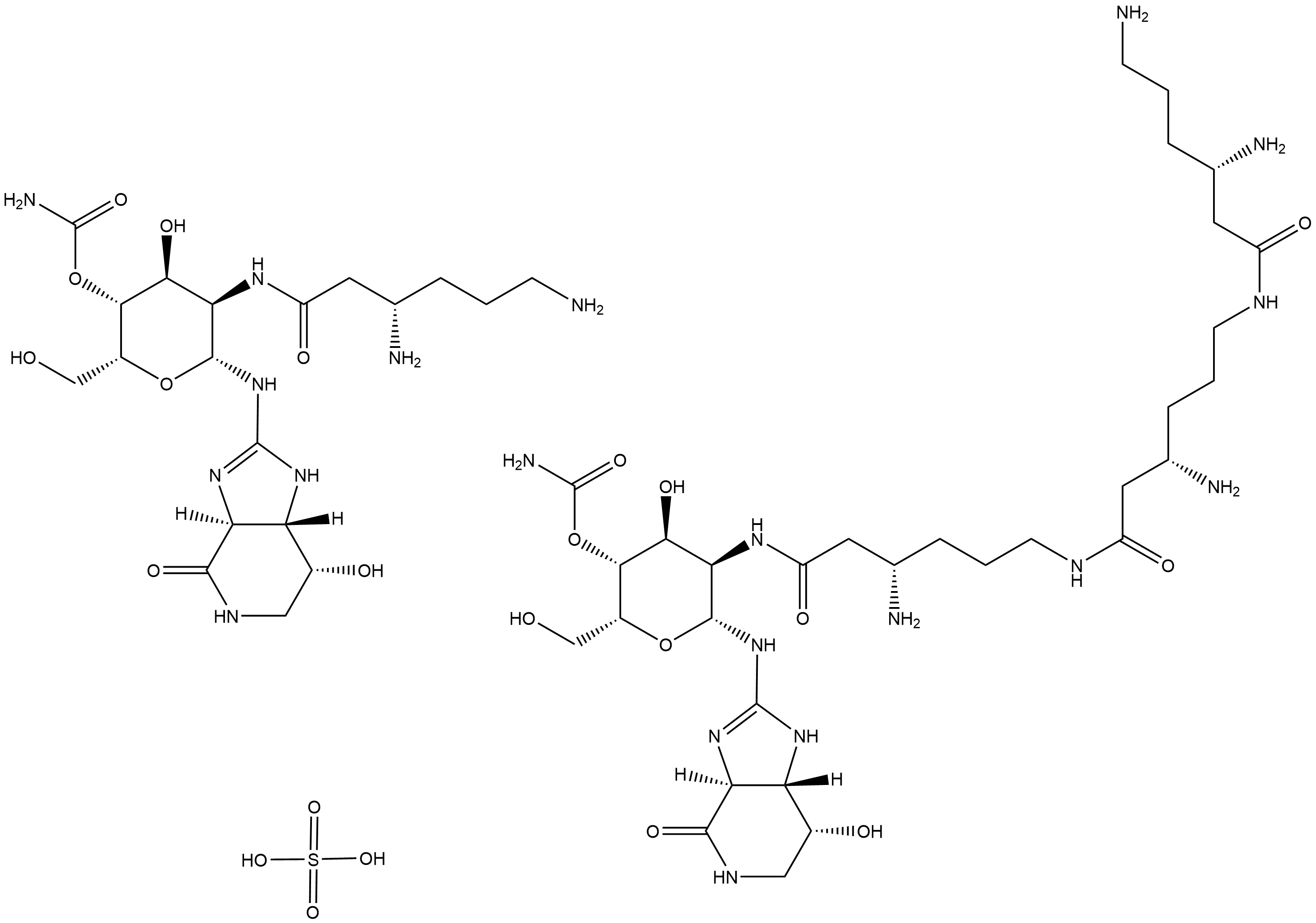 C5155 Nourseothricin (sulfate)Summary: broad-spectrum antibiotic
 -
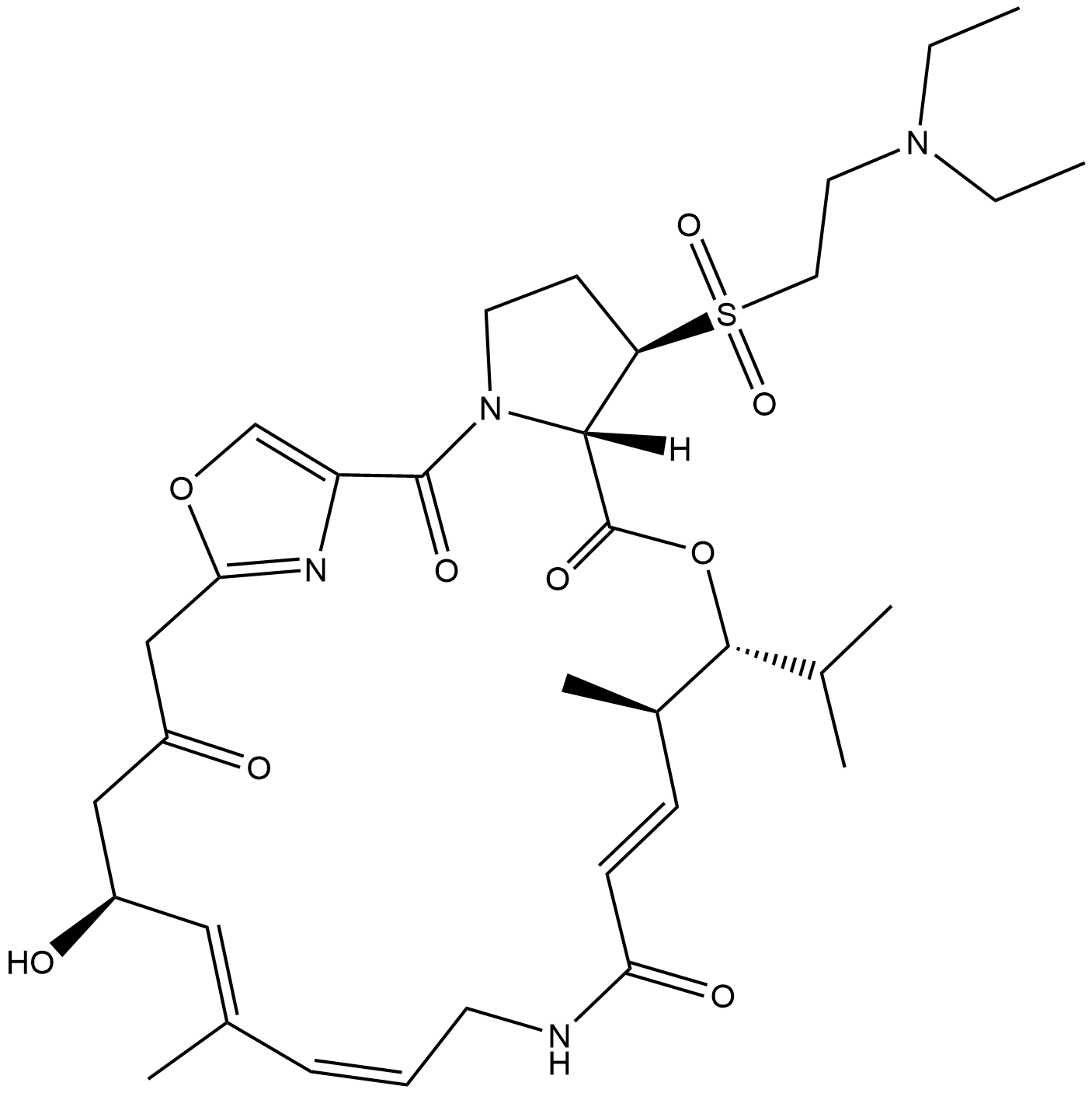 C5482 DalfopristinSummary: streptogramin antibiotic
 -
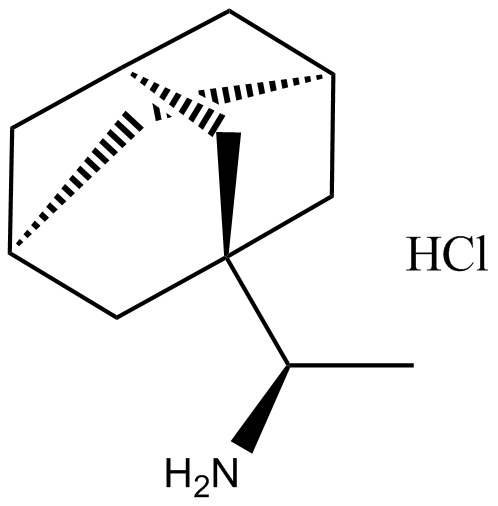 B7849 Rimantadine HydrochlorideSummary: anti-influenza virus drug
 -
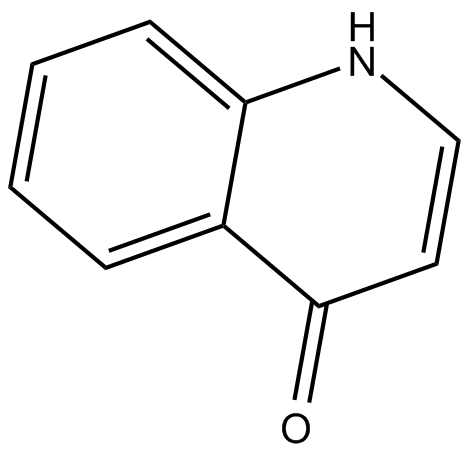 B7871 4-quinolinolSummary: A hydroxylated quinoline derivative
 -
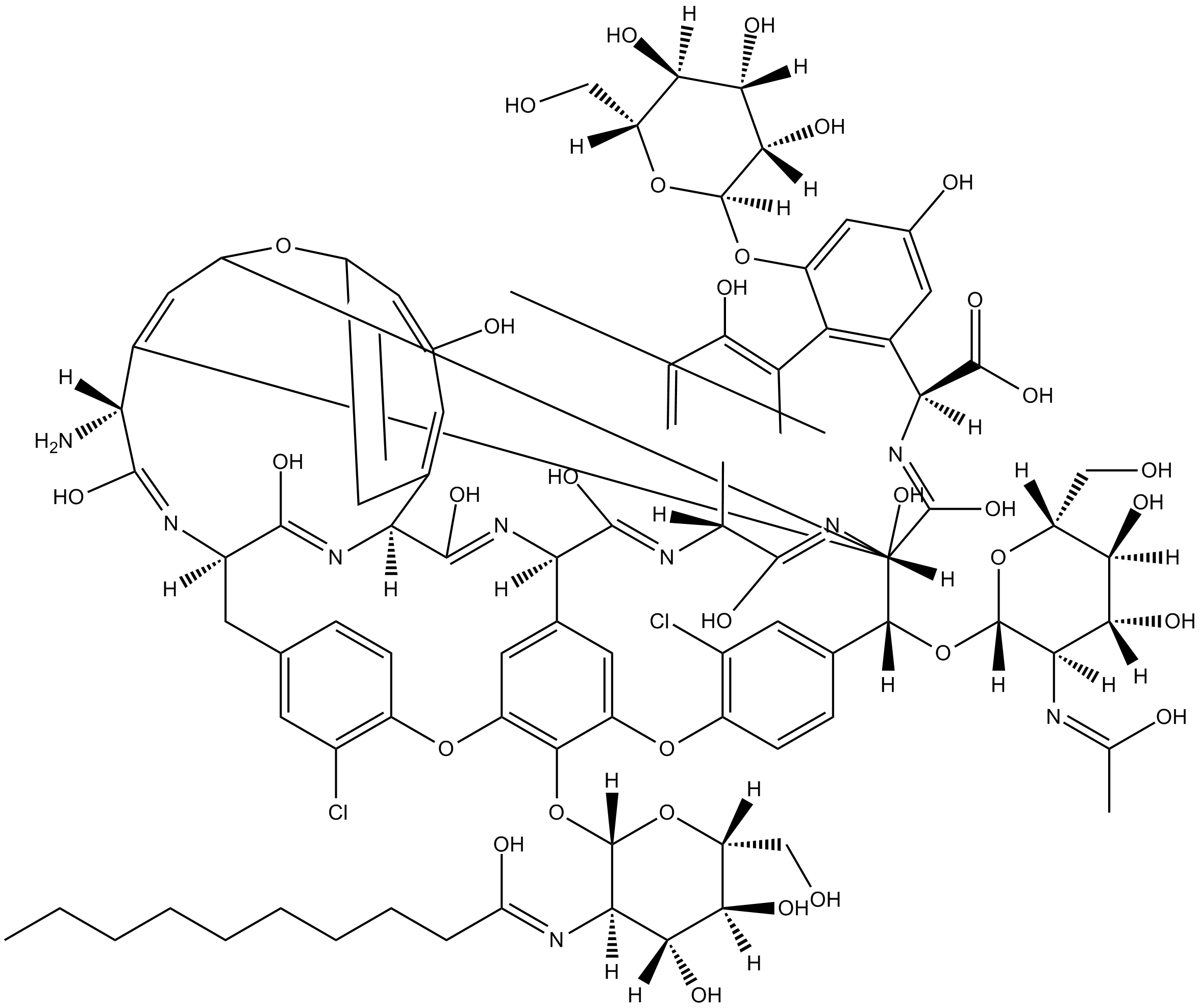 C4923 Teicoplanin A2-3Summary: glycopeptide antibiotic
 -
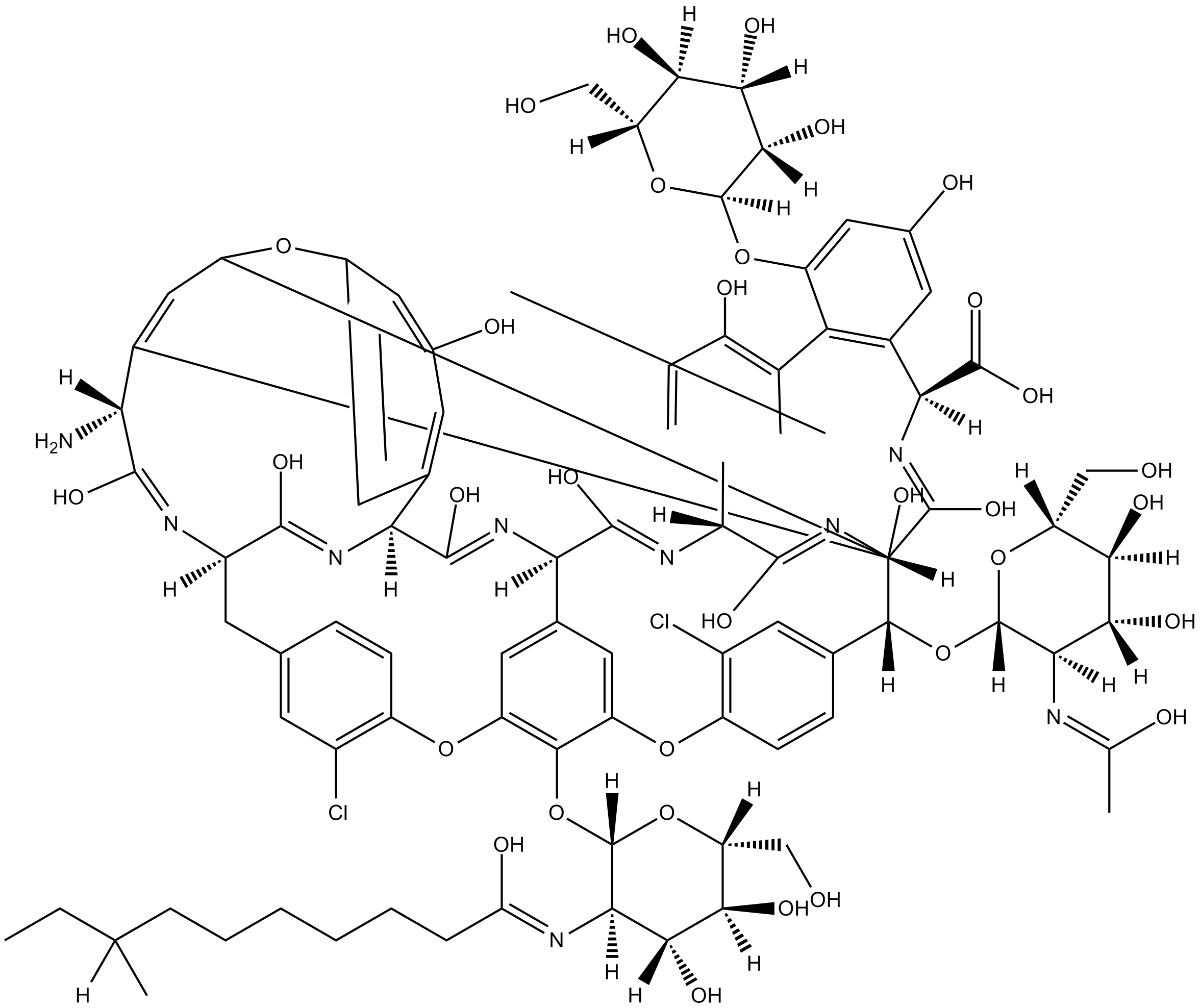 C4924 Teicoplanin A2-4Summary: glycopeptide antibiotic
 -
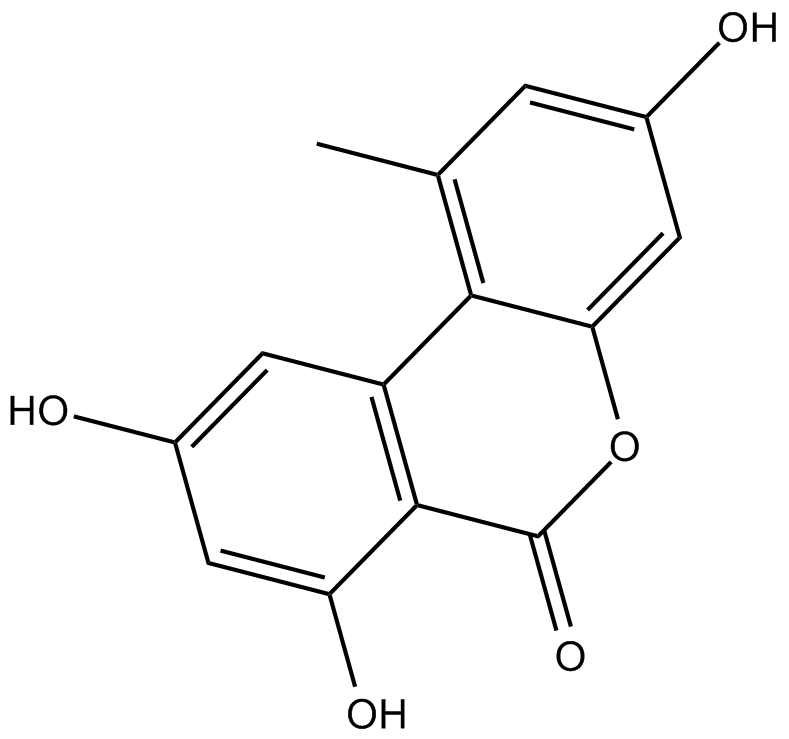 C5061 Alternariol2 CitationSummary: A mycotoxin with antifungal and phytotoxic activity
 -
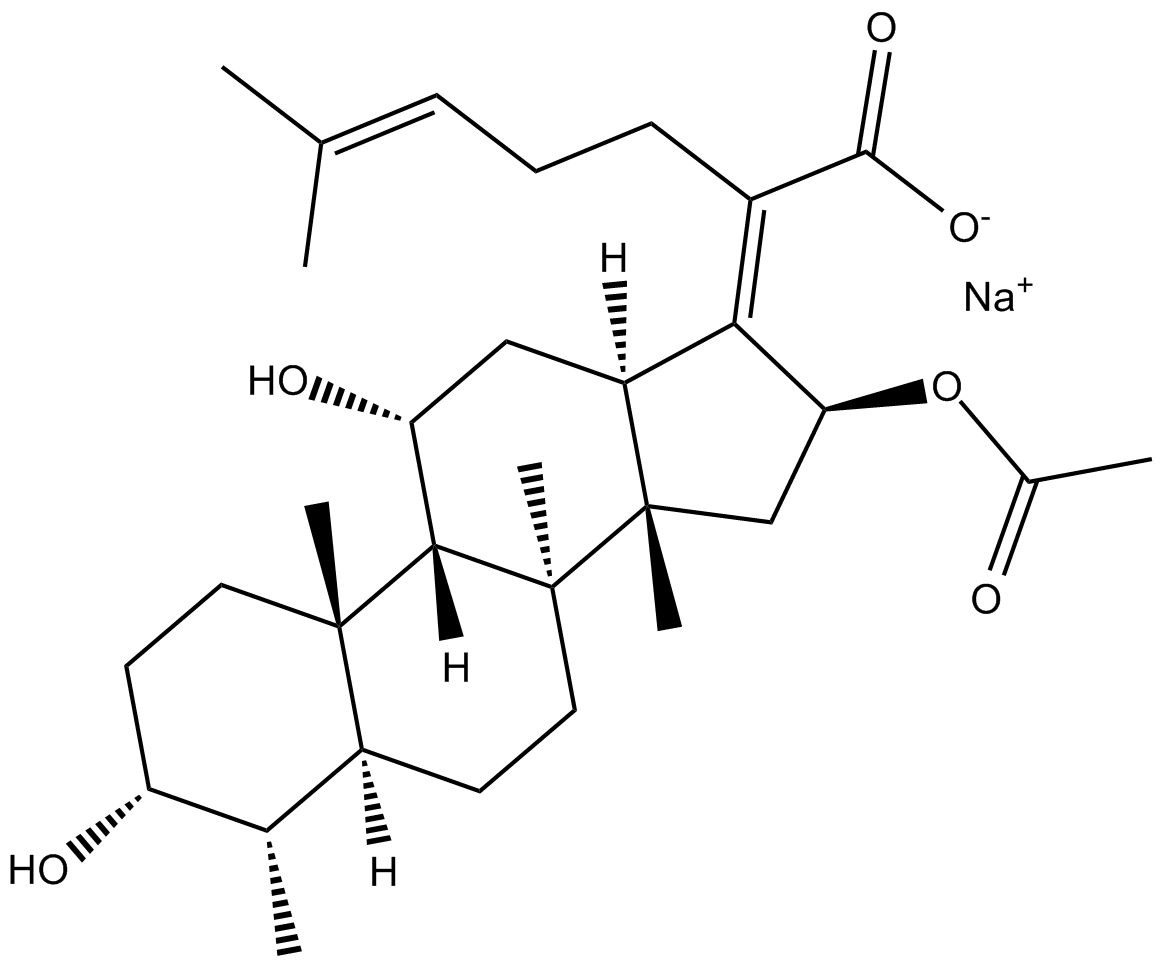 C5167 Fusidic Acid (sodium salt)Summary: steroidal antibiotic
 -
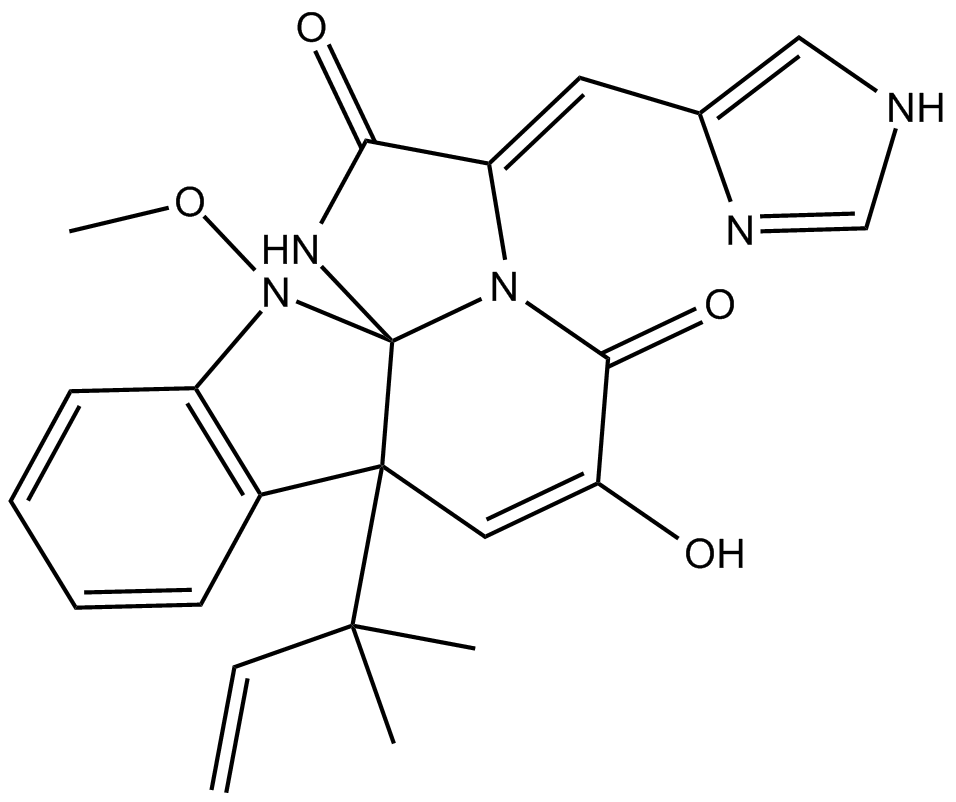 C5172 MeleagrinSummary: antibiotic
 -
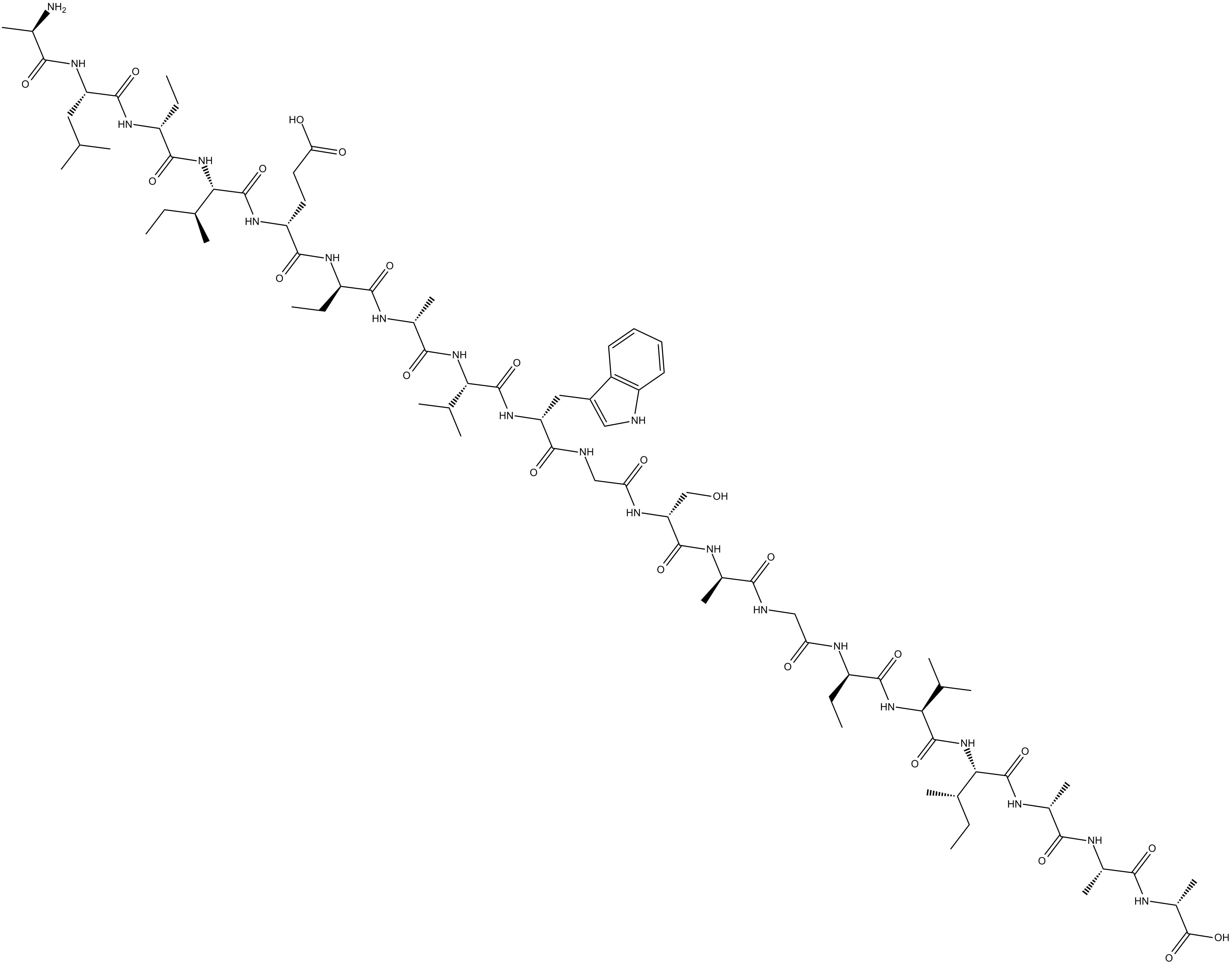 C5245 ActagardinSummary: tetracyclic antibiotic