


Cell Cycle/DNA Damage
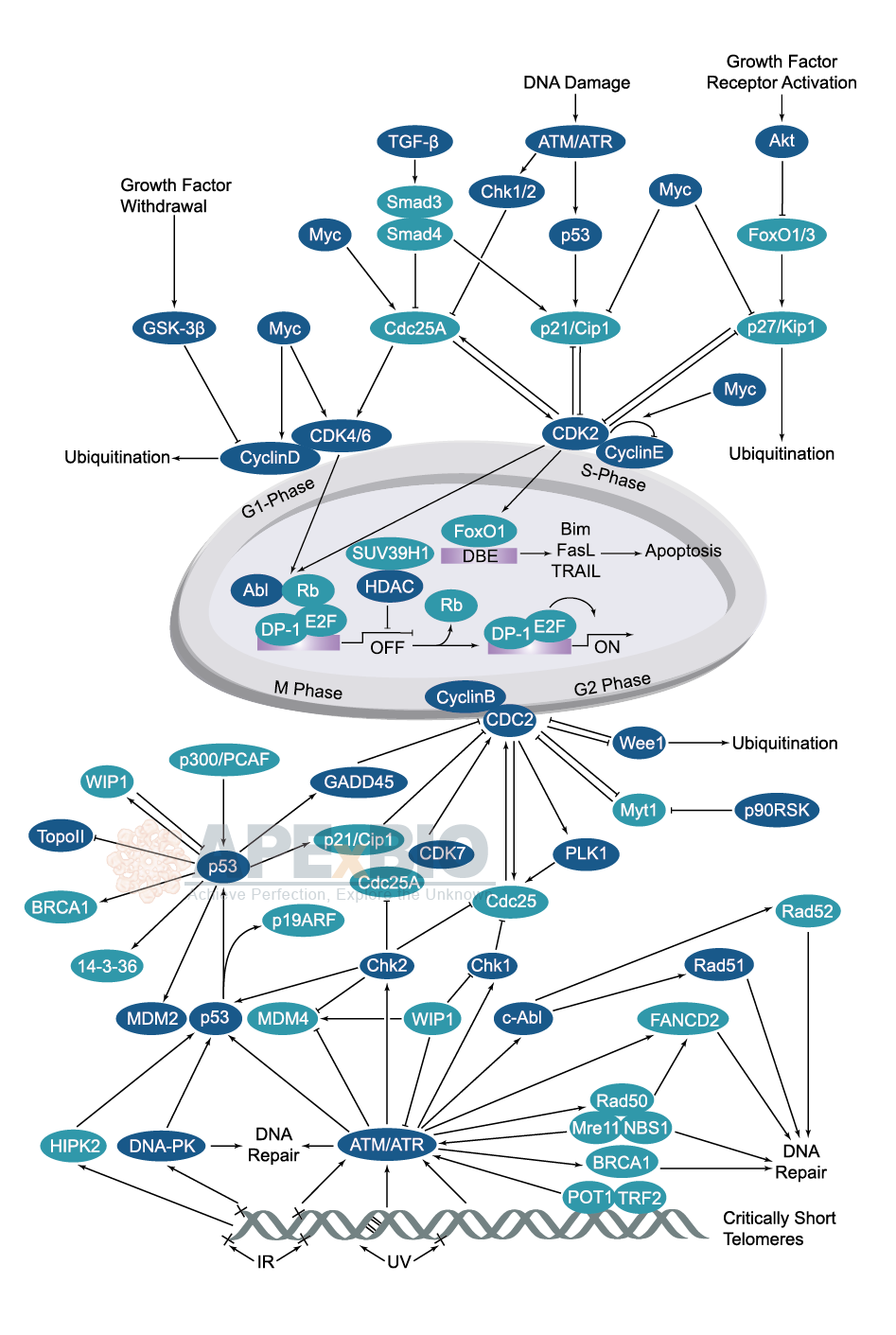
The cell cycle is consisted of 4 main phases: Gap 1 (G1), DNA replication (S), Gap 2 (G2), and mitosis (M). There are “checkpoints” mechanism regulates the transition between these phases, at the G1/S boundary, in the S-phase and during G2/M phases. Cell can only pass through these checkpoints when signaling factors are activated and free of DNA damage. Important proteins that control cell cycle events and checkpoints are cullins, cyclins, cyclin-dependent kinases (Cdks), p53 and their inhibitors etc. Cdks family (Cdk2, Cdk3, Cdk4 and Cdk6) are Ser/Thr kinases that regulate cell cycle progression in association with cyclin binding partners (cyclin D, cyclin E and cyclin A) during all four phases. p53 halts the cell cycle if the DNA is damaged and allowing time for DNA repair to progress; it can also initiate apoptosis if DNA damage is too severe to be repaired.
-
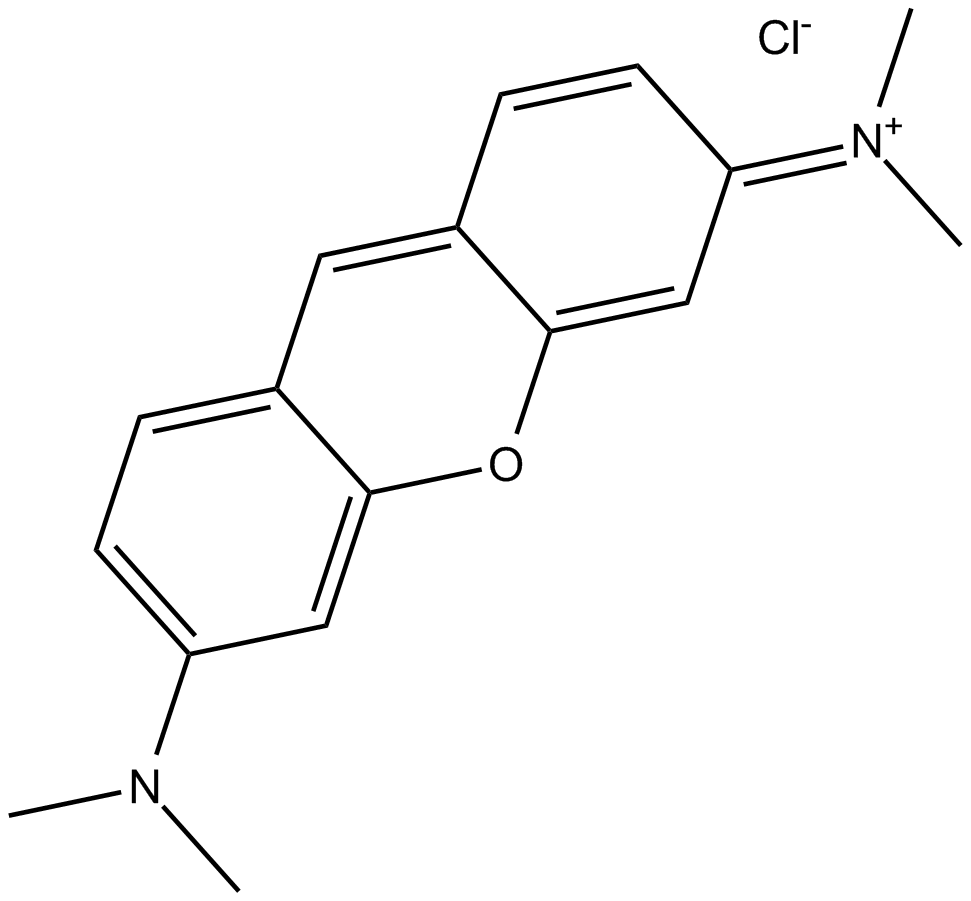 C5496 Pyronin YSummary: A fluorescent probe for dsRNA, can be used to determine the cell cycle status of stem cells
 -
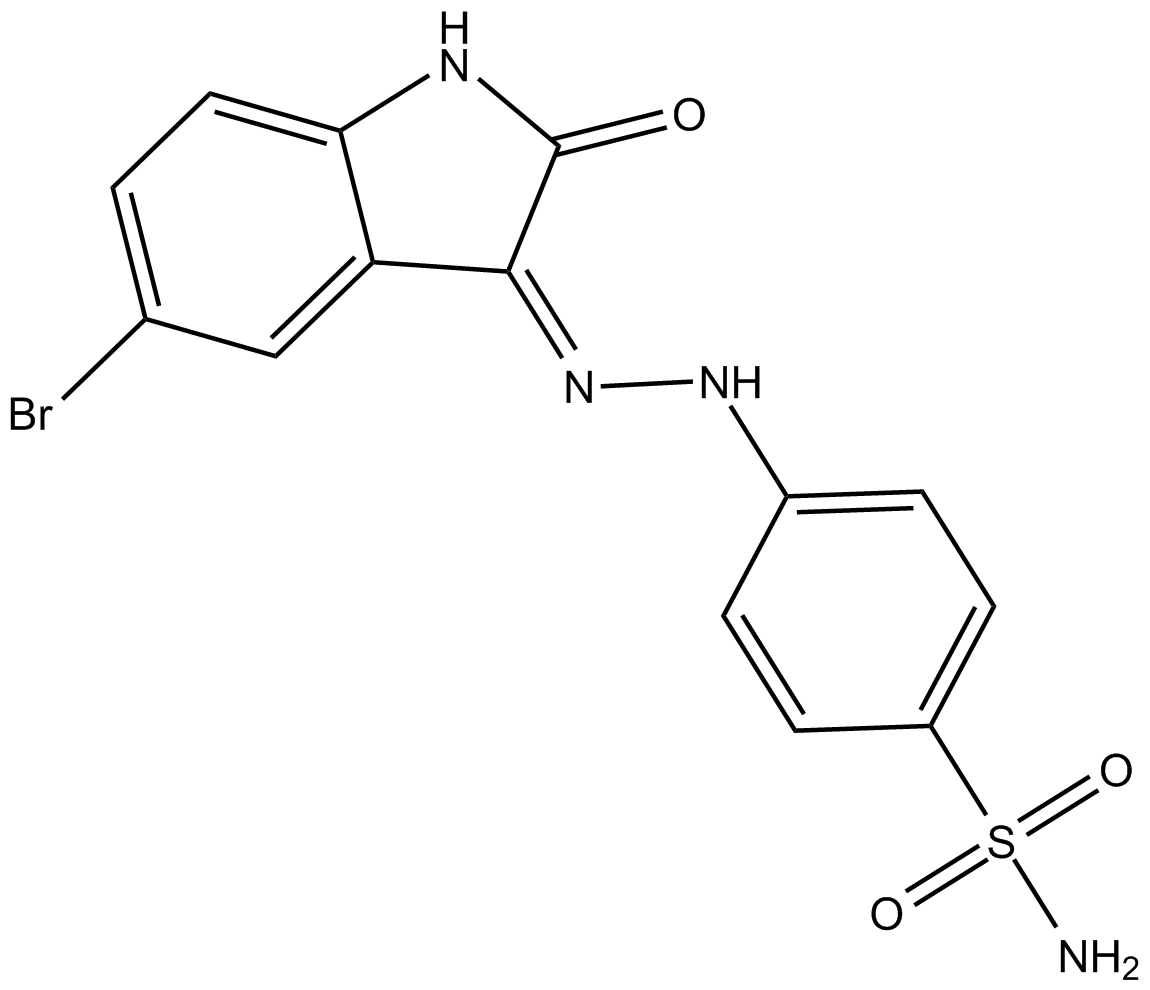 C5201 Cdk2 Inhibitor IISummary: A small-molecule, ATP-competitive inhibitor that selectively blocks CDK2 activity.
 -
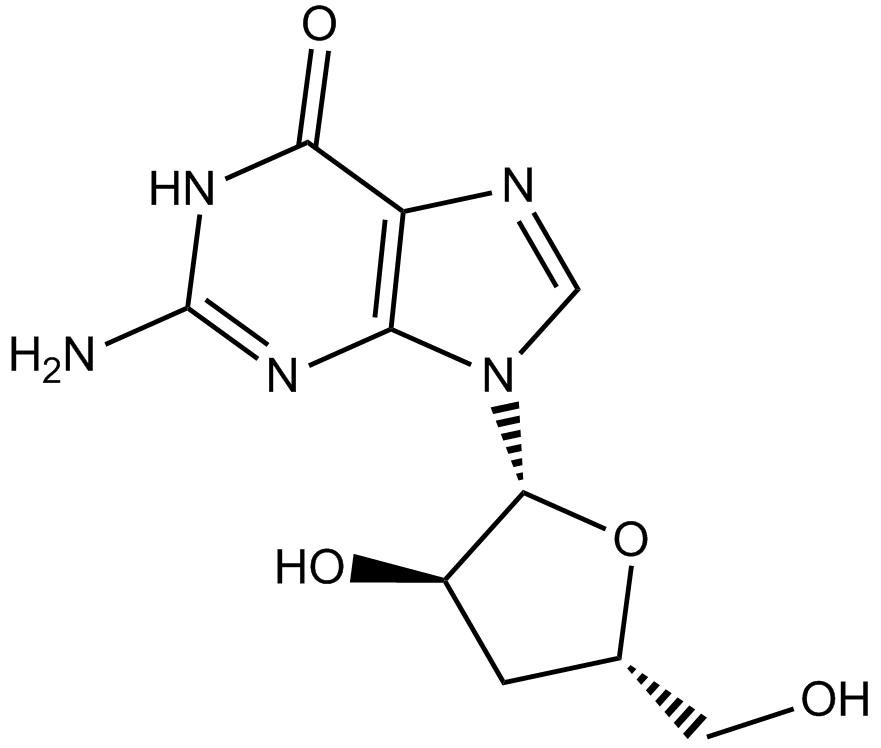 C5041 3'-DeoxyguanosineSummary: An antitumor drug targeting purine nucleoside phosphorylase.
 -
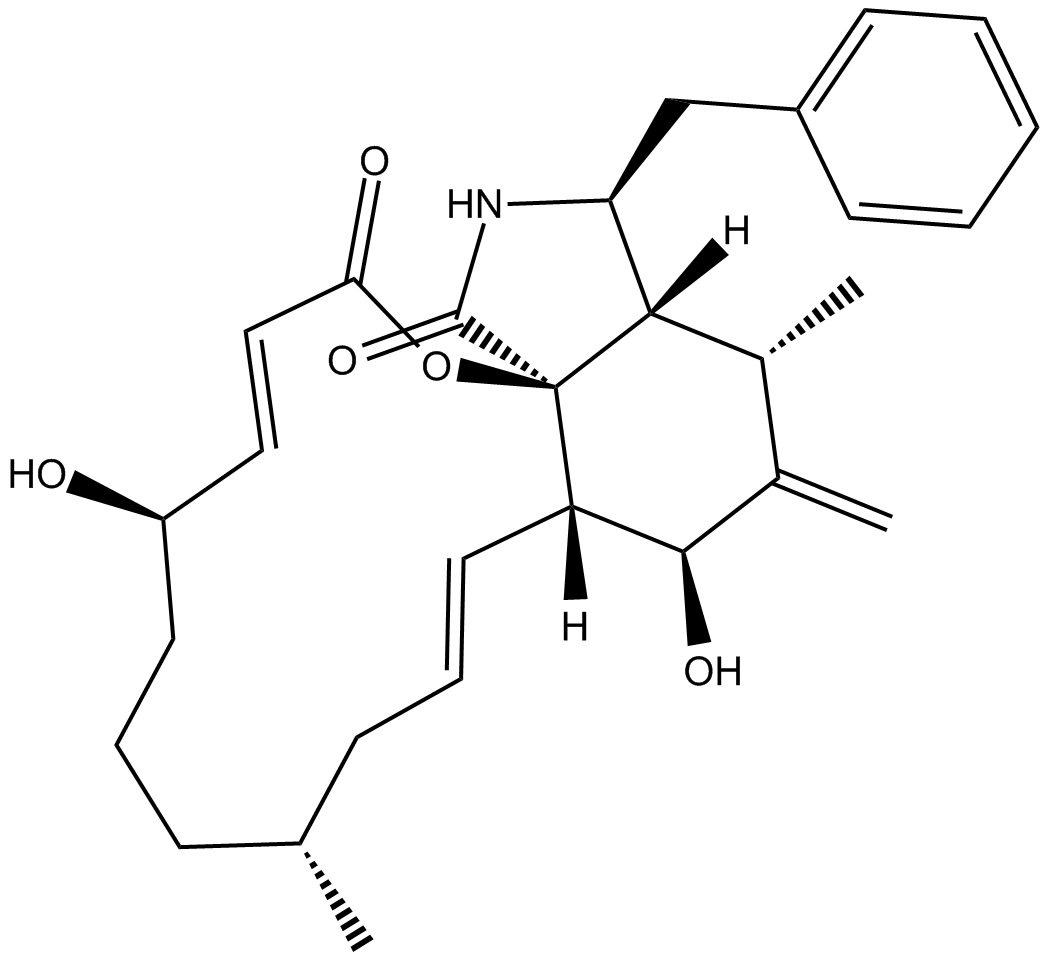 C4939 Cytochalasin BSummary: A cell-permeable actin polymerization inhibitor
 -
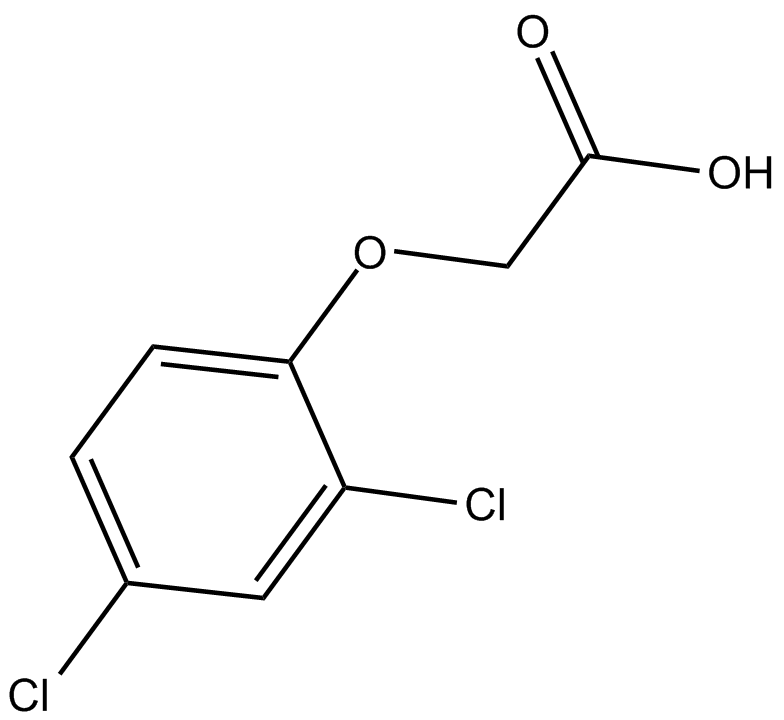 C4399 2,4-Dichlorophenoxy Acetic AcidSummary: A selective herbicide with plant hormone regulatory activity that can induce apoptosis.
 -
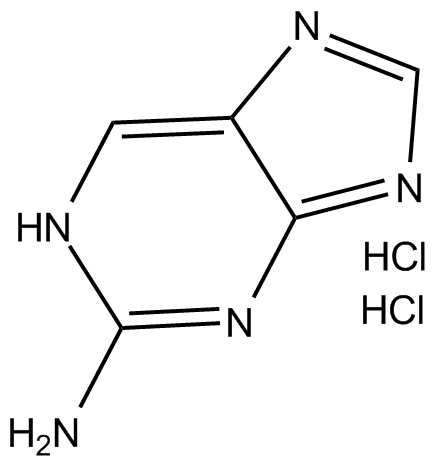 C4055 2-Aminopurine (hydrochloride)Summary: A fluorescent probe used to study nucleic acid structure and dynamics.
 -
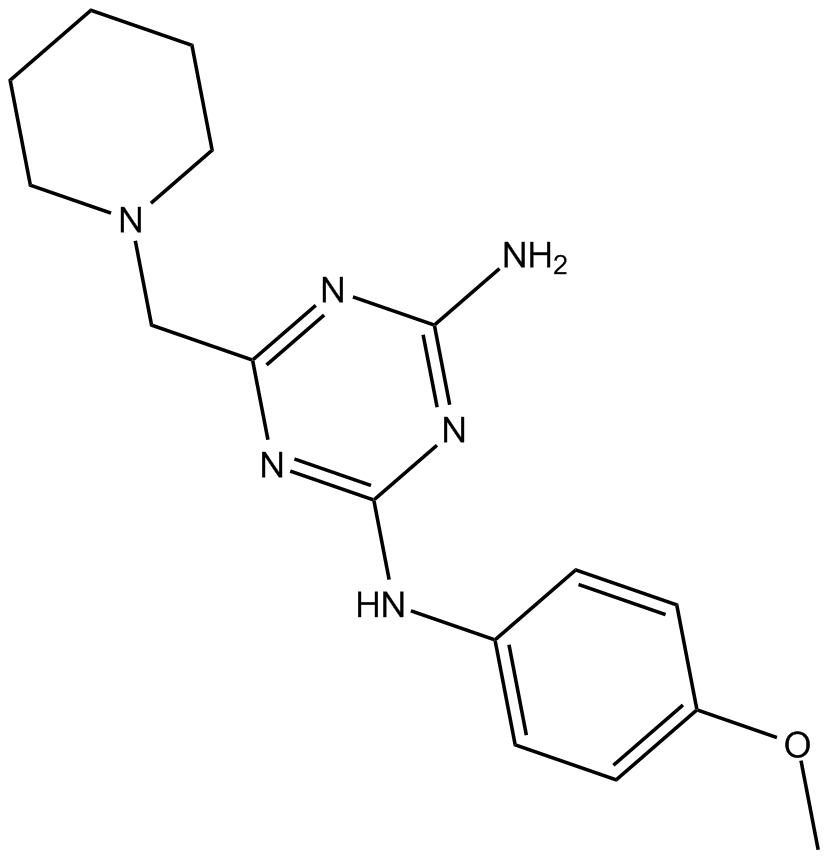 C3612 BRD32048Summary: Directly targets the ETV1 protein, inhibits acetylation, and promotes its degradation.
 -
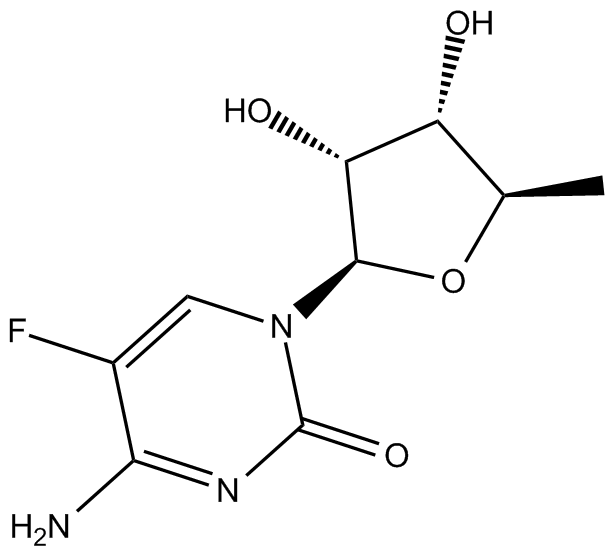 C3513 5'-deoxy-5-FluorocytidineSummary: A cytidine analog that can interfere with DNA methyltransferase activity.
 -
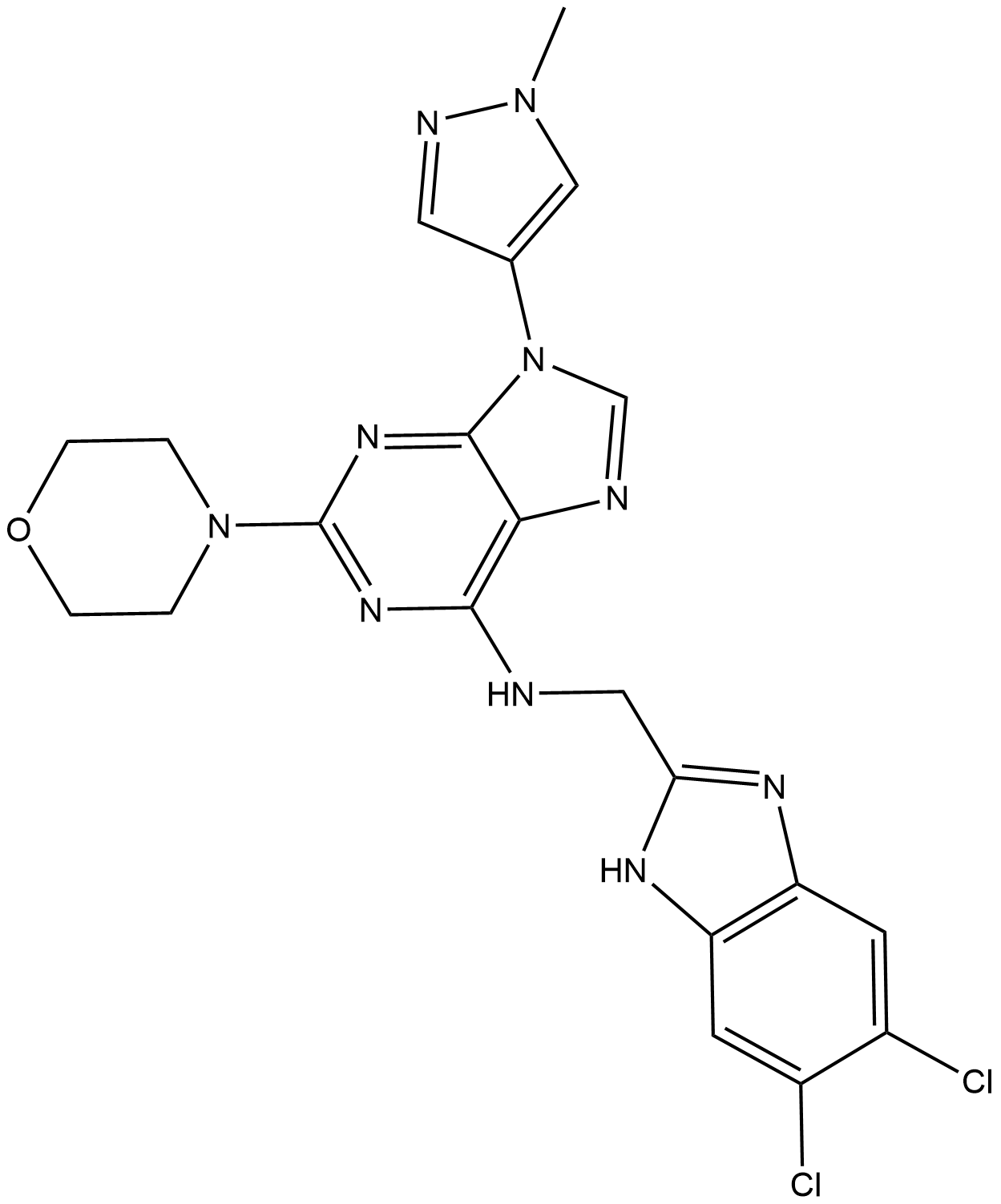 B8758 SR-4835Summary: Highly selective CDK12/CDK13 dual inhibitor, promotes apoptosis of TNBC cells
 -
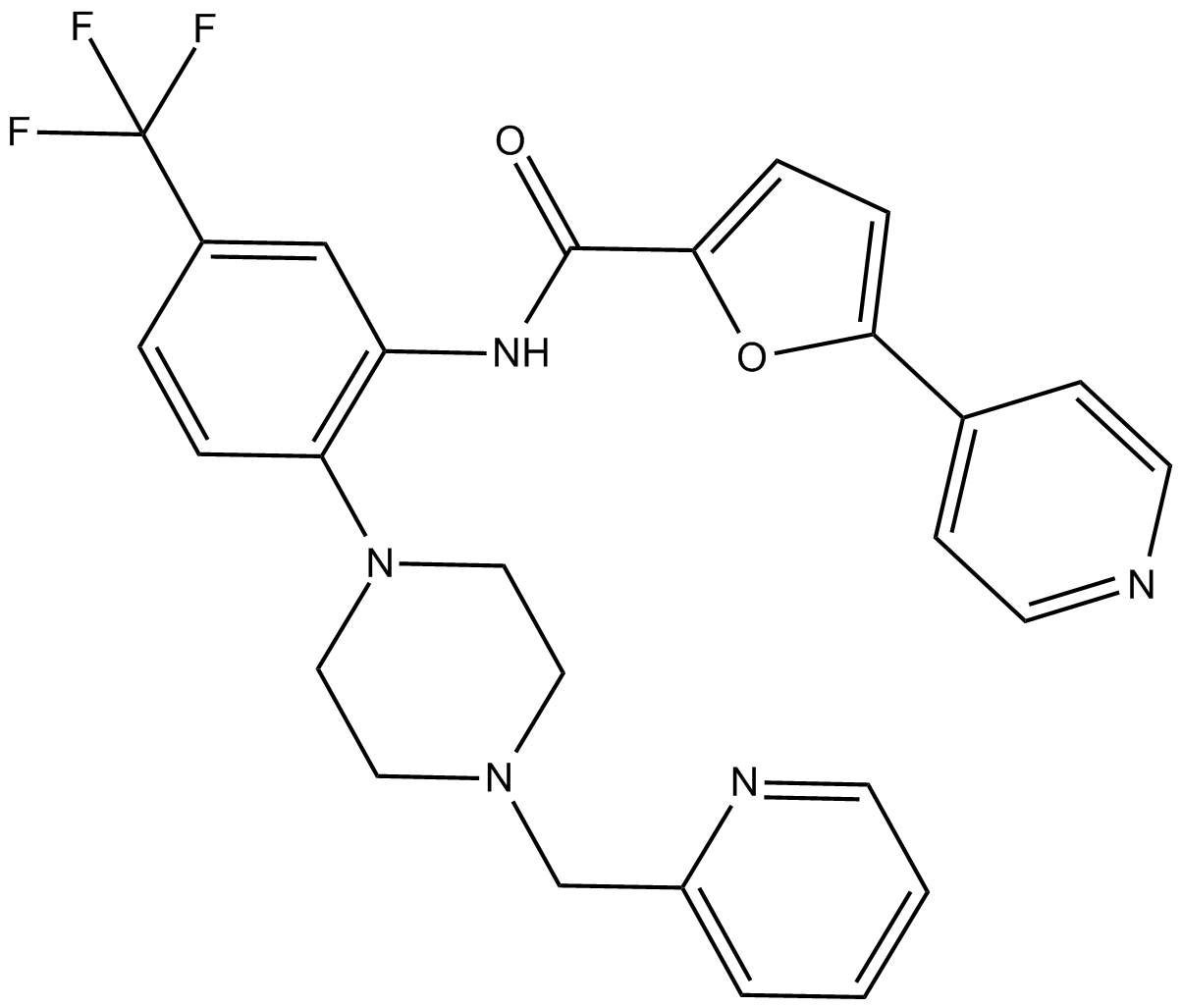 B8570 SPHINX31Summary: Selectively inhibits SRPK1 activity, modulating SRSF1 splicing and VEGF expression.