


Cell Cycle/DNA Damage
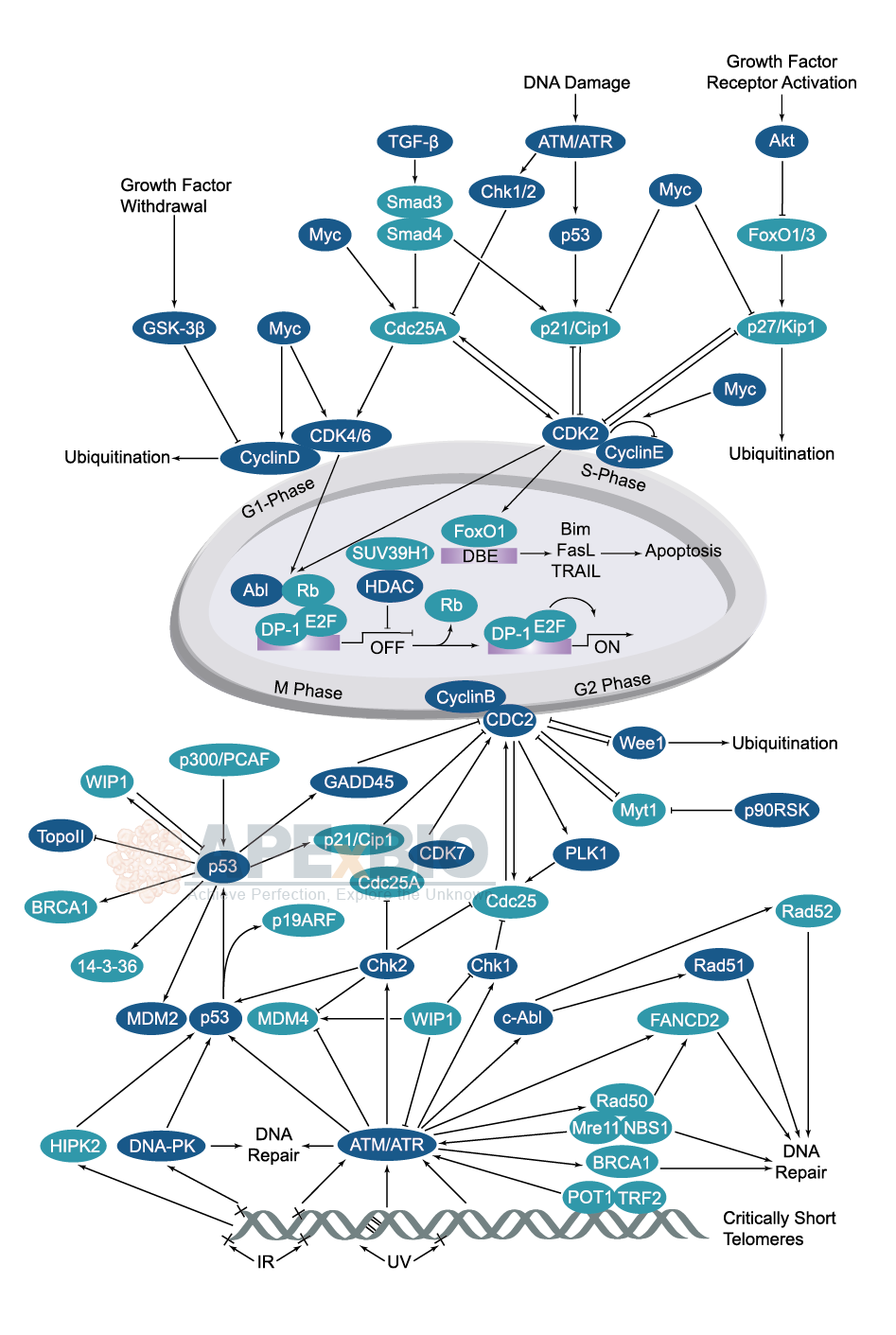
The cell cycle is consisted of 4 main phases: Gap 1 (G1), DNA replication (S), Gap 2 (G2), and mitosis (M). There are “checkpoints” mechanism regulates the transition between these phases, at the G1/S boundary, in the S-phase and during G2/M phases. Cell can only pass through these checkpoints when signaling factors are activated and free of DNA damage. Important proteins that control cell cycle events and checkpoints are cullins, cyclins, cyclin-dependent kinases (Cdks), p53 and their inhibitors etc. Cdks family (Cdk2, Cdk3, Cdk4 and Cdk6) are Ser/Thr kinases that regulate cell cycle progression in association with cyclin binding partners (cyclin D, cyclin E and cyclin A) during all four phases. p53 halts the cell cycle if the DNA is damaged and allowing time for DNA repair to progress; it can also initiate apoptosis if DNA damage is too severe to be repaired.
-
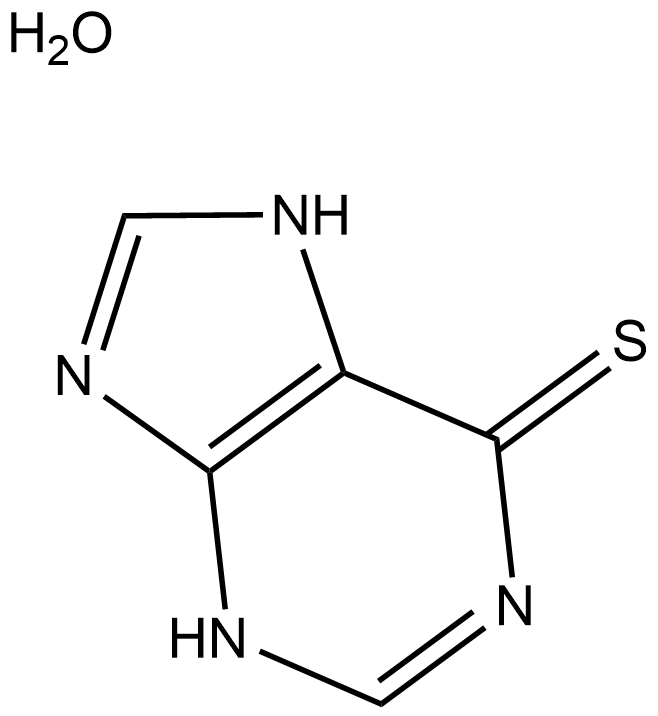 C9096 6-Mercaptopurine hydrateSummary: A small-molecule nucleoside metabolism inhibitor for in vitro biochemical and cellular research.
 -
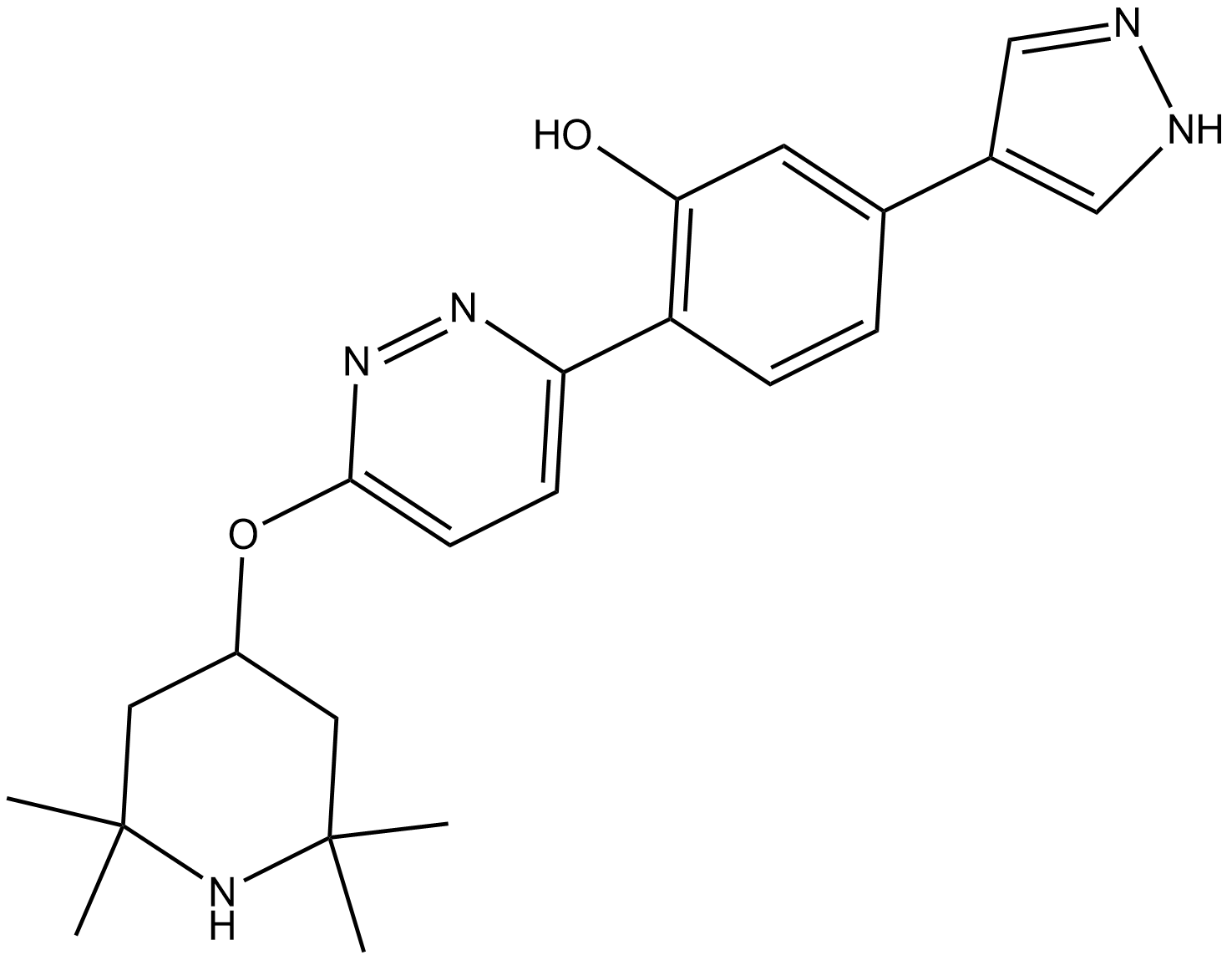 C9094 BranaplamSummary: A selective SMN2 splicing modulator for research on RNA processing and the SMN pathway.
 -
 C9092 (E)-TriapineSummary: A ribonucleotide reductase inhibitor chemical probe for in vitro cell-based and enzymology studies.
 -
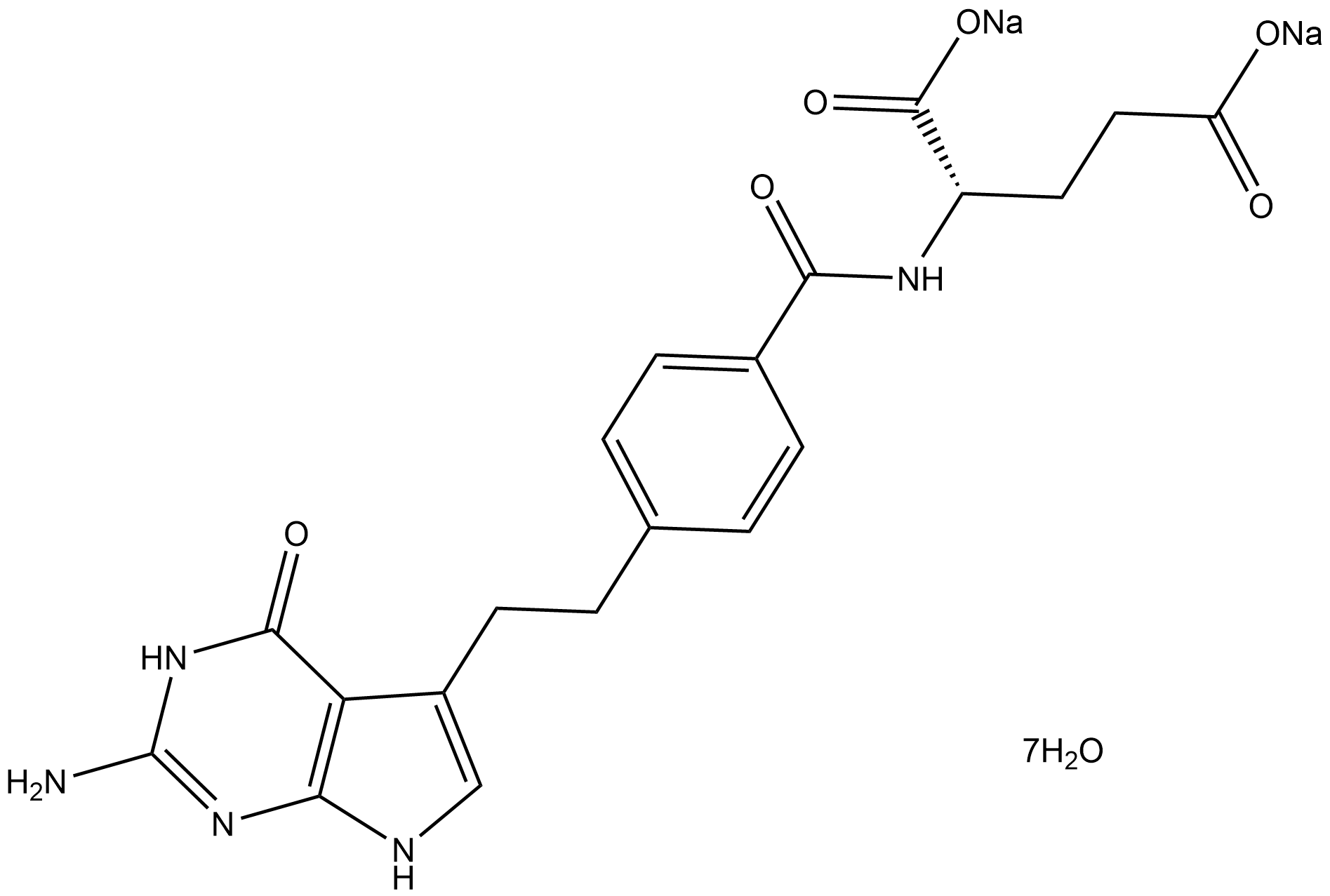 C9060 Pemetrexed disodium heptahydrateSummary: A folate antagonist antimetabolite that inhibits folate-dependent enzymes, used for in vitro research on metabolism and cells.
 -
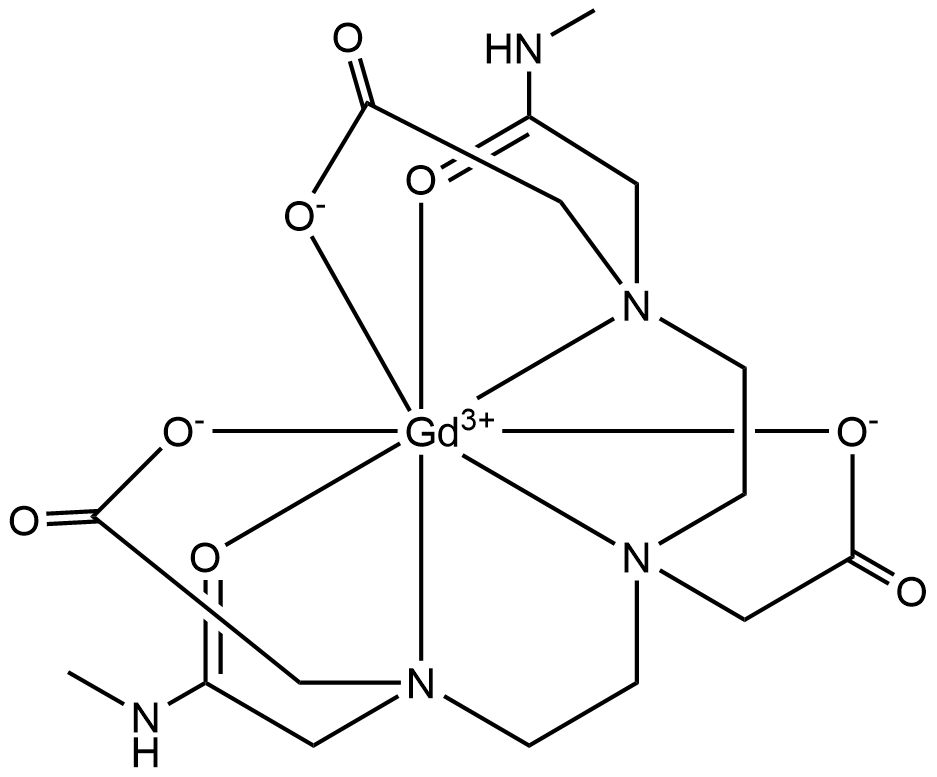 BA9590 GadodiamideSummary: A nonionic linear chelate gadolinium-based magnetic resonance imaging contrast agent.
 -
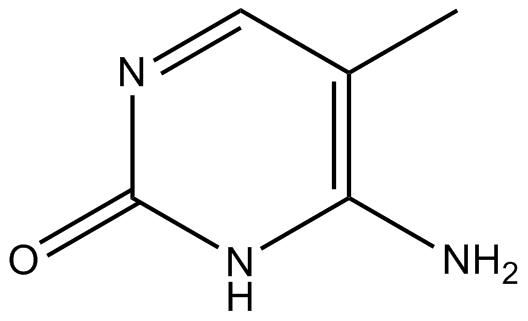 C7031 5-Methylcytosine
 -
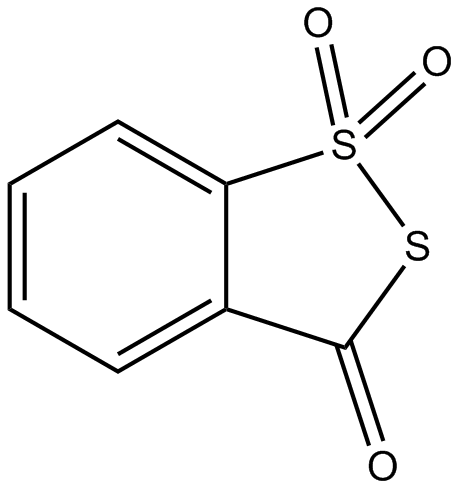 C6991 Beaucage reagent
 -
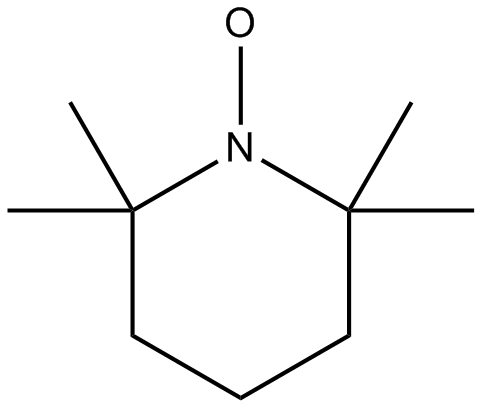 C6812 Tempo
 -
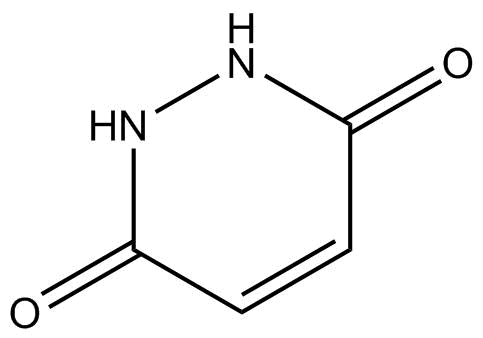 C6727 Maleic hydrazide1 Citation
 -
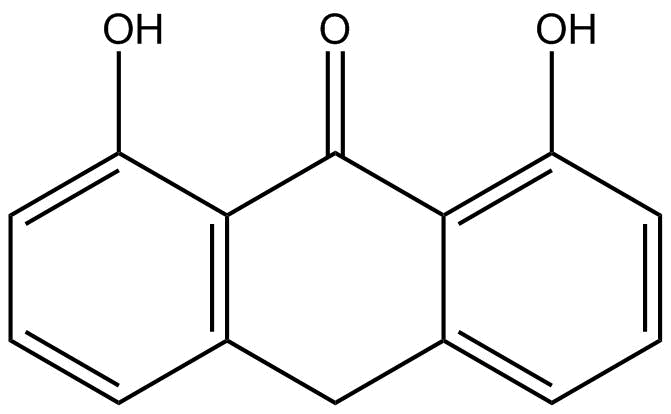 C6577 Dithranol