


Apoptosis
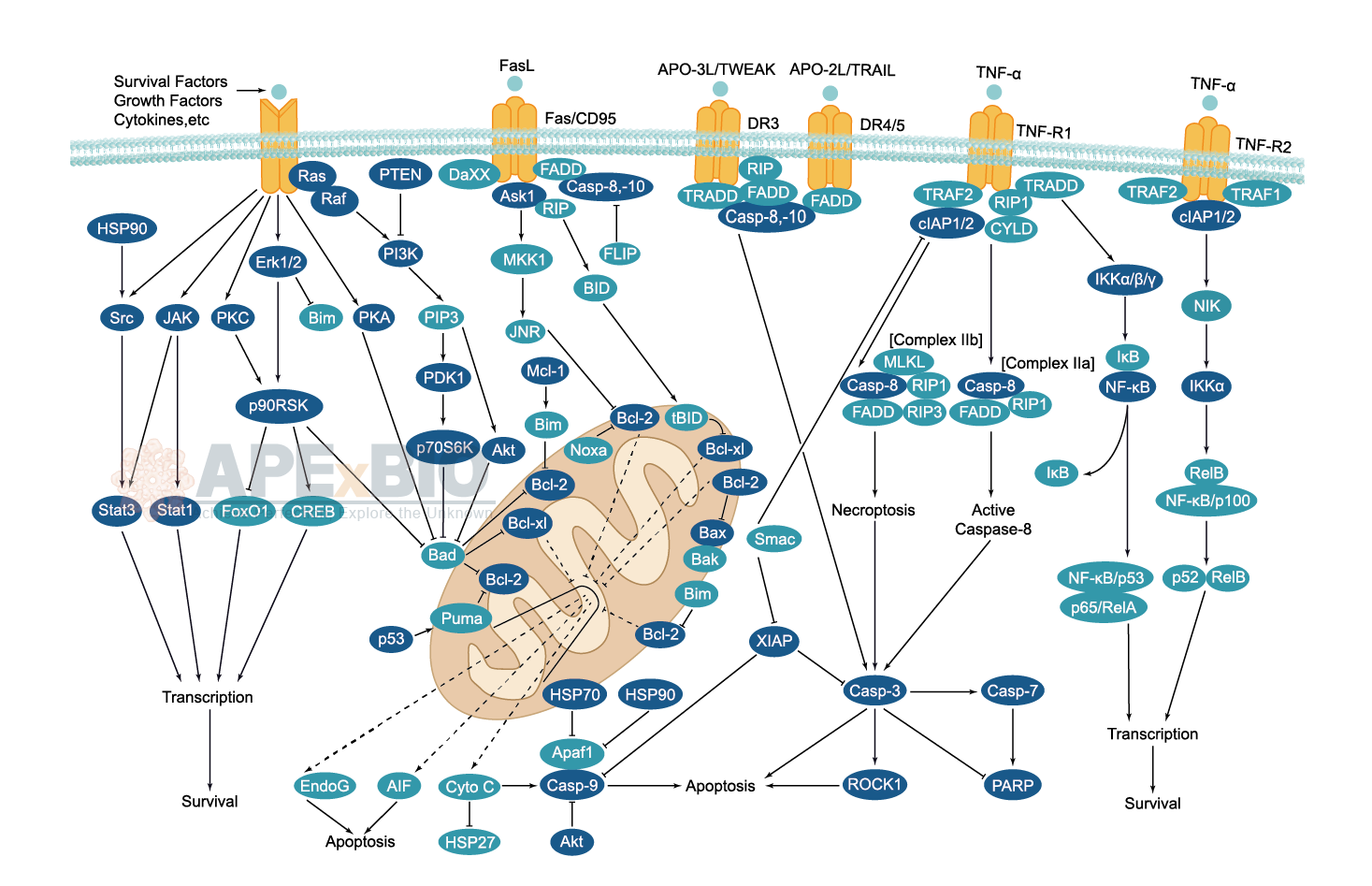
Apoptosis, also known as programmed cell death, is rigorously controlled process of cell death that leads to phagocytosis of unwanted cell. It is triggered after sufficient cellular damage and activated through extrinsic or intrinsic pathways. The intrinsic pathway is mainly occurs via release of cytochrome c from the mitochondria and regulates mitochondrial outer membrane permeabilization by Bcl-2 family proteins. The extrinsic pathway is induced by ligand binding to death receptor, such as Fas, TNFαR, DR3, DR4, and DR5. Caspases then cleave target proteins and nuclear lamins to promote DNA degradation, resulting apoptotic cells undergo phagocytosis. In addition, p53 has the ability to activate intrinsic and extrinsic pathways of apoptosis by inducing transcription of several proteins like Puma, Bid, Bax, TRAIL-R2, and CD95.
Some Inhibitors of apoptosis proteins (IAPs), such as XIAP/BIRC4 and Bruce/BIRC6, can block casapse activity through direct binding, while other IAPs, such as cIAP1/BIRC2, cIAP2/BIRC3, act as ubiquitin ligases that target caspases for ubiquitin-mediated degradation. Apoptosis is essential for growth, development and aging in multicellular organisms. Any alterations or abnormalities occurring in apoptotic processes contribute to development of human diseases, including cancer.
-
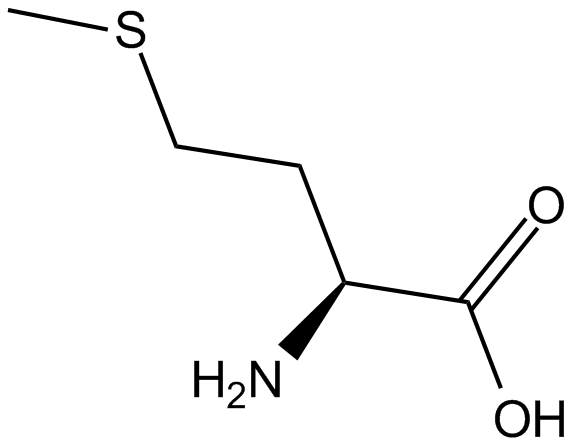 C6113 L-MethionineSummary: An essential amino acid used for liver protection, heavy metal chelation, and anti-tumor purposes.
 -
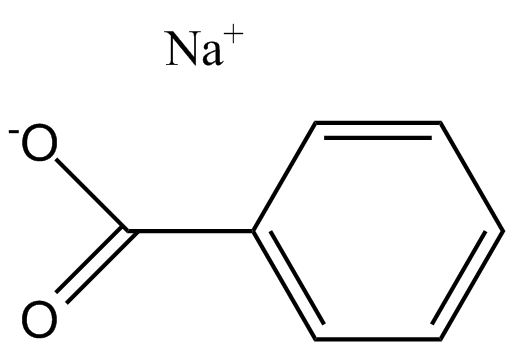 C6115 Sodium benzoateSummary: Orally active, antibacterial and preservative, induces apoptosis and immunosuppression.
 -
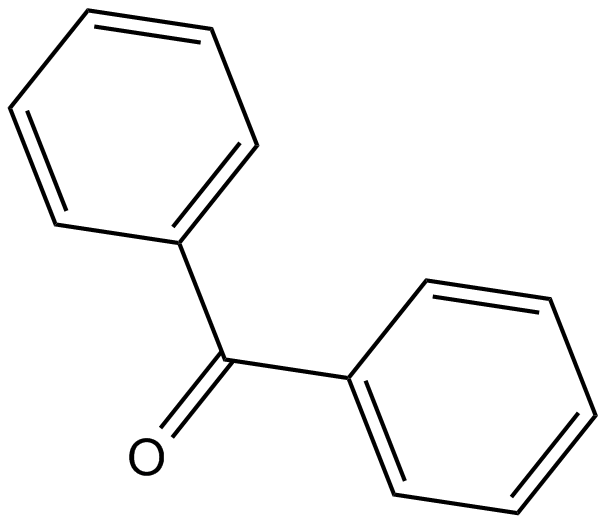 C6116 BenzophenoneSummary: An organic compound used in fragrances, UV curing agents, and pharmaceutical synthesis.
 -
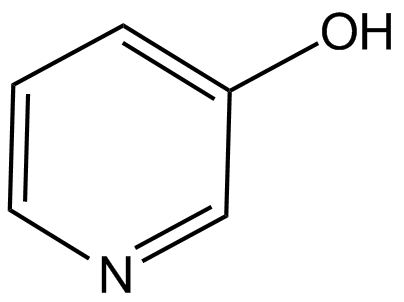 C6140 3-HydroxypyridineSummary: A vitamin B6 structural analog with antioxidant and coenzyme-related activity.
 -
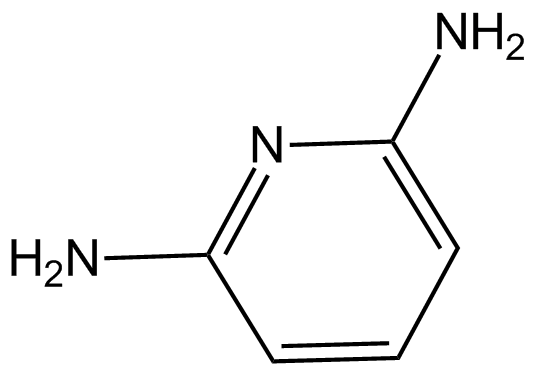 C6164 2,6-DiaminopyridineSummary: A biochemical reagent for cell proliferation and apoptosis research and new drug screening.
 -
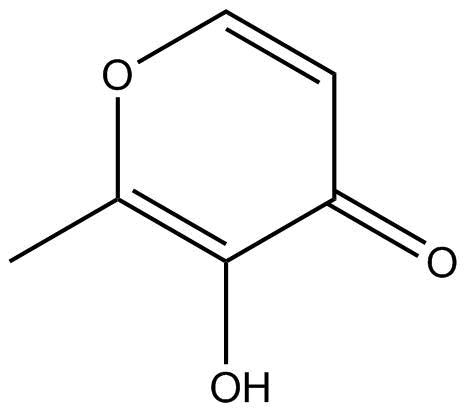 C6210 3-Hydroxy-2-methyl-4H-pyran-4-oneSummary: A natural pyranone compound with metal-chelating and antioxidant activity.
 -
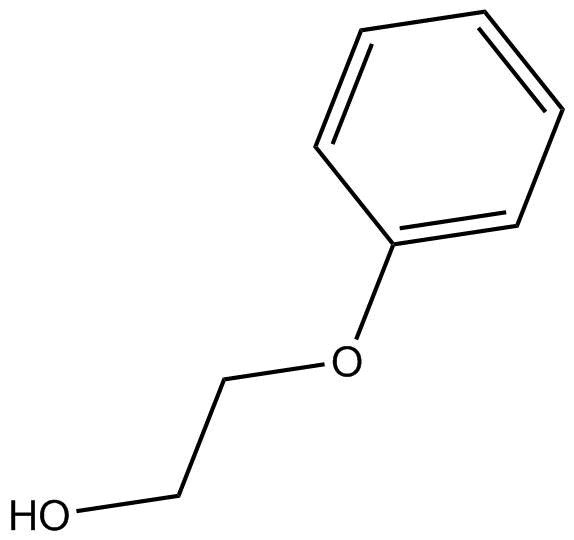 C6220 2-PhenoxyethanolSummary: Broad-spectrum antibacterial preservative, commonly used in cosmetics, pharmaceuticals, and vaccines.
 -
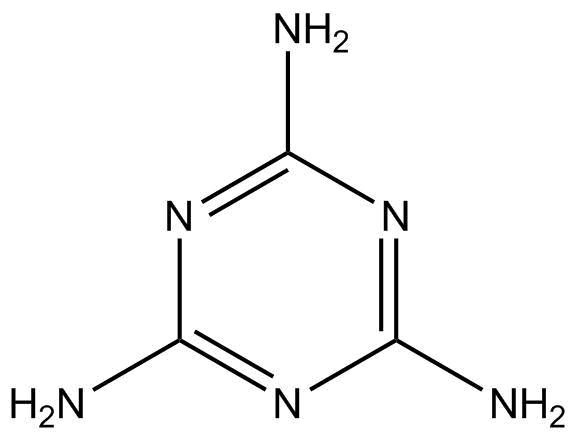 C6225 MelamineSummary: A metabolite of cyproheptadine, used for toxicological mechanism and biotransformation studies.
 -
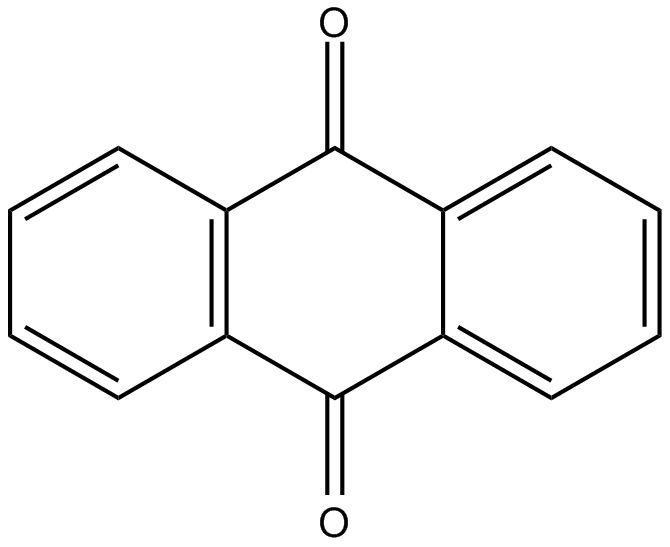 C6235 AnthraquinoneSummary: Intercalates into DNA and inhibits topoisomerase II, inducing apoptosis.
 -
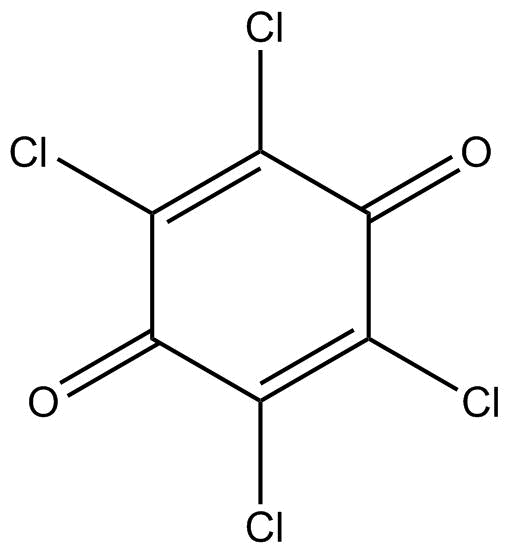 C6256 ChloranilSummary: Can induce ROS generation, NETs, ferroptosis, and apoptosis.