


Apoptosis
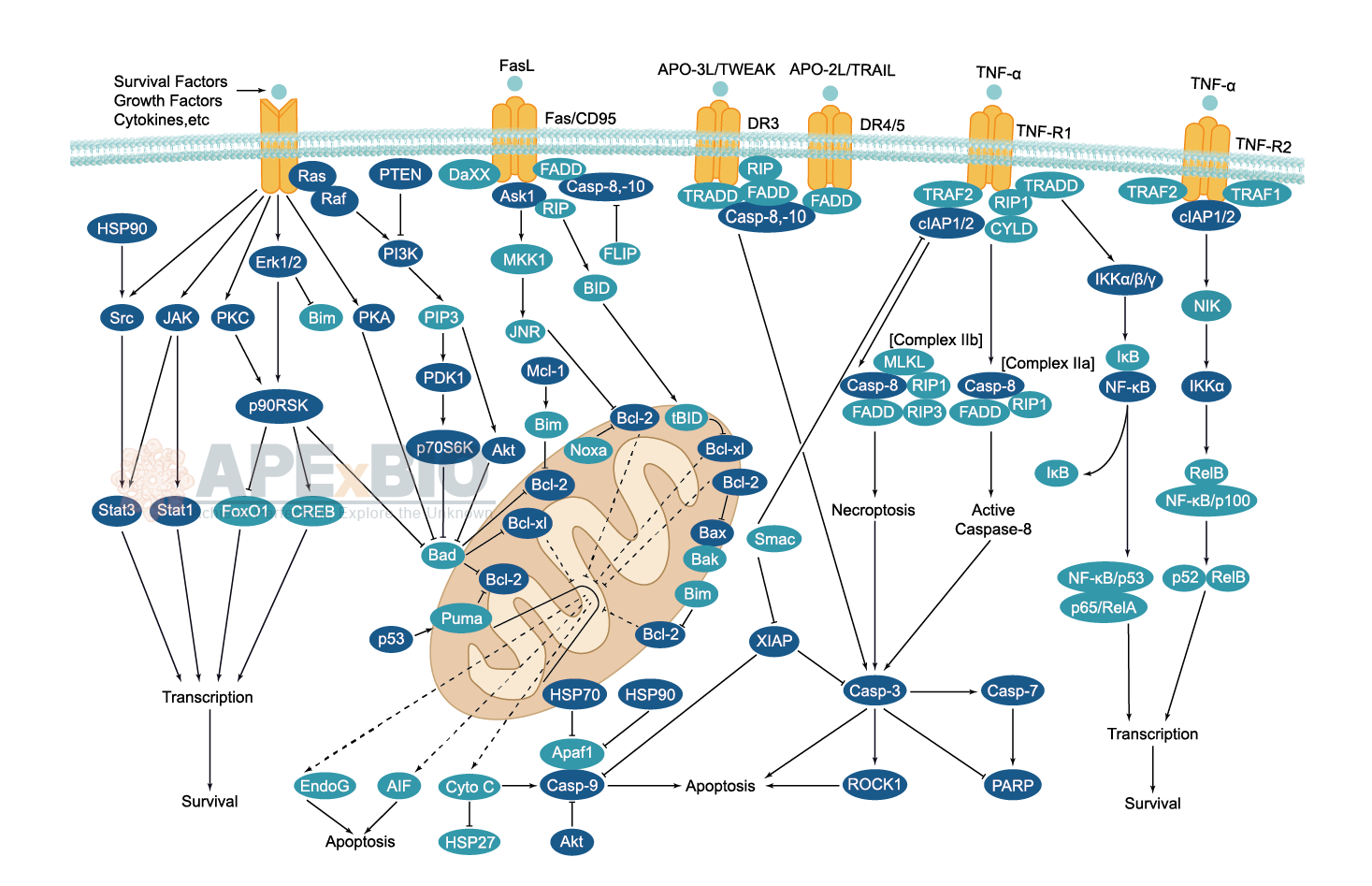
Apoptosis, also known as programmed cell death, is rigorously controlled process of cell death that leads to phagocytosis of unwanted cell. It is triggered after sufficient cellular damage and activated through extrinsic or intrinsic pathways. The intrinsic pathway is mainly occurs via release of cytochrome c from the mitochondria and regulates mitochondrial outer membrane permeabilization by Bcl-2 family proteins. The extrinsic pathway is induced by ligand binding to death receptor, such as Fas, TNFαR, DR3, DR4, and DR5. Caspases then cleave target proteins and nuclear lamins to promote DNA degradation, resulting apoptotic cells undergo phagocytosis. In addition, p53 has the ability to activate intrinsic and extrinsic pathways of apoptosis by inducing transcription of several proteins like Puma, Bid, Bax, TRAIL-R2, and CD95.
Some Inhibitors of apoptosis proteins (IAPs), such as XIAP/BIRC4 and Bruce/BIRC6, can block casapse activity through direct binding, while other IAPs, such as cIAP1/BIRC2, cIAP2/BIRC3, act as ubiquitin ligases that target caspases for ubiquitin-mediated degradation. Apoptosis is essential for growth, development and aging in multicellular organisms. Any alterations or abnormalities occurring in apoptotic processes contribute to development of human diseases, including cancer.
-
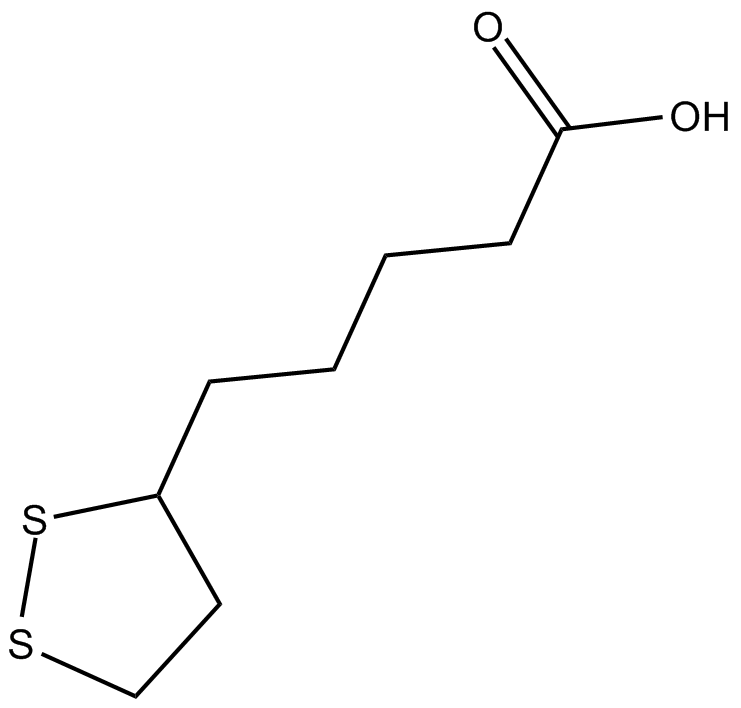 C3789 DL-α-Lipoic AcidSummary: An endogenous coenzyme with antioxidant, metal-chelating, and insulin signaling regulatory functions.
-
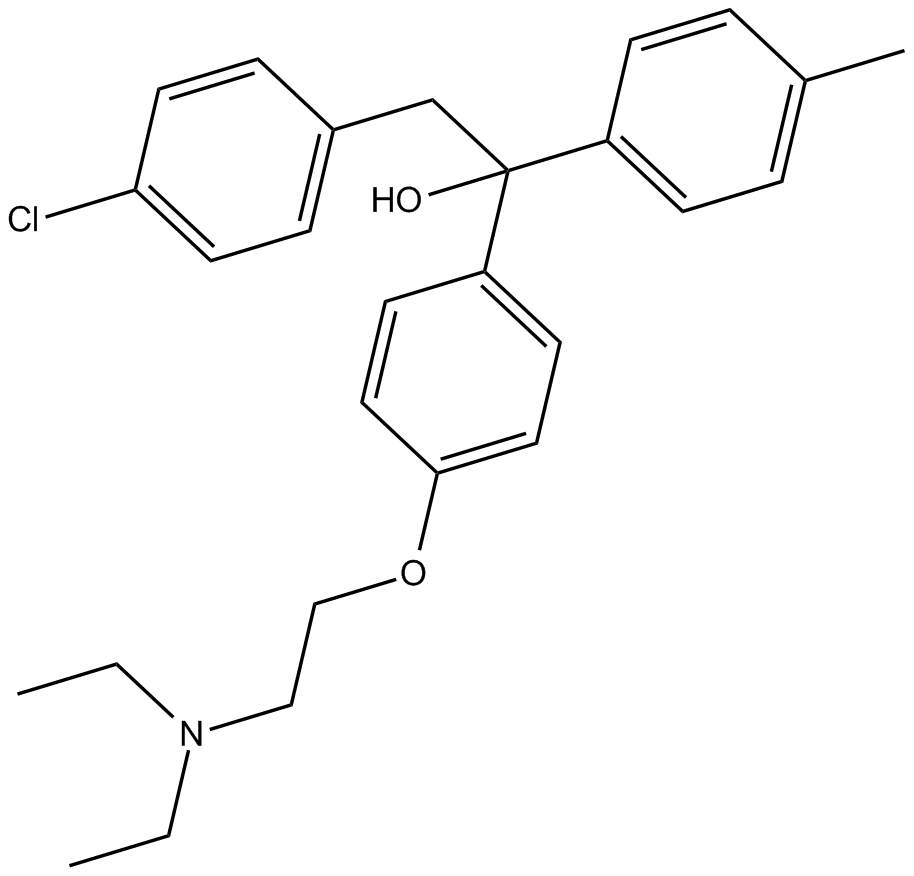 C3804 TriparanolSummary: Downregulates cholesterol synthesis and the Hh signaling pathway by inhibiting 24-DHCR.
-
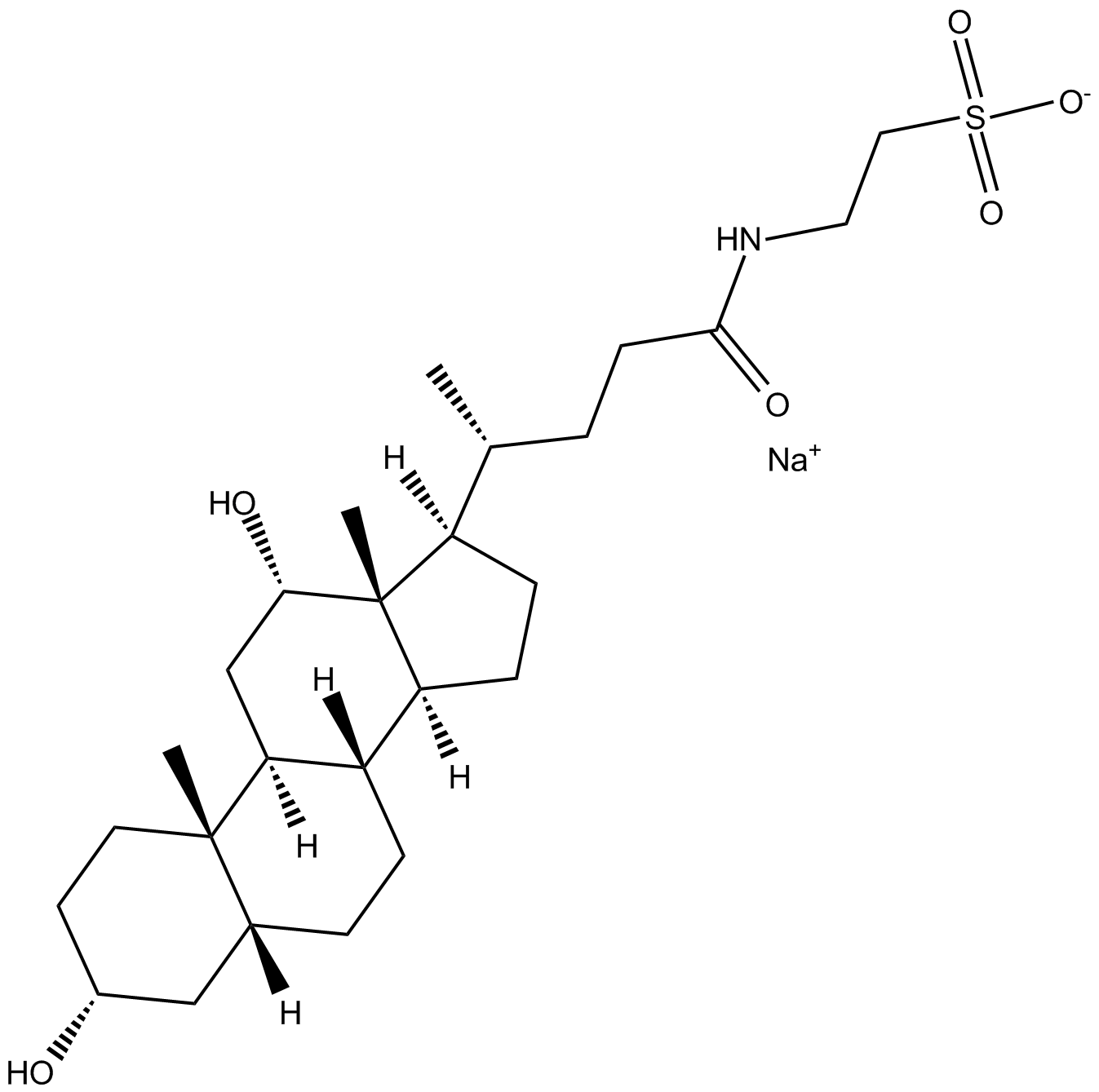 C4079 Taurodeoxycholic Acid (sodium salt)Summary: A detergent used for membrane protein isolation and with anti-inflammatory and neuroprotective effects.
-
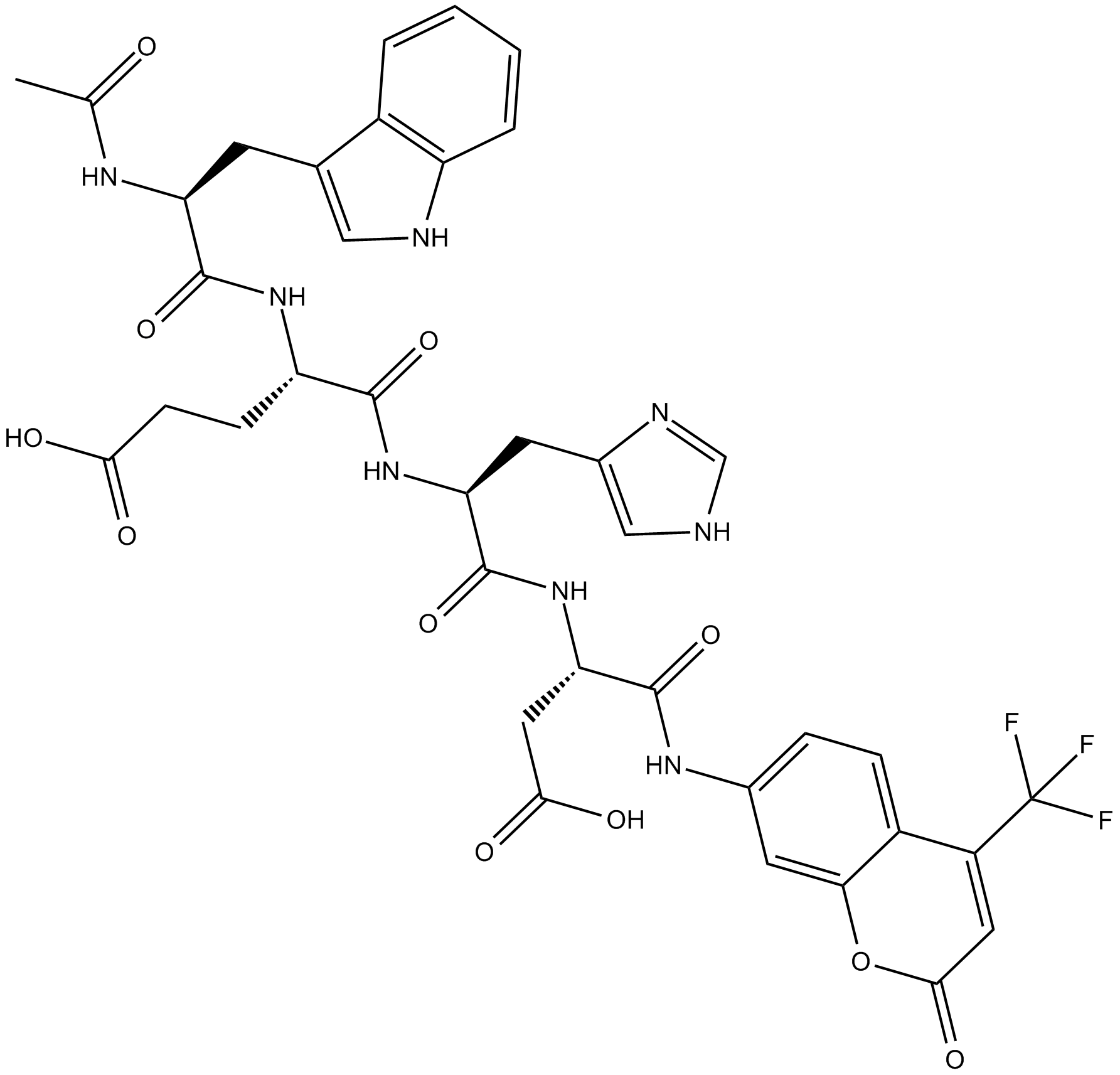 C4113 Ac-WEHD-AFCSummary: A fluorescently labeled tetrapeptide substrate for detecting caspase-1 enzymatic activity.
-
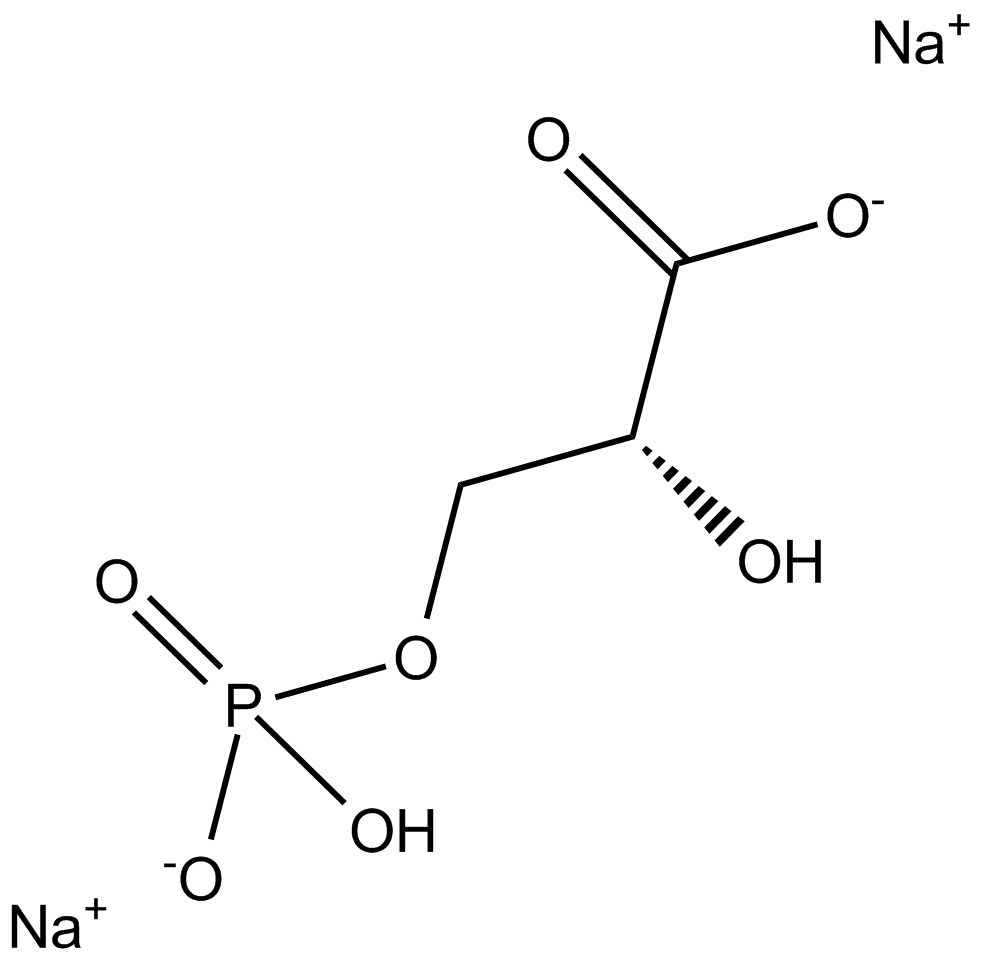 C4970 D-(-)-3-Phosphoglyceric Acid (sodium salt)Summary: A glycolytic intermediate that competitively inhibits enolase and modulates PHGDH activity.
-
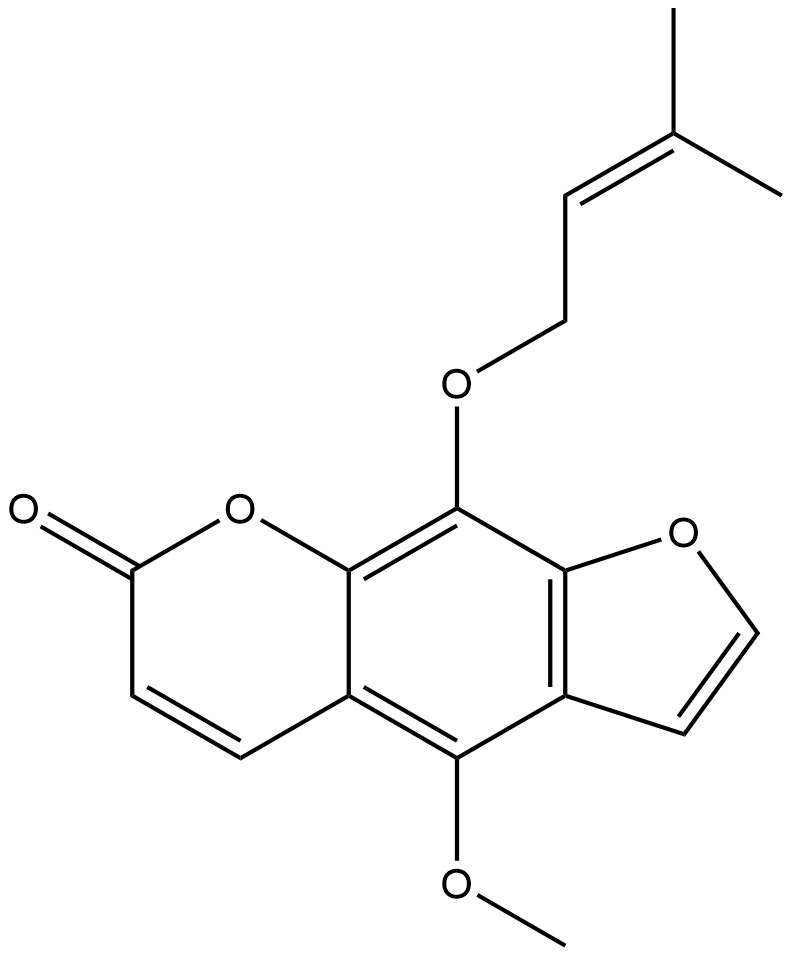 BA8685 PhellopterinSummary: An orally active furocoumarin that acts as a partial agonist of central benzodiazepine receptors, with anti-inflammatory activity via SIRT1 upregulation
-
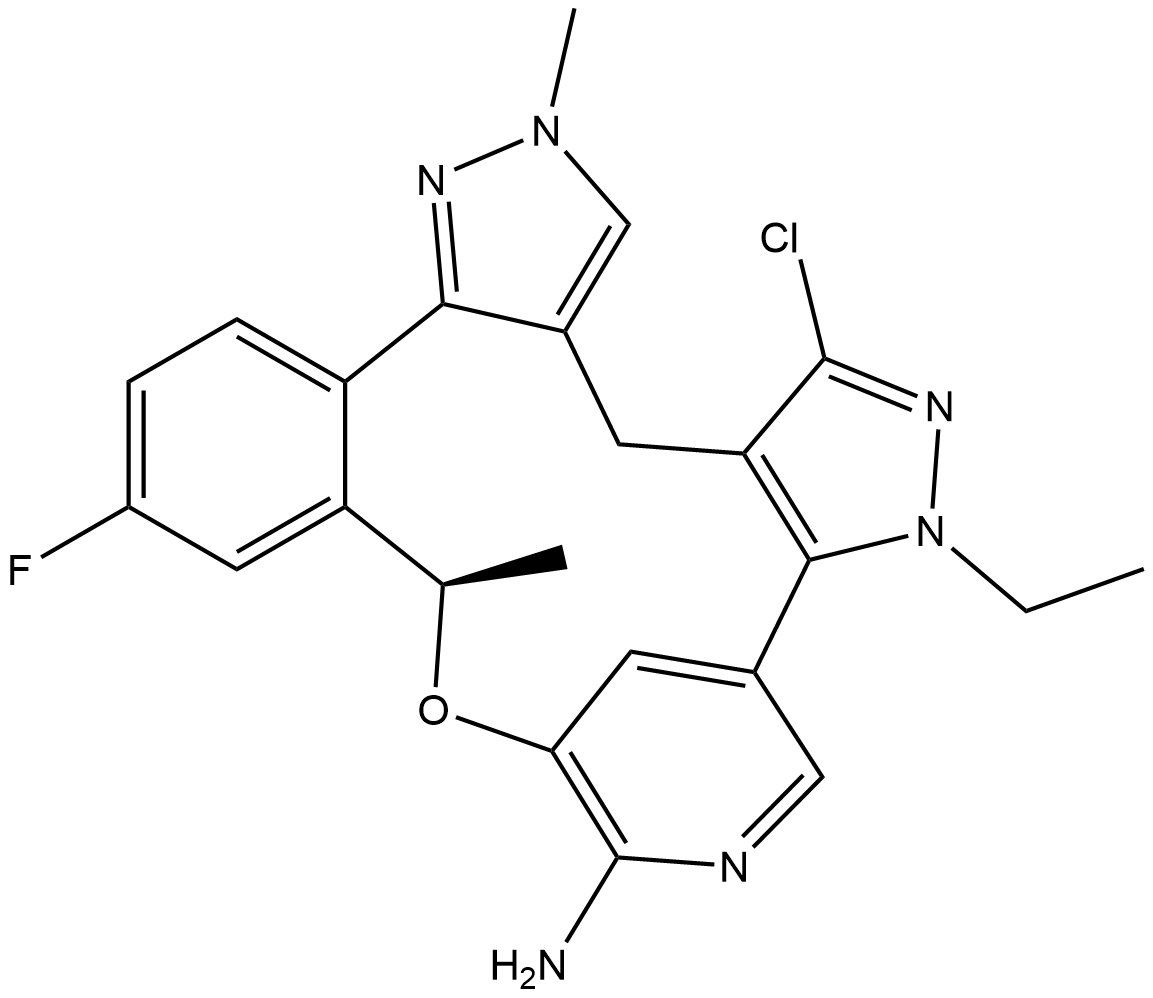 BA8795 ALK-IN-27Summary: ALK-IN-27 is a potent inhibitor.
-
 BA8802 BV02Summary: BV02 is an effective inhibitor.
-
BA8806 VamotinibSummary: Vamotinib (PF-114) is a potent, selective tyrosine kinase inhibitor with oral activity.
-
BA8842 RSH-7Summary: RSH-7 is a potent inhibitor.