


Apoptosis
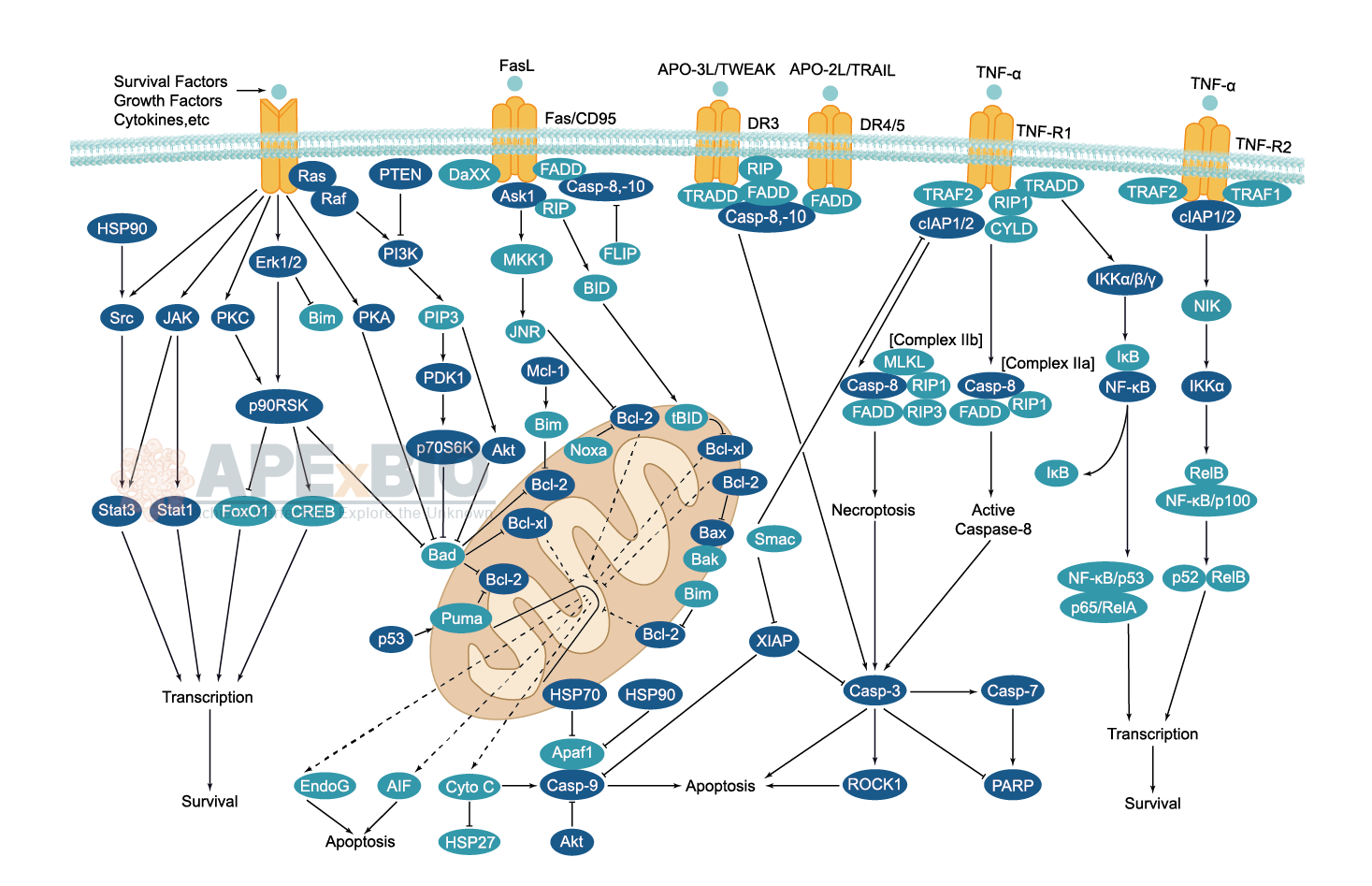
Apoptosis, also known as programmed cell death, is rigorously controlled process of cell death that leads to phagocytosis of unwanted cell. It is triggered after sufficient cellular damage and activated through extrinsic or intrinsic pathways. The intrinsic pathway is mainly occurs via release of cytochrome c from the mitochondria and regulates mitochondrial outer membrane permeabilization by Bcl-2 family proteins. The extrinsic pathway is induced by ligand binding to death receptor, such as Fas, TNFαR, DR3, DR4, and DR5. Caspases then cleave target proteins and nuclear lamins to promote DNA degradation, resulting apoptotic cells undergo phagocytosis. In addition, p53 has the ability to activate intrinsic and extrinsic pathways of apoptosis by inducing transcription of several proteins like Puma, Bid, Bax, TRAIL-R2, and CD95.
Some Inhibitors of apoptosis proteins (IAPs), such as XIAP/BIRC4 and Bruce/BIRC6, can block casapse activity through direct binding, while other IAPs, such as cIAP1/BIRC2, cIAP2/BIRC3, act as ubiquitin ligases that target caspases for ubiquitin-mediated degradation. Apoptosis is essential for growth, development and aging in multicellular organisms. Any alterations or abnormalities occurring in apoptotic processes contribute to development of human diseases, including cancer.
-
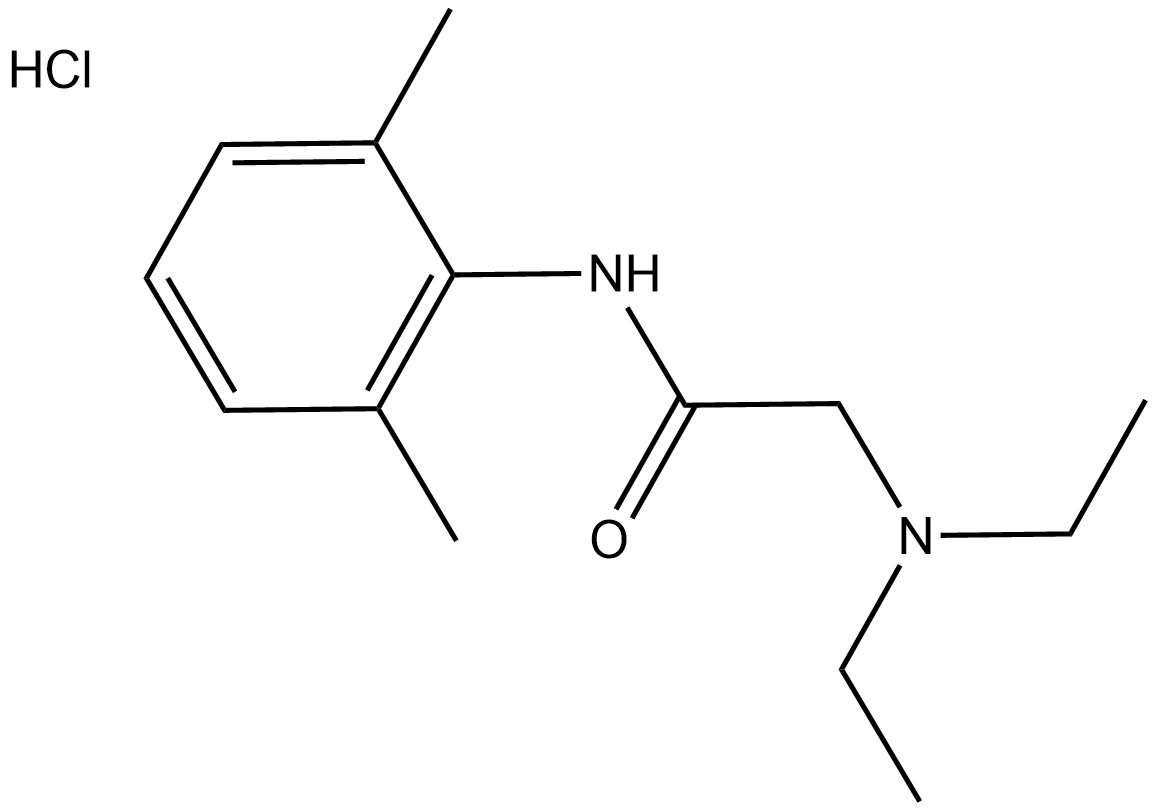 C9074 Lidocaine HClSummary: An amide-type voltage-gated sodium channel blocking research probe for in vitro electrophysiology and mechanistic evaluation.
-
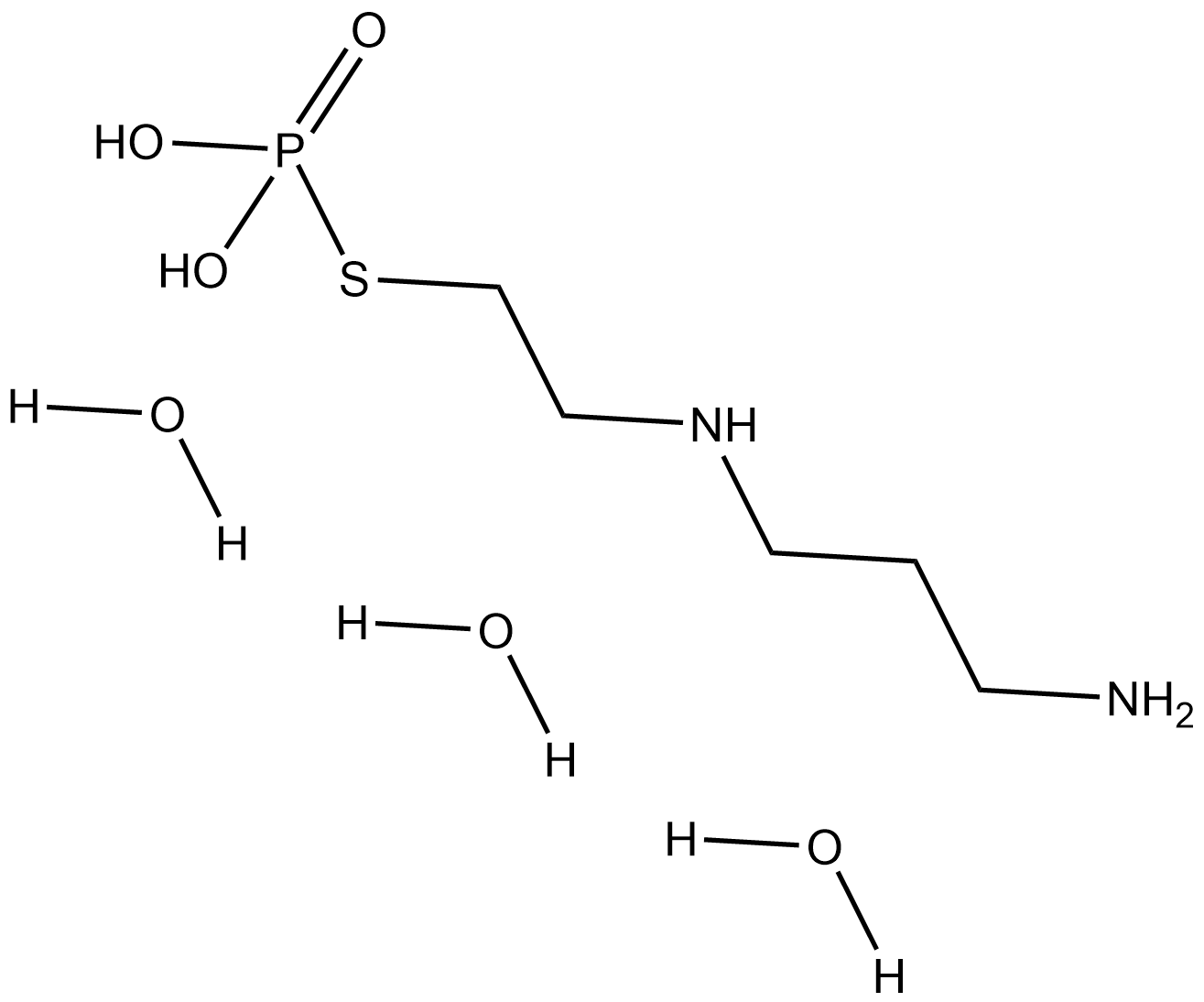 C9089 Amifostine trihydrateSummary: A research-use radioprotective drug suitable for studies on oxidative stress and DNA damage mechanisms.
-
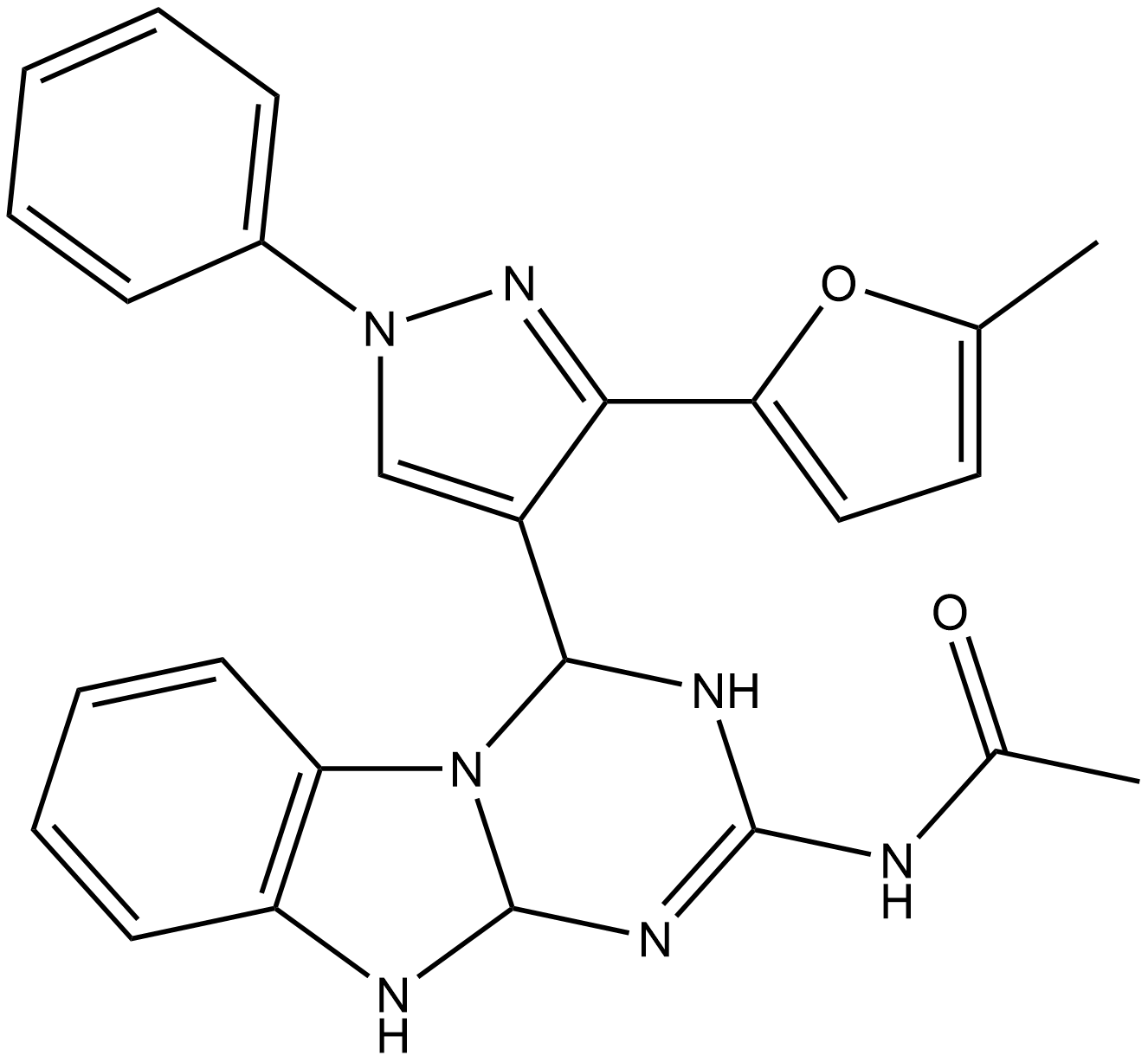 C9090 PRGL493Summary: A selective small-molecule ACSL4 inhibitor for studies of lipid metabolism and ferroptosis mechanisms.
-
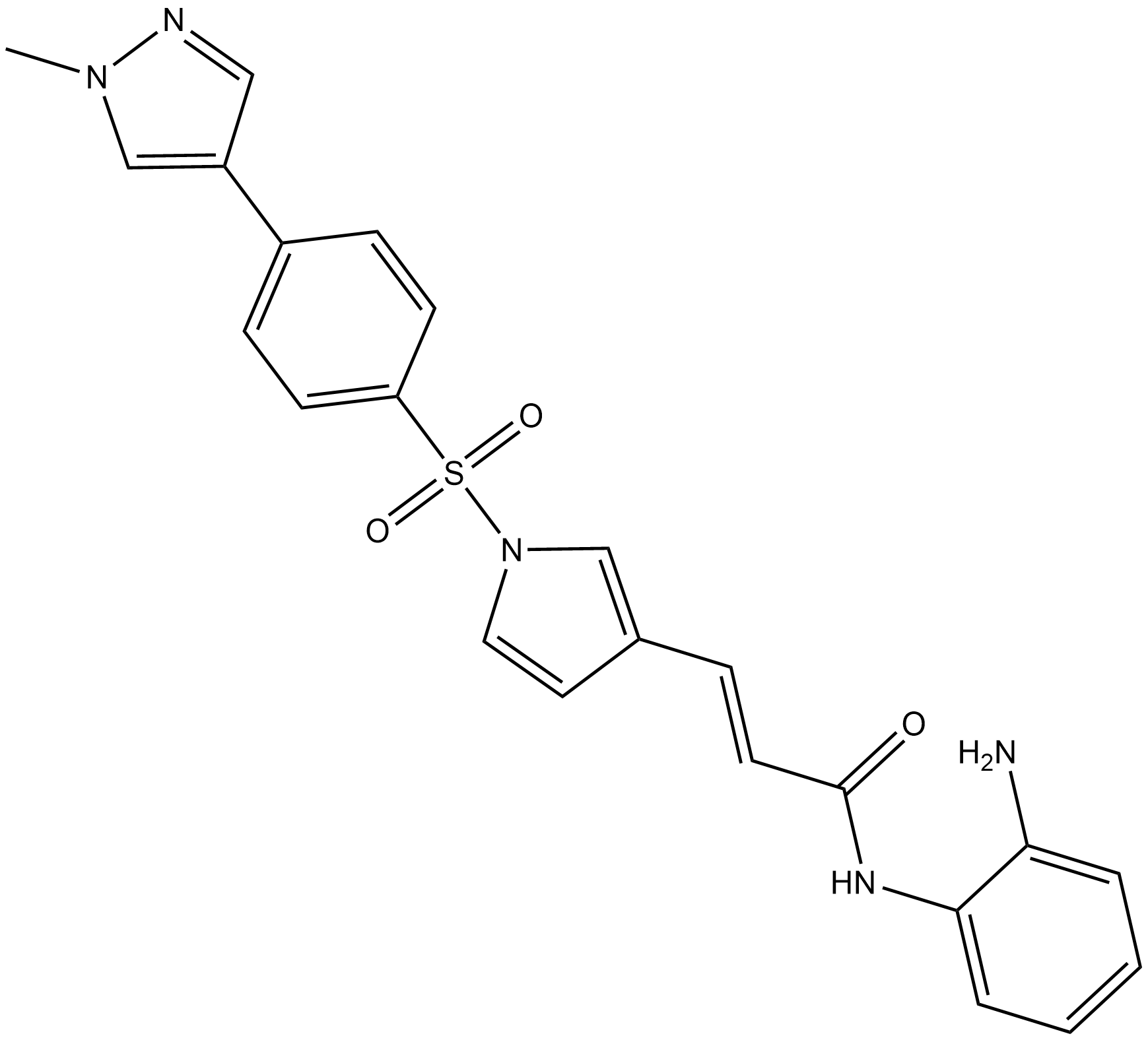 C9093 DomatinostatSummary: A research-use class I HDAC inhibitor with LSD1 activity, suitable for epigenetics research.
-
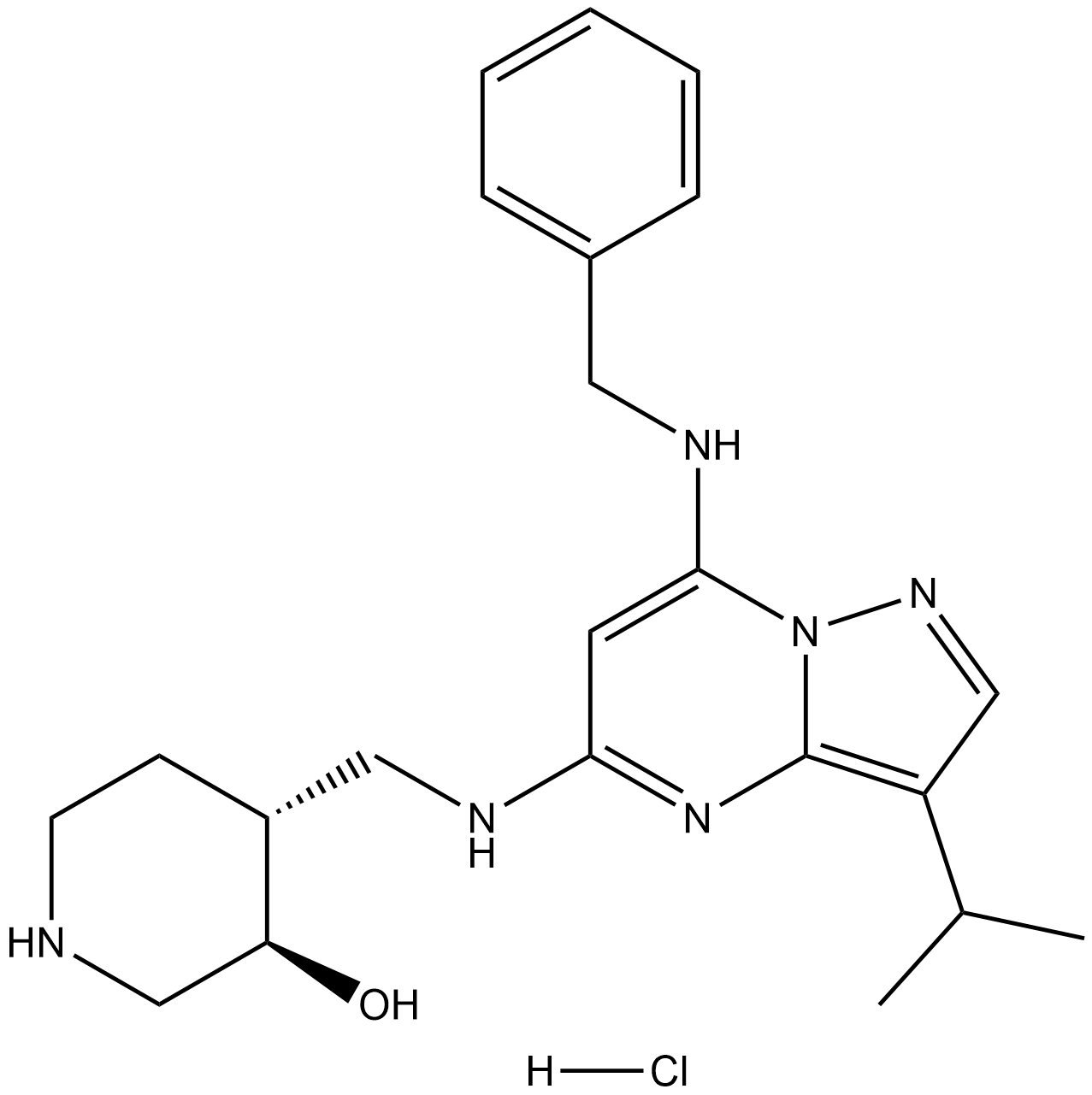 C9098 Samuraciclib HClSummary: An ATP-competitive CDK7 inhibitor for cell cycle and transcription research.
-
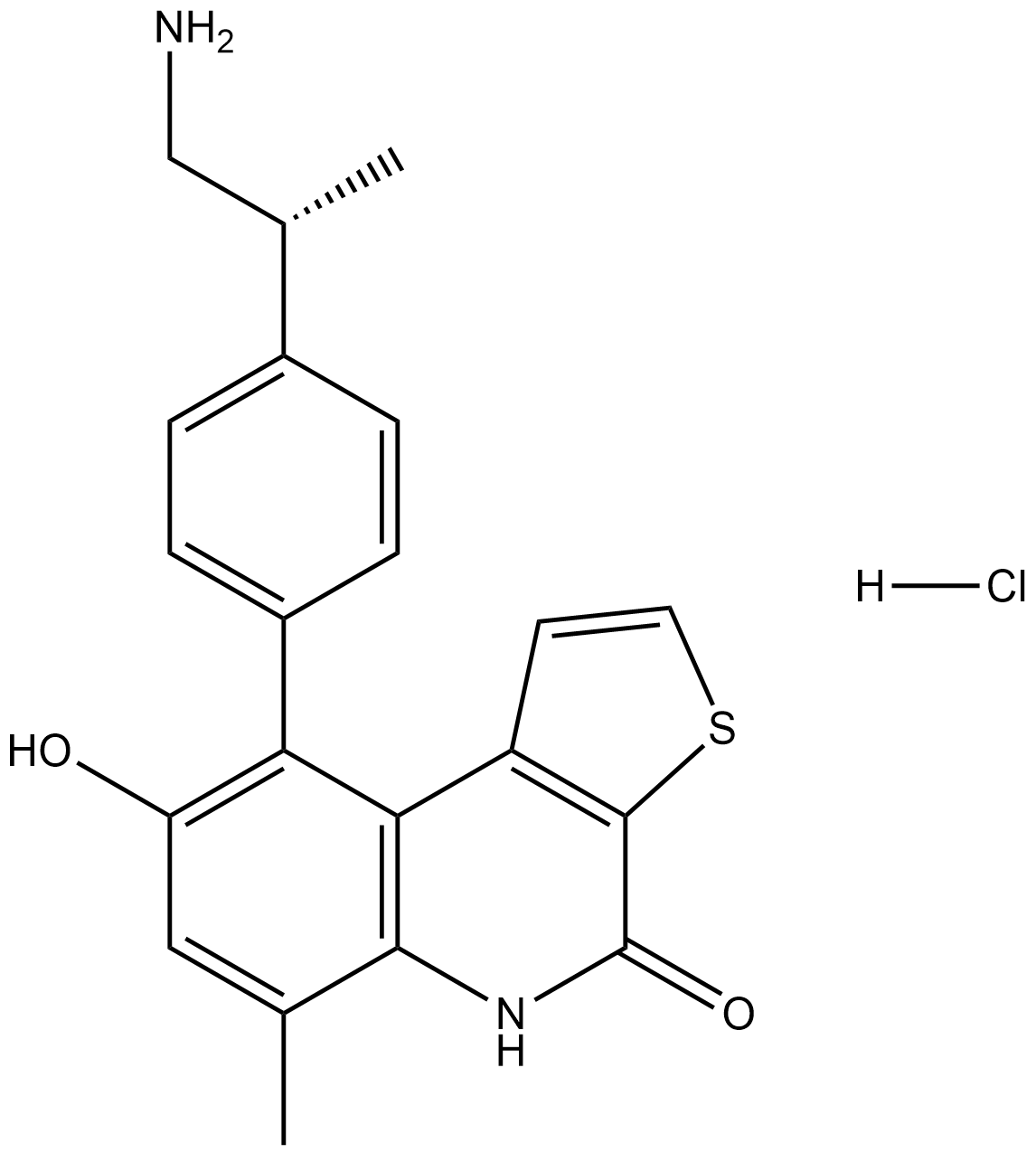 C9099 OTS514 HClSummary: A selective PBK/TOPK inhibitor for in vitro kinase and tumor pathway research.
-
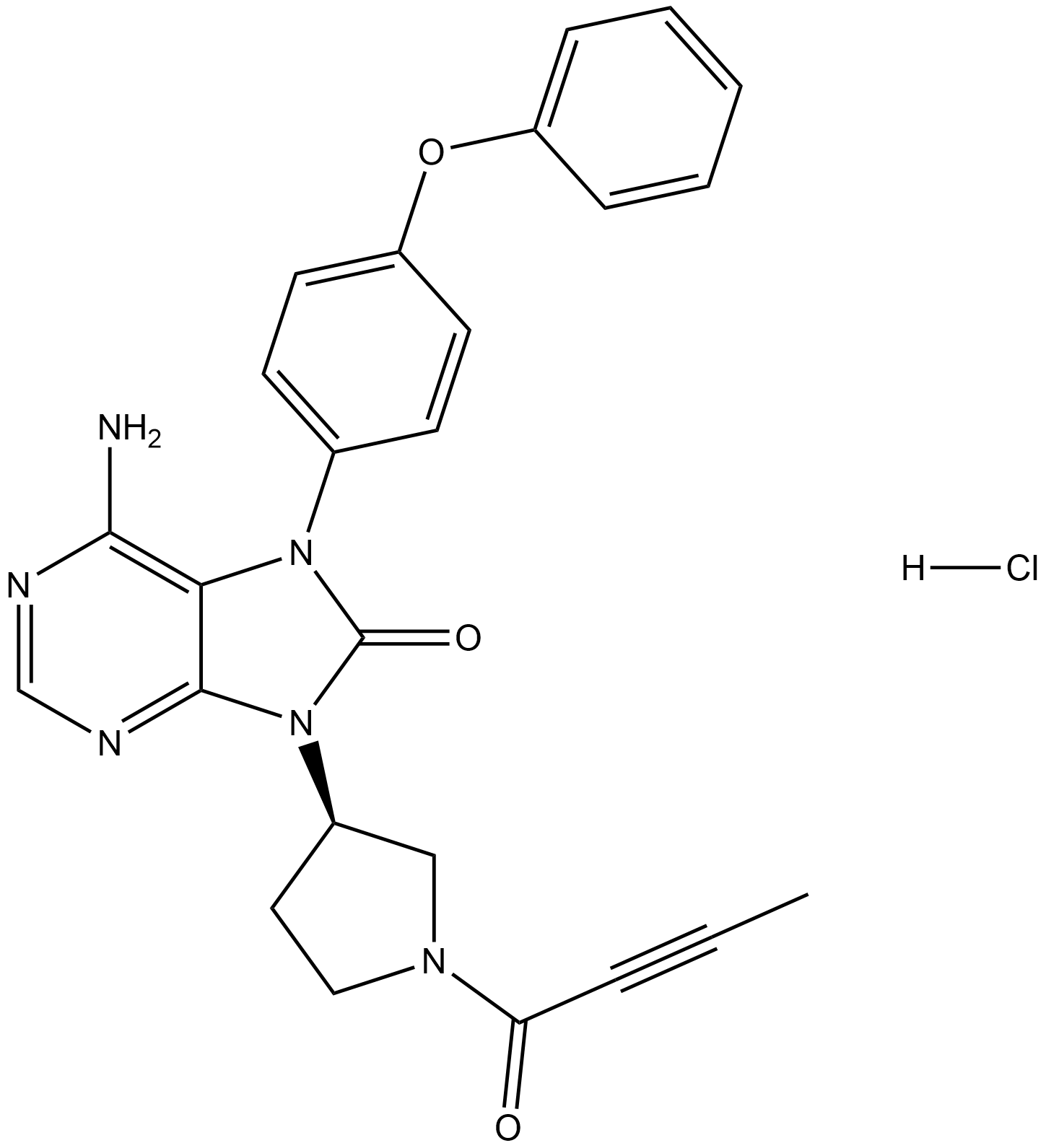 C9100 Tirabrutinib HClSummary: A selective irreversible BTK inhibitor for research in immunology and tumor biology.
-
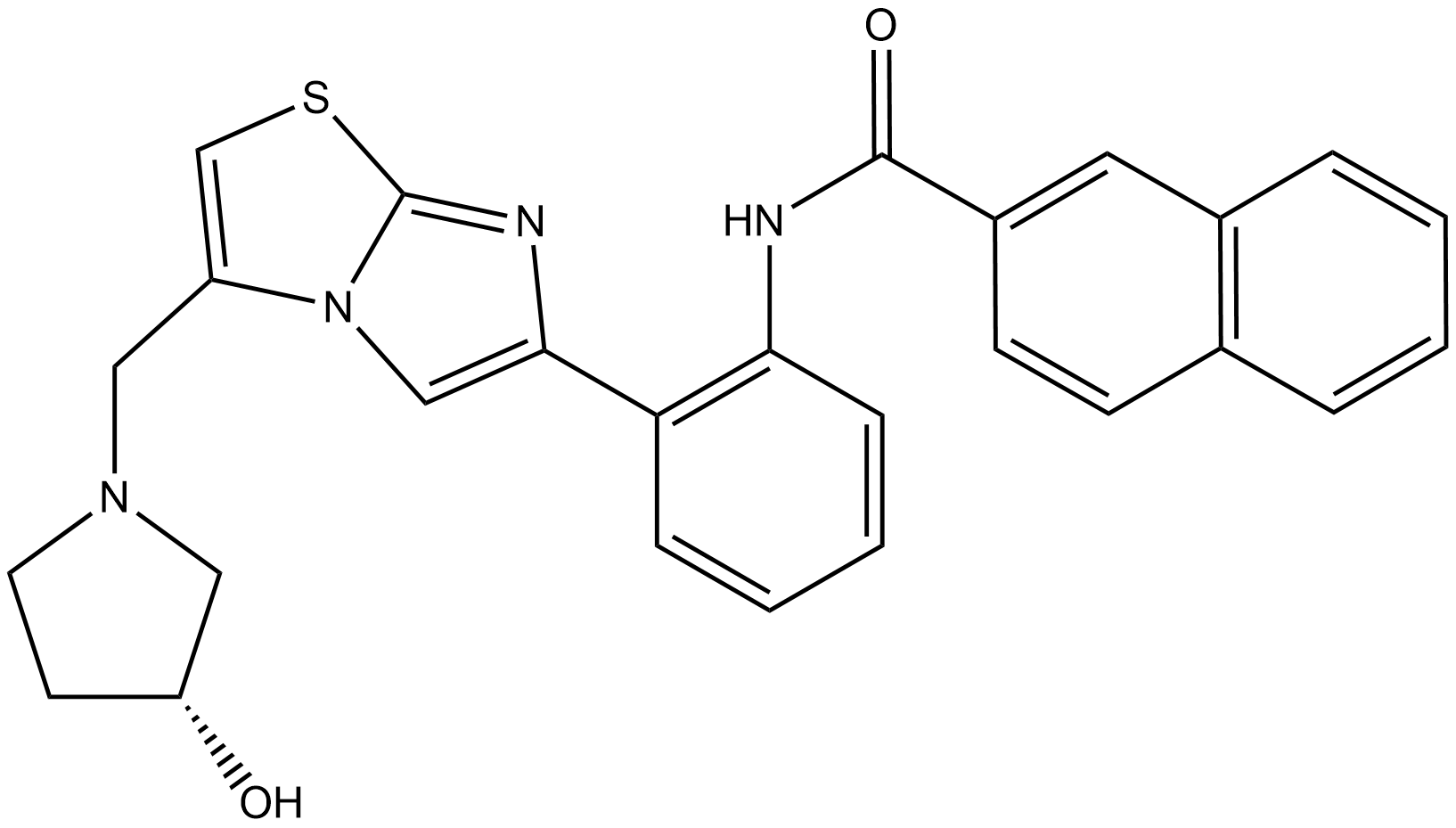 C9101 SRT2183Summary: A SIRT1-selective activator tool compound for in vitro epigenetics and signaling pathway research.
-
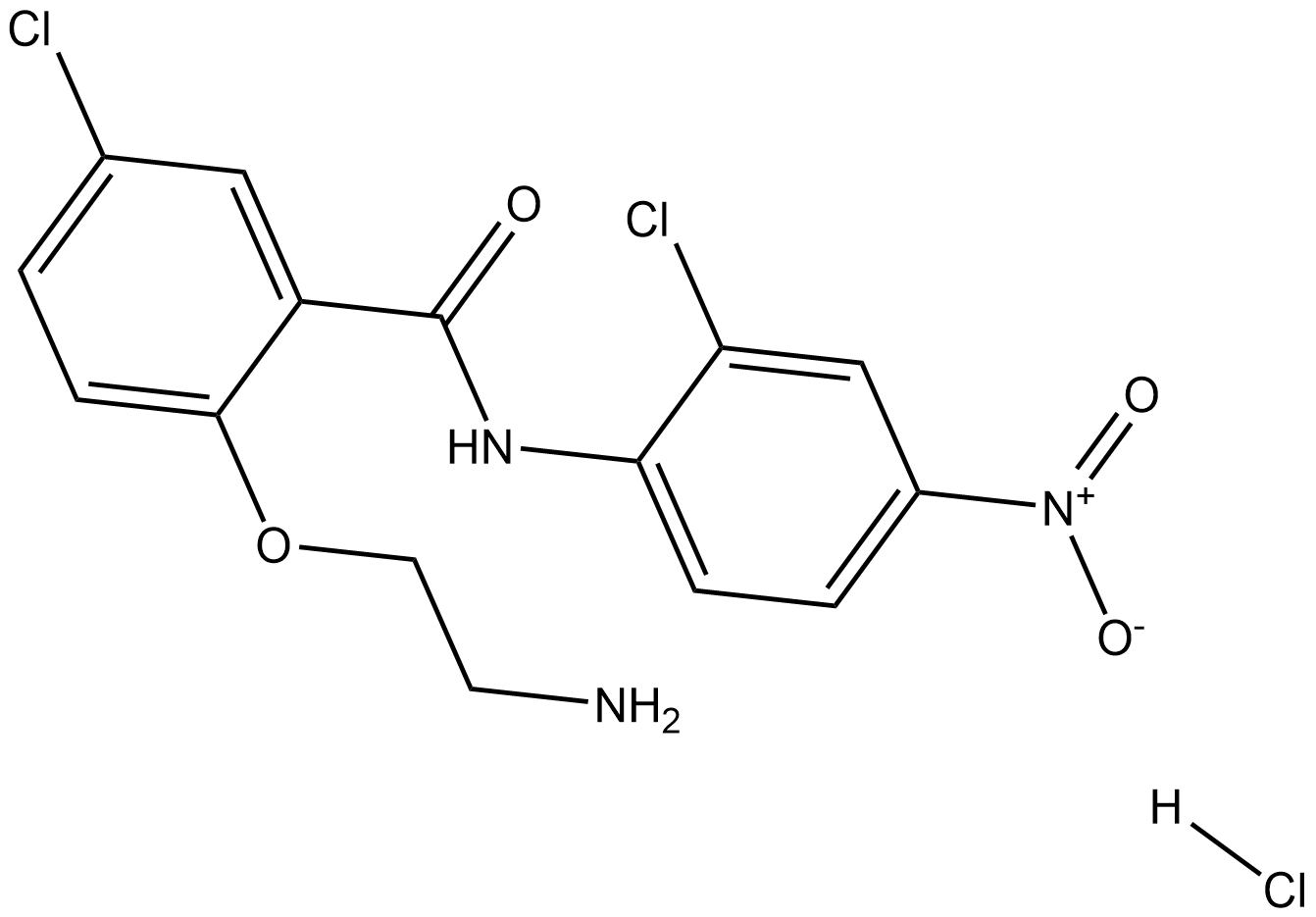 C9110 HJC0152 HClSummary: A STAT3-selective inhibitor chemical probe for tumor signaling research.
-
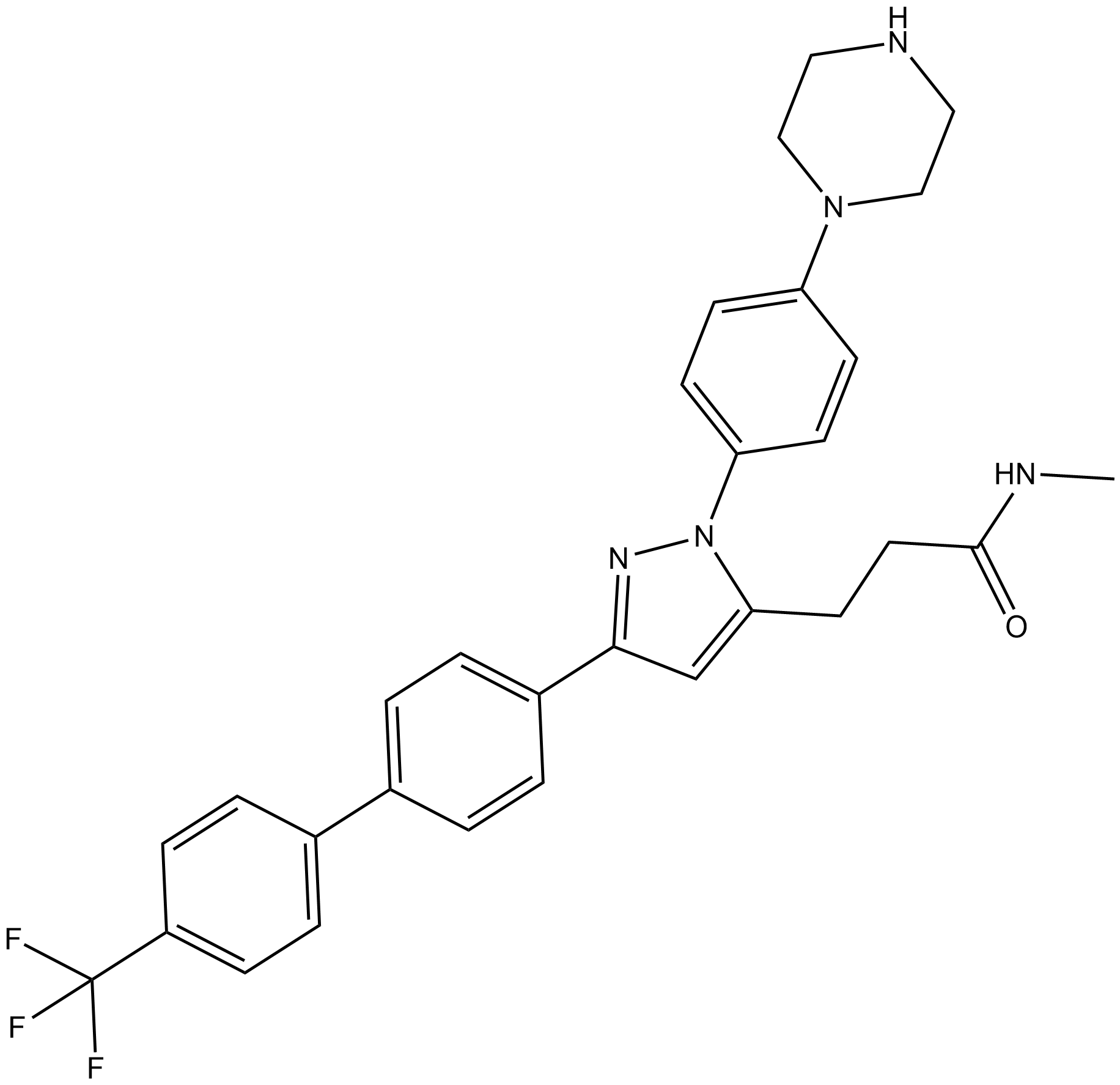 C9112 OSU-T315Summary: An ILK inhibitor and signaling probe for in vitro AKT pathway research, for research use only.