


Apoptosis
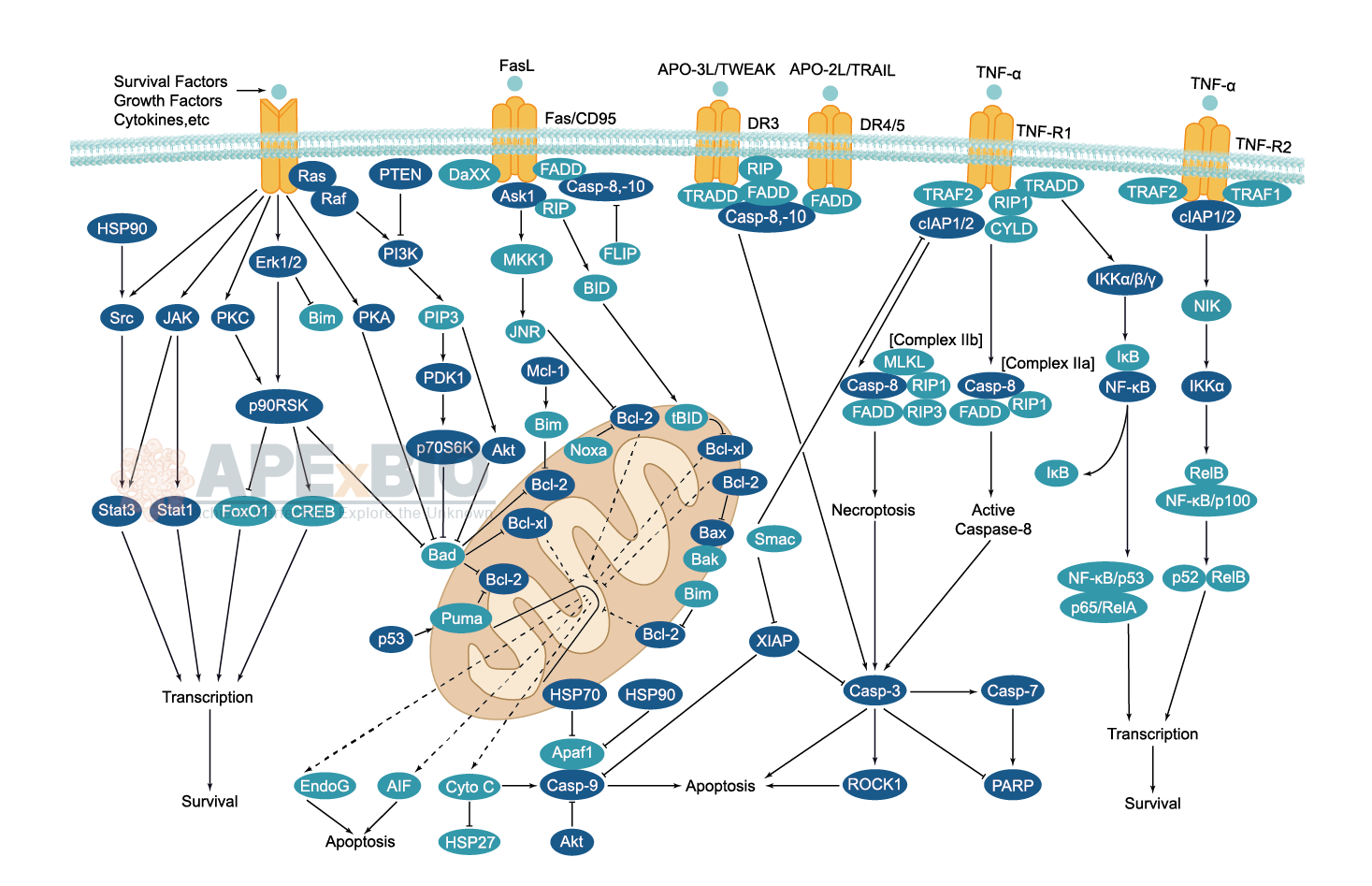
Apoptosis, also known as programmed cell death, is rigorously controlled process of cell death that leads to phagocytosis of unwanted cell. It is triggered after sufficient cellular damage and activated through extrinsic or intrinsic pathways. The intrinsic pathway is mainly occurs via release of cytochrome c from the mitochondria and regulates mitochondrial outer membrane permeabilization by Bcl-2 family proteins. The extrinsic pathway is induced by ligand binding to death receptor, such as Fas, TNFαR, DR3, DR4, and DR5. Caspases then cleave target proteins and nuclear lamins to promote DNA degradation, resulting apoptotic cells undergo phagocytosis. In addition, p53 has the ability to activate intrinsic and extrinsic pathways of apoptosis by inducing transcription of several proteins like Puma, Bid, Bax, TRAIL-R2, and CD95.
Some Inhibitors of apoptosis proteins (IAPs), such as XIAP/BIRC4 and Bruce/BIRC6, can block casapse activity through direct binding, while other IAPs, such as cIAP1/BIRC2, cIAP2/BIRC3, act as ubiquitin ligases that target caspases for ubiquitin-mediated degradation. Apoptosis is essential for growth, development and aging in multicellular organisms. Any alterations or abnormalities occurring in apoptotic processes contribute to development of human diseases, including cancer.
-
 C8493 SIRT6 activator 12q
-
C8496 Anti-melanoma agent 1
-
C8497 KRAS inhibitor-9
-
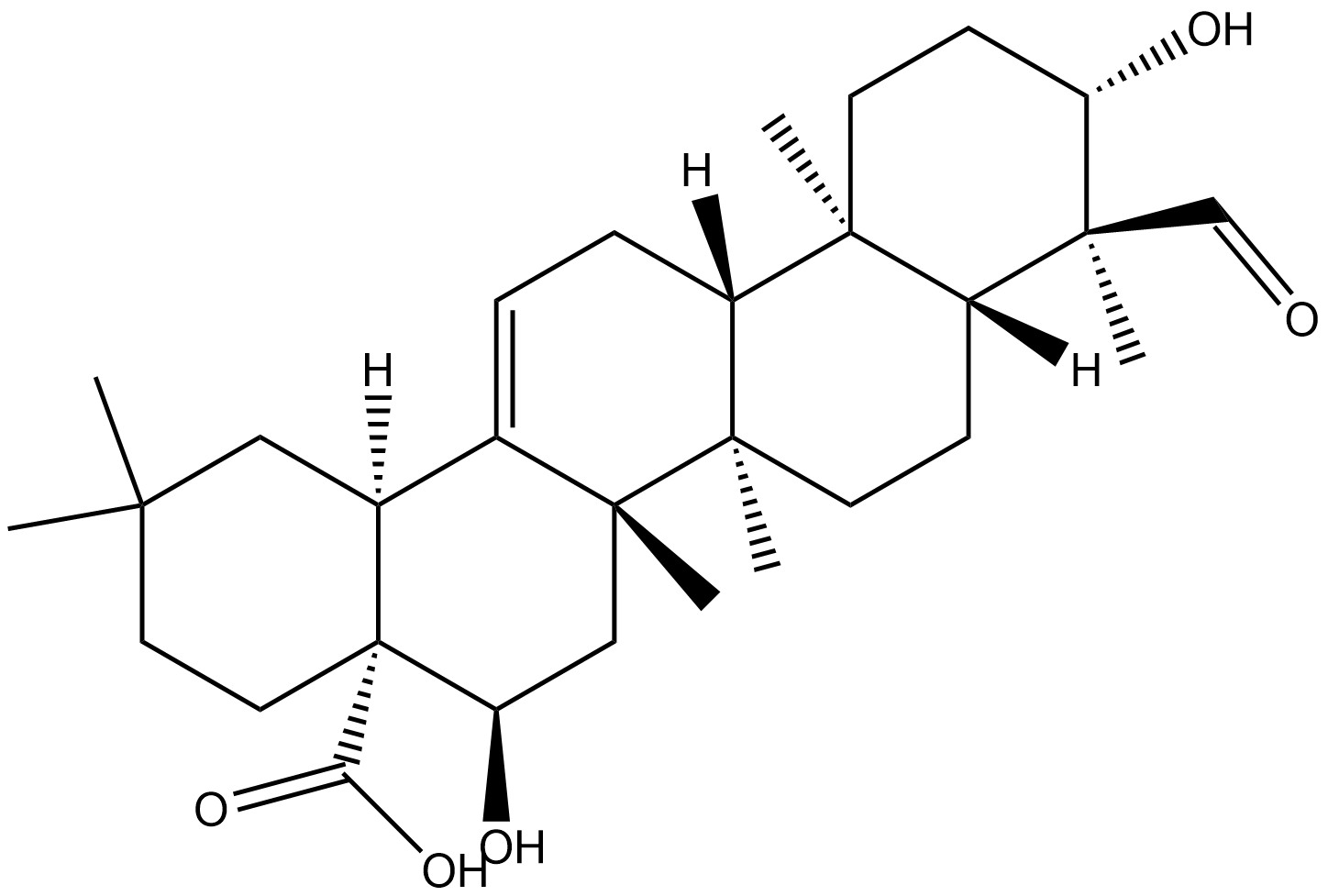 N2927 Quillaic acidSummary: Quillaic acid is a triterpenoid sapogenin from Quillaja saponins used as a reference compound in glycoconjugate, membrane-interaction, and adjuvant-mechanism research.
-
 N2928 Dracohodin perochlorateSummary: Dracohodin perochlorate is a synthetic small molecule investigated for modulation of cellular signaling pathways and utilized in mechanistic studies of inflammation and oncology biology.
-
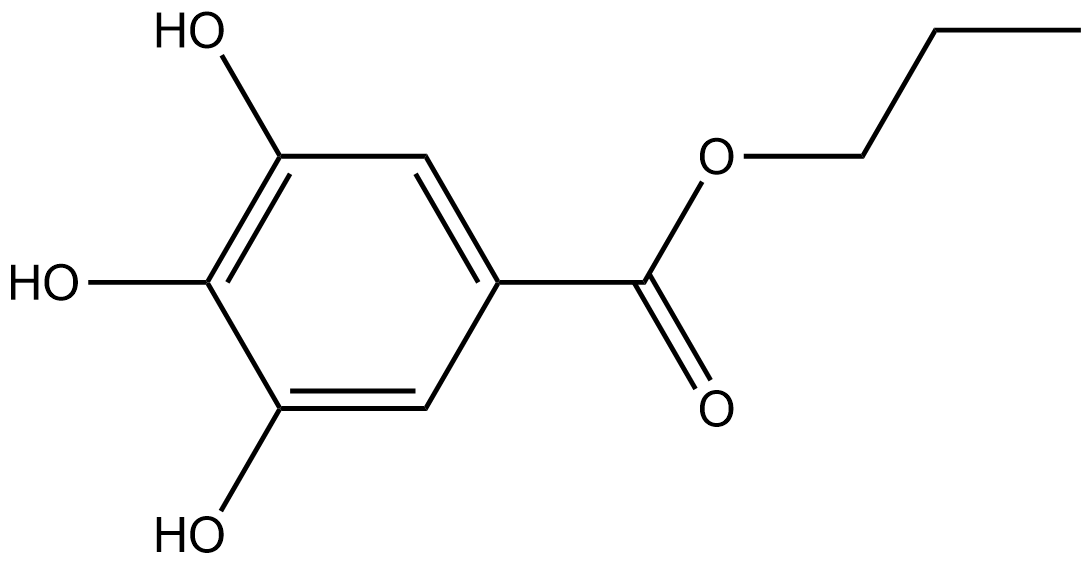 N2929 Propyl gallateSummary: A phenolic antioxidant
-
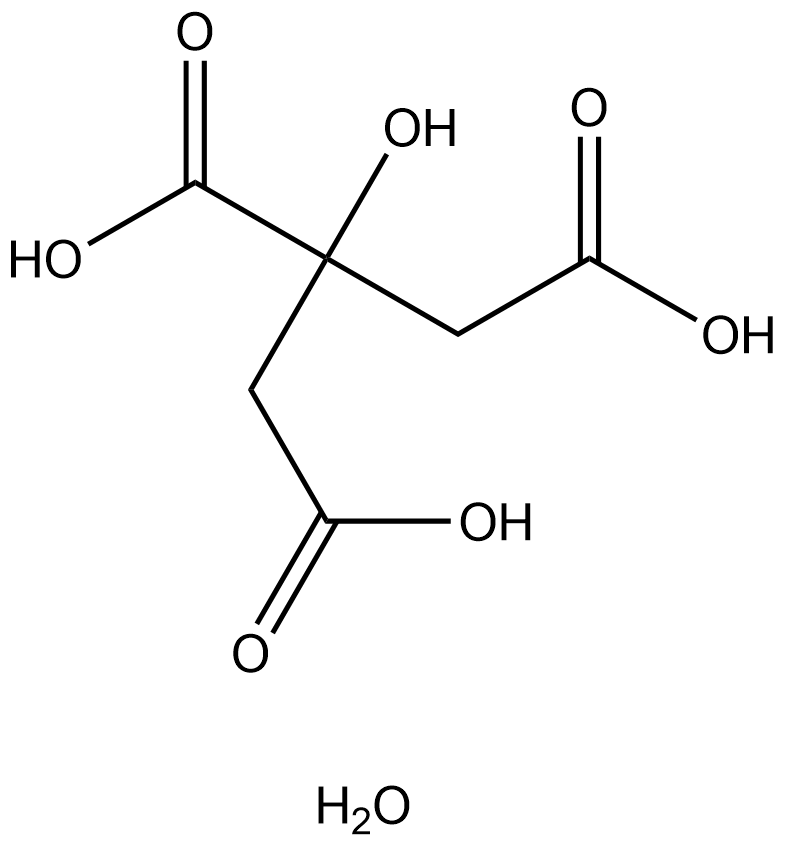 N2942 Citric acid hydrateSummary: An organic acid reagent for adjusting medium acidity and the metal ion environment.
-
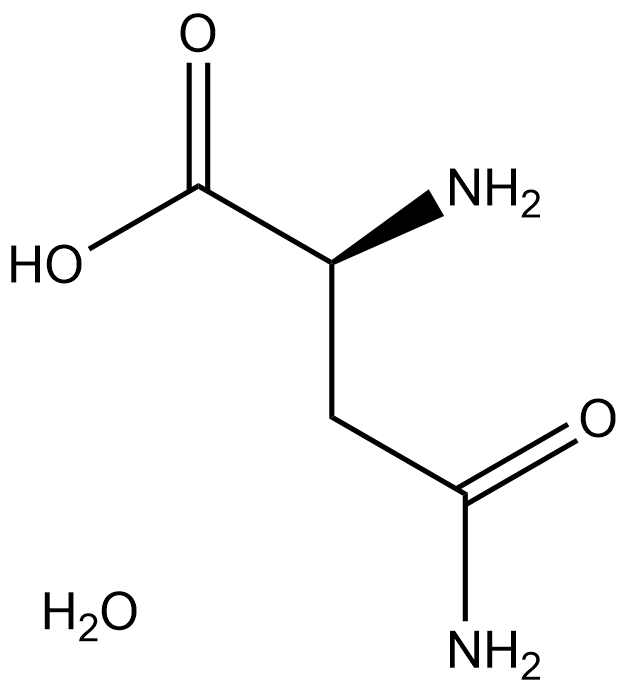 N2944 L(+)-Asparagine monohydrateSummary: A non-essential amino acid
-
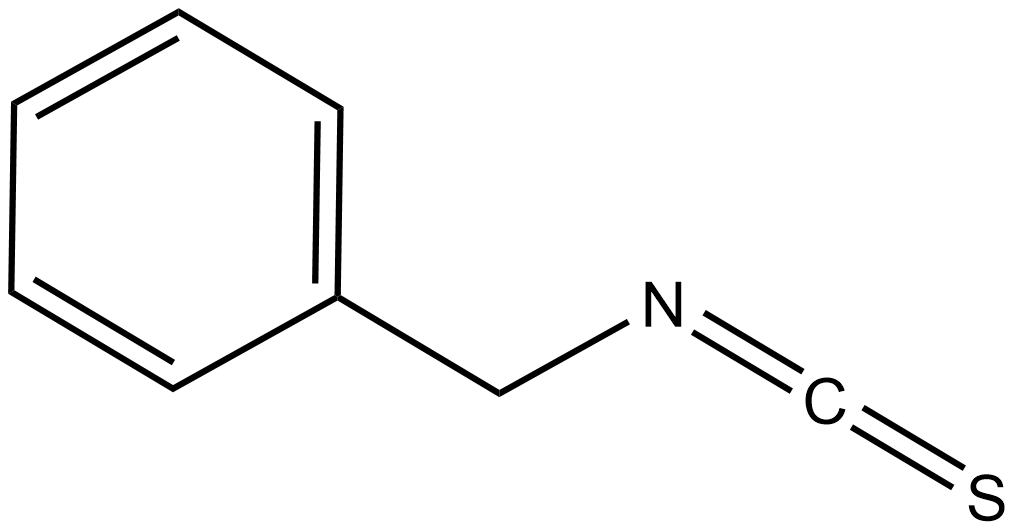 N2949 Benzyl isothiocyanateSummary: An orally available isothiocyanate with anticancer, antibacterial and anthelmintic activities, used in oncology and parasitic infection control
-
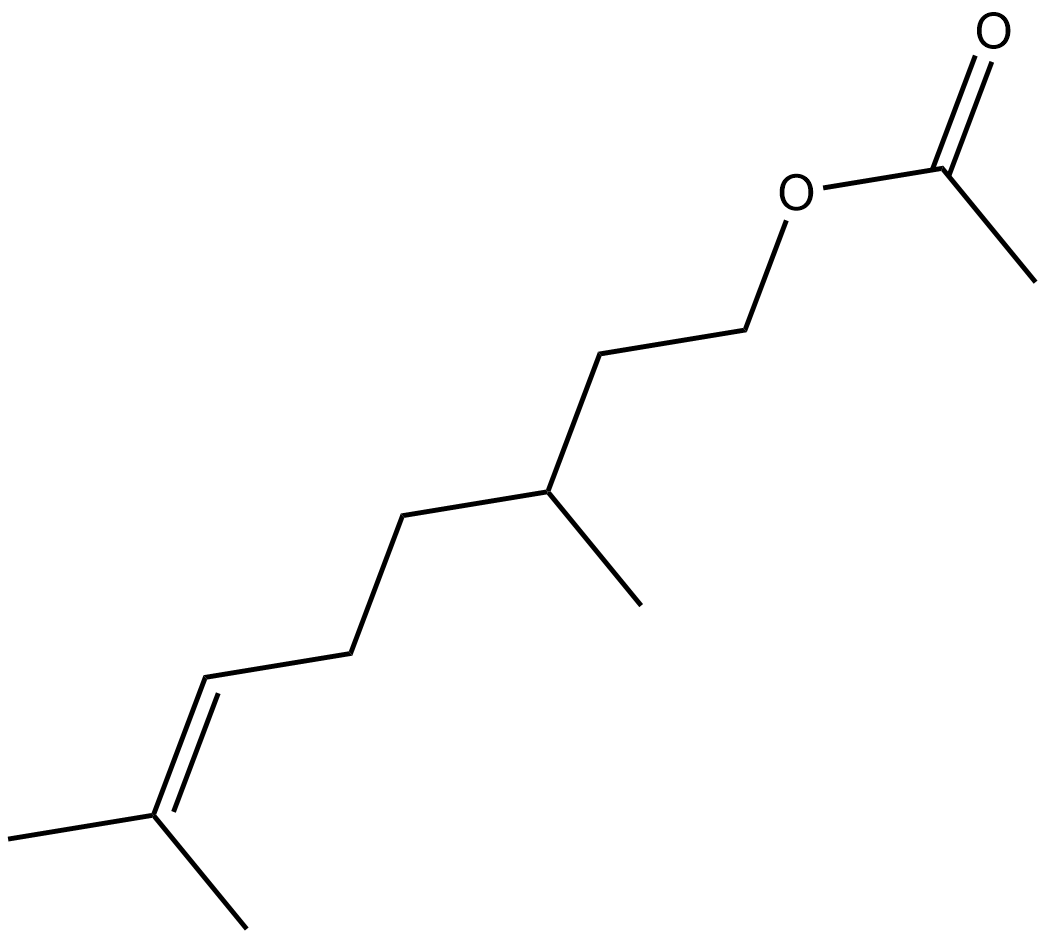 N2956 Citronellyl acetateSummary: A monoterpene ester with antinociceptive activity, used for the relief of acute pain