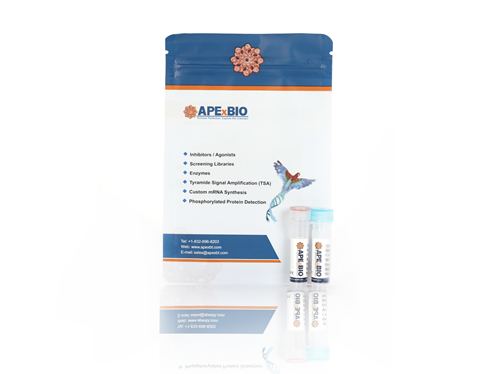
EZ Cap™ CM-EGFP Probe mRNA (m1Ψ)
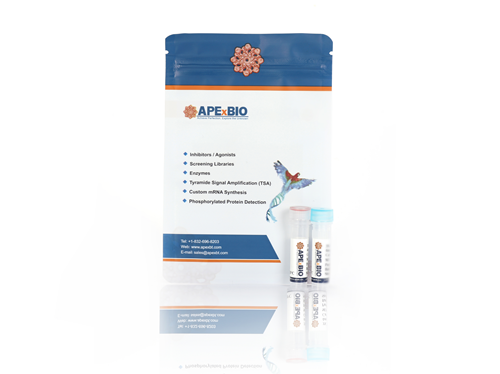
CM-EGFP is a fusion protein, consisting of Cell membrane (CM) localization signal sequence and enhanced green fluorescent protein (EGFP). EGFP is a modified green fluorescent protein with higher brightness and stability, suitable for live cell imaging. By fusing EGFP with CM signal sequences, the dynamic changes of CM can be observed in real time in living cells, and it is especially suitable for studying membrane-related processes such as signal transduction, membrane protein interactions, and membrane structure changes.
Key features:
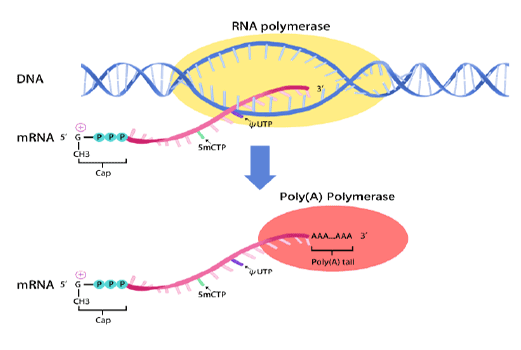
Cap1 Structure: The mRNA incorporates a Cap1 analog at the 5' end, ensuring high translation initiation efficiency, improved stability, and reduced innate immune recognition, leading to stronger and more sustained luciferase expression.
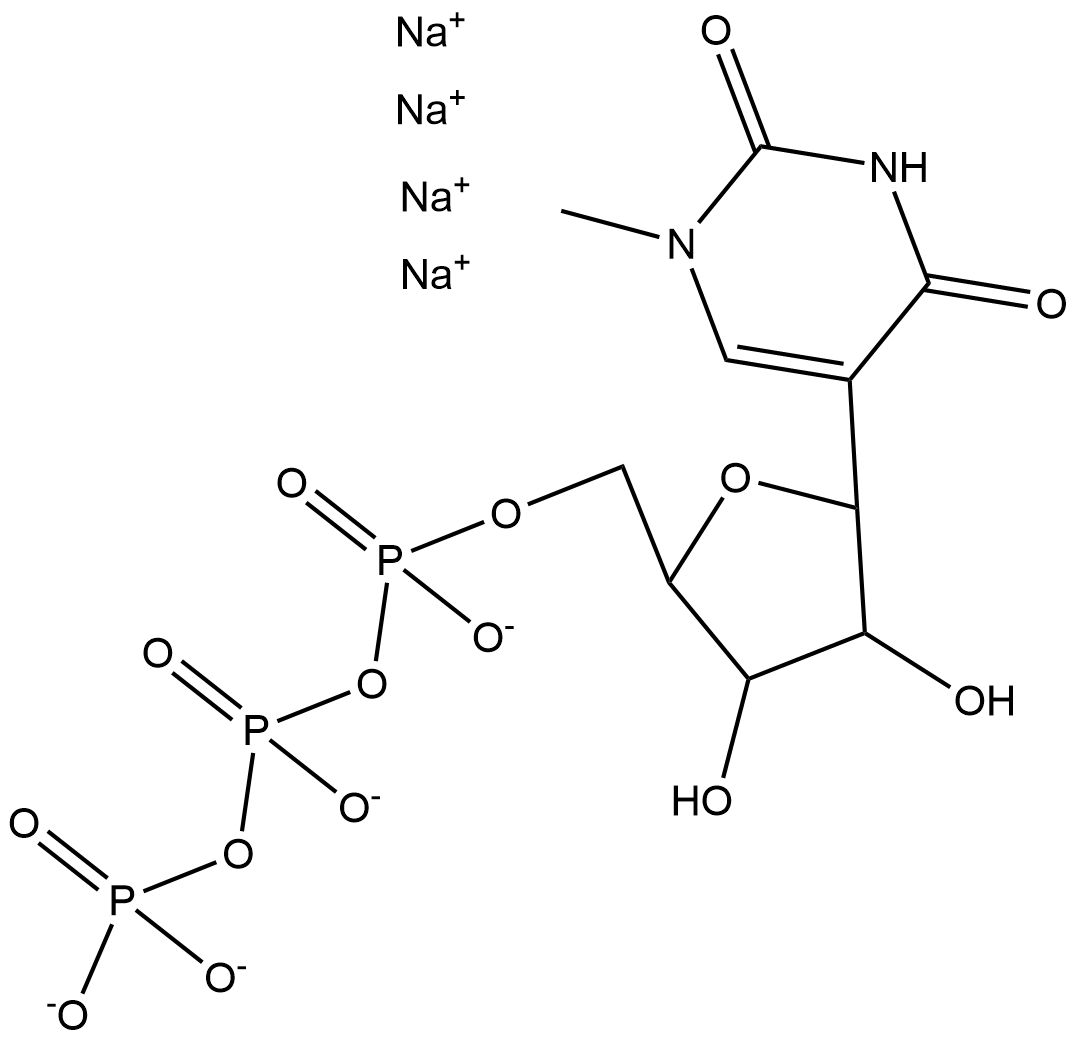
Modified Nucleotides: It contains N1-Methylpseudo-UTP modified nucleotides, which decreases immunogenicity, enhances mRNA stability, and increases translational efficiency, resulting in more reliable and reproducible protein yield.
poly(A) tail: It contains an optimized poly(A) tail of approximately 100 nucleotides. This specific length is engineered to maximize transcript stability by resisting degradation and to synergize with the 5' cap for superior, sustained translation efficiency, ensuring robust protein yield in your applications.
|
mRNA Length |
1591 nucleotides |
||
|
Concentration |
~1 mg/mL |
||
|
Excitation max (nm) |
488 nm (mTurquoise2) |
||
|
Emission max (nm) |
509 nm (mTurquoise2) |
||
|
Buffer |
1 mM Sodium Citrate, pH 6.4 |
Storage |
-40°C or below |
|
General tips |
Please dissolve it on ice and protect from RNase carefully. Avoid repeated freeze/thaw cycles as possible. Don’t vortex. Upon first use, centrifuge the tube softly and aliquot it into several single use portions. Use RNase-free reagents and materials with appropriate RNase-free technique. Don’t add to the media with serum unless mixing with a transfection reagent. |
||
|
Shipping Condition |
ship with dry ice |
||
It can be based on your experimental goals:
- For Tracking Transfection and Translation Efficiency: APExBIO Reporter Gene mRNAs (e.g. EGFP, Firefly Luciferase mRNA) are commonly used to track transfection efficiency and protein expression duration; evaluate gene expression and cell viability; study mRNA localization and bio-distribution via in vivo imaging; optimize transfection conditions and validate LNP delivery system.
- For Gene Editing, Functional Studies and Gene Therapy Research: APExBIO offers various functional protein mRNAs, involving tumor suppressors (e.g. p53, PTEN), cytokines (e.g. IL-12, IL-10), gene-editing tools (e.g. spCas9, Cre Recombinase), gene replacement protein (e.g. EPO), and antigens (e.g. OVA, SARS-CoV-2 Spike).
- For Sustained Protein Expression: APExBIO Self-amplifying RNA (saRNA) and Circular RNA (circRNA) are recommended for applications requiring prolonged protein expression. saRNA enables lasting and strong protein expression at lower doses, while circRNA has enhanced structural stability and extended expression duration.
- Advanced Capping Technology: Utilizes Cap 1 structure (EZ Cap™ Cap) to achieve enhanced translation efficiency and minimizing activation of the host innate immune response. The capping efficiency can reach 90–99%.
- Diverse Modification Options: Provides a range of modified nucleotides, such as m1Ψ, 5-moUTP and Cy5-UTP, which reduce immunogenicity, improve mRNA stability, and maximize protein expression levels.
- Stringent Quality Control: Each batch undergoes rigorous quality assessment including capping efficiency, purity, integrity, and sterility to ensure batch-to-batch consistency.