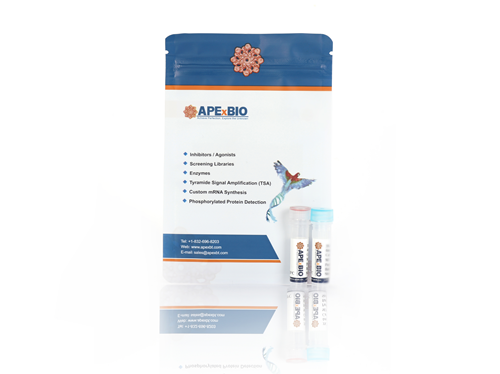
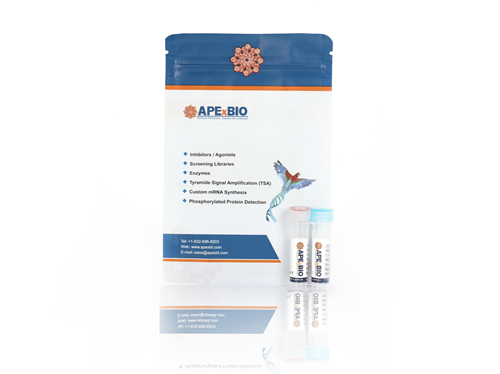
EZ Cap™ Human IL-29 mRNA (m1Ψ, HA tag)
IL-29 is a cytokine that belongs to the Type III interferon family, also known as IFN-λ1. It is mainly produced by dendritic cells, macrophages and epithelial cells when they are infected by viruses. IL-29 plays an important role in antiviral immune response by binding to specific receptor complexes, activating downstream signaling pathways and inducing the expression of antiviral genes, thereby inhibiting viral replication and transmission. Compared to type I interferons, such as IFN-α and IFN-β, IL-29's action is more localized and focused on epithelial cells and certain immune cells, which makes it effective at acting as an antiviral while reducing the systemic inflammatory response. In addition, the role of IL-29 in certain autoimmune diseases and chronic inflammatory diseases has also received attention. Because of its unique properties, IL-29 has potential clinical applications in the treatment of viral infections and immune-related diseases.
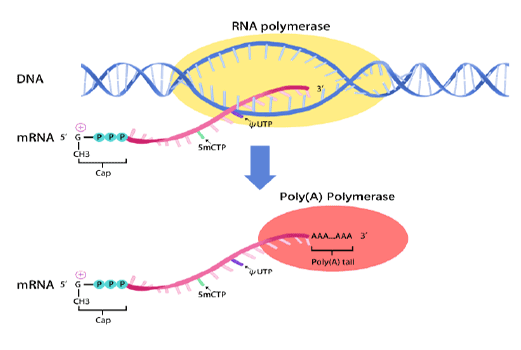
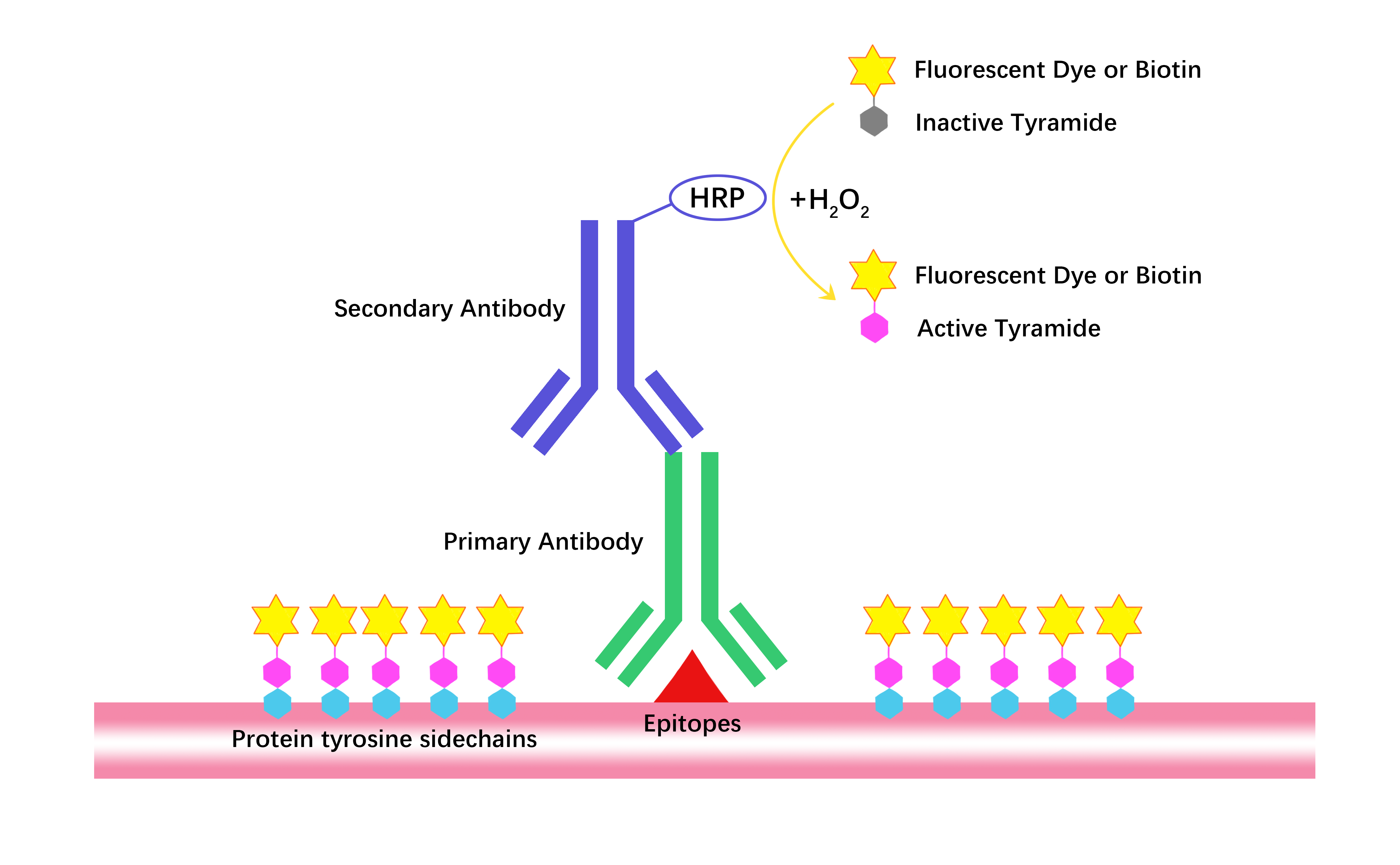
EZ Cap™ Human IL-29 mRNA (m1Ψ, HA tag) is provided at a concentration of ~1 mg/ml with Cap1 structure. It expresses Human IL-29 cytokine with HA label, which is convenient for the subsequent detection of protein expression. There are currently two ways to cap mRNA: One is co-transcription method, by adding Cap analogues into the transcription process. The other is enzymatic Capping. After transcription, Cap0 capping is performed by Vaccinia virus Capping Enzyme (VCE), GTP and S-adenosylmethionine (SAM). The Cap0 is then generated into the Cap1 through 2´-O-Methyltransferase and SAM. Cap1 Capping can also be performed by adding VCE, 2´-O-Methyltransferase, GTP and SAM in a one-step process. Cap 1 structure is more ideal for mammalian systems and possess higher transcription efficiency than Cap 0 structure. The addition of N1-Methylpseudo-UTP(m1Ψ) and poly(A) tail suppress RNA-mediated innate immune activation and increase the stability and lifetime of the mRNA in vitro and in vivo. Poly(A) tail also plays an important role in enhancing the efficiency of translation initiation.
|
mRNA Length |
949 nucleotides |
||
|
Concentration |
~1 mg/mL |
||
|
Buffer |
1 mM Sodium Citrate, pH 6.4 |
Storage |
-40°C or below |
|
General tips |
Please dissolve it on ice and protect from RNase carefully. Avoid repeated freeze/thaw cycles as possible. Don’t vortex. Upon first use, centrifuge the tube softly and aliquot it into several single use portions. Use RNase-free reagents and materials with appropriate RNase-free technique. Don’t add to the media with serum unless mixing with a transfection reagent. |
||
|
Shipping Condition |
ship with dry ice |
||
It can be based on your experimental goals:
- For Tracking Transfection and Translation Efficiency: APExBIO Reporter Gene mRNAs (e.g. EGFP, Firefly Luciferase mRNA) are commonly used to track transfection efficiency and protein expression duration; evaluate gene expression and cell viability; study mRNA localization and bio-distribution via in vivo imaging; optimize transfection conditions and validate LNP delivery system.
- For Gene Editing, Functional Studies and Gene Therapy Research: APExBIO offers various functional protein mRNAs, involving tumor suppressors (e.g. p53, PTEN), cytokines (e.g. IL-12, IL-10), gene-editing tools (e.g. spCas9, Cre Recombinase), gene replacement protein (e.g. EPO), and antigens (e.g. OVA, SARS-CoV-2 Spike).
- For Sustained Protein Expression: APExBIO Self-amplifying RNA (saRNA) and Circular RNA (circRNA) are recommended for applications requiring prolonged protein expression. saRNA enables lasting and strong protein expression at lower doses, while circRNA has enhanced structural stability and extended expression duration.
- Advanced Capping Technology: Utilizes Cap 1 structure (EZ Cap™ Cap) to achieve enhanced translation efficiency and minimizing activation of the host innate immune response. The capping efficiency can reach 90–99%.
- Diverse Modification Options: Provides a range of modified nucleotides, such as m1Ψ, 5-moUTP and Cy5-UTP, which reduce immunogenicity, improve mRNA stability, and maximize protein expression levels.
- Stringent Quality Control: Each batch undergoes rigorous quality assessment including capping efficiency, purity, integrity, and sterility to ensure batch-to-batch consistency.