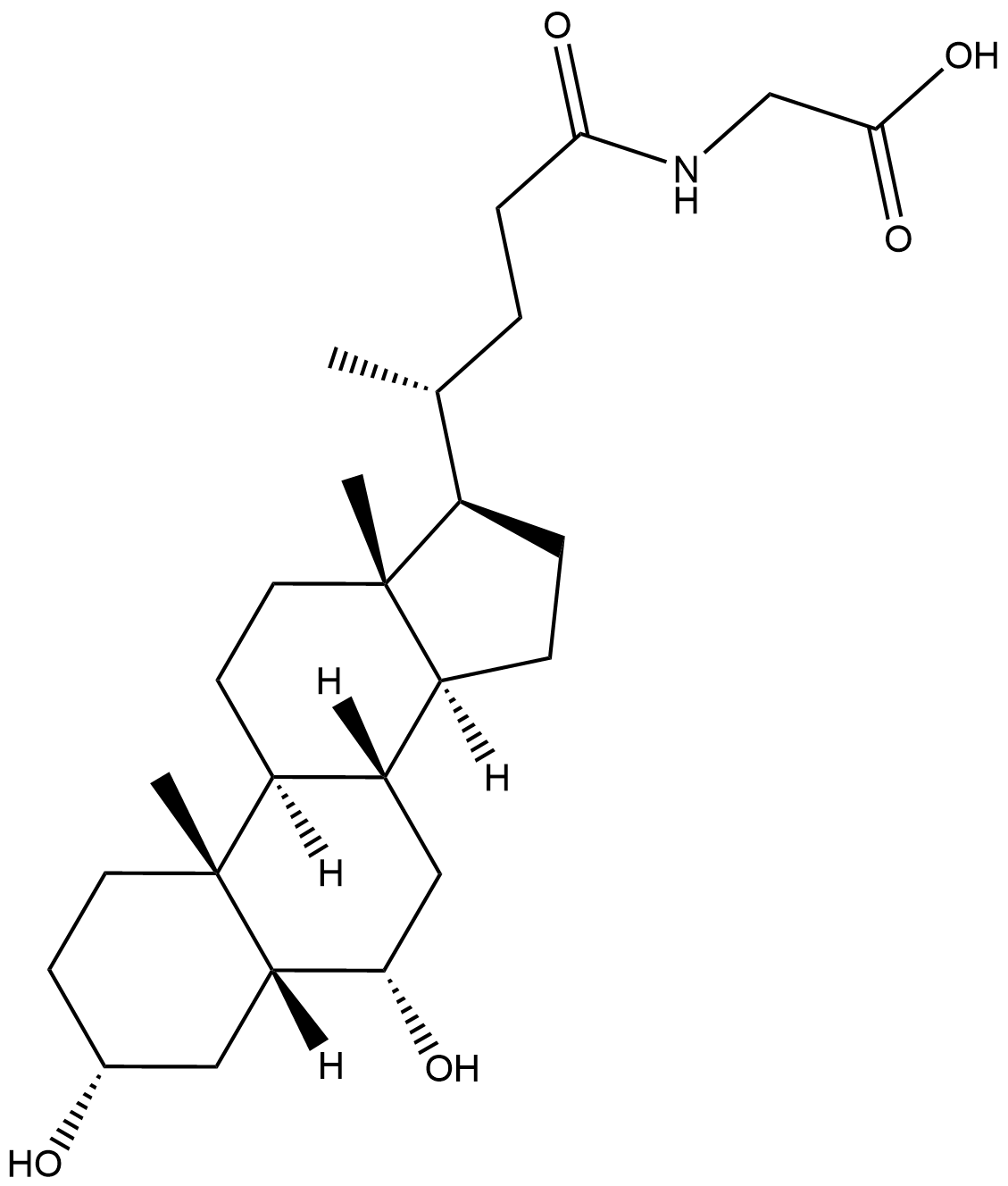
Glycolithocholic acid
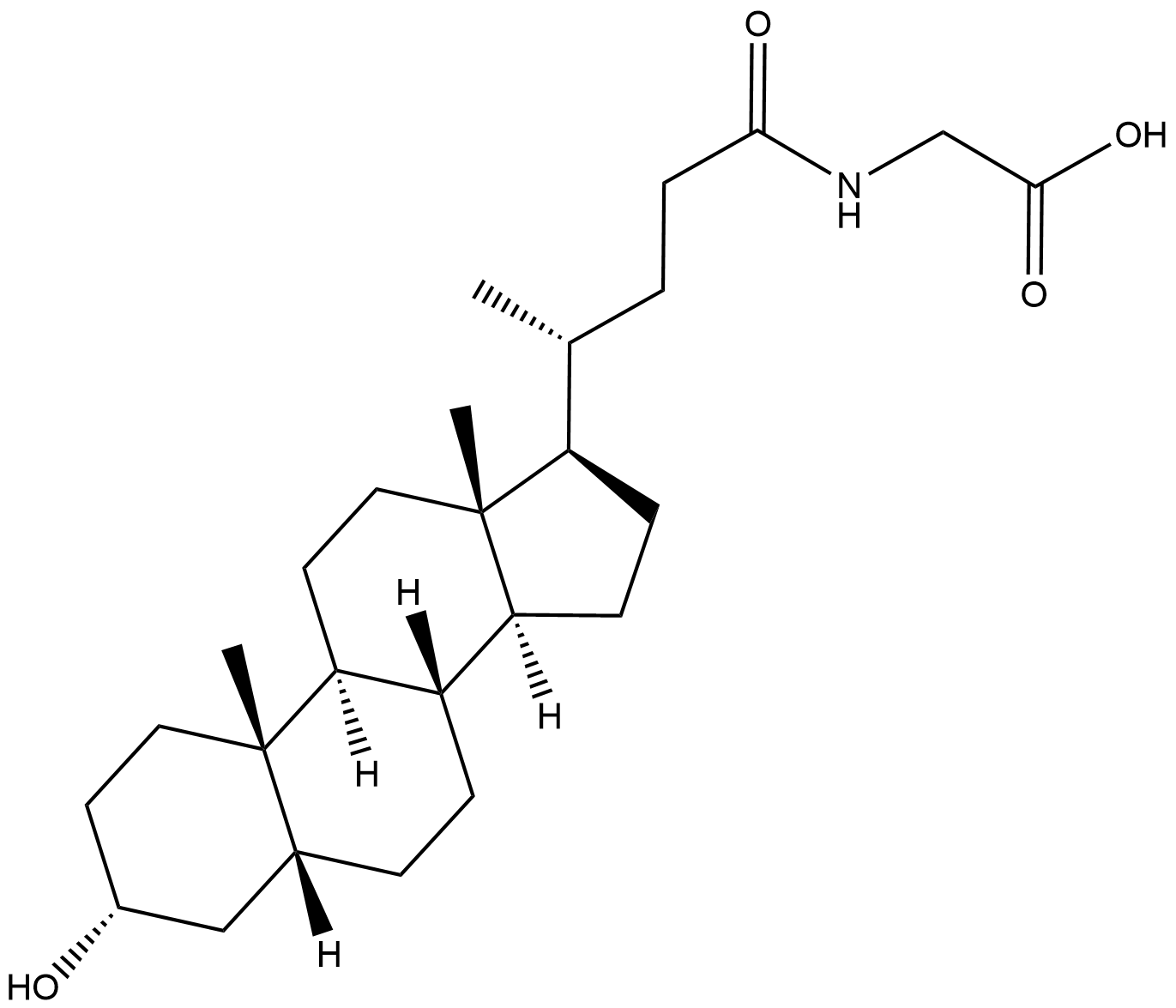
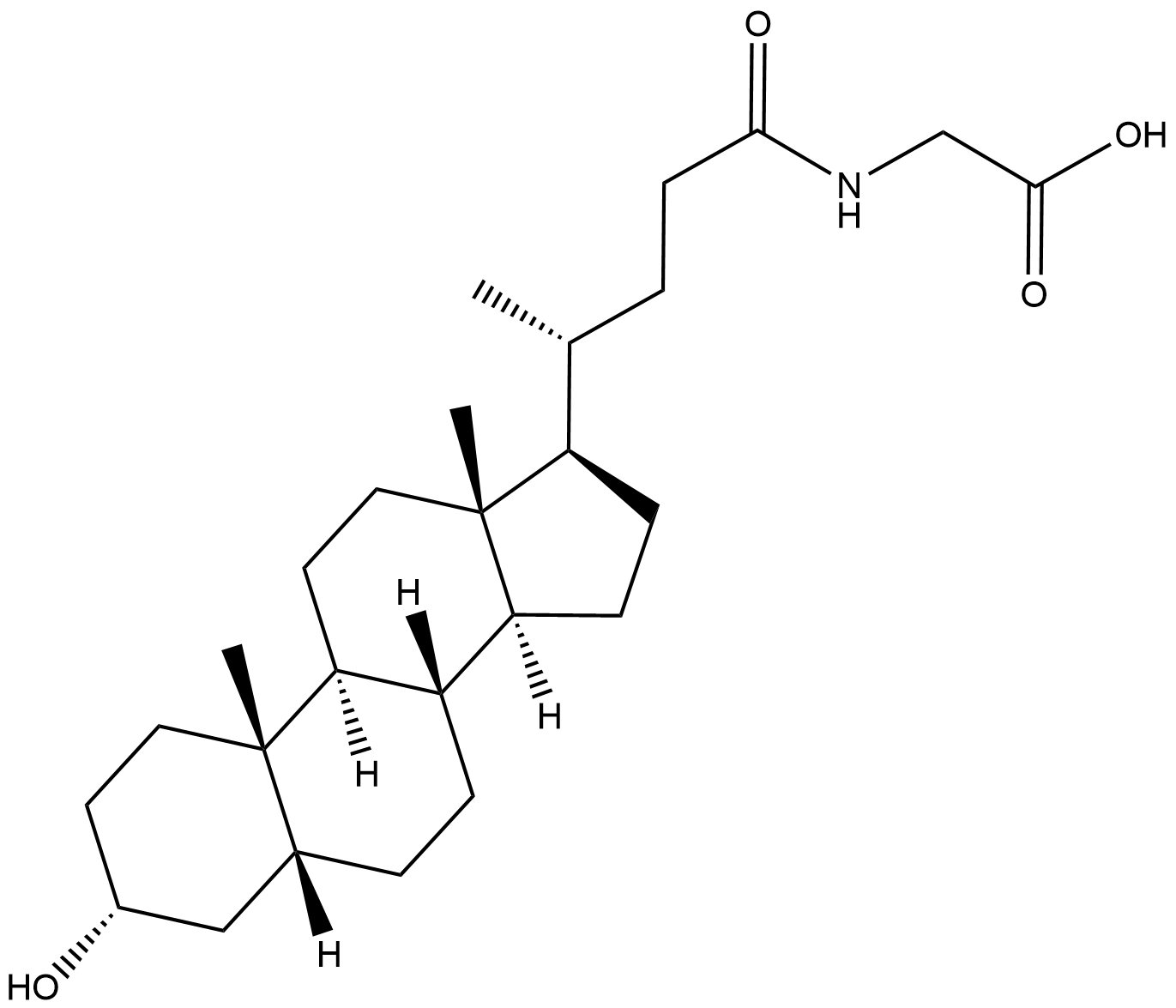
Glycolithocholic acid (Lithocholylglycine) is an endogenous metabolite and belongs to the category of glycine-binding secondary bile acids. It is formed by the metabolism of primary bile acids into choline by intestinal microorganisms, which then combines with glycine. Studies have shown that this compound is abnormally expressed in diseases such as ulcerative colitis (UC), non-alcoholic steatohepatitis (NASH), and primary sclerosing cholangitis (PSC), and can serve as a potential diagnostic marker - the disorder of intestinal flora in UC patients may lead to metabolic imbalance, and liver damage in NASH is accompanied by changes in its concentration The level of PSC patients will also fluctuate abnormally in the state of cholestasis. As a secondary bile acid, it has both liposoluble and polar characteristics and plays a role in the metabolic regulation of the gut-liver axis. Abnormal concentration of it may reflect the disorder of host-microbe interaction and the pathological process of liver, gallbladder and intestinal diseases.
| Physical Appearance | A solid |
| Storage | Store at -20°C for 3 years. |
| M.Wt | 433.62 |
| Cas No. | 474-74-8 |
| Formula | C26H43NO4 |
| Synonyms | Lithocholylglycine |
| Solubility | ≥52 mg/mL in DMSO; ≥50.6 mg/mL in EtOH; insoluble in H2O |
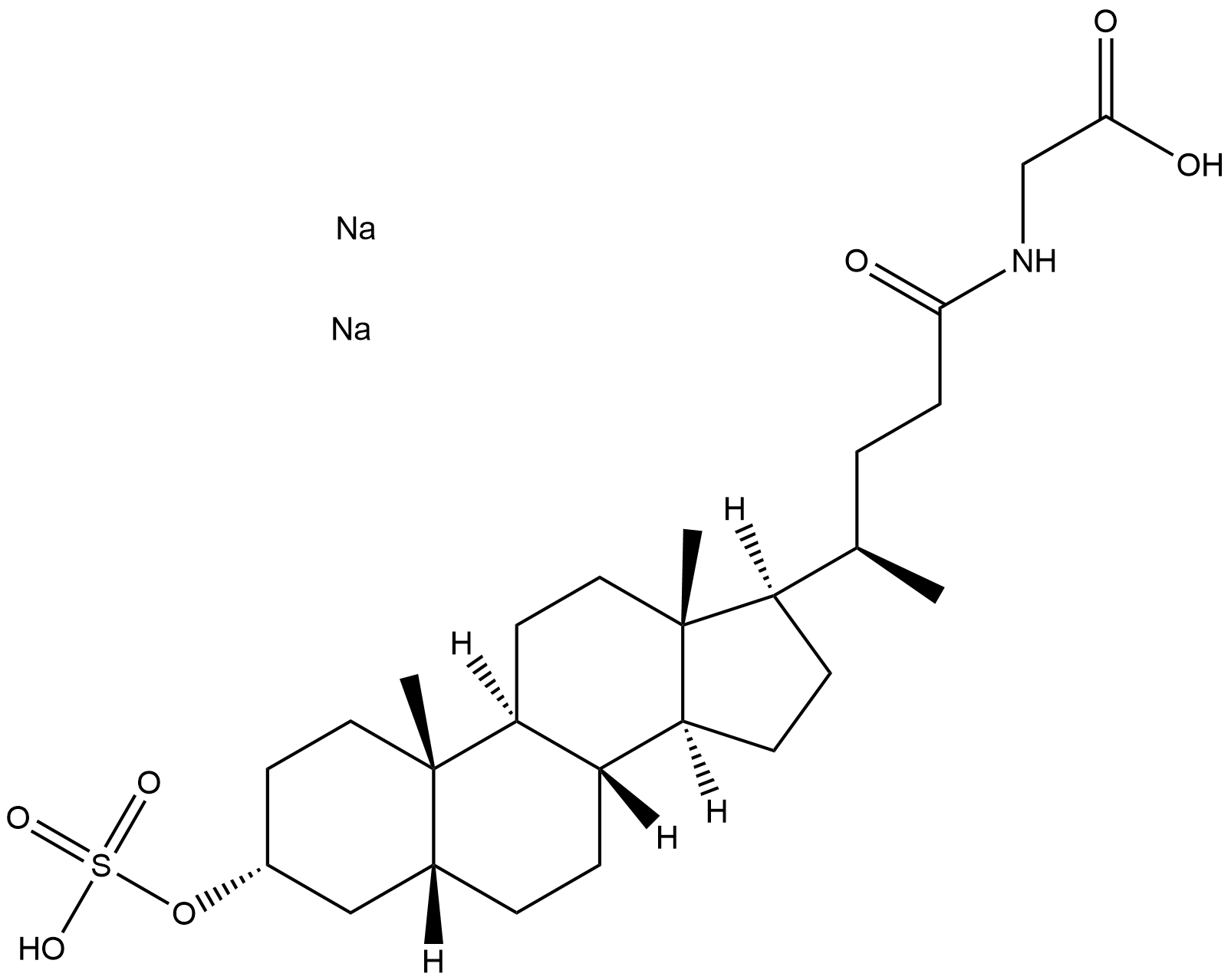
| Chemical Name | ((R)-4-((3R,5R,8R,9S,10S,13R,14S,17R)-3-hydroxy-10,13-dimethylhexadecahydro-1H-cyclopenta[a]phenanthren-17-yl)pentanoyl)glycine |
| Canonical SMILES | O=C(NCC(O)=O)CC[C@@H](C)[C@H]1CC[C@@]2([H])[C@]3([H])CC[C@]4([H])C[C@H](O)CC[C@]4(C)[C@@]3([H])CC[C@@]21C |
| Shipping Condition | Small Molecules with Blue Ice, Modified Nucleotides with Dry Ice. |
| General tips | We do not recommend long-term storage for the solution, please use it up soon. |
Quality Control & MSDS
- View current batch:
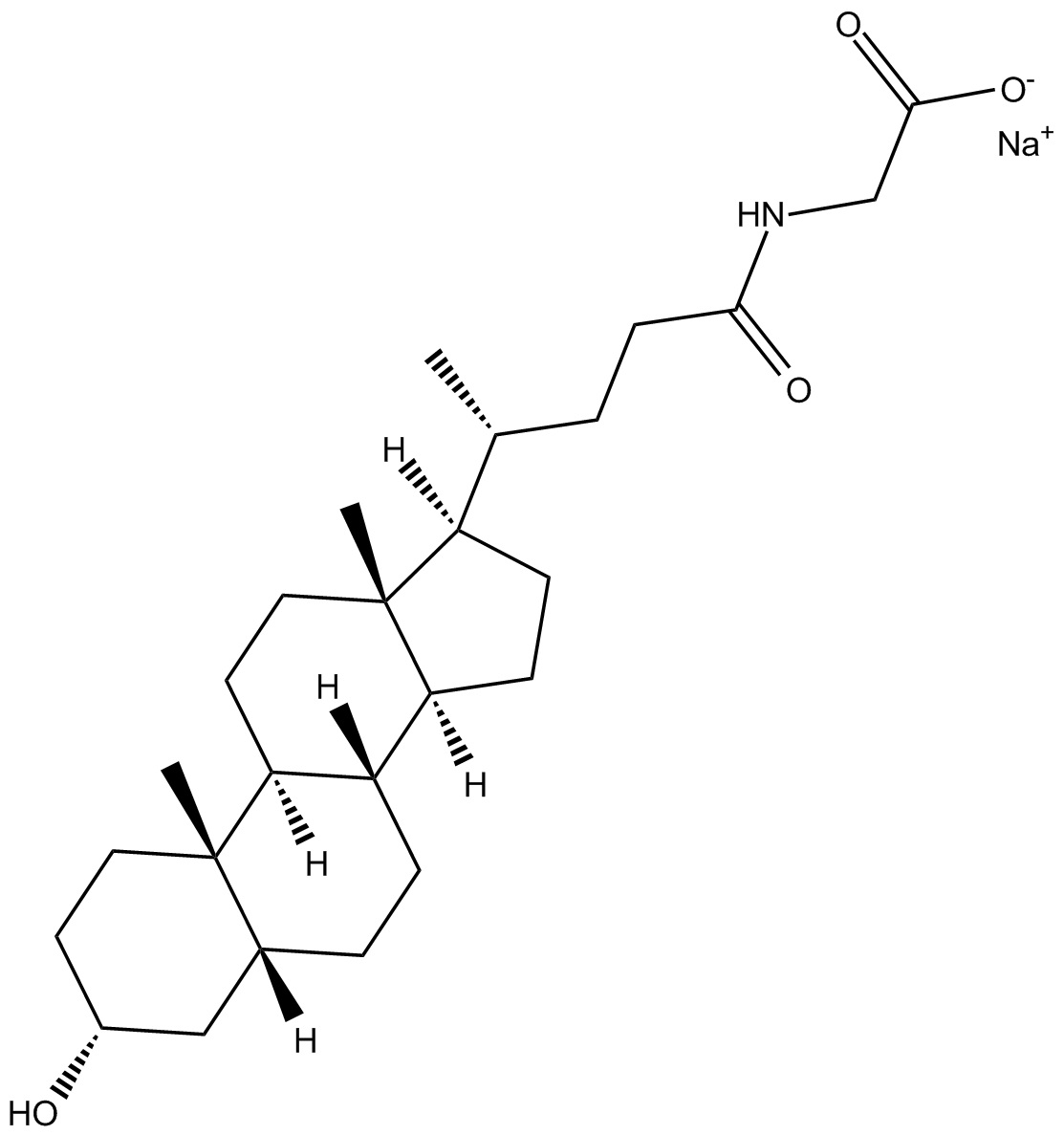
Chemical structure