


Metabolism
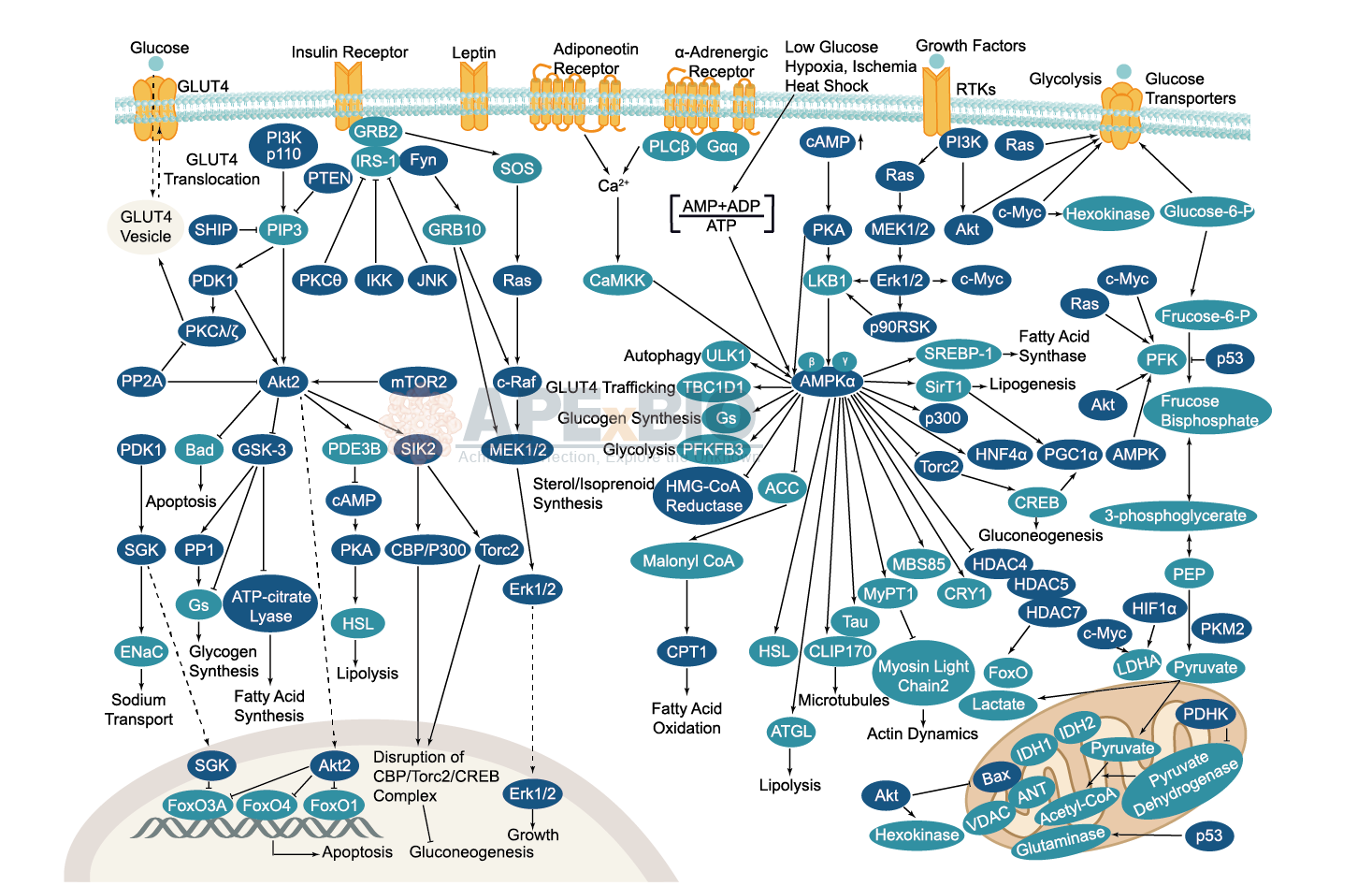
Serine/threonine kinase AMPK upregulates glucose uptake by promoting the expression and function of glucose transporters. AMPK is activated by increased AMP/ATP ratio, resulting from cellular and environmental stress, e.g. low glucose, heat shock, hypoxia and ischemia. AMPK activation positively modulates signaling transductions that refill ATP levels. Moreover, it also stimulates catabolic processes such as fatty acid oxidation and glycolysis through inhibition of ACC and activation of PFK2. AMPK negatively regulates various proteins which are important to ATP-consuming mechanisms, e.g. mTORC2, glycogen synthase, SREBP-1, and TSC2, causing the downregulation/inhibition of gluconeogenesis and glycogen, lipid and protein synthesis.
-
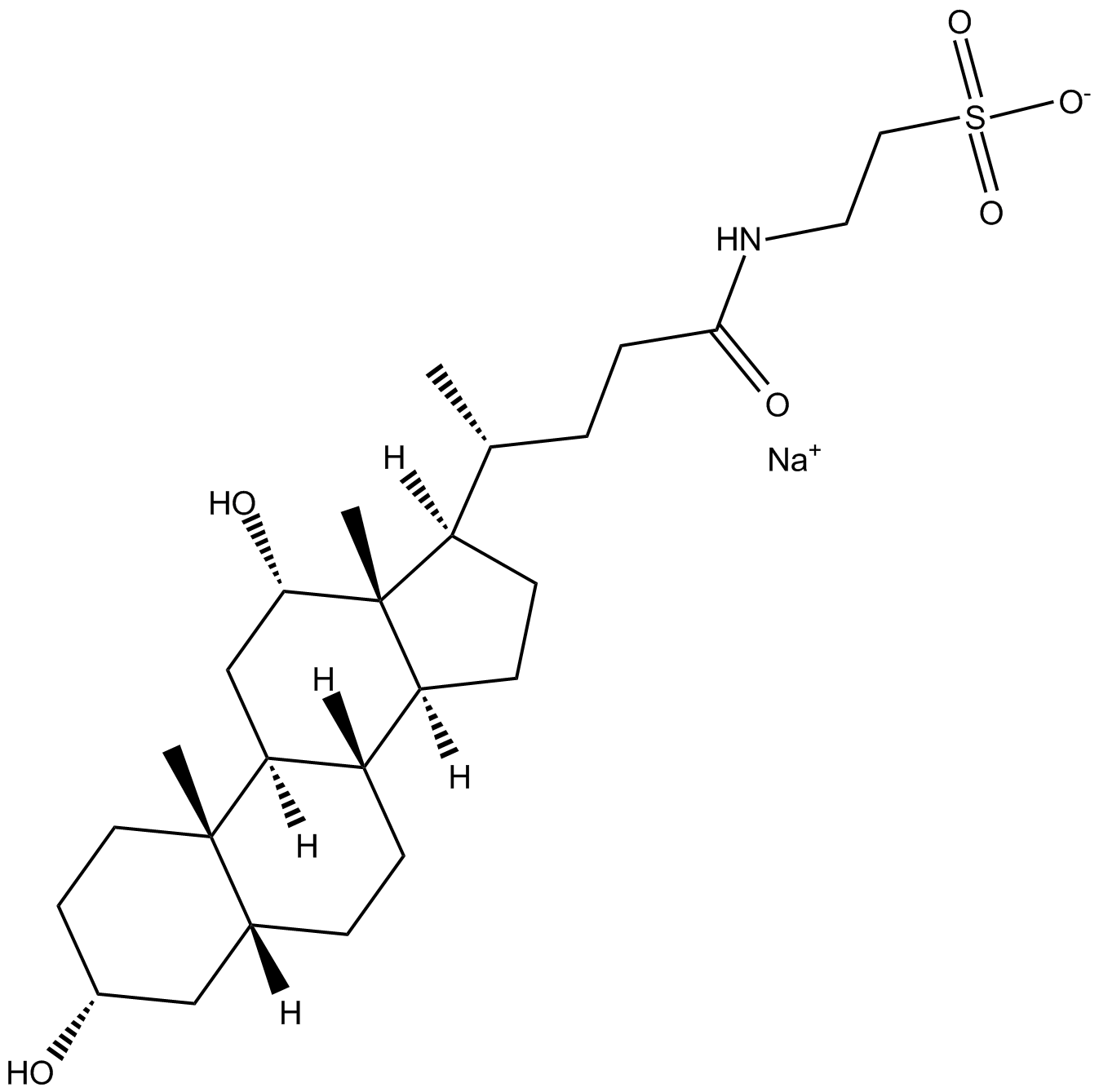 C4079 Taurodeoxycholic Acid (sodium salt)Summary: A detergent used for membrane protein isolation and with anti-inflammatory and neuroprotective effects.
 -
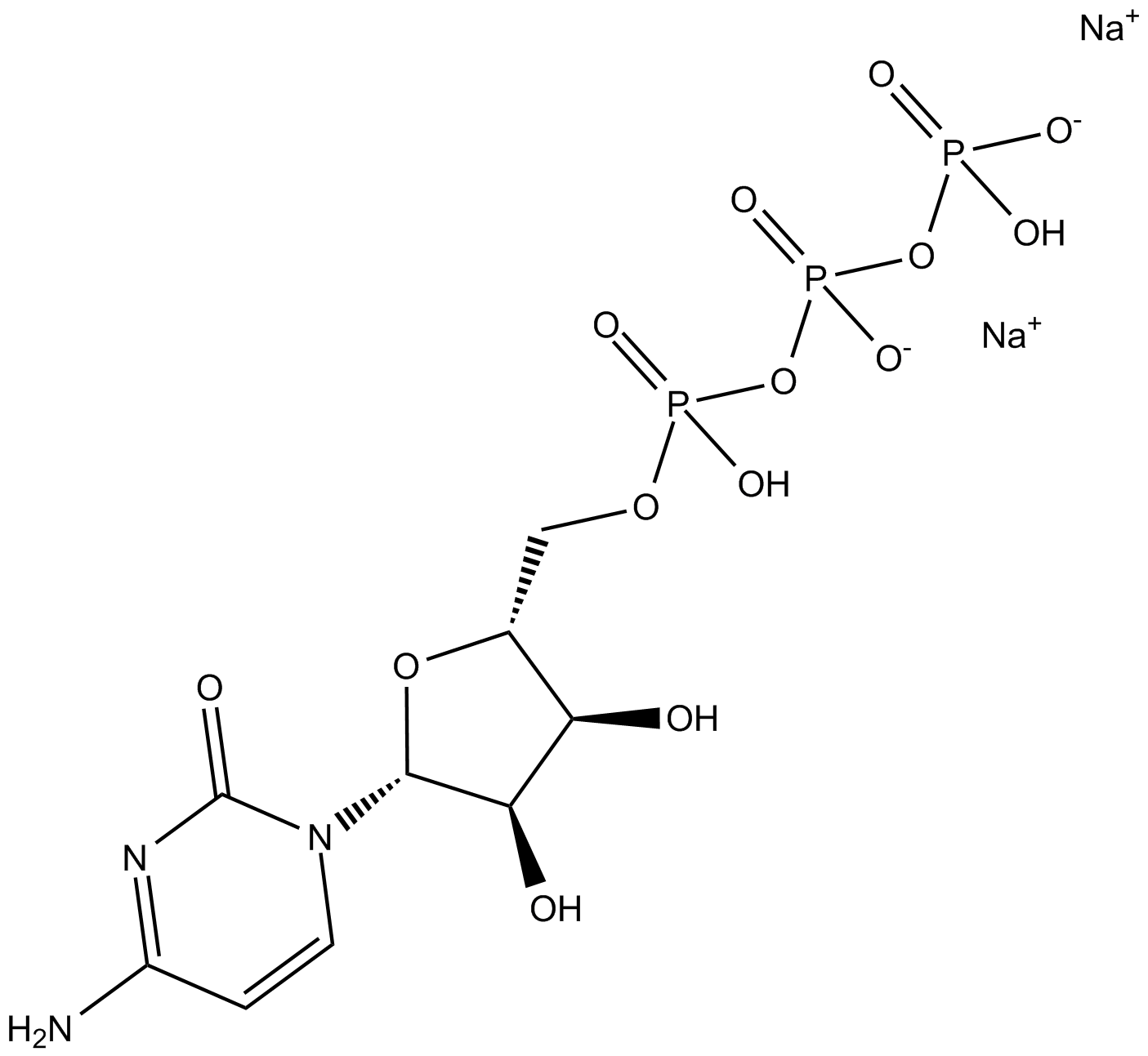 C4631 Cytidine 5'-triphosphate (sodium salt)Summary: An endogenous metabolite used for research on nucleic acid synthesis and nucleotide metabolism.
 -
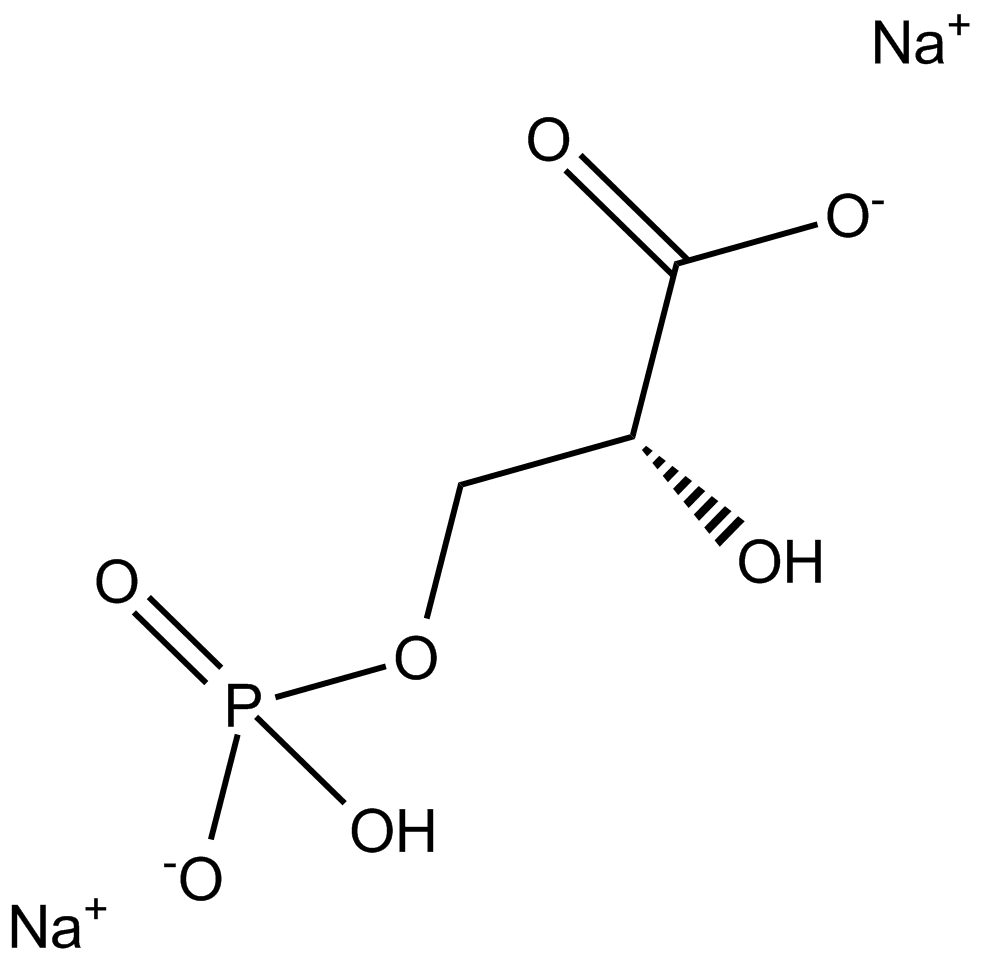 C4970 D-(-)-3-Phosphoglyceric Acid (sodium salt)Summary: A glycolytic intermediate that competitively inhibits enolase and modulates PHGDH activity.
 -
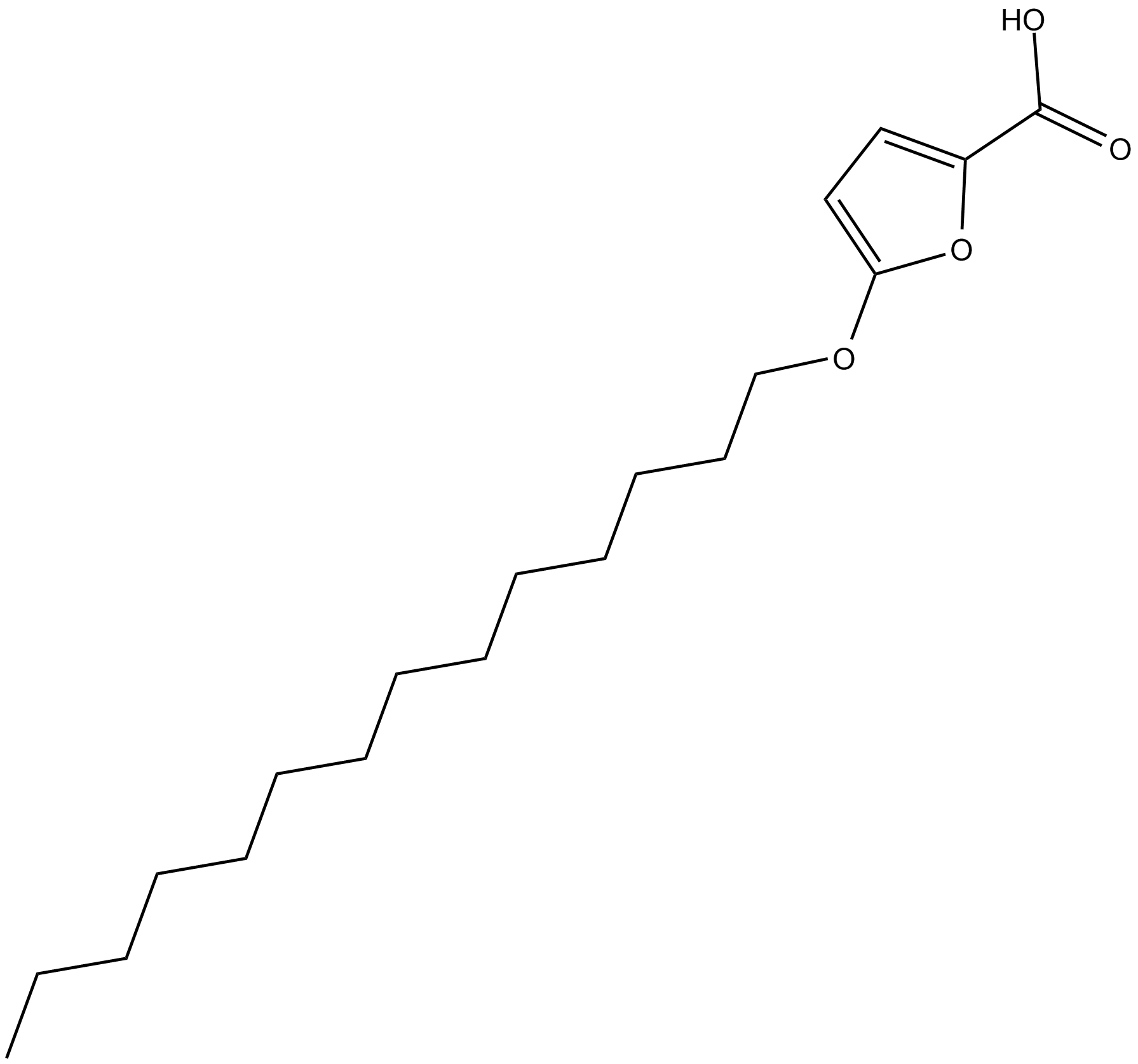 C5275 TOFASummary: Fatty acid synthesis inhibitor
 -
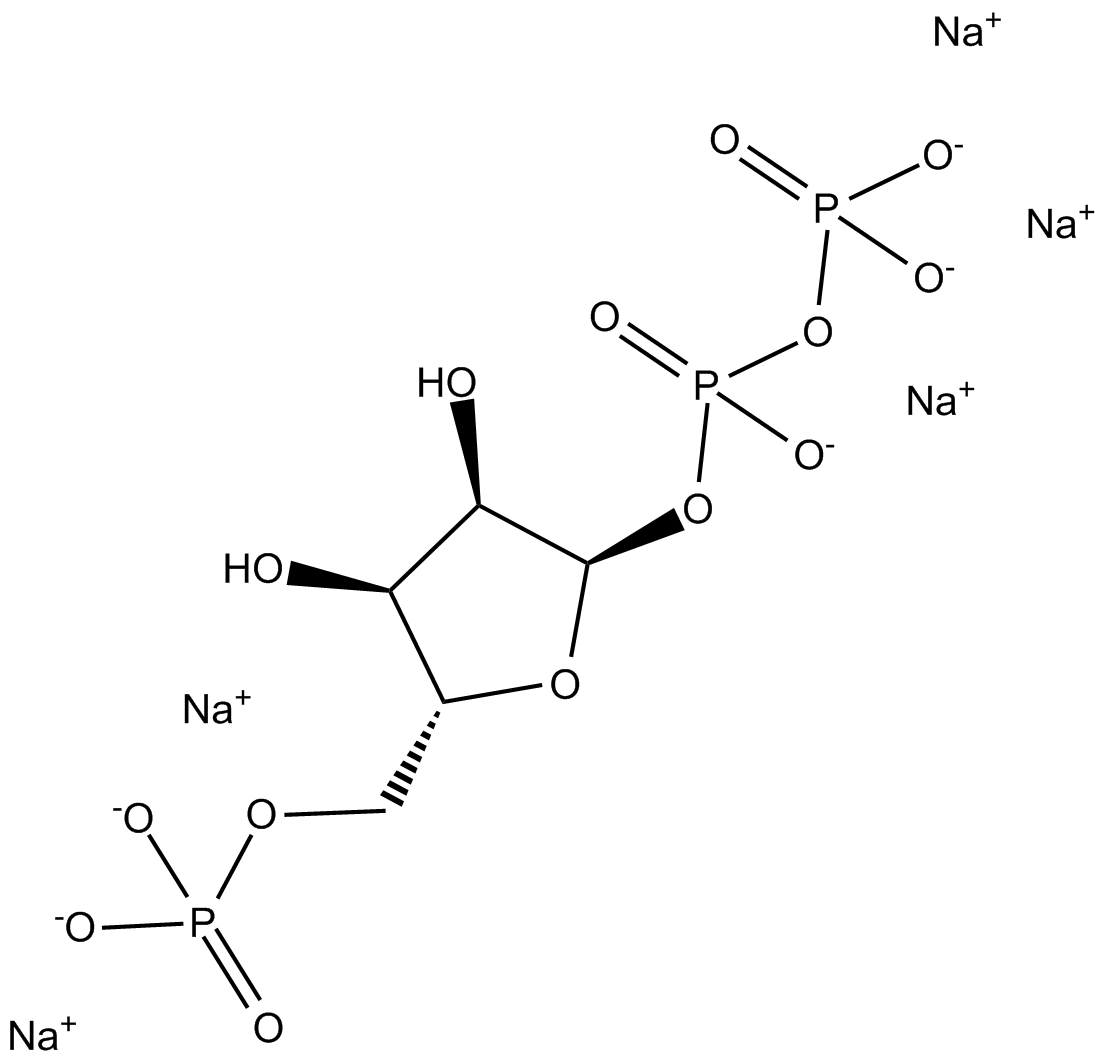 C5321 5-Phospho-D-ribose 1-diphosphate (sodium salt)Summary: A key metabolite used in the biosynthesis of nucleotides, amino acids, and coenzymes.
 -
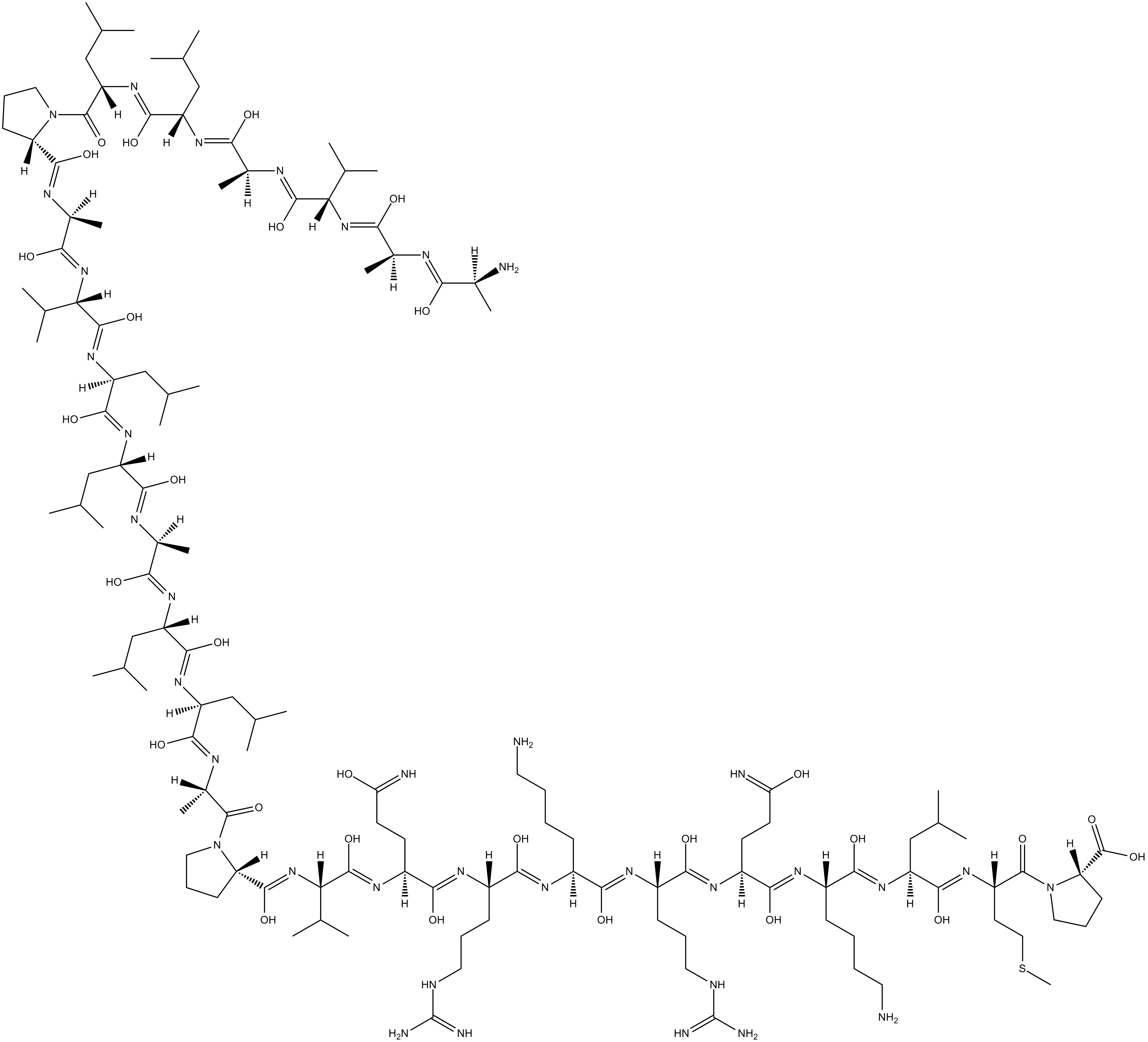 C5323 SN50Summary: A cell membrane-permeable inhibitor that specifically blocks NF-κB nuclear translocation.
 -
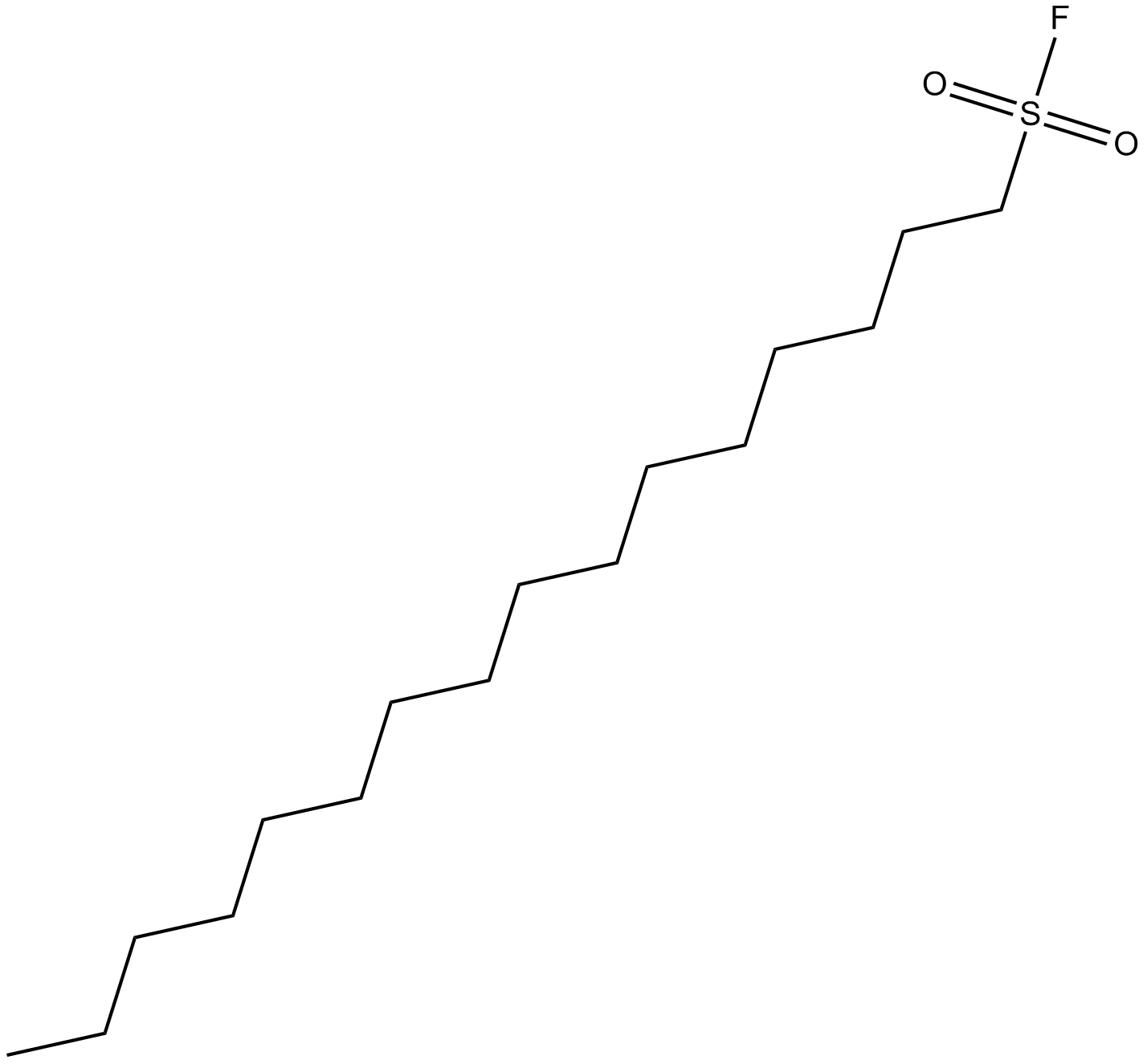 C5608 HDSFSummary: Fatty acid amide hydrolase inhibitor, for nervous system disease research.
 -
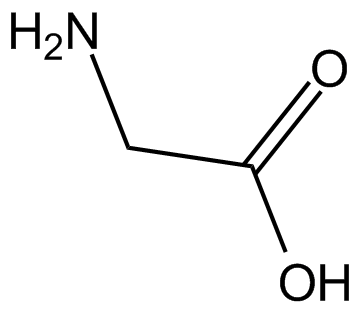 C6100 GlycineSummary: An inhibitory neurotransmitter for research on neurological diseases, cancer, and cytoprotection.
 -
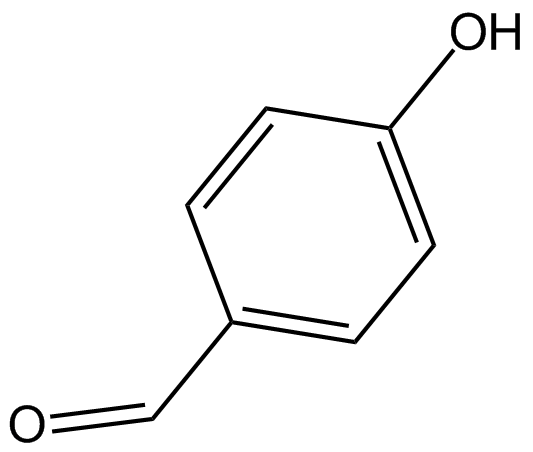 C6102 p-HydroxybenzaldehydeSummary: An organic compound that can be used in fragrances and interacts with the GABAA receptor.
 -
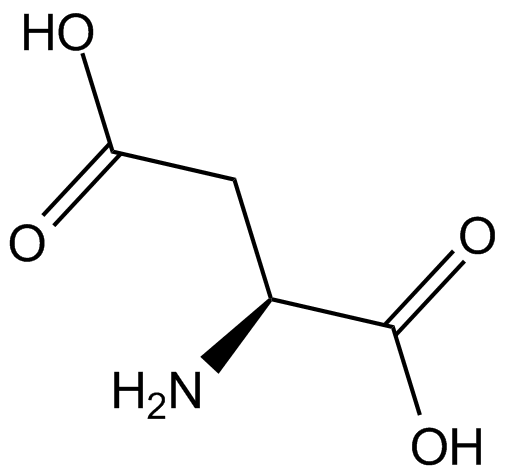 C6106 L-Aspartic acidSummary: A non-essential amino acid commonly used as a precursor for colon-specific delivery of active molecules.