


Metabolism
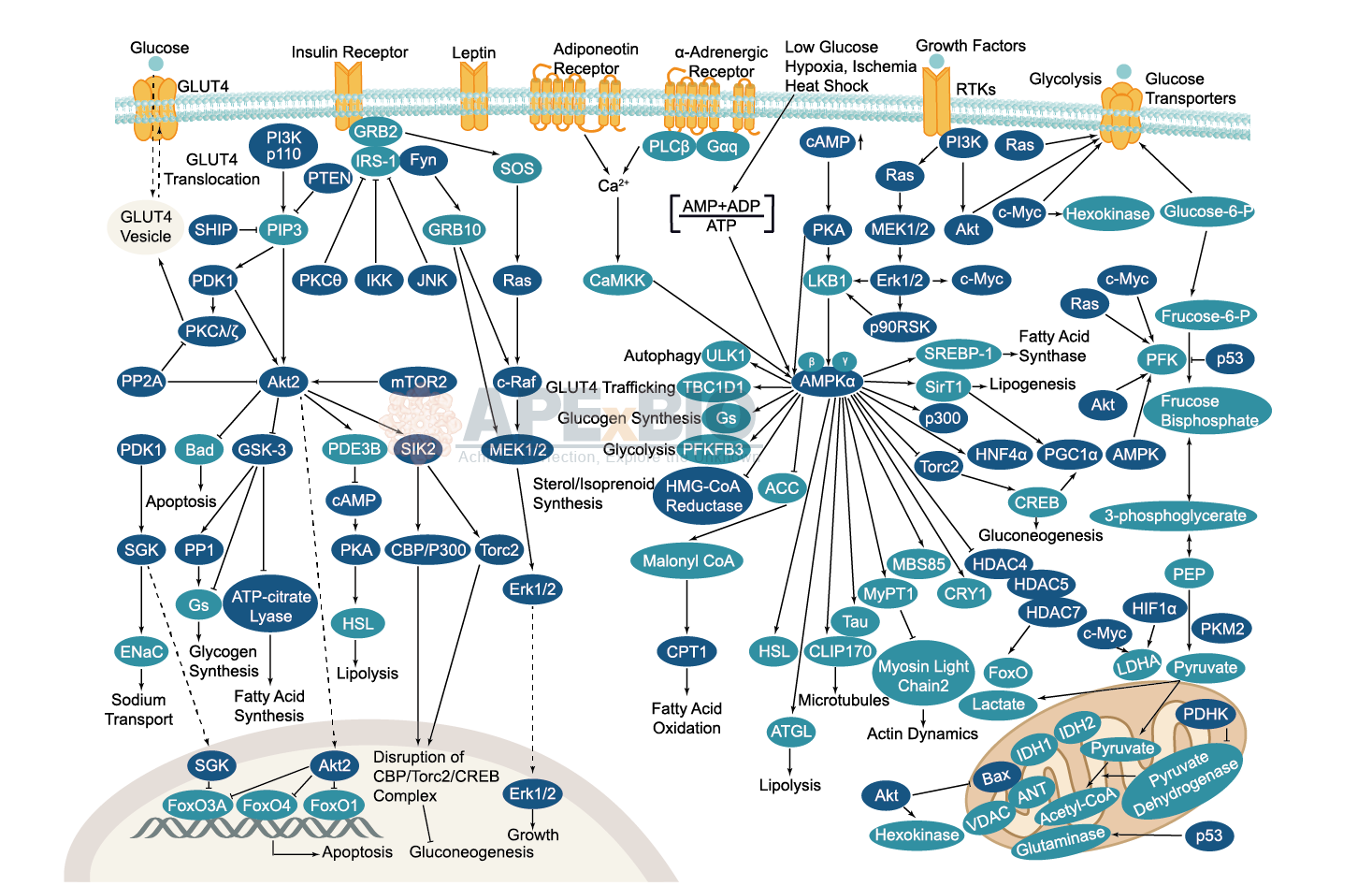
Serine/threonine kinase AMPK upregulates glucose uptake by promoting the expression and function of glucose transporters. AMPK is activated by increased AMP/ATP ratio, resulting from cellular and environmental stress, e.g. low glucose, heat shock, hypoxia and ischemia. AMPK activation positively modulates signaling transductions that refill ATP levels. Moreover, it also stimulates catabolic processes such as fatty acid oxidation and glycolysis through inhibition of ACC and activation of PFK2. AMPK negatively regulates various proteins which are important to ATP-consuming mechanisms, e.g. mTORC2, glycogen synthase, SREBP-1, and TSC2, causing the downregulation/inhibition of gluconeogenesis and glycogen, lipid and protein synthesis.
-
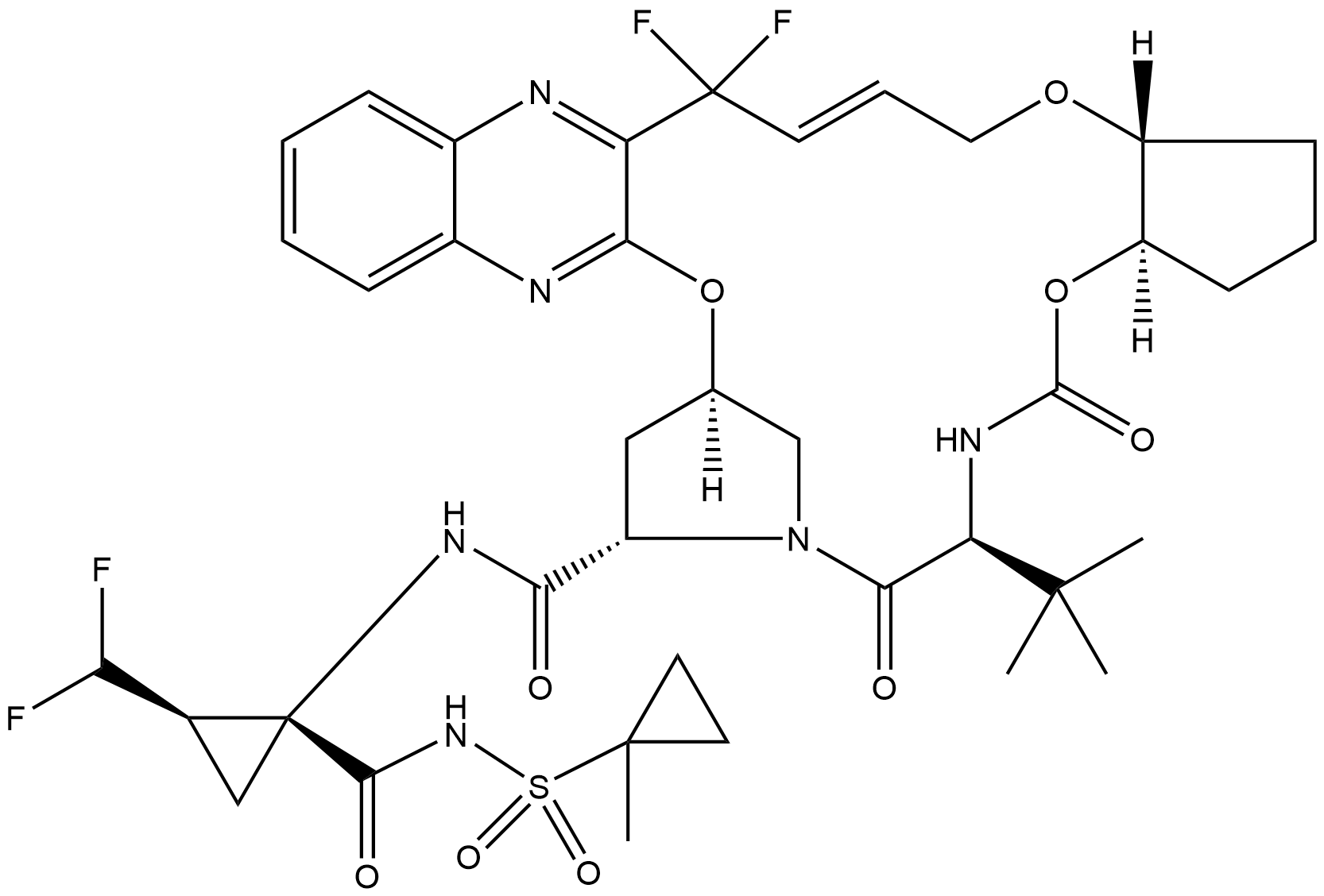 B8756 GlecaprevirSummary: An NS3/4A protease inhibitor used to treat chronic hepatitis C virus infection.
 -
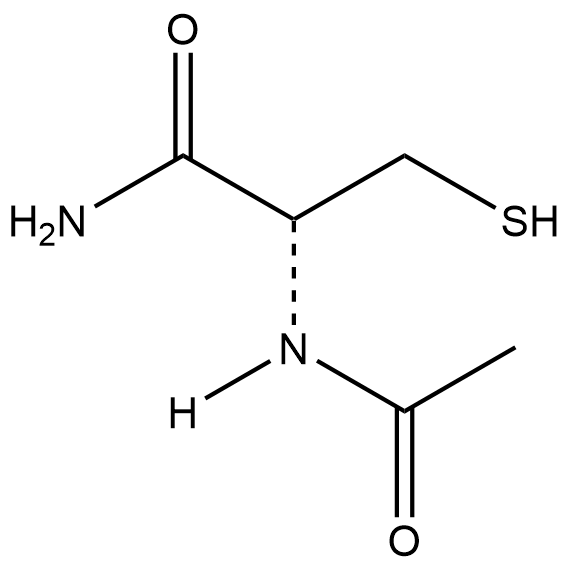 B8778 N-acetyl-L-Cysteine amideSummary: A thiol antioxidant and neuroprotective agent that can cross the blood-brain barrier.
 -
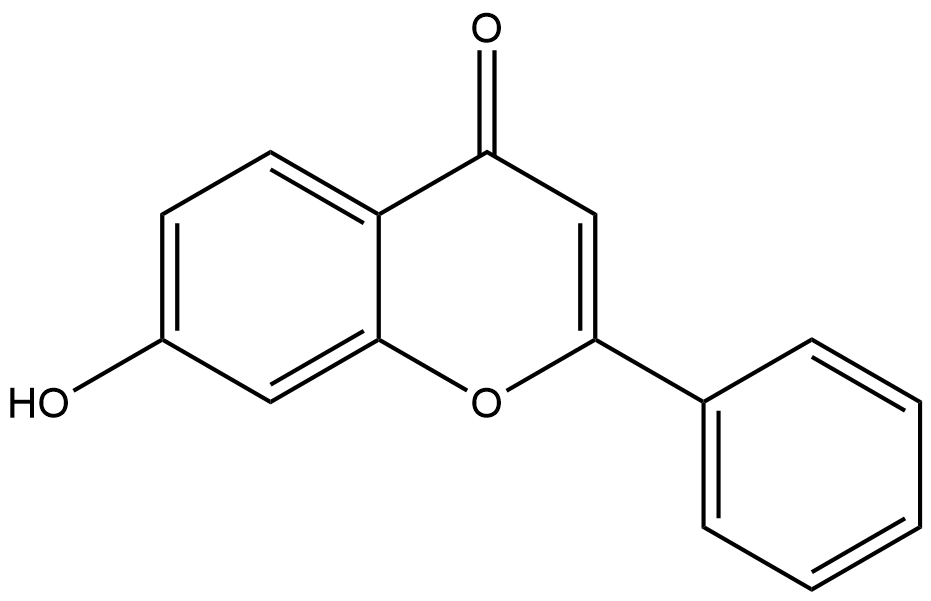 BA6435 7-HydroxyflavoneSummary: 7-Hydroxyflavone is a flavonoid compound.
 -
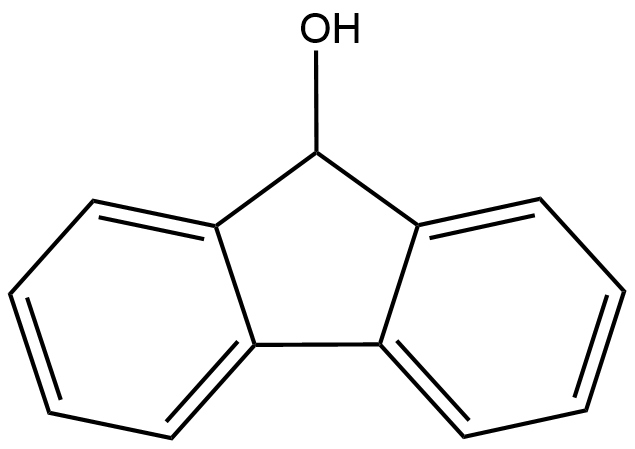 BA7349 9-FluorenolSummary: A dopamine reuptake inhibitor (DAT) with wake-promoting activity
 -
 BA7536 TrilaurinSummary: An orally active triglyceride that inhibits DMBA-induced skin tumor formation and increases plasma HDL cholesterol
 -
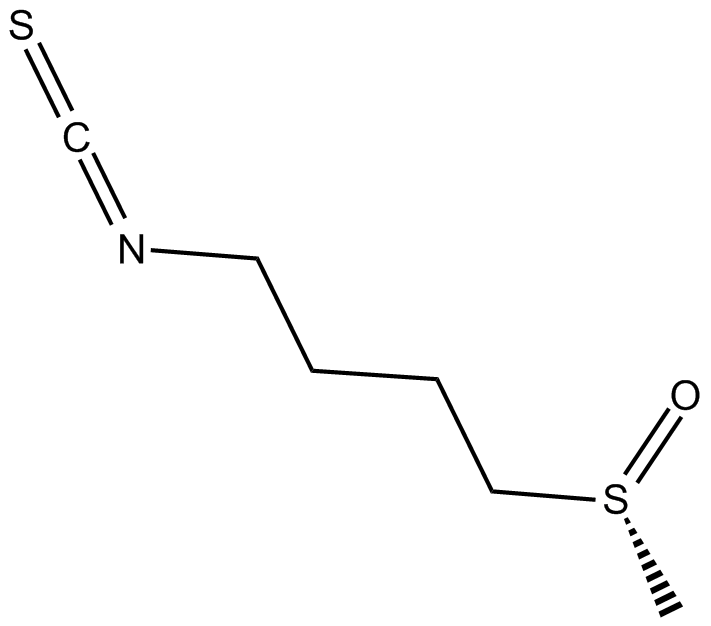 C3028 L-SulforaphaneSummary: Exhibits Nrf2 activation, NF-κB pathway inhibition, and HDAC inhibitory activity.
 -
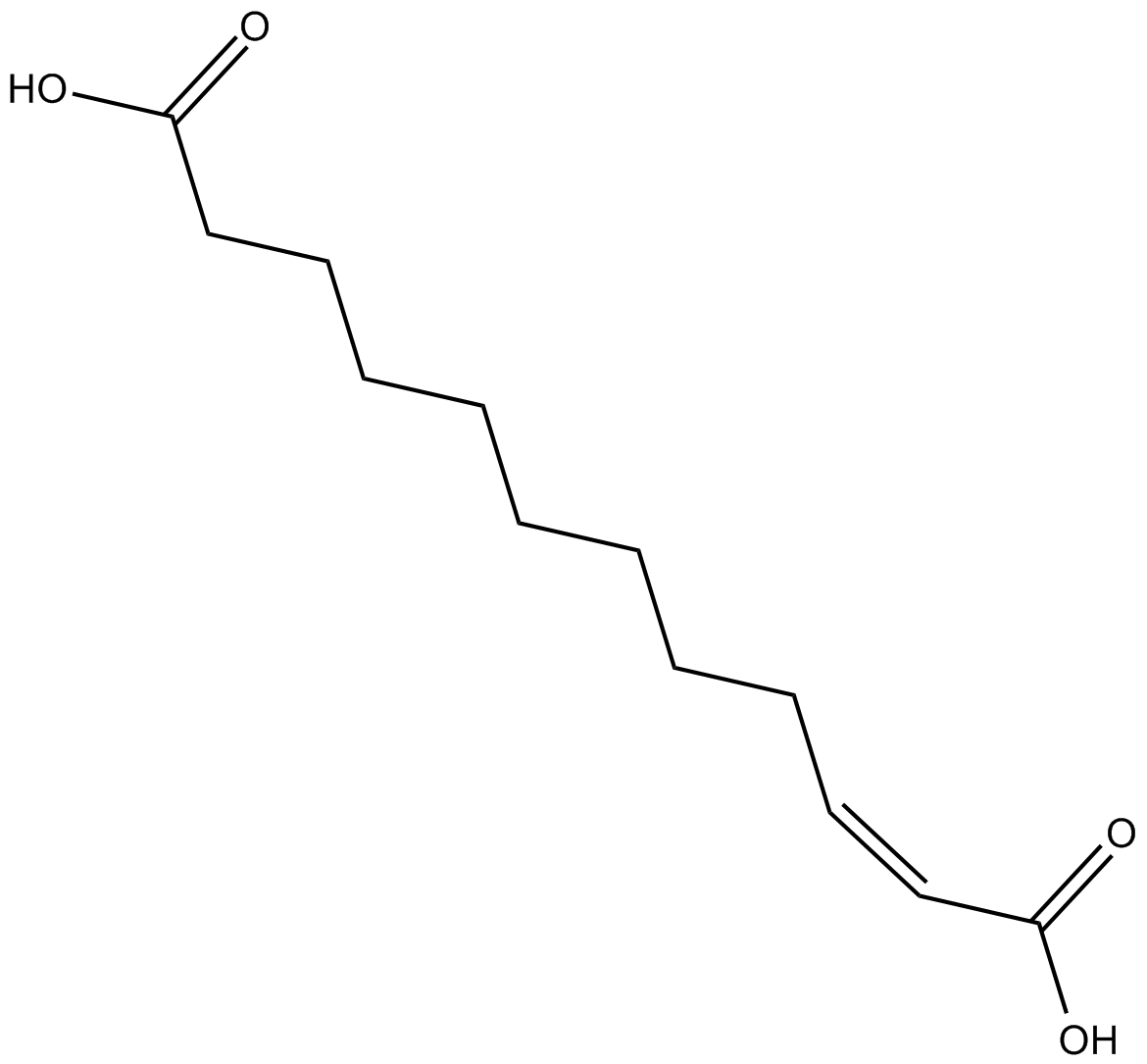 C3048 Traumatic AcidSummary: An active small molecule for research in cancer, circulatory system diseases, and dermatology.
 -
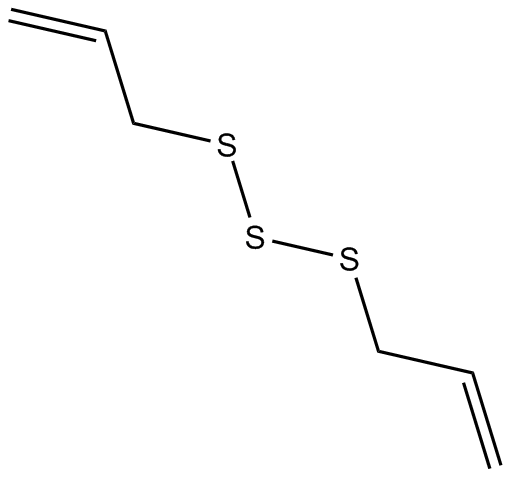 C3079 Diallyl TrisulfideSummary: A natural organosulfur compound with antioxidant, pro-apoptotic, and anti-inflammatory effects.
 -
 C3092 Nervonic AcidSummary: Orally active, exerts anti-inflammatory effects by inhibiting the NF-κB pathway.
 -
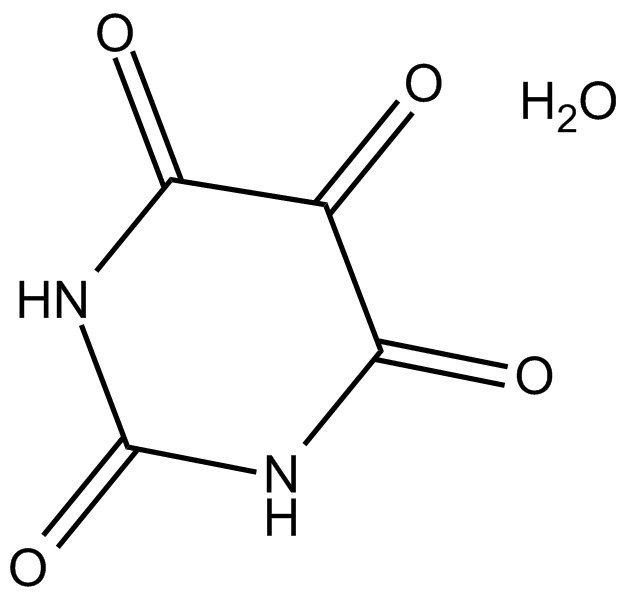 C3104 Alloxan (hydrate)Summary: Selectively damages pancreatic β cells and inhibits proteasome activity to induce diabetes.