HDSF
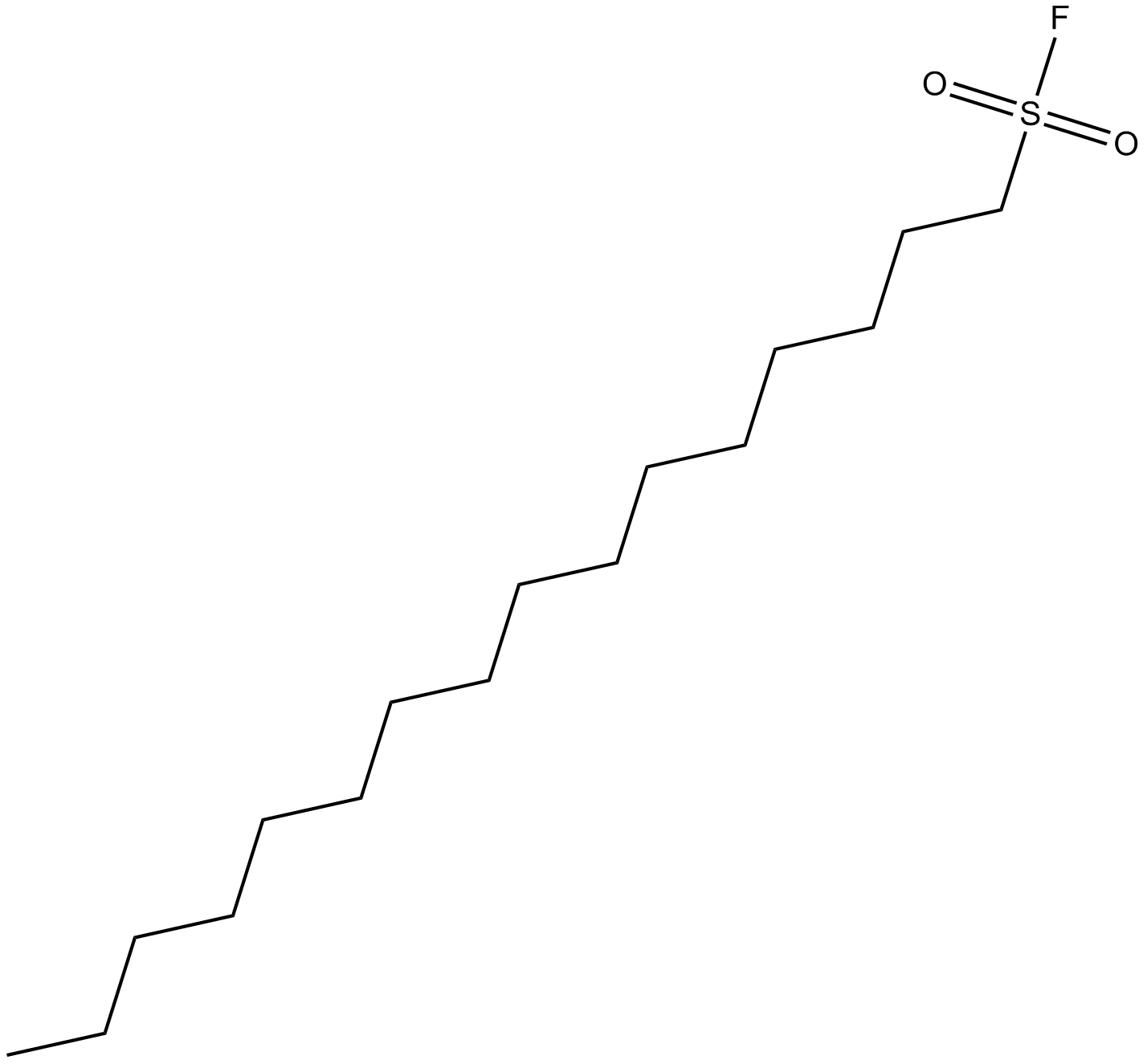
HDSF (CAS No.: 86855-26-7) is a synthetic small molecule belonging to the sulfonyl fluoride class, characterized by its electrophilic functionality that enables covalent interaction with nucleophilic residues in target proteins, and is widely utilized as a biochemical probe in enzyme inhibition studies. Also known as AM 374, this compound functions as a potent and selective inhibitor of fatty acid amide hydrolase (FAAH), a key serine hydrolase involved in the degradation of endocannabinoid signaling lipids, thereby modulating pathways associated with lipid metabolism and neurotransmission. HDSF exhibits strong inhibitory activity against FAAH with potency in the nanomolar range, reflecting its high affinity and effectiveness in suppressing amidase activity in vitro. Due to its mechanism of action, it is commonly employed in studies investigating endocannabinoid system regulation, enzyme kinetics, and the role of FAAH in neurological and metabolic processes. In experimental settings, HDSF is used across a range of in vitro assays and preclinical models to evaluate enzyme function and to support target validation in drug discovery programs, with concentrations and dosing regimens adjusted according to specific assay conditions and research objectives.
| Physical Appearance | Solid |
| Storage | -20°C |
| M.Wt | 308.5 |
| Cas No. | 86855-26-7 |
| Formula | C16H33FO2S |
| Synonyms | Hexadecanesulfonyl fluoride, HDSF |
| Solubility | ≥7.9 mg/mL in DMSO with ultrasonic; ≥5.04 mg/mL in EtOH with ultrasonic; insoluble in H2O |
| Chemical Name | hexadecane-1-sulfonyl fluoride |
| Canonical SMILES | CCCCCCCCCCCCCCCCS(F)(=O)=O |
| Shipping Condition | Small Molecules with Blue Ice, Modified Nucleotides with Dry Ice. |
| General tips | We do not recommend long-term storage for the solution, please use it up soon. |