


Metabolism
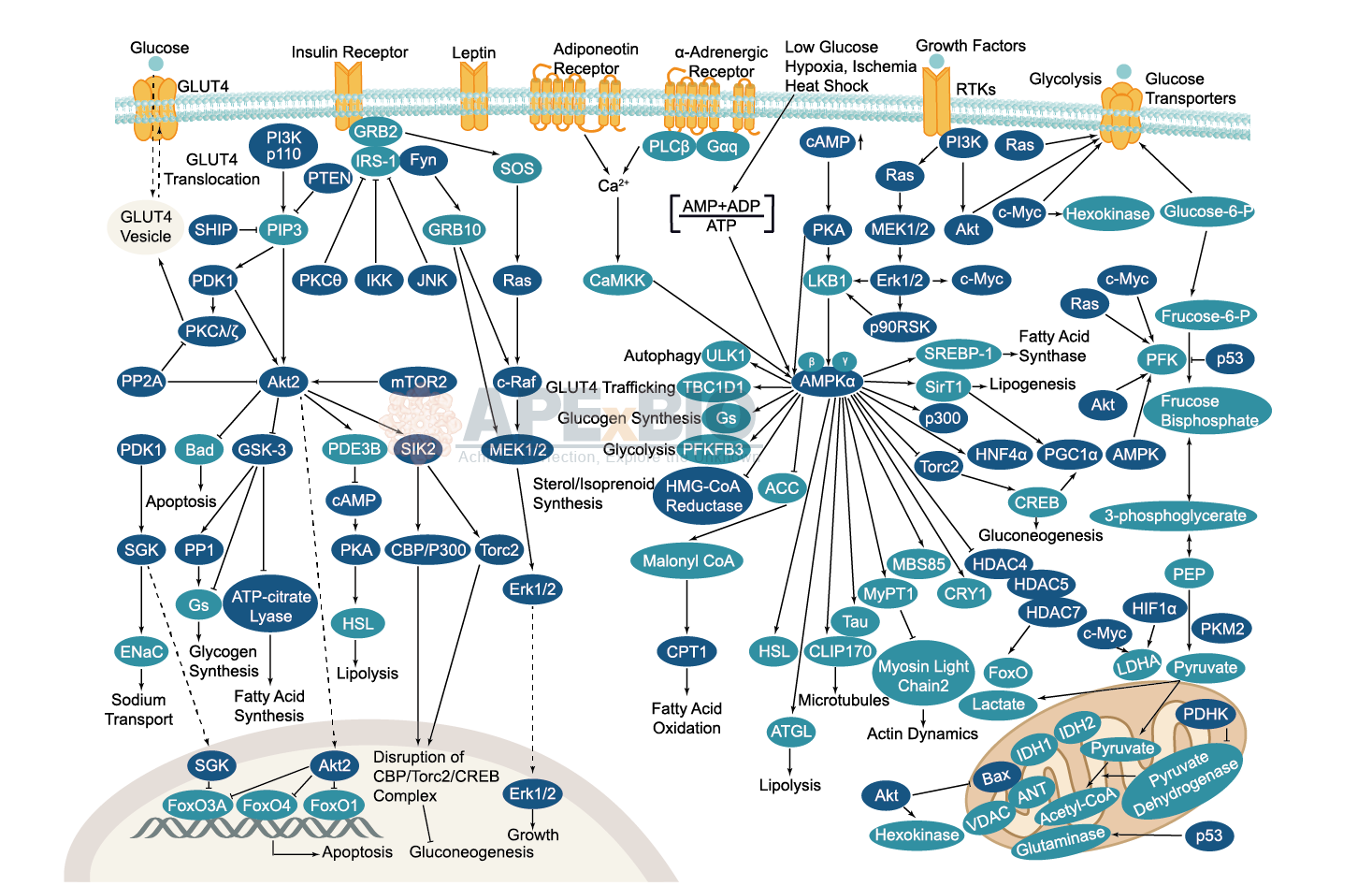
Serine/threonine kinase AMPK upregulates glucose uptake by promoting the expression and function of glucose transporters. AMPK is activated by increased AMP/ATP ratio, resulting from cellular and environmental stress, e.g. low glucose, heat shock, hypoxia and ischemia. AMPK activation positively modulates signaling transductions that refill ATP levels. Moreover, it also stimulates catabolic processes such as fatty acid oxidation and glycolysis through inhibition of ACC and activation of PFK2. AMPK negatively regulates various proteins which are important to ATP-consuming mechanisms, e.g. mTORC2, glycogen synthase, SREBP-1, and TSC2, causing the downregulation/inhibition of gluconeogenesis and glycogen, lipid and protein synthesis.
-
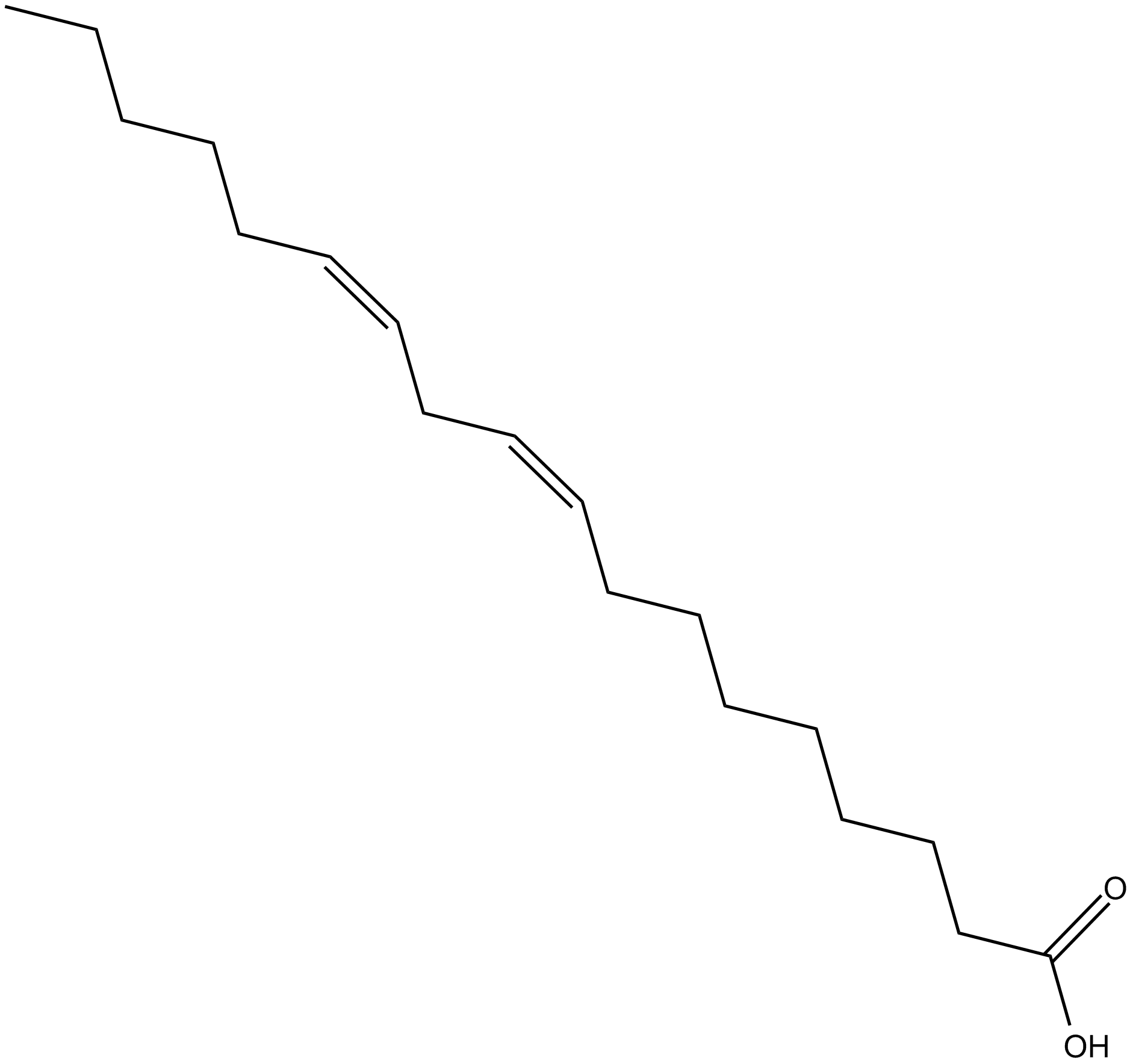 C3108 Linoleic AcidSummary: A polyunsaturated fatty acid commonly used to induce oxidative stress to establish red blood cell injury models.
 -
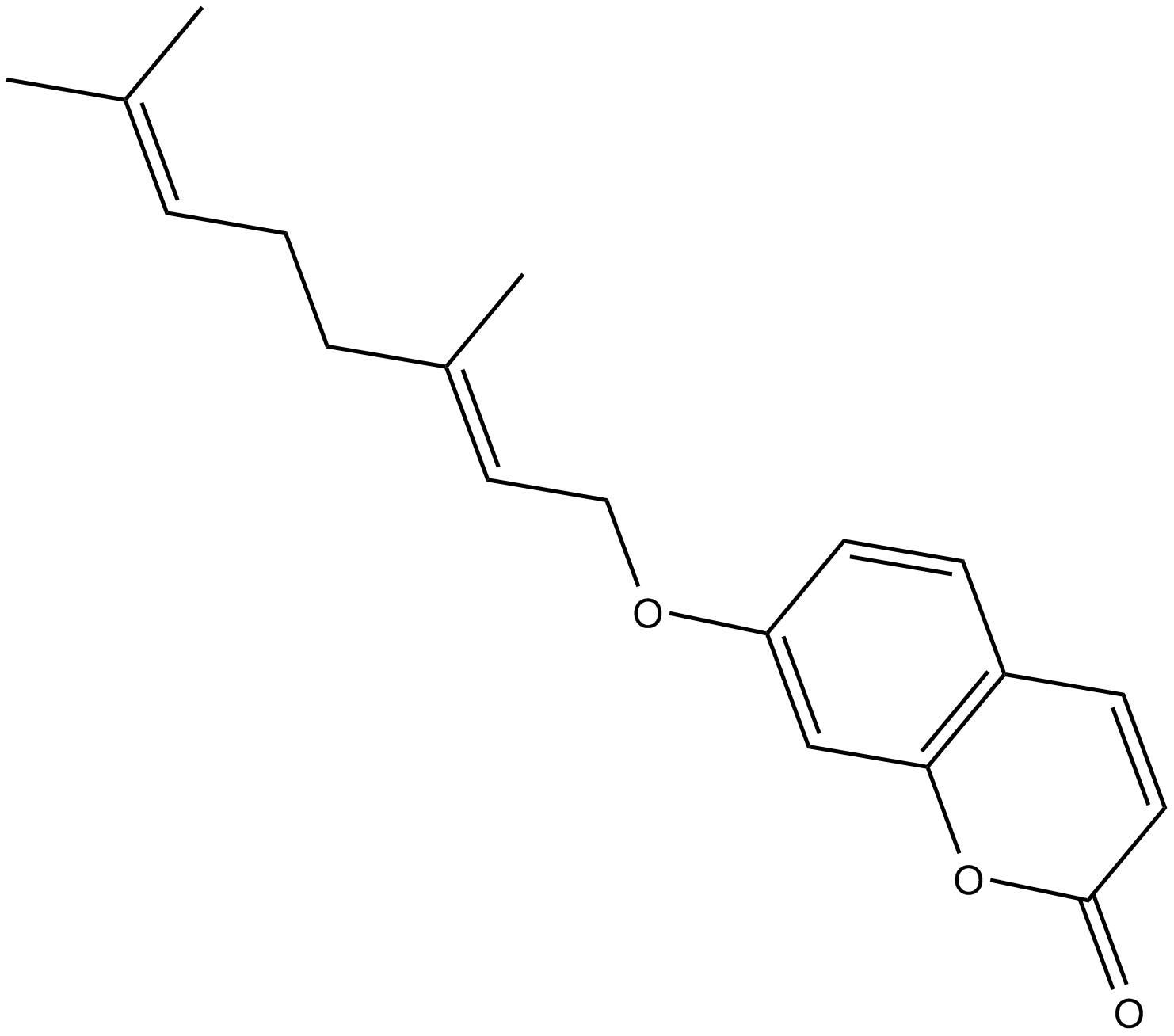 C3126 AurapteneSummary: A coumarin compound with anti-inflammatory, antioxidant, and anti-pathogen activities.
 -
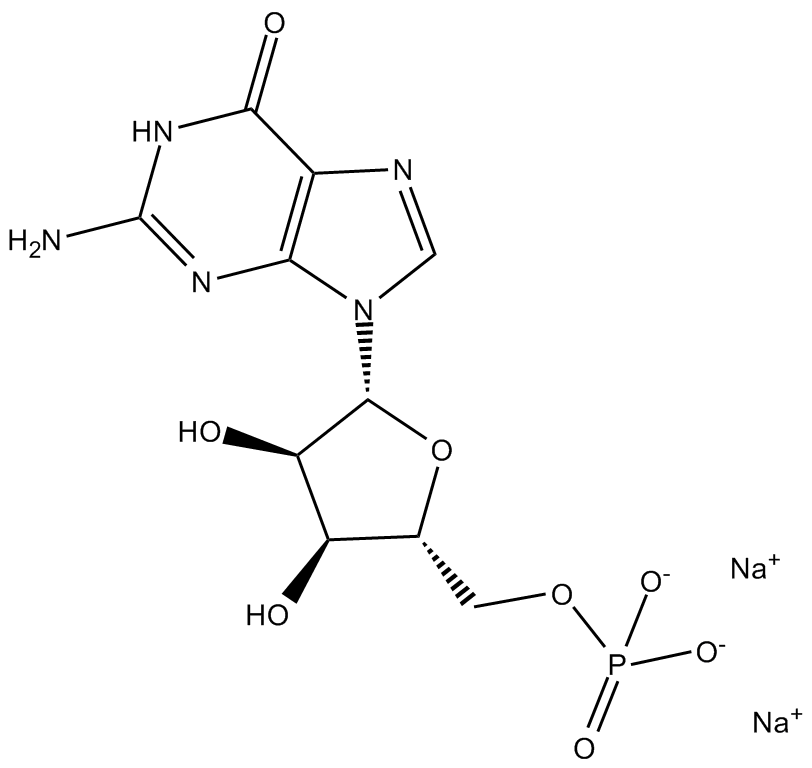 C3134 Guanosine 5'-monophosphate (sodium salt)Summary: A reagent for gene expression research and cell signal transduction analysis.
 -
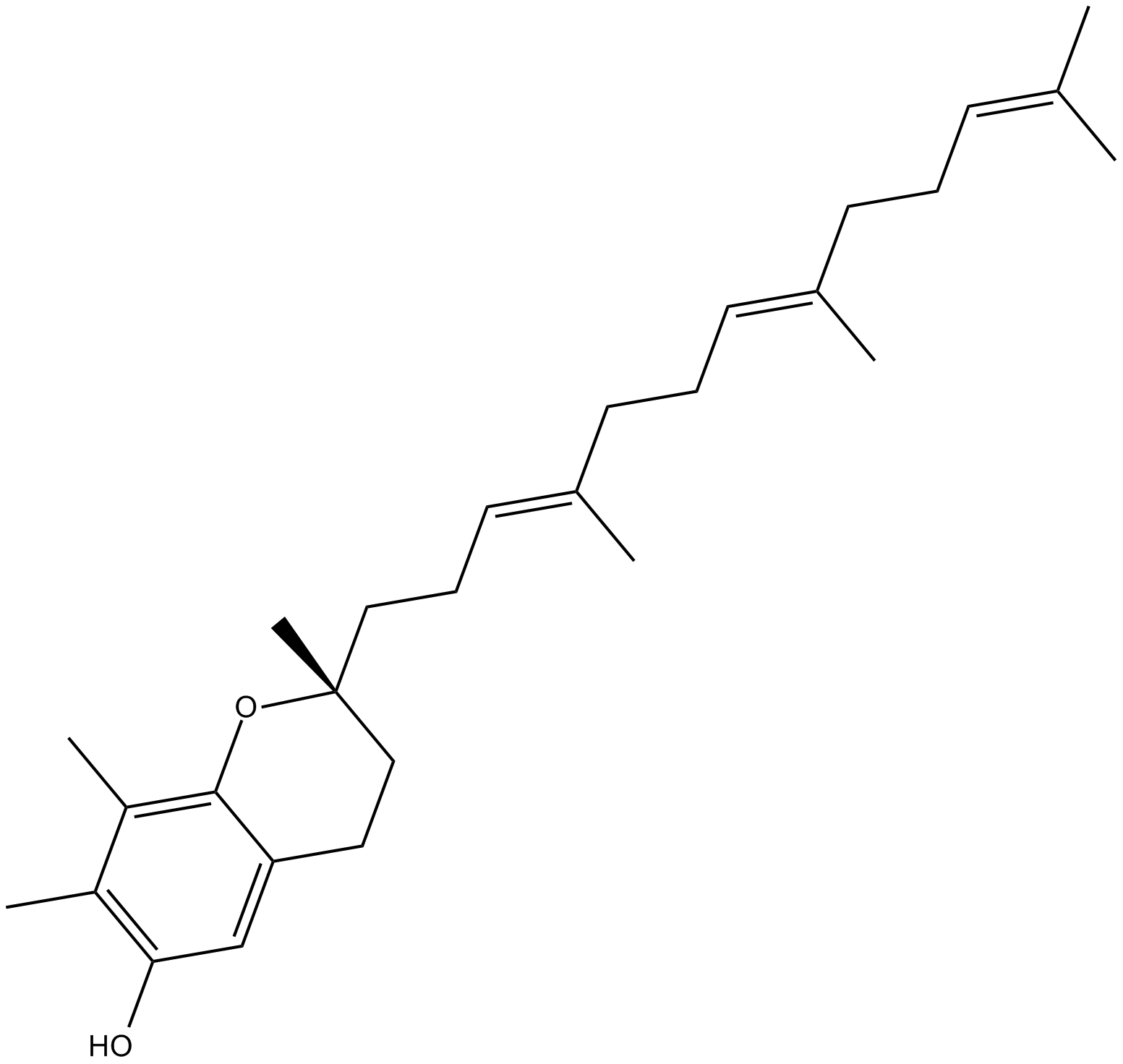 C3144 γ-TocotrienolSummary: A form of vitamin E, antioxidant
 -
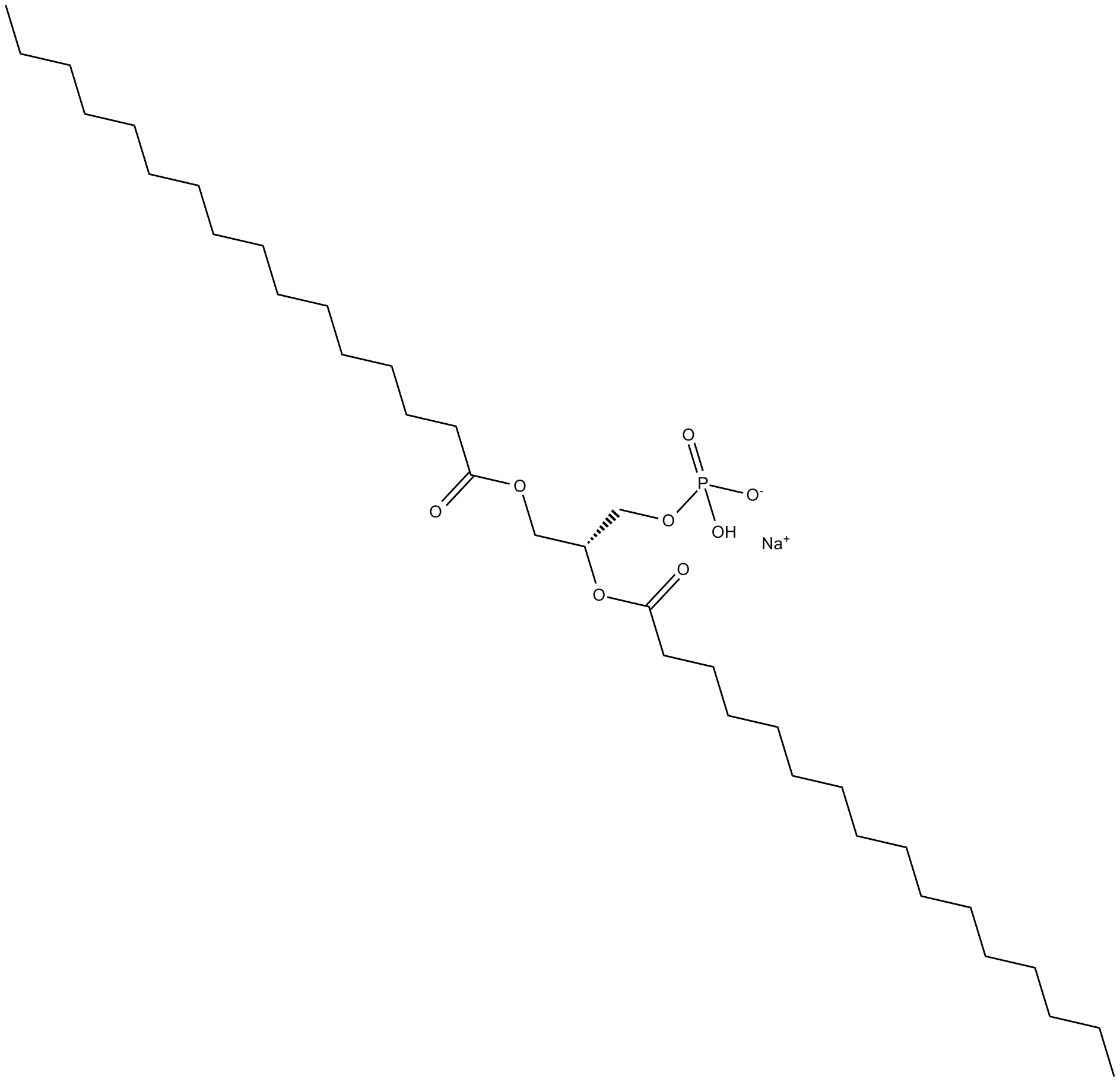 C3161 1,2-Dipalmitoyl-sn-glycero-3-phosphate (sodium salt)Summary: A phospholipid ester used for the preparation of micelles, liposomes, and artificial membranes.
 -
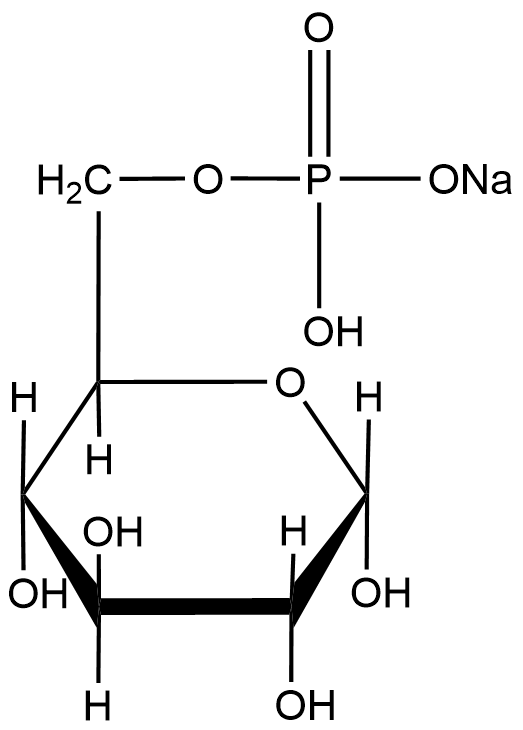 C3162 D-Glucose-6-phosphate (sodium salt)Summary: An intermediate in glucose metabolism, involved in glycolysis and the pentose phosphate pathway.
 -
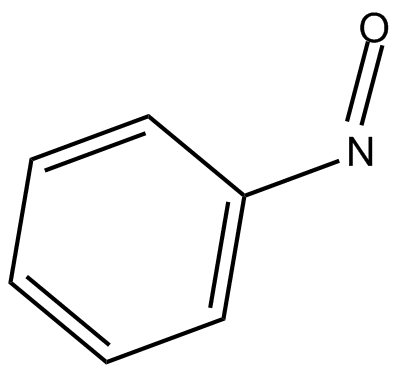 C3178 NitrosobenzeneSummary: A free radical scavenger used to study mechanisms of oxidative stress and inflammatory responses.
 -
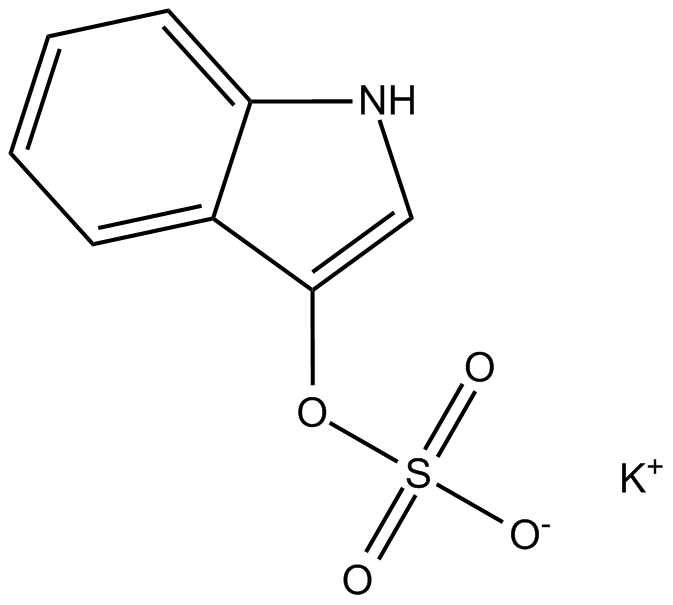 C3199 Indoxyl Sulfate (potassium salt)Summary: A metabolite used to study uremic toxicity in chronic kidney disease and the mechanisms of renal fibrosis.
 -
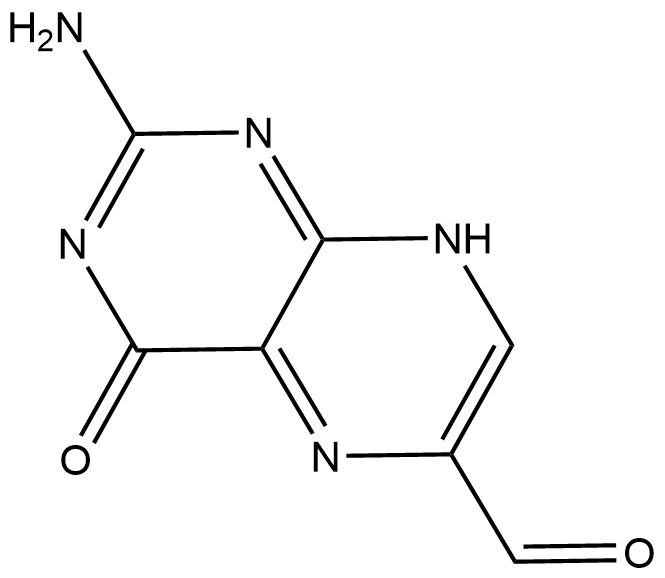 C3231 6-FormylpterinSummary: Inhibits xanthine oxidase, induces ROS-mediated apoptosis and inhibits tumor cell growth
 -
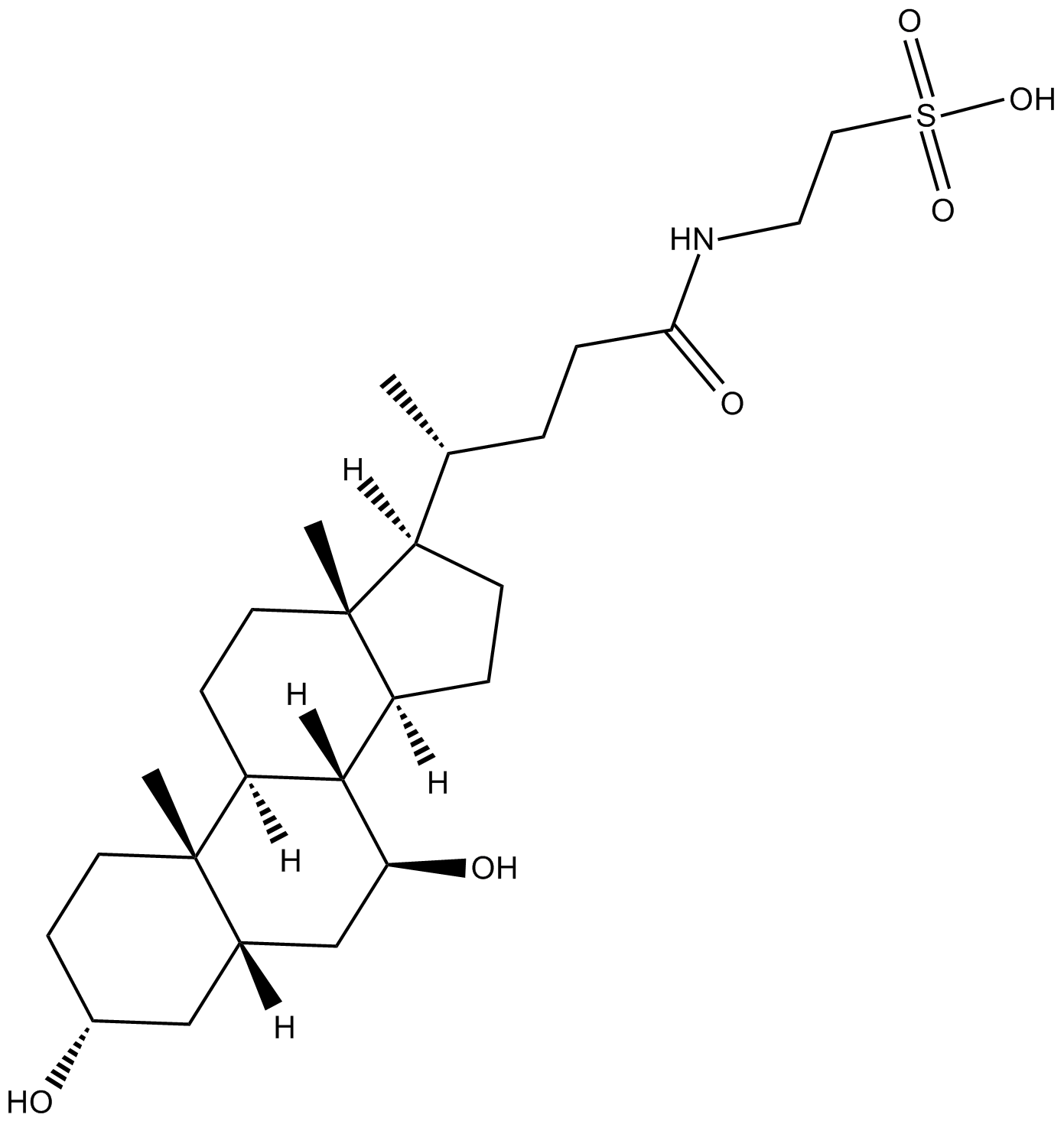 C3233 Tauroursodeoxycholic AcidSummary: Mitochondrial stabilizer, anti-apoptotic agent