


Metabolism
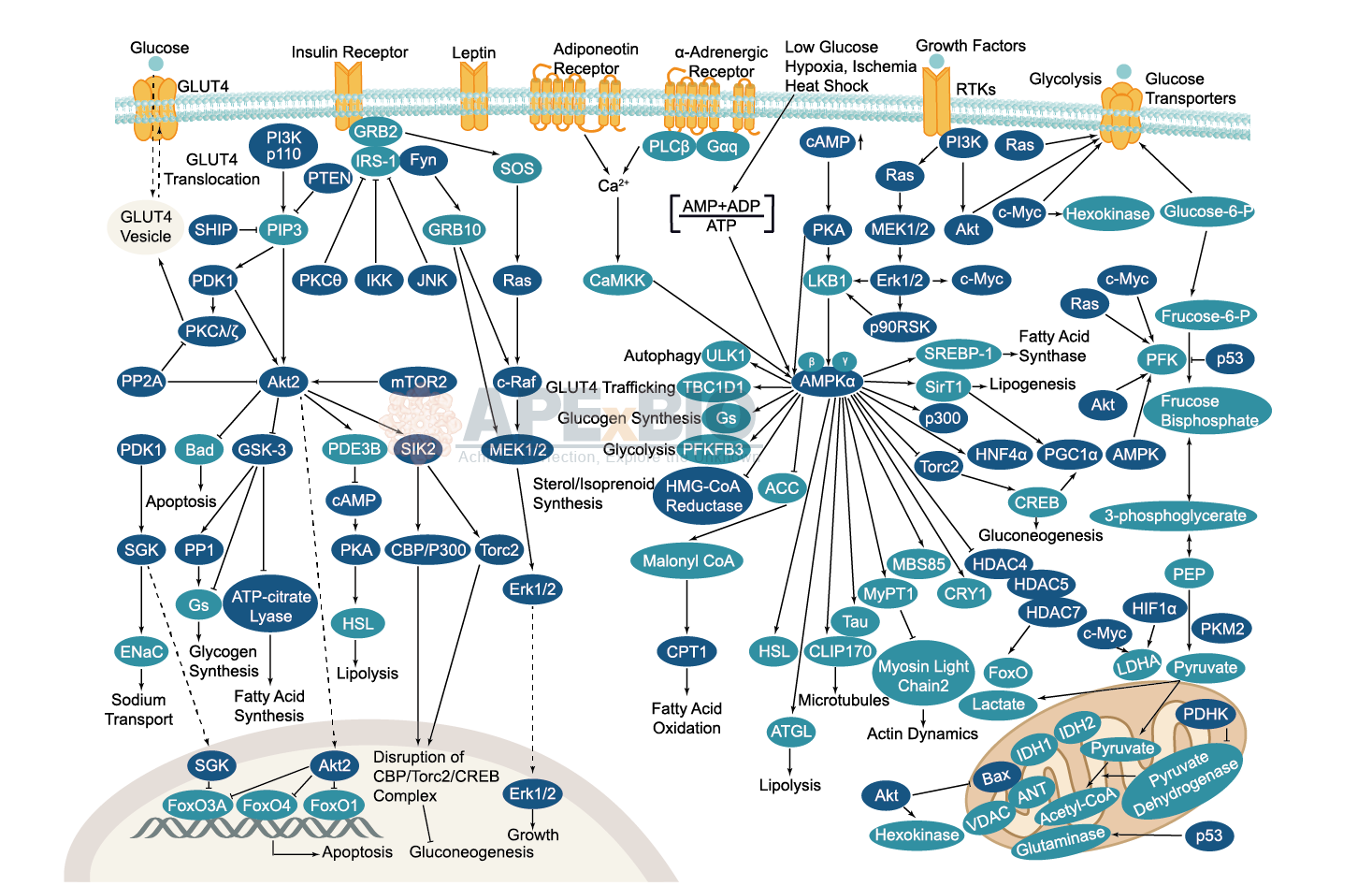
Serine/threonine kinase AMPK upregulates glucose uptake by promoting the expression and function of glucose transporters. AMPK is activated by increased AMP/ATP ratio, resulting from cellular and environmental stress, e.g. low glucose, heat shock, hypoxia and ischemia. AMPK activation positively modulates signaling transductions that refill ATP levels. Moreover, it also stimulates catabolic processes such as fatty acid oxidation and glycolysis through inhibition of ACC and activation of PFK2. AMPK negatively regulates various proteins which are important to ATP-consuming mechanisms, e.g. mTORC2, glycogen synthase, SREBP-1, and TSC2, causing the downregulation/inhibition of gluconeogenesis and glycogen, lipid and protein synthesis.
-
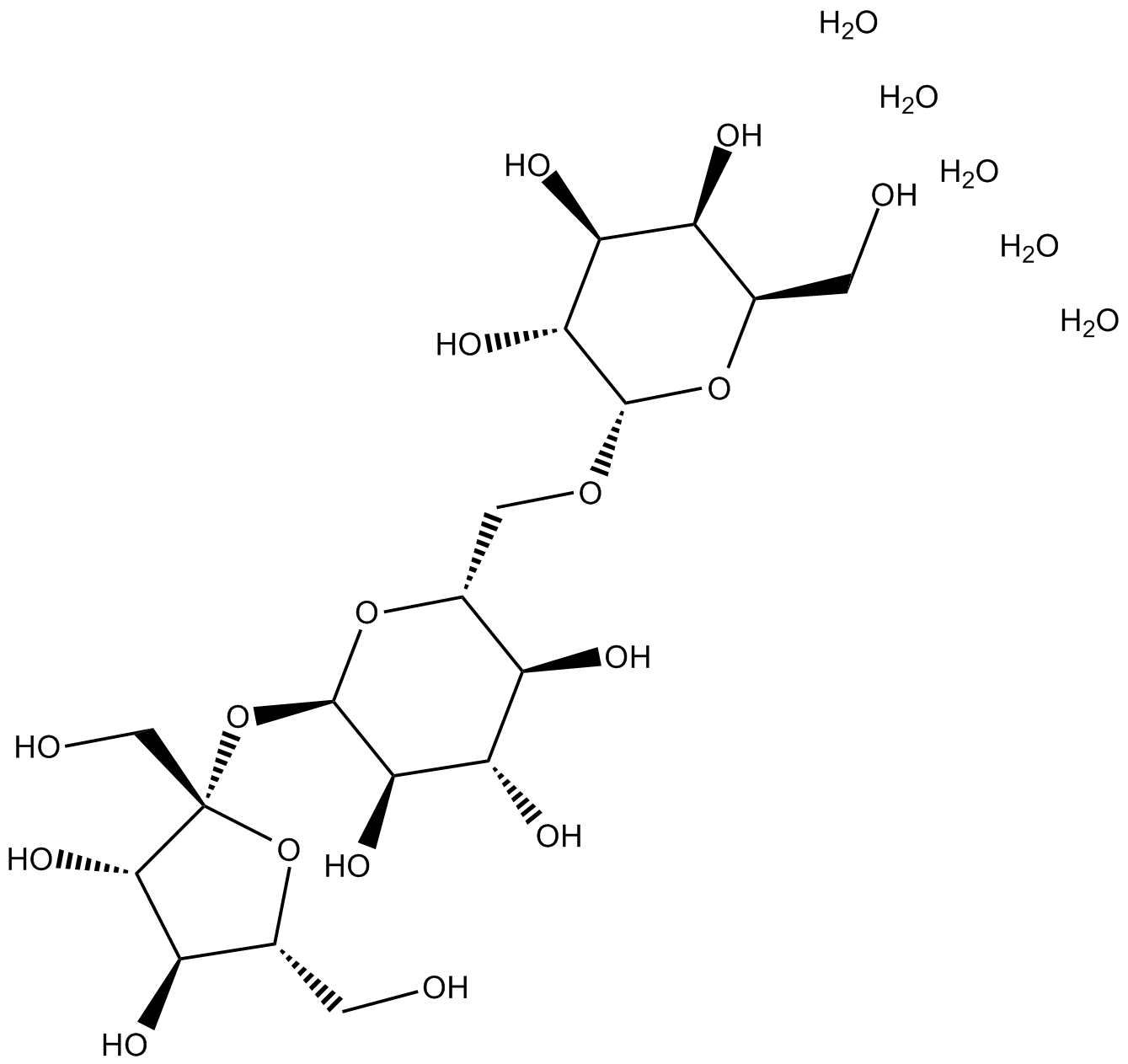 C3436 D-(+)-Raffinose (hydrate)Summary: A functional oligosaccharide used to study the regulation of carbohydrate metabolism and metabolic disorders.
 -
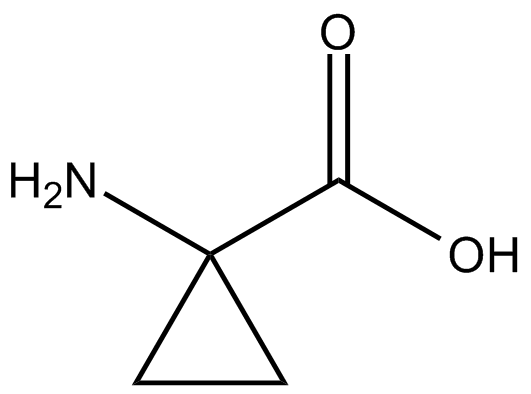 C3439 1-Aminocyclopropanecarboxylic AcidSummary: NMDA agonist, acts at the glycine site
 -
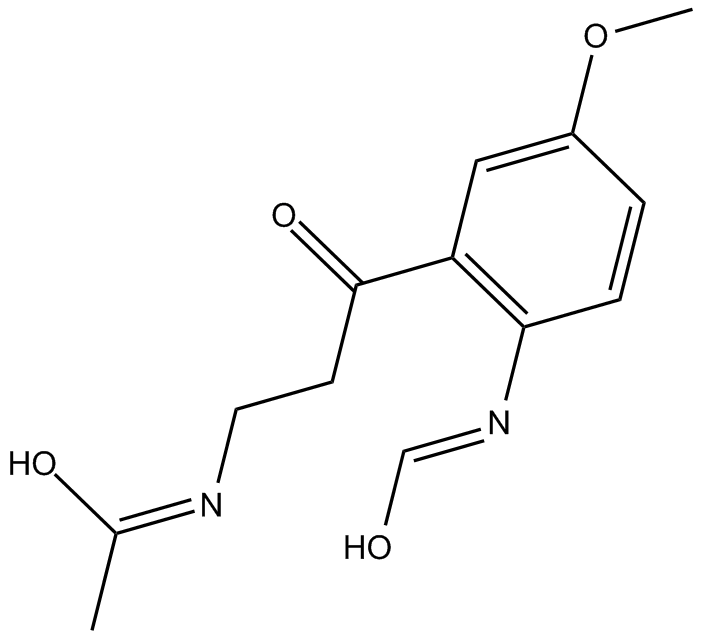 C3440 AFMKSummary: An antioxidant metabolite that can alleviate oxidative damage and enhance anti-tumor efficacy.
 -
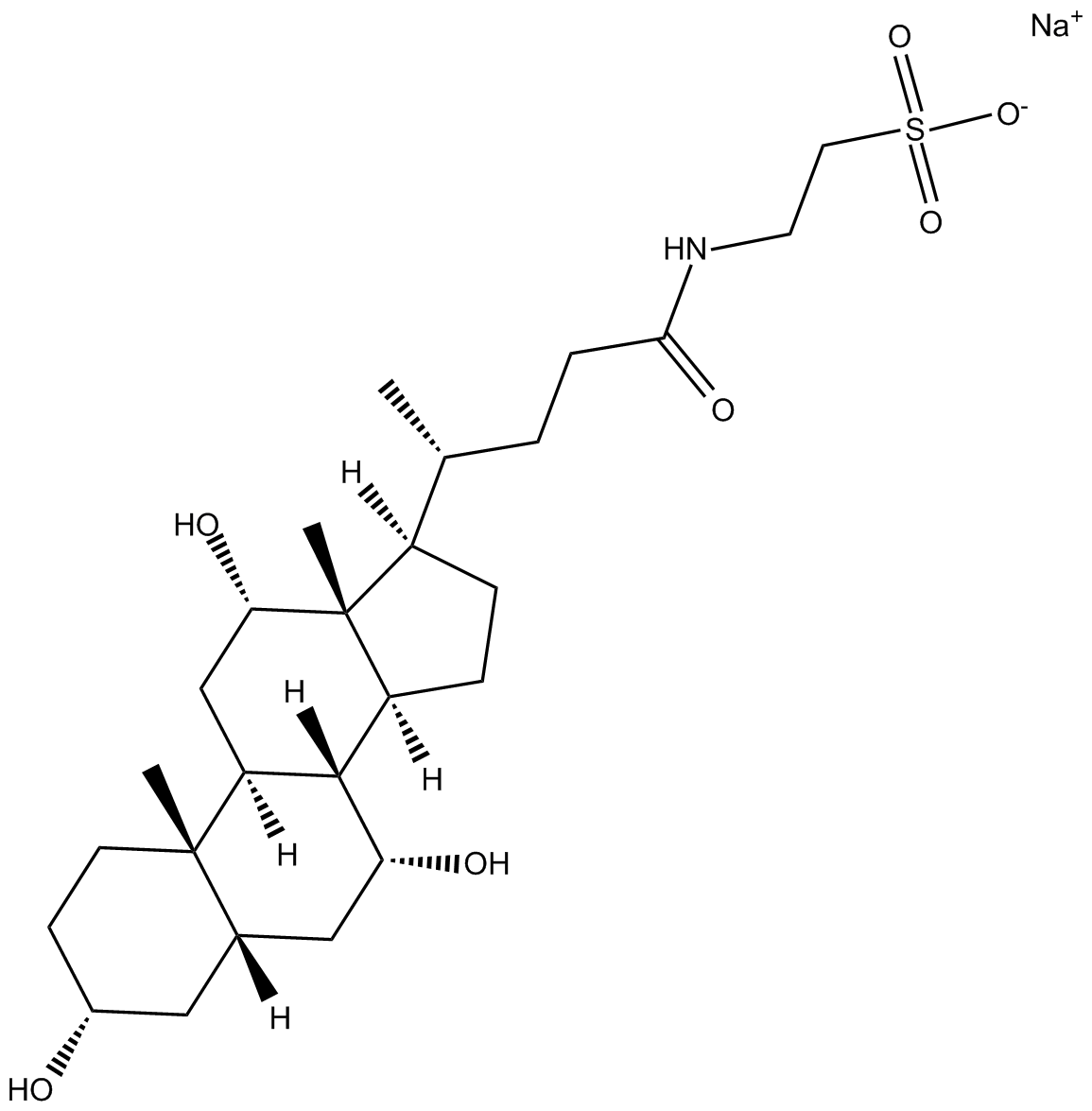 C3459 Taurocholic Acid (sodium salt)Summary: Has activity in regulating VEGF-A expression and immunomodulation, used for hepatobiliary research.
 -
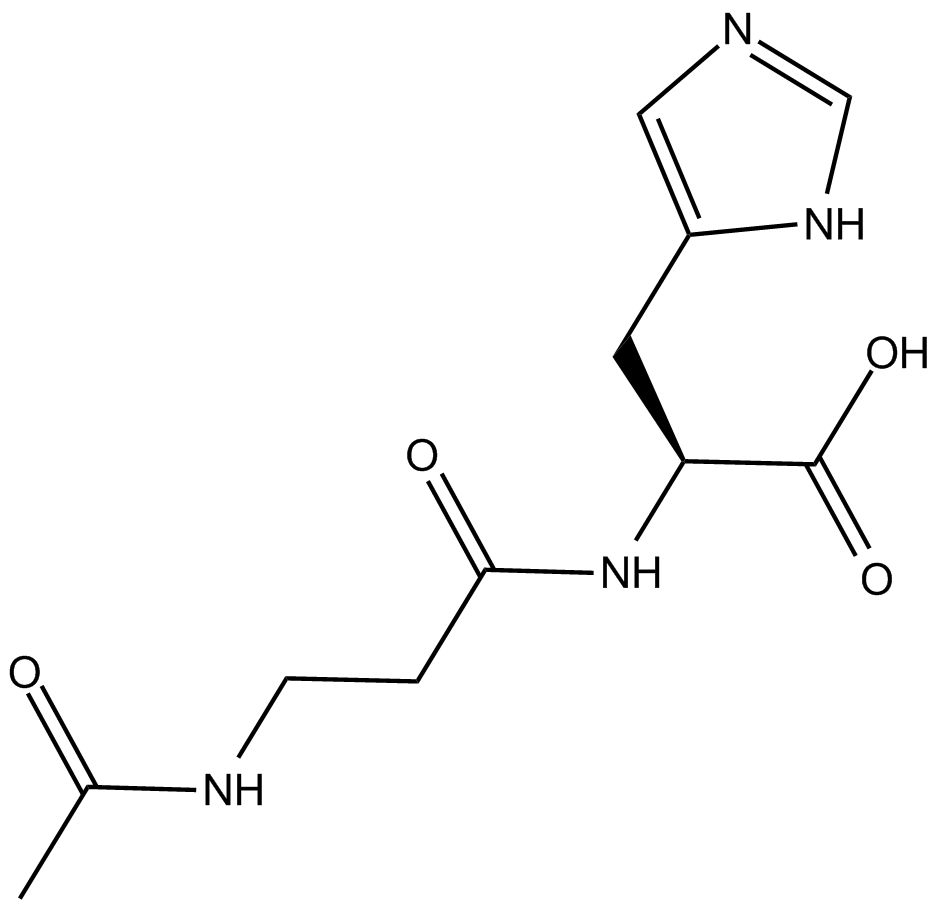 C3489 N-acetyl-L-CarnosineSummary: An ophthalmic drug used to treat human cataracts.
 -
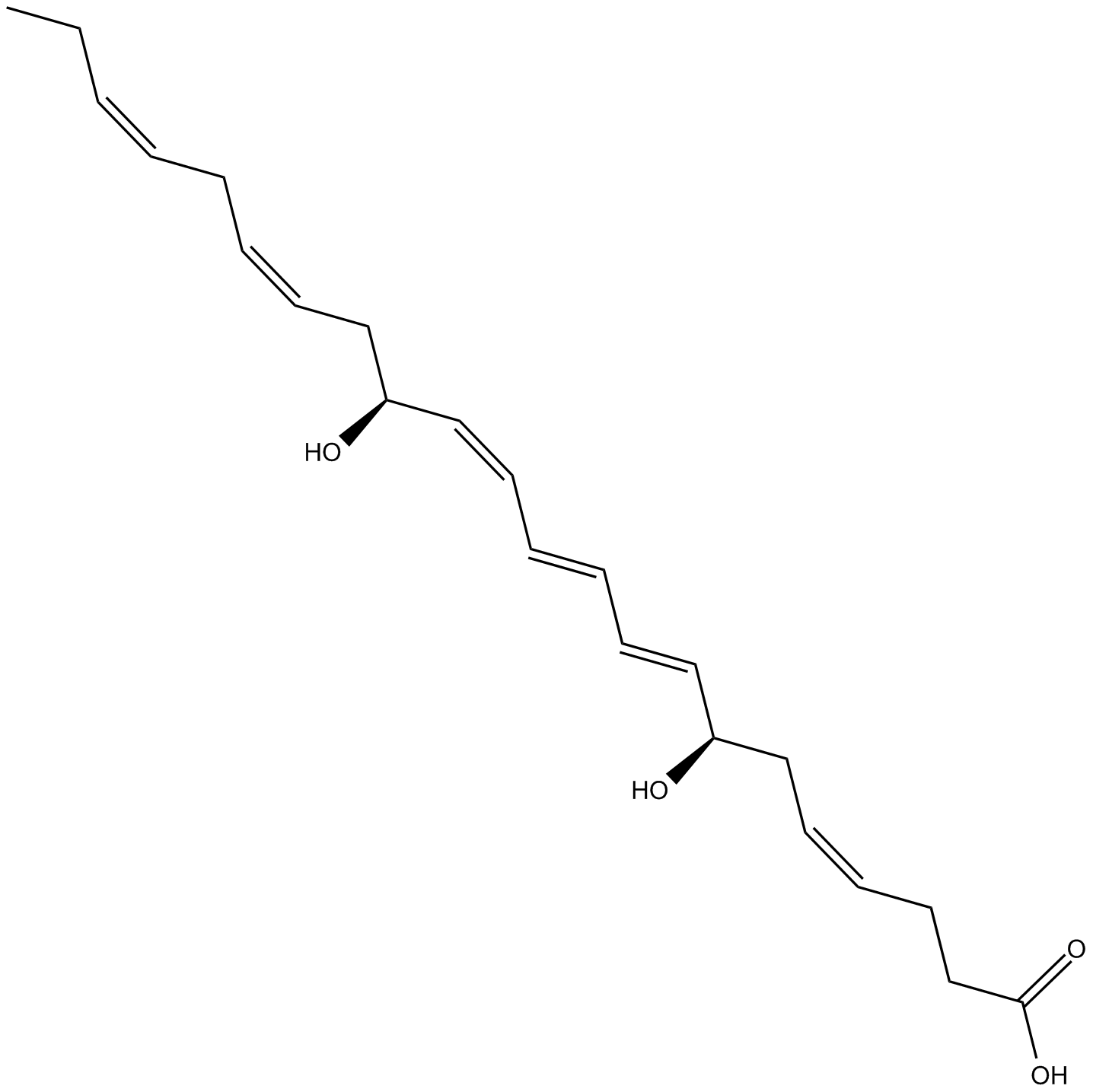 C3514 Maresin 1Summary: A small-molecule compound that can inhibit inflammatory responses and regulate calcium ion secretion.
 -
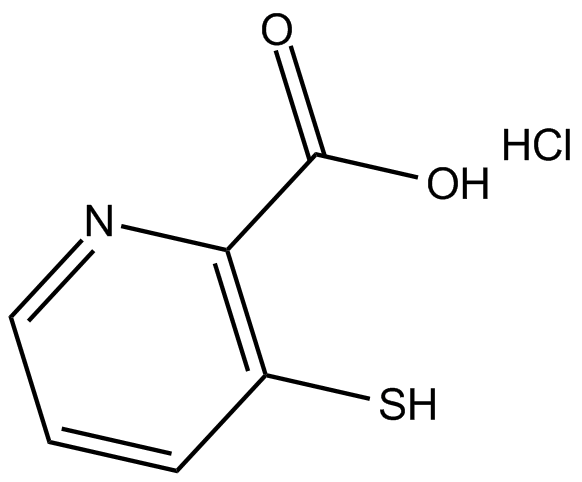 C3543 3-Mercaptopicolinic Acid (hydrochloride)Summary: Competitively inhibits PEPCK, disrupting gluconeogenesis and amino acid metabolism.
 -
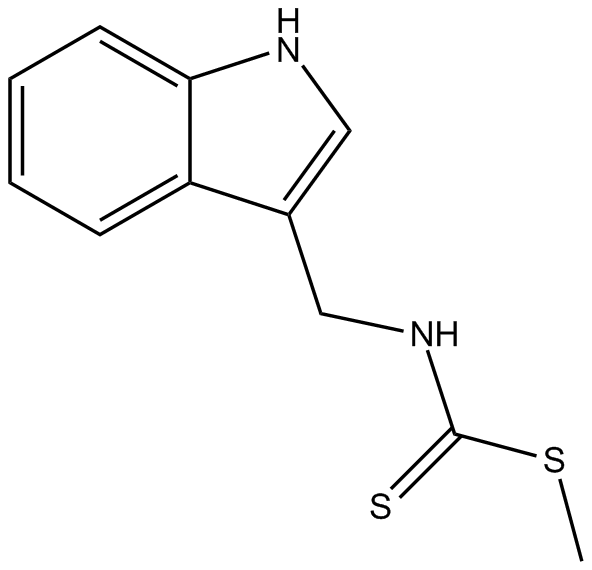 C3555 BrassininSummary: A natural indole metabolite for research on tumor signaling pathways and anti-inflammatory mechanisms.
 -
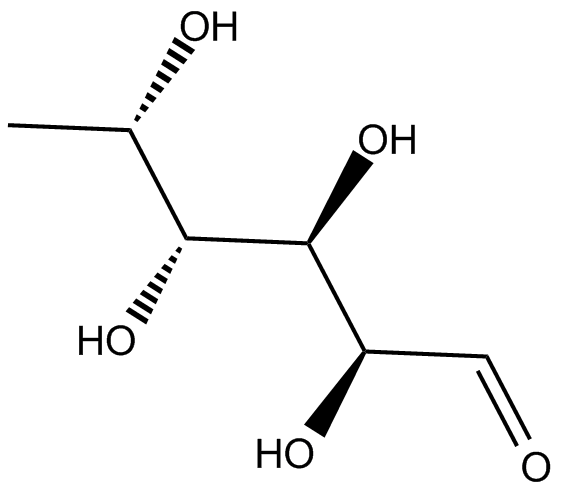 C3589 L-(?)-FucoseSummary: Glycan-modified carbohydrate
 -
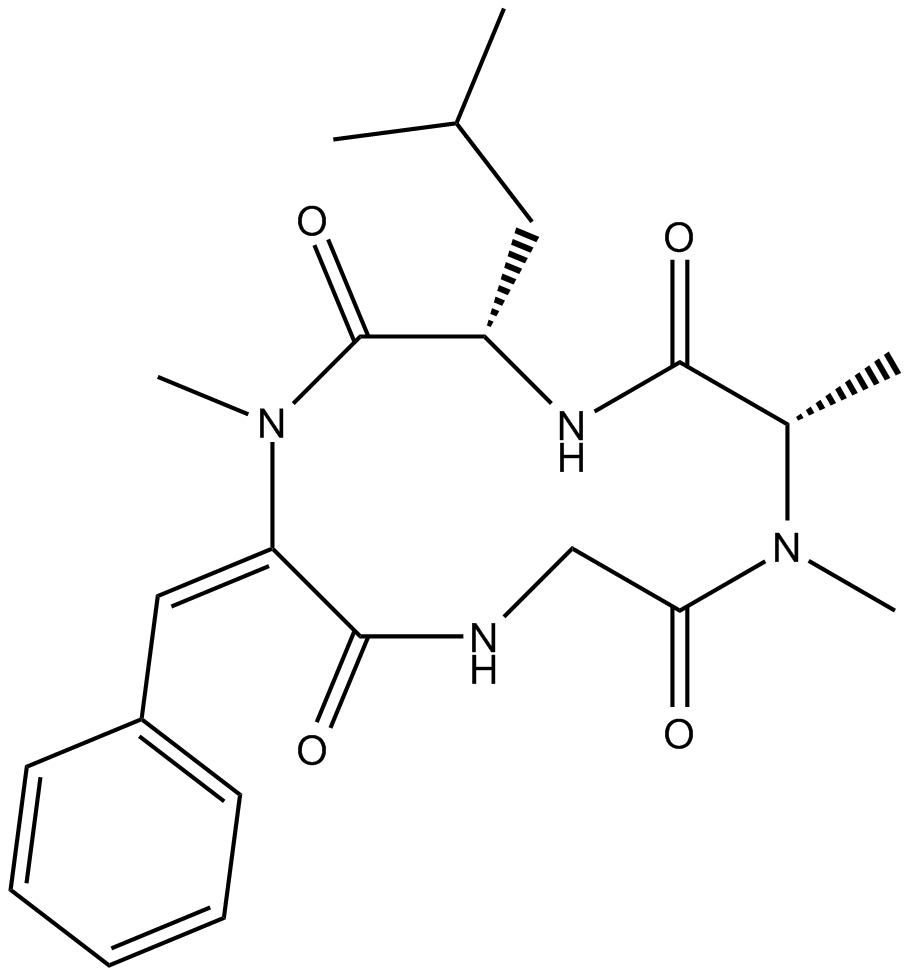 C3594 TentoxinSummary: A cyclic tetrapeptide chloroplast ATP synthase inhibitor produced by Alternaria alternata.