


Metabolism
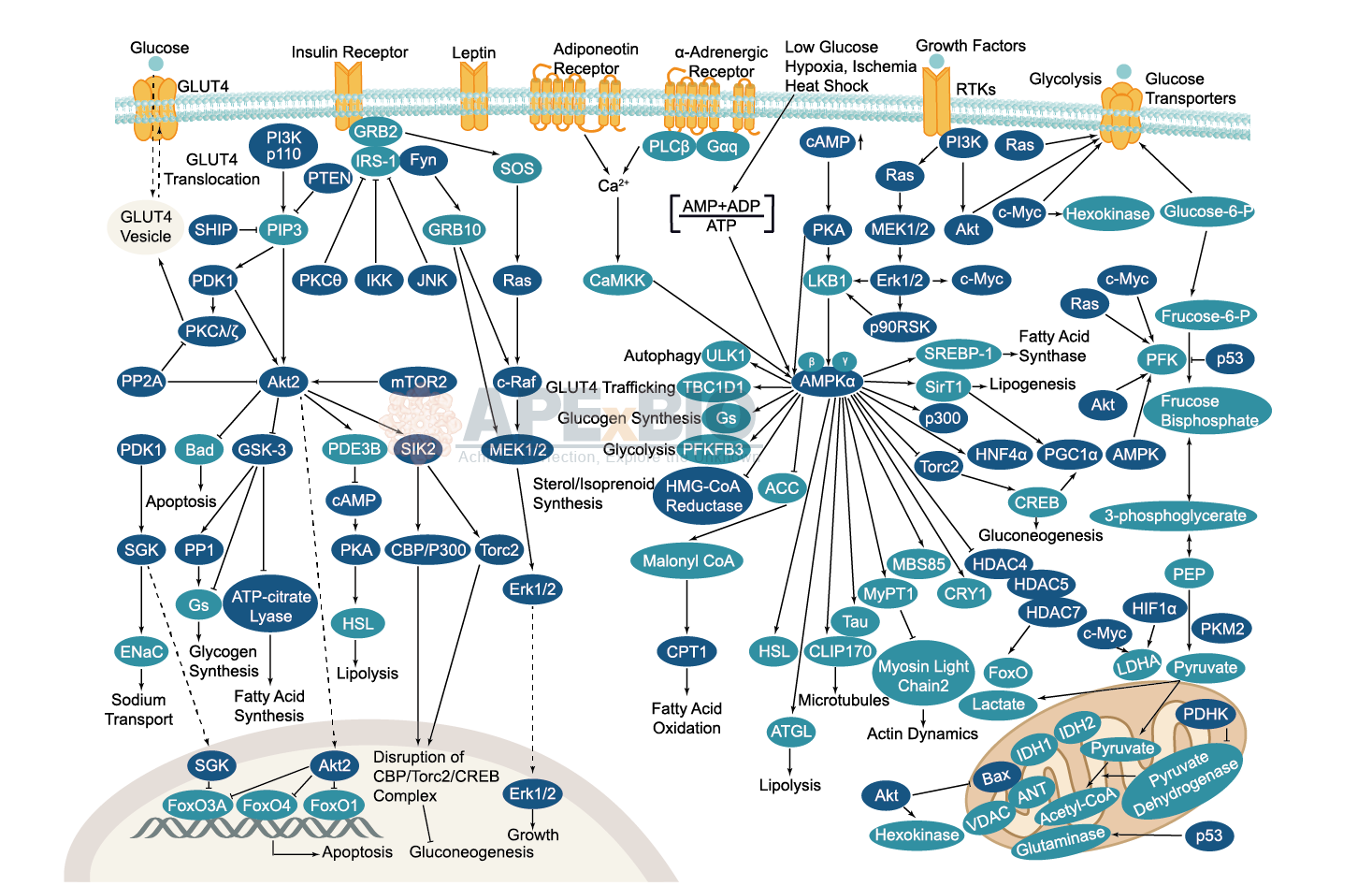
Serine/threonine kinase AMPK upregulates glucose uptake by promoting the expression and function of glucose transporters. AMPK is activated by increased AMP/ATP ratio, resulting from cellular and environmental stress, e.g. low glucose, heat shock, hypoxia and ischemia. AMPK activation positively modulates signaling transductions that refill ATP levels. Moreover, it also stimulates catabolic processes such as fatty acid oxidation and glycolysis through inhibition of ACC and activation of PFK2. AMPK negatively regulates various proteins which are important to ATP-consuming mechanisms, e.g. mTORC2, glycogen synthase, SREBP-1, and TSC2, causing the downregulation/inhibition of gluconeogenesis and glycogen, lipid and protein synthesis.
-
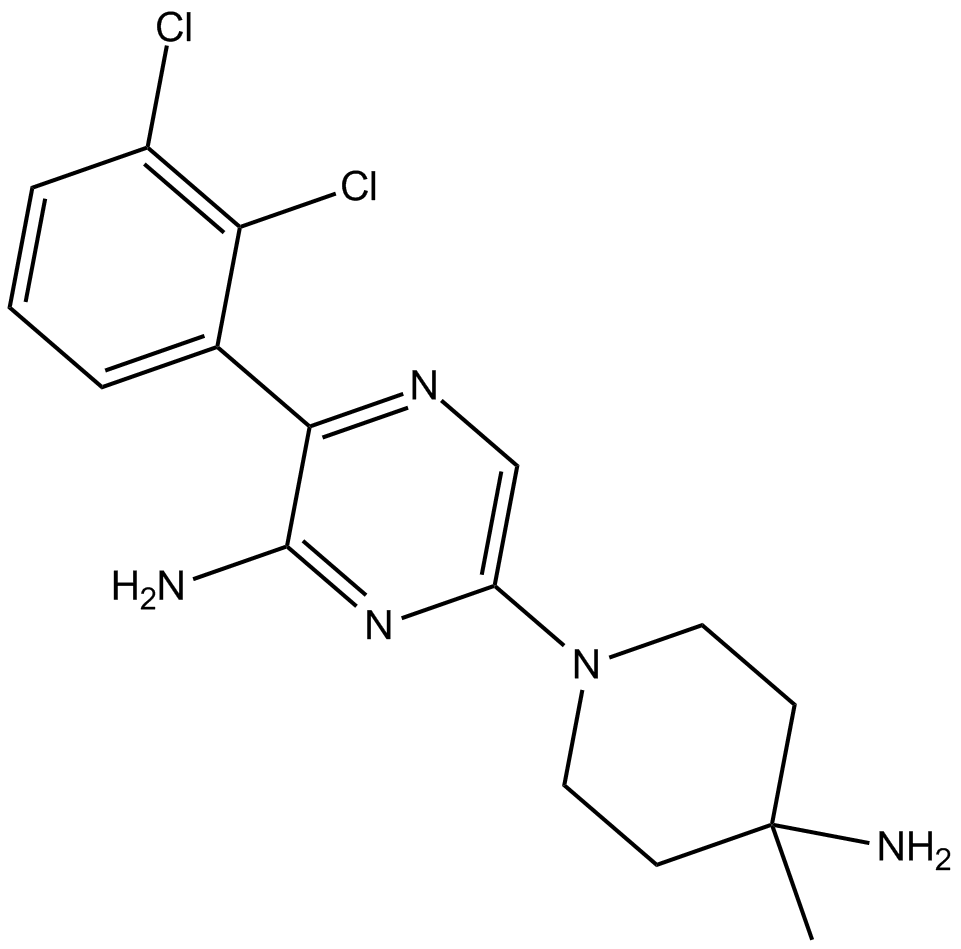 C3596 SHP099Summary: An allosteric inhibitor targeting SHP2 that inhibits the RAS-ERK signaling pathway.
 -
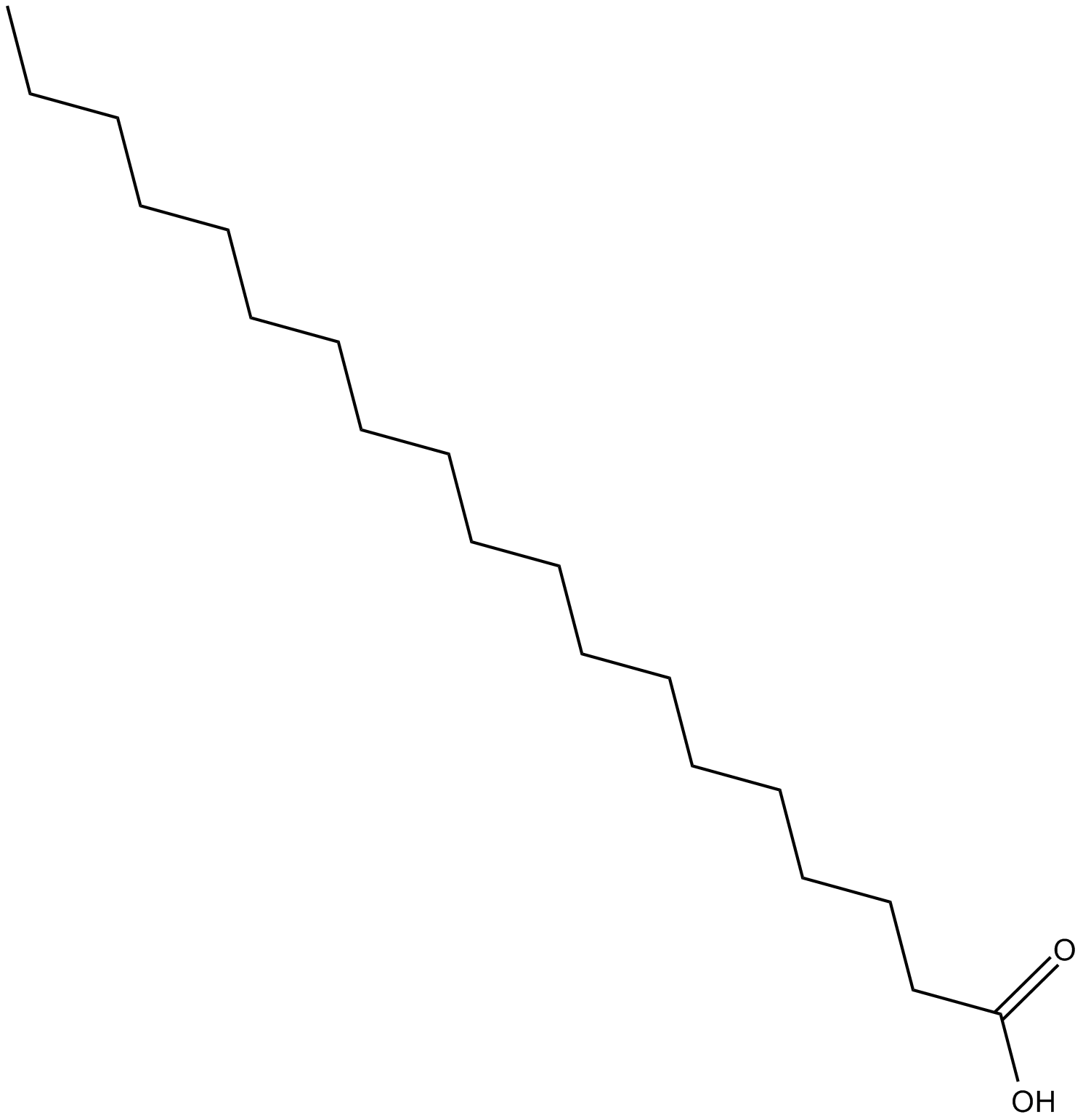 C3655 Nonadecanoic AcidSummary: A long-chain saturated fatty acid, used for lipid metabolism regulation and as a metabolomics biomarker.
 -
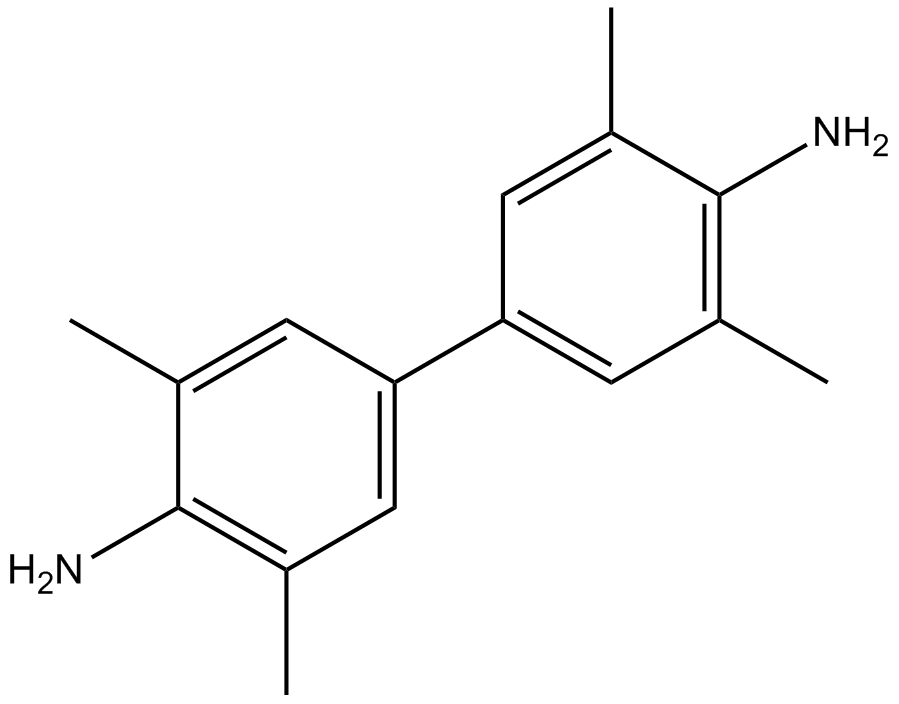 C3660 TMB1 CitationSummary: A chromogenic substrate for ELISA assays and a ROS/RNS probe.
 -
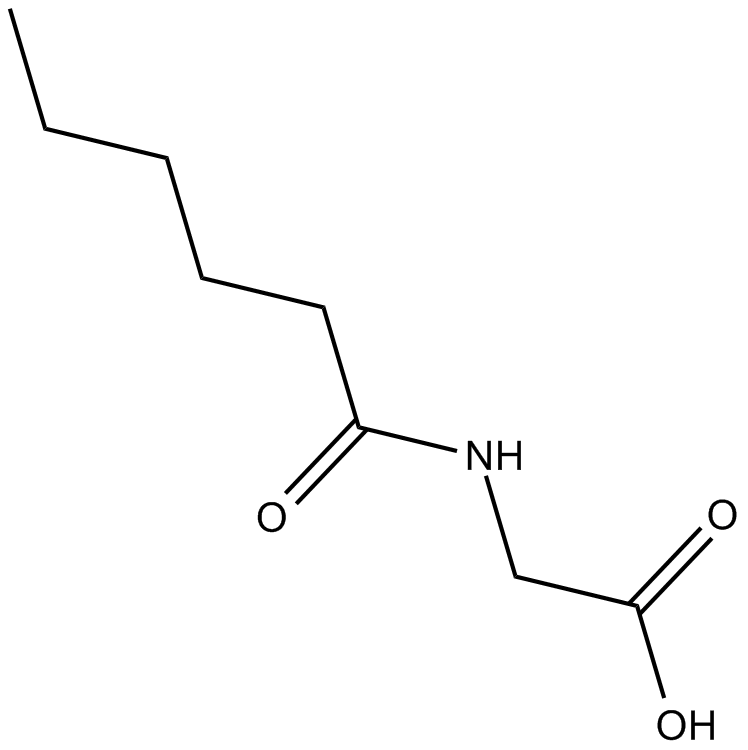 C3662 Hexanoyl GlycineSummary: A biomarker for research on metabolic disorders and ethylmalonic encephalopathy.
 -
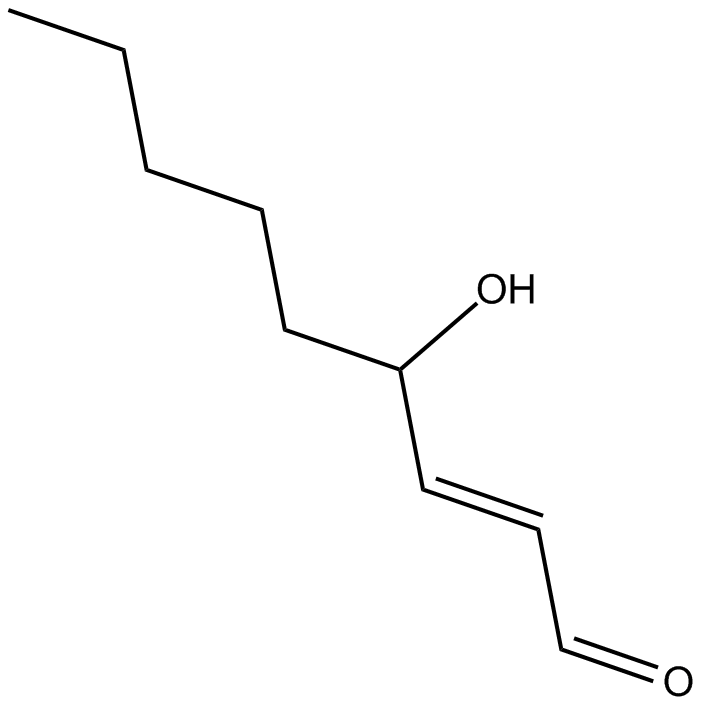 C3663 4-hydroxy NonenalSummary: A lipid peroxidation product that modulates oxidative stress-related signaling pathways.
 -
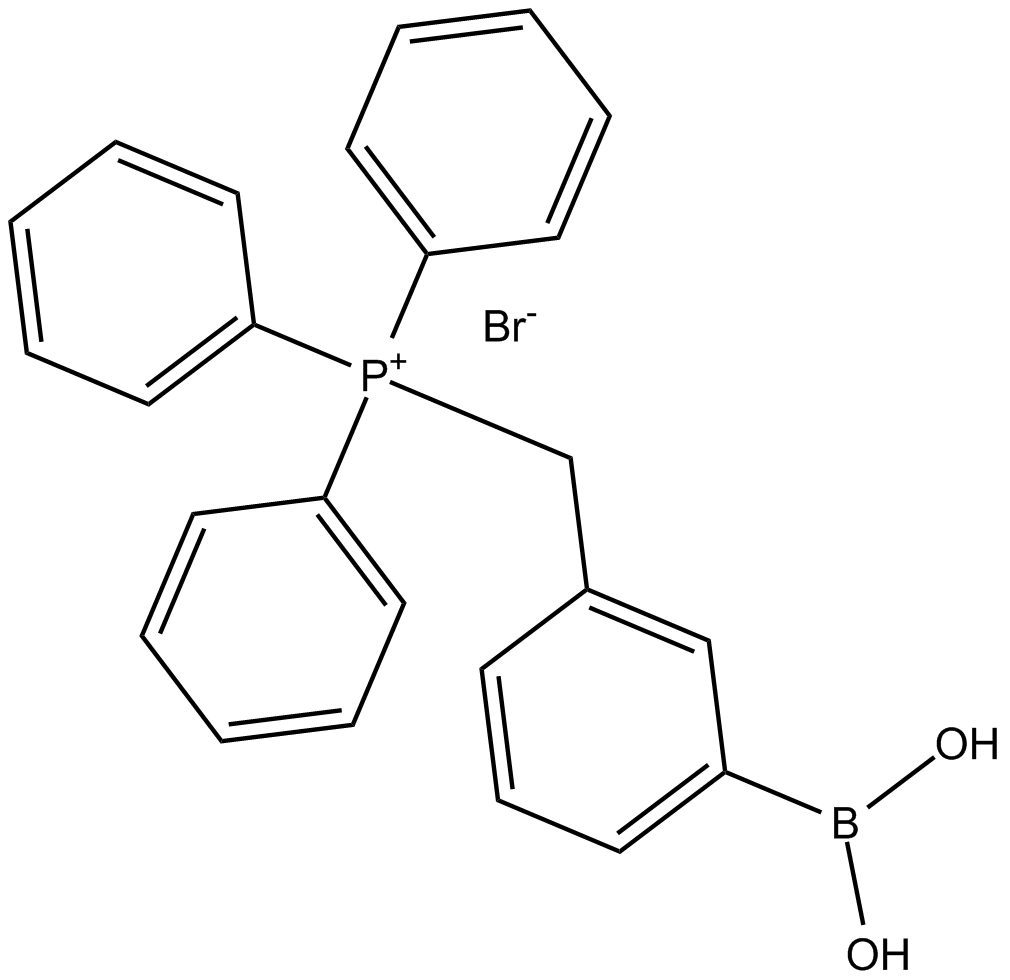 C3680 MitoBSummary: A probe for detecting hydrogen peroxide levels in live animals.
 -
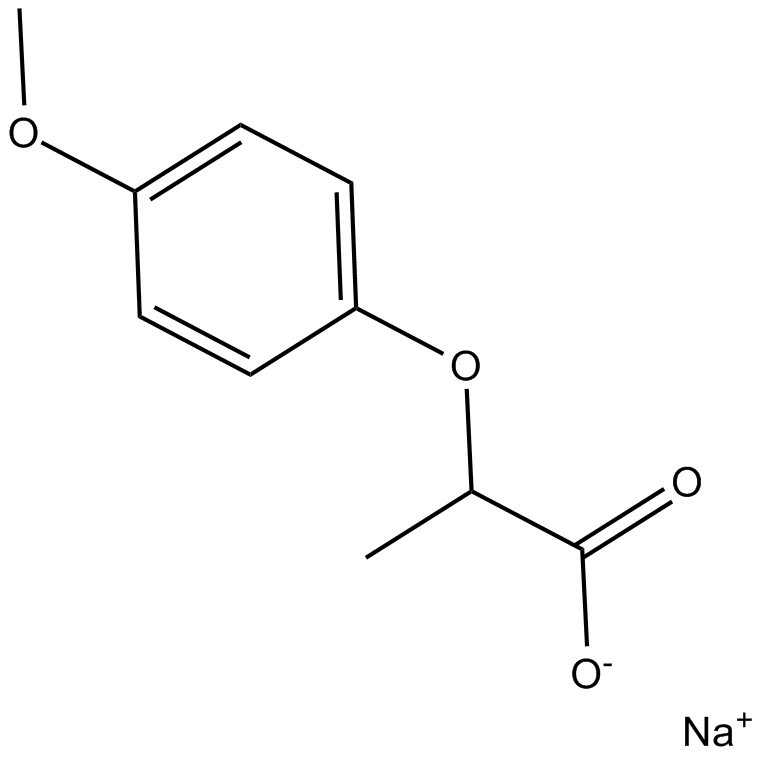 C3713 LactisoleSummary: Selectively blocks the taste receptor T1R3 and inhibits sweet taste perception signal transduction.
 -
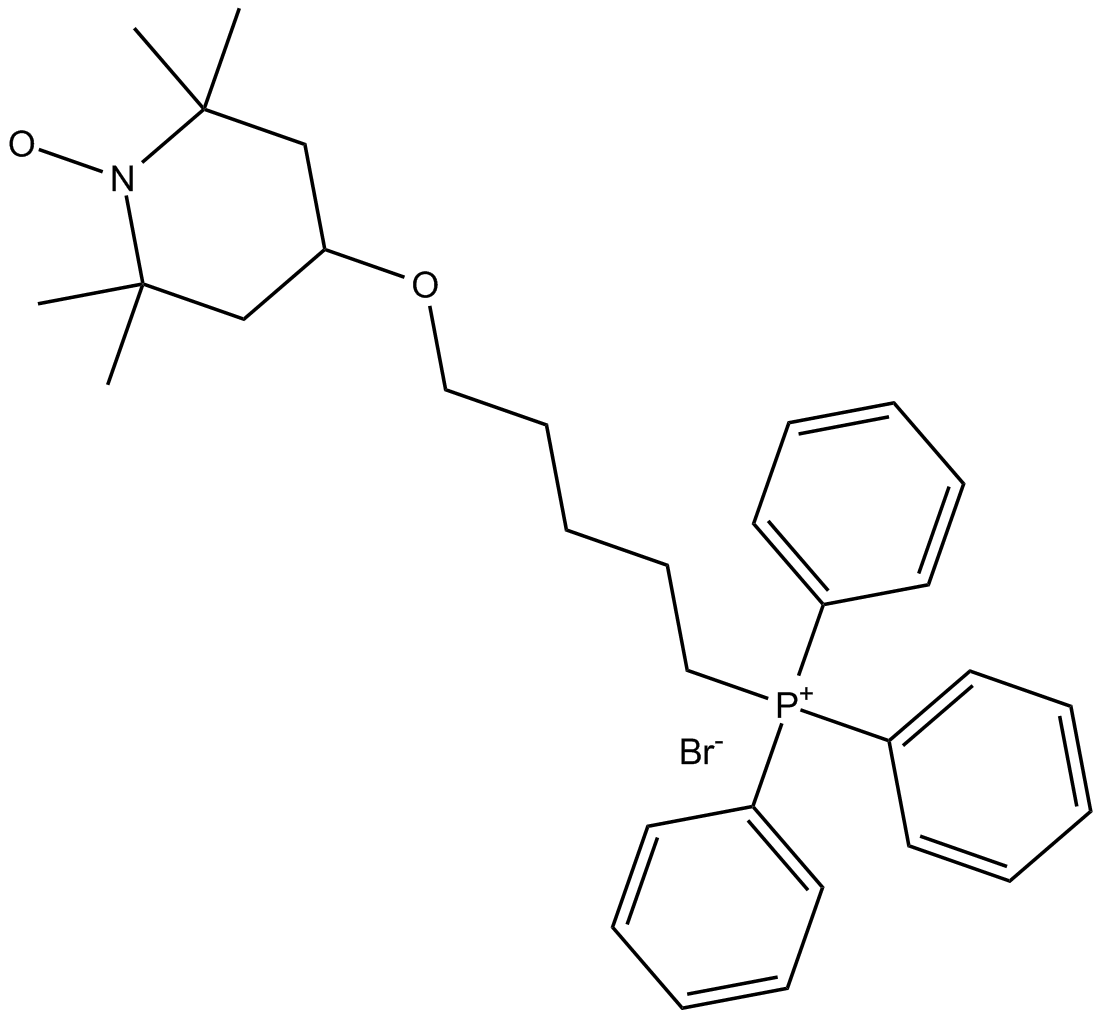 C3714 MitoTEMPOLSummary: A substance that can reduce superoxide anions to hydrogen peroxide within mitochondria.
 -
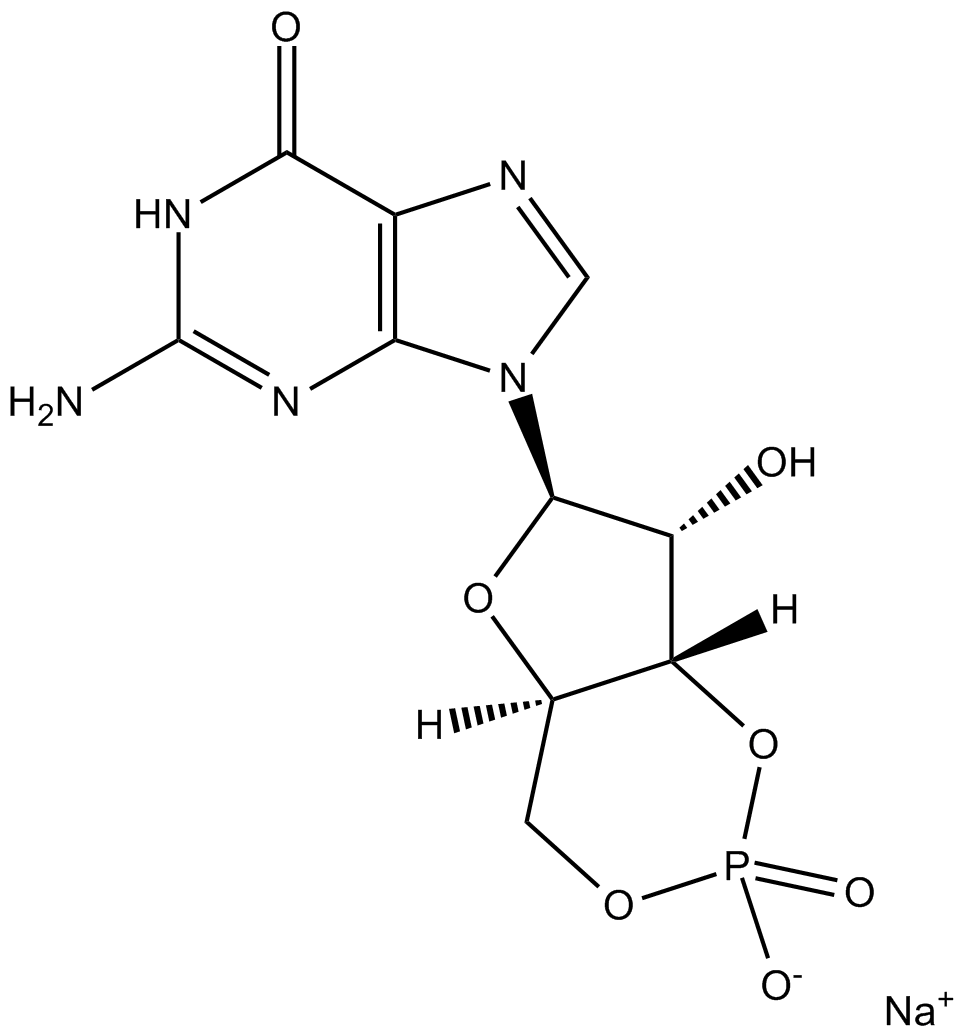 C3715 Cyclic GMP (sodium salt)Summary: A widely present second messenger that mediates cellular signal transduction and physiological effects.
 -
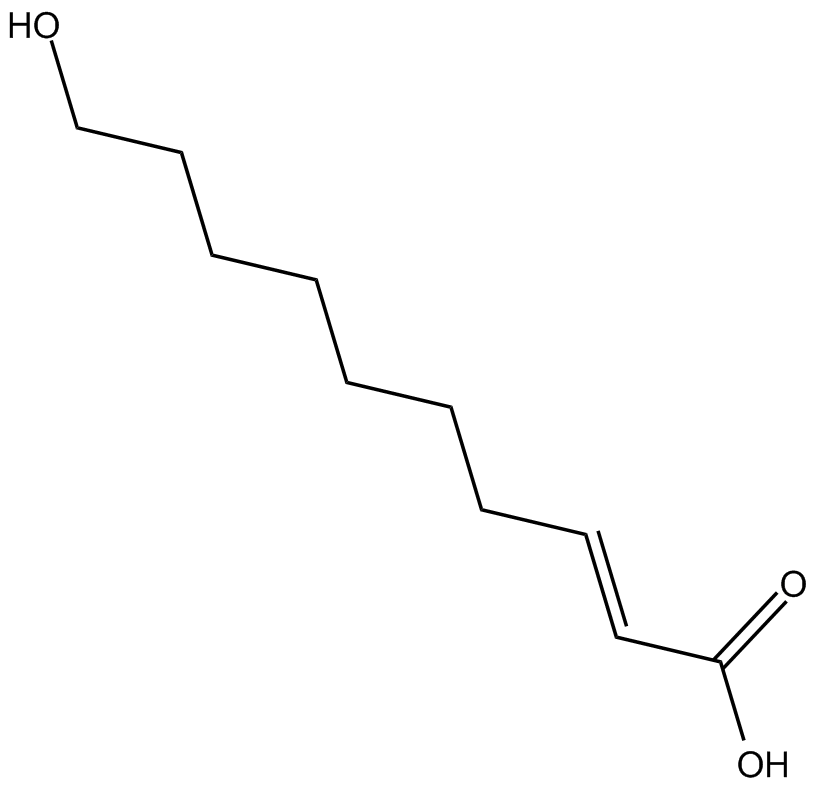 C3760 10-HDASummary: The main fatty acid in royal jelly, promotes neuronal growth and neuroprotection.