Sodium pyruvate
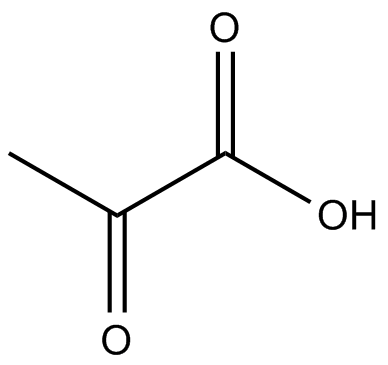
Sodium pyruvate (CAS No.: 113-24-6) is a central intermediate of cellular metabolism generated during glycolysis and widely utilized in biomedical research as a key regulator of metabolic flux and redox homeostasis. As a small endogenous metabolite, it participates in multiple biochemical pathways, including entry into the tricarboxylic acid cycle and modulation of cellular energy production, while also functioning as an efficient scavenger of reactive oxygen species, thereby contributing to the maintenance of intracellular oxidative balance. Experimental studies indicate that sodium pyruvate can influence cell signaling cascades and enzyme activities linked to metabolic adaptation, oxidative stress responses, and mitochondrial function, making it a valuable tool for investigating mechanisms of cellular stress and metabolic regulation. In vitro, its biochemical effects are typically observed in the micromolar to millimolar concentration range, depending on cell type and assay conditions. Sodium pyruvate is commonly incorporated into cell culture systems to support cellular viability and to model metabolic or oxidative stress environments, and it is broadly applied in studies of energy metabolism, redox biology, and pathway-focused drug discovery, where dosing and exposure parameters are adjusted according to specific experimental objectives.
| Physical Appearance | Solid |
| Storage | -20°C |
| M.Wt | 110.04 |
| Cas No. | 113-24-6 |
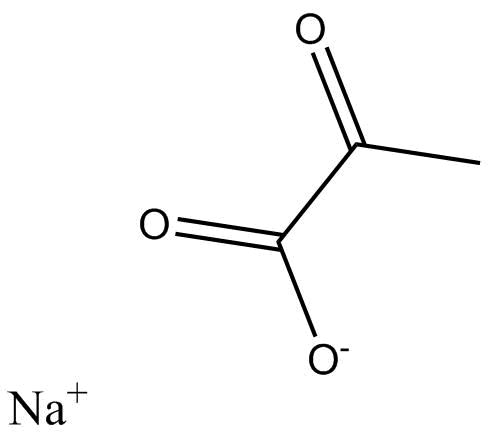
| Formula | C3H3NaO3 |
| Solubility | insoluble in EtOH; insoluble in DMSO; ≥33.6 mg/mL in H2O |
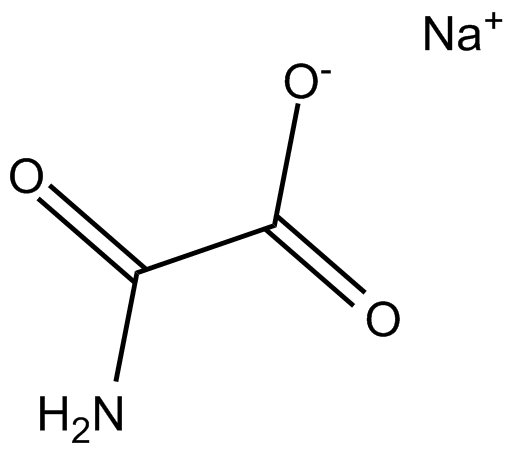
| Chemical Name | sodium 2-oxopropanoate |
| Canonical SMILES | O=C(C)C([O-])=O.[Na+] |
| Shipping Condition | Small Molecules with Blue Ice, Modified Nucleotides with Dry Ice. |
| General tips | We do not recommend long-term storage for the solution, please use it up soon. |