


Metabolism
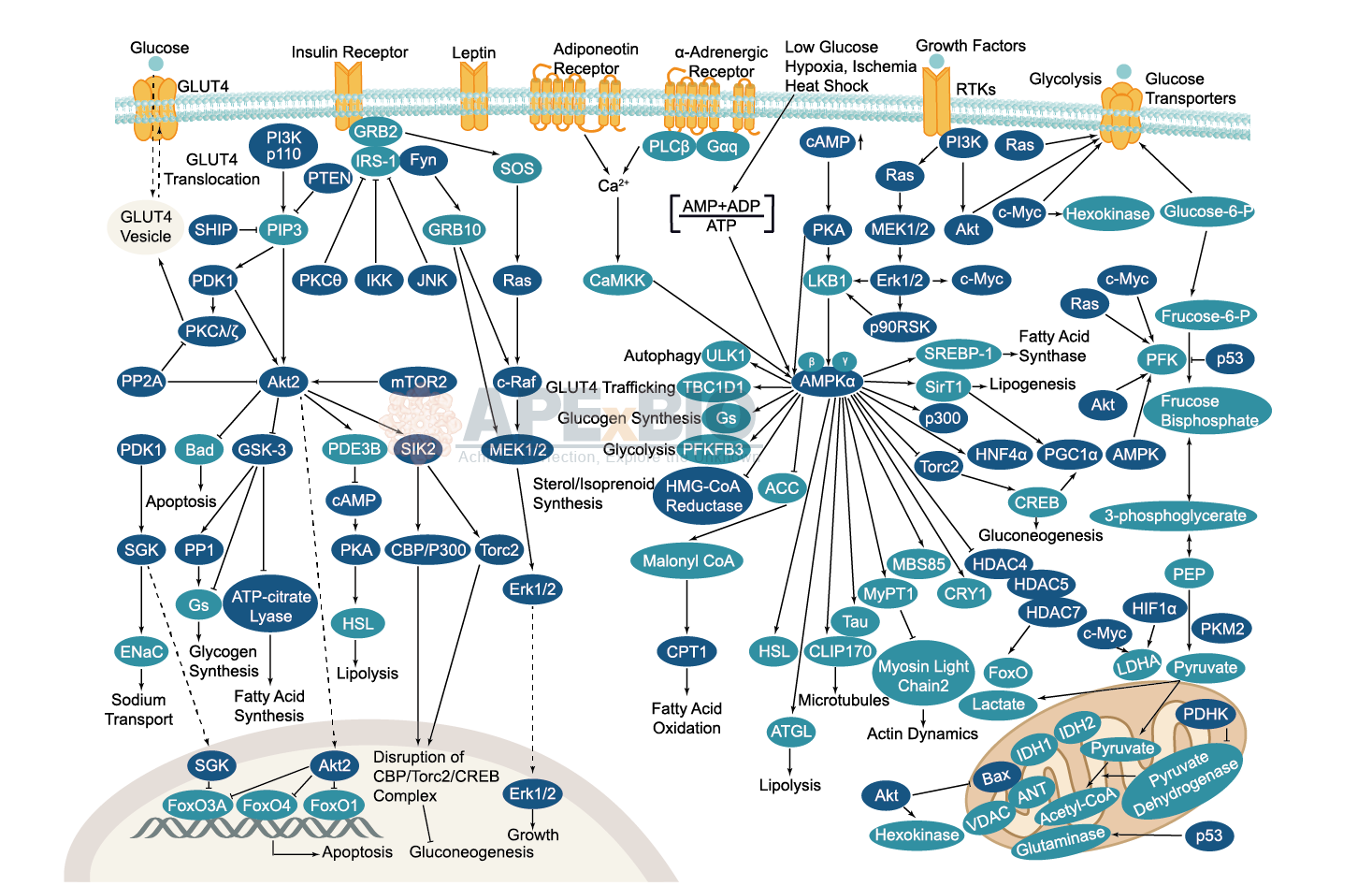
Serine/threonine kinase AMPK upregulates glucose uptake by promoting the expression and function of glucose transporters. AMPK is activated by increased AMP/ATP ratio, resulting from cellular and environmental stress, e.g. low glucose, heat shock, hypoxia and ischemia. AMPK activation positively modulates signaling transductions that refill ATP levels. Moreover, it also stimulates catabolic processes such as fatty acid oxidation and glycolysis through inhibition of ACC and activation of PFK2. AMPK negatively regulates various proteins which are important to ATP-consuming mechanisms, e.g. mTORC2, glycogen synthase, SREBP-1, and TSC2, causing the downregulation/inhibition of gluconeogenesis and glycogen, lipid and protein synthesis.
-
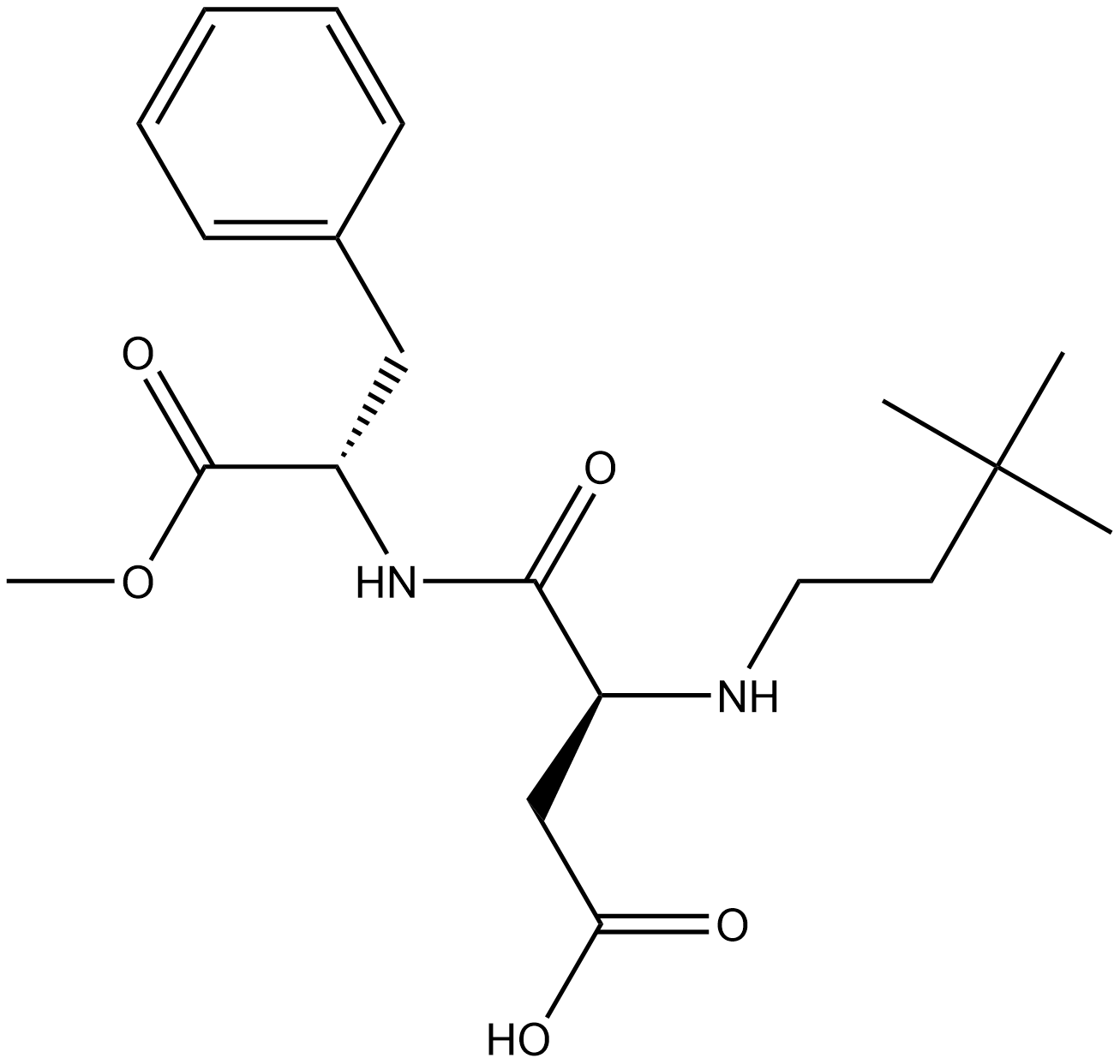 C9041 NeotameSummary: Neotame is a high-potency dipeptide-derived non-nutritive sweetener that activates sweet taste receptor pathways, widely utilized in food chemistry and sensory science research.
 -
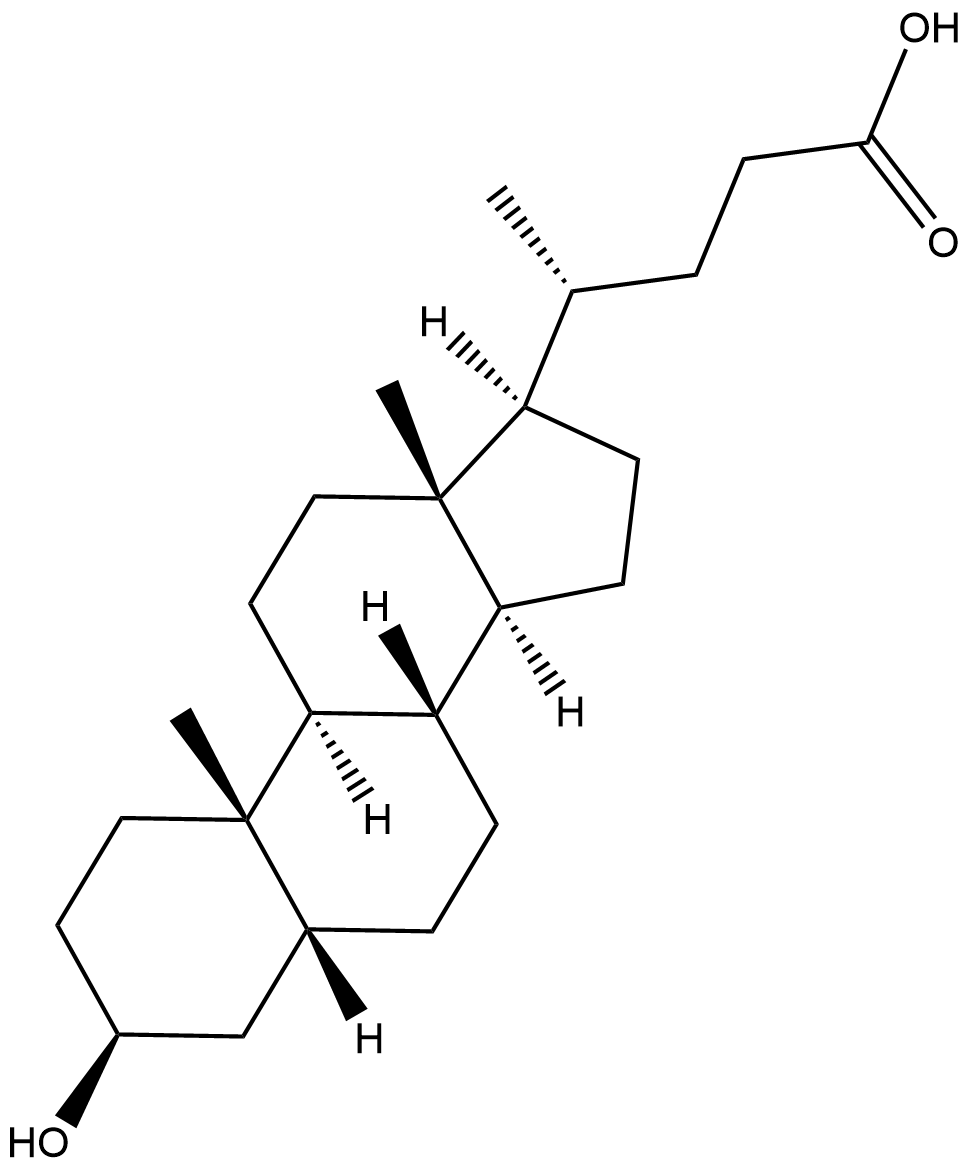 C8603 Isolithocholic acidSummary: An isomer of Lithocholic acid and belongs to secondary bile acids
 -
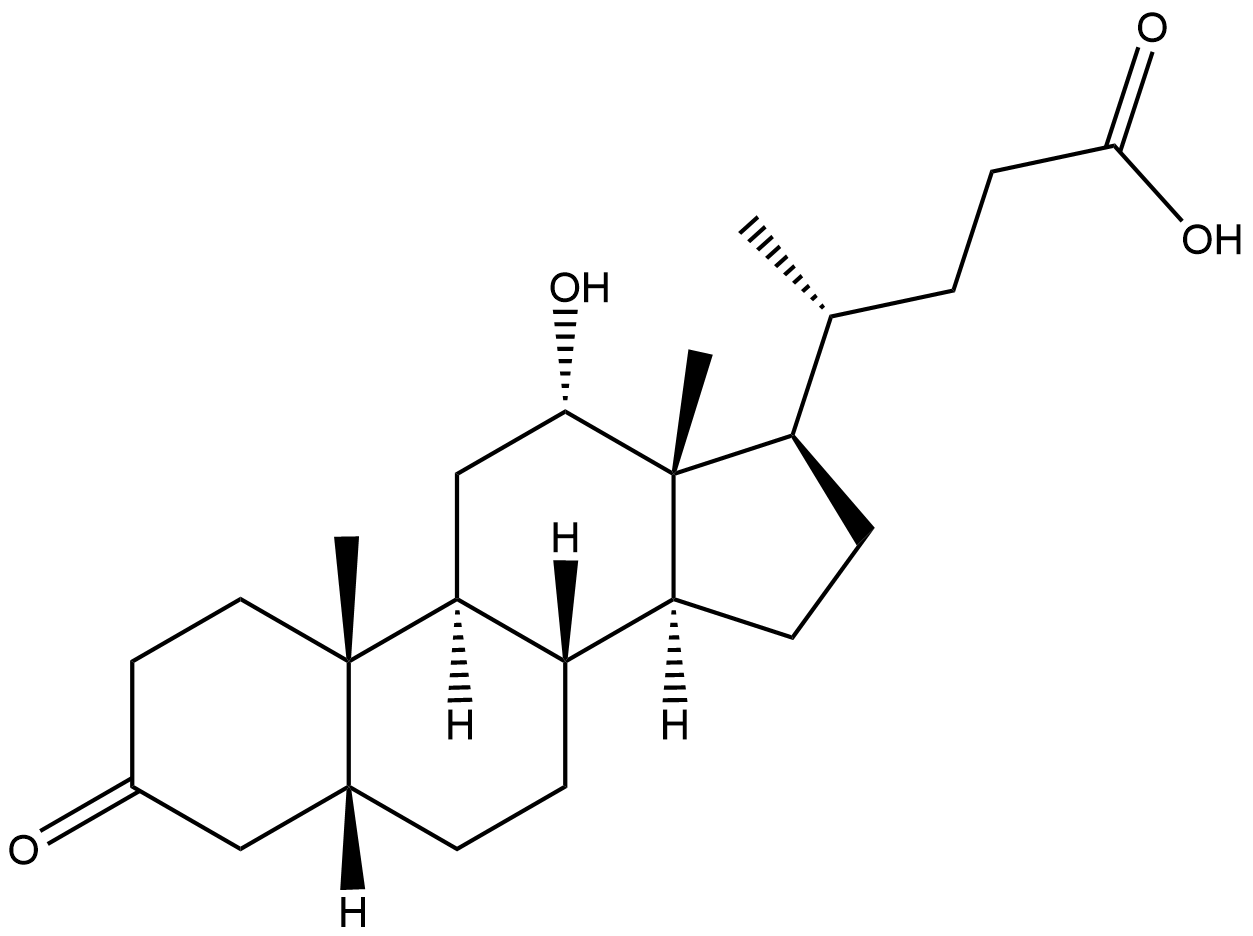 C8604 3-Oxodeoxycholic acidSummary: A secondary bile acid, which is metabolized by intestinal microorganisms from primary bile acids
 -
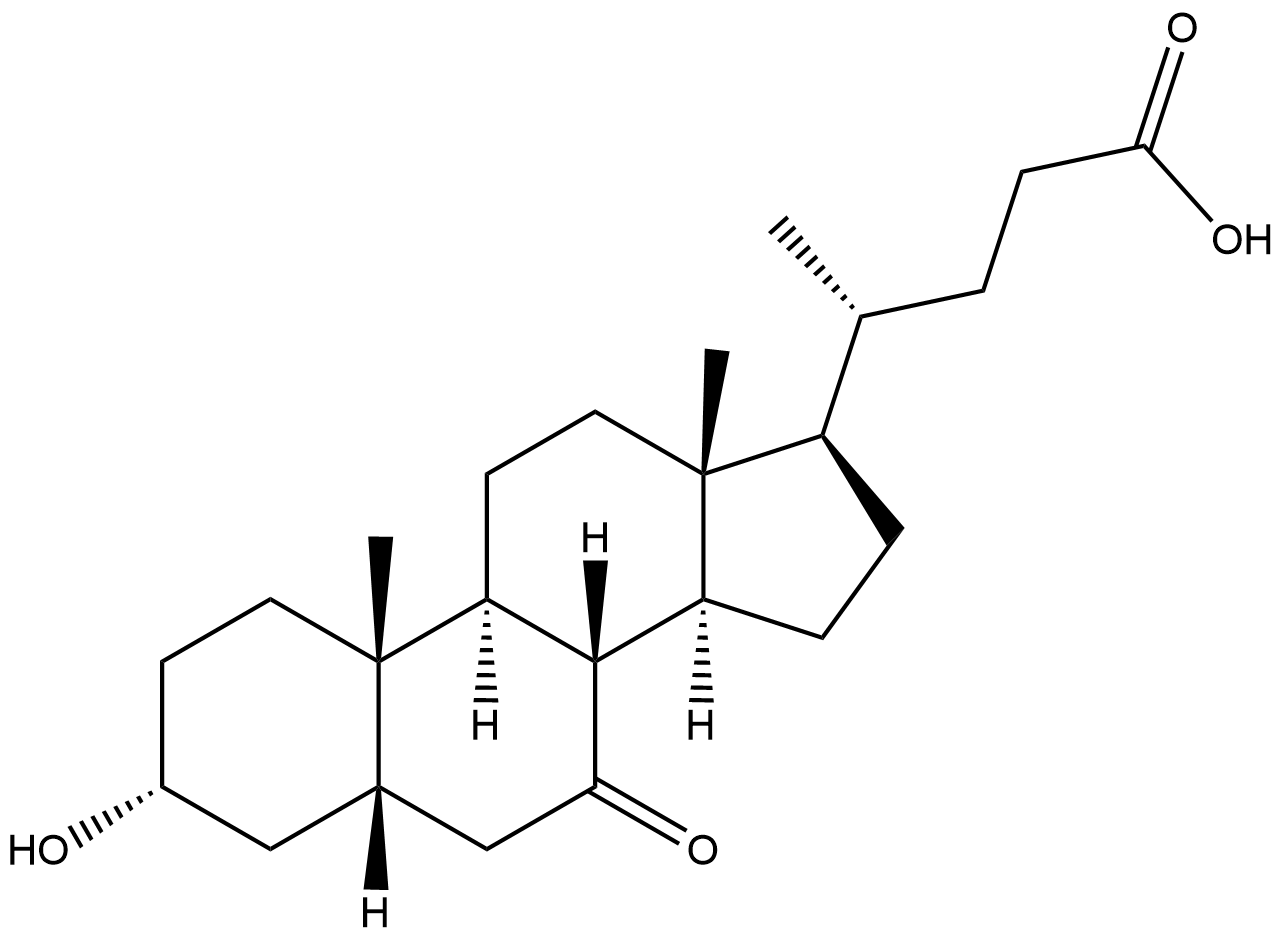 C8605 7-Ketolithocholic acidSummary: A secondary bile acid modified with a ketone group, which is produced by the oxidative metabolism of lithocholic acid
 -
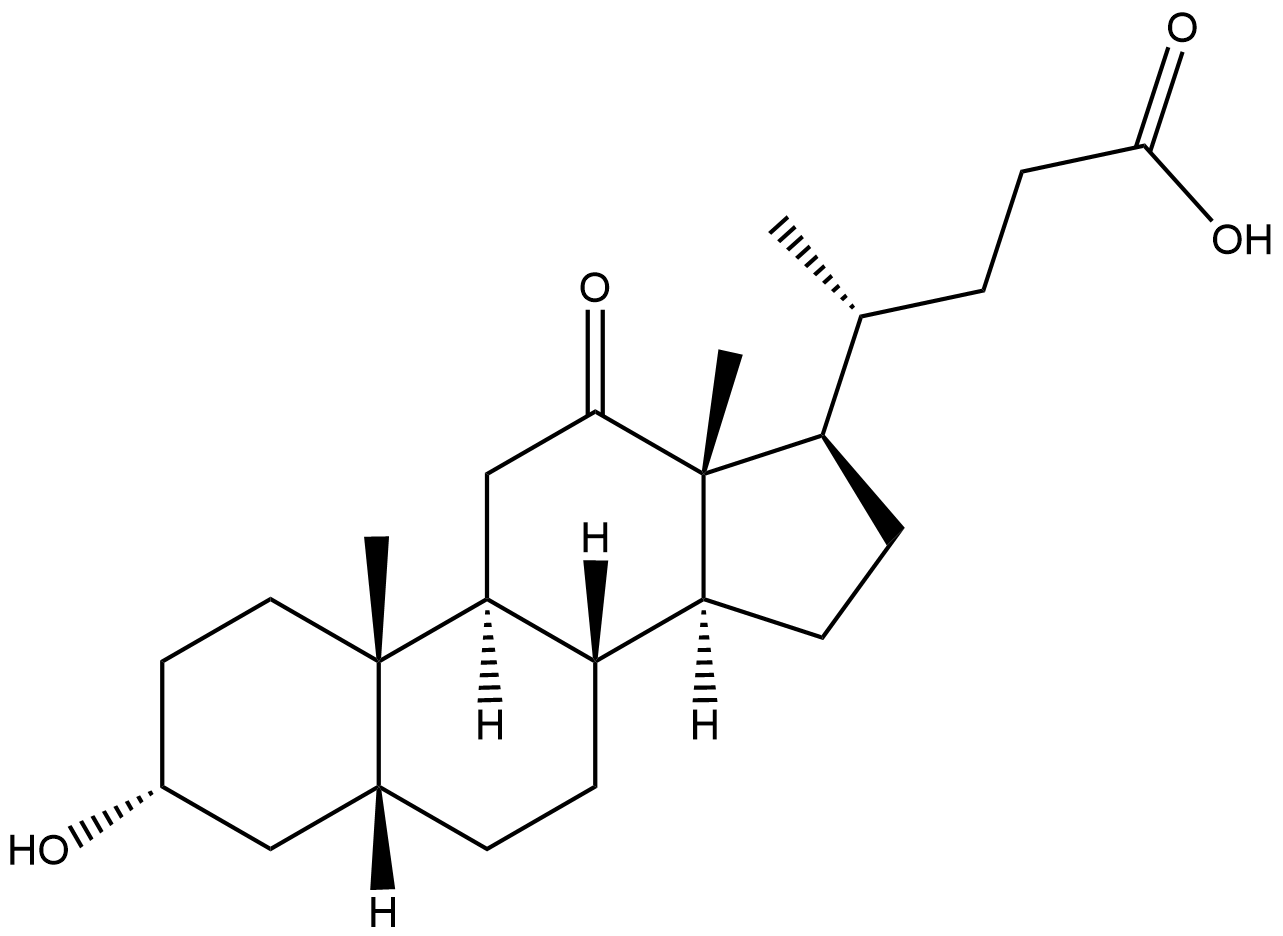 C8606 12-Ketolithocholic acidSummary: A secondary bile acid modified with a ketone group
 -
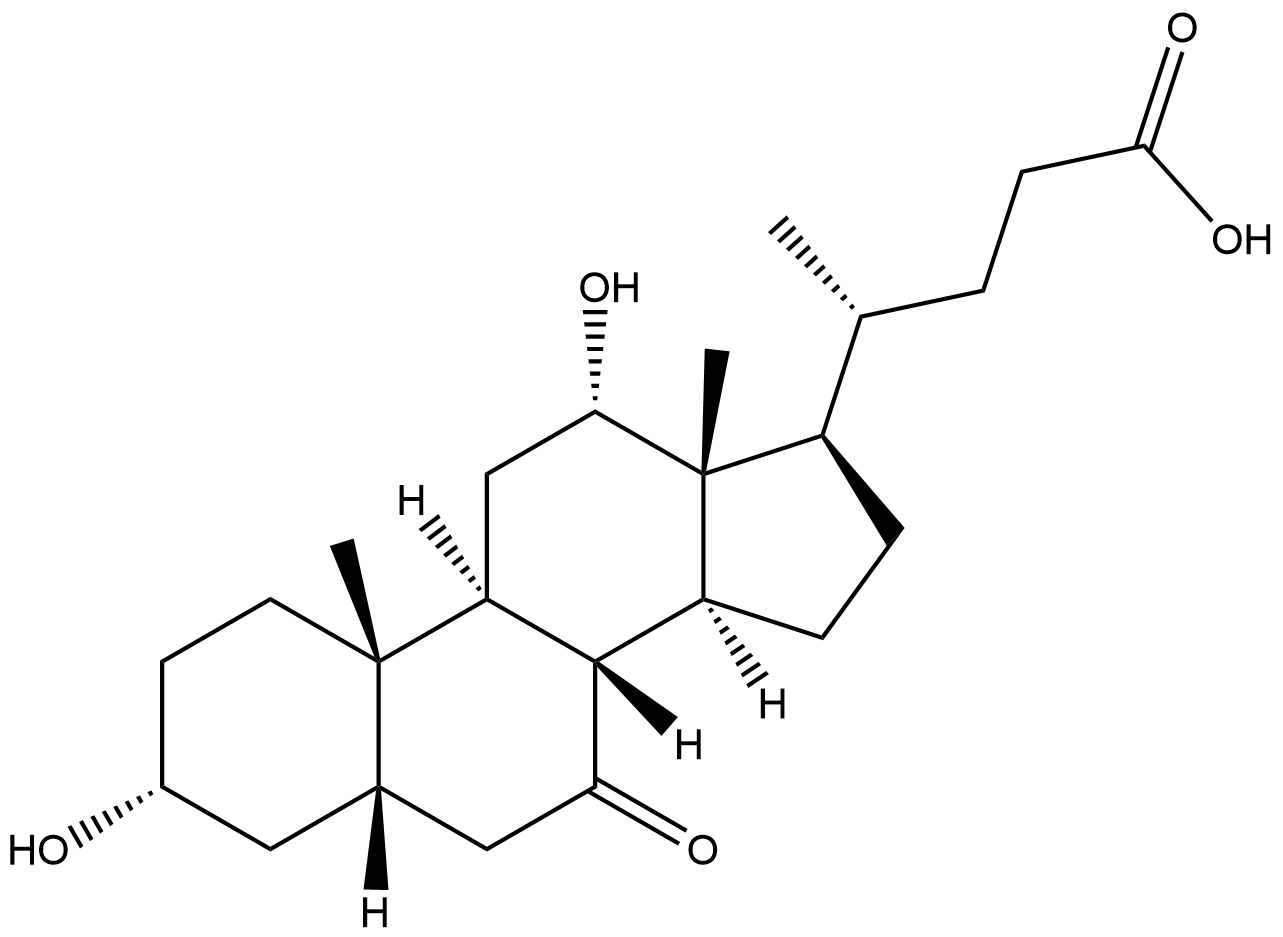 C8615 7-keto-Deoxycholic acidSummary: A metabolite of cholic acid in the intestinal microbiota Clostridium absonum
 -
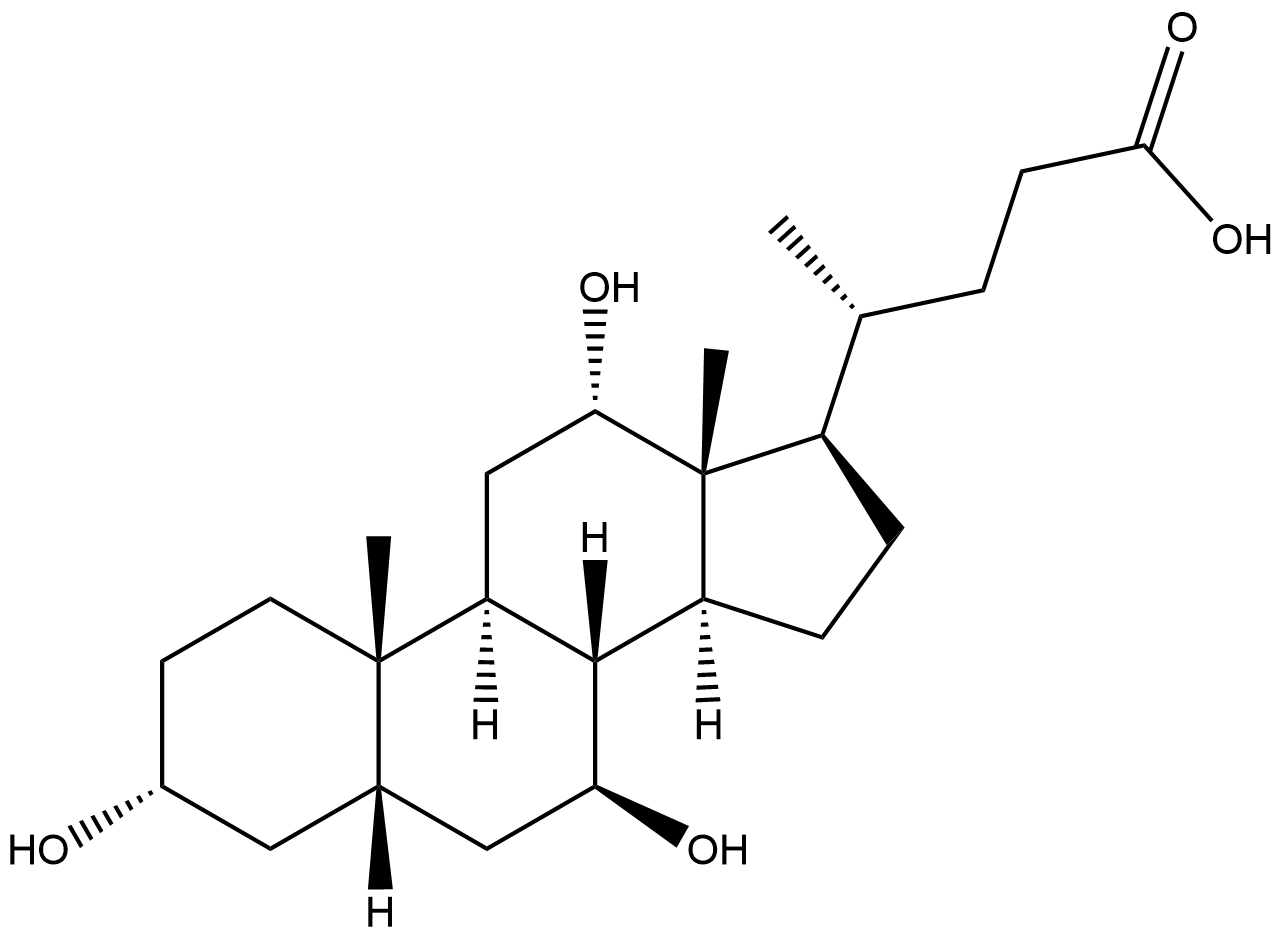 C8618 Ursocholic acidSummary: A primary bile acid present in the bile of mammals
 -
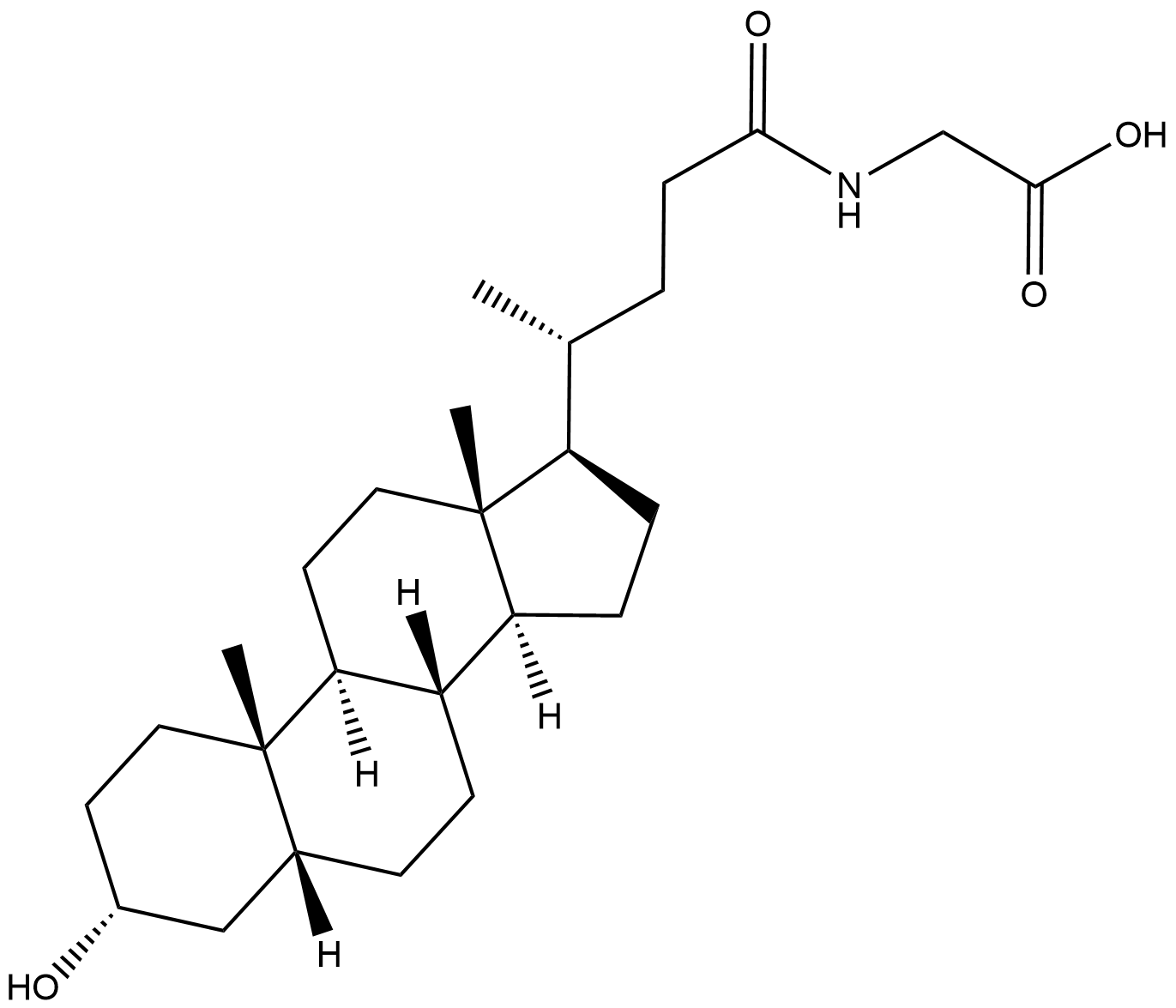 C8620 Glycolithocholic acidSummary: An endogenous metabolite and belongs to the category of glycine-binding secondary bile acids
 -
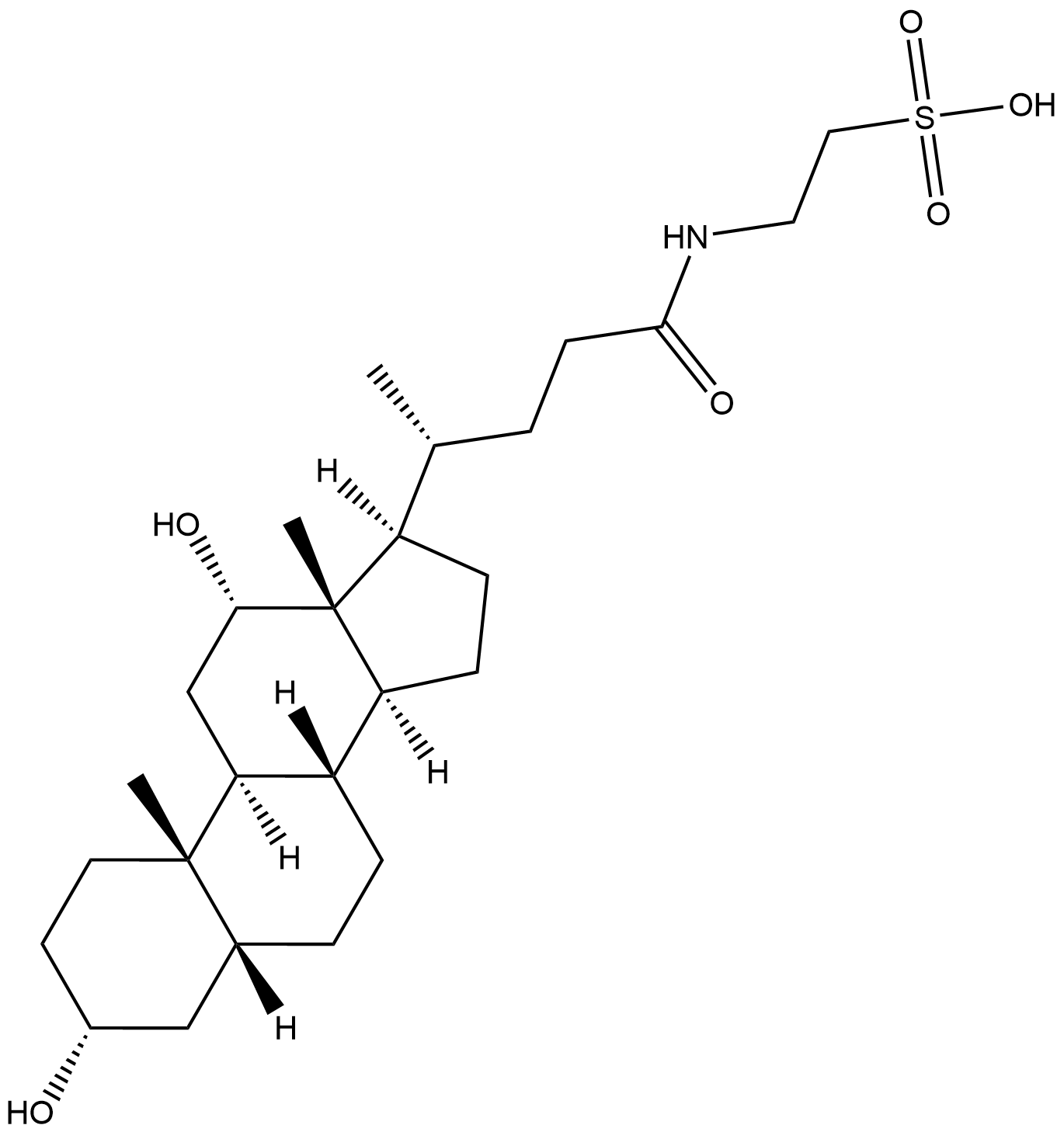 C8624 Taurodeoxycholic acidSummary: An anionic detergent related to bile salts
 -
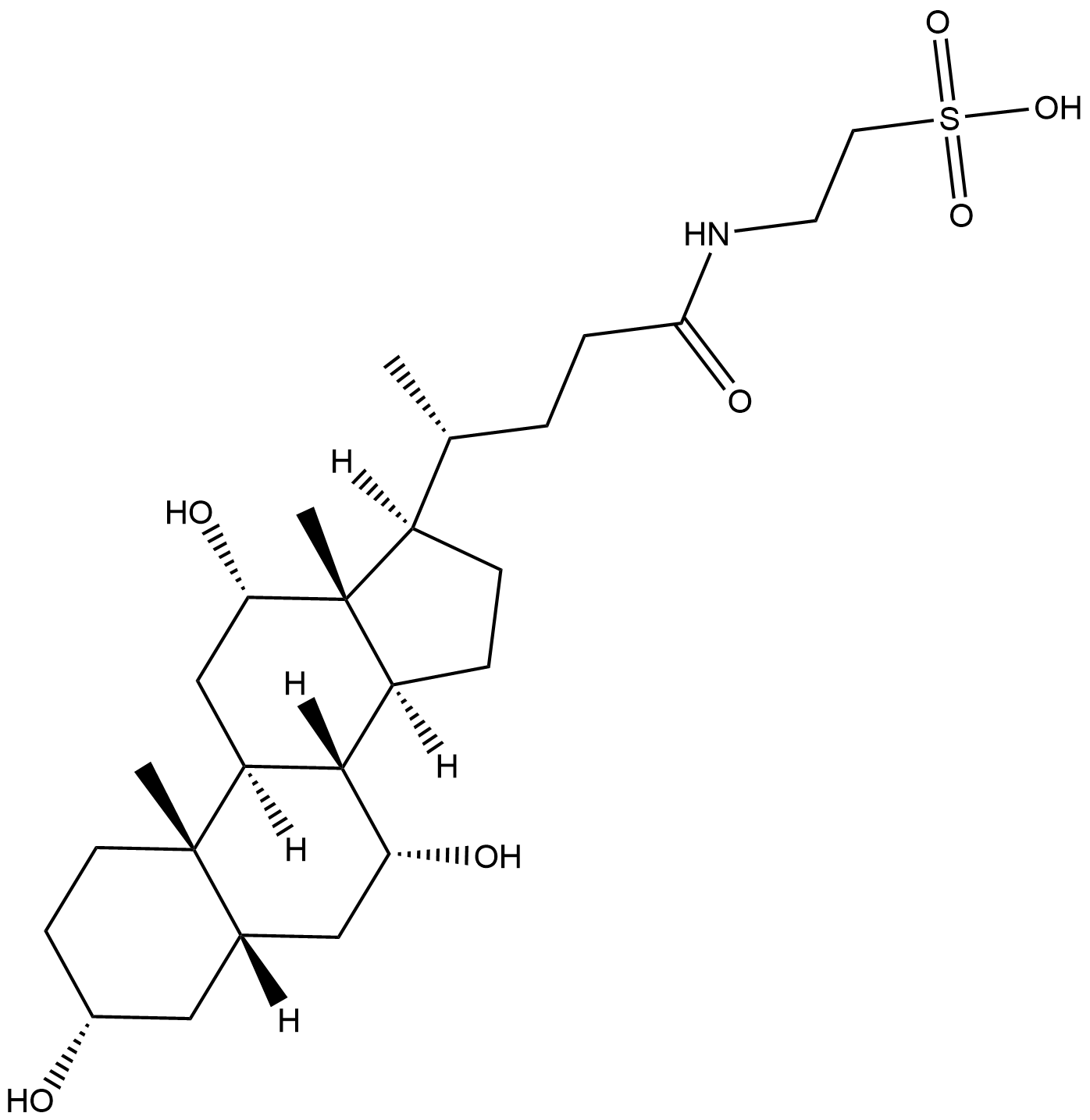 C8628 Taurocholic acidSummary: A conjugated bile acid formed by the coupling of bile acids and taurine in the liver