


Metabolism
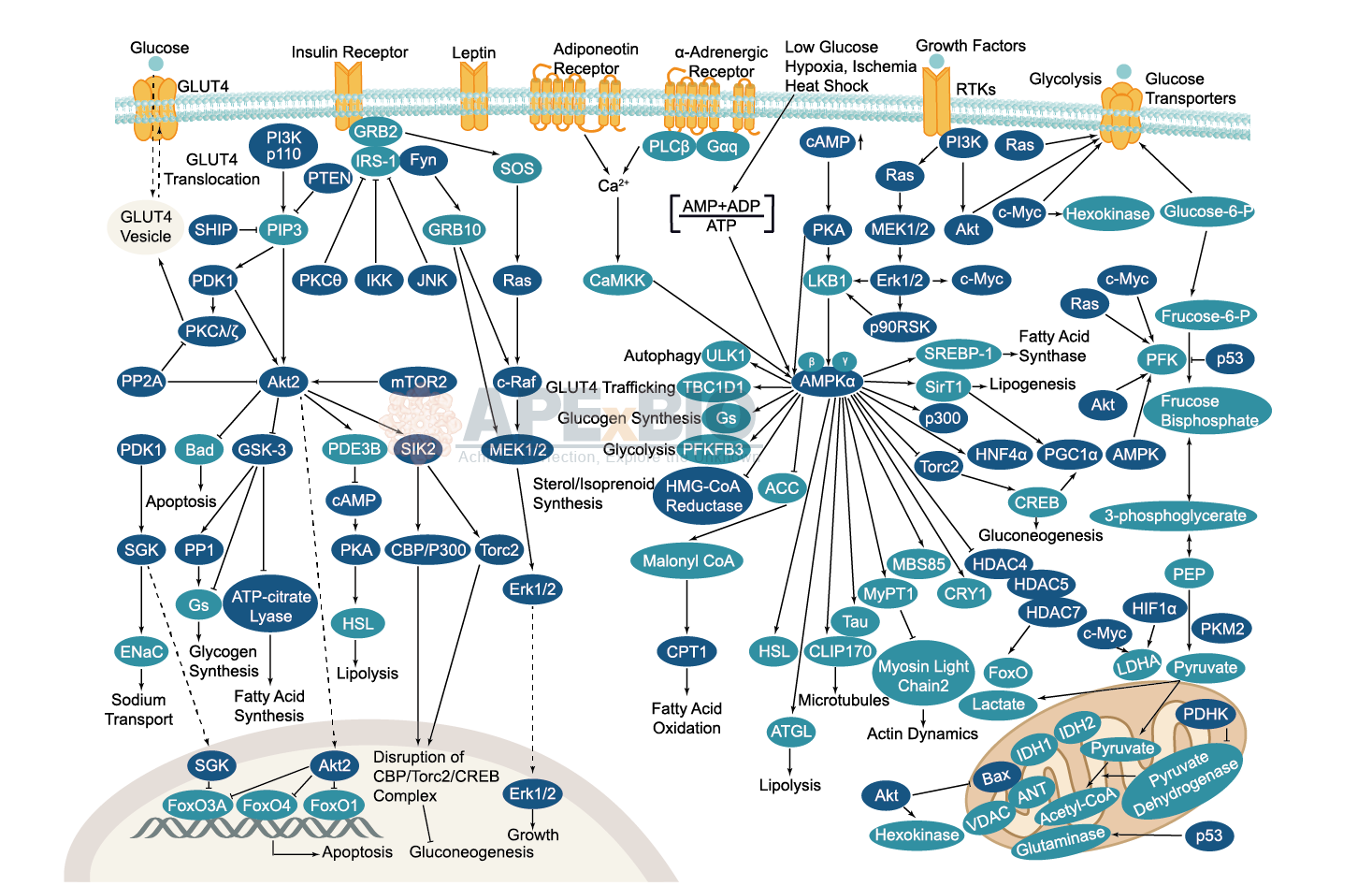
Serine/threonine kinase AMPK upregulates glucose uptake by promoting the expression and function of glucose transporters. AMPK is activated by increased AMP/ATP ratio, resulting from cellular and environmental stress, e.g. low glucose, heat shock, hypoxia and ischemia. AMPK activation positively modulates signaling transductions that refill ATP levels. Moreover, it also stimulates catabolic processes such as fatty acid oxidation and glycolysis through inhibition of ACC and activation of PFK2. AMPK negatively regulates various proteins which are important to ATP-consuming mechanisms, e.g. mTORC2, glycogen synthase, SREBP-1, and TSC2, causing the downregulation/inhibition of gluconeogenesis and glycogen, lipid and protein synthesis.
-
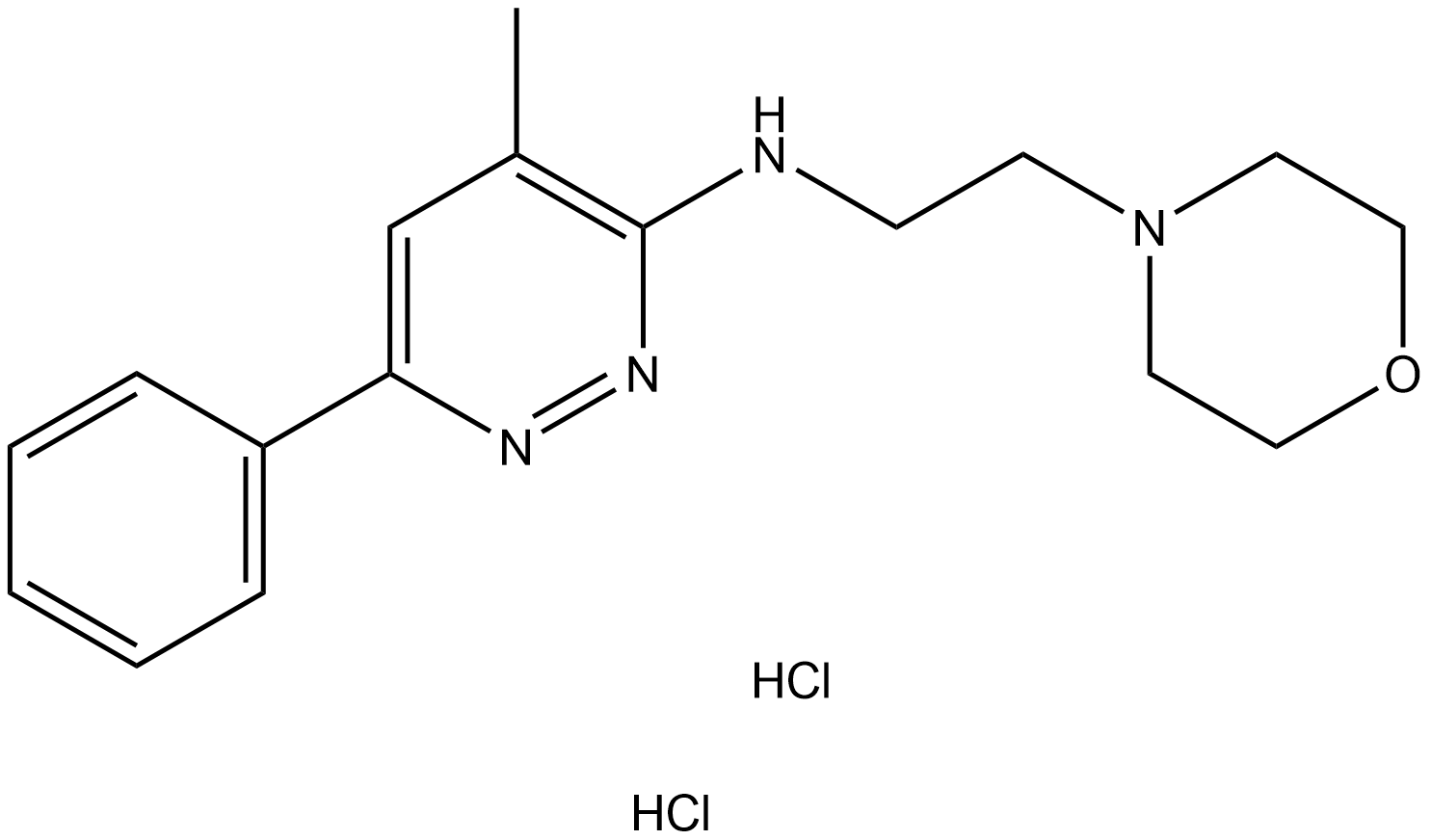 C8886 Minaprine dihydrochlorideSummary: Minaprine dihydrochloride is a psychotropic aminoaminopyridazine derivative that modulates monoaminergic neurotransmission and is utilized in neuropharmacology and central nervous system mechanism studies.
 -
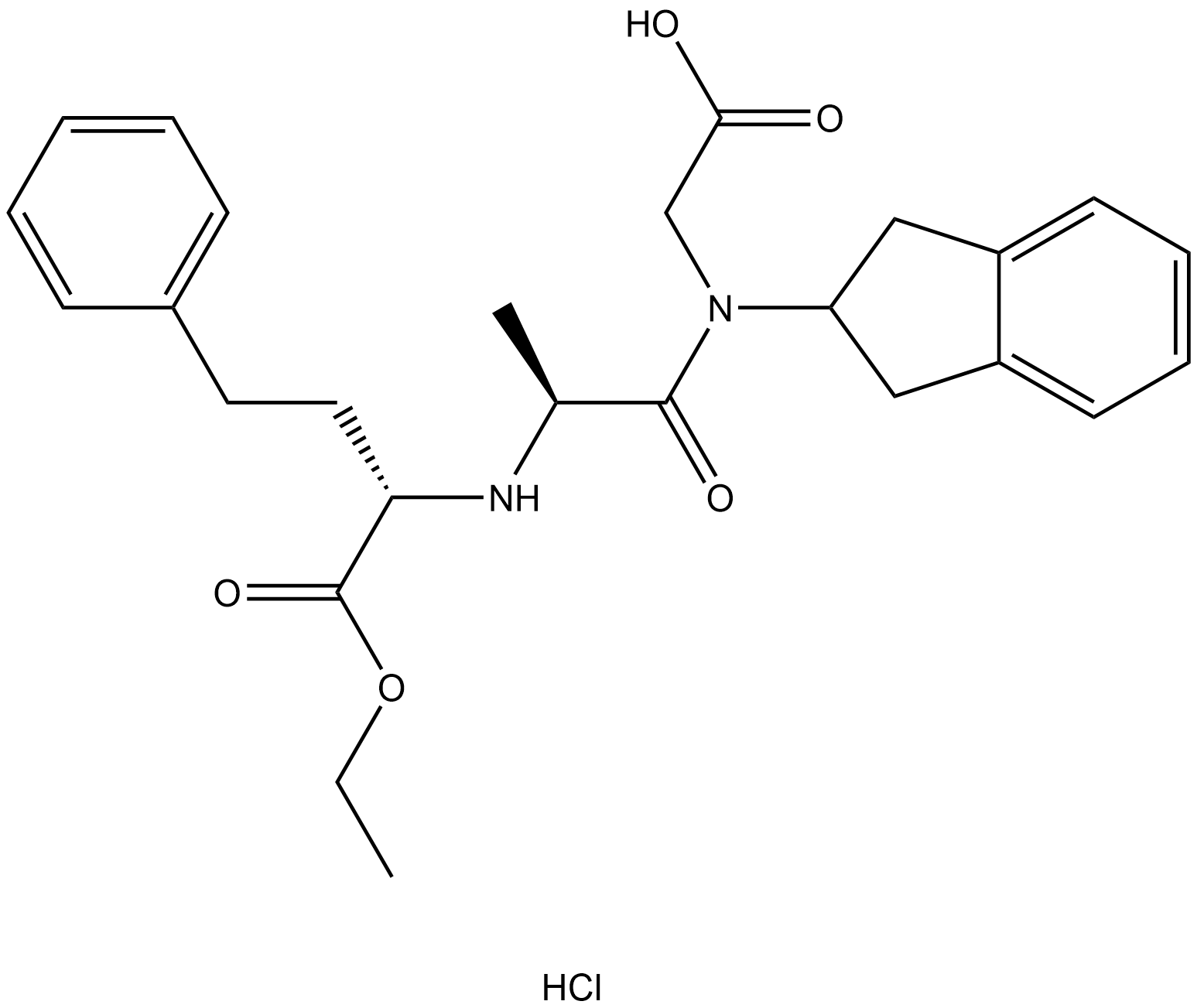 C8894 Delapril HydrochlorideSummary: Delapril Hydrochloride is an angiotensin-converting enzyme inhibitor targeting the renin–angiotensin system, widely utilized as a reference compound in cardiovascular pharmacology research.
 -
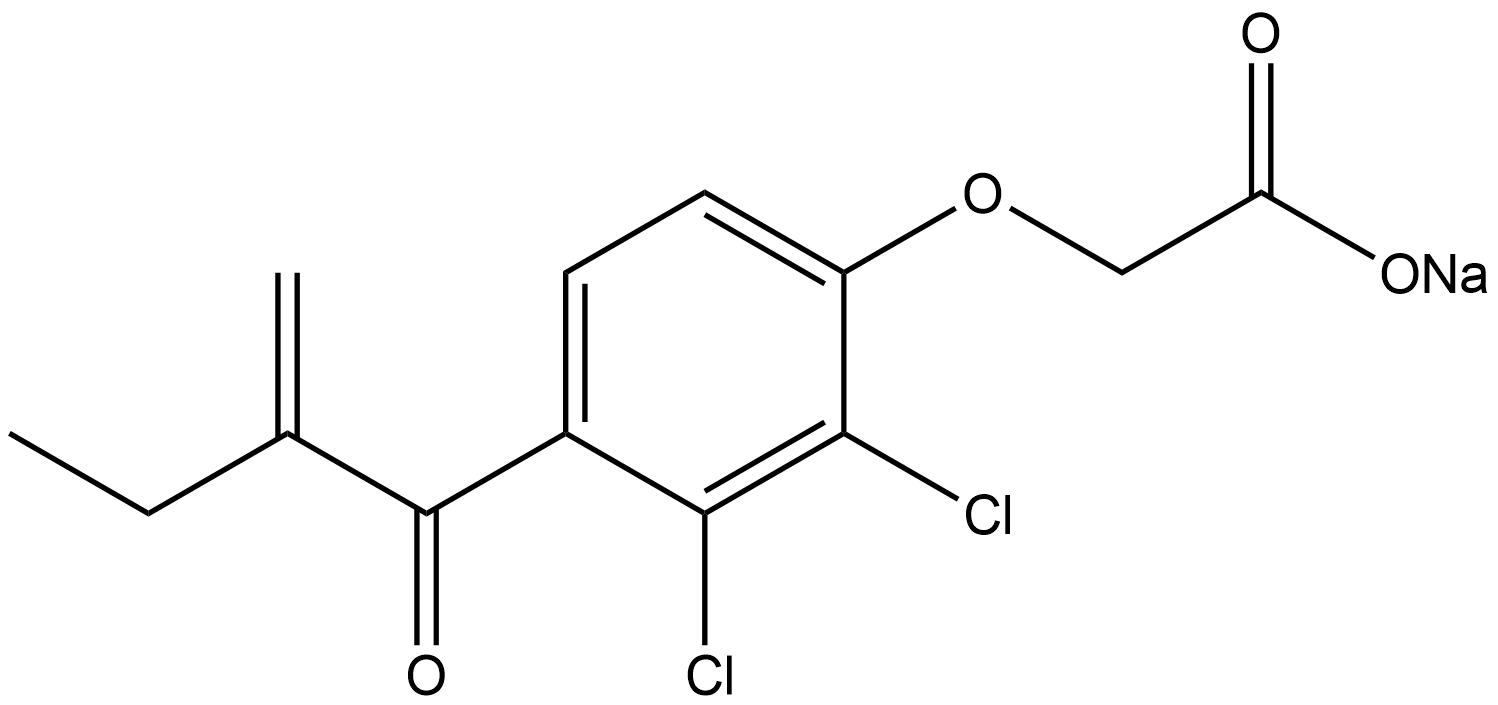 C8898 Ethacrynate SodiumSummary: Ethacrynate sodium is a loop diuretic electrophile that inhibits glutathione S-transferase activity and is widely utilized in redox biology and cancer research.
 -
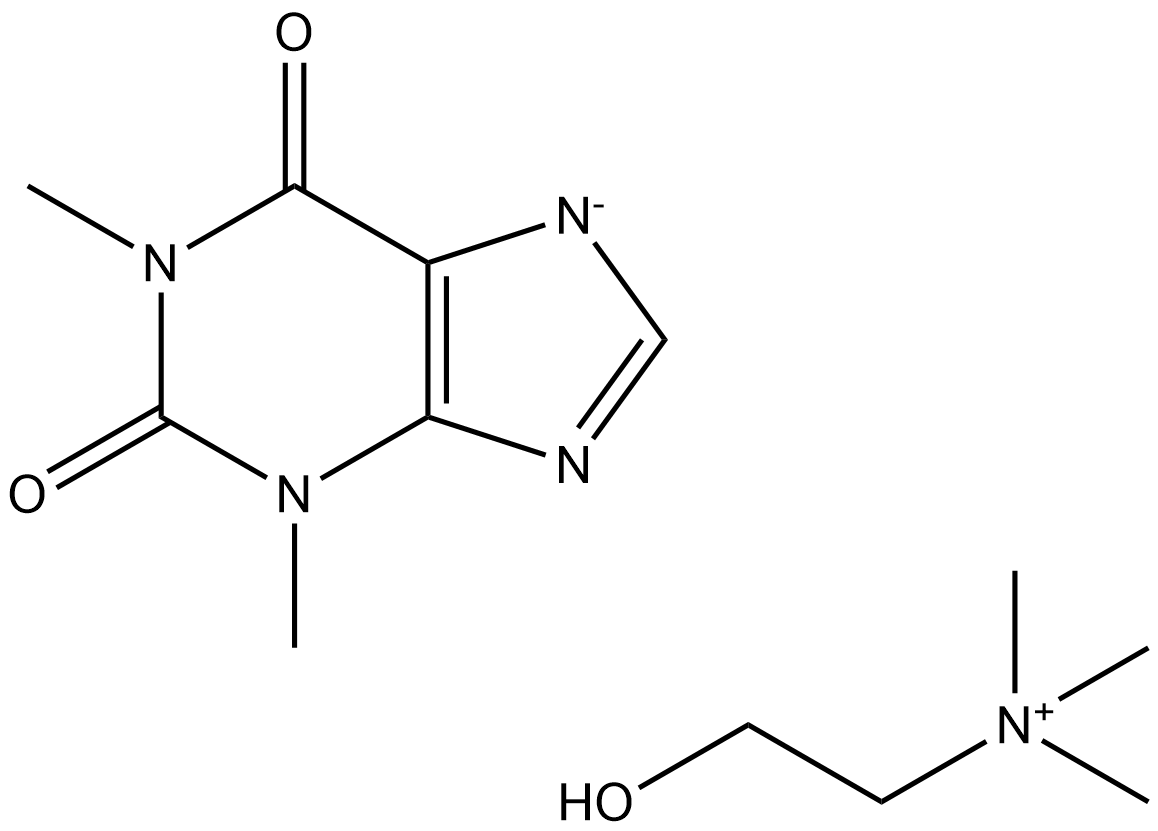 C8927 Choline theophyllinateSummary: Oxtriphylline is a methylxanthine phosphodiesterase inhibitor and adenosine receptor antagonist used to investigate cyclic nucleotide signaling in pharmacological and biochemical research.
 -
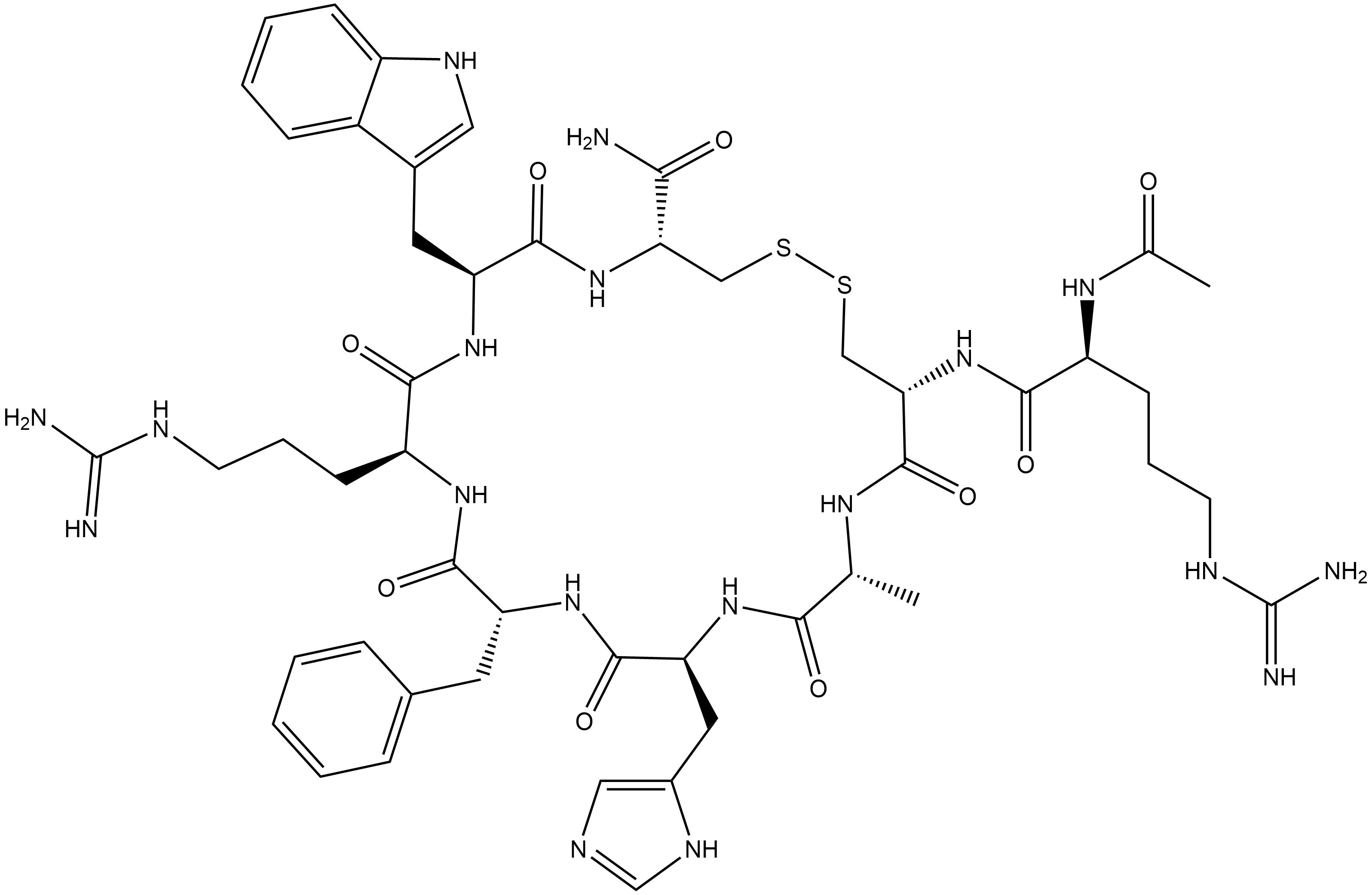 C8966 Setmelanotide (RM-493)Summary: Setmelanotide (RM-493) is a selective melanocortin-4 receptor agonist used to investigate melanocortin signaling pathways in metabolic and neuroendocrine research.
 -
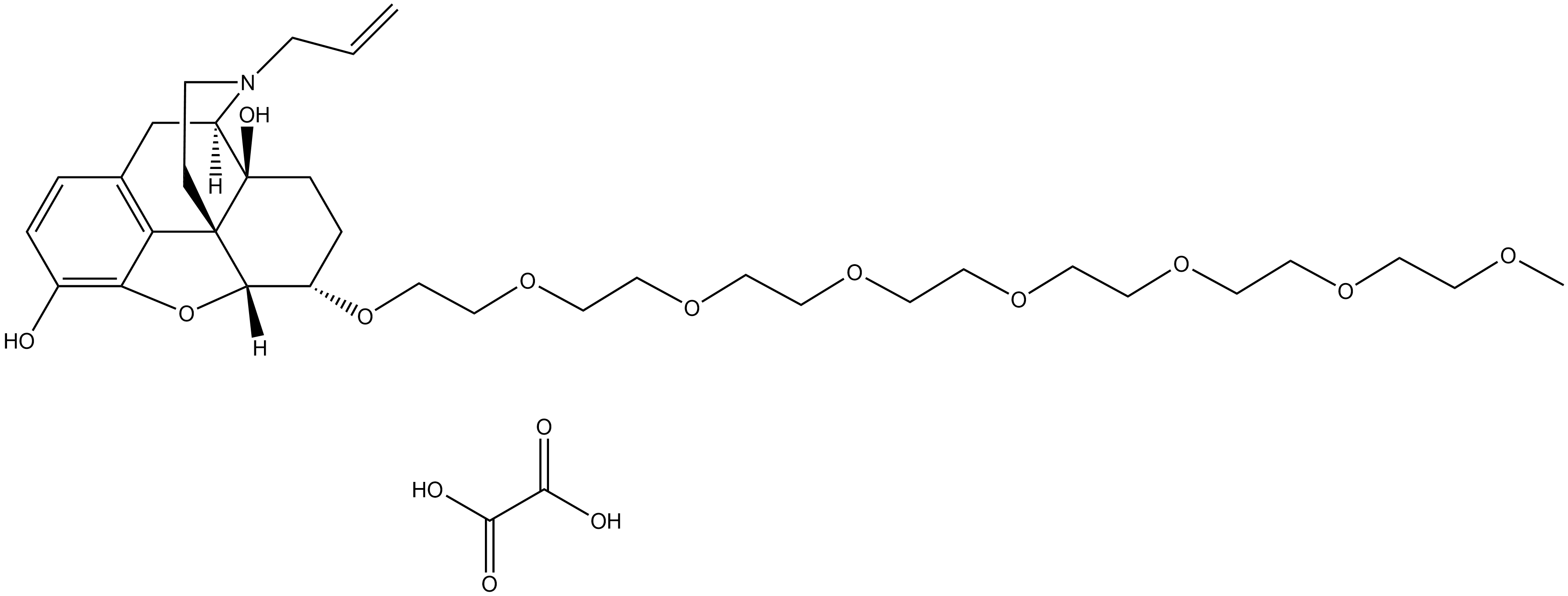 C8986 Naloxegol OxalateSummary: Naloxegol Oxalate is a peripherally selective μ-opioid receptor antagonist used to investigate opioid receptor signaling and gastrointestinal motility mechanisms in pharmacological research.
 -
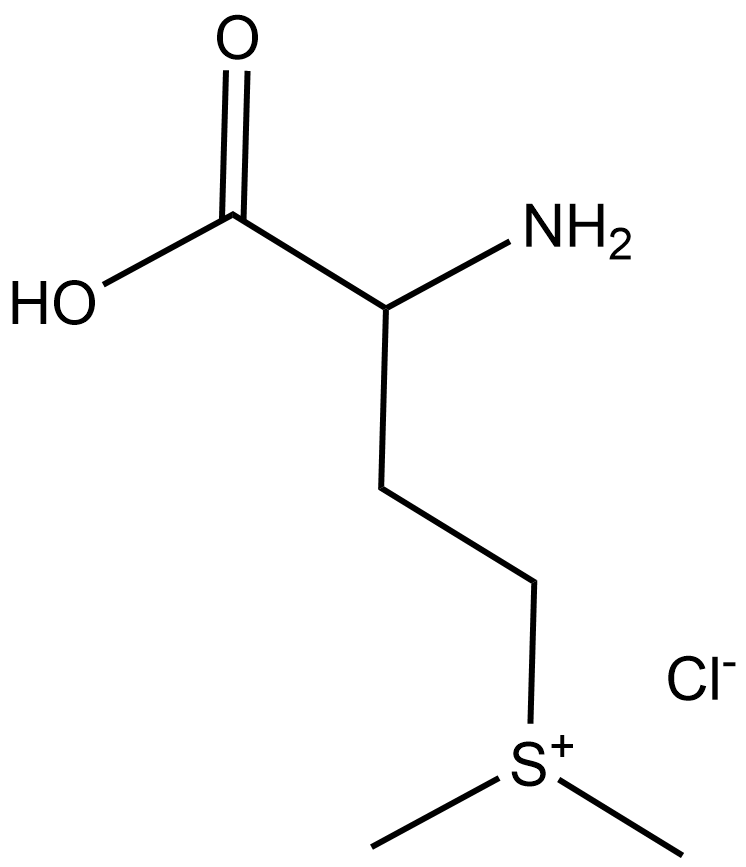 C9000 VitaMin USummary: VitaMin U (CAS 3493-12-7) is a bioactive small molecule used as a biochemical reagent in life sciences research and molecular pathway investigations.
 -
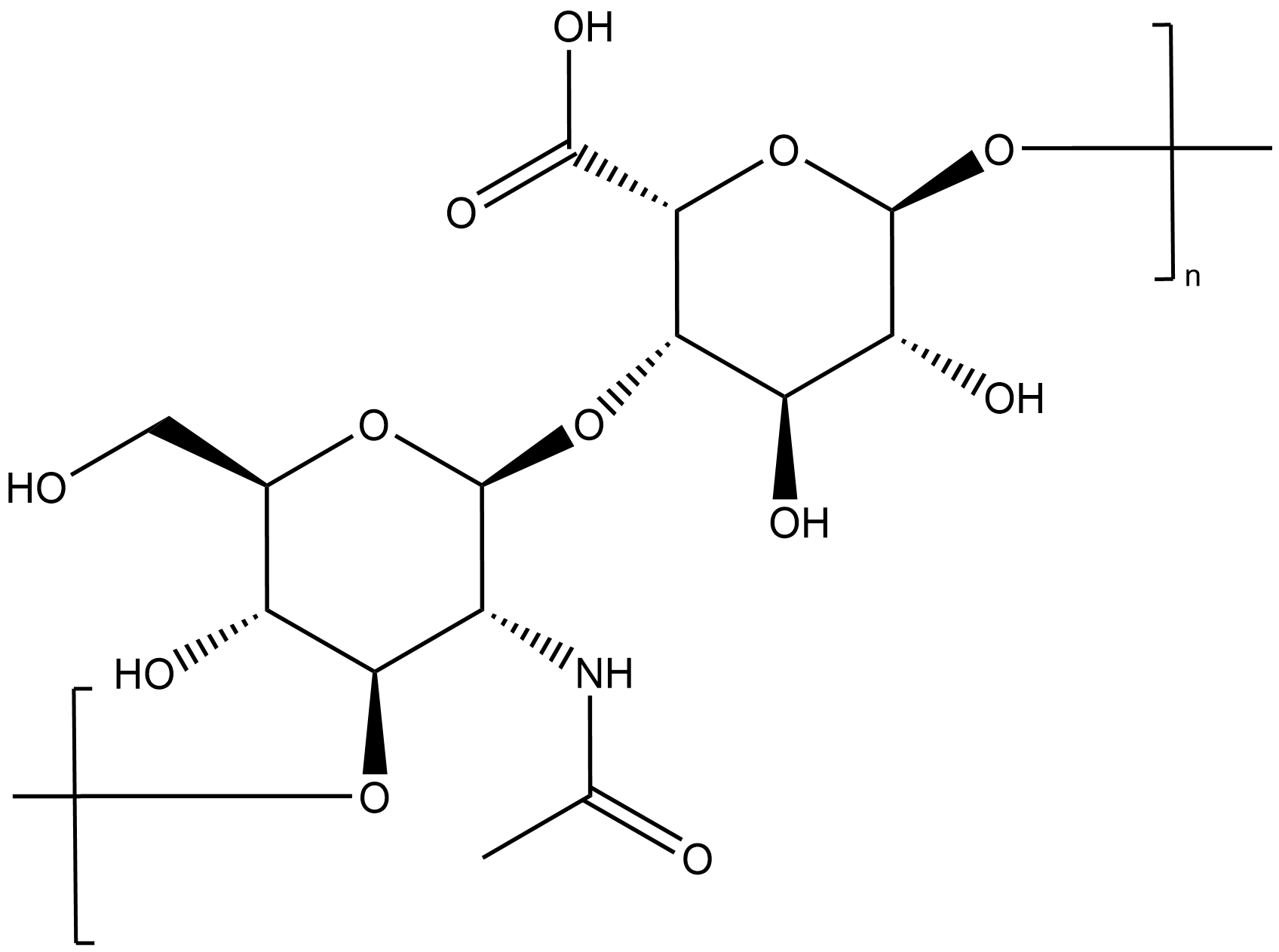 C9013 Hyaluronic acidSummary: Hyaluronic acid is a high-molecular-weight glycosaminoglycan targeting extracellular matrix and CD44-mediated signaling, widely utilized in cell biology, biomaterials, and tissue engineering research.
 -
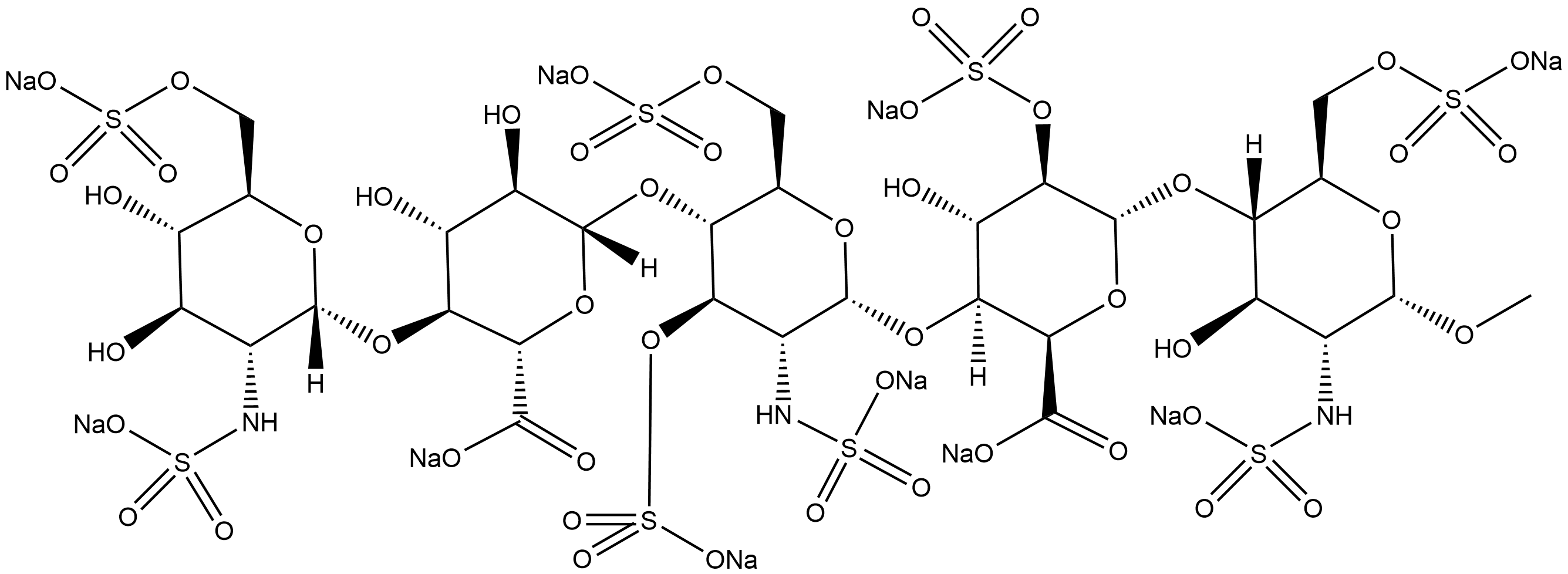 C9019 Fondaparinux Sodium (Org 31540)Summary: Fondaparinux Sodium (Org 31540) is a synthetic pentasaccharide antithrombin-dependent factor Xa inhibitor used in coagulation pathway and thrombosis mechanism research.
 -
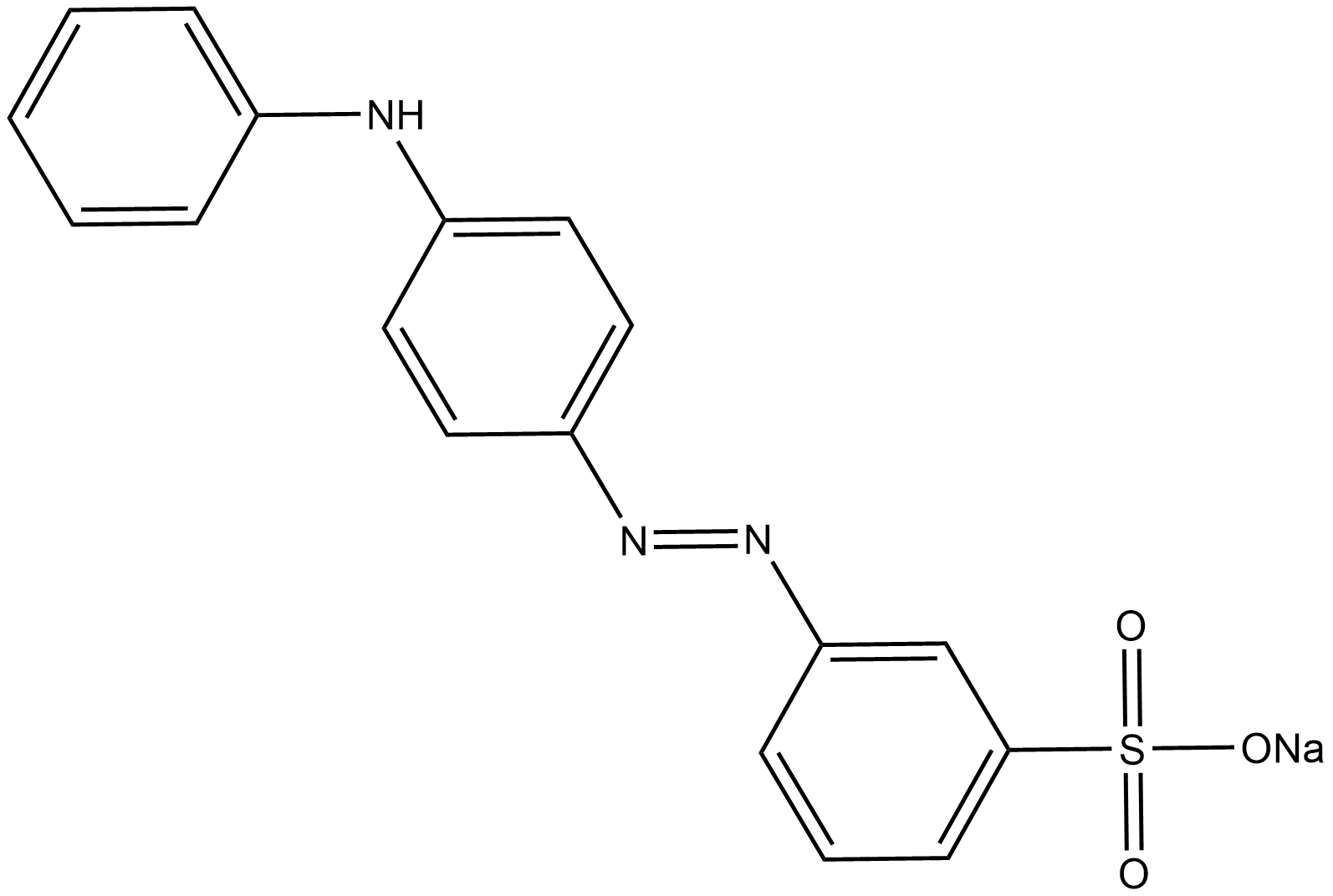 C9034 Acid Yellow 36Summary: Acid Yellow 36 is a synthetic azo dye and pH-sensitive colorimetric indicator utilized in analytical chemistry and biochemical assay development research.