


Metabolism
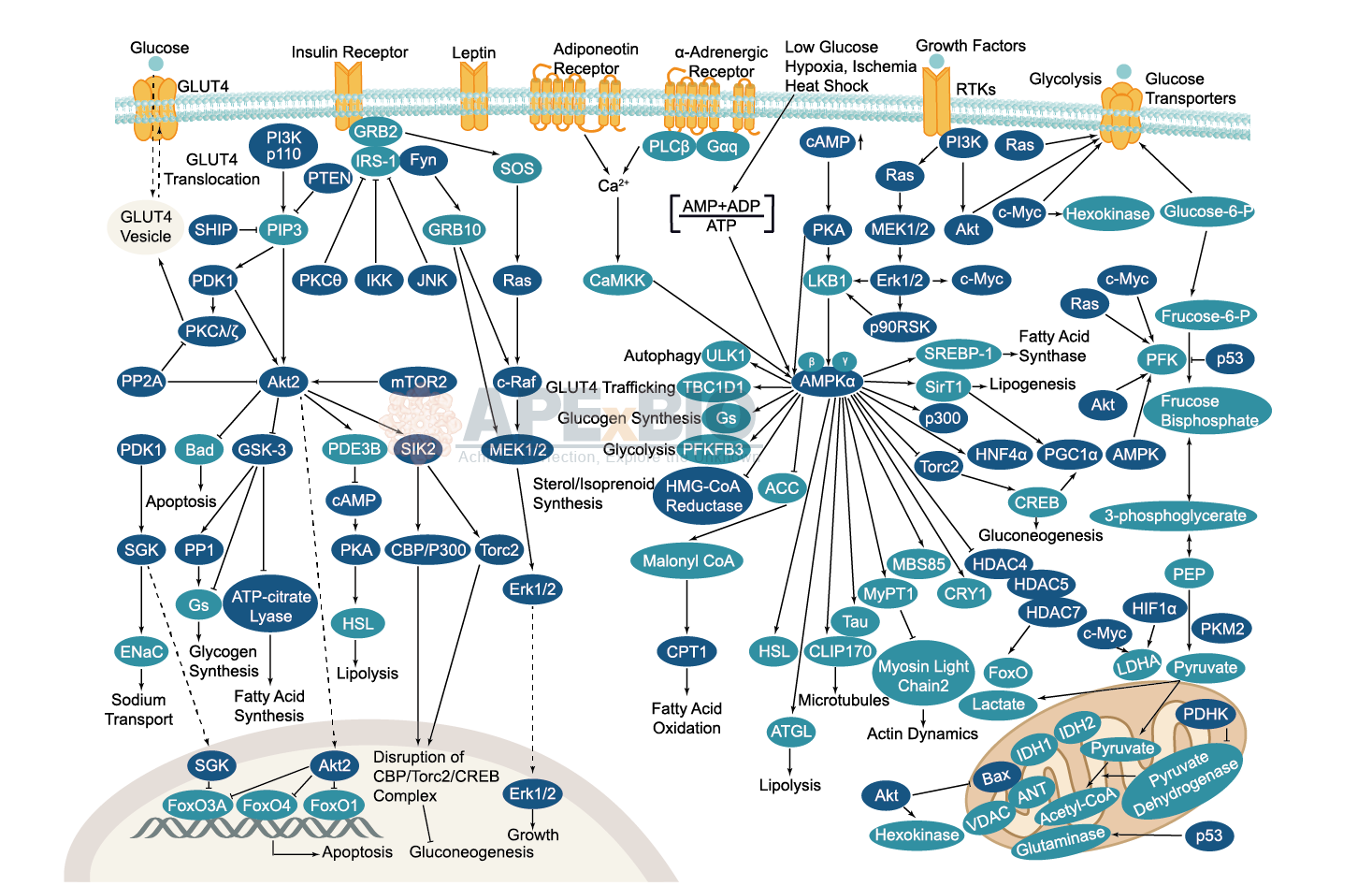
Serine/threonine kinase AMPK upregulates glucose uptake by promoting the expression and function of glucose transporters. AMPK is activated by increased AMP/ATP ratio, resulting from cellular and environmental stress, e.g. low glucose, heat shock, hypoxia and ischemia. AMPK activation positively modulates signaling transductions that refill ATP levels. Moreover, it also stimulates catabolic processes such as fatty acid oxidation and glycolysis through inhibition of ACC and activation of PFK2. AMPK negatively regulates various proteins which are important to ATP-consuming mechanisms, e.g. mTORC2, glycogen synthase, SREBP-1, and TSC2, causing the downregulation/inhibition of gluconeogenesis and glycogen, lipid and protein synthesis.
-
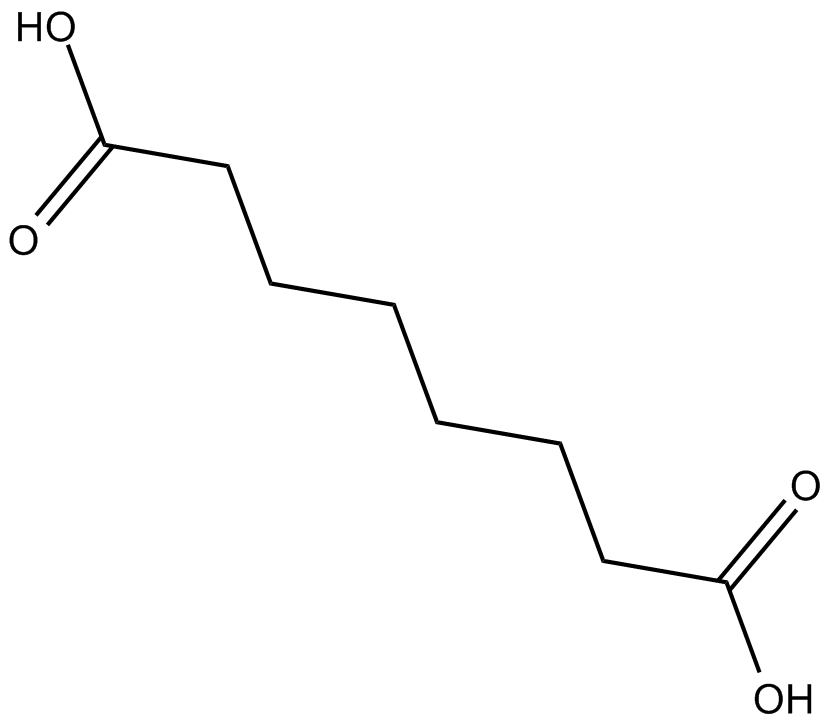 M1327 suberate (octanedioate)Summary: A biomarker associated with abnormalities in fatty acid oxidation and carnitine metabolism.
 -
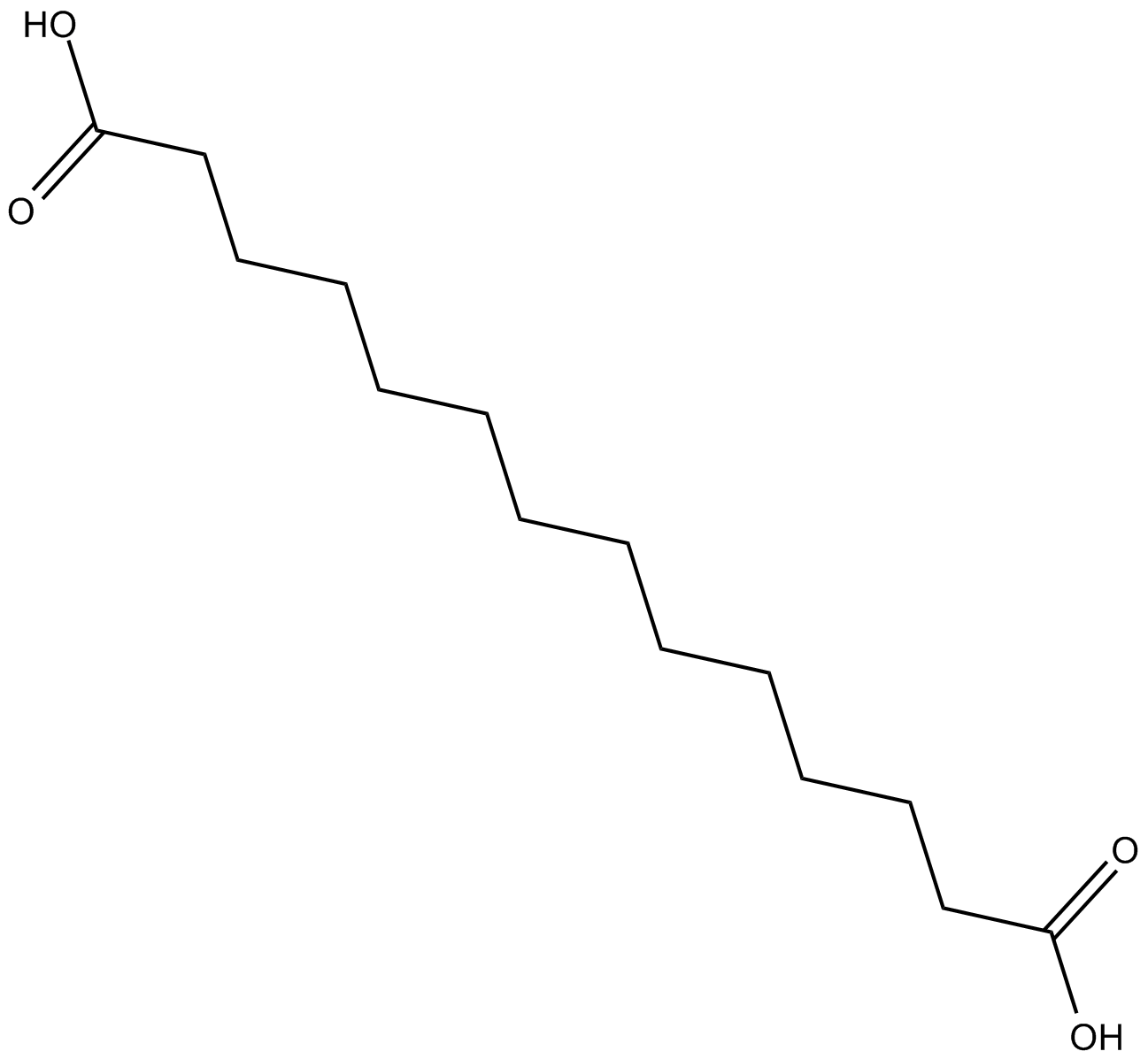 M1328 tetradecanedioateSummary: An endogenous long-chain fatty dicarboxylic acid involved in lipid metabolism and OATP transport function.
 -
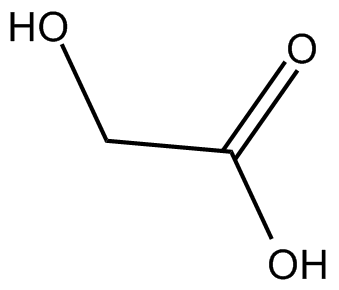 M1354 glycolate (hydroxyacetate)Summary: A compound that can inhibit tyrosinase activity and reduce melanin production.
 -
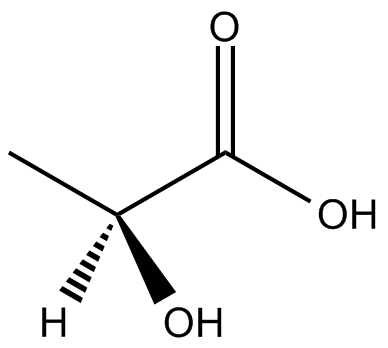 M1355 lactate1 CitationSummary: A compound used for preparing polylactic acid polymers and exhibiting anti-proliferative activity.
 -
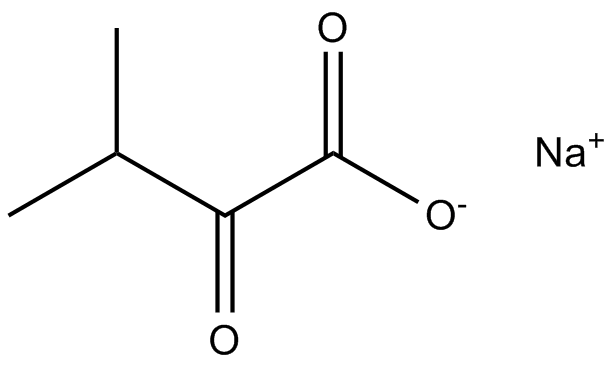 M1358 3-methyl-2-oxobutyrateSummary: A direct precursor compound in the pantothenic acid biosynthesis pathway in microorganisms.
 -
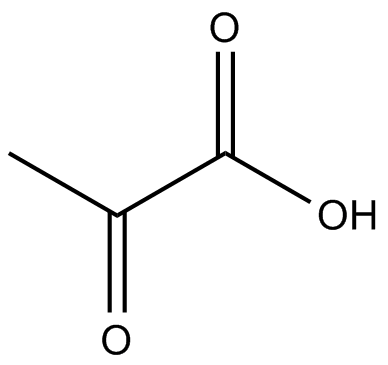 M1361 pyruvateSummary: An energy metabolism intermediate with anti-inflammatory effects.
 -
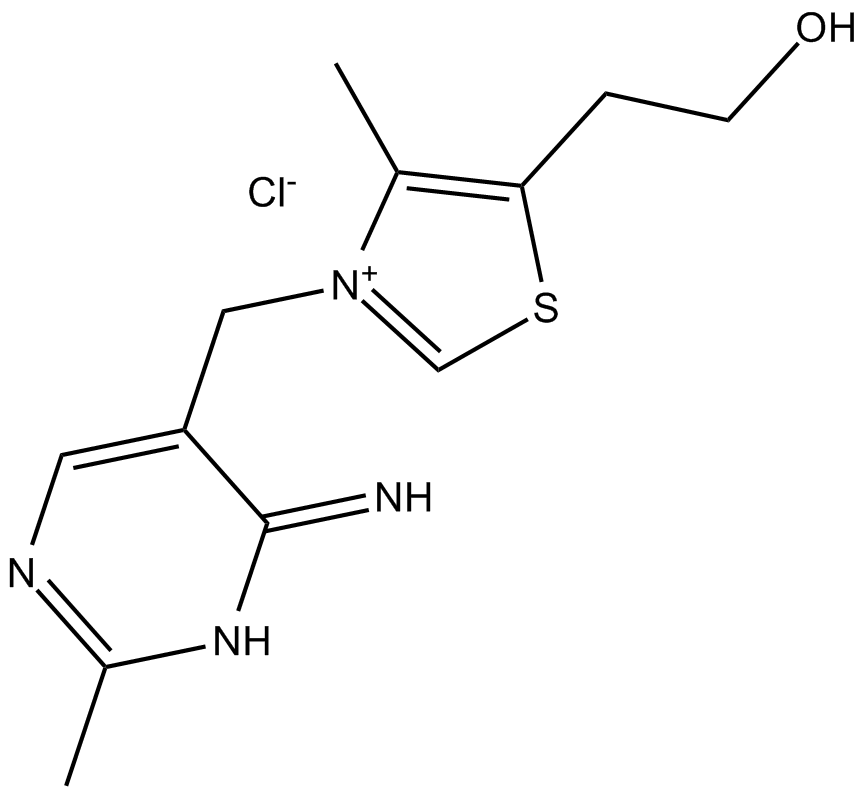 M1376 thiamineSummary: Participates in coenzyme synthesis, promotes glucose metabolism and neuronal energy supply.
 -
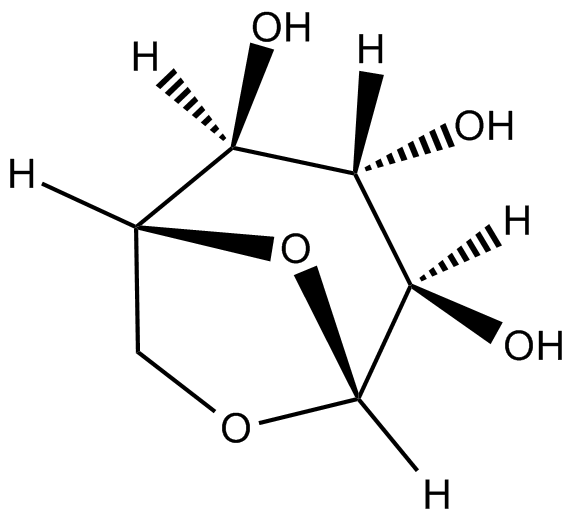 M1382 1,6-anhydroglucoseSummary: A dehydrated sugar commonly used in research on cell signaling pathways and enzyme activity.
 -
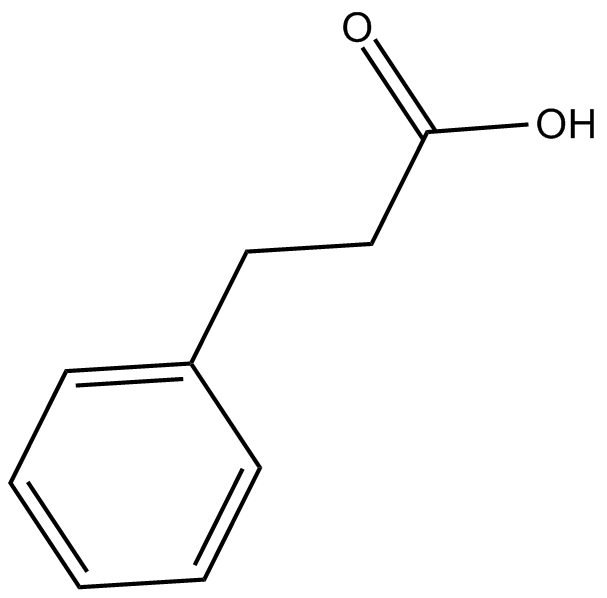 M1384 3-phenylpropionate (hydrocinnamate)Summary: Rhizosphere compounds with growth-regulating activity.
 -
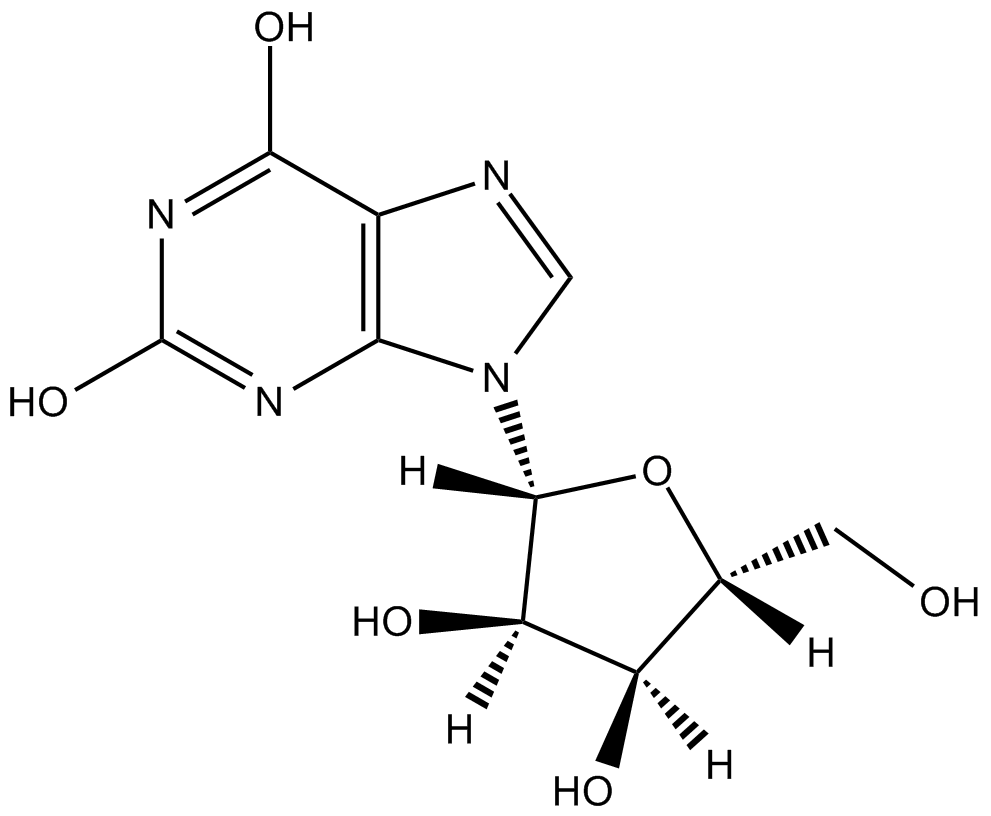 M1397 xanthosineSummary: A nucleoside that can increase the number of mammary stem cells in cows and goats and boost milk yield.