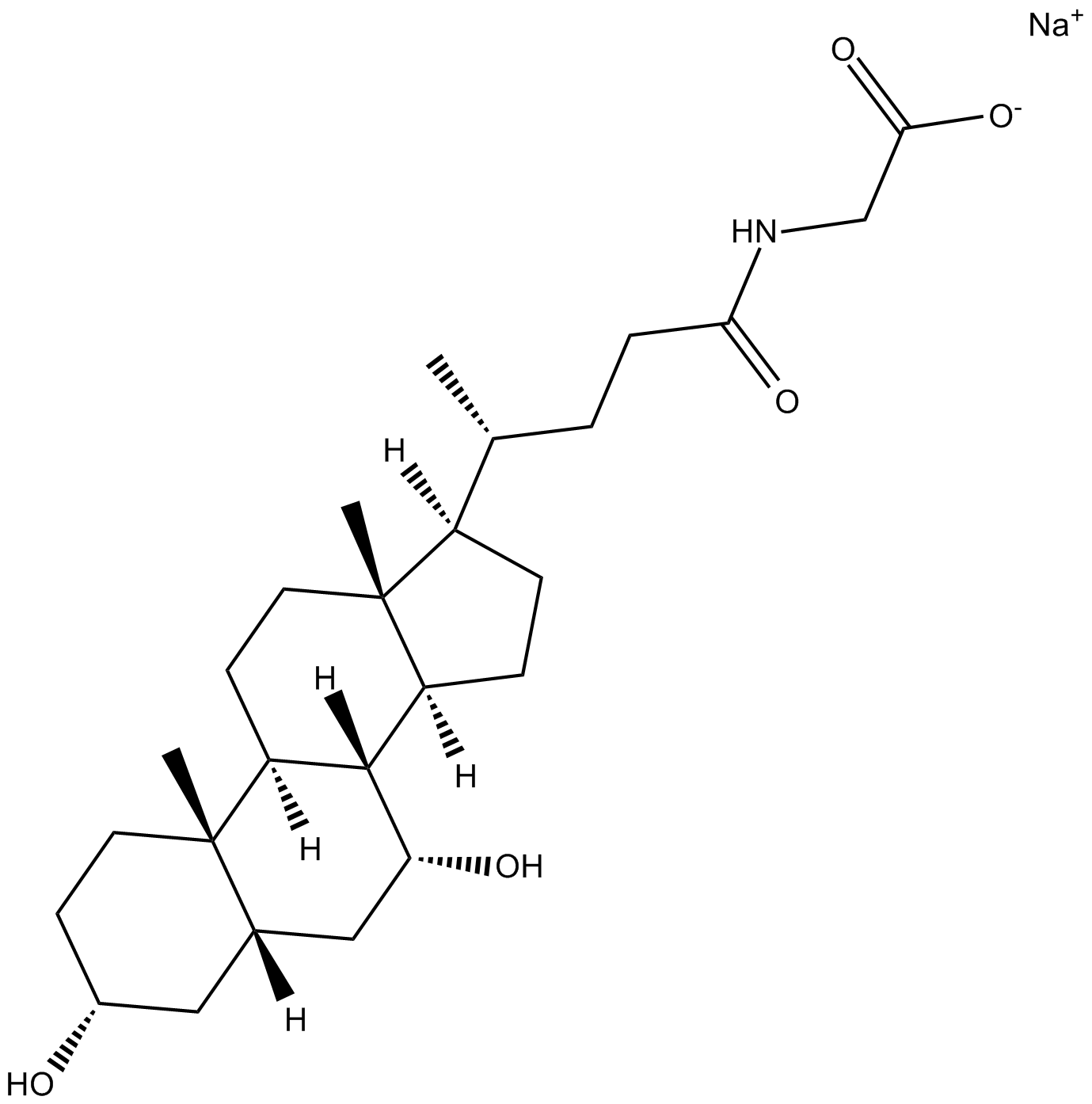
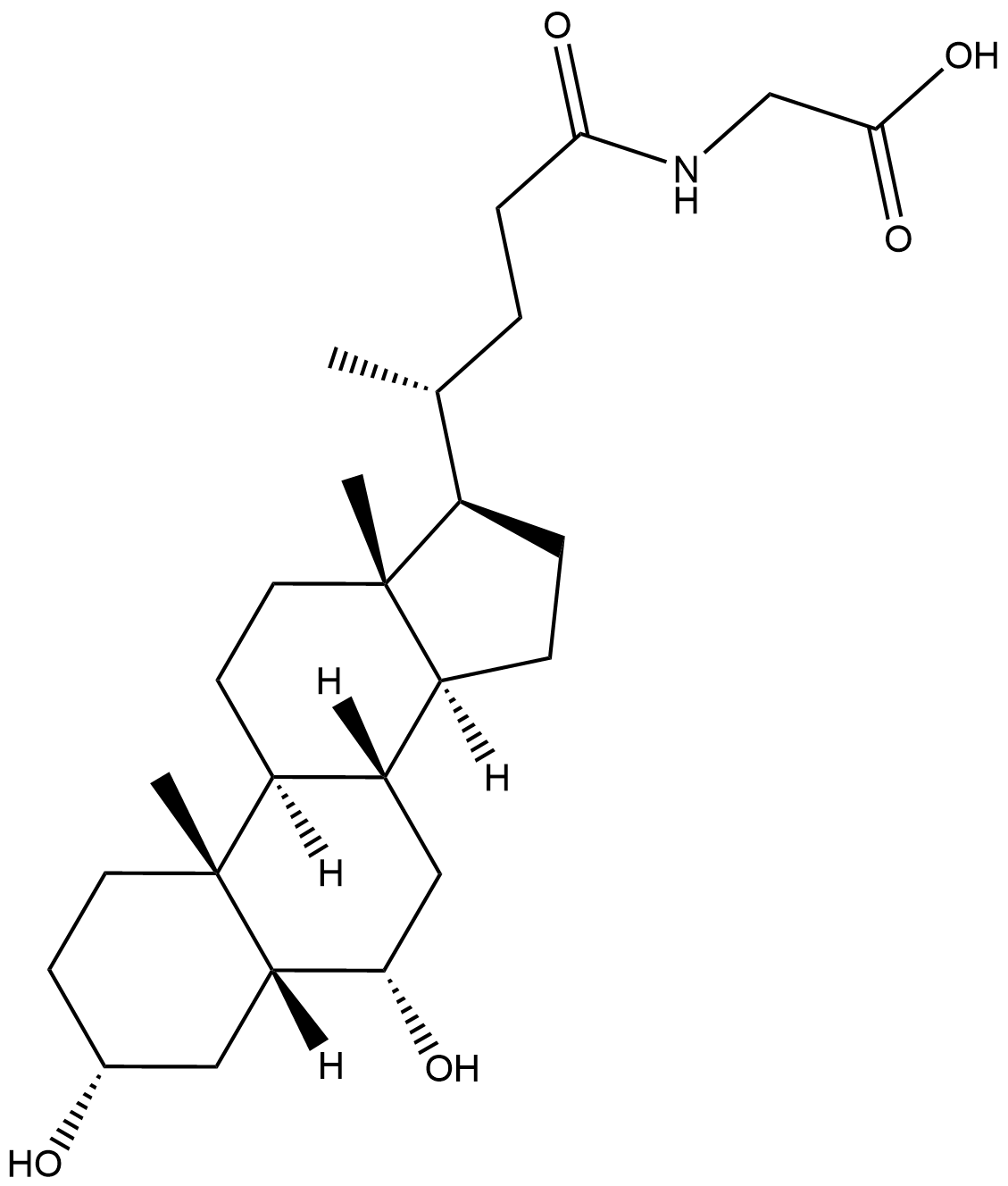
glycodeoxycholate
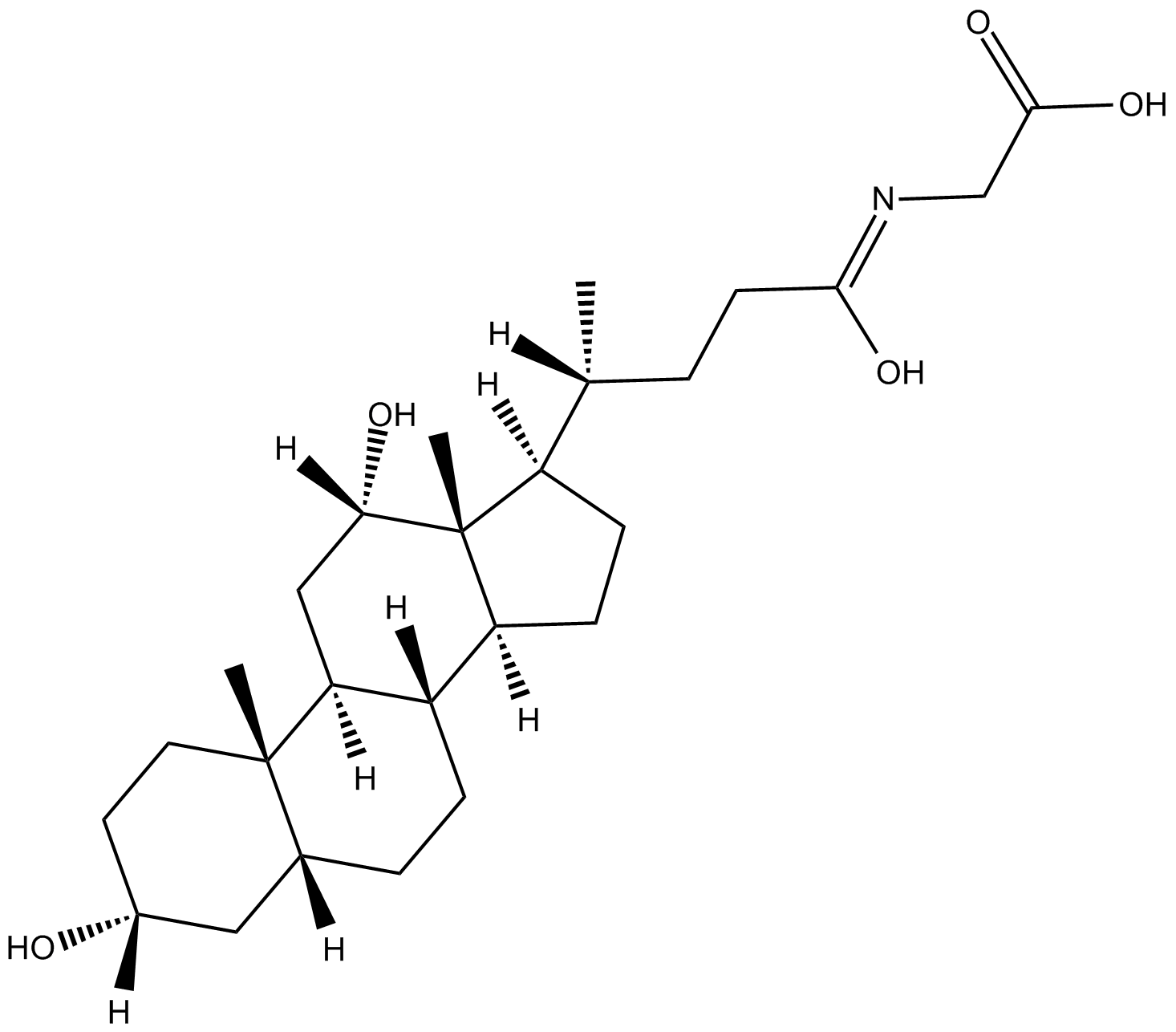
glycodeoxycholate (CAS No.: 360-65-6) is a glycine-conjugated secondary bile acid derivative and endogenous bioactive metabolite widely utilized in biomedical research as a tool compound to investigate bile acid–mediated signaling, hepatocellular injury, and autophagy regulation. Originating from natural bile acid metabolism and identified in multiple biological systems, glycodeoxycholate exerts cytotoxic effects on hepatocytes primarily through disruption of cellular membranes, leading to necrotic cell death and concurrent activation of autophagic pathways, particularly in models of cholestasis and bile acid accumulation. Mechanistically, it has been associated with modulation of bile acid homeostasis and regulation of enzymes involved in cholesterol catabolism, including downregulation of CYP7A1 expression, as well as effects on smooth muscle tone in vascular tissues in a concentration-dependent manner. Elevated systemic levels of this metabolite have been correlated with severe liver injury and metabolic dysregulation, supporting its relevance as both a biomarker and functional mediator in hepatic pathophysiology. In vitro, glycodeoxycholate demonstrates biological activity typically within the low micromolar to higher concentration ranges depending on cell type and experimental conditions, and it is frequently applied in hepatocyte cultures, organoid systems, and animal models to study mechanisms of cholestatic liver damage, autophagy induction, and bile acid toxicity, as well as to evaluate potential therapeutic interventions targeting bile acid signaling pathways.
| Physical Appearance | A solid |
| Storage | -20°C |
| M.Wt | 449.62 |
| Cas No. | 360-65-6 |
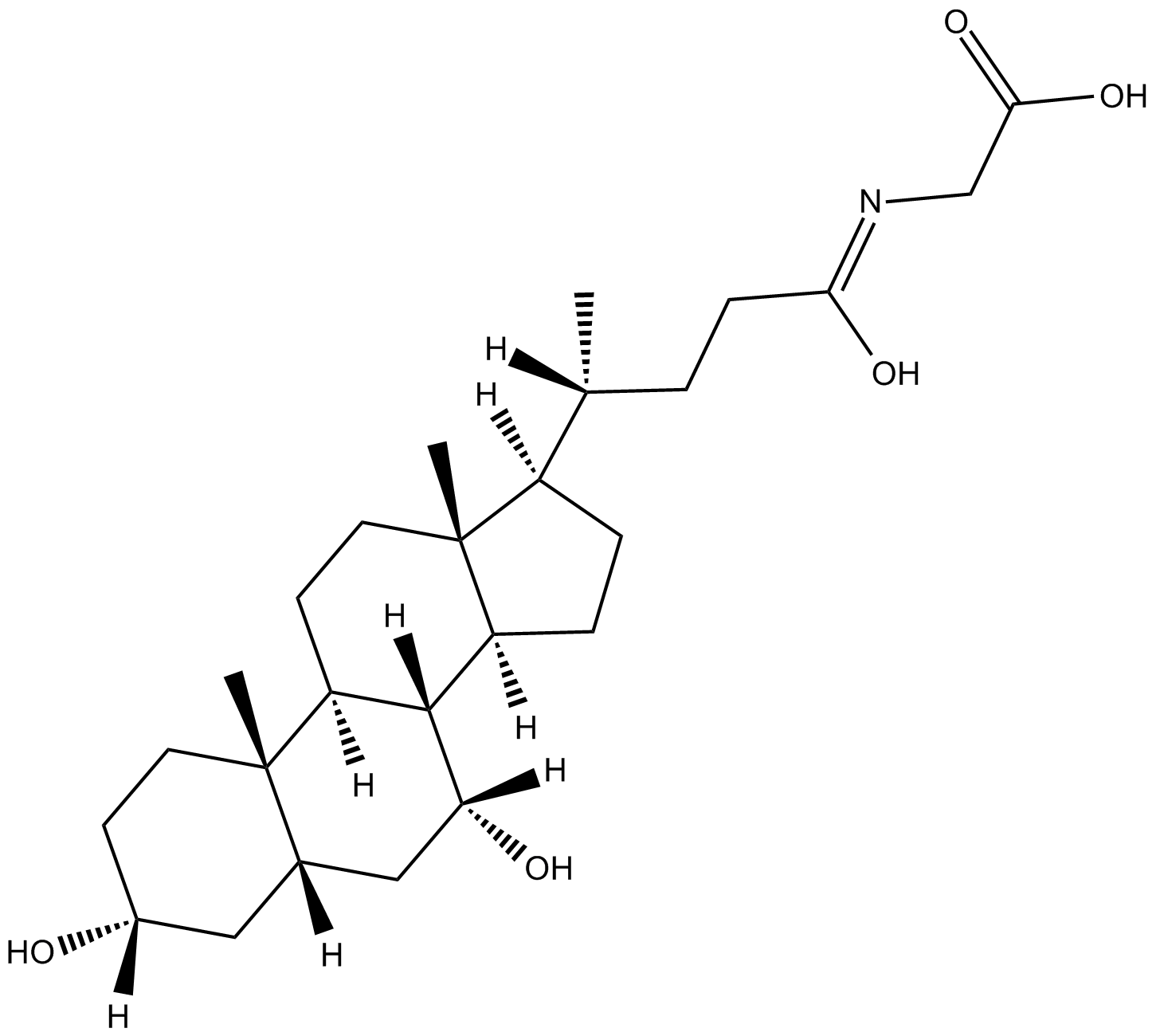
| Formula | C26H43NO5 |
| Synonyms | GDCA |
| Solubility | insoluble in H2O; ≥55.4 mg/mL in DMSO; ≥56.6 mg/mL in EtOH |
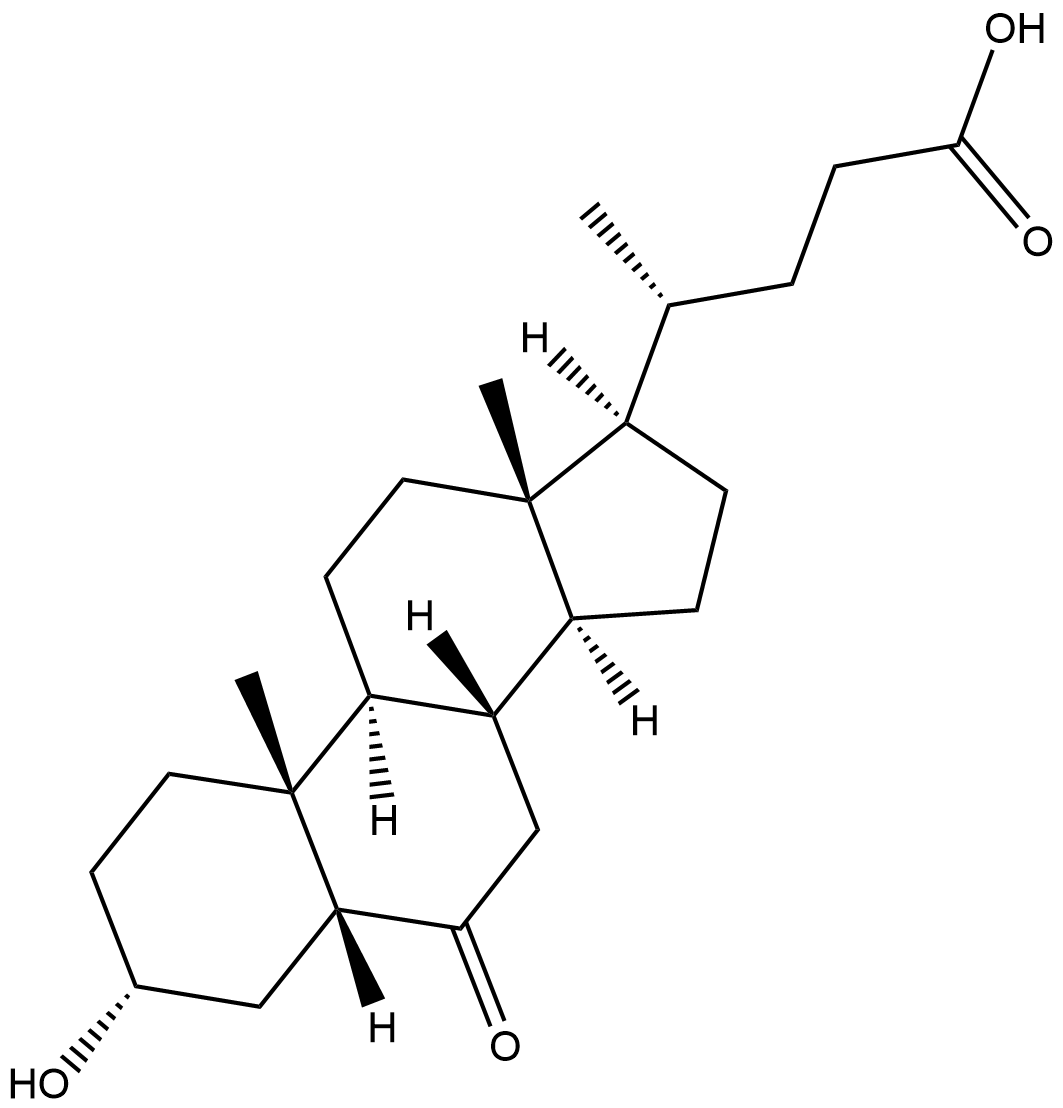
| Chemical Name | 2-((Z)-((R)-4-((3R,5R,8R,9S,10S,12S,13R,14S,17R)-3,12-dihydroxy-10,13-dimethylhexadecahydro-1H-cyclopenta[a]phenanthren-17-yl)-1-hydroxypentylidene)amino)acetic acid |
| Canonical SMILES | C[C@]([C@@]1([H])CC[C@@]2([H])[C@]([C@]3([H])C[C@@](O)([H])[C@]12C)([H])CC[C@]4([H])C[C@@](O)([H])CC[C@@]43C)([H])CC/C(O)=N/CC(O)=O |
| Shipping Condition | Small Molecules with Blue Ice, Modified Nucleotides with Dry Ice. |
| General tips | We do not recommend long-term storage for the solution, please use it up soon. |