


Metabolism
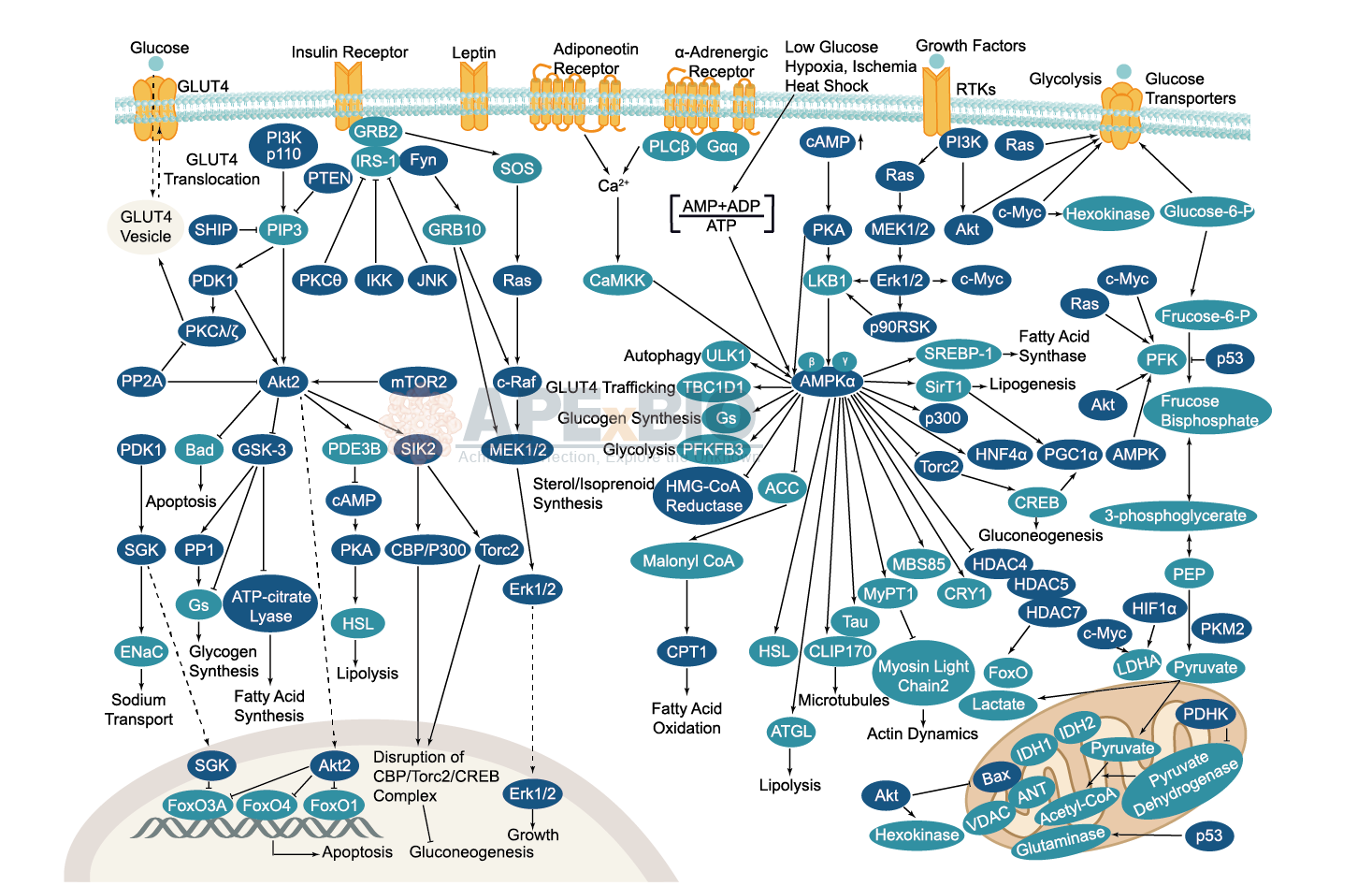
Serine/threonine kinase AMPK upregulates glucose uptake by promoting the expression and function of glucose transporters. AMPK is activated by increased AMP/ATP ratio, resulting from cellular and environmental stress, e.g. low glucose, heat shock, hypoxia and ischemia. AMPK activation positively modulates signaling transductions that refill ATP levels. Moreover, it also stimulates catabolic processes such as fatty acid oxidation and glycolysis through inhibition of ACC and activation of PFK2. AMPK negatively regulates various proteins which are important to ATP-consuming mechanisms, e.g. mTORC2, glycogen synthase, SREBP-1, and TSC2, causing the downregulation/inhibition of gluconeogenesis and glycogen, lipid and protein synthesis.
-
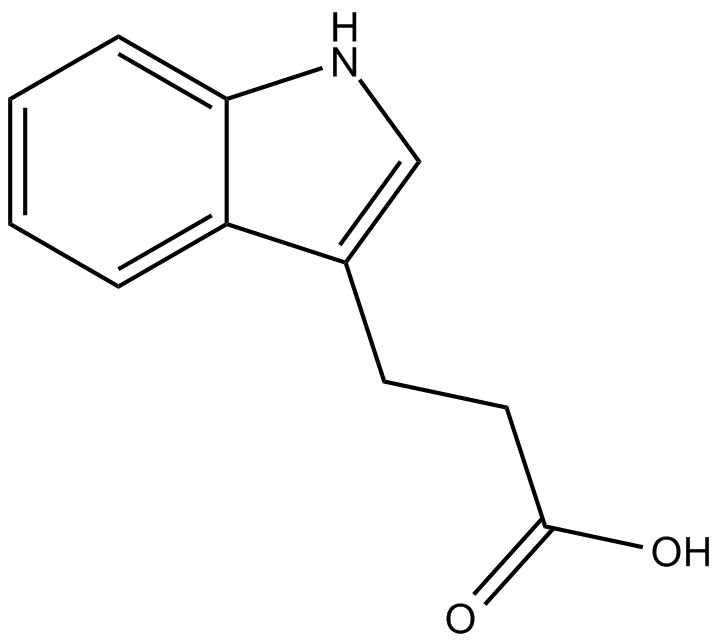 M1047 3-Indolepropionic acidSummary: A compound with antioxidant activity and potential for Alzheimer's disease research.
 -
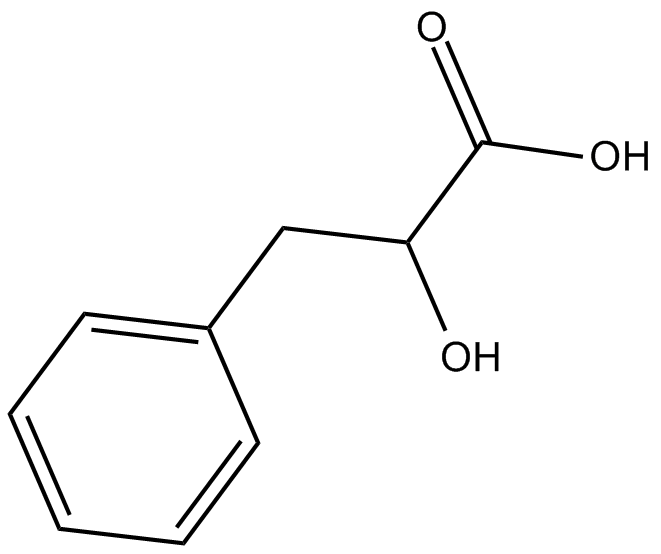 M1058 DL-3-Phenyllactic acidSummary: A natural broad-spectrum antibacterial agent for microbiology and pharmacology research.
 -
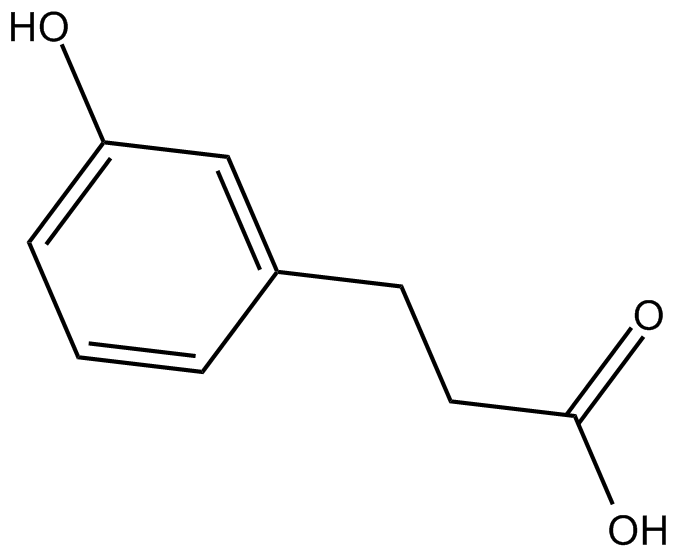 M1087 3-(3-Hydroxyphenyl)propionic AcidSummary: A flavonoid metabolite produced by the human microbiota with vasodilatory activity.
 -
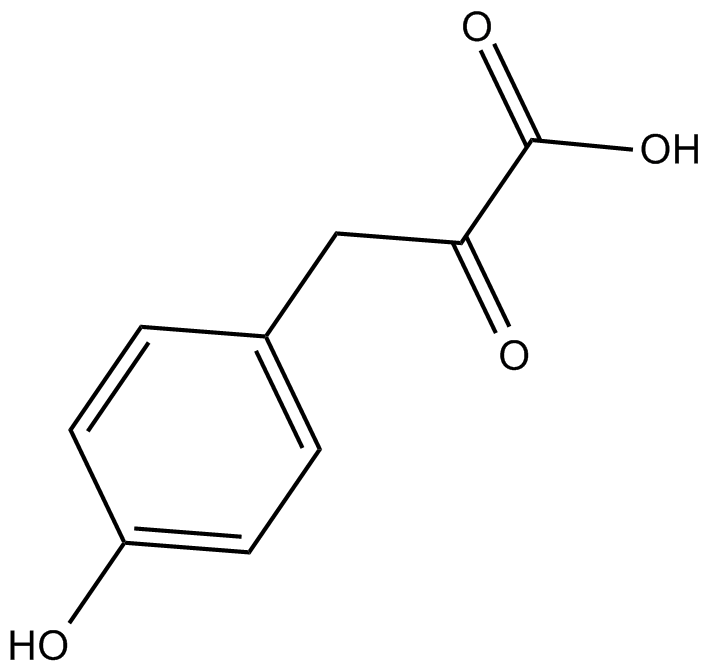 M1088 4-Hydroxyphenylpyruvic acidSummary: An organic compound used to study the metabolic pathways of phenylpyruvic acid derivatives.
 -
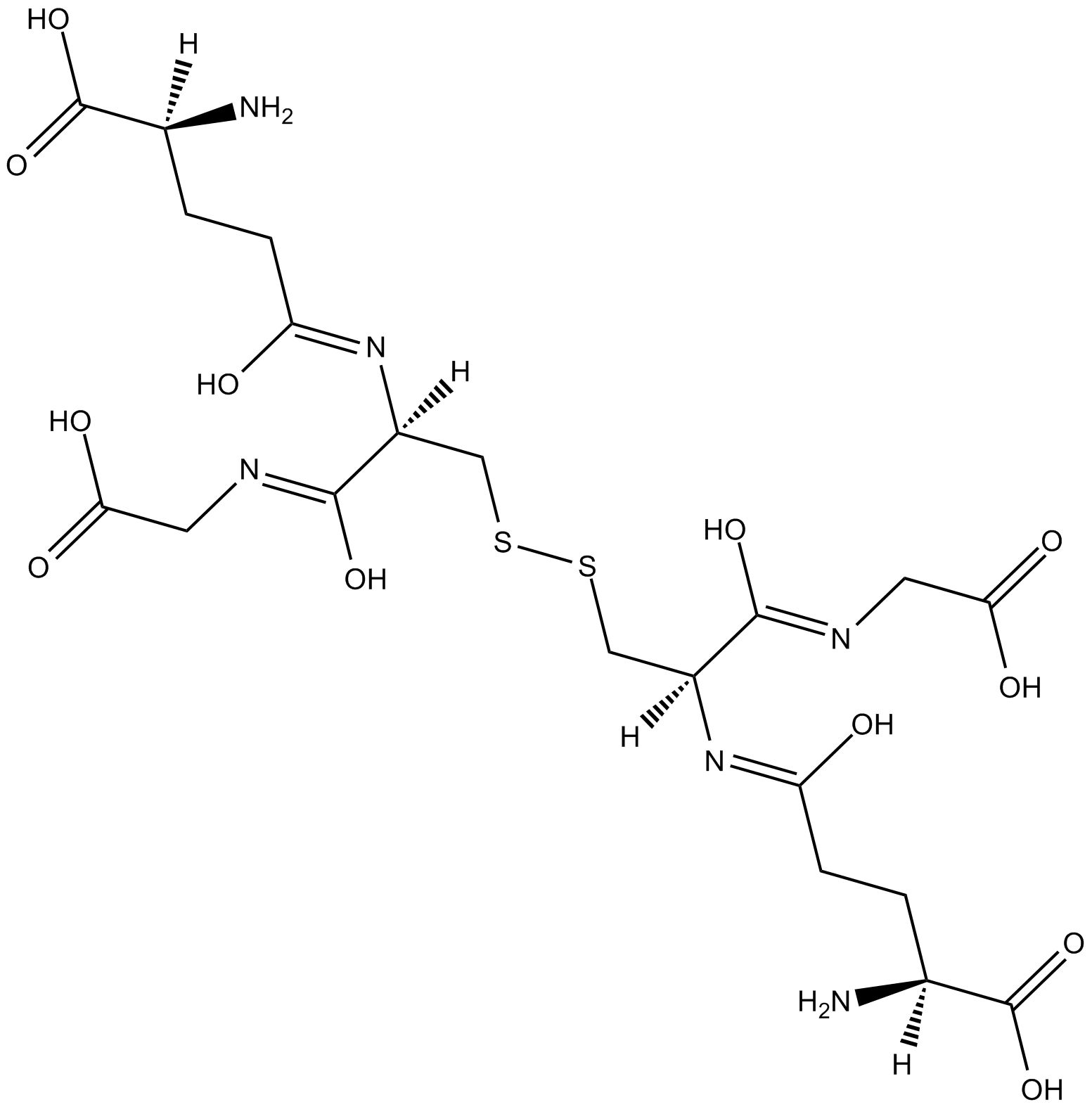 M1094 Glutathione oxidizedSummary: A dimer formed by the oxidation of glutathione, used for sickle cell and red blood cell research.
 -
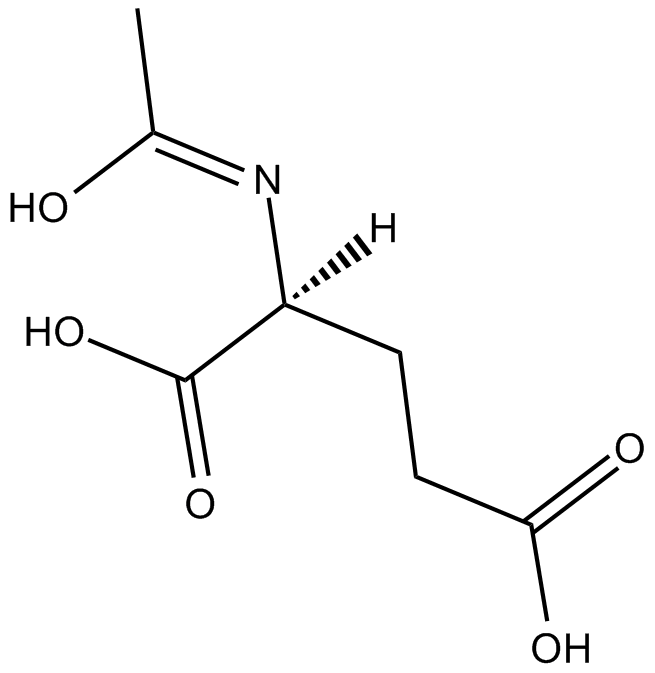 M1103 N-Acetyl-L-glutamic acidSummary: A glutamate metabolite used for animal cell culture media.
 -
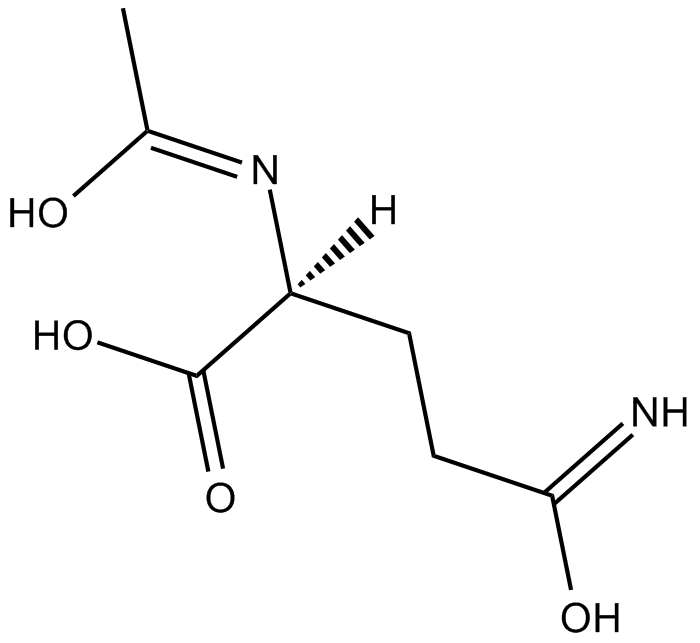 M1104 AceglutamideSummary: A mental stimulant and nootropic that helps improve memory and attention.
 -
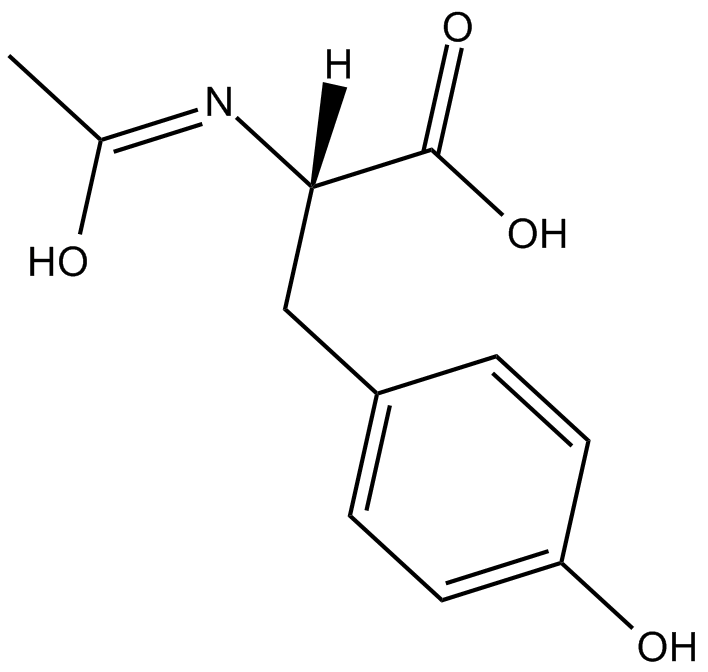 M1111 N-Acetyl-L-tyrosineSummary: A tyrosine precursor substance for parenteral nutrition support.
 -
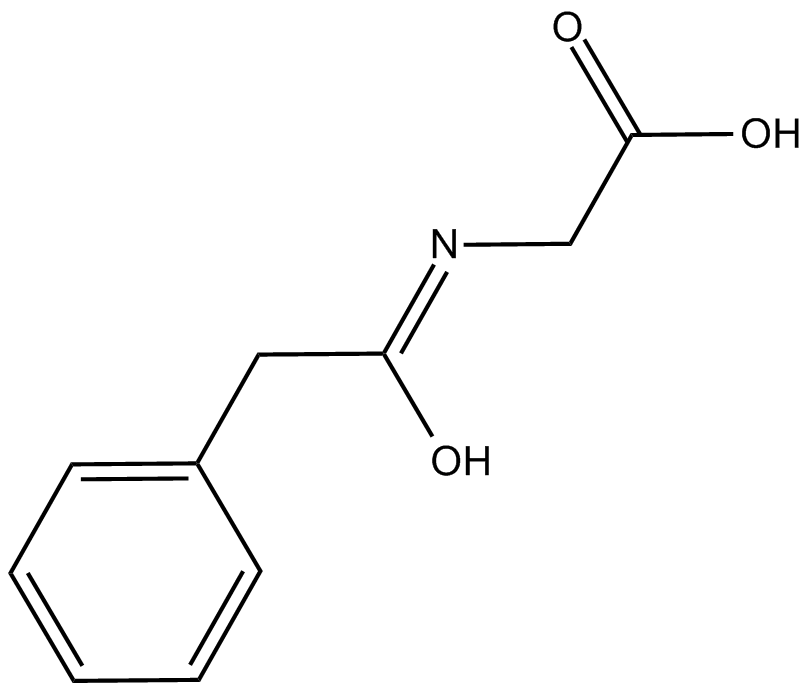 M1116 2-(2-Phenylacetamido)acetic acidSummary: A gut microbiota metabolite that activates β2AR and modulates myocardial ischemia/reperfusion injury.
 -
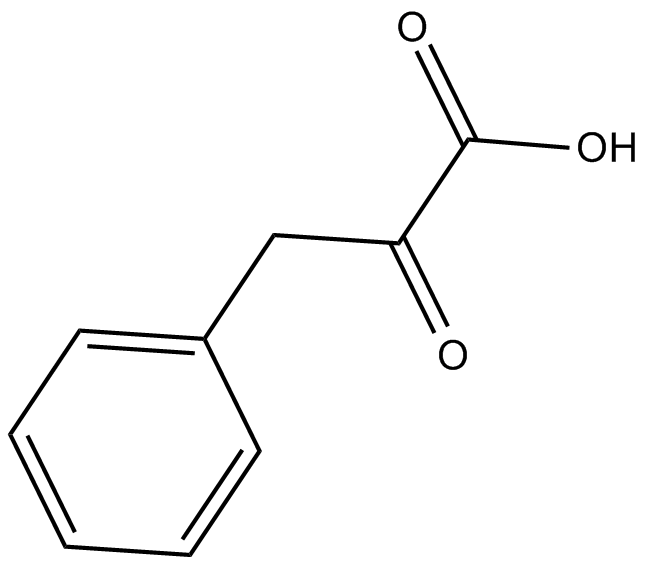 M1118 Phenylalanine & tyrosine metabolismSummary: A metabolic intermediate that can be synthesized into 3-phenyllactic acid via lactate dehydrogenase.