


N-Acetyl-L-glutamic acid
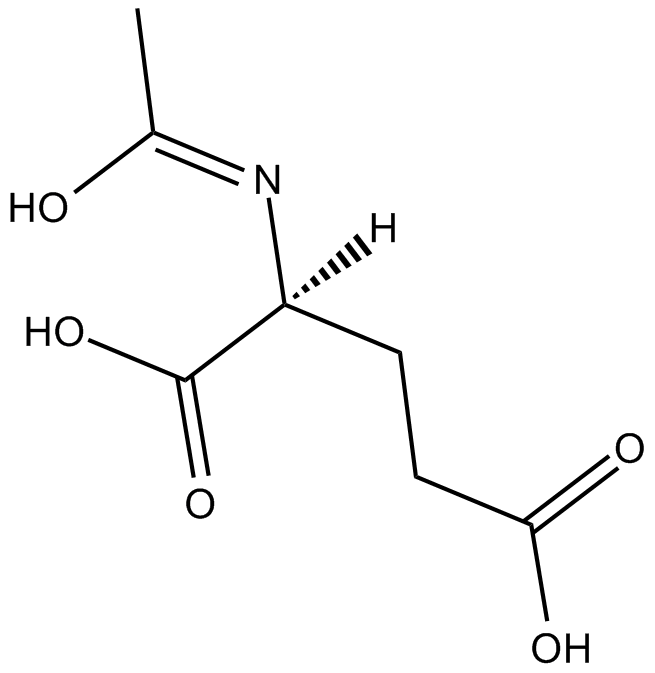
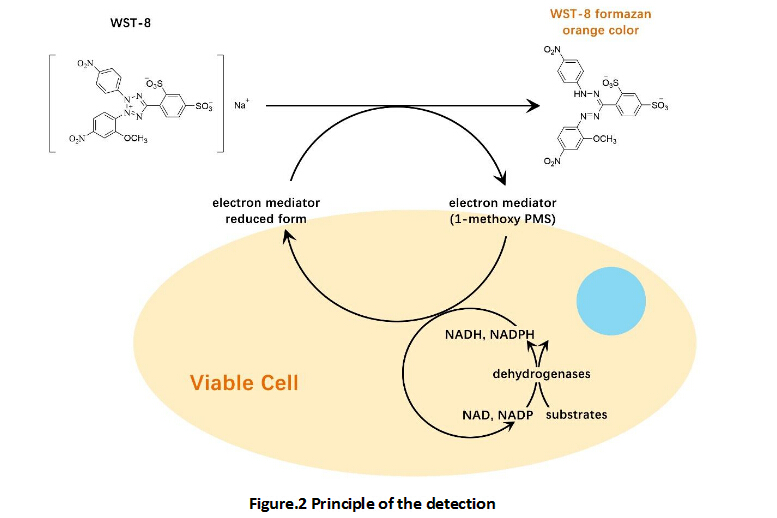
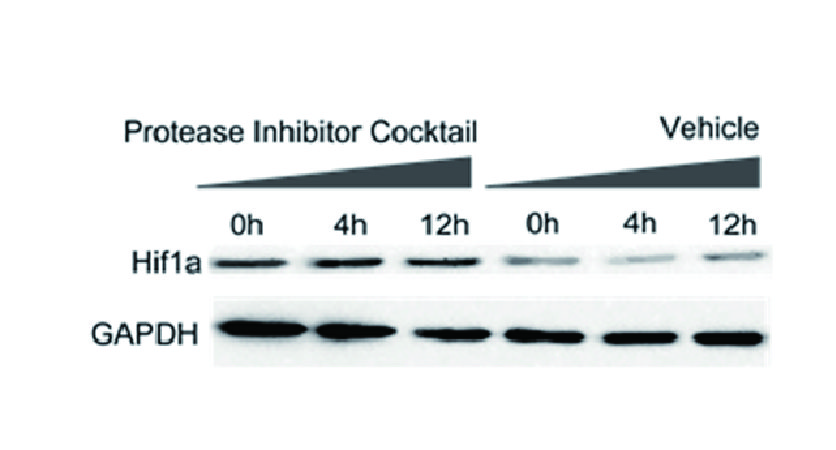
N-Acetyl-L-glutamic acid (CAS No.: 1188-37-0) is an acetylated derivative of glutamic acid belonging to the class of glutamic acid and related amino acid derivatives, widely recognized as an endogenous metabolite present in mammalian tissues, including the brain, where it participates in nitrogen metabolism and cellular homeostasis. Functionally, it serves as a biochemical modulator in pathways associated with amino acid metabolism and has been implicated in the regulation of enzymatic processes linked to the urea cycle through activation of carbamoyl phosphate synthetase I, thereby influencing ammonia detoxification. In biomedical research, N-Acetyl-L-glutamic acid is frequently utilized as a supplement in cell culture media formulations, where it supports cellular proliferation, viability, and protein expression, including enhancement of antibody production in optimized culture systems. Additionally, emerging evidence suggests that it may act as an IgE-modulating agent, making it of interest in studies of allergic disease mechanisms and immune regulation, although its precise molecular targets in this context remain to be fully elucidated. Its biological activity is generally observed in the low micromolar to millimolar concentration range depending on the experimental system, reflecting its role as a metabolic intermediate rather than a high-affinity ligand. Consequently, N-Acetyl-L-glutamic acid is broadly applied in metabolic studies, immunological assays, and bioprocess optimization, with concentrations or dosing regimens tailored to specific experimental objectives in both in vitro and in vivo models.
| Physical Appearance | A solid |
| Storage | -20°C |
| M.Wt | 189.17 |
| Cas No. | 1188-37-0 |
| Formula | C7H11NO5 |
| Synonyms | N-Acetylglutamate; N-Acetylglutamic Acid; NAG |
| Solubility | ≥38 mg/mL in DMSO |
| Chemical Name | (S)-2-acetamidopentanedioic acid |
| Canonical SMILES | O=C(CC[C@H](NC(C)=O)C(O)=O)O |
| Shipping Condition | Small Molecules with Blue Ice, Modified Nucleotides with Dry Ice. |
| General tips | We do not recommend long-term storage for the solution, please use it up soon. |