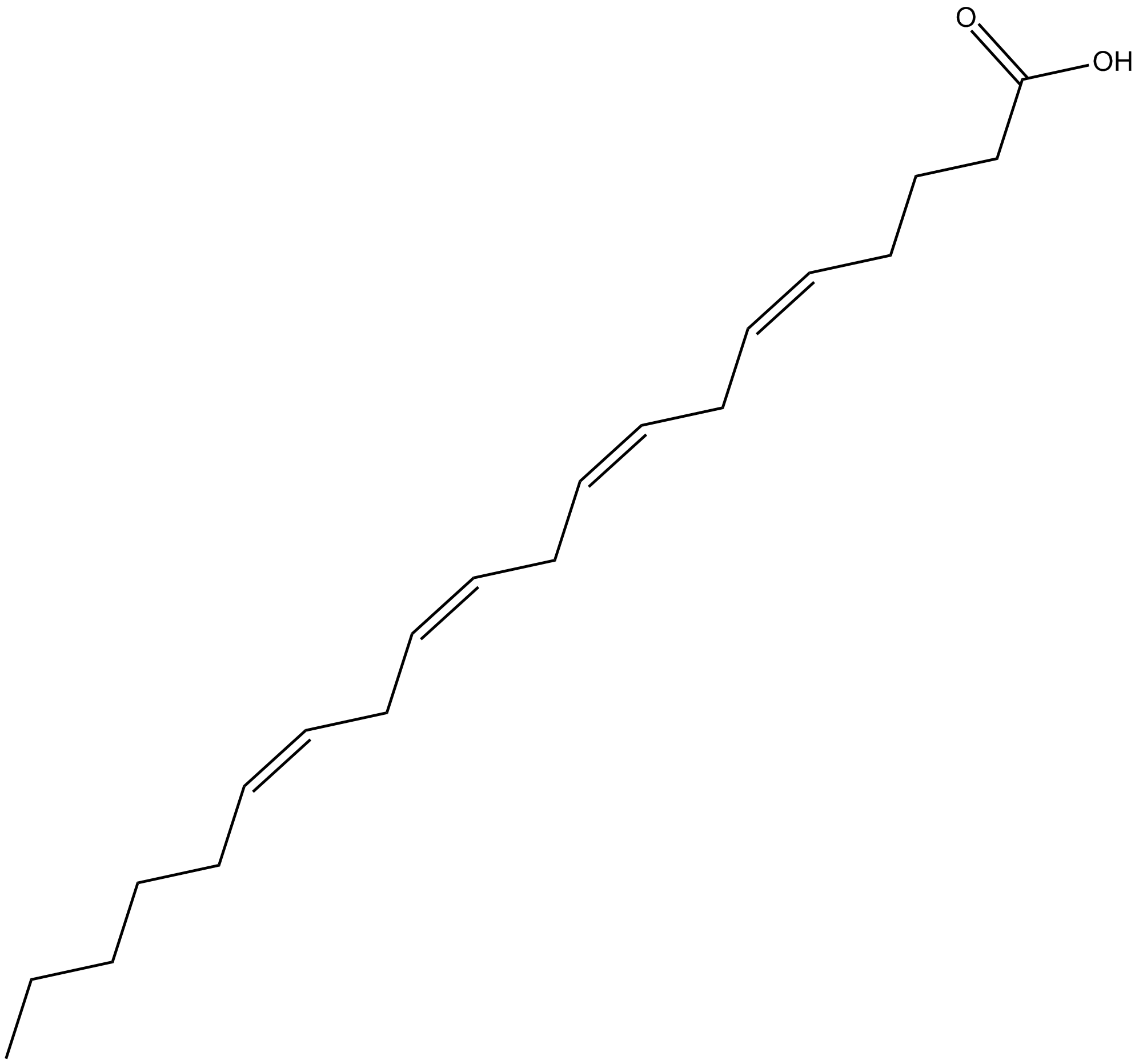
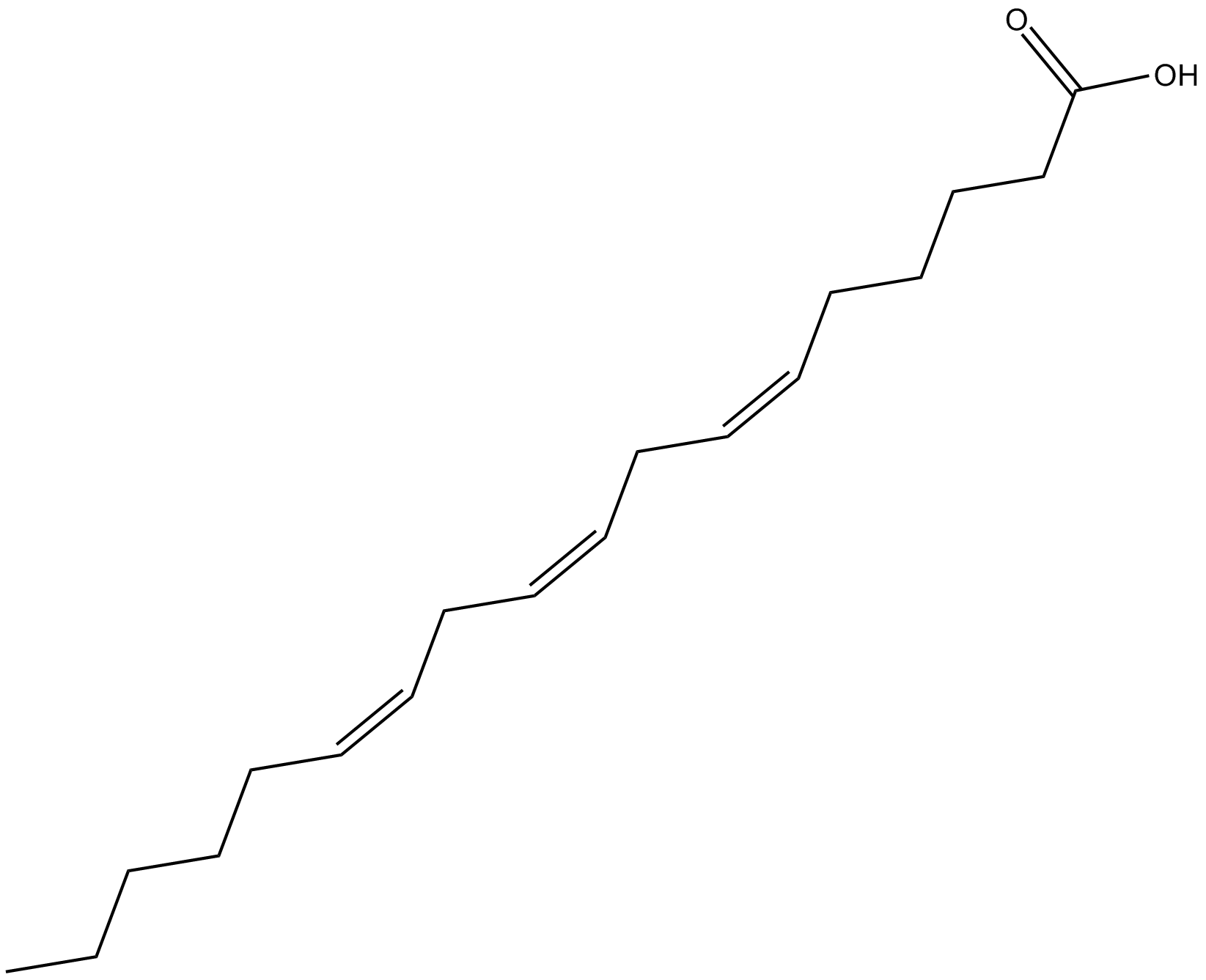
1-linoleoylglycerol (1-monolinolein)
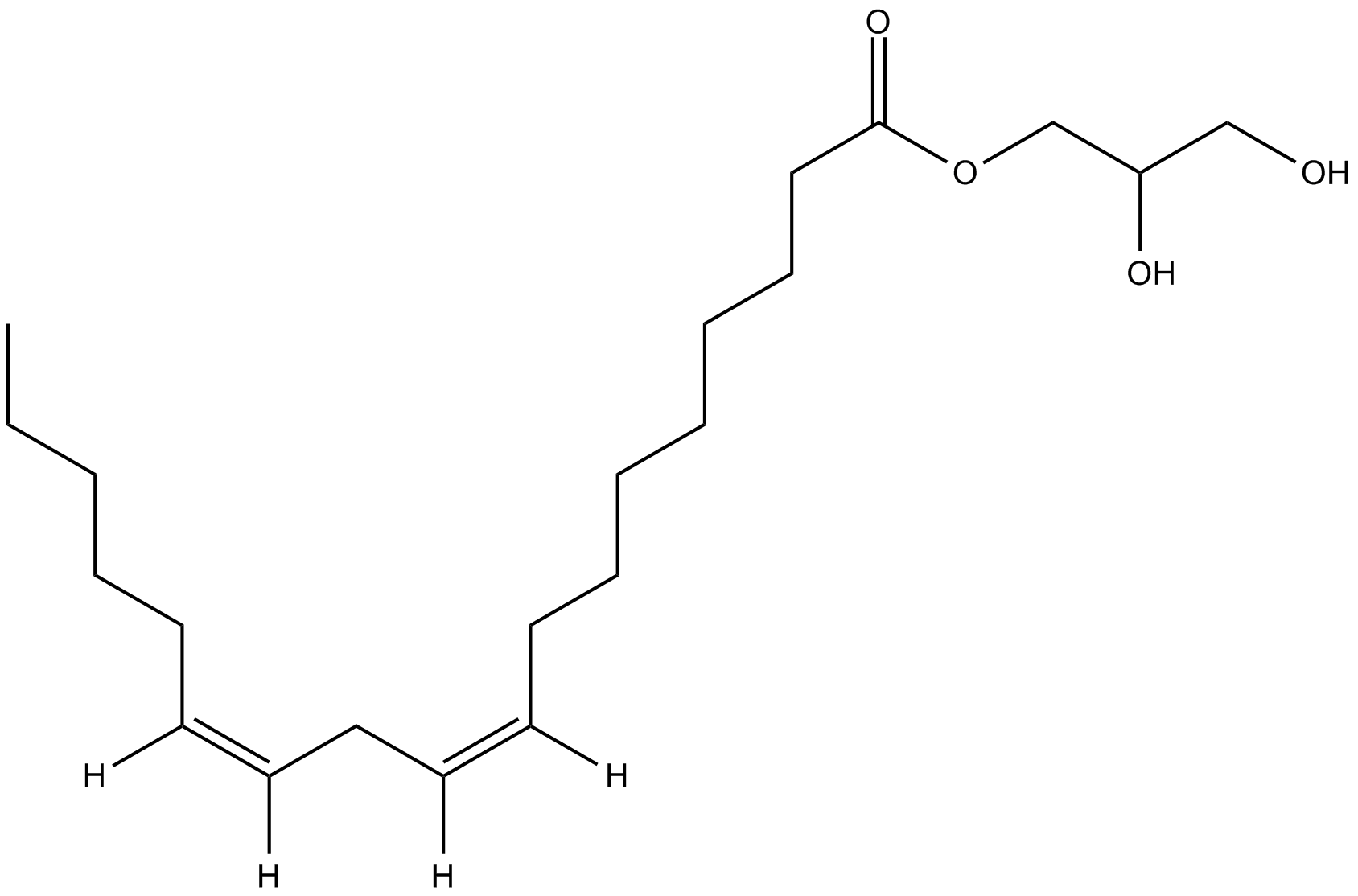
1-Linoleoyl glycerol (1-LG) is a natural fatty acid glycerol monoester isolated from the roots of Saururus chinensis. It is a specific inhibitor of lipoprotein-associated phospholipase A2 (LpPLA2, also known as platelet-activating factor acetylhydrolase, PAF-AH), competitively binding to the enzyme active site with an IC50 of 45 μM [1]. Platelet-activating factor (PAF) is a bioactive phospholipid synthesized by various stimulated cells and can act as a mediator of platelet aggregation, inflammation, and allergic responses [2,3]. PAF can be converted by PAF acetylhydrolase (PAF-AH) into biologically inactive lyso-PAF. Studies have found that plasma PAF-AH is associated with atherosclerosis and may be a positive risk factor for human coronary heart disease [4]. Meanwhile, the structural features of 1-LG—its glycerol backbone and linoleic acid chain—make it a biosynthetic precursor for complex lipids such as phospholipids and glycolipids, providing a key intermediate for lipidomics research [5]. In addition, 1-LG can significantly alleviate apolipoprotein CIII-induced inflammatory responses and exerts immunomodulatory functions by downregulating the expression of the pro-inflammatory cytokine IL-6 [6]. These properties give 1-LG broad research value in atherosclerosis model construction, elucidation of lipid metabolism pathways, and studies on the anti-inflammatory mechanisms of natural products.
References
[1] Lee WS, Kim MJ, Beck YI, Park YD, Jeong TS. Lp-PLA2 inhibitory activities of fatty acid glycerols isolated from Saururus chinensis roots. Bioorg Med Chem Lett. 2005 Aug 1;15(15):3573-5.
[2] Prescott SM, Zimmerman GA, McIntyre TM. Platelet-activating factor. J Biol Chem. 1990 Oct 15;265(29):17381-4.
[3] Snyder F. Platelet-activating factor and related acetylated lipids as potent biologically active cellular mediators. Am J Physiol. 1990 Nov;259(5 Pt 1):C697-708.
[4] Caslake MJ, Packard CJ. Lipoprotein-associated phospholipase A2 (platelet-activating factor acetylhydrolase) and cardiovascular disease. Curr Opin Lipidol. 2003 Aug;14(4):347-52.
[5] Archambault AS, Tinto F, Dumais é, Rakotoarivelo V, Kostrzewa M, Plante PL, Martin C, Simard M, Silvestri C, Pouliot R, Laviolette M, Boulet LP, Vitale RM, Ligresti A, Di Marzo V, Flamand N. Biosynthesis of the Novel Endogenous 15-Lipoxygenase Metabolites N-13-Hydroxy-octodecadienoyl-ethanolamine and 13-Hydroxy-octodecadienoyl-glycerol by Human Neutrophils and Eosinophils. Cells. 2021 Sep 5;10(9):2322.
[6] Han X, Wang T, Zhang J, Liu X, Li Z, Wang G, Song Q, Pang D, Ouyang H, Tang X. Apolipoprotein CIII regulates lipoprotein-associated phospholipase A2 expression via the MAPK and NFκB pathways. Biol Open. 2015 Apr 2;4(5):661-5.
| Physical Appearance | An oily?liquid |
| Storage | -20°C |
| M.Wt | 354.52 |
| Cas No. | 2277-28-3 |
| Formula | C21H38O4 |
| Synonyms | 1- LG |
| Solubility | ≥56.1 mg/mL in DMSO; ≥52.6 mg/mL in EtOH; insoluble in H2O |
| Chemical Name | (9Z,12Z)-2,3-dihydroxypropyl octadeca-9,12-dienoate |
| Canonical SMILES | CCCCC/C([H])=C([H])\C/C([H])=C([H])\CCCCCCCC(OCC(O)CO)=O |
| Shipping Condition | Small Molecules with Blue Ice, Modified Nucleotides with Dry Ice. |
| General tips | We do not recommend long-term storage for the solution, please use it up soon. |