


Metabolism
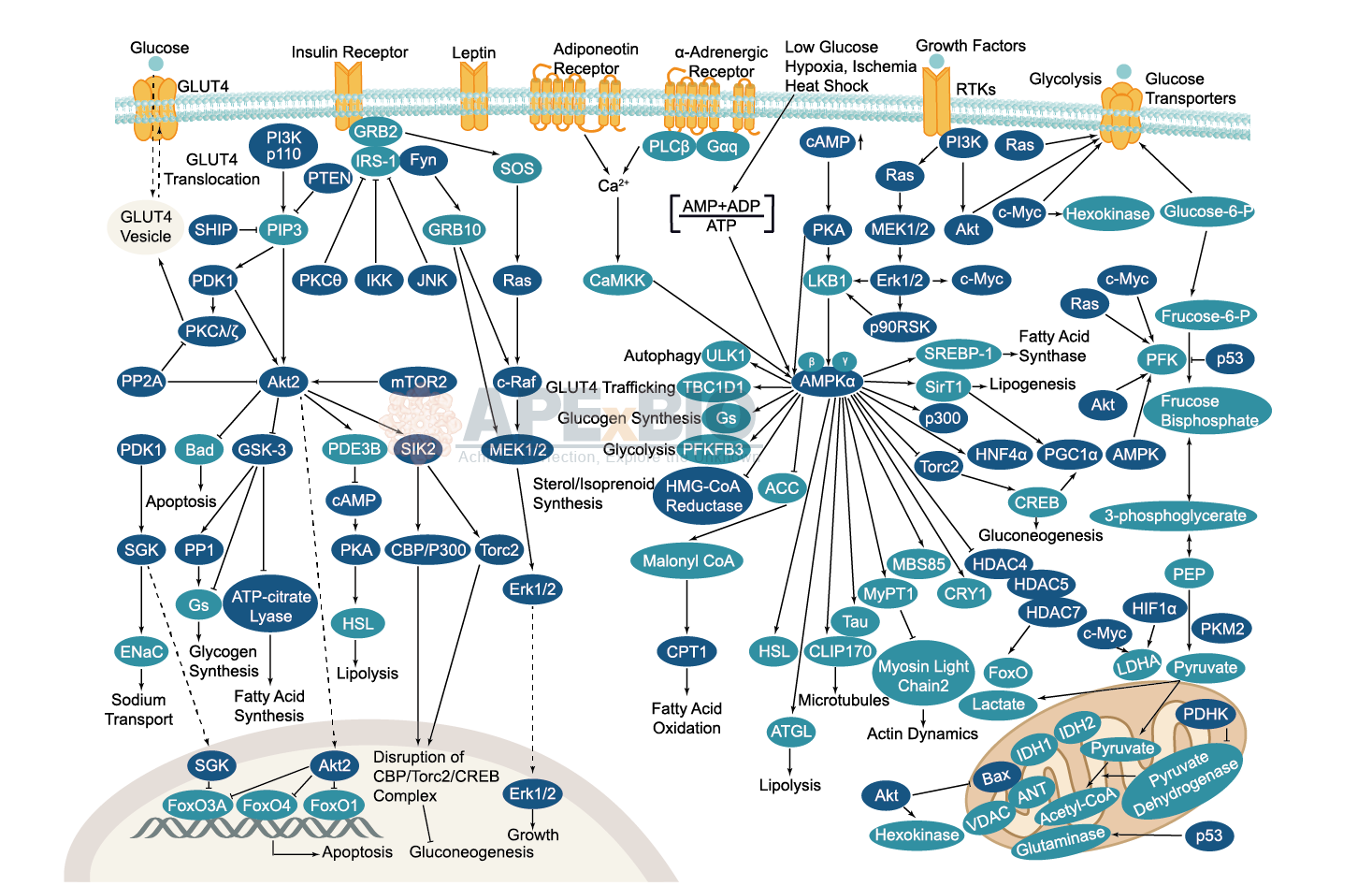
Serine/threonine kinase AMPK upregulates glucose uptake by promoting the expression and function of glucose transporters. AMPK is activated by increased AMP/ATP ratio, resulting from cellular and environmental stress, e.g. low glucose, heat shock, hypoxia and ischemia. AMPK activation positively modulates signaling transductions that refill ATP levels. Moreover, it also stimulates catabolic processes such as fatty acid oxidation and glycolysis through inhibition of ACC and activation of PFK2. AMPK negatively regulates various proteins which are important to ATP-consuming mechanisms, e.g. mTORC2, glycogen synthase, SREBP-1, and TSC2, causing the downregulation/inhibition of gluconeogenesis and glycogen, lipid and protein synthesis.
-
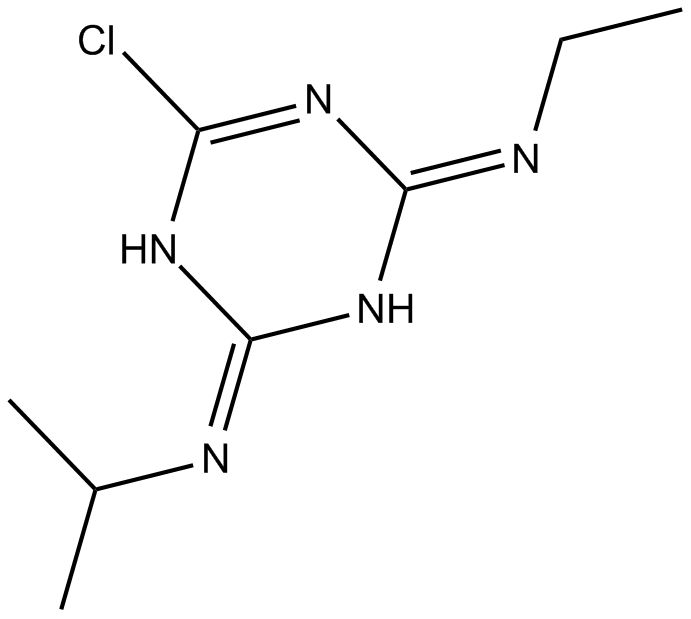 C4290 AtrazineSummary: A triazine herbicide that acts on the Photosystem II QB site and inhibits photosynthetic electron transport.
 -
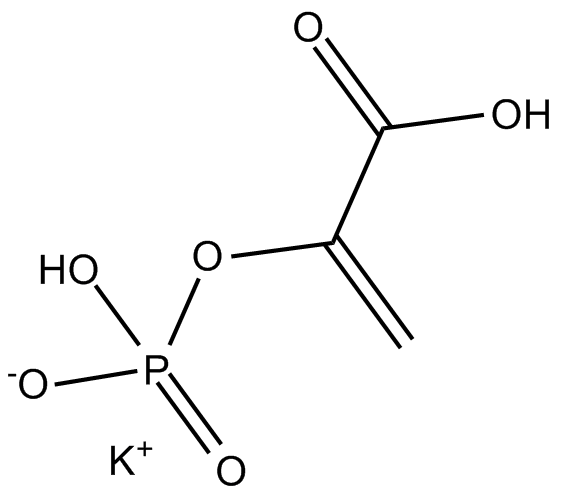 C4294 Phosphoenolpyruvic Acid (potassium salt)Summary: An endogenous metabolic intermediate in the cellular glycolysis pathway.
 -
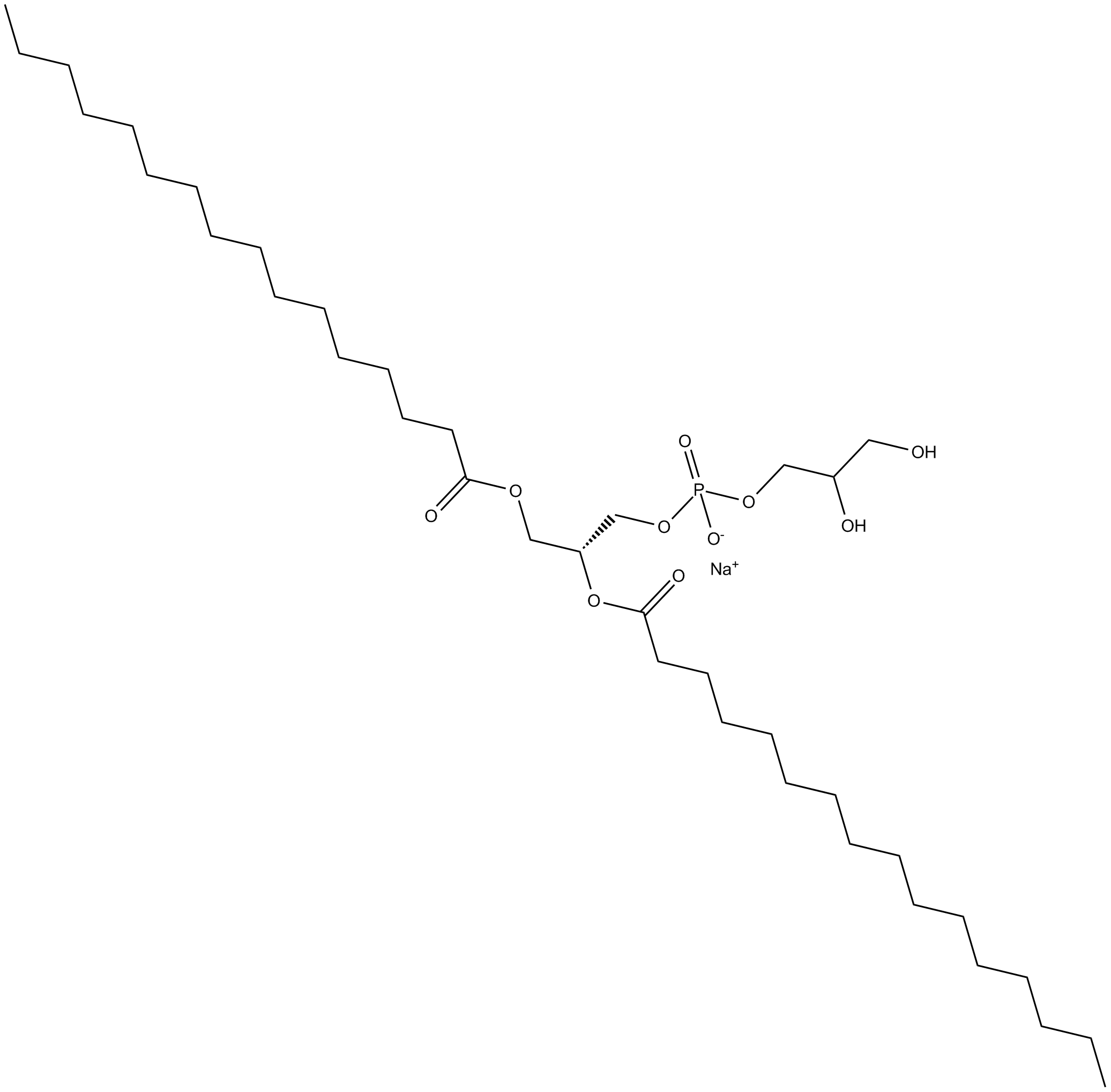 C4304 1,2-Dipalmitoyl-sn-glycero-3-phospho-sn-1-glycerol (sodium salt)Summary: A phospholipid molecule used for cell membrane simulation and membrane protein function studies.
 -
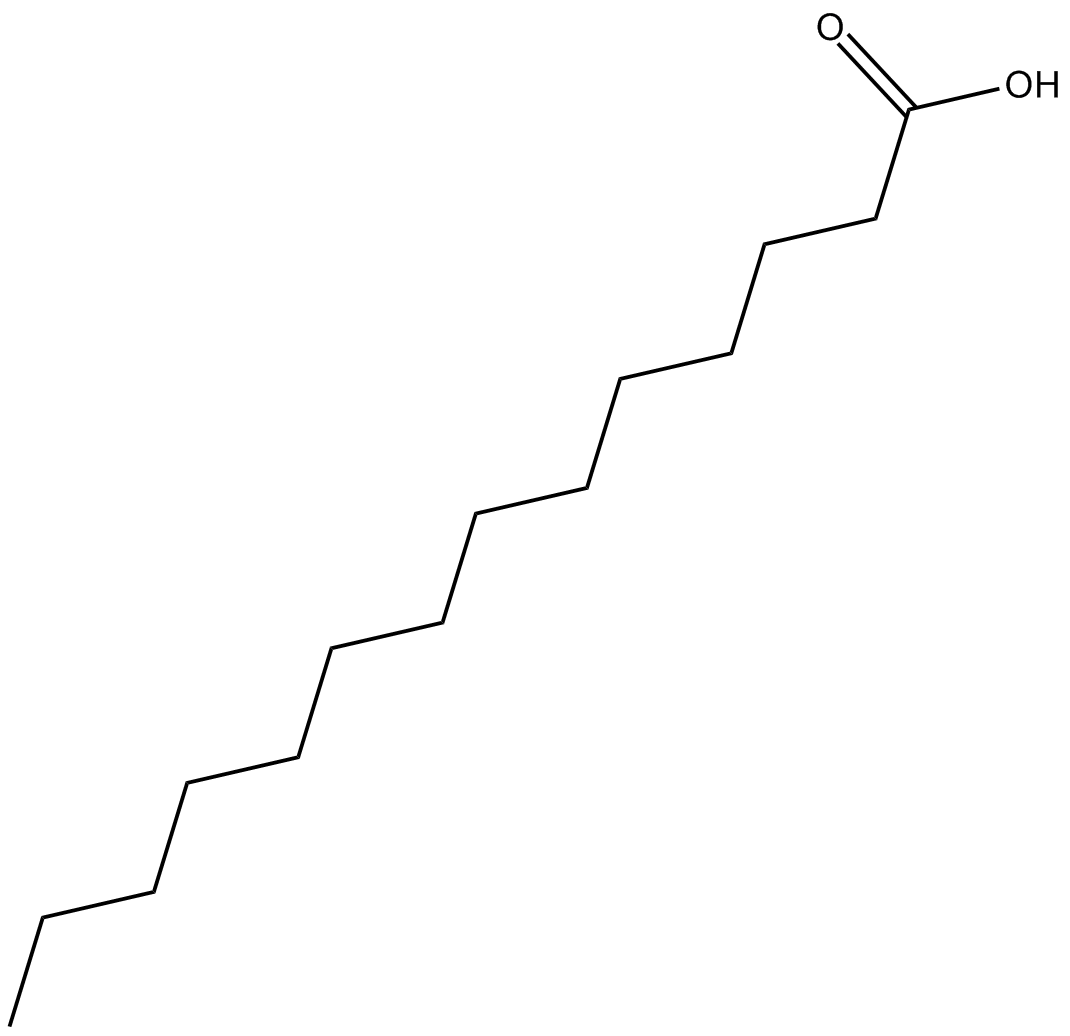 C4313 Myristic AcidSummary: A saturated fatty acid with antibacterial, anti-inflammatory, and analgesic effects.
 -
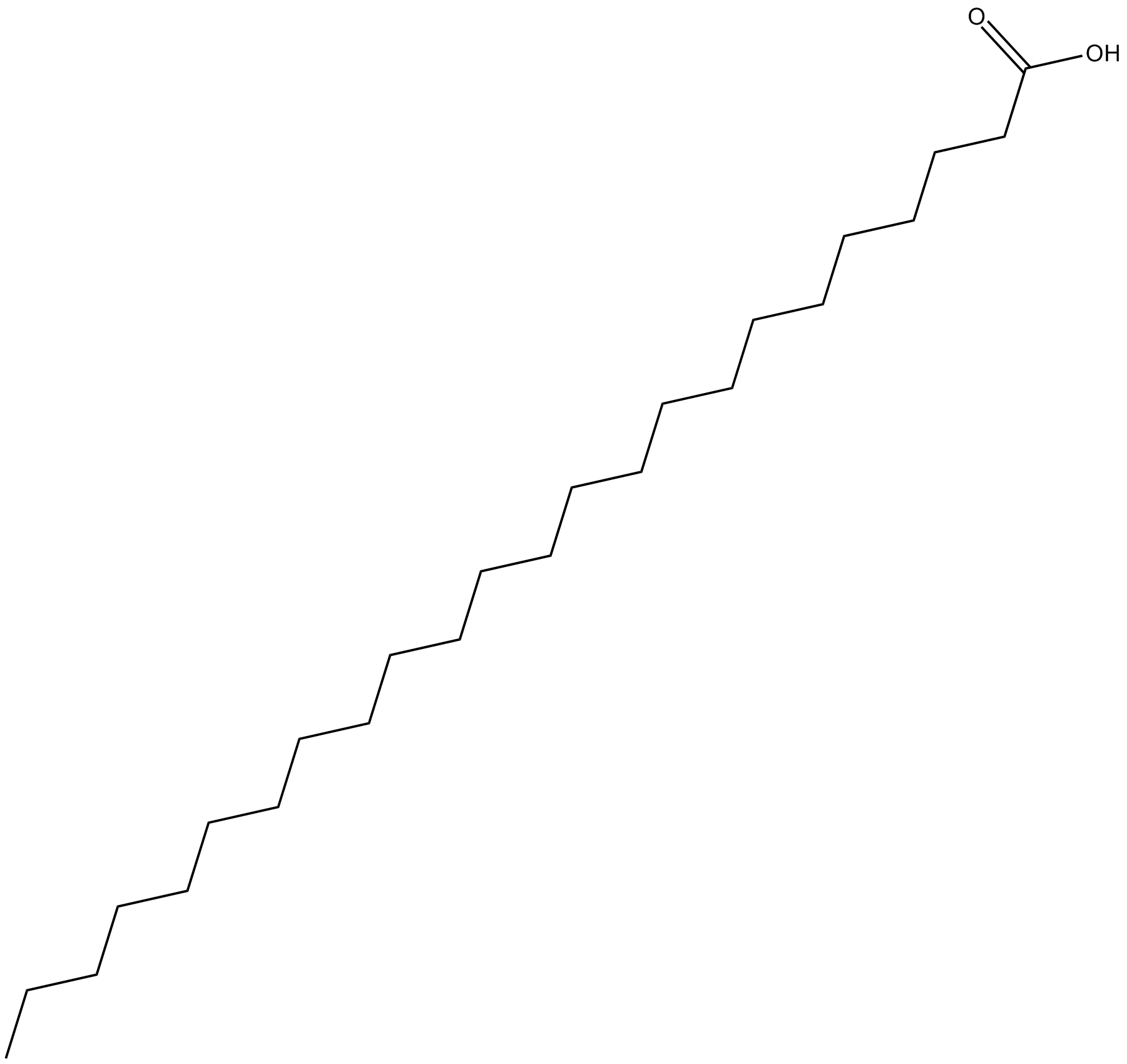 C4314 Lignoceric AcidSummary: A 24-carbon saturated fatty acid for mechanistic studies of neurodegenerative diseases.
 -
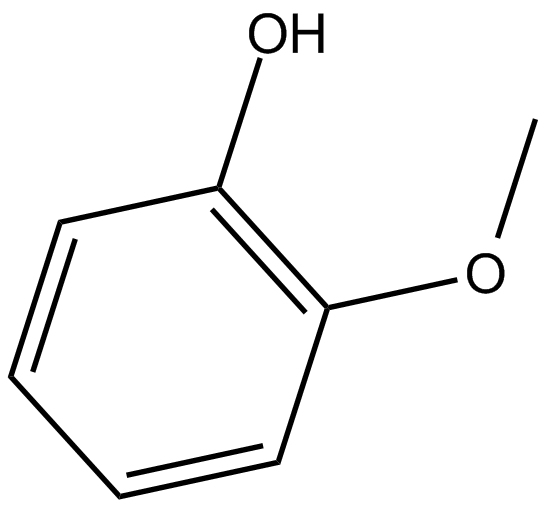 C4360 GuaiacolSummary: A phenolic natural product with expectorant, disinfectant, and anti-inflammatory effects.
 -
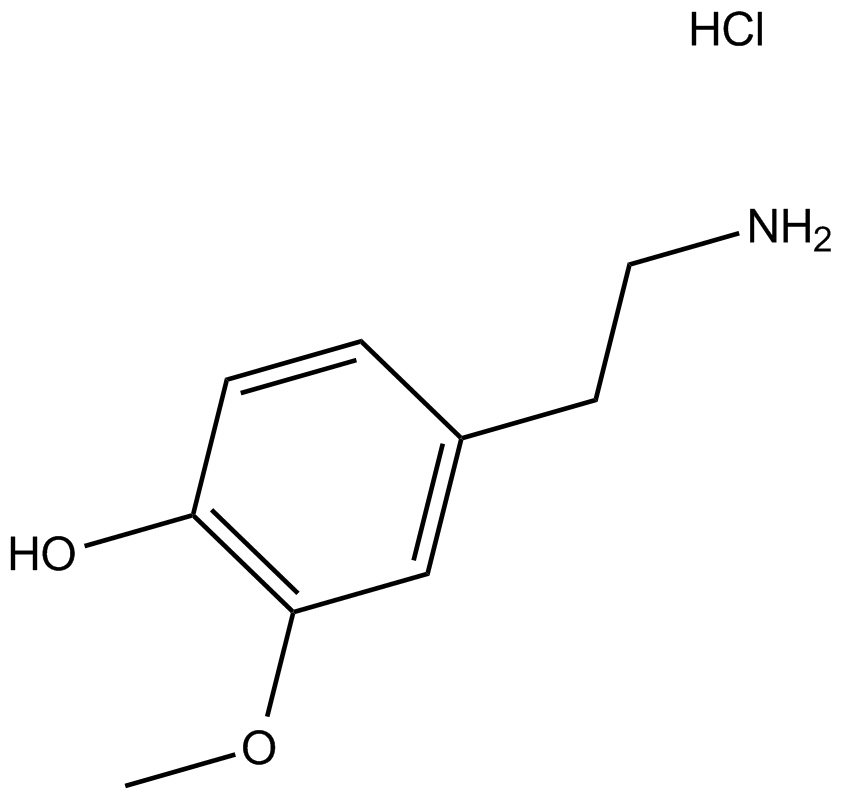 C4379 3-methoxy Tyramine (hydrochloride)Summary: For neuroscience research, a dopamine metabolite that can activate TAAR1.
 -
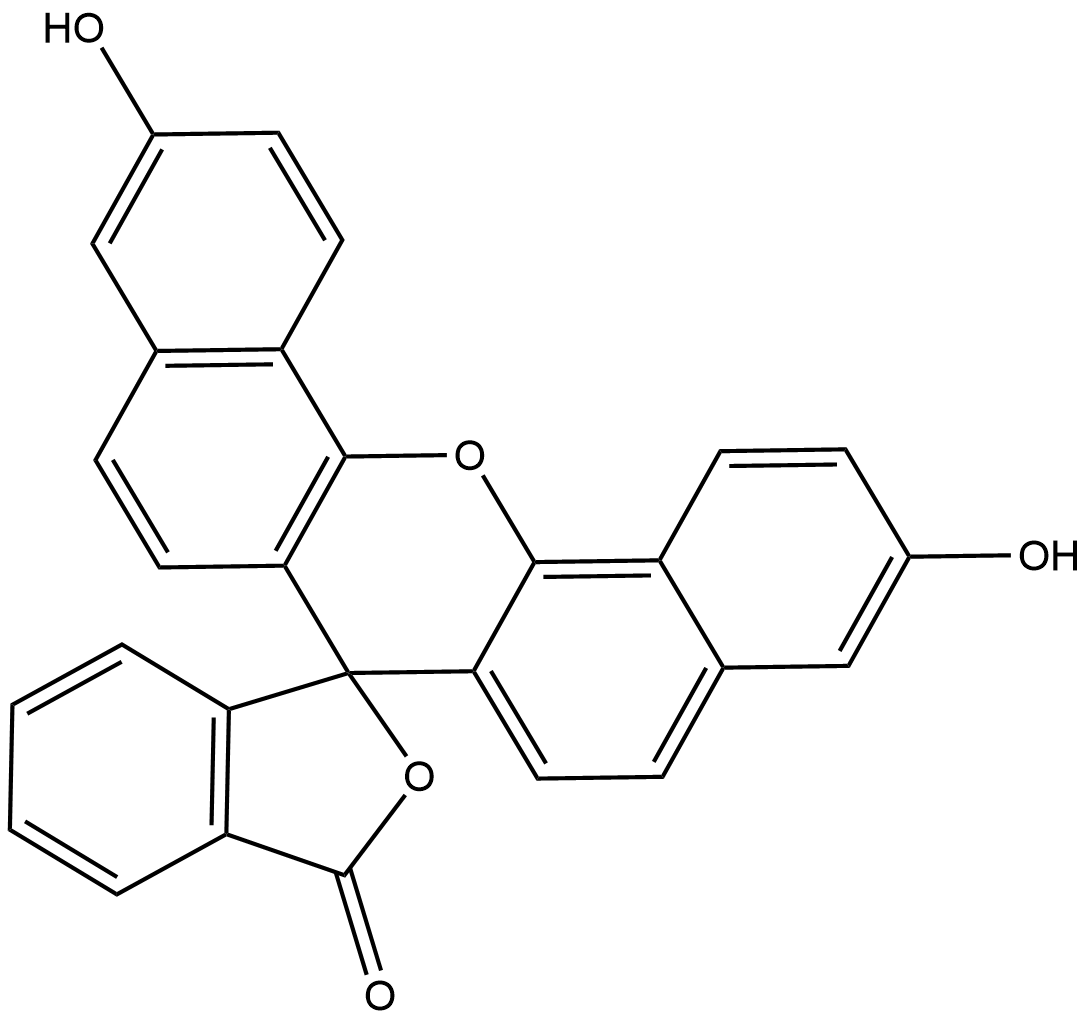 C4419 NaphthofluoresceinSummary: Inhibitor of furin
 -
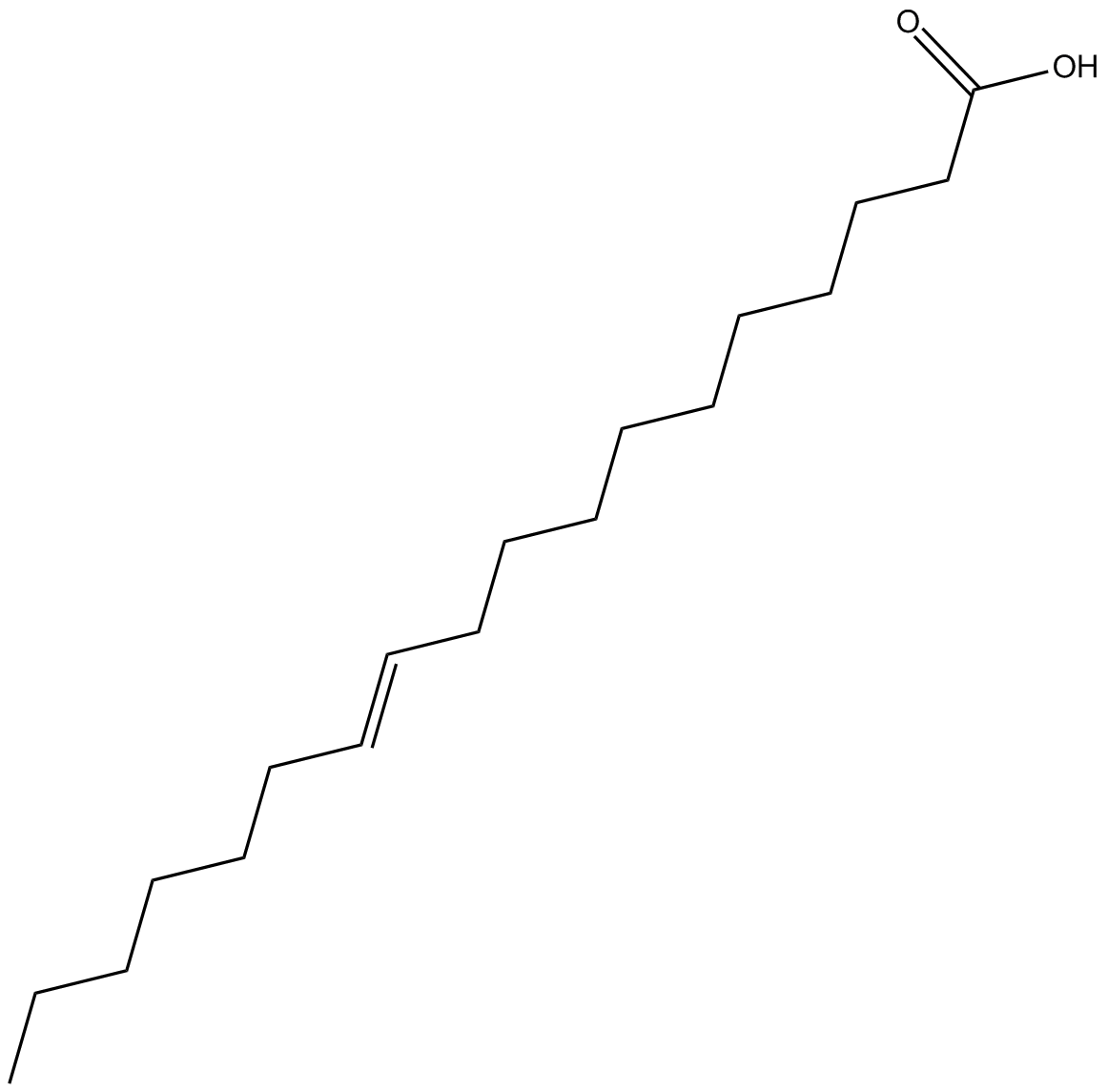 C4457 trans-Vaccenic AcidSummary: A monounsaturated fatty acid precursor that can be metabolized into conjugated linoleic acid.
 -
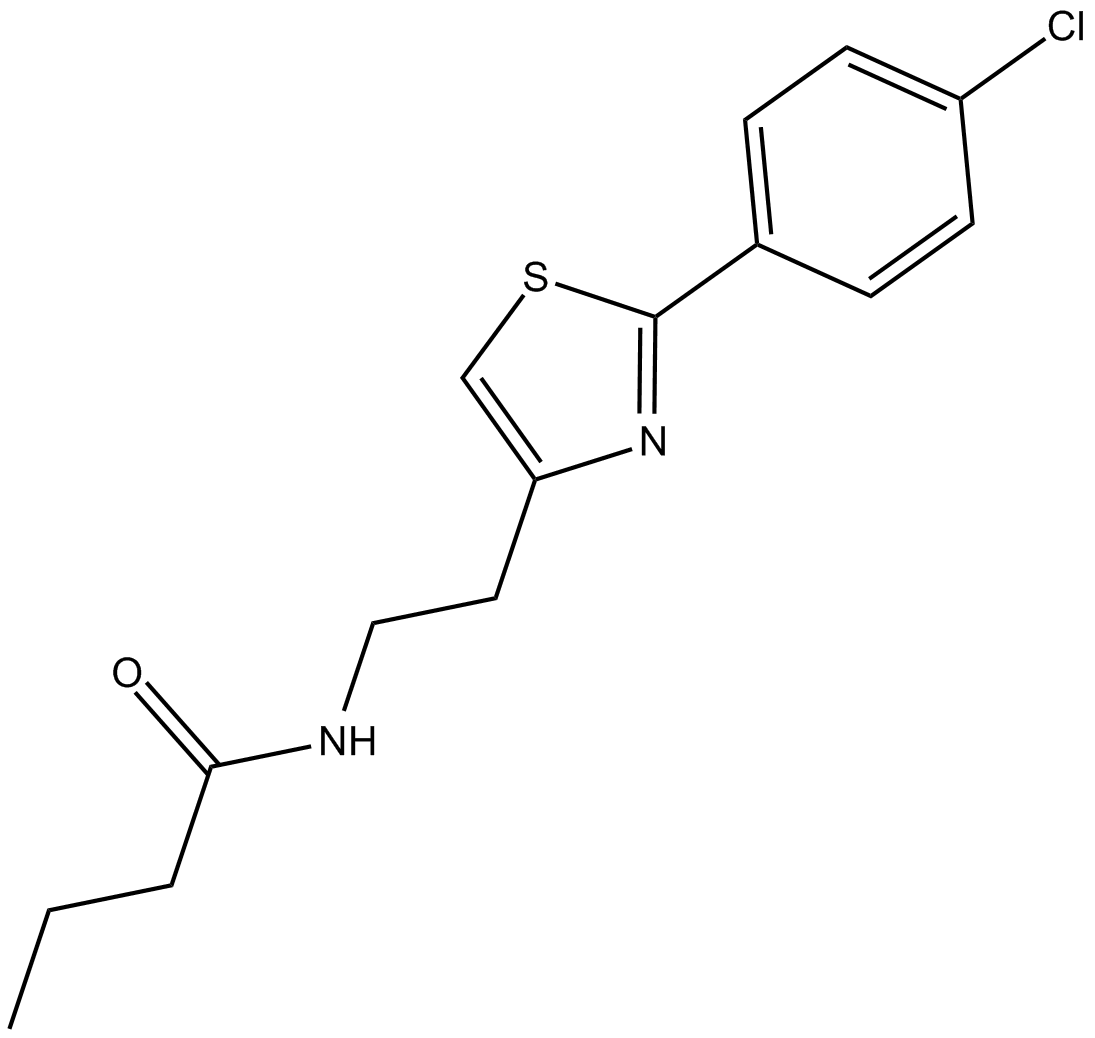 C4463 AzoramideSummary: Modulator of the unfolded protein response (UPR)